
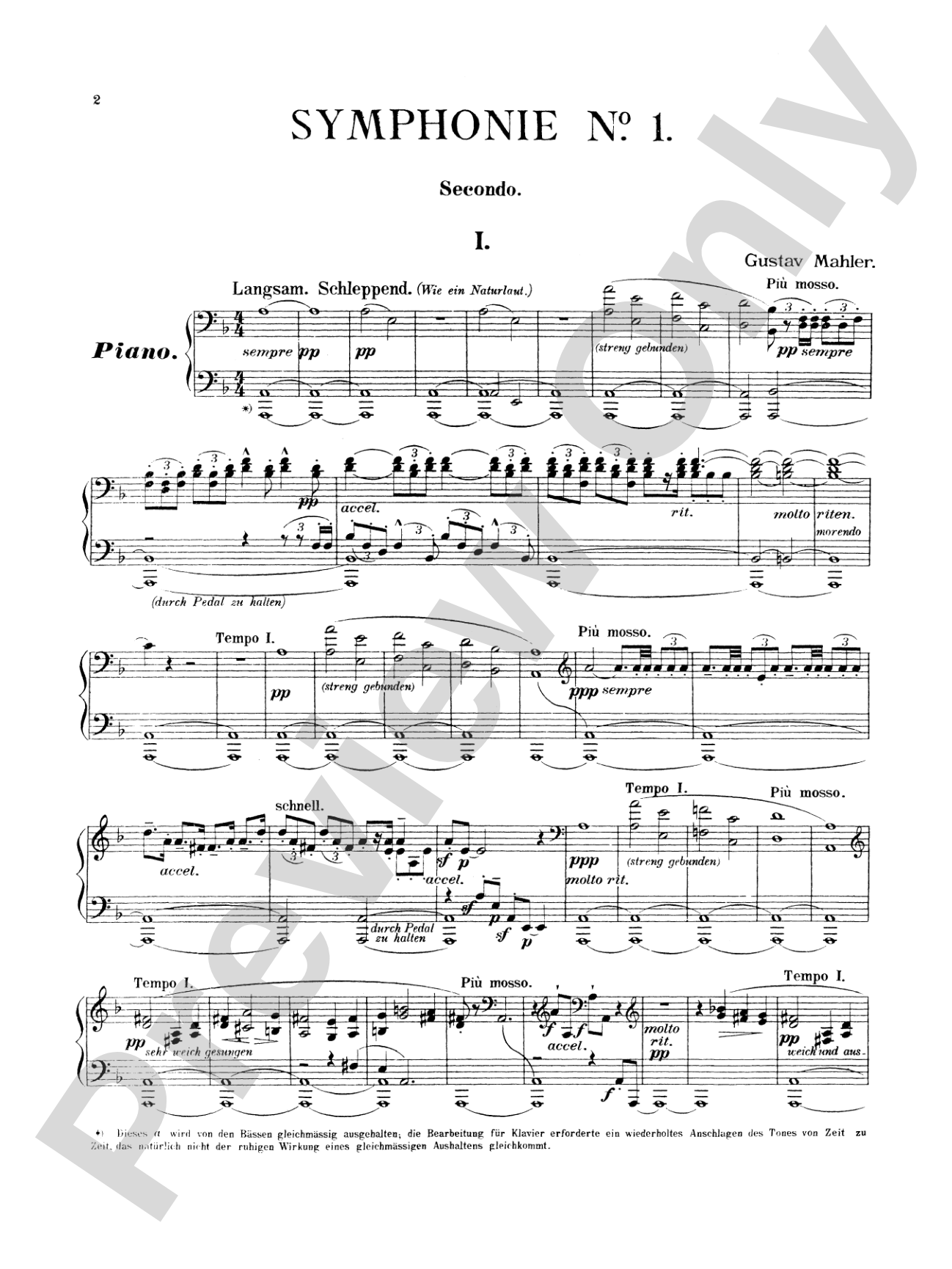
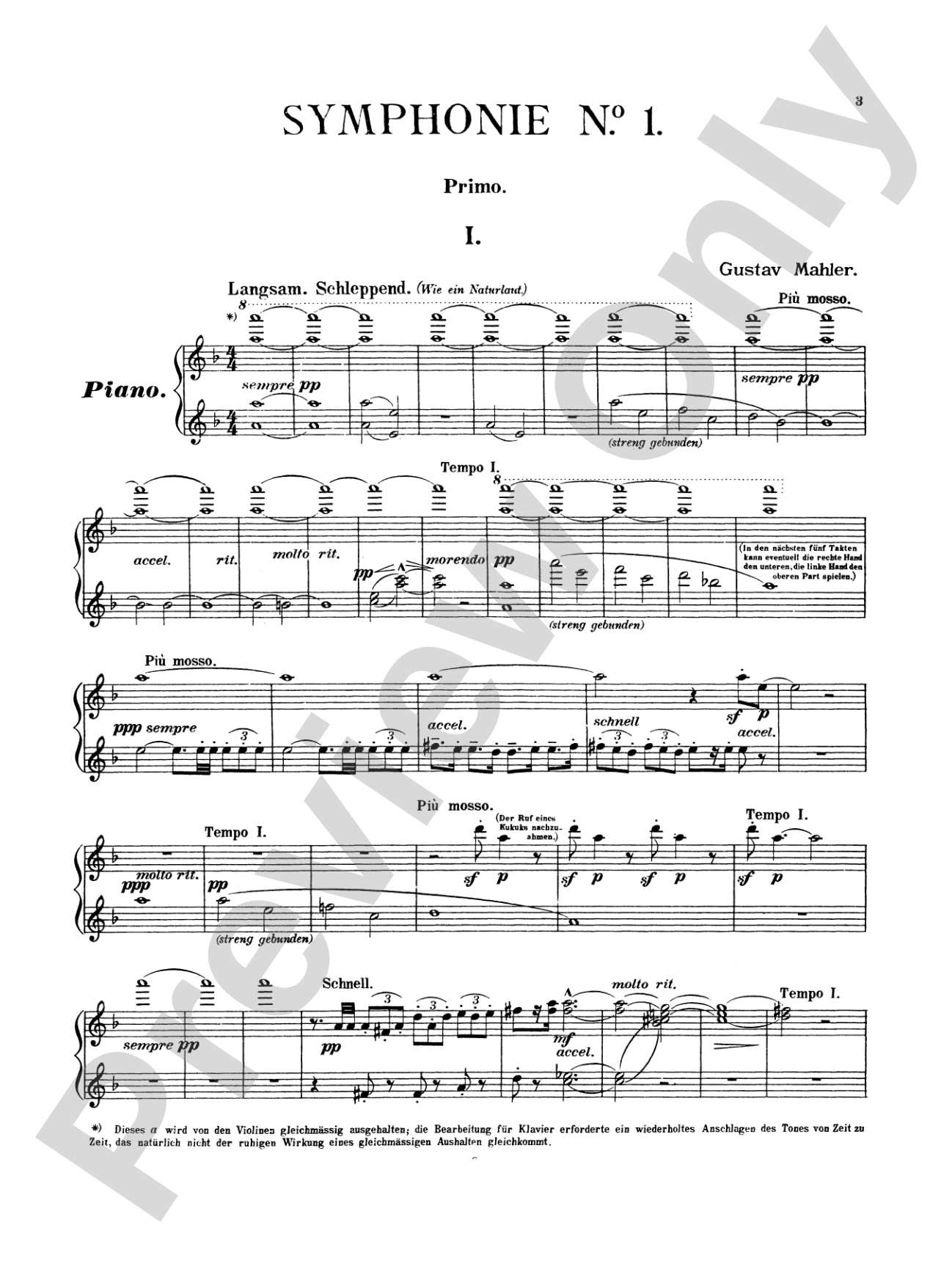
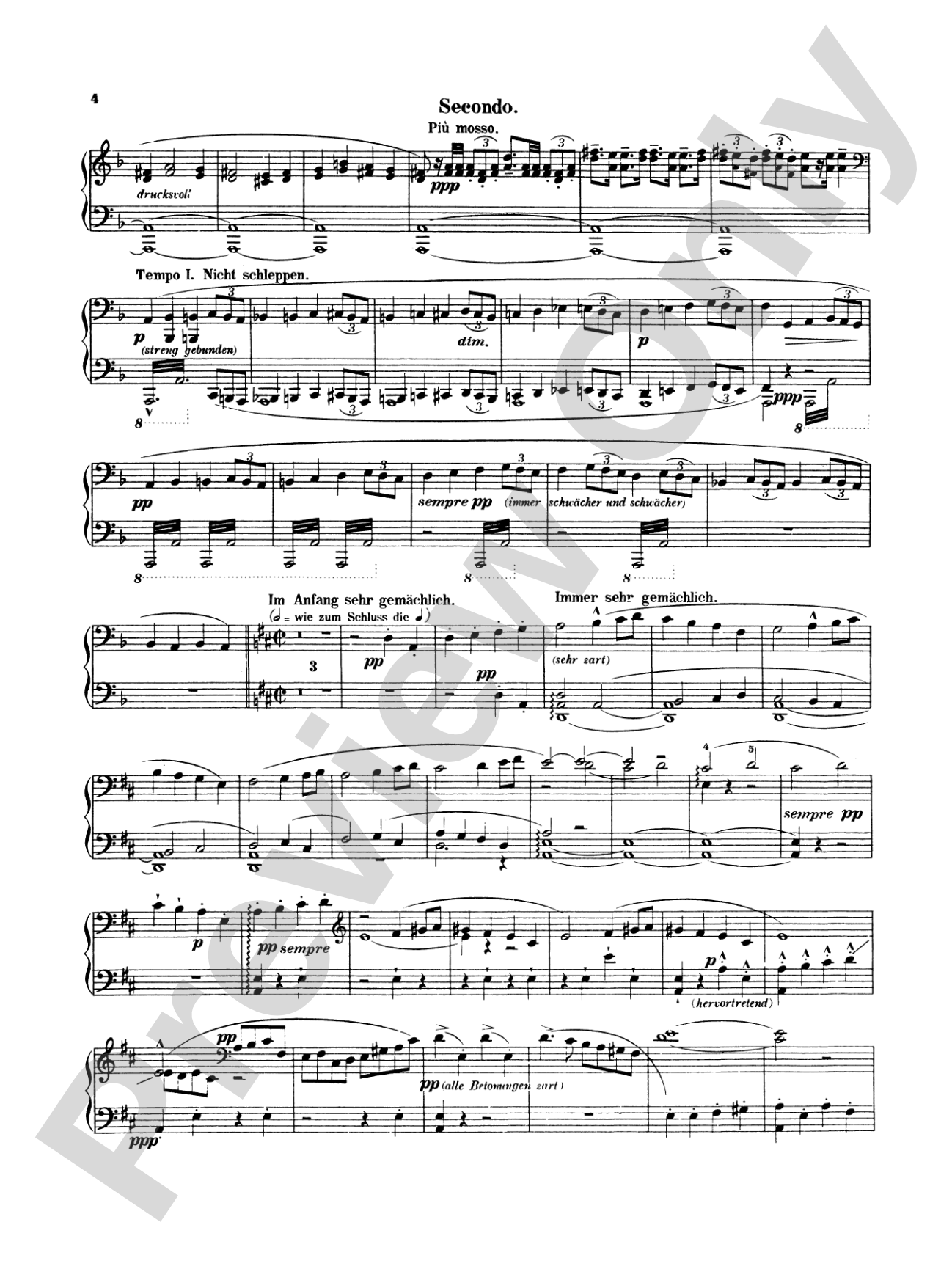
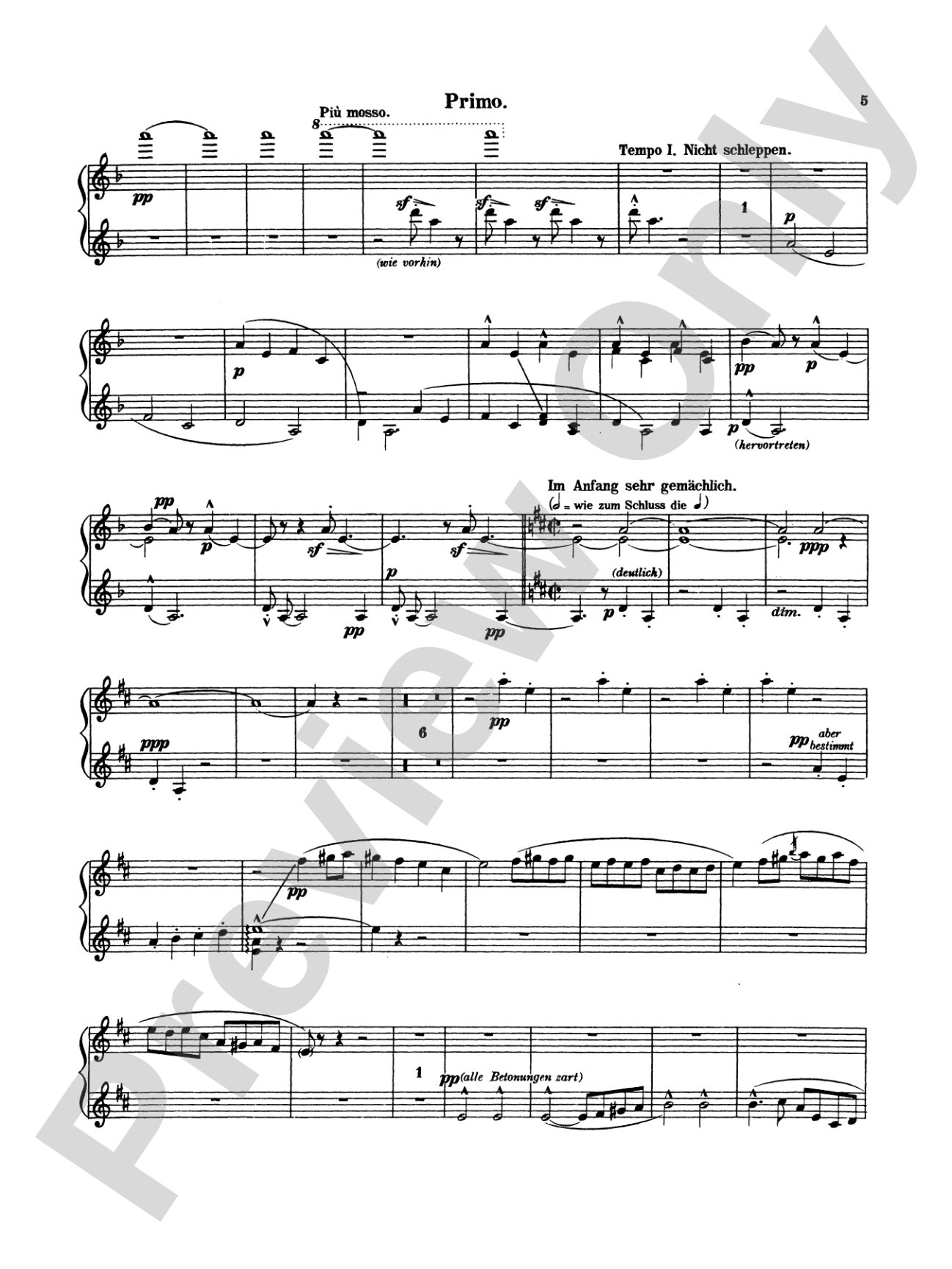
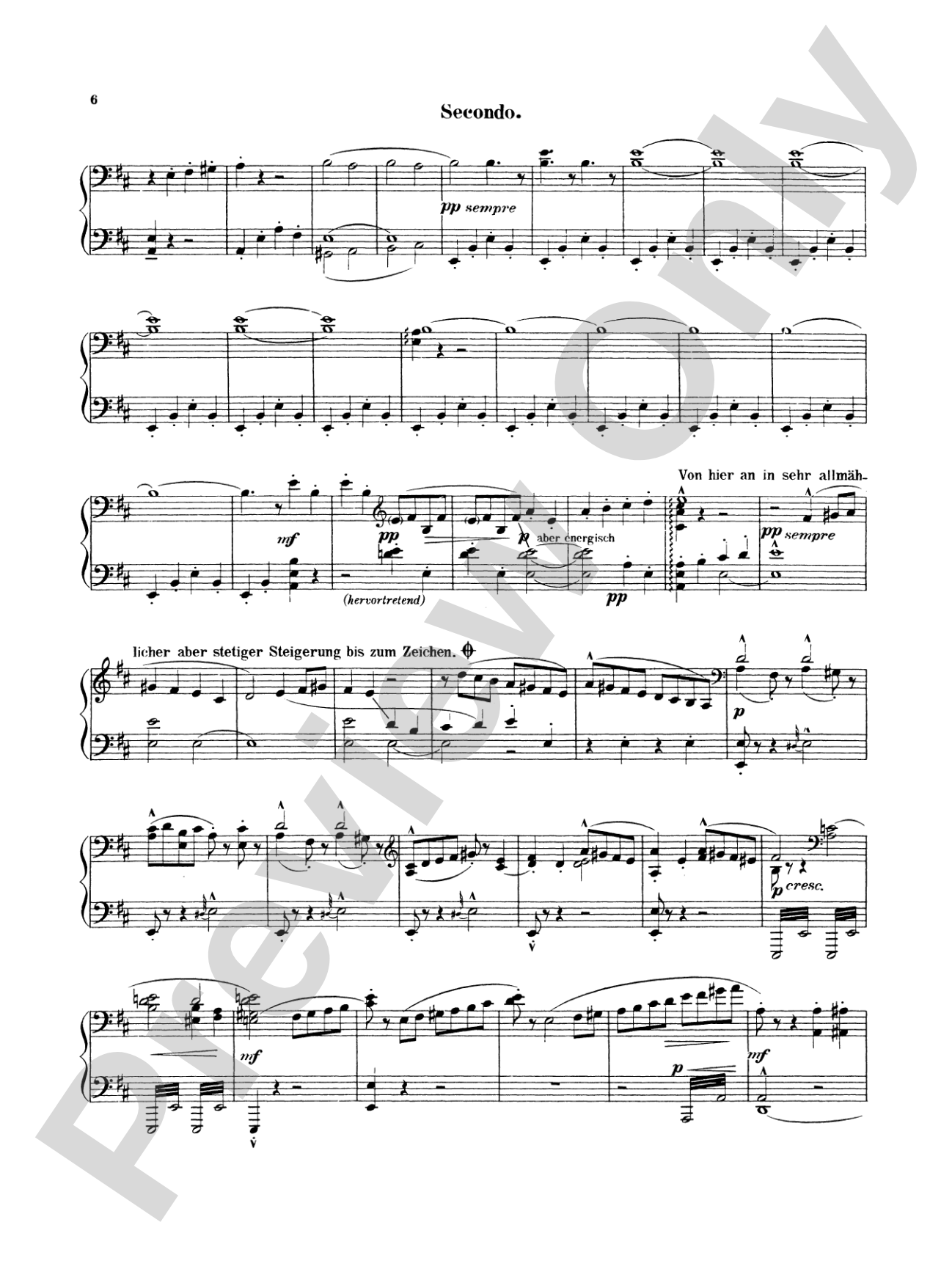
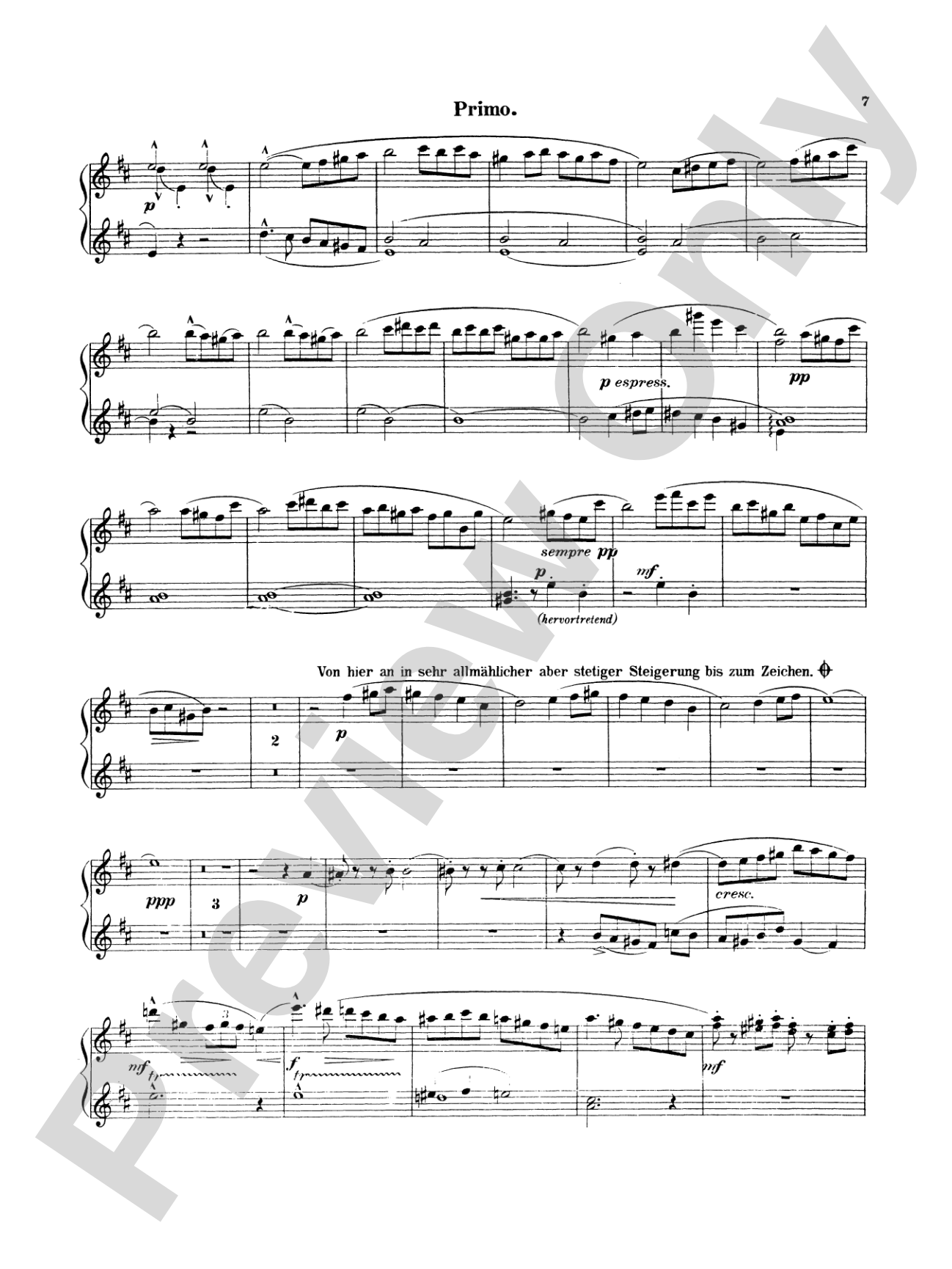
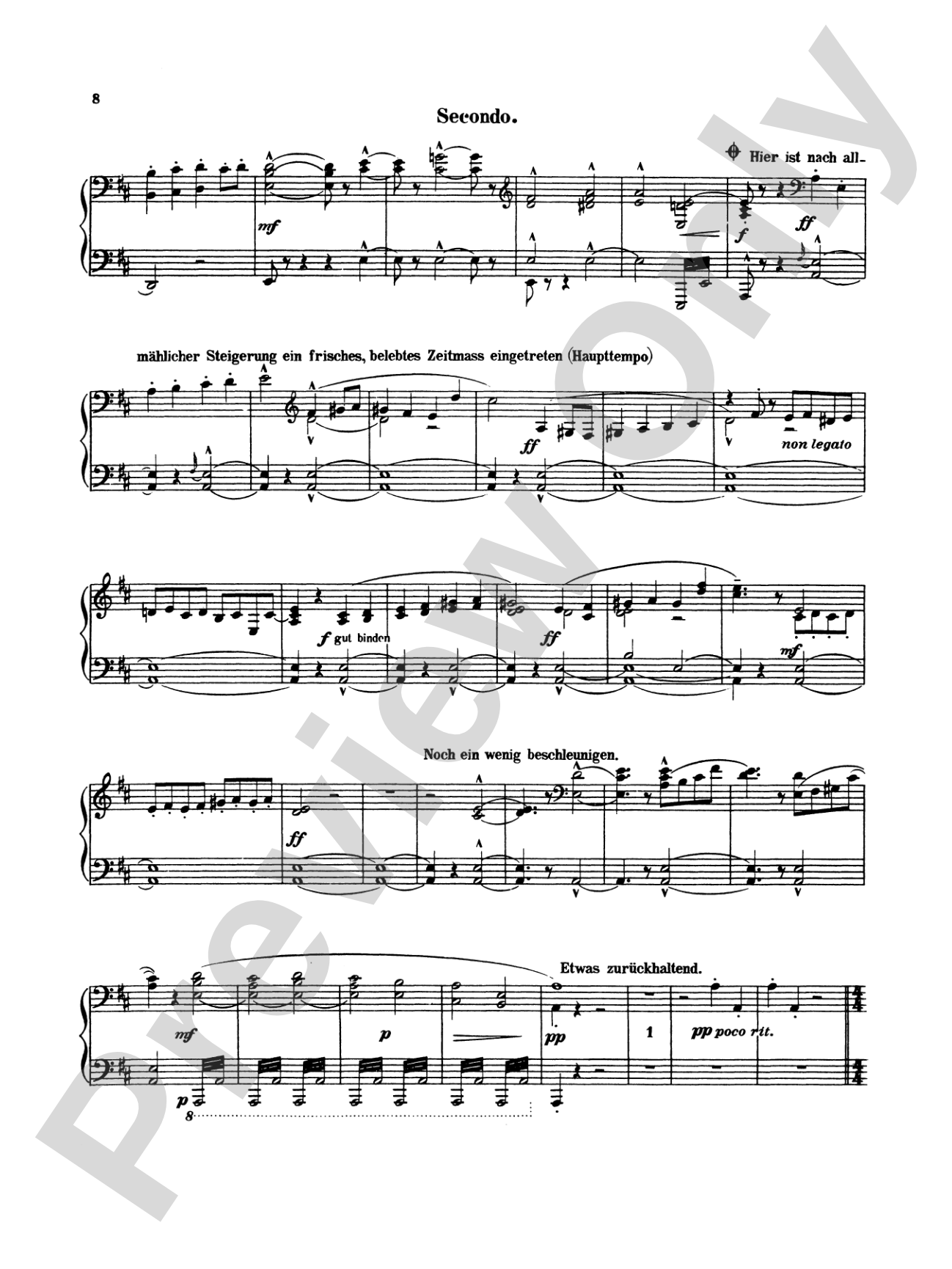
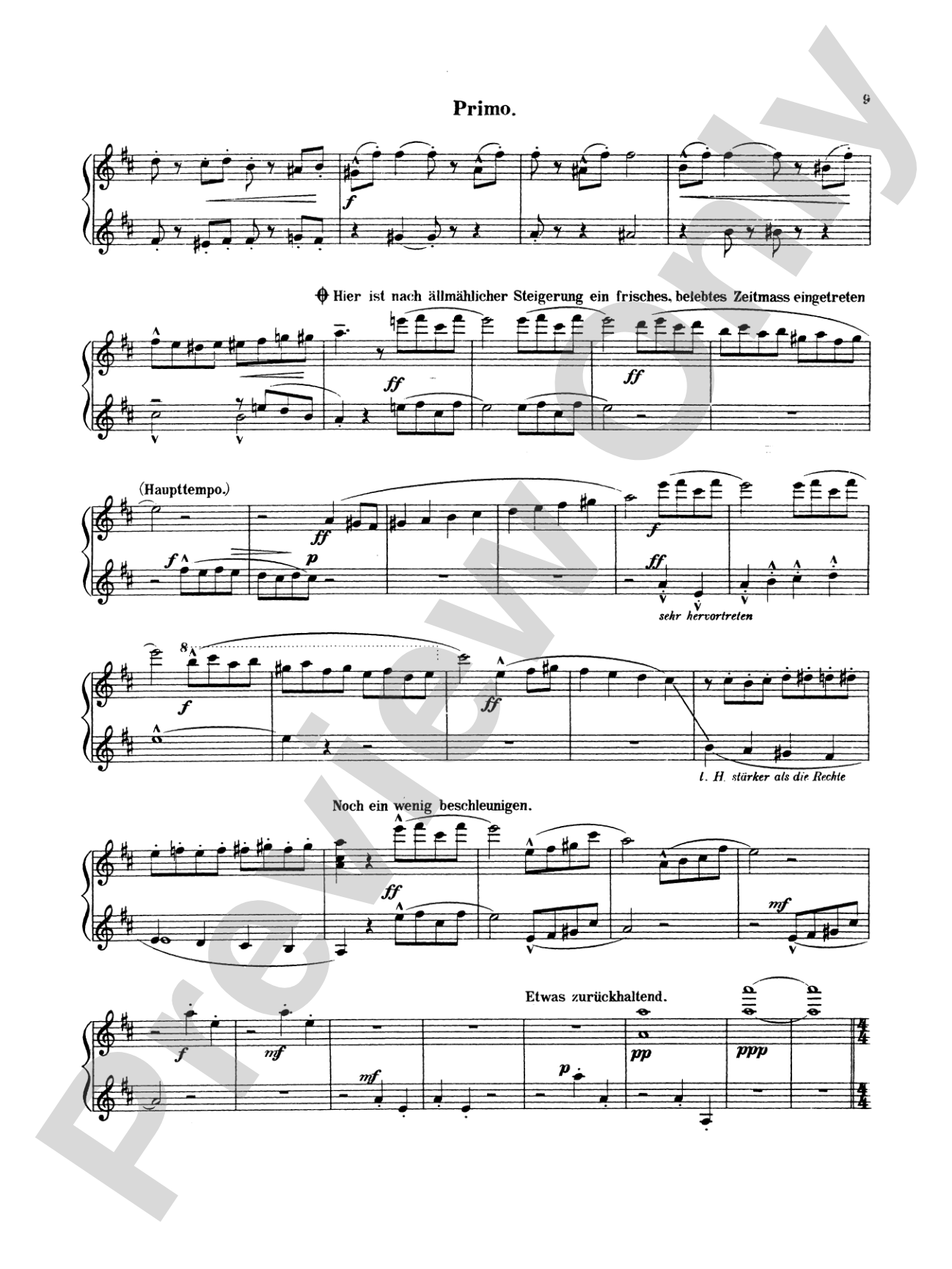
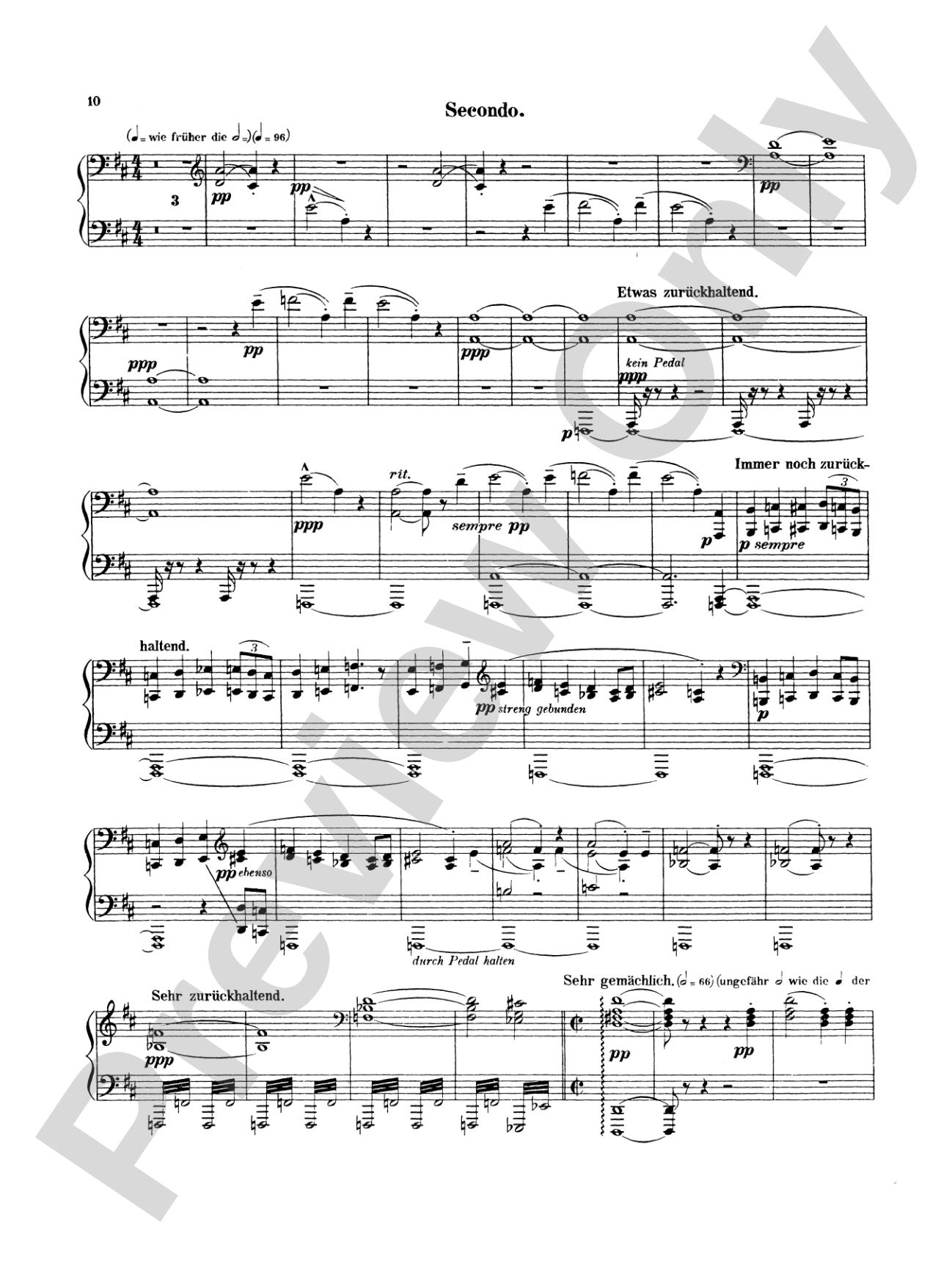
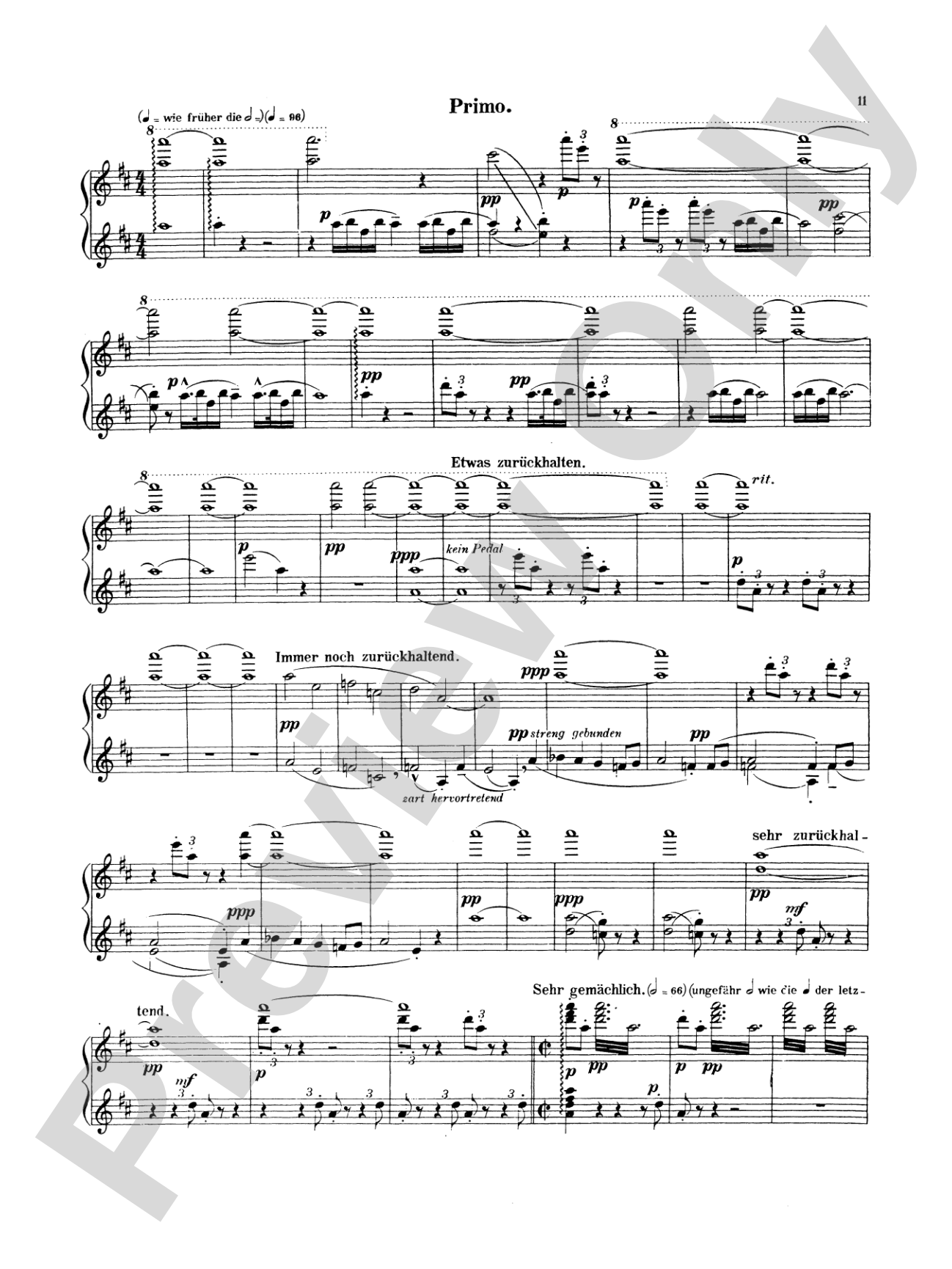
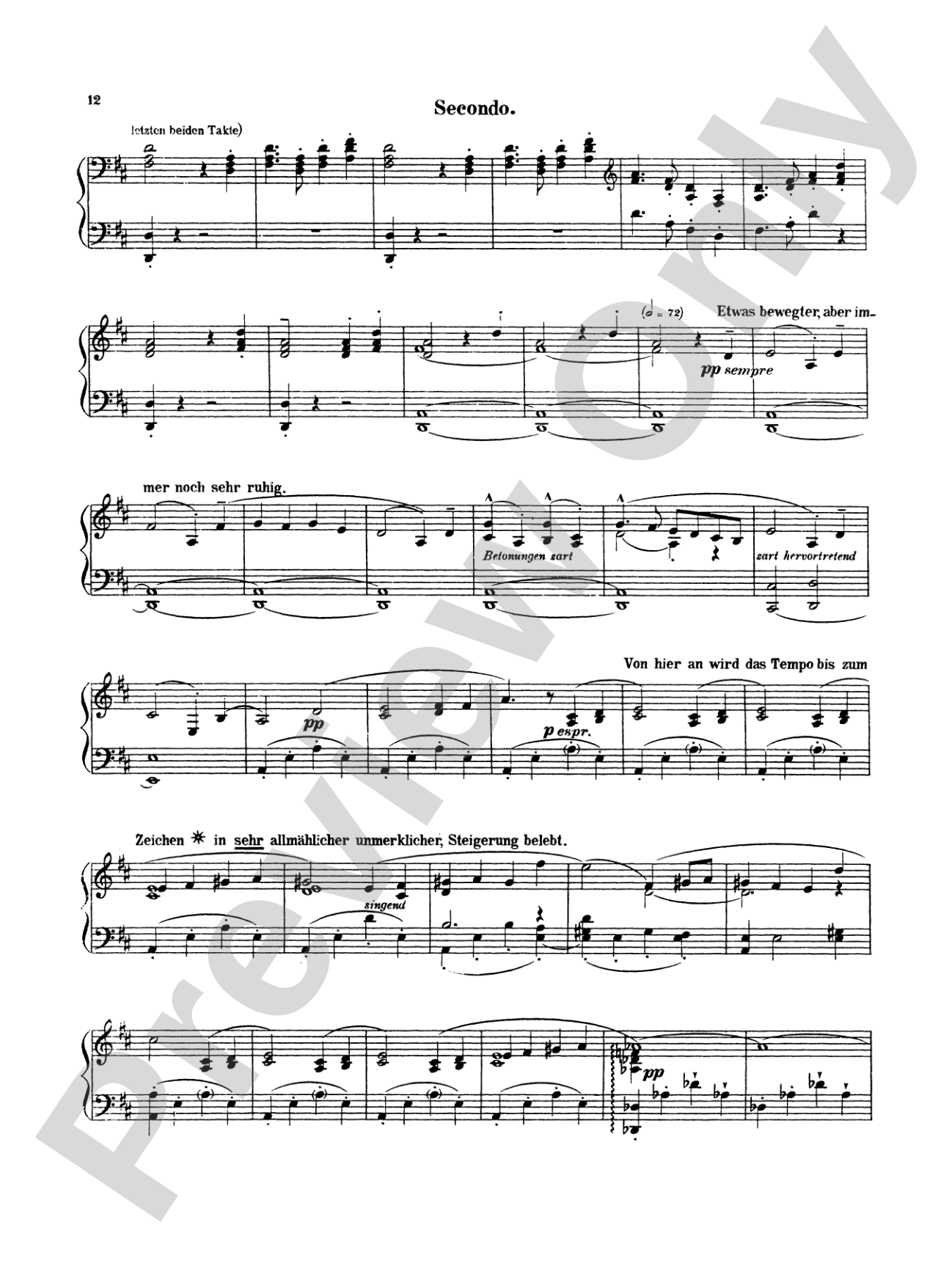
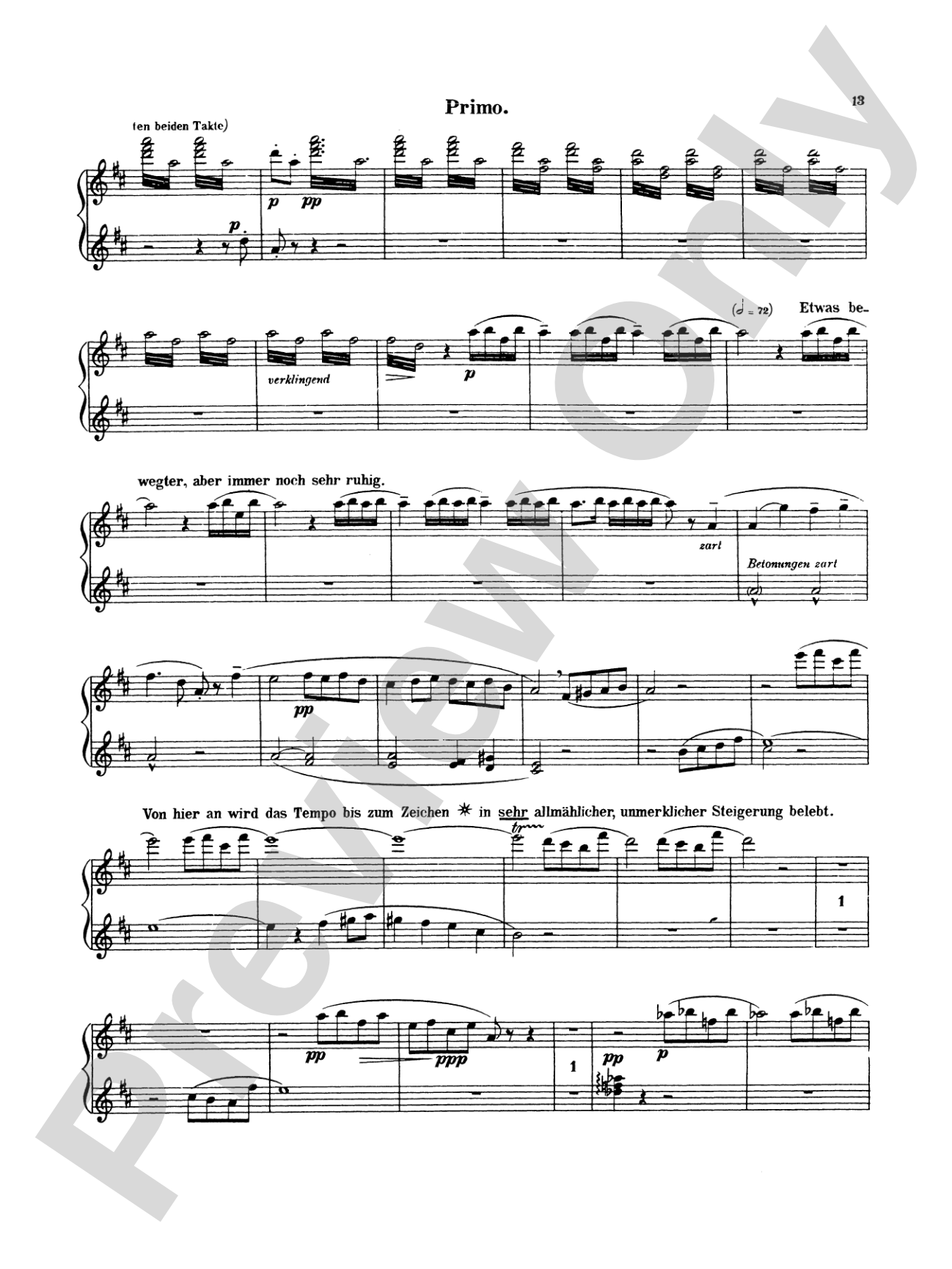
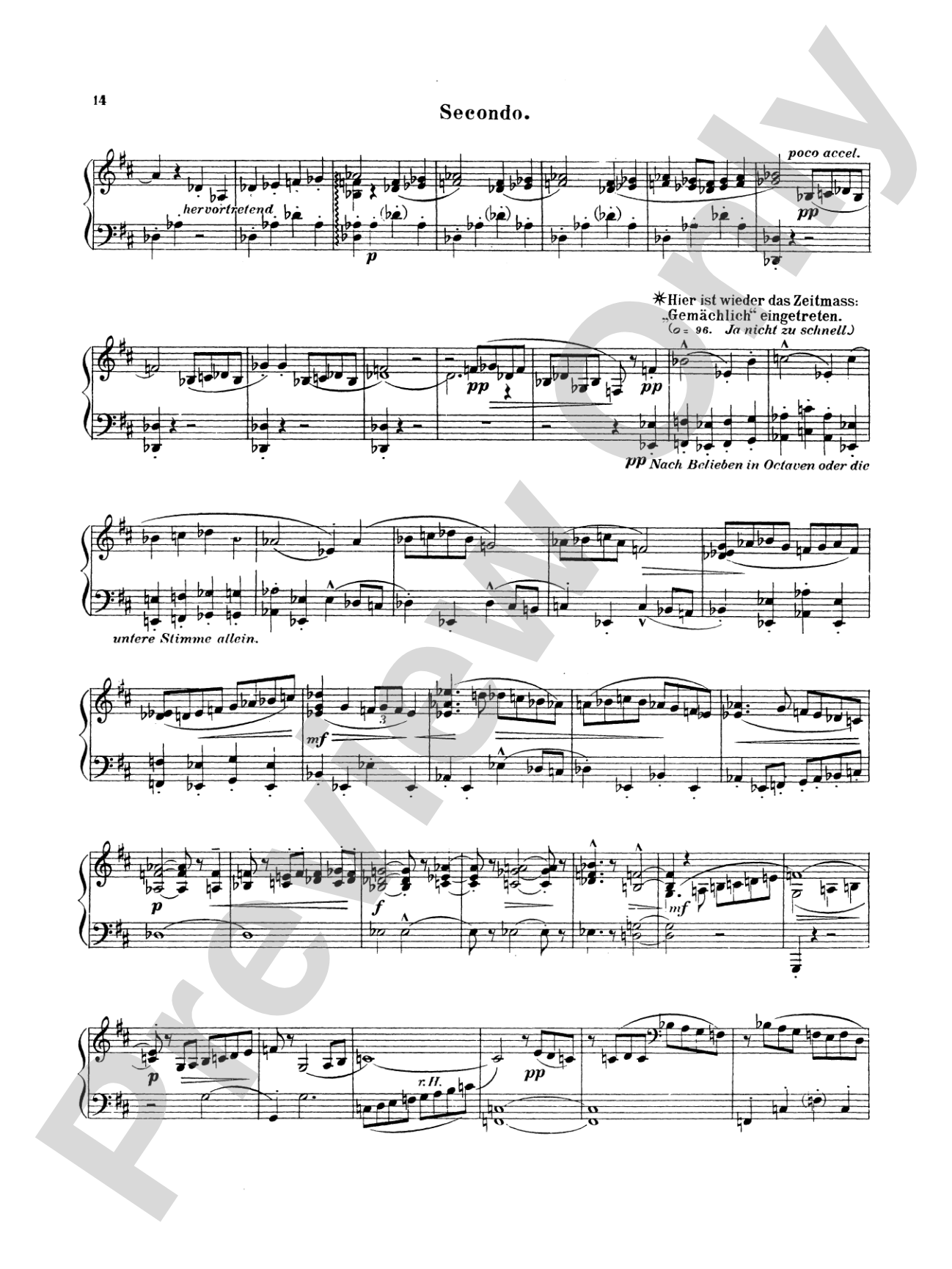
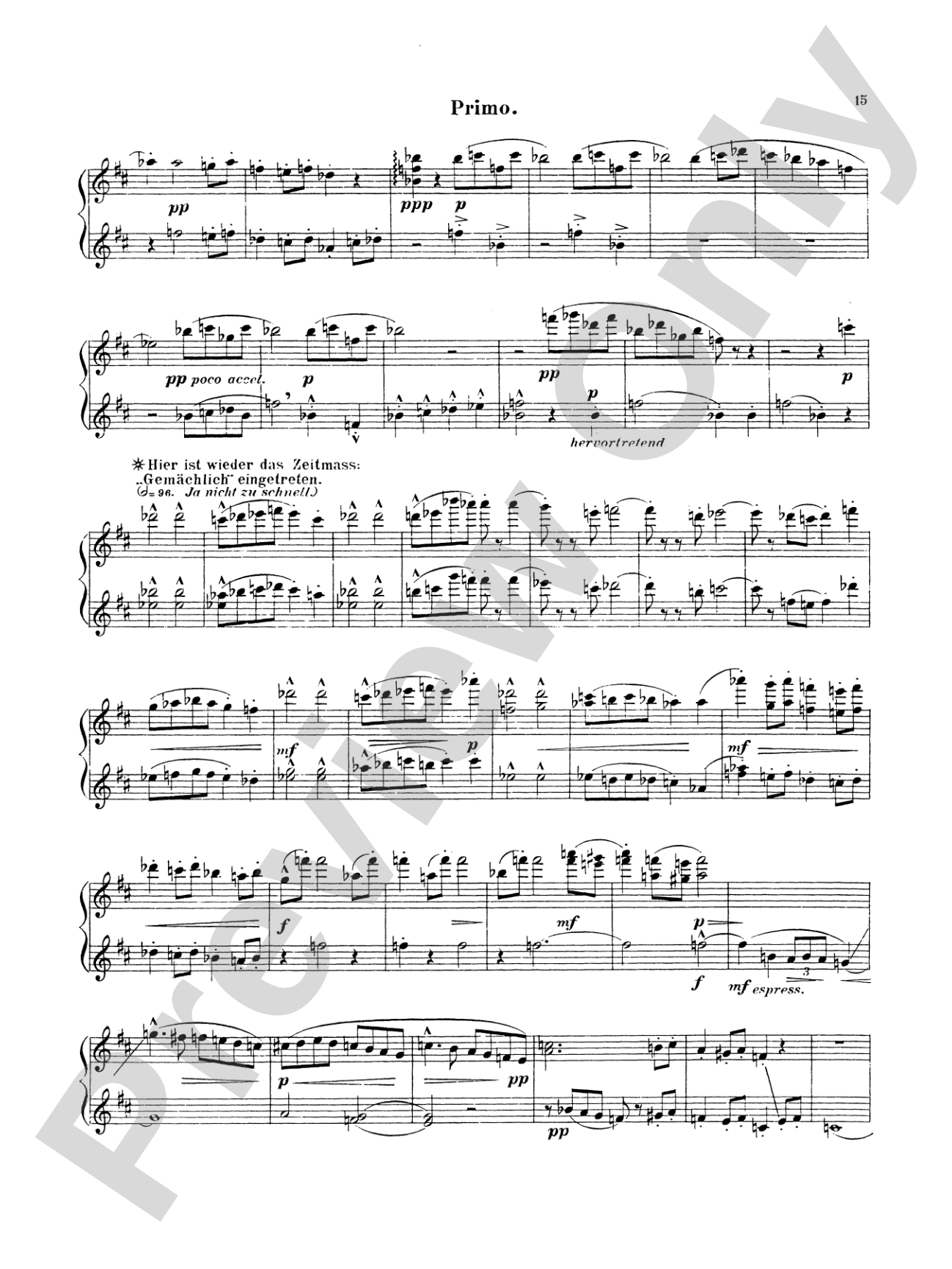
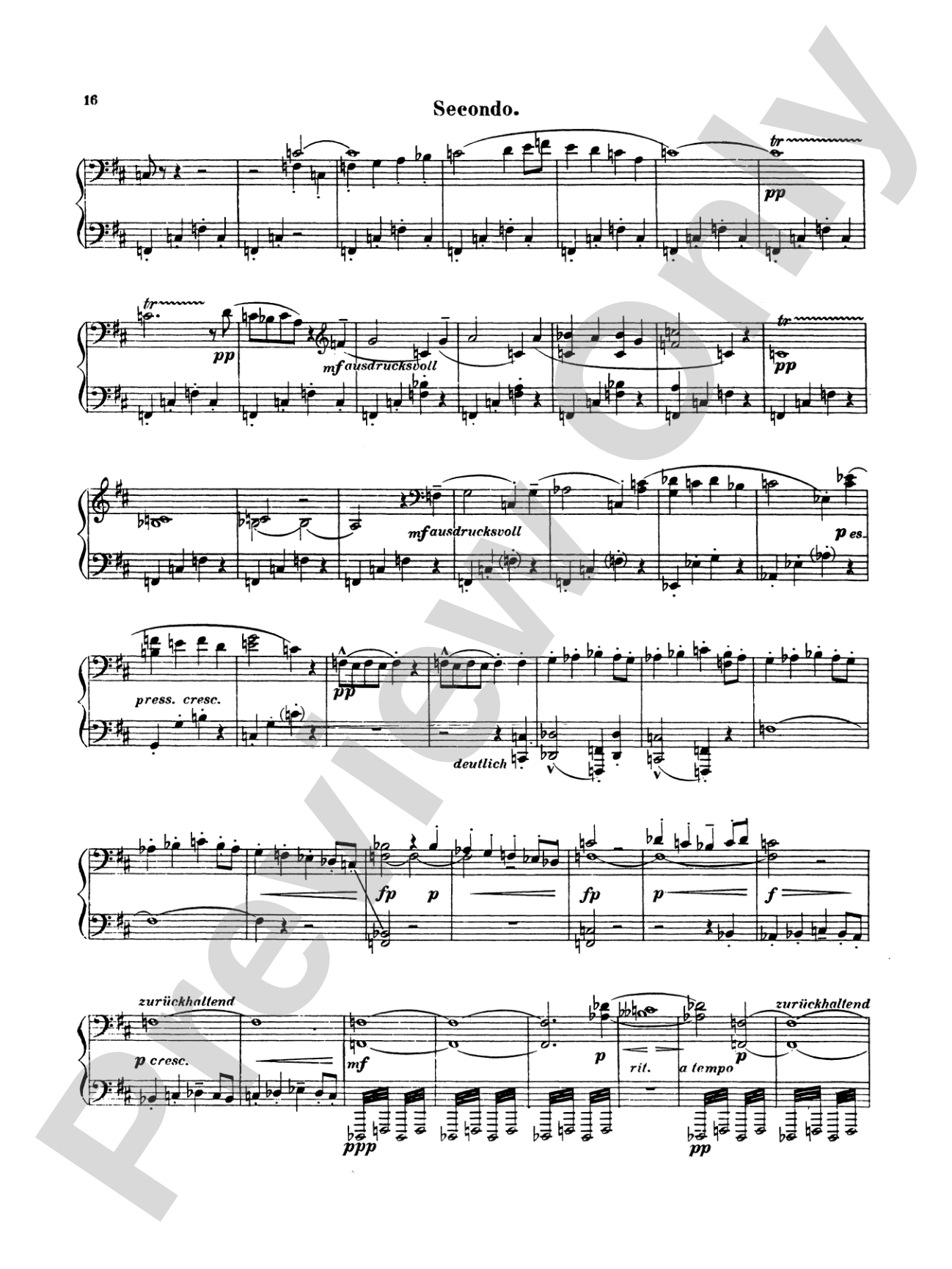
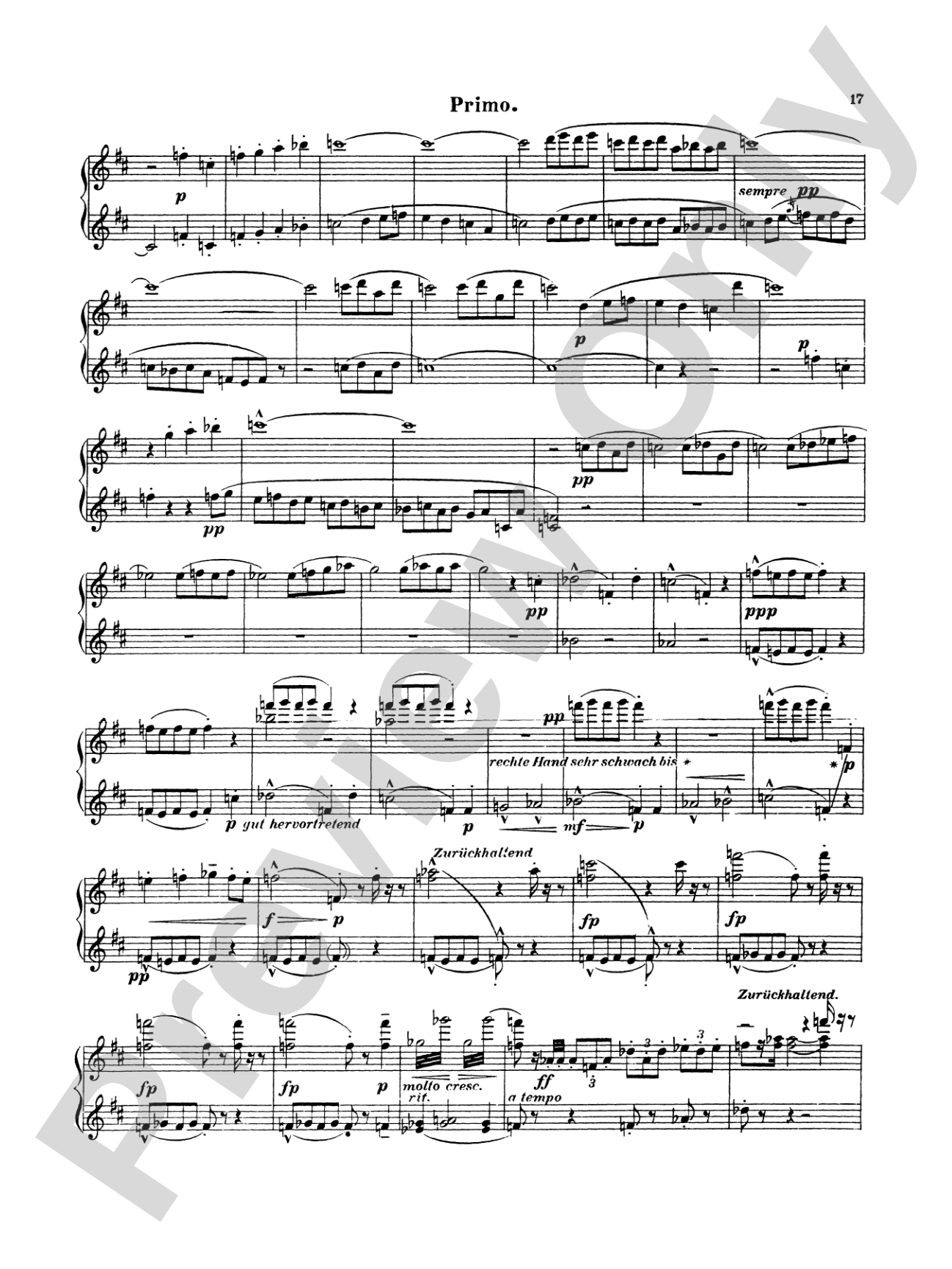
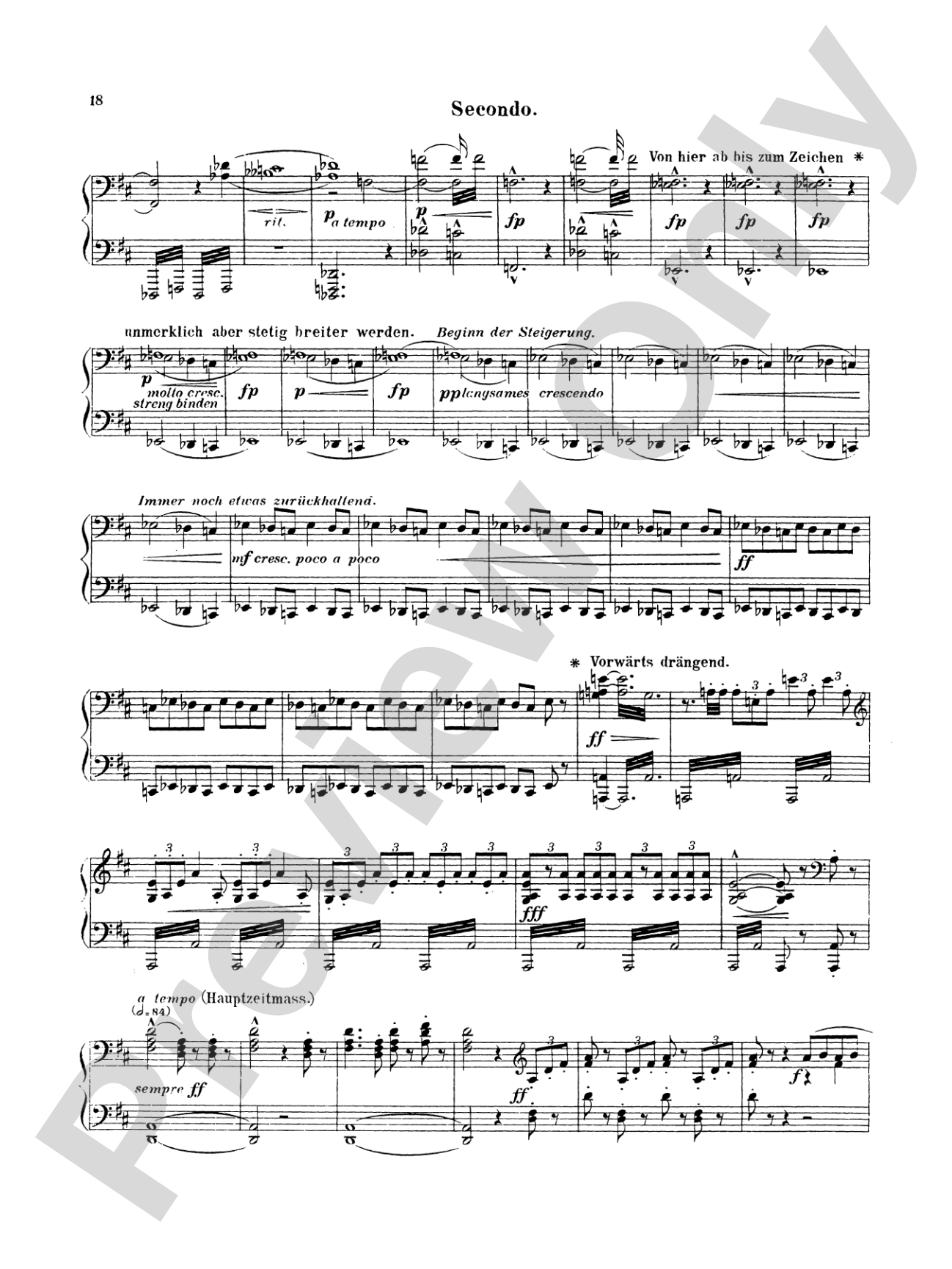
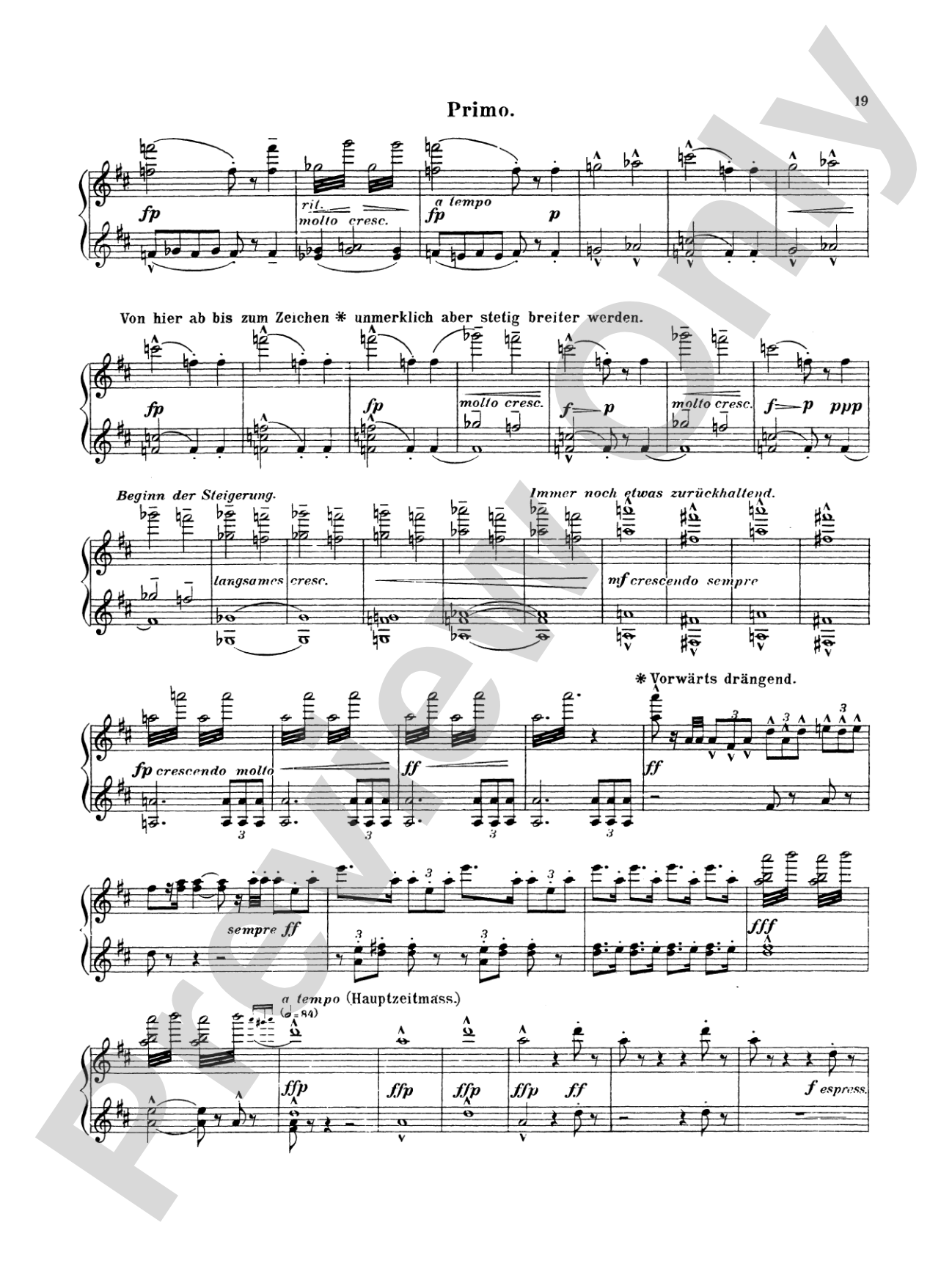
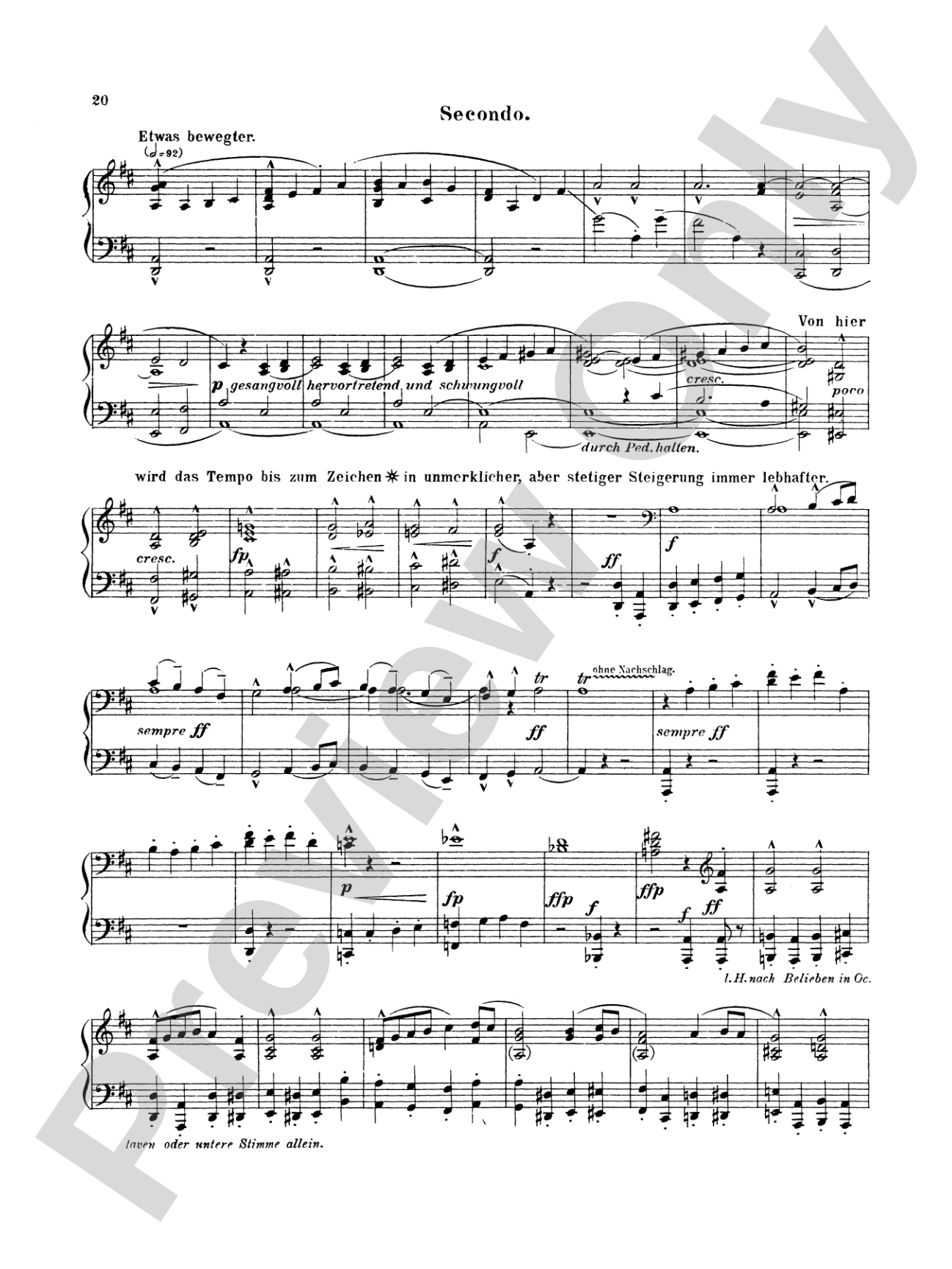
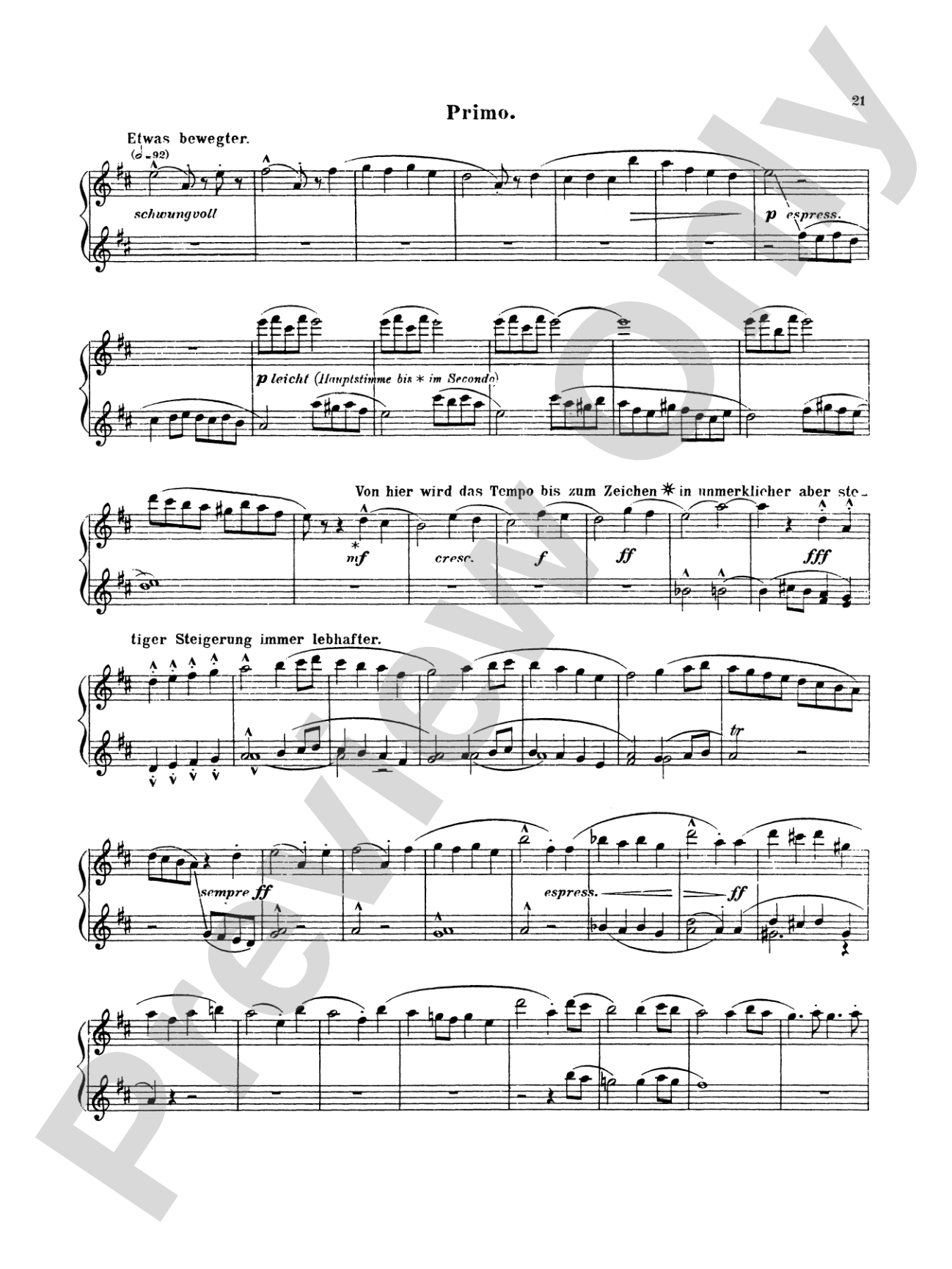
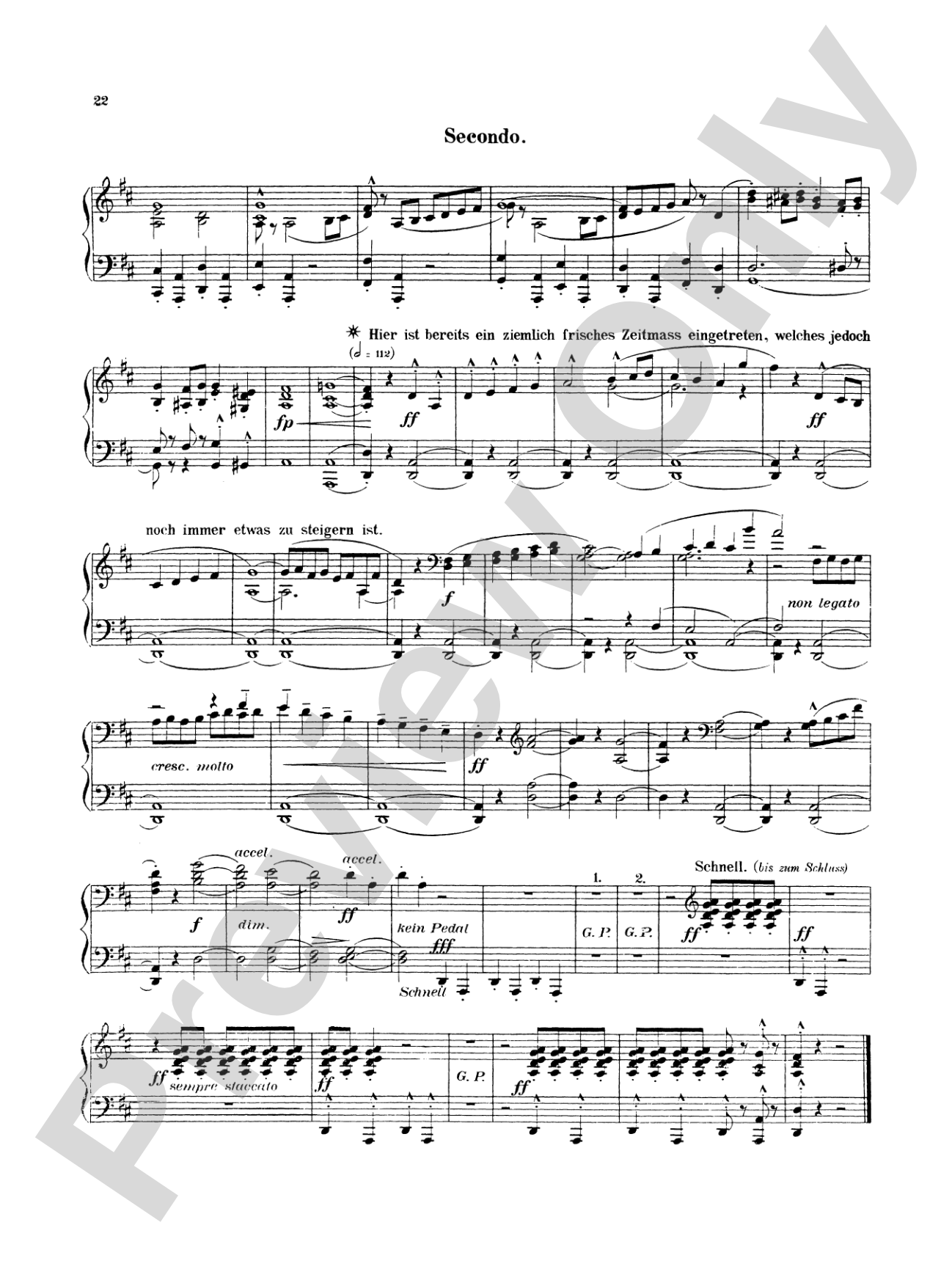
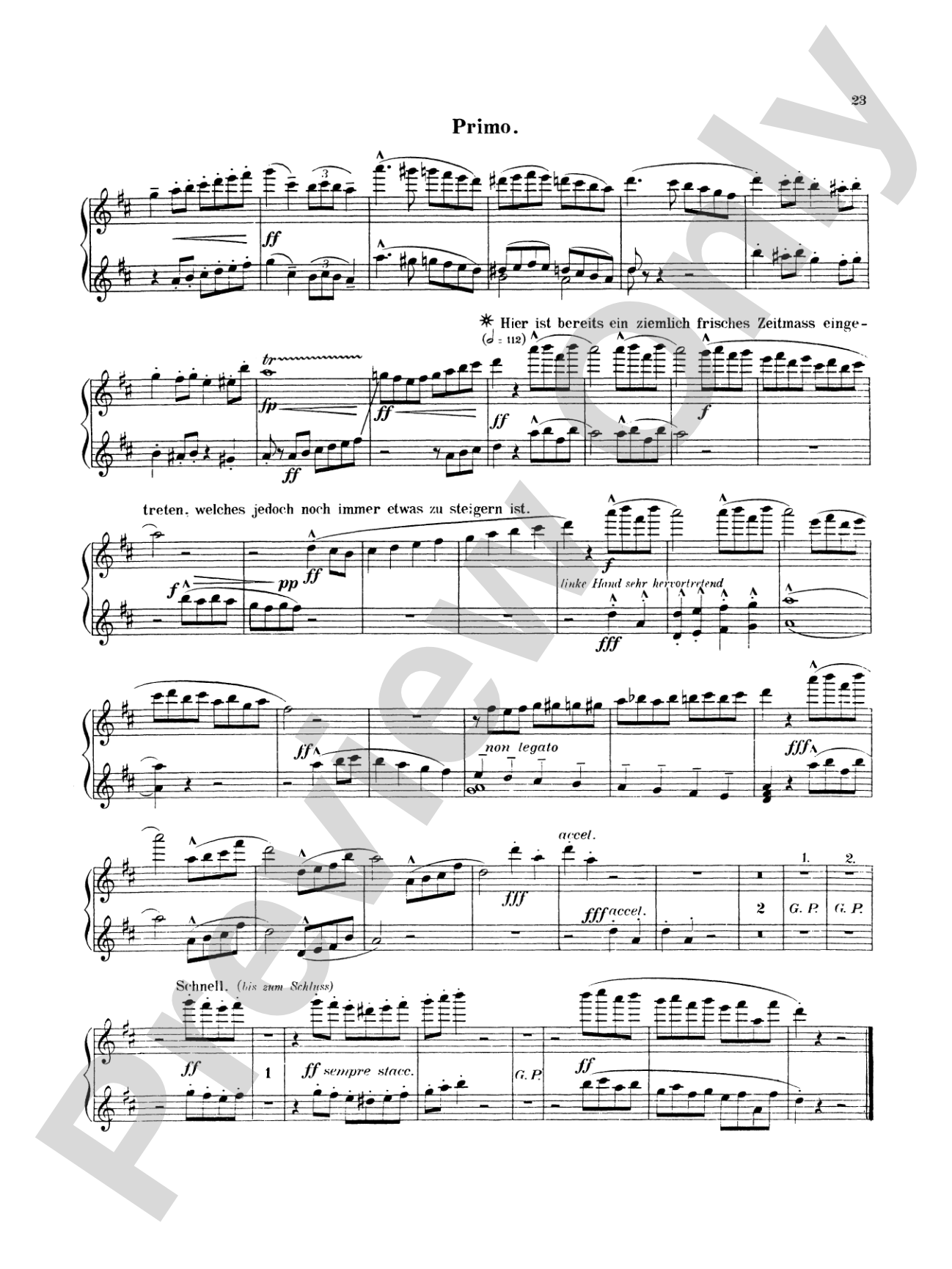

Mahler: Symphony No. 1, in D Major: Piano Duet (1 Piano, 4 Hands) Book
By Gustav Mahler
Level: Advanced
Item: 00-PK-0003209
$14.99
Pickup currently not available
Buy Extra Parts (Digital PDF Download)
| Product | Price | Quantity |
|---|---|---|
| Mahler: Symphony No. 1, in D Major | $2.95 | |
| Mahler: Symphony No. 1, in D Major | $2.99 | |
| Mahler: Symphony No. 1, in D Major | $2.99 | |
| Mahler: Symphony No. 1, in D Major | $2.95 |
Parts Added to Cart!
Related Items
Symphony No. 1 in D Major: Piano Duet (1 Piano, 4 Hands) Book |
$14.95
|
View |
Description
A Piano Duet for 1 Piano, 4 Hands, composed by Gustav Mahler.


Discover MakeMusic Cloud: thousands of interactive titles your students can play along with today.
Sample Audio
No sample audio found.
Sample Video
No sample videos found.
Additional Details
Series:
Kalmus Edition
Publisher:
Alfred Music
Page Count:
84
SKU:
00-PK-0003209
More about this title
About the Composer: Gustav Mahler
Gustav Mahler (1860-1911) was an Austrian composer and conductor whose ten symphonies redefined the scope and emotional range of the symphonic form. His early career as a conductor at major European opera houses informed his compositional voice, which blended symphonic architecture with operatic drama, folk idioms, and moments of raw introspection. Mahler's work bridged the Romantic era and modernism, influencing composers well into the twentieth century.
His First Symphony, completed in 1888, marked a bold declaration of his compositional philosophy. The piece cycles through folk-like material, grotesque transformations, passionate climaxes, and ultimately, a triumphant resolution. For pianists and students, Mahler's orchestral writing becomes transparent in four-hand arrangement, revealing the clarity of his voice leading and the intricate counterpoint beneath the surface.
Why we love this
This four-hand arrangement opens Mahler's First Symphony to pianists who might not otherwise experience the work's structural logic and emotional sweep. The duet format demands equal partnership between players, and the 84 pages reward the deep collaborative work required to navigate Mahler's texturally rich orchestration. Programming this arrangement signals serious artistic ambition while offering advanced students an entry point into conducting-level score study.
What to expect
The opening presents a sense of expectation and gentle mystery, drawing from folk melodies and natural imagery. As the work unfolds, Mahler moves through moments of tenderness, rhythmic vitality, and monumental climaxes, with the second movement offering a grotesque, almost theatrical interruption before the finale restores hope and affirmation.
Who it's for
Advanced pianists seeking substantial duet repertoire beyond the standard nineteenth-century canon. This arrangement suits intermediate-advanced to advanced pianists working together in recital or studio settings, and advanced music students studying orchestration and symphonic form at the piano.
How to get the most out of it
- Balance the inner voices as carefully as the outer ones. Mahler's orchestration often assigns thematic material to middle registers; both players must listen for these lines and shape them with intention.
- Establish a clear hierarchy of tempos across the four movements before rehearsal begins. Mark the metronome marks in both parts and use them as anchors during partnership rehearsals.
- Attend to the folk-like passages in the outer movements with rhythmic flexibility and character. These sections are not meant to sound mechanical; they invite rubato and subtle dynamic nuance.
- Practice the dramatic climaxes with attention to the arc of each phrase. The Secondo part often carries bass movement while the Primo floats above; coordinate these layers so both players feel the crescendo as a unified gesture.
How to use it
Feature this as a substantial duet recital centerpiece for two advanced pianists, pairing it with works that complement Mahler's scale and ambition. Alternatively, assign it as a score-study project for pre-college or undergraduate pianists preparing for orchestration or conducting studies, using the four-hand format to deepen their understanding of orchestral texture.
Skills your students will build
- Collaborative listening and balance between Primo and Secondo parts
- Reading complex orchestral textures adapted for keyboard
- Navigating metric changes and rhythmic independence between hands
- Interpreting folk-influenced material with character and flexibility
- Sustaining long-form architecture across multiple movements
- Responding to dramatic structural shifts and emotional arcs