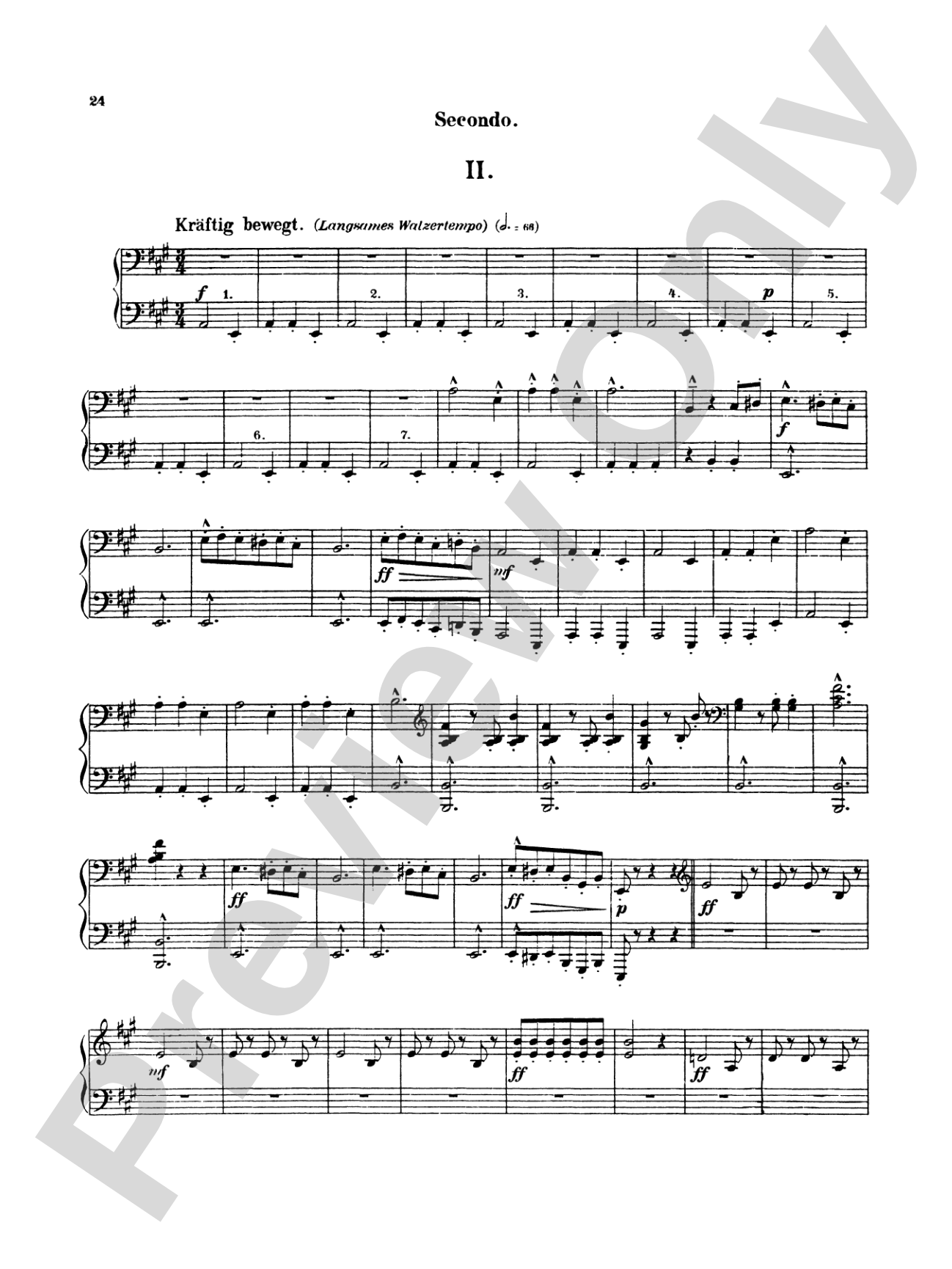
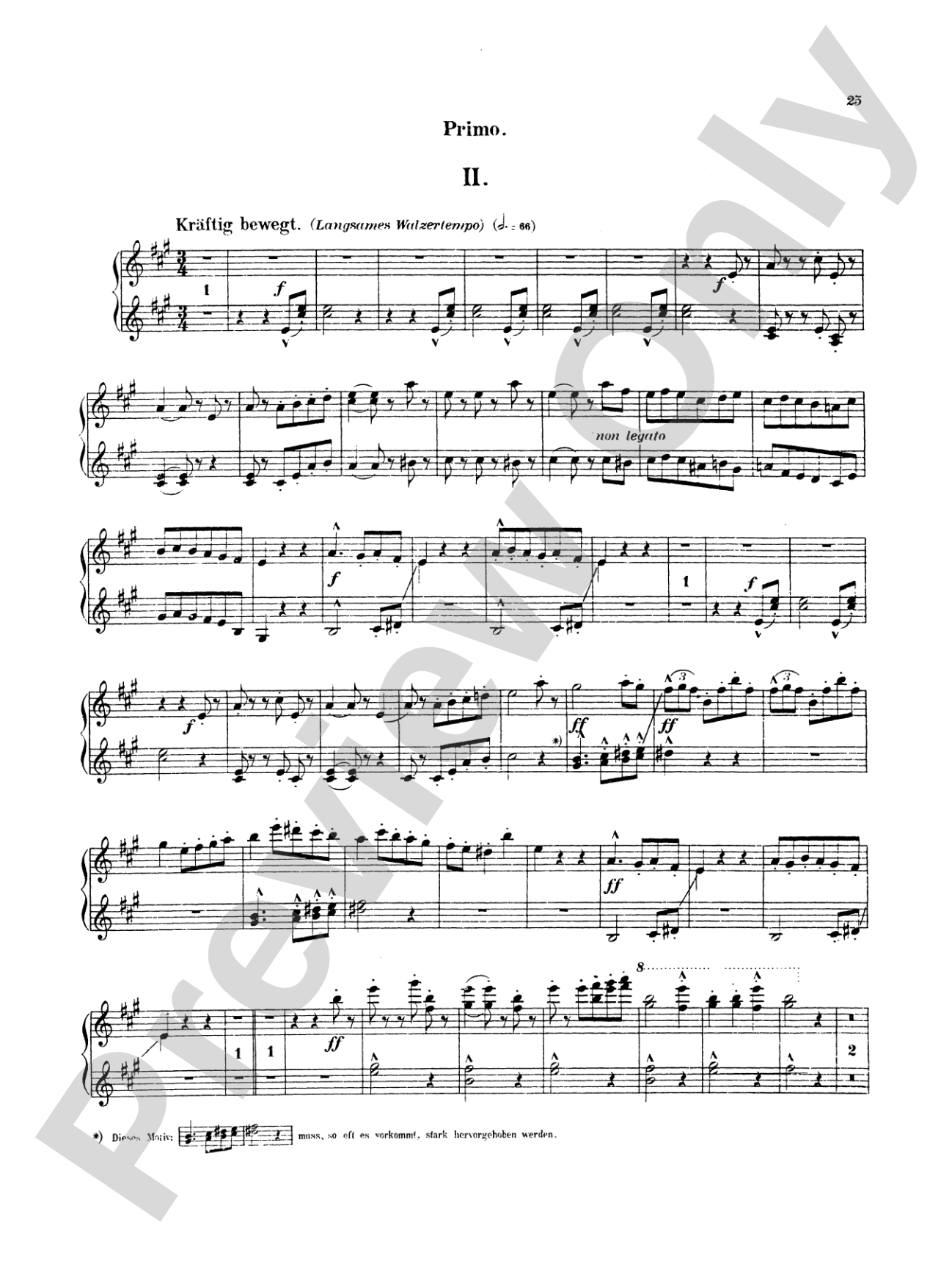
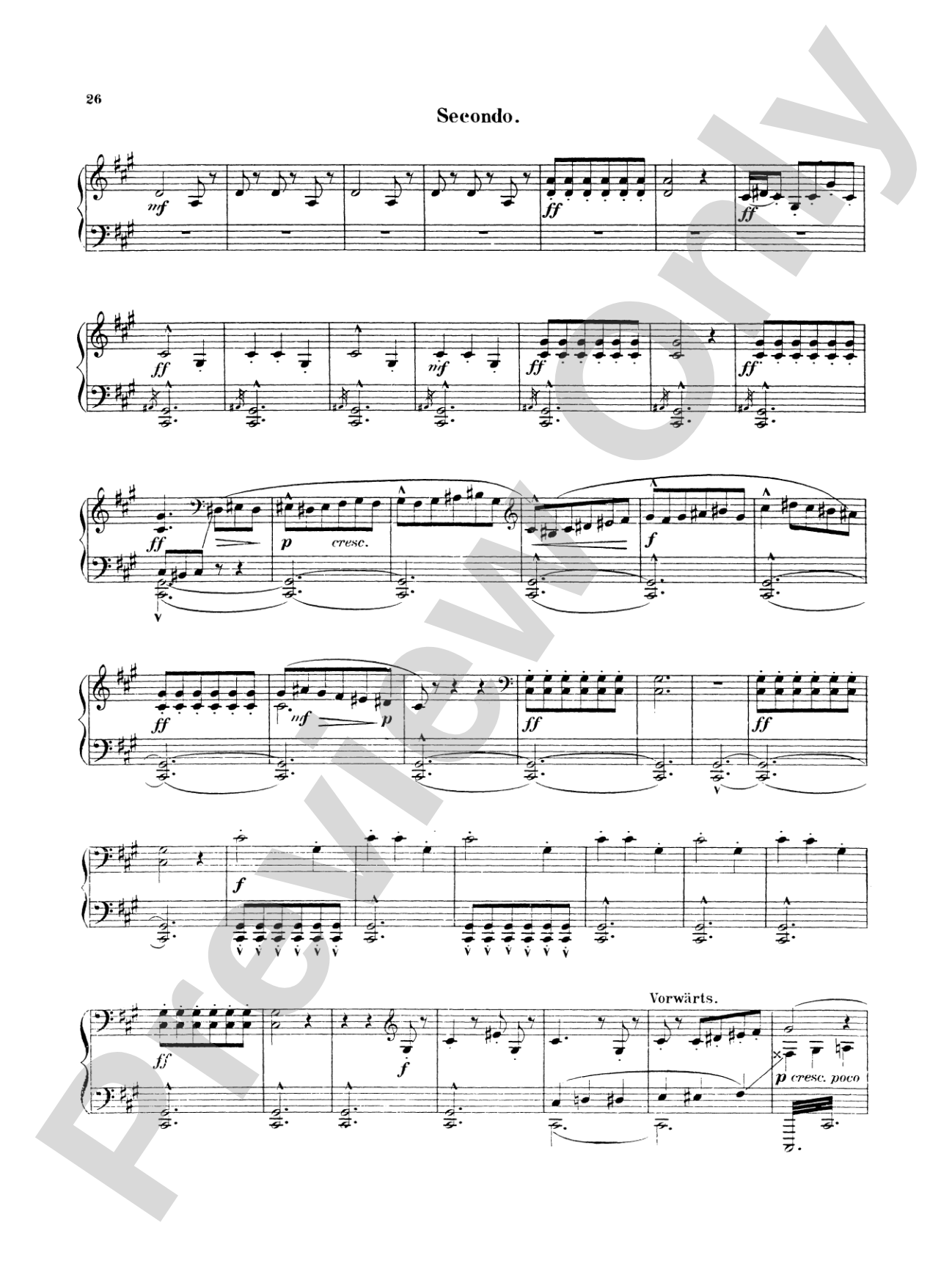
Gustav Mahler (1860-1911) was an Austrian composer and conductor whose ten symphonies redefined the scope and emotional range of the symphonic form. His early career as a conductor at major European opera houses informed his compositional voice, which blended symphonic architecture with operatic drama, folk idioms, and moments of raw introspection. Mahler's work bridged the Romantic era and modernism, influencing composers well into the twentieth century.
His First Symphony, completed in 1888, marked a bold declaration of his compositional philosophy. The piece cycles through folk-like material, grotesque transformations, passionate climaxes, and ultimately, a triumphant resolution. For pianists and students, Mahler's orchestral writing becomes transparent in four-hand arrangement, revealing the clarity of his voice leading and the intricate counterpoint beneath the surface.