
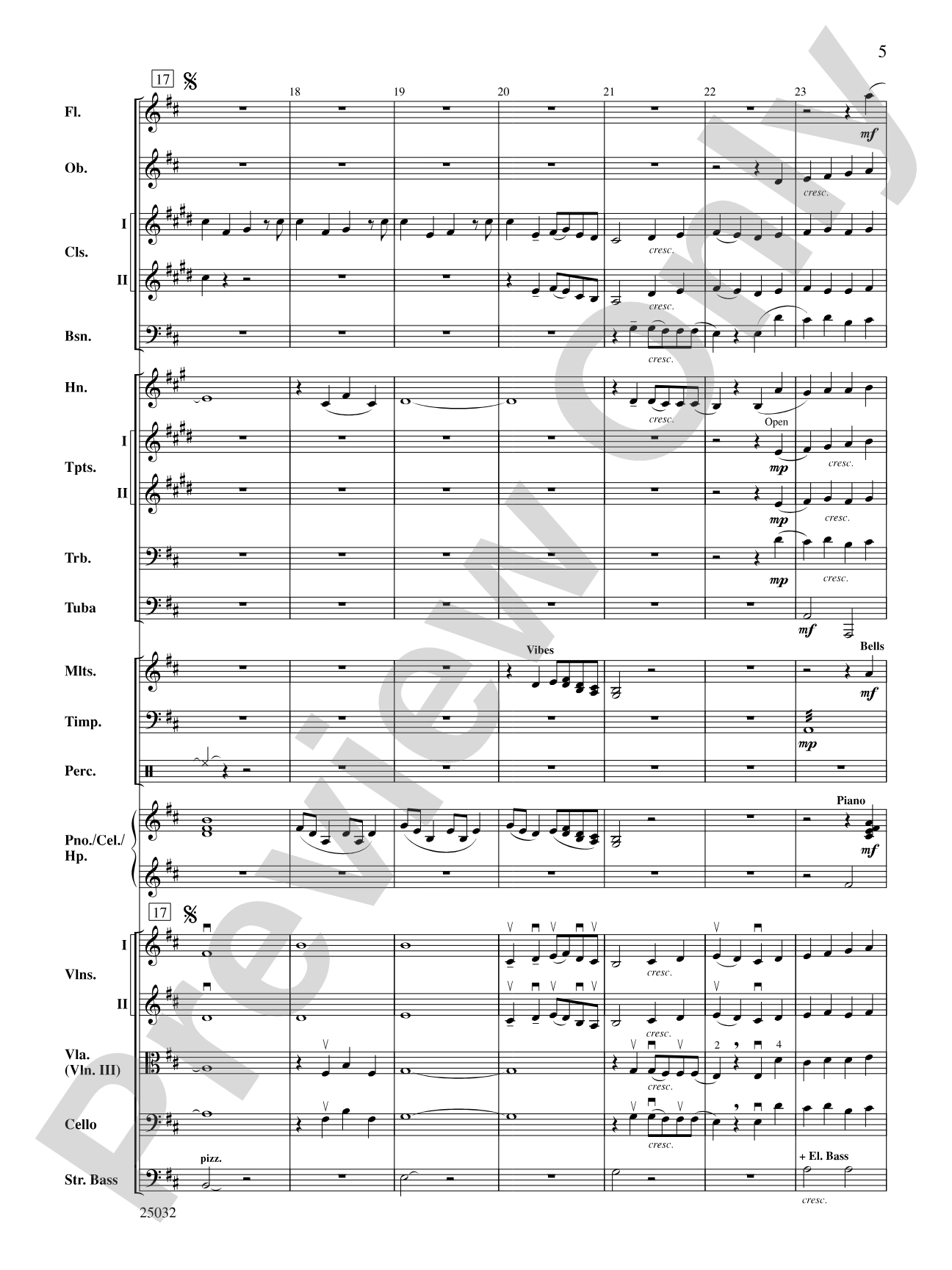
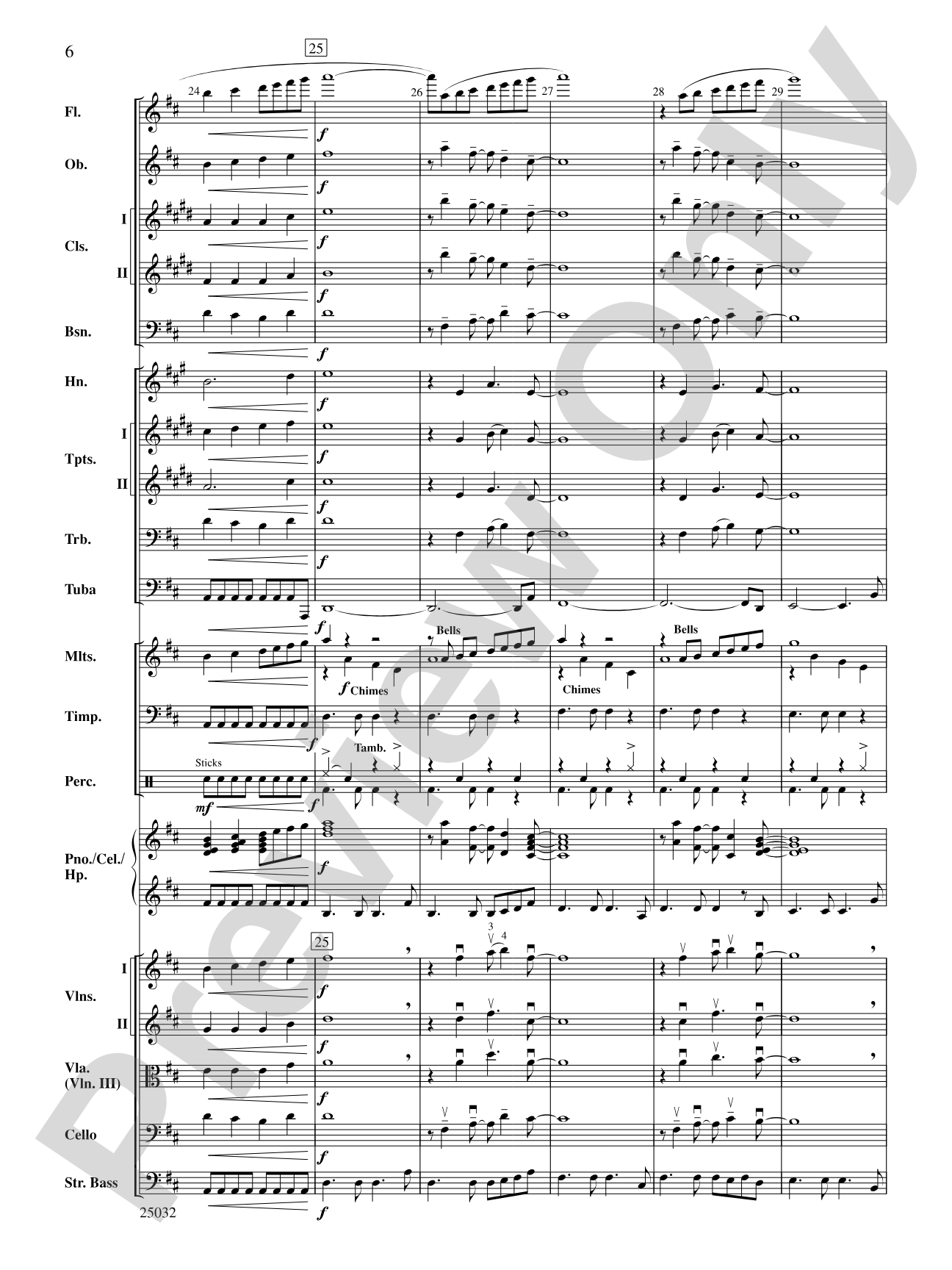
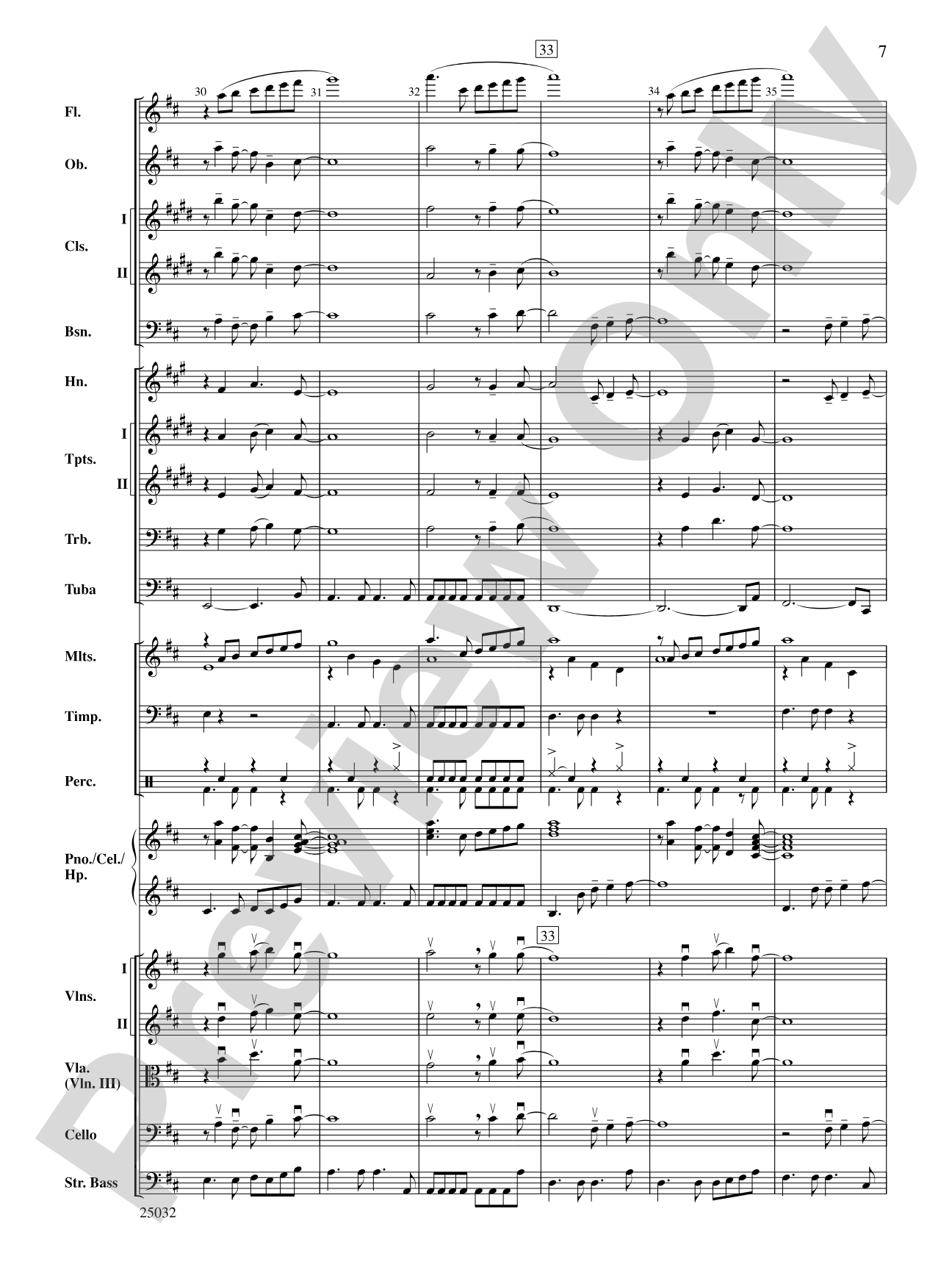
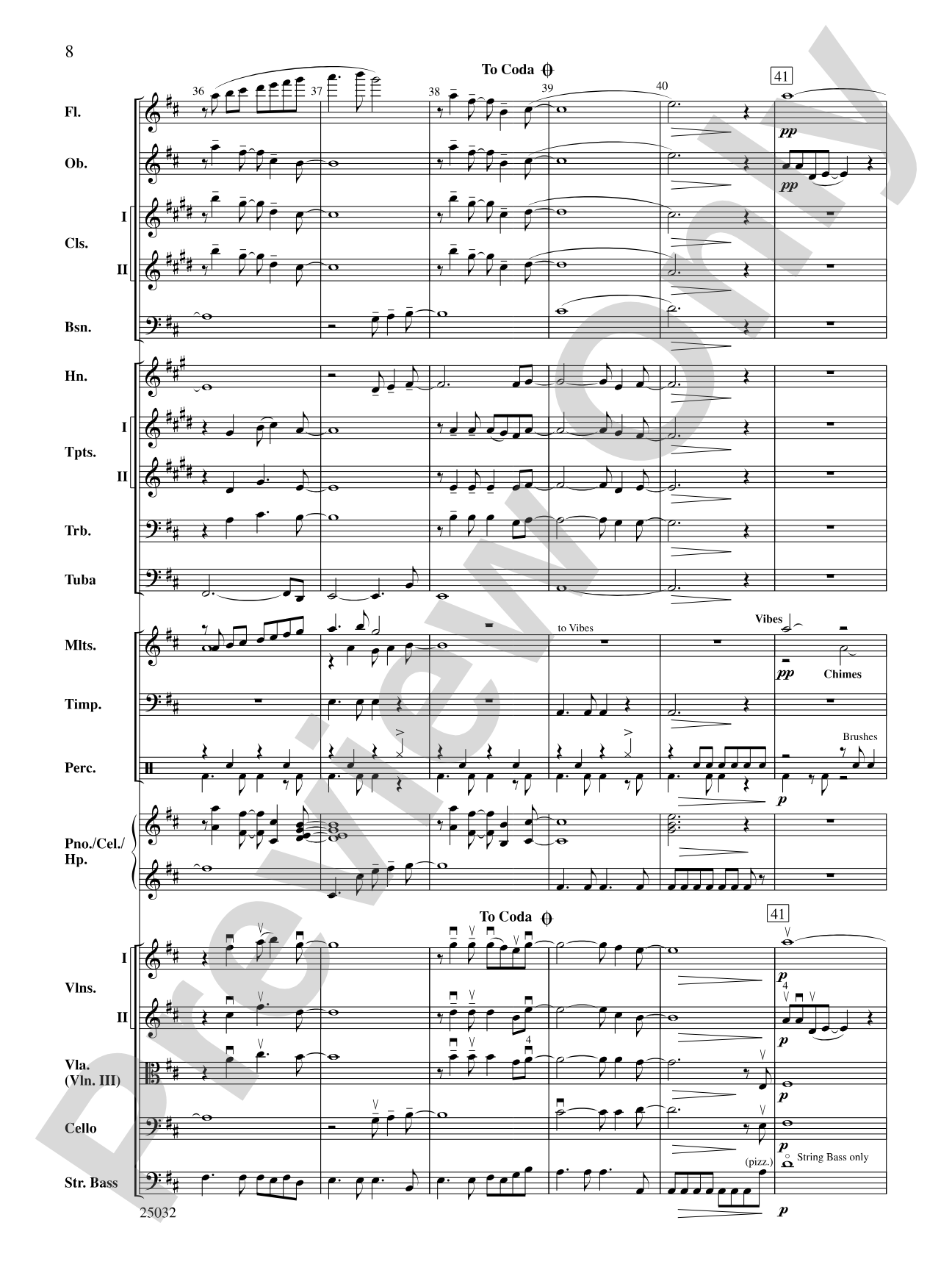
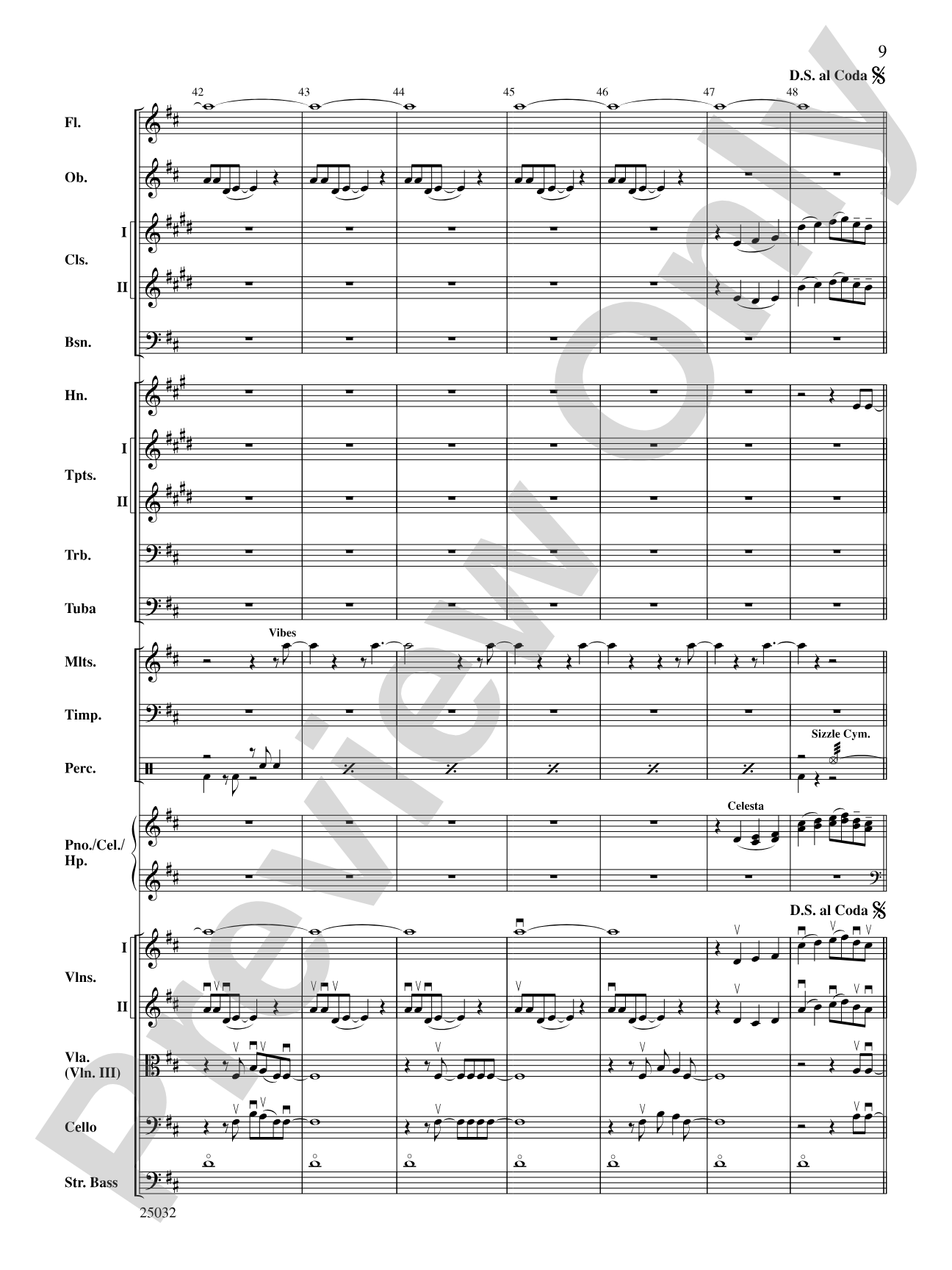
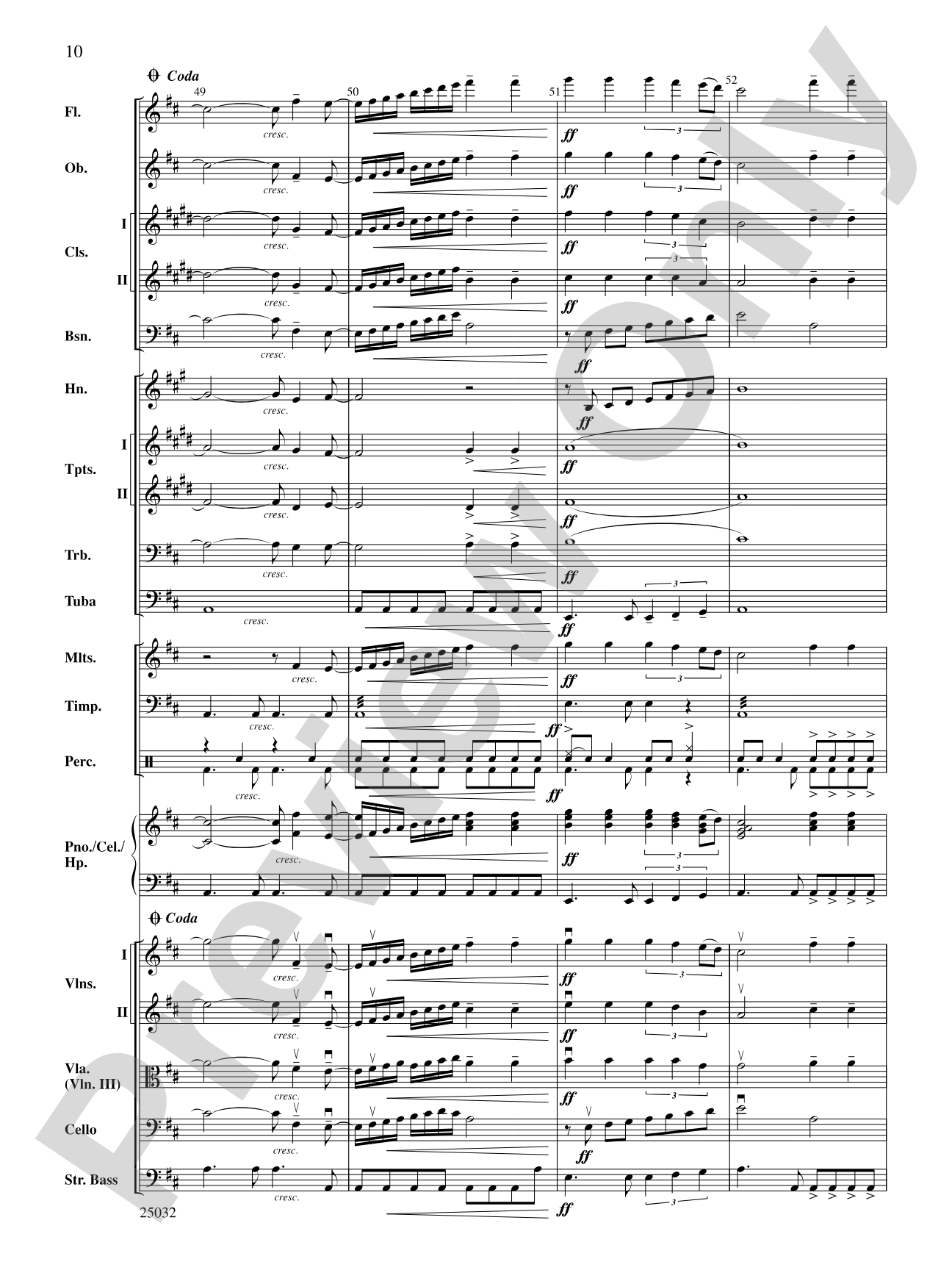
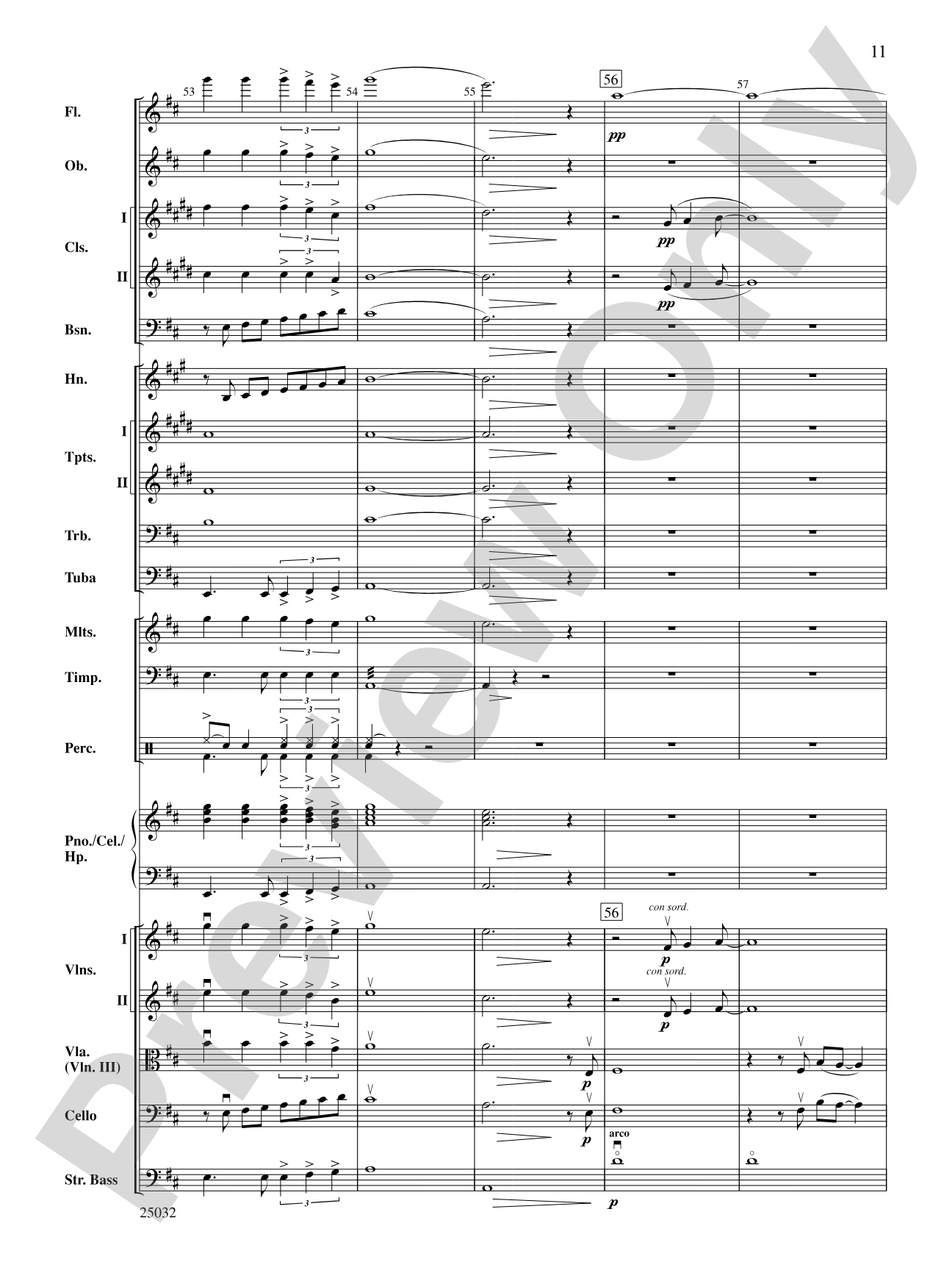
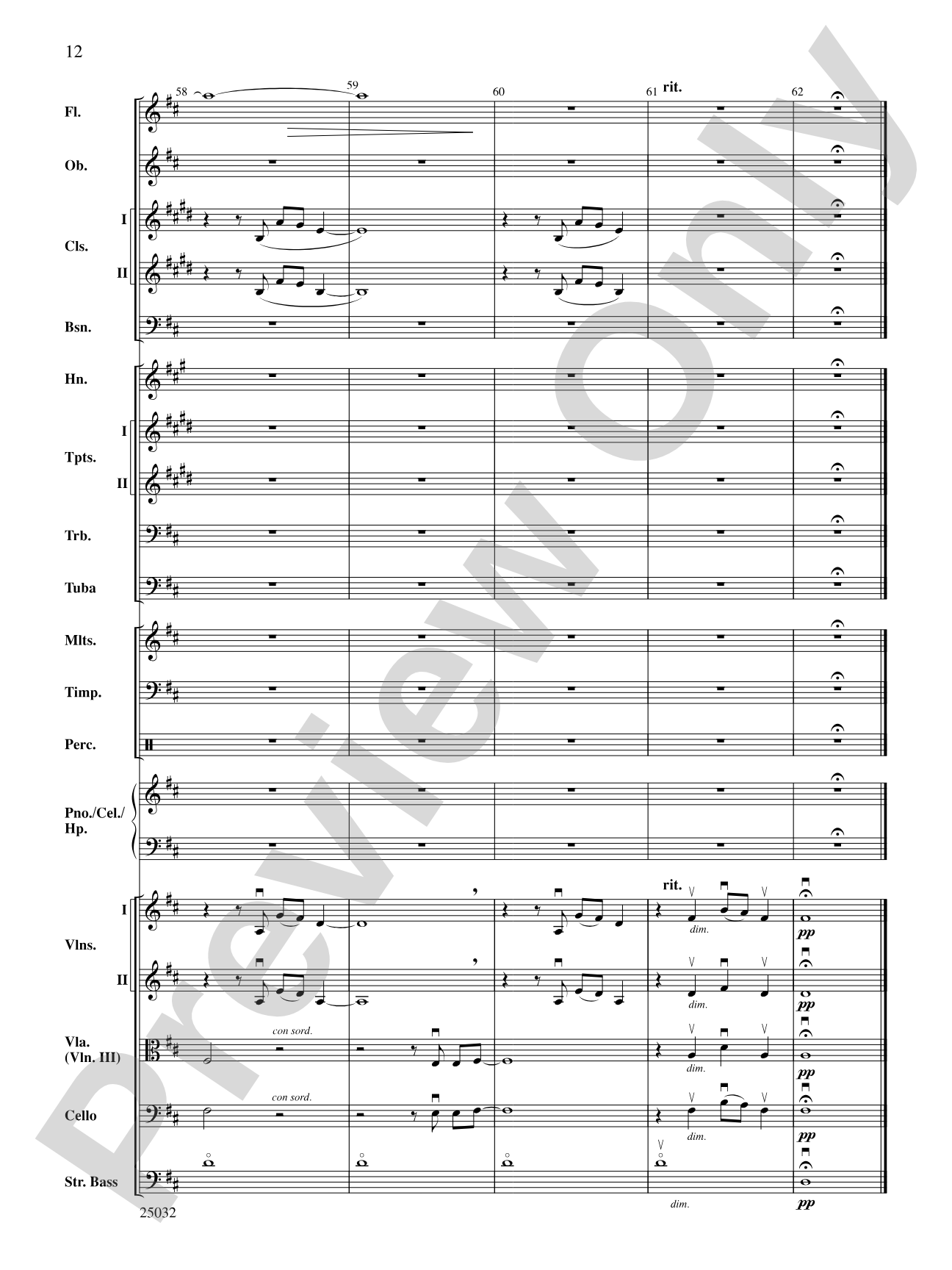

Magic Works (from Harry Potter and the Goblet of Fire™): Full Orchestra Conductor Score & Parts
By Jarvis Cocker / arr. Bob Cerulli
Grade: 2.5
Item: 00-PK-0001012

$58.00
Pickup currently not available
Buy Extra Parts (Digital PDF Download)
Parts Added to Cart!
Related Items
Magic Works (from Harry Potter and the Goblet of Fire™): Full Orchestra Conductor Score & Parts |
$58.00
|
View |
Description
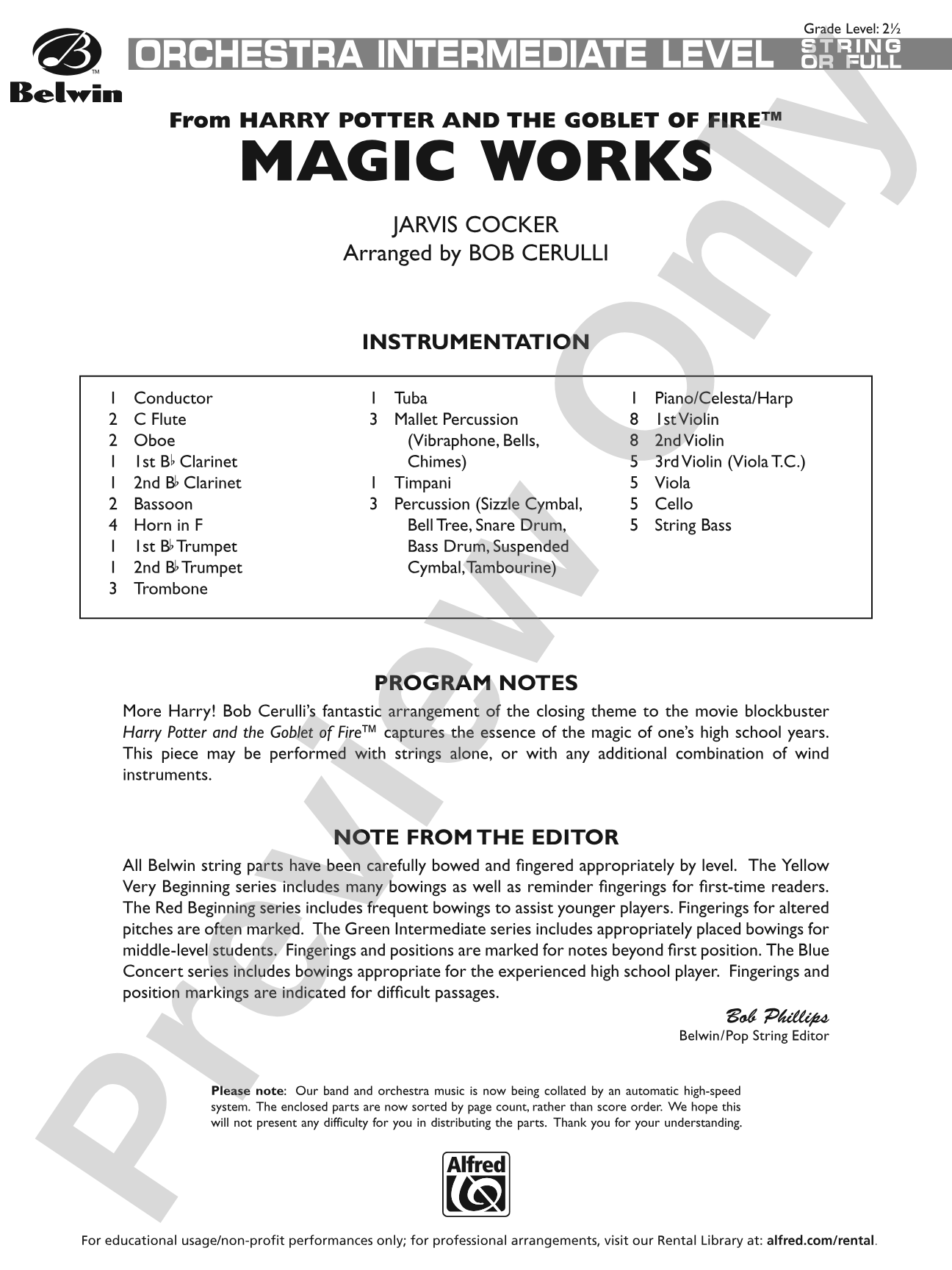
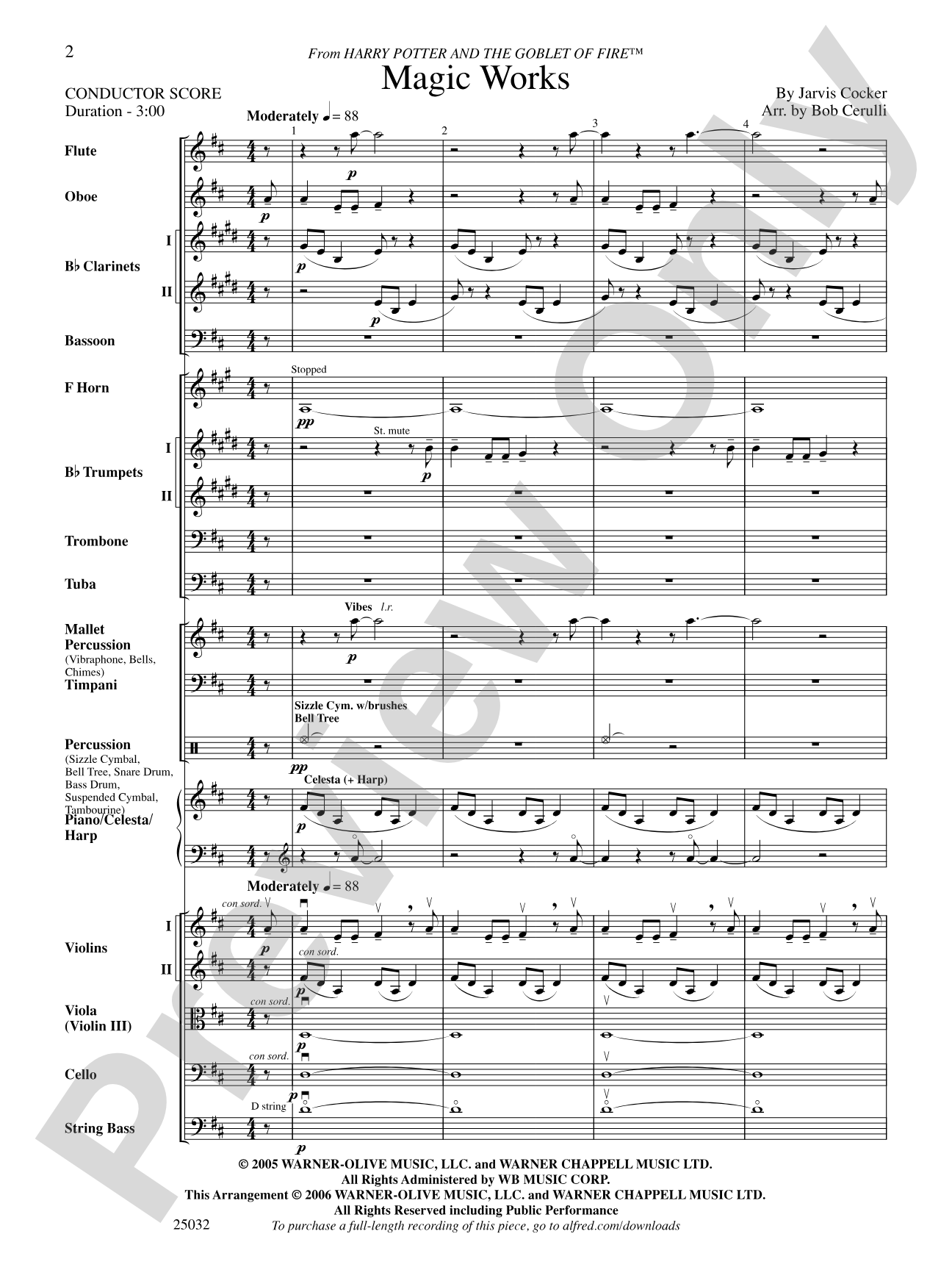
More Harry! Bob Cerulli's fantastic arrangement of the closing theme from the movie blockbuster, Harry Potter and the Goblet of Fire™, captures the essence of the magic of the high school years. This piece may be played by string alone or with any combination of winds as well.
For educational usage/non-profit performances only; for professional arrangements, visit our rental library at alfred.com/rental.


For educational usage/non-profit performances only; for professional arrangements, visit our rental library at alfred.com/rental.
Don't just read it, hear it, play along with it, and watch your students grow with it. In MakeMusic Cloud, Magic Works (from Harry Potter and the Goblet of Fire™): Full Orchestra Conductor Score & Parts comes alive with professional accompaniment, adjustable tempo, and built-in practice tools that turn solo practice into real progress.
Open in the Player
Jump straight in and assign it today.
Start Your Free Trial
Open this title and explore the full library in minutes.
Sample Audio
1
Audio File
--:--
0:00
0:00
Sample Video
No sample videos found.
Additional Details
Series:
Pop Intermediate String/Full Orchestra
Publisher:
Alfred Music
Page Count:
126
SKU:
00-PK-0001012
More about this title
About the Composer: Jarvis Cocker
Jarvis Cocker is the lead vocalist and primary songwriter of Pulp, the British rock band that defined much of 1990s alternative music. Beyond his work in rock, Cocker has composed for film and television, bringing the same observational wit and melodic sensibility that characterizes his band's output to broader audiences. His compositions often balance accessibility with sophistication, making them natural fits for educational and crossover arrangements.
Why we love this
Cerulli's arrangement taps into what makes this film theme resonate: it's celebratory without being saccharine, and it sits at exactly the right difficulty level for orchestras that want to sound polished without spending weeks on technical hurdles. The flexibility to perform with strings alone or add winds as your ensemble grows makes this piece genuinely useful for multiple seasons and changing instrumentation.
What to expect
The piece captures the excitement and wonder of a pivotal moment, with bright orchestration and forward momentum that keeps the energy moving. There's magic in the simplicity of the writing, where clear lines and accessible harmonies create an effect that feels bigger than the technical demands suggest.
Who it's for
Orchestra directors teaching intermediate ensembles who want to program recognizable, engaging repertoire that doesn't demand virtuosity. Ensembles with mixed instrumentation will appreciate the flexibility to use what they have available, whether that's a string ensemble with woodwind support or a full orchestra configuration.
How to get the most out of it
- Balance the melodic line across sections. The theme should sing clearly whether it's in the violins, woodwinds, or shared across the ensemble, so establish who carries the phrase before rehearsal.
- Use the accompaniment recordings (available separately) to help sections lock their rhythmic foundation, especially during the early passes when coordination between strings and winds matters most.
- Shape the dynamic arc deliberately. At Grade 2.5, conductors often rush the climax; give yourself space to build through crescendos rather than jumping straight to forte.
- Address balance between lower strings and bass line early. A clear, confident bass line anchors everything above it and prevents the middle registers from muddying the texture.
How to use it
This works beautifully as a lighter moment in a concert that balances classical repertoire with film music, or as a standalone pop intermediate showcase. It's also strong enough to anchor a program theme around contemporary or cinematic music without requiring programming partners.
Skills your students will build
- Balancing independent melodic lines across different instrumental choirs
- Conducting clear phrase shapes and dynamic architecture
- Coordinating articulation between strings and winds for ensemble cohesion
- Reading and conducting at Grade 2.5 texture and harmonic complexity