Madrigal Remix Cover Image

Madrigal Remix: 3-Part Mixed Choral Octavo

$2.20 USD
Sale price  $2.20 USD Regular price 
Skip to product information
Madrigal Remix Cover Image

Madrigal Remix: 3-Part Mixed Choral Octavo

1. Fa una Canzona 2. Sing We and Chant It

Arr. Kirby Shaw

Item: 00-49680

makemusic Cloud badge

Need it now?

Buy Digital Version
$2.20
Shipped

One moment…

Description
What a fresh take on standard repertoire! Two brief mainstream madrigals are reimagined with syncopated rhythms and a supportive piano, bass, and drums accompaniment.

TAs part of the PerformancePlus+ series, this title is in the MakeMusic Cloud interactive library. Subscribers can access additional resources, including assessment and recording tools, part-predominant and accompaniment tracks, PDF rehearsal guides, and more.

Don't just read it, hear it, play along with it, and watch your students grow with it. In MakeMusic Cloud, Madrigal Remix: 3-Part Mixed Choral Octavo comes alive with professional accompaniment, adjustable tempo, and built-in practice tools that turn solo practice into real progress.

Sample Pages

Sample Audio
1 1 Fa una Canzona --:--
2 2 Sing We and Chant It --:--

1 Fa una Canzona

0:00
0:00
Sample Video
Additional Details
Series: Alfred Choral Designs
Publisher: Alfred Music
Page Count: 8
UPC: 038081567679
SKU: 00-49680

More about this title

About the Arranger: Kirby Shaw
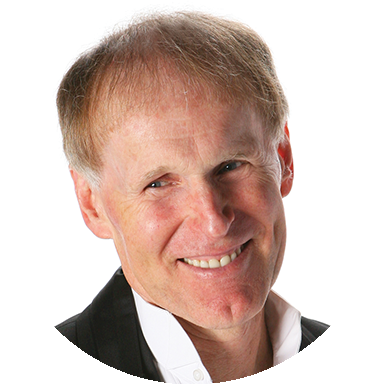
Kirby Shaw

Kirby Shaw's choral work reaches classrooms and concert halls across six continents, grounded in formal training at San Jose State University (Music Education and Choral Composition) and the University of Washington (DMA in Choral Conducting). His gift for teaching springs from equal parts technical mastery and infectious humor, qualities he's sharpened through decades of directing award-winning vocal jazz ensembles and mentoring generations of singers.

With over 2,500 published arrangements and compositions performed worldwide, Shaw has built a body of work that blends accessibility with sophistication. His collaborations span from legendary vocalists like Bobby McFerrin and Al Jarreau to major institutional commissions, including recent work for the Mormon Tabernacle Choir. Beyond the printed page, he's produced hundreds of educational recordings and co-created an original musical adaptation of A Christmas Carol with his wife, Markita.

Why we love this

Shaw takes two familiar madrigal texts and strips away the genteel expectation, replacing predictable voice leading with syncopated rhythms that catch singers off guard in the best way. The addition of a rhythm section (piano, bass, drums) transforms what could have been a period-music exercise into something that breathes contemporary energy while keeping the harmonic and textural sophistication that makes madrigals worth singing.

What to expect

The opening feels nostalgic and grounded in tradition, then the rhythm section enters and the piece slides sideways into contemporary comfort. It's playful without being silly, respectful of madrigal conventions while refusing to be bound by them.

Who it's for

Directors programming 3-part mixed ensembles who want historical repertoire with modern appeal. This works especially well for choirs that include less experienced singers but still value ensemble singing with harmonic substance.

How to get the most out of it

  • Lock the rhythm section independently before bringing voices in; the syncopation works only if the accompaniment feels inevitable, not imposed on the singers.
  • Encourage singers to embrace the text inflection that the new rhythmic placement creates. Madrigals thrive on word-painting, and Shaw's syncopation shifts where the emphasis lands in each phrase.
  • Invest rehearsal time in the balance between voices and accompaniment. With a full rhythm section, SAB voicing can disappear quickly if the choir isn't singing with forward energy and clear diction.
  • Use the recorded accompaniment tracks to help singers internalize the groove before trying to blend in live rehearsal.

How to use it

Pair this on a concert with other reimagined classical works to create a full thematic arc about how styles speak across centuries. Or use it as a bridge piece in a program that moves from traditional repertoire toward more rhythmically complex contemporary work, helping singers hear continuity rather than division.

Skills your students will build

  • Reading syncopated rhythms in 3-part voicing
  • Maintaining harmonic independence while responding to rhythmic accompaniment
  • Textual inflection within a contemporary rhythmic framework
  • Ensemble awareness with instrumental rhythm section
  • Blend and balance between voices and full accompaniment

You May Also Like
