Mack the Knife (from <I>The Threepenny Opera</I>) Cover Image

Mack the Knife (from <I>The Threepenny Opera</I>): Jazz Ensemble Conductor Score

$8.00 USD
Sale price  $8.00 USD Regular price 
Skip to product information
Mack the Knife (from <I>The Threepenny Opera</I>) Cover Image

Mack the Knife (from The Threepenny Opera): Jazz Ensemble Conductor Score

Arr. Dave Wolpe

Grade: 3 (Medium)

Item: 00-JE9907C

$8.00
Shipped

One moment…

Description
Give your band a workout with this hard-swingin' chart from Dave Wolpe. Dave's solid ensemble writing propels your group on a wild ride that includes very effective modulations occurring numerous times throughout the chart and opportunities for solos by tenor sax and trombone. Just when you think this chart is about to stop, it keeps on comin' at you "one more time!" It's another quality work from Dave Wolpe. Medium Easy (3:22)

Mack the Knife (from The Threepenny Opera): Jazz Ensemble Conductor Score isn't in MakeMusic Cloud just yet...but it could be. Let us know you'd like to see it, and you'll help shape what comes next. In the meantime, start a free trial and dive into thousands of interactive titles your students can play along with today.

Sample Pages

Sample Audio
No sample audio found.
Sample Video
Additional Details
Series: Jazz Band Series
Publisher: Alfred Music
Page Count: 16
UPC: 029156957174
SKU: 00-JE9907C

More about this title

About the Arranger: Dave Wolpe
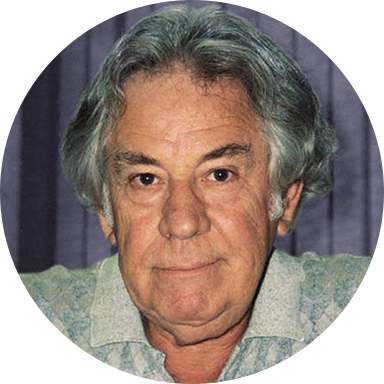
Dave Wolpe

Dave Wolpe has been arranging and composing since 1965, bringing decades of big band experience to his work. He has created dozens of charts for the Glenn Miller Orchestra and served as co-arranger on the platinum-selling recording In the Christmas Mood. His arrangements have also graced the stands of orchestras led by Ray Anthony, Lawrence Welk, and Les Brown, establishing him as a trusted voice in the swing and standards repertoire.

Why we love this

Wolpe's treatment of this classic is built on hard-swinging ensemble writing that keeps players engaged from start to finish. The repeated modulations and two prominent solo spots (tenor sax and trombone) give soloists room to shine while maintaining tight ensemble cohesion. The structure surprises listeners with an energetic coda that defies the urge to wind down, making this an audience favorite that lands solidly without requiring advanced technical chops.

What to expect

This chart swings hard from the opening downbeat, driven by snappy ensemble lines and forward momentum that never lets the listener rest. The multiple key changes create a sense of constant motion and surprise, while the final push reinforces the infectious energy of this Weill standard without ever feeling forced.

Who it's for

Jazz ensembles working at the Grade 3 level (intermediate players with solid fundamentals) will find this chart both accessible and rewarding. Experienced high school groups and college jazz bands looking for a crowd-pleasing piece that challenges musicianship without demanding virtuosity will appreciate the balance Wolpe strikes here.

How to get the most out of it

  • Keep the rhythm section locked into a groove that feels effortless and propulsive; the ensemble writing will stay tight only if the time feels settled and confident underneath.
  • Highlight the modulations by adjusting the tonal color slightly with each key change rather than treating them as purely harmonic events.
  • Let the tenor sax and trombone soloists take real ownership of their features; this is their moment to interact with the ensemble, not merely play over it.
  • Resist the urge to slow down heading into the final section marked 'one more time' — the energy should intensify rather than relax.

How to use it

Program this as an opener or as a centerpiece in a jazz concert where you want to energize the audience immediately. It pairs well with ballads or more contemporary jazz tunes, giving your set dynamic shape and showcasing your ensemble's ability to lock into a groove.

Skills your students will build

  • Playing through multiple key modulations while maintaining ensemble balance
  • Comping and rhythmic support in a swing feel
  • Solo development and interaction with an ensemble backdrop
  • Responding to orchestration details that shift color across sections
  • Building and sustaining energy through climactic passages

You May Also Like