Mack the Knife (from <I>The Threepenny Opera</I>) Cover Image

Mack the Knife (from <I>The Threepenny Opera</I>): Jazz Ensemble Conductor Score & Parts

$52.00 USD
Sale price  $52.00 USD Regular price 
Skip to product information
Mack the Knife (from <I>The Threepenny Opera</I>) Cover Image

Mack the Knife (from The Threepenny Opera): Jazz Ensemble Conductor Score & Parts

Arr. Dave Wolpe

Grade: 3 (Medium)

Item: 00-JE9907

makemusic Cloud badge
$52.00
Shipped

One moment…

Description
Give your band a workout with this hard-swingin' chart from Dave Wolpe. Dave's solid ensemble writing propels your group on a wild ride that includes very effective modulations occurring numerous times throughout the chart and opportunities for solos by tenor sax and trombone. Just when you think this chart is about to stop, it keeps on comin' at you "one more time!" It's another quality work from Dave Wolpe. Medium Easy (3:22)

Don't just read it, hear it, play along with it, and watch your students grow with it. In MakeMusic Cloud, Mack the Knife (from The Threepenny Opera): Jazz Ensemble Conductor Score & Parts comes alive with professional accompaniment, adjustable tempo, and built-in practice tools that turn solo practice into real progress.

Sample Pages

Sample Audio
No sample audio found.
Sample Video
Additional Details
Series: Jazz Band Series
Publisher: Alfred Music
Page Count: 116
ISBN10: 0-7579-3457-9
ISBN13: 978-0-7579-3457-5
UPC: 029156956092
SKU: 00-JE9907

More about this title

About the Arranger: Dave Wolpe
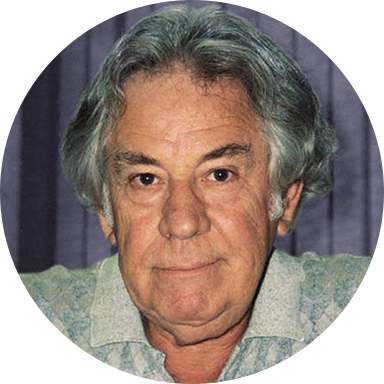
Dave Wolpe

Dave Wolpe's arranging career spans nearly six decades, beginning in 1965 with a commitment to crafting sophisticated jazz and swing charts. His work has been featured prominently with the Glenn Miller Orchestra, where he has scored dozens of arrangements that honor the ensemble's legacy while pushing contemporary jazz writing forward. Wolpe served as co-arranger on the platinum-selling CD In the Christmas Mood and has contributed arrangements to storied orchestras led by Ray Anthony, Lawrence Welk, and Les Brown, establishing himself as a trusted voice in big band and jazz ensemble repertoire.

Why we love this

Wolpe's handling of this standard proves that a great arrangement doesn't just repackage a song; it reimagines it. The constant harmonic movement and the structural surprise of that "one more time" finale give your ensemble something genuinely engaging to work toward, not just a crowd-pleasing vehicle. Your soloists will be excited to step up, and your section players will feel the momentum of ensemble writing that refuses to settle.

What to expect

Hard-swinging and relentless, this arrangement captures the menace and sass of Brecht and Weill's original while channeling the energy of a big band at full steam. The frequent modulations create a sense of propulsion that builds momentum throughout, and the harmonic movement prevents the tune from ever settling into complacency.

Who it's for

Jazz ensemble directors seeking a chart that challenges solid intermediate players without requiring virtuosos. This works for high school jazz bands comfortable with swing articulation and basic soloing, as well as community and college ensembles looking for fun, audience-friendly material with real musical substance.

How to get the most out of it

  • Lock the modulations together as an ensemble. These key changes occur frequently and will feel sloppy if the band isn't rhythmically unified; use sectional rehearsals to ensure each shift lands cleanly.
  • Give your tenor sax and trombone soloists room to find their voice in the context of the arrangement. Wolpe's chart supports soloing without overwhelming it, so encourage them to listen to the ensemble and leave space for response.
  • Build energy through the repetitions and modulations rather than playing each section identically. Small dynamic and articulation adjustments will keep the arrangement feeling fresh across its 3 minute 22 second duration.
  • Nail the ending's final "one more time" moment. This requires precise ensemble attack and a commitment to the groove; it's the payoff for everything that comes before it.

How to use it

This is an ideal closer for a jazz concert or a high-energy spot mid-set that lifts the audience's attention. The recognizable melody and swing groove make it accessible to general audiences, while the arranging choices satisfy musicians who want genuine challenge and artistry in their repertoire.

Skills your students will build

  • Swing articulation and phrasing in an ensemble context
  • Reading and executing frequent key modulations
  • Balancing solo space with ensemble support
  • Maintaining groove and ensemble cohesion across dynamic harmonic movement
  • Listening and responding to ensemble partners during modulation transitions

You May Also Like
