

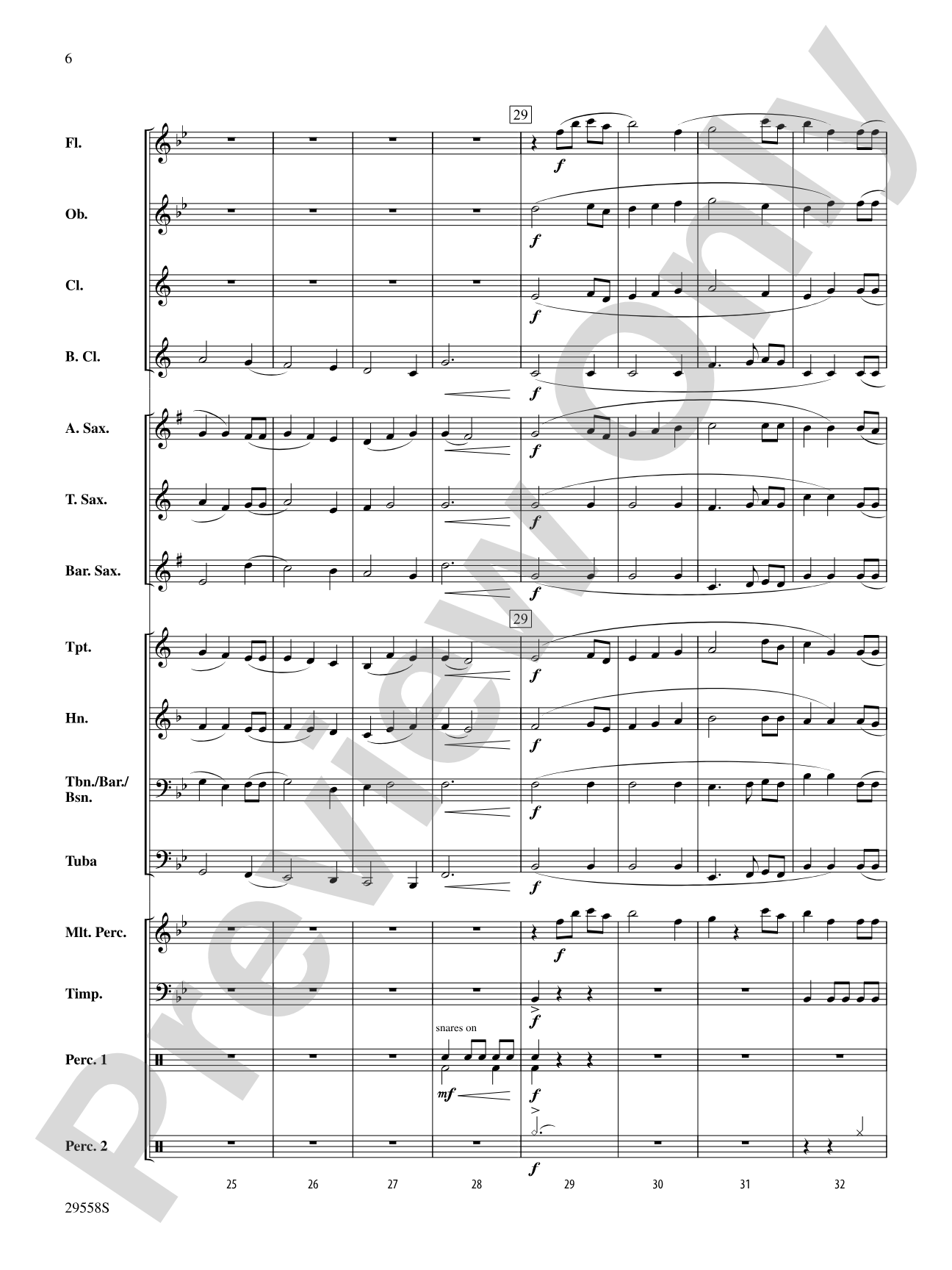
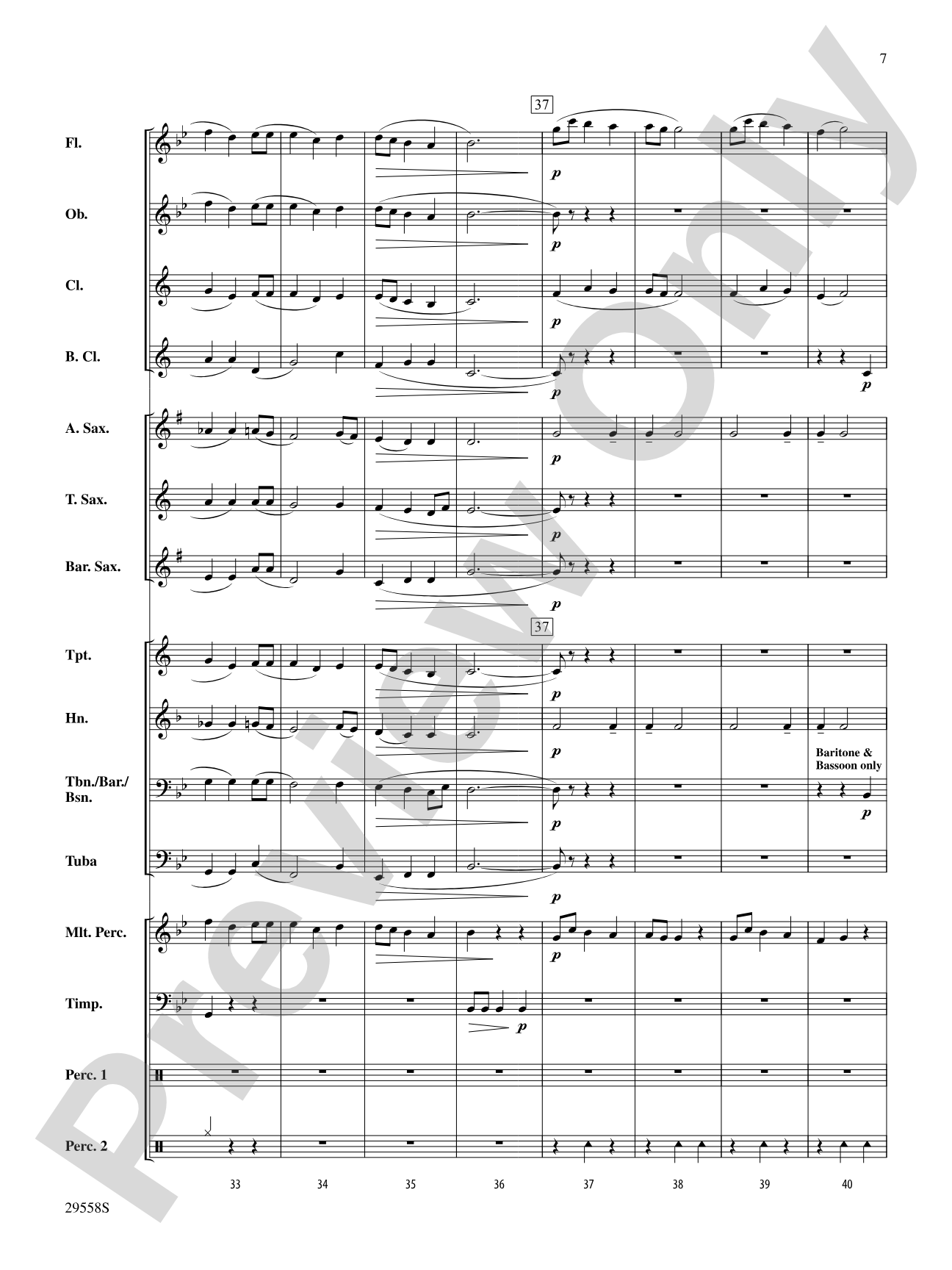
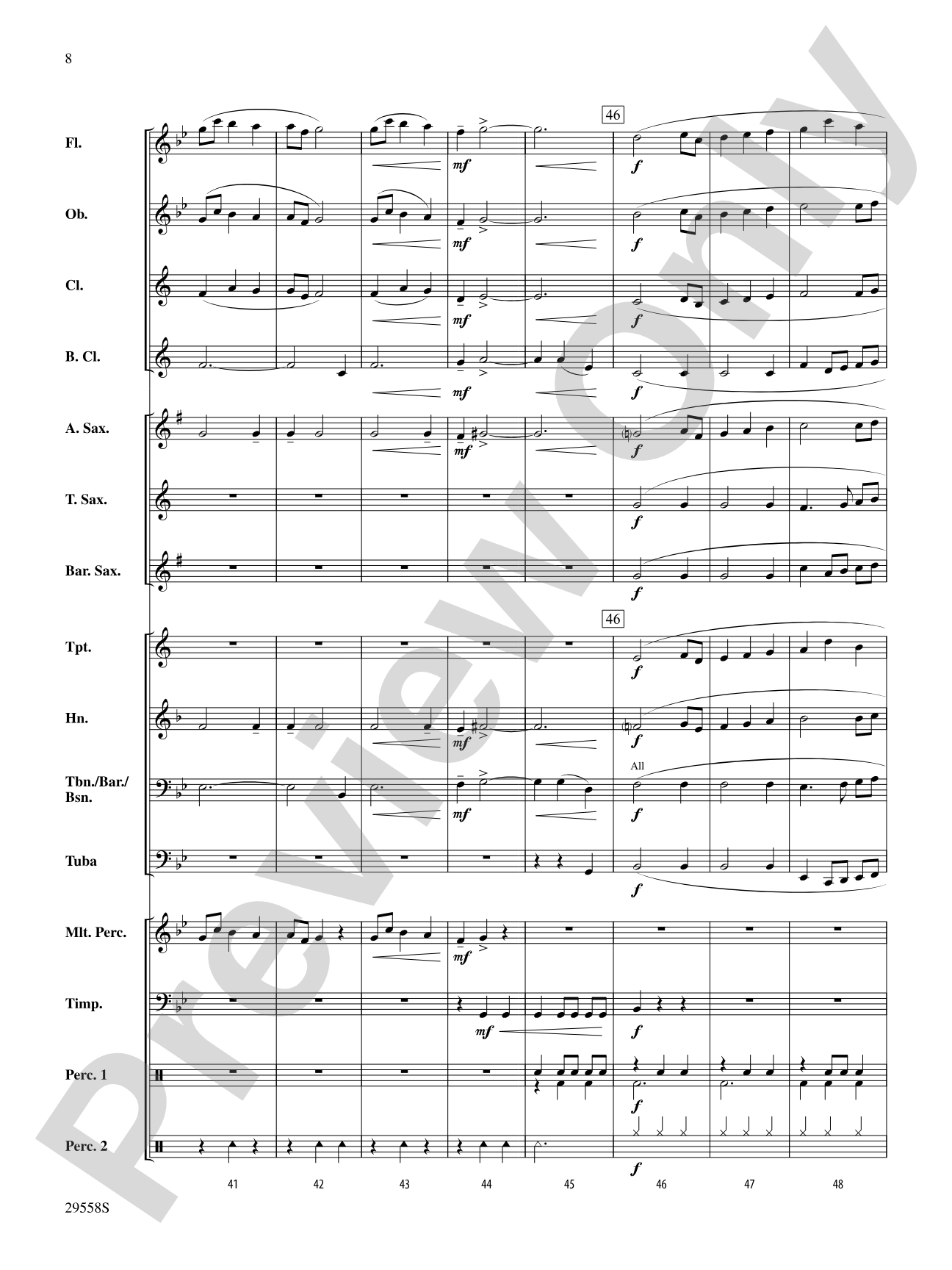
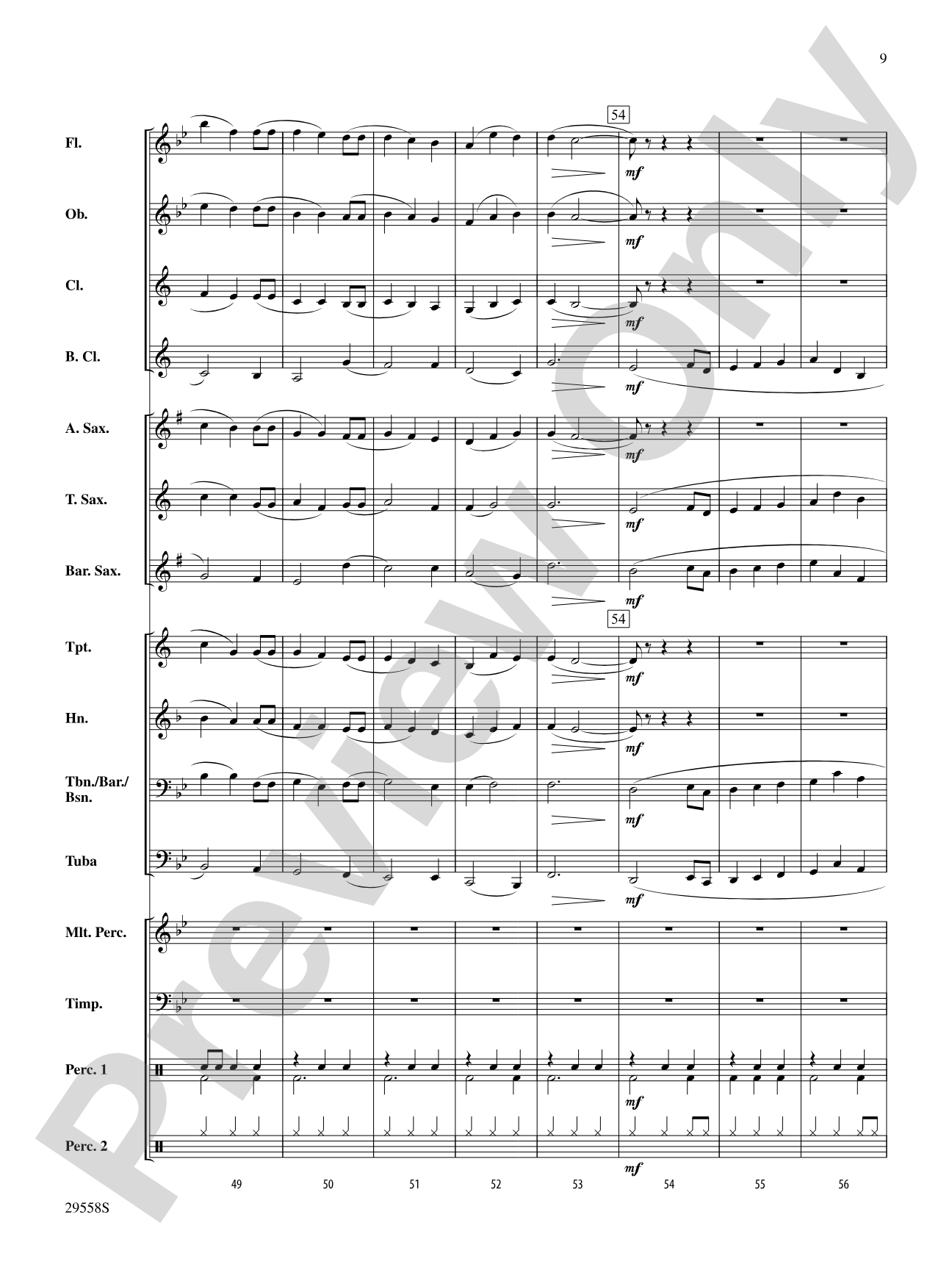
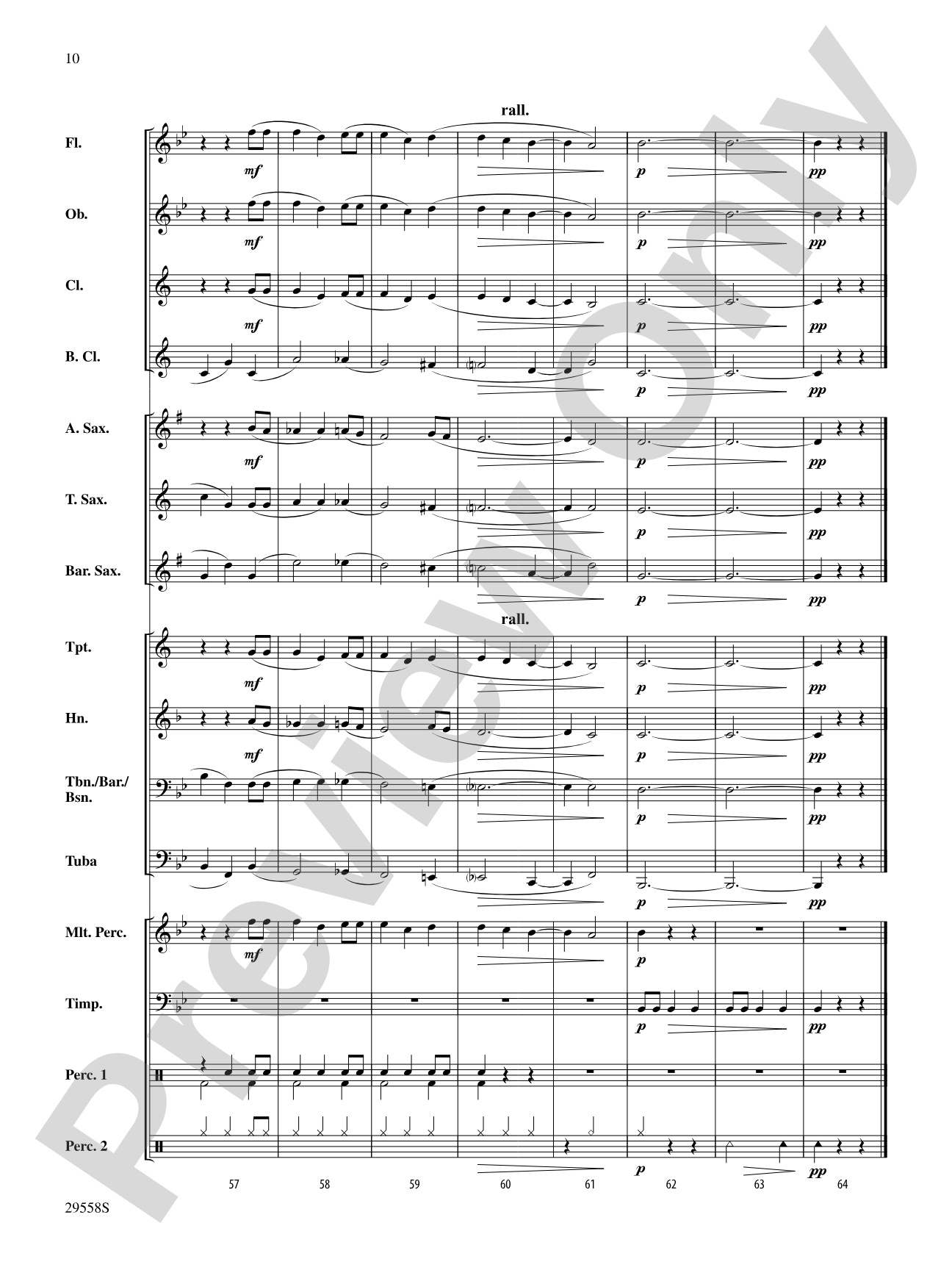



Lux Prima (Come, My Soul, Thou Must Be Awakening): Score
By Franz Joseph Haydn / arr. Ralph Ford
Grade: 1 (Very Easy)
Item: 00-PR-0001442
$10.00
Pickup currently not available
Description
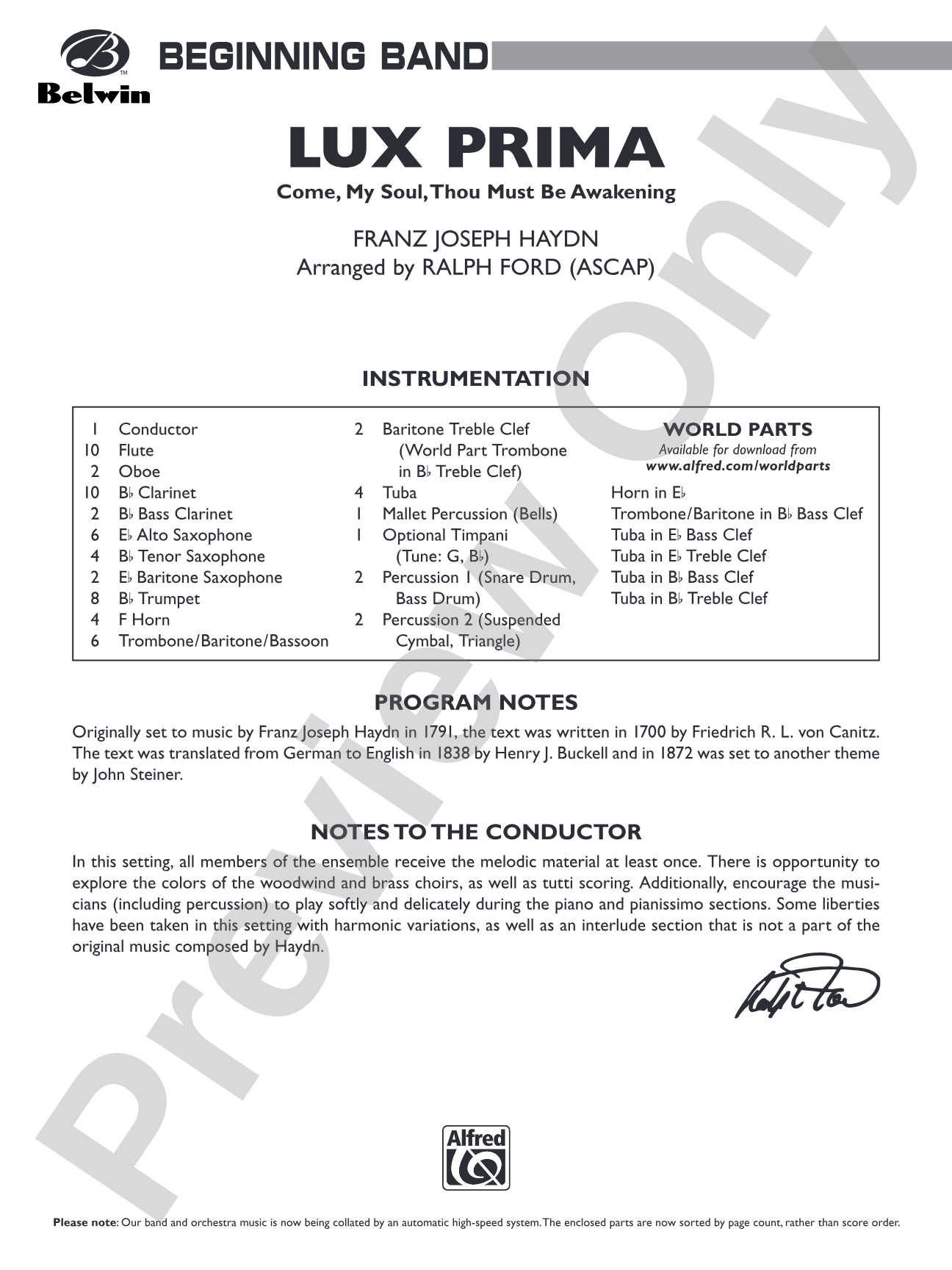
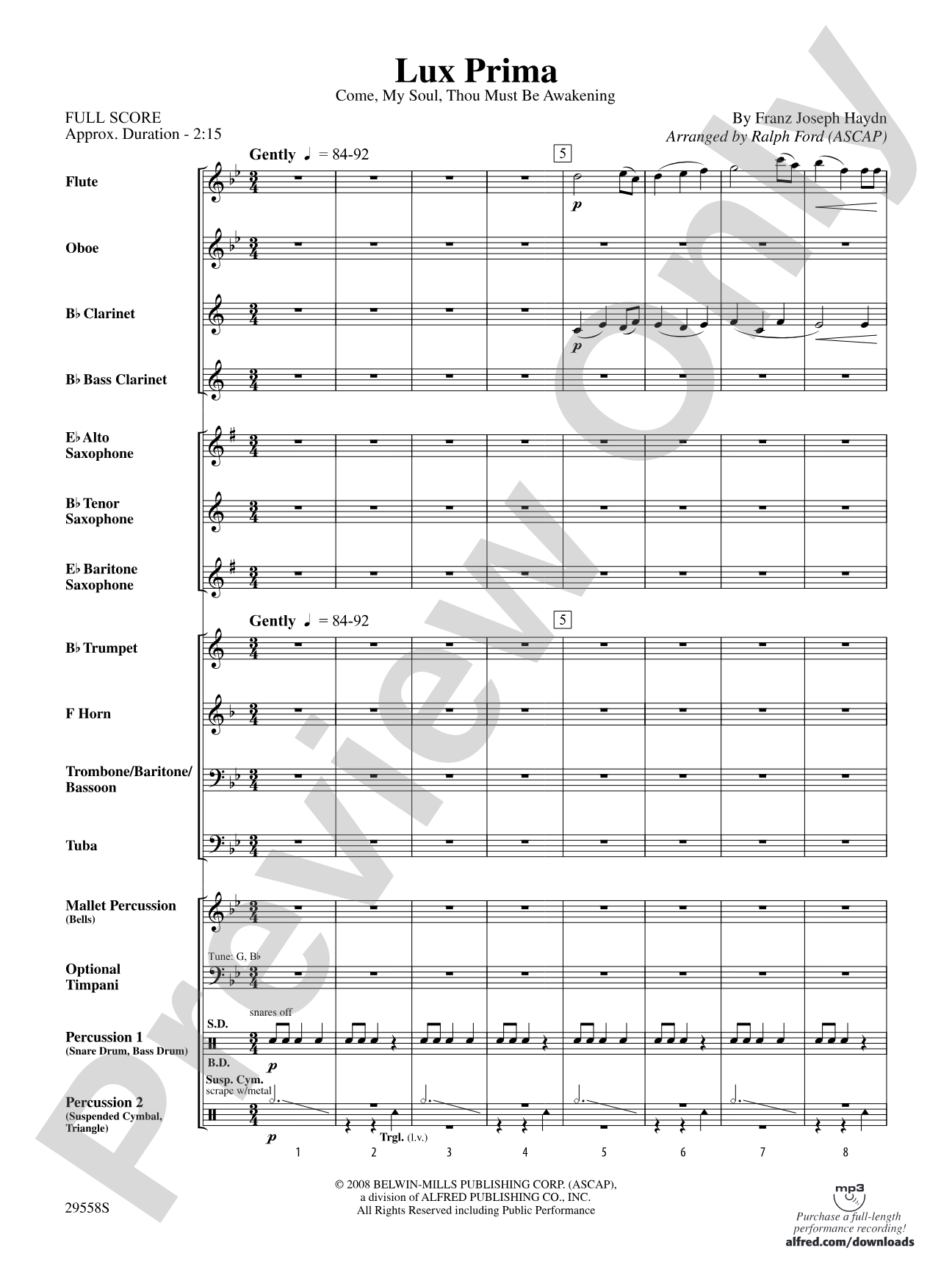
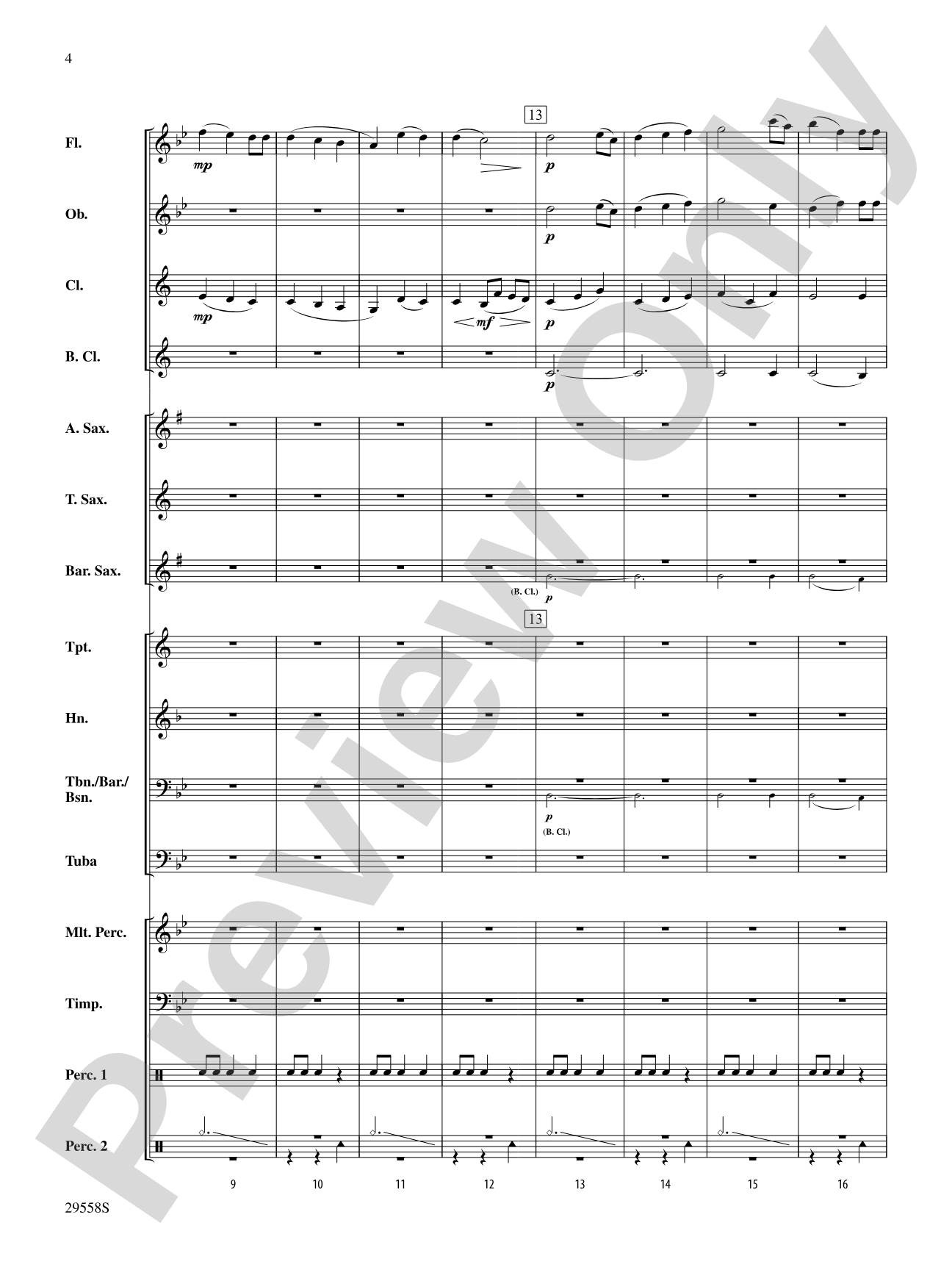
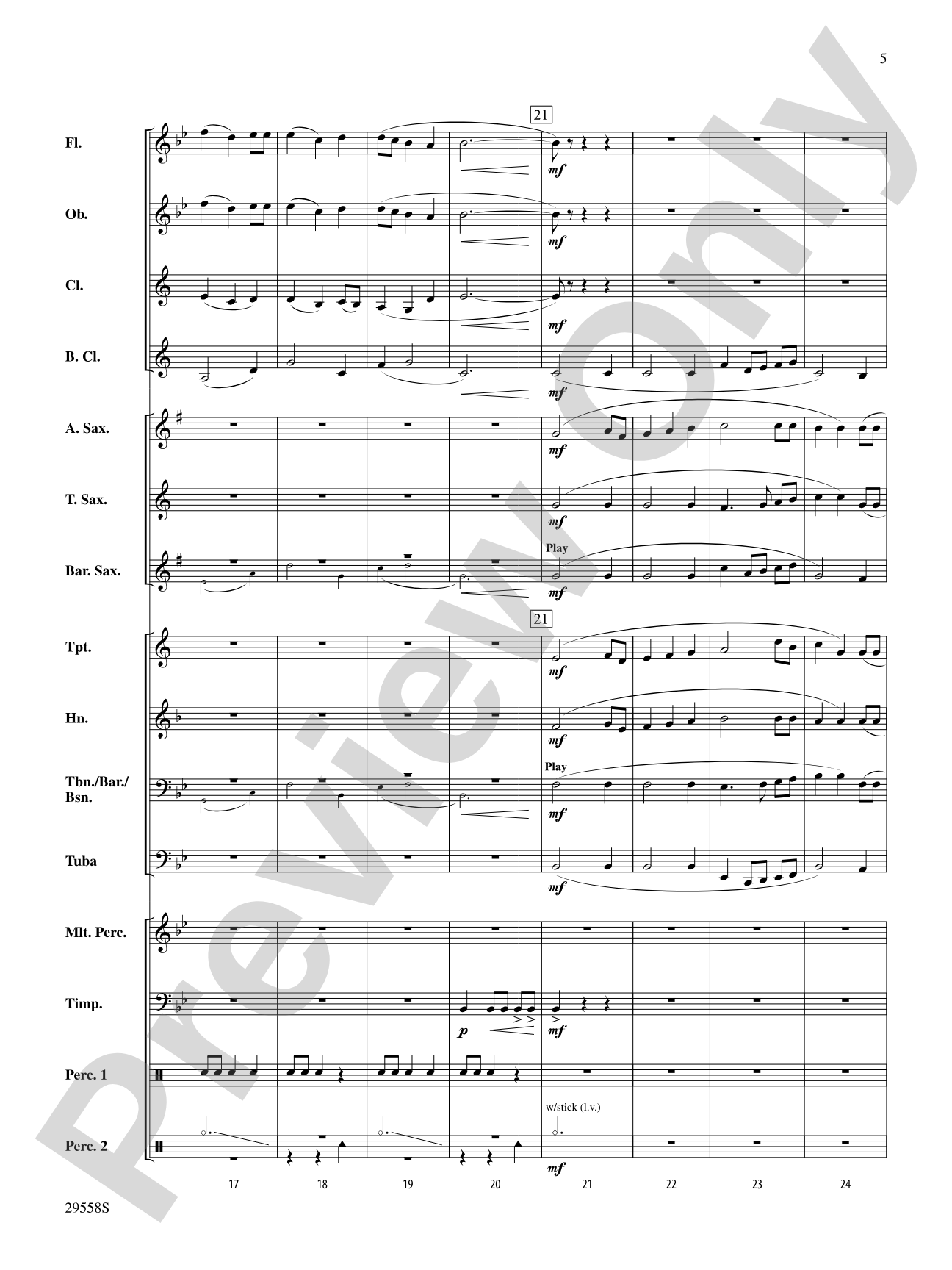
Franz Joseph Haydn's lovely musical setting of "Come, My Soul, Thou Must Be Awakening" has been scored for beginners in 3/4 time. The flowing melody is tuneful and will add to the musicality of your ensemble. First stated by the upper woodwinds, the full band builds to an emotional conclusion. Breathtaking! (2:19)


Don't just read it, hear it, play along with it, and watch your students grow with it. In MakeMusic Cloud, Lux Prima (Come, My Soul, Thou Must Be Awakening): Score comes alive with professional accompaniment, adjustable tempo, and built-in practice tools that turn solo practice into real progress.
Open in the Player
Jump straight in and assign it today.
Start Your Free Trial
Open this title and explore the full library in minutes.
Sample Audio
1
Audio File
--:--
0:00
0:00
Sample Video
No sample videos found.
Additional Details
Series:
Belwin Beginning Band
Publisher:
Alfred Music
Page Count:
132
SKU:
00-PR-0001442
More about this title
About the Composer: Franz Joseph Haydn
Franz Joseph Haydn (1732-1809) was an Austrian composer whose prolific output shaped the Classical era. Working much of his career as Kapellmeister for the Esterházy family, he wrote over 100 symphonies, numerous string quartets, and a substantial body of sacred music that balanced formal sophistication with genuine emotional depth.
Haydn's sacred compositions reveal a composer deeply engaged with text expression and ensemble sonority. His ability to craft singable, memorable melodies within elegant harmonic structures made his music both spiritually moving and pedagogically valuable. For student ensembles, his work offers an accessible entry point into the Classical masterworks that defined Western music.
Why we love this
This arrangement brings one of Haydn's genuine sacred melodies into reach for young bands without sacrificing the composer's elegant voice. The scoring respects the original's character while building naturally from solo woodwind statement to full ensemble, giving students a rewarding arc and early exposure to how orchestration itself tells a musical story. It's exactly the kind of repertoire that shows beginners why Classical music endures.
What to expect
Reverent and flowing, with the character of a gentle prayer that gradually opens outward. The melody unfolds naturally, almost like a hymn set to instrumental voices, with moments of quiet contemplation balanced by a graceful, heartfelt swell.
Who it's for
Beginning band students and directors seeking substantive repertoire with real musical content. This work suits young ensembles working toward their first concert or festival appearance and needing pieces that sound mature without overwhelming developing musicians.
How to get the most out of it
- Shape the opening woodwind melody as a singing line; even at Grade 1, Haydn's phrasing expects breath and direction rather than mechanical note-reading.
- Balance the full band section carefully so the climax feels earned rather than forced. Students should hear the journey from restraint to emotional release.
- Maintain the 3/4 lilt throughout. Avoid letting the meter drag, especially in slower sections, which will keep the prayer-like quality alive.
- Ensure clarinets and saxophones blend smoothly when they double the melody, as their warmth carries the piece's spiritual character.
How to use it
Program this as an opener or closing piece for a concert with sacred or thematic programming, where its earnest beauty can frame other works. It also works well as a festival selection that demonstrates musicianship over technical prowess, letting judges hear clean ensemble work and phrase shaping.
Skills your students will build
- Shaping melody with phrasing and dynamic shape in a simple time signature
- Listening to principal voices and supporting them as ensemble members
- Maintaining steady pulse in 3/4 time while playing sustained passages
- Blending multiple wind voices on the same melodic line