Lush Life Cover Image

Lush Life: Jazz Ensemble Conductor Score & Parts

$52.00 USD
Sale price  $52.00 USD Regular price 
Skip to product information
Lush Life Cover Image

Lush Life: Jazz Ensemble Conductor Score & Parts

By Billy Strayhorn / arr. Mike Kamuf

Grade: 3.5 (Medium)

Item: 00-46161

makemusic Cloud badge

Need it now?

Buy Digital Version
$52.00
Shipped

One moment…

Description
One of the finest ballads ever by a brilliant composer and gifted arranger. Played at around 88 BPM moving into a double-time bossa section leading into the finale, you'll enjoy every measure of this excellent chart. Only written melody solos for alto and trumpet, no improv, and all the usual optional parts plus vibes. You'll love this chart! (3:40) This title is available in MakeMusic Cloud.

Don't just read it, hear it, play along with it, and watch your students grow with it. In MakeMusic Cloud, Lush Life: Jazz Ensemble Conductor Score & Parts comes alive with professional accompaniment, adjustable tempo, and built-in practice tools that turn solo practice into real progress.

Sample Pages

Sample Audio
0:00
0:00
Sample Video
Additional Details
Series: Jazz Band Series
Publisher: Alfred Music
Page Count: 98
UPC: 038081525402
SKU: 00-46161

More about this title

About the Composer: Billy Strayhorn
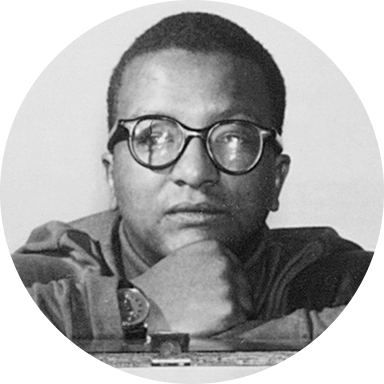
Billy Strayhorn

Billy Strayhorn (1915-1967) emerged as one of jazz's most consequential but underrecognized composers, beginning his landmark collaboration with Duke Ellington in 1939. His compositional voice defined an era of American jazz standards, yet his name remained overshadowed by the bandleaders and singers who performed his work. From "Take the 'A' Train" to the harmonic sophistication of "Lush Life" (composed when he was just 16), Strayhorn's music has been recorded by virtually every major jazz artist of the 20th century, from Ella Fitzgerald to John Coltrane to Oscar Peterson.

Strayhorn's willingness to live openly as a Black gay man in mid-century America contributed to decades of public obscurity despite the ubiquity of his compositions. His legacy has since been reassessed by historians and scholars who recognize him among America's most influential composers. The enduring standard he created continues to challenge performers with its harmonic depth and emotional complexity.

Why we love this

Mike Kamuf's arrangement respects the ballad's harmonic sophistication while building momentum through that double-time bossa section, giving ensembles a chance to dig into genuine jazz writing rather than simplified charts. The scoring avoids the trap of overstuffing a beautiful melody; instead, it creates space for the alto and trumpet solos to breathe. At Grade 3.5 with written parts (no improvisation required), this works beautifully for groups ready to move beyond basics but not yet equipped to manage complex improv sections.

What to expect

Sophisticated without pretension. The ballad opening draws you into Strayhorn's sumptuous harmonic world; there's elegance in every chord change and a melancholy that asks players to sing rather than simply execute notes. The bossa section arrives like a second thought, elegant and slightly swinging, before the finale brings you back to the ballad's emotional core.

Who it's for

Jazz ensembles at the high school or early college level who have solid section balance and can play through-composed charts with interpretive maturity. This arrangement demands more from your rhythm section and melody players than a beginner chart, but the absence of improvisation makes it accessible for groups still building improvisational confidence.

How to get the most out of it

  • Shape the opening section as a vocalist would, with long phrases and dynamic sensitivity. This is a ballad first; let the rhythm section sit back and support rather than drive the tempo.
  • The transition into double-time bossa requires a clear energy shift without rushing. Mark the exact tempo in your parts (88 BPM into the bossa) and have the rhythm section establish the new groove with confidence.
  • Balance the alto and trumpet solos against the ensemble voices. These melodies are written, not improvised, so they need crystalline clarity without overplaying the dynamic level.
  • The three minutes forty seconds runtime includes space; resist the impulse to fill it. Let silence and restraint be part of your interpretation.

How to use it

This sits naturally on a concert or festival program as a contrasting piece to uptempo standards or blues heads. Program it mid-set to reset the room's energy, or use it as your closing ballad if you want to end on sophisticated, reflective ground. At 3:40, it requires no padding.

Skills your students will build

  • Playing with dynamic restraint and phrasing over longer harmonic progressions
  • Balancing section textures in a written arrangement with multiple melodic layers
  • Reading and executing tempo changes (ballad to double-time bossa)
  • Interpreting jazz articulation and time feel across different sections of a single piece
  • Blending ensemble voices while supporting a featured solo melody

You May Also Like
