

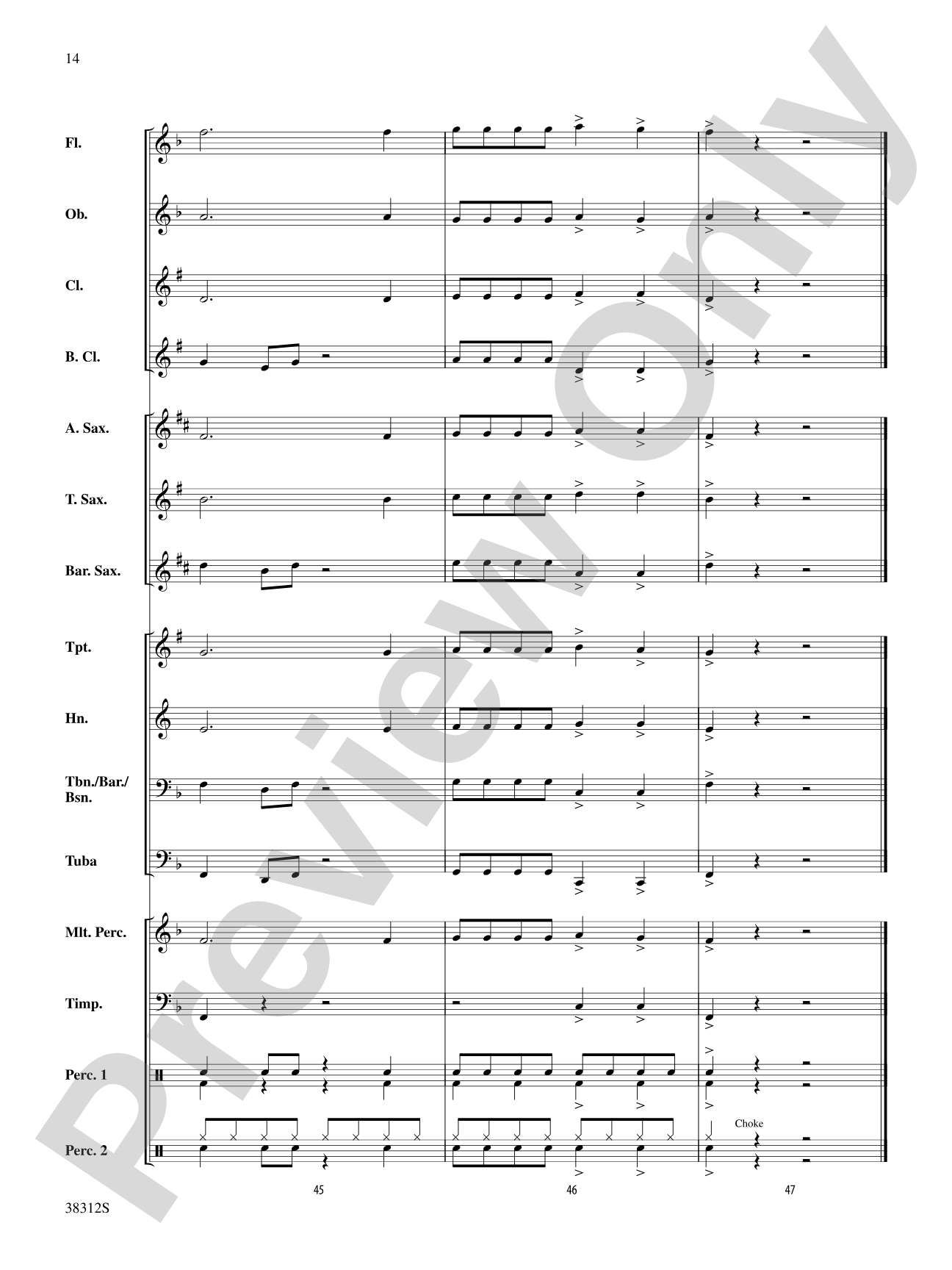



Little Shop of Horrors: Concert Band Conductor Score & Parts
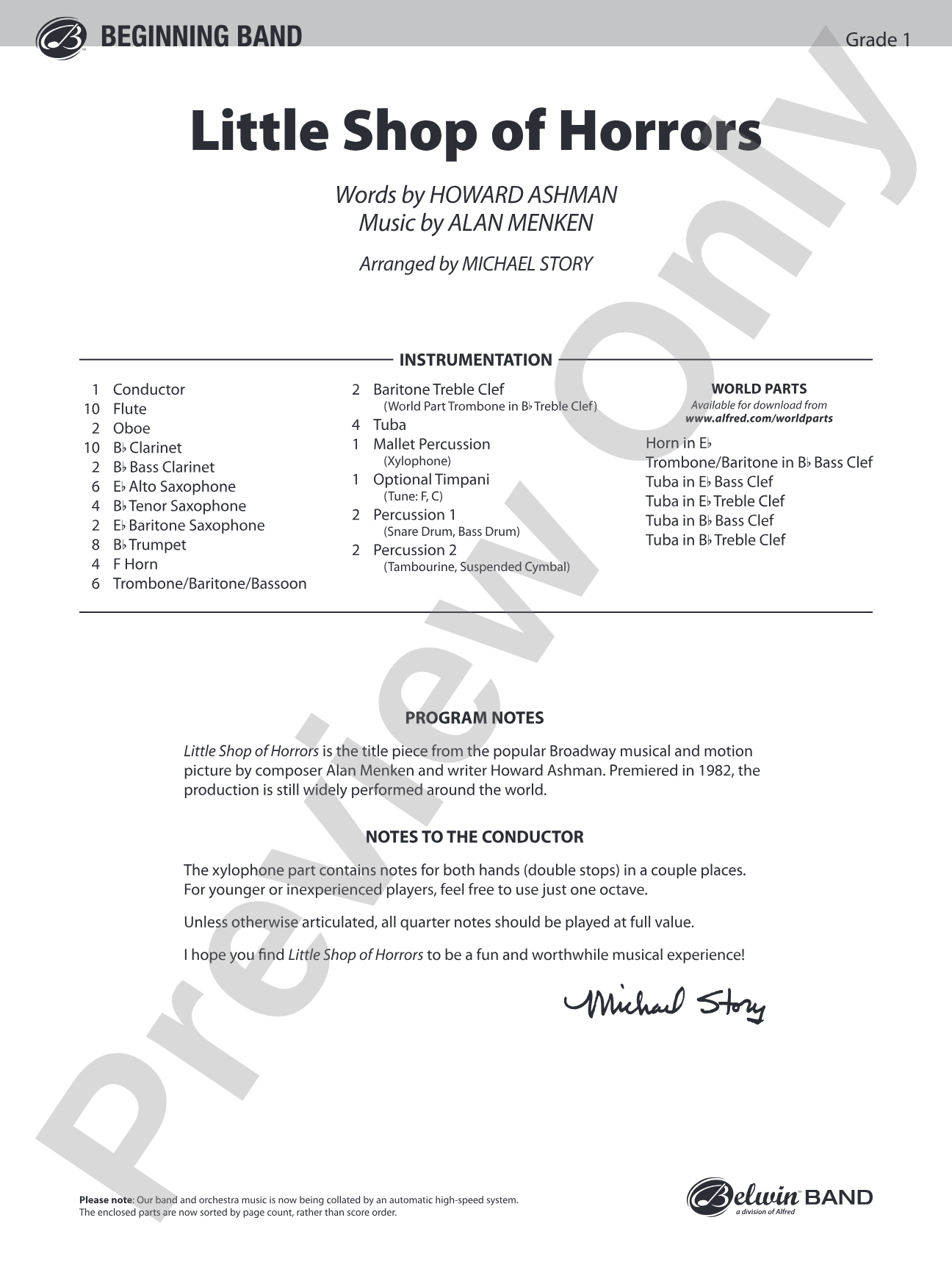
Words by Howard Ashman, music by Alan Menken / arr. Michael Story
Grade: 1 (Very Easy)
Item: 00-PK-0005158

$56.00
One moment…
Related Items
Little Shop of Horrors: String Orchestra Conductor Score & Parts |
$50.00
|
View | |
Little Shop of Horrors: Concert Band Conductor Score & Parts |
$55.00
|
View | |
Little Shop of Horrors: Concert Band Conductor Score |
$9.00
|
View | |
Little Shop of Horrors: String Orchestra Conductor Score & Parts |
$50.00
|
View | |
Little Shop of Horrors: String Orchestra Conductor Score |
$9.00
|
View |
Description
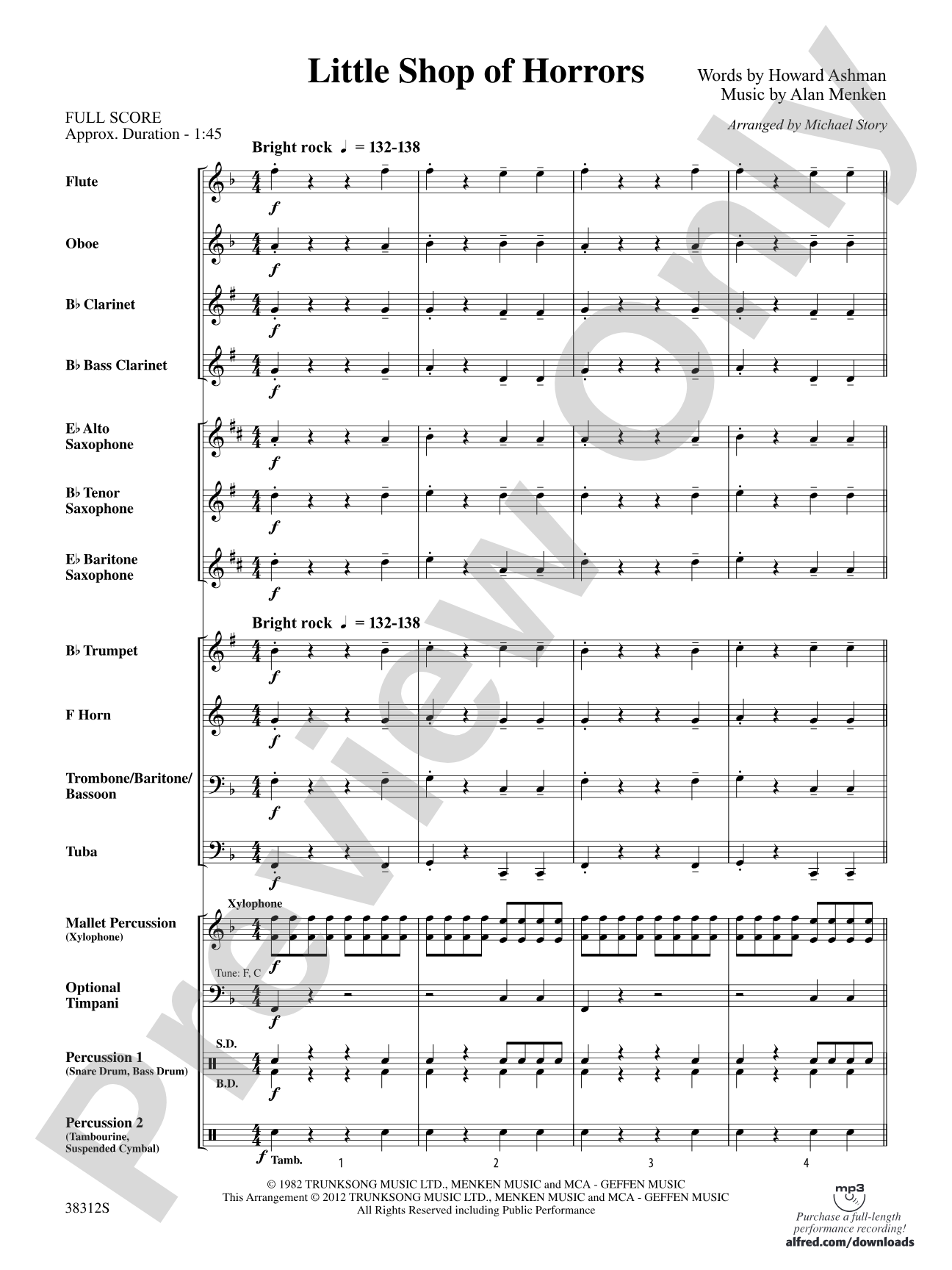
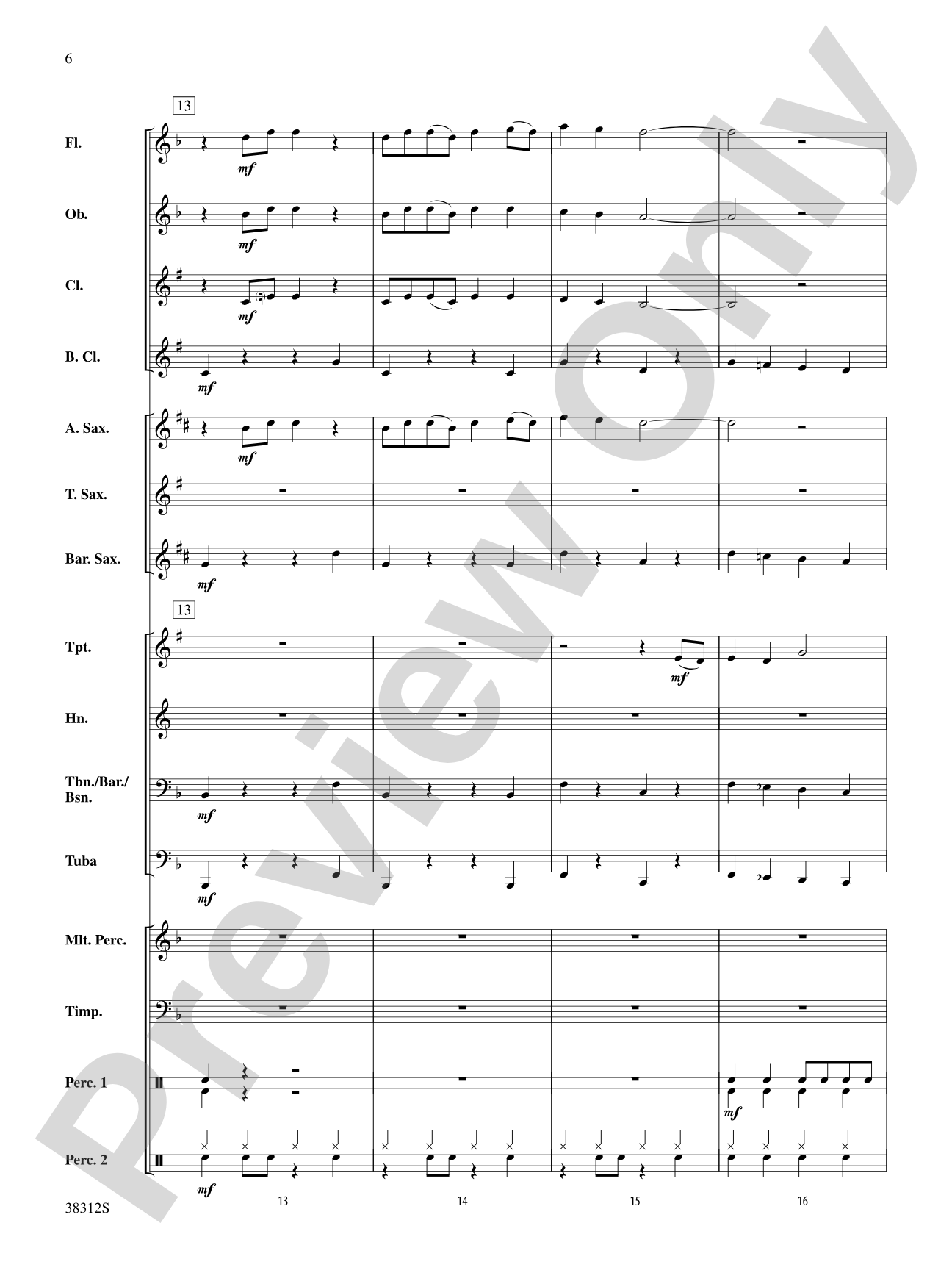
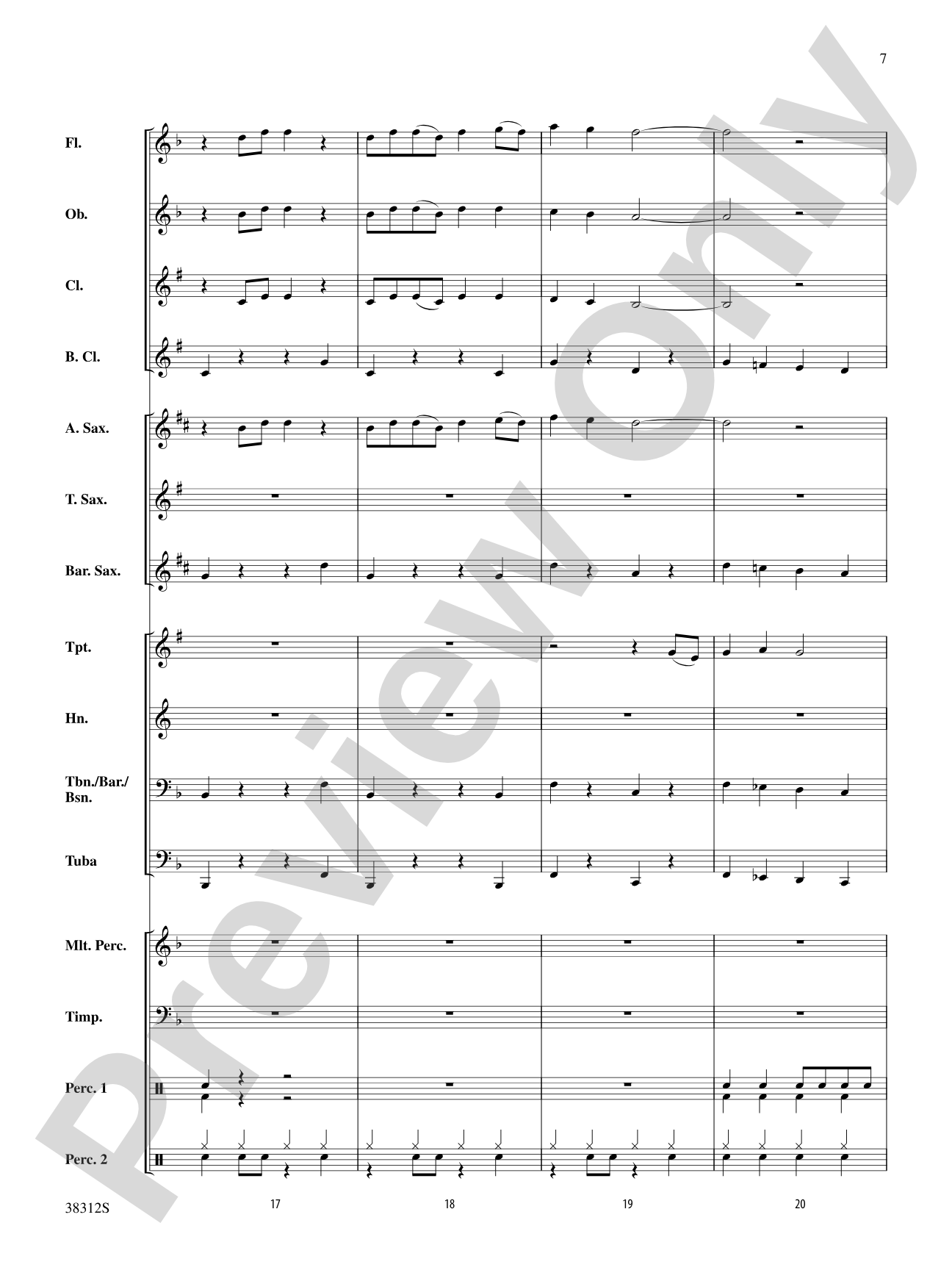
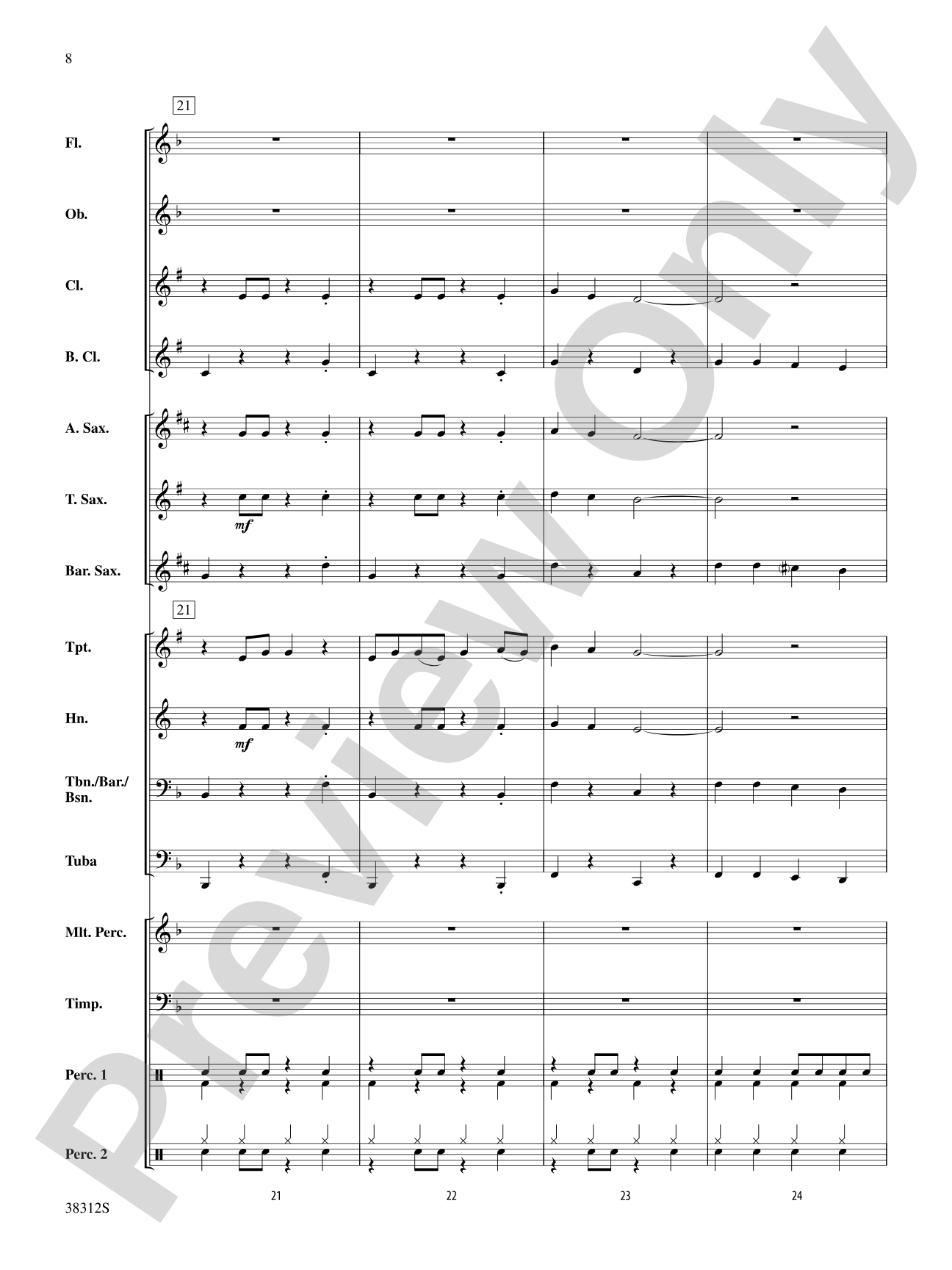
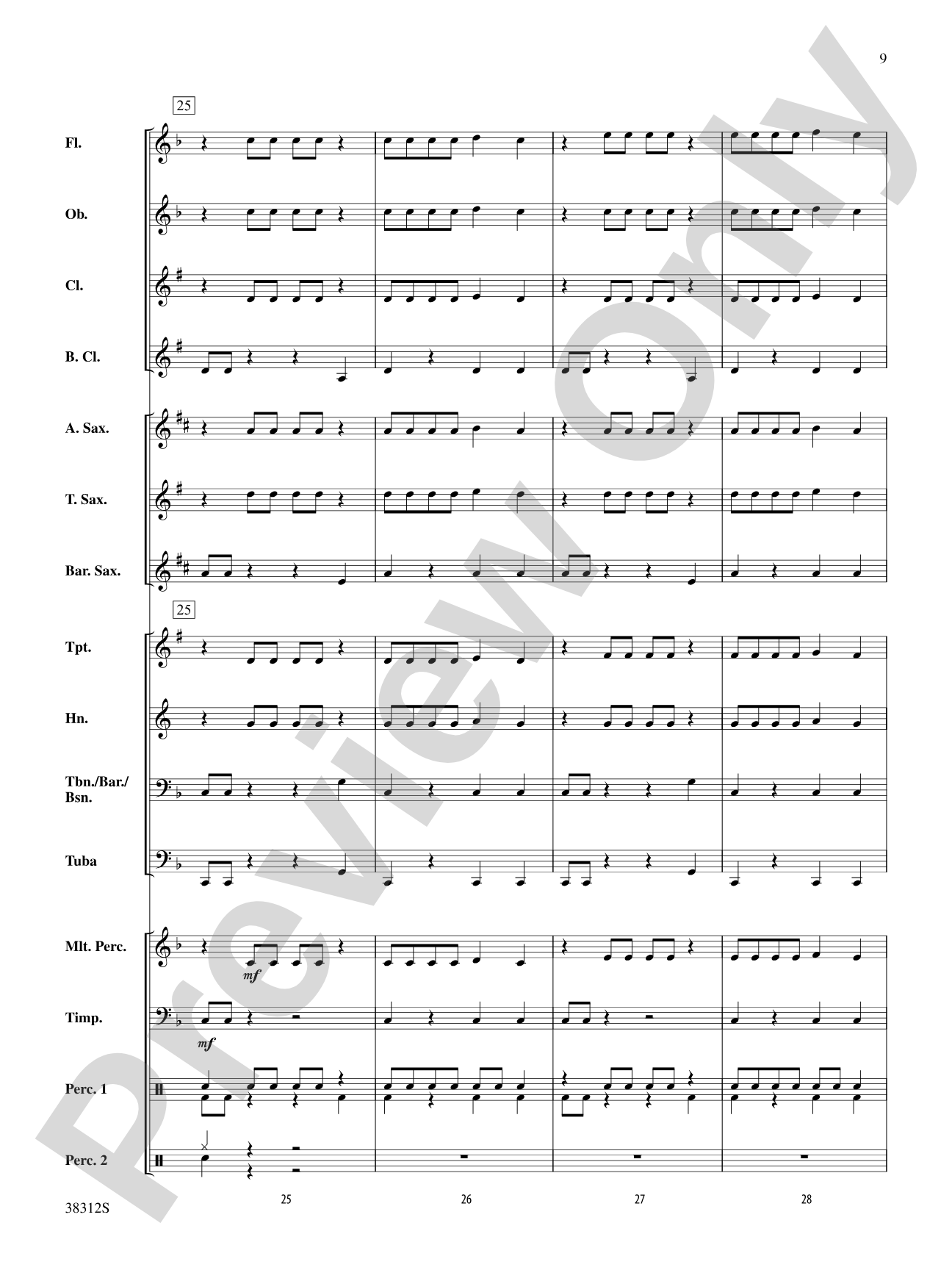
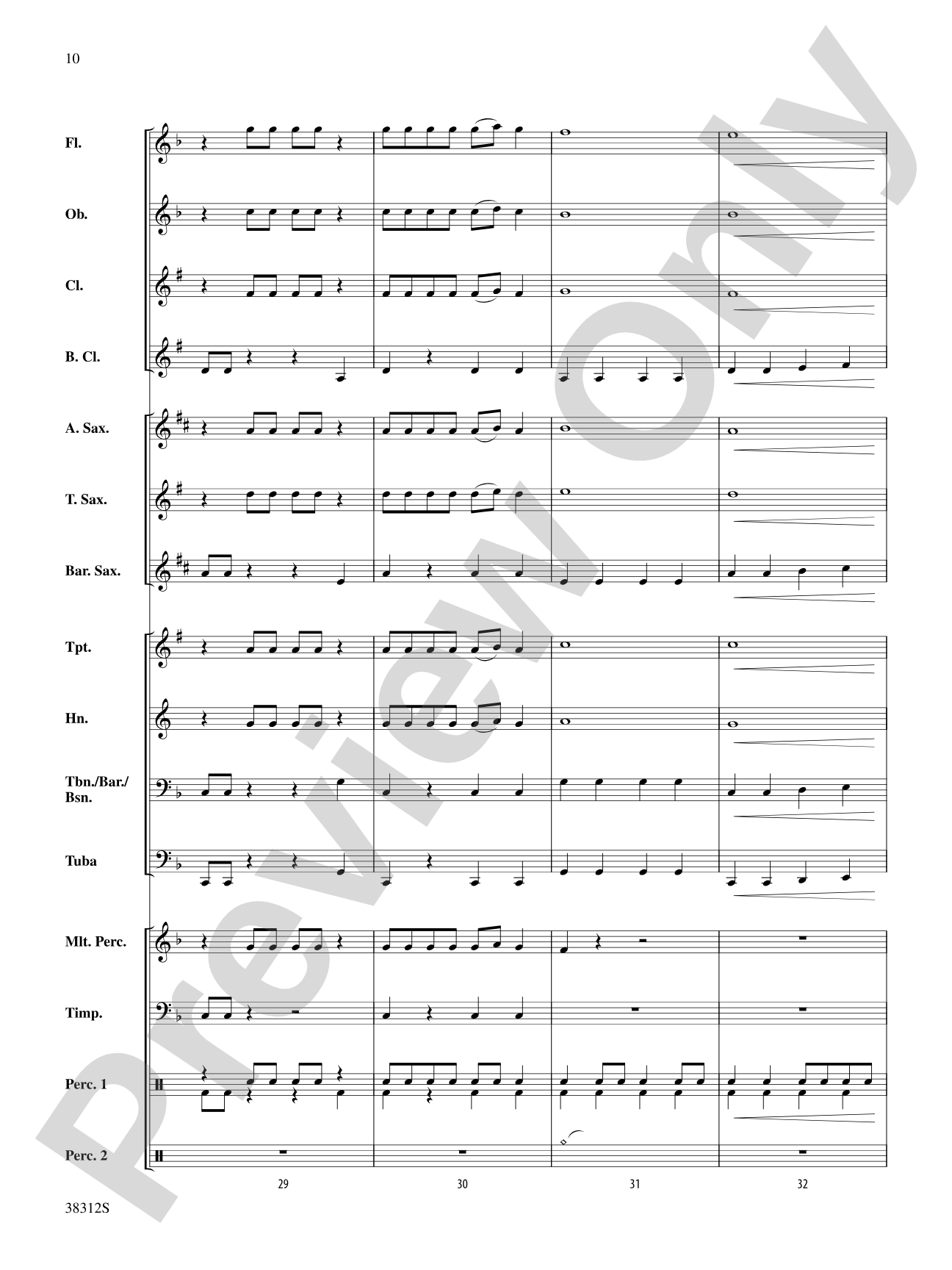
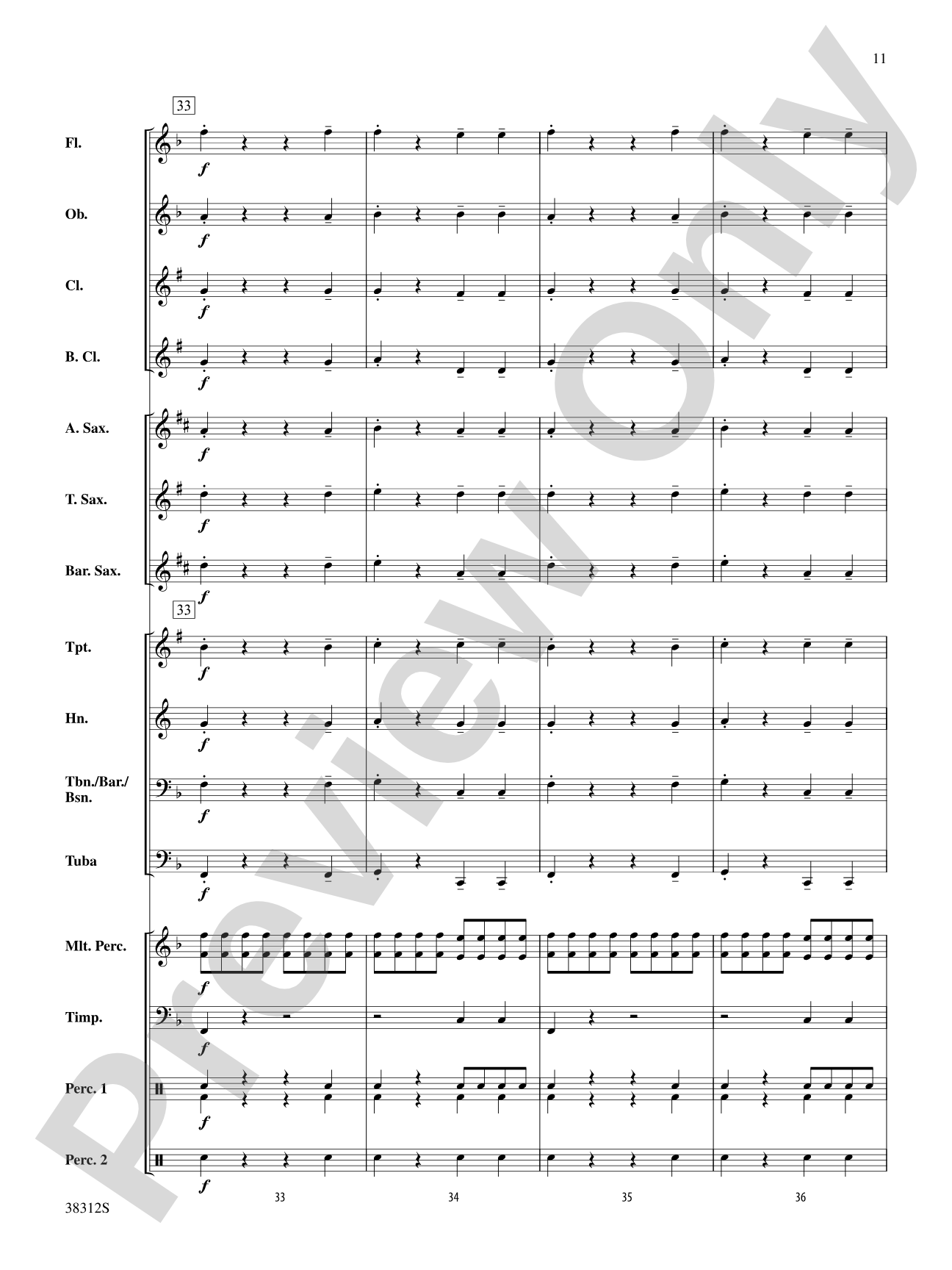
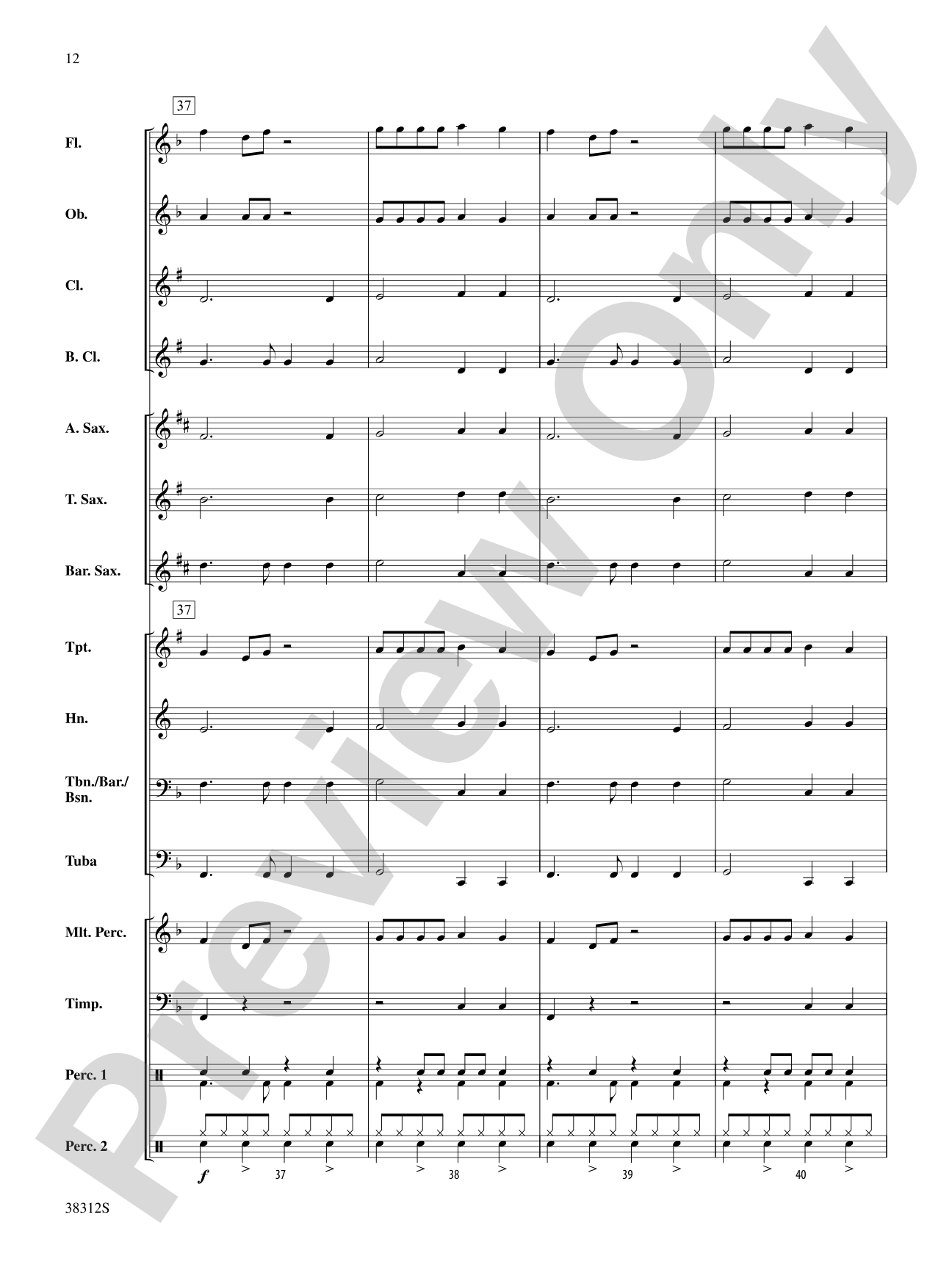
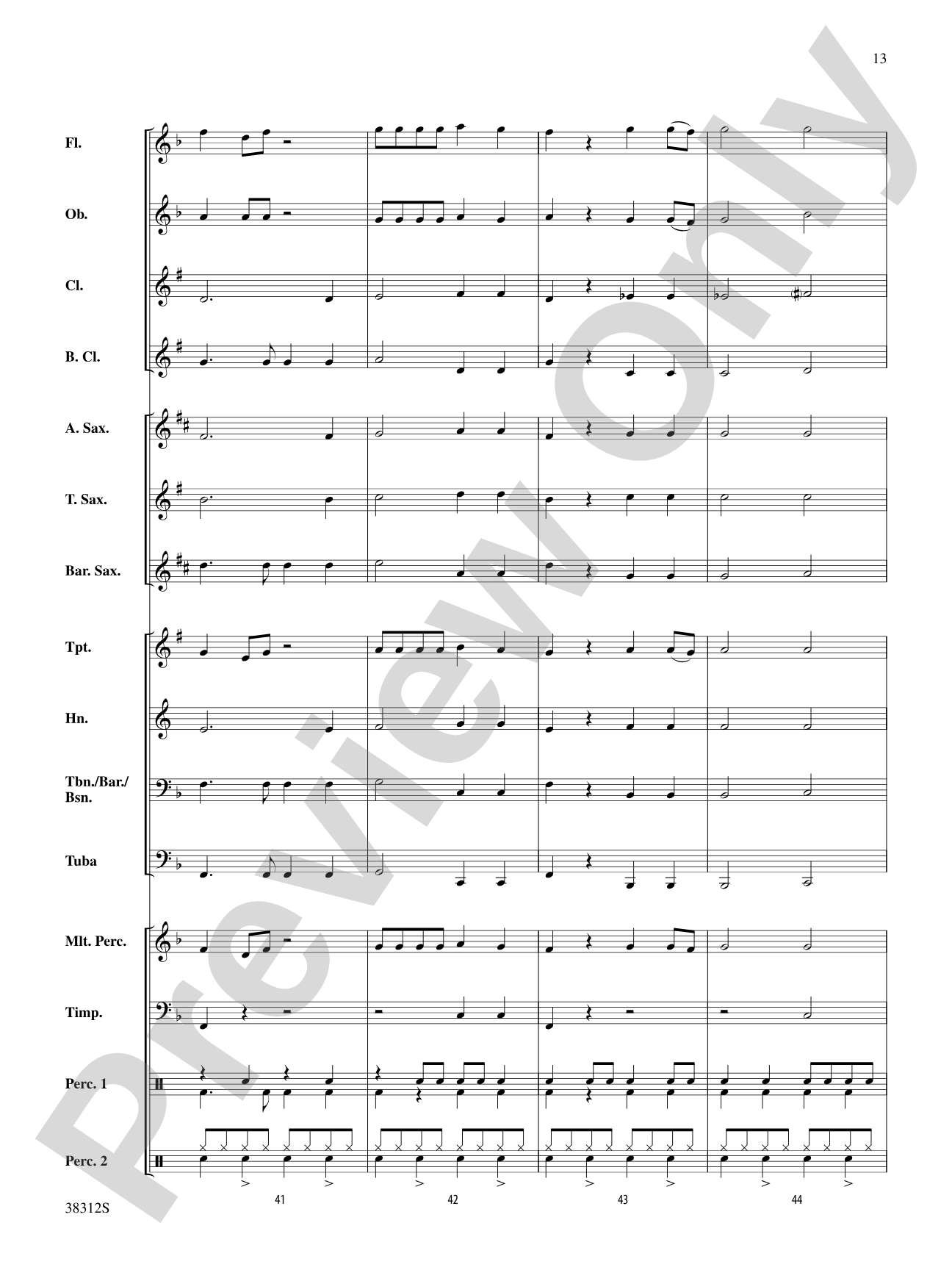
Take your beginners to the Broadway stage with this charismatic title theme from the popular musical. With a bright rock drive, this tune will engage players and audiences alike. A bit of attention to note lengths and clearly marked articulations will make this arrangement sparkle on your very next concert!


Don't just read it, hear it, play along with it, and watch your students grow with it. In MakeMusic Cloud, Little Shop of Horrors: Concert Band Conductor Score & Parts comes alive with professional accompaniment, adjustable tempo, and built-in practice tools that turn solo practice into real progress.
Open in the Player
Jump straight in and assign it today.
Start Your Free Trial
Open this title and explore the full library in minutes.
Sample Audio
1
Audio File
--:--
0:00
0:00
Sample Video
No sample videos found.
Additional Details
Series:
Pop Beginning Band
Publisher:
Alfred Music
Page Count:
132
SKU:
00-PK-0005158
More about this title
About the Composer: Alan Menken
Alan Menken has shaped the musical theater landscape across four decades, from his early work with lyricist Howard Ashman on Little Shop of Horrors to his prolific Disney catalog. His gift for writing instantly memorable melodies that transcend genre boundaries has earned him eight Academy Awards and a Tony Award, making him one of the most performed composers in contemporary musical theater.
Menken's music balances accessibility with sophistication. His melodies sit naturally in the human voice and instrumental ranges, and his harmonic language draws from popular music traditions while maintaining theatrical warmth. For educators, his work offers exceptional material for students learning to engage audiences and perform with conviction.
Why we love this
Michael Story's arrangement captures the infectious energy of Menken's original while respecting the technical limits of developing musicians. The rock groove sits perfectly for Grade 1 bands, and the writing avoids the bloat that often derails beginner arrangements of familiar songs. Your students will feel like they're performing something that matters, not a simplified shadow of the real thing.
What to expect
Bright and mischievous, with a rock edge that feels contemporary and fun. The melody bounces with infectious optimism, carried forward by a driving rhythm section that propels the whole band forward. It's the sound of a band having genuine fun together.
Who it's for
This arrangement opens Broadway repertoire to Grade 1 concert bands who may lack the technical fluency for more complex theater transcriptions. Directors seeking to balance engagement with accessible writing will find a piece that honors the original while respecting their students' current abilities. Audiences respond immediately to music they recognize, and this title delivers that connection without compromise.
How to get the most out of it
- Anchor the rhythmic drive by locking the quarter-note pulse in the low winds and percussion. The rock character depends entirely on this foundation, so rehearse those parts together first and often.
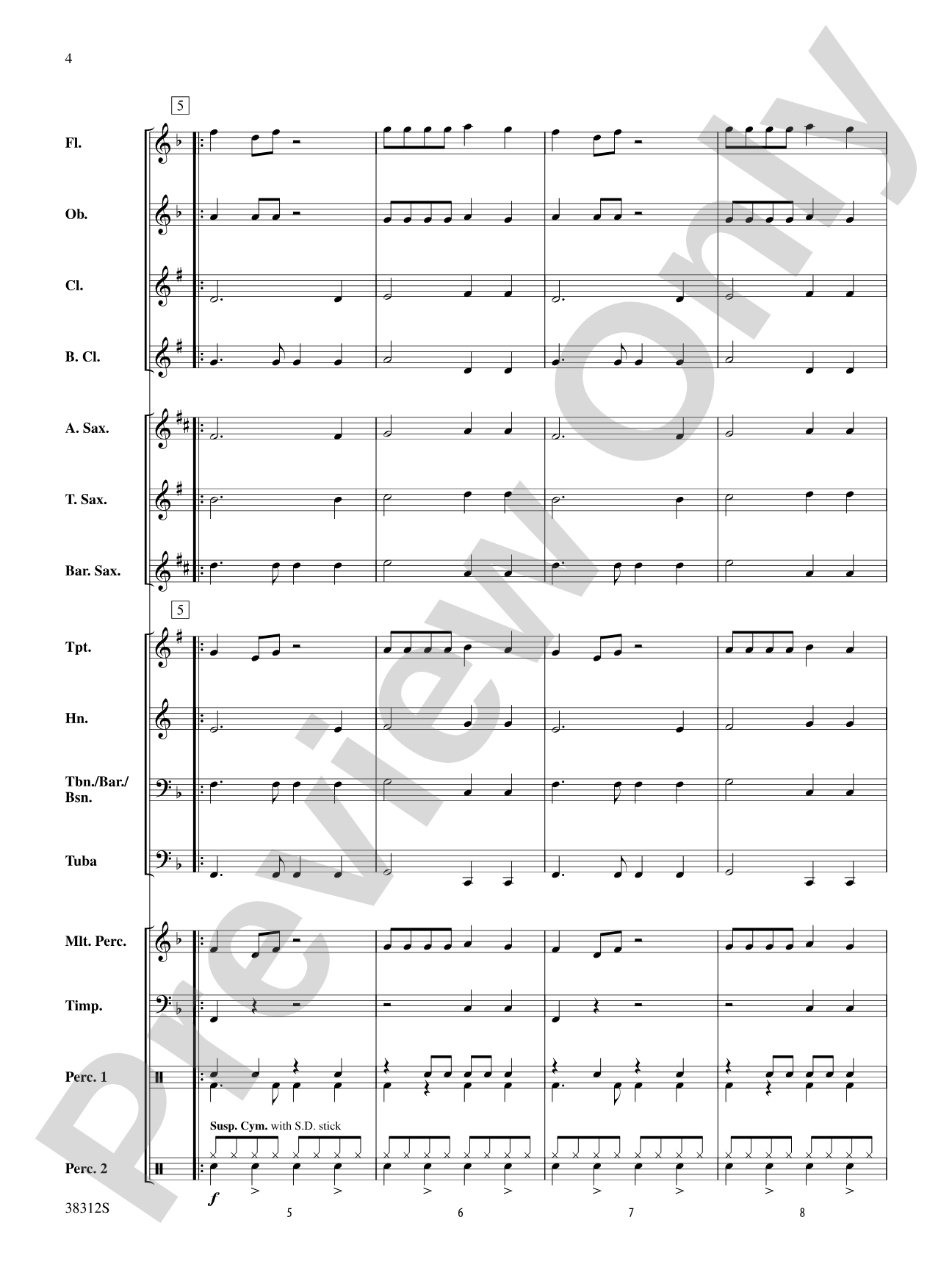
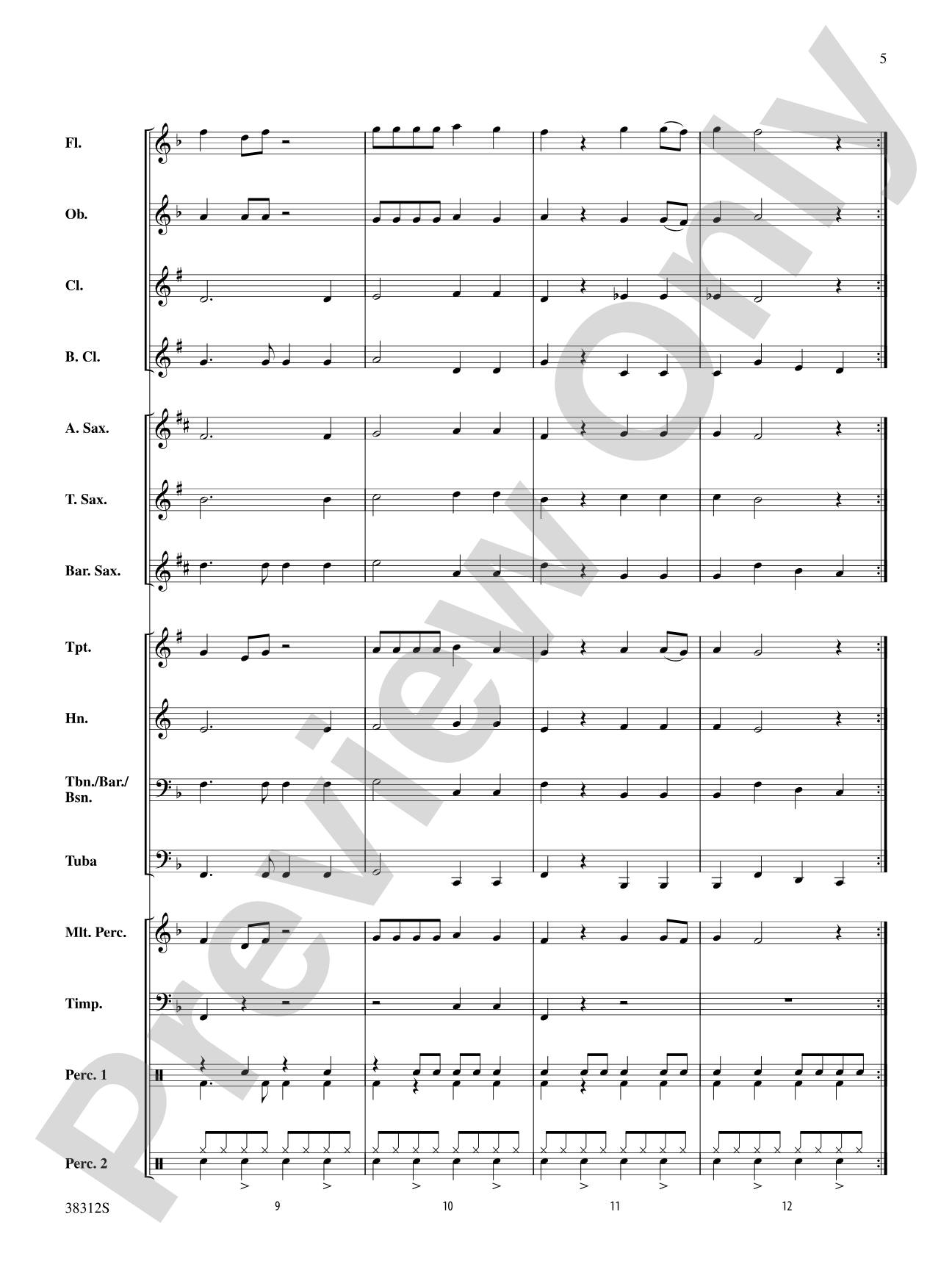
- Shape the articulations as marked in the score. Clear, snappy staccatos and sustained legatos create the contrast that gives this tune its personality.
- Balance the melodic voices so the tune sings clearly above the accompaniment. In Grade 1 writing, melody parts often double, so assign your most confident players to ensure the line projects.
- Keep the tempo steady and energetic without rushing. A confident tempo supports the bright character and lets the articulations speak.
How to use it
Lead with this on a concert that includes other pop or musical theater selections to build a thematic set. It works well as an opener or early-program piece where its confident energy lifts the audience and your developing ensemble. Consider pairing it with a contrasting ballad to show your band's range.
Skills your students will build
- Rock rhythms and steady quarter-note pulse maintenance
- Articulation clarity (staccato and legato contrast)
- Melodic phrasing and balancing melody against accompaniment
- Tempo security in a driven, groove-based piece
- Performing familiar music with expression and ownership