Little Lamb Cover Image

Little Lamb: 2-Part Treble/Opt. SSA Choral Octavo

$2.25 USD
Sale price  $2.25 USD Regular price 
Skip to product information
Little Lamb Cover Image

Little Lamb: 2-Part Treble/Opt. SSA Choral Octavo

By Sherri Porterfield

Level: Moderate

Item: 00-SV9301

makemusic Cloud badge

Need it now?

Buy Digital Version
$2.25
Shipped

One moment…

Description
This setting of the familiar William Blake poem is hauntingly beautiful. The text is sensitive and the music supportive. The work is perfect for middle school/junior high voices. A great contest/festival work.

Don't just read it, hear it, play along with it, and watch your students grow with it. In MakeMusic Cloud, Little Lamb: 2-Part Treble/Opt. SSA Choral Octavo comes alive with professional accompaniment, adjustable tempo, and built-in practice tools that turn solo practice into real progress.

Sample Pages

Sample Audio
No sample audio found.
Sample Video
Additional Details
Series: Alfred Archive Edition: Studio PR Catalog
Publisher: Alfred Music
Page Count: 8
UPC: 029156005981
SKU: 00-SV9301

More about this title

About the Composer: Sherri Porterfield
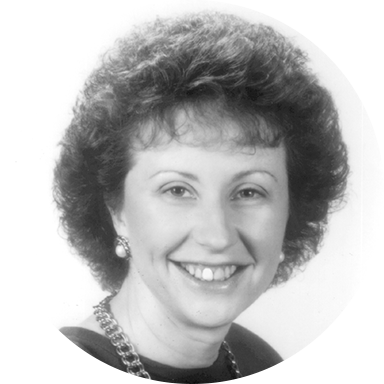
Sherri Porterfield

Sherri Porterfield has built a distinguished career in choral education and composition, serving as Director of Choirs at Cedar Park Middle School in Cedar Park, Texas, after teaching in Missouri and Kansas where her choirs consistently earned first place and sweepstakes honors at competitions. She has also taught as an adjunct assistant professor of music education at the University of Missouri-Kansas City Conservatory of Music and worked as a clinician and guest conductor with honor choirs across the United States.

With over 175 published choral compositions and an annual ASCAP award since 1997, Porterfield's music appears in catalogs of Alfred Music Publishing and other major publishers. She earned her B.S.E. in music education from the University of Memphis and her Master of Music in choral conducting from the University of Missouri-Kansas City. Her contributions to music education have been recognized four times through inclusion in Who's Who Among America's Teachers, along with selections to Who's Who Among American Women, Who's Who in American Education, and Who's Who in America.

Why we love this

Porterfield's setting honors Blake's contemplative text without overshadowing it. The music sits naturally for young treble voices, making festival preparation rewarding rather than exhausting, and the optional SSA voicing gives you flexibility to accommodate changing voice ranges within a single rehearsal group.

What to expect

The piece unfolds with quiet dignity, letting Blake's familiar words settle into a musical setting that is tender rather than sentimental. The harmonic support creates an intimate, almost reverent atmosphere that invites singers to listen to themselves and each other.

Who it's for

Middle school and junior high choirs with treble or changing voices seeking literature that respects the maturity of Blake's text without demanding advanced vocal technique. This is an excellent choice for directors programming festival or contest repertoire that engages singers emotionally while remaining accessible.

How to get the most out of it

  • Shape the melodic line with gentle phrasing that mirrors the text's quietness; avoid rushing through sustained notes even when they feel exposed.
  • Balance tone between parts so neither voice overwhelms the other; younger singers often push the melody while under-supporting the harmony.
  • Explore the emotional arc across the entire piece rather than treating each phrase in isolation, which helps singers understand why certain moments feel more tender.
  • Let silence breathe; the spaces between phrases carry as much meaning as the sung material itself.

How to use it

This works beautifully as a concert closer or as a reflective moment between more energetic pieces. Its spiritual character and contest designation make it a natural fit for festival programming or a spring concert exploring themes of innocence and wonder.

Skills your students will build

  • Singing sustained tones with consistent breath support and tone quality
  • Balancing melody and harmony parts within a 2-part texture
  • Phrasing text-dependent music with appropriate emphasis and silence
  • Achieving blend in close harmonic intervals
  • Maintaining intonation in the context of parallel voice movement

You May Also Like
