Little Innocent Lamb Cover Image

Little Innocent Lamb: SATB Choral Octavo

$2.95 USD
Sale price  $2.95 USD Regular price 
Skip to product information
Little Innocent Lamb Cover Image

Little Innocent Lamb: SATB Choral Octavo

Arr. Mark Hayes

Item: 00-21820

makemusic Cloud badge

Need it now?

Buy Digital Version
$2.95
Shipped

One moment…

Description
You're gonna love this manageable and fun version of the famous spiritual Little Innocent Lamb by Mark Hayes. Primarily a unison call and choral response arrangement, this American favorite is revitalized with fresh harmonies and varied textures. A charming piano part accompanies your three or four part mixed choir as they proclaim, "I'm a-gonna love you 'til I die" in new chords at the cadence of every phrase. Appropriate all year long.

Don't just read it, hear it, play along with it, and watch your students grow with it. In MakeMusic Cloud, Little Innocent Lamb: SATB Choral Octavo comes alive with professional accompaniment, adjustable tempo, and built-in practice tools that turn solo practice into real progress.

Sample Pages

Sample Audio
0:00
0:00
Sample Video
Additional Details
Series: Alfred Archive Edition: Alfred Choral Designs
Publisher: Alfred Music
Page Count: 16
UPC: 038081212111
SKU: 00-21820

More about this title

About the Arranger: Mark Hayes
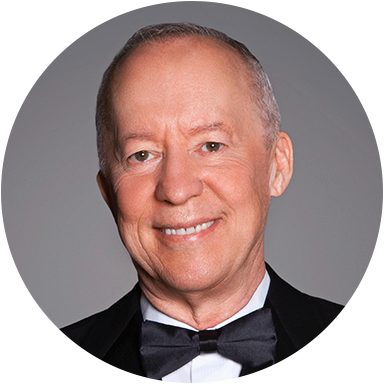
Mark Hayes

Mark Hayes stands among the most prolific voices in American choral and sacred music, with over 1,750 published works spanning multiple genres and mediums. A Baylor University graduate in piano performance, Hayes has guest conducted at Lincoln Center, the National Cathedral, and Carnegie Hall, and received the 2010 Award for Exemplary Leadership in Christian Music from his alma mater. His commissions and world premieres span the globe, from the Vatican to Hong Kong, reflecting his deep engagement with both concert and liturgical contexts.

Beyond his choral work, Hayes is a celebrated concert pianist and orchestrator whose catalog includes more than 100 piano publications ranging from gospel to classical to jazz arrangements. His versatility extends to musical theater, where he has orchestrated and arranged scores for productions that have won recognition at major festivals. Whether composing at his Kansas City home or conducting performances internationally, Hayes remains committed to creating music that serves both artistic and spiritual purposes.

Why we love this

Hayes takes a spiritual that lives in nearly every choir's memory and reimagines it with fresh harmonic color while preserving its essential joy. The call-and-response structure keeps rehearsal straightforward and keeps your singers engaged, and the new chords at phrase cadences give everyone a moment to feel the arrangement's contemporary touch without losing the spiritual's soul.

What to expect

There's warmth and sincerity here, grounded in the spiritual's original conviction but lit up by Hayes's harmonic generosity. The back-and-forth between solo voice and choir creates an intimate call to action, and when the new harmonies arrive at each cadence, they feel like a gentle harmonic sigh, affirming rather than decorating the melody.

Who it's for

This octavo works for treble or mixed ensembles at the high school or community choir level, and it's equally at home in church music programs year-round. Directors seeking accessible repertoire that doesn't feel precious or overly simplified will find Hayes's approach refreshing. Any choir looking to program a spiritual with contemporary flair rather than period authenticity will connect with this arrangement.

How to get the most out of it

  • Shape the unison sections with clear phrasing and good breath support; these are the anchor moments that let the harmony sections land with impact.
  • Balance the piano part carefully so it enhances without overwhelming the voices, especially during the varied textures where the accompaniment shifts character.
  • Find the groove in the refrain "I'm a-gonna love you 'til I die." These new harmonic settings deserve slightly more deliberate articulation than a traditional arrangement might use.
  • Rehearse the transitions between call and response sections so the exchanges feel like conversation, not stop-and-start moments.

How to use it

Program this as a spiritual that bridges traditional and contemporary approaches, making it work equally well on a concert celebrating American roots music or a service with mixed denominational appeal. It pairs naturally with other Hayes arrangements or with spirituals by other contemporary arrangers, and its manageable rehearsal timeline makes it a solid choice for spring concerts when time is tight.

Skills your students will build

  • Call-and-response singing and the timing clarity it requires
  • Harmonic awareness through new chord progressions on familiar melodic phrases
  • Blend and balance between unison and divisi sections
  • Interpretation of contemporary harmonic color within a traditional spiritual framework

You May Also Like
