
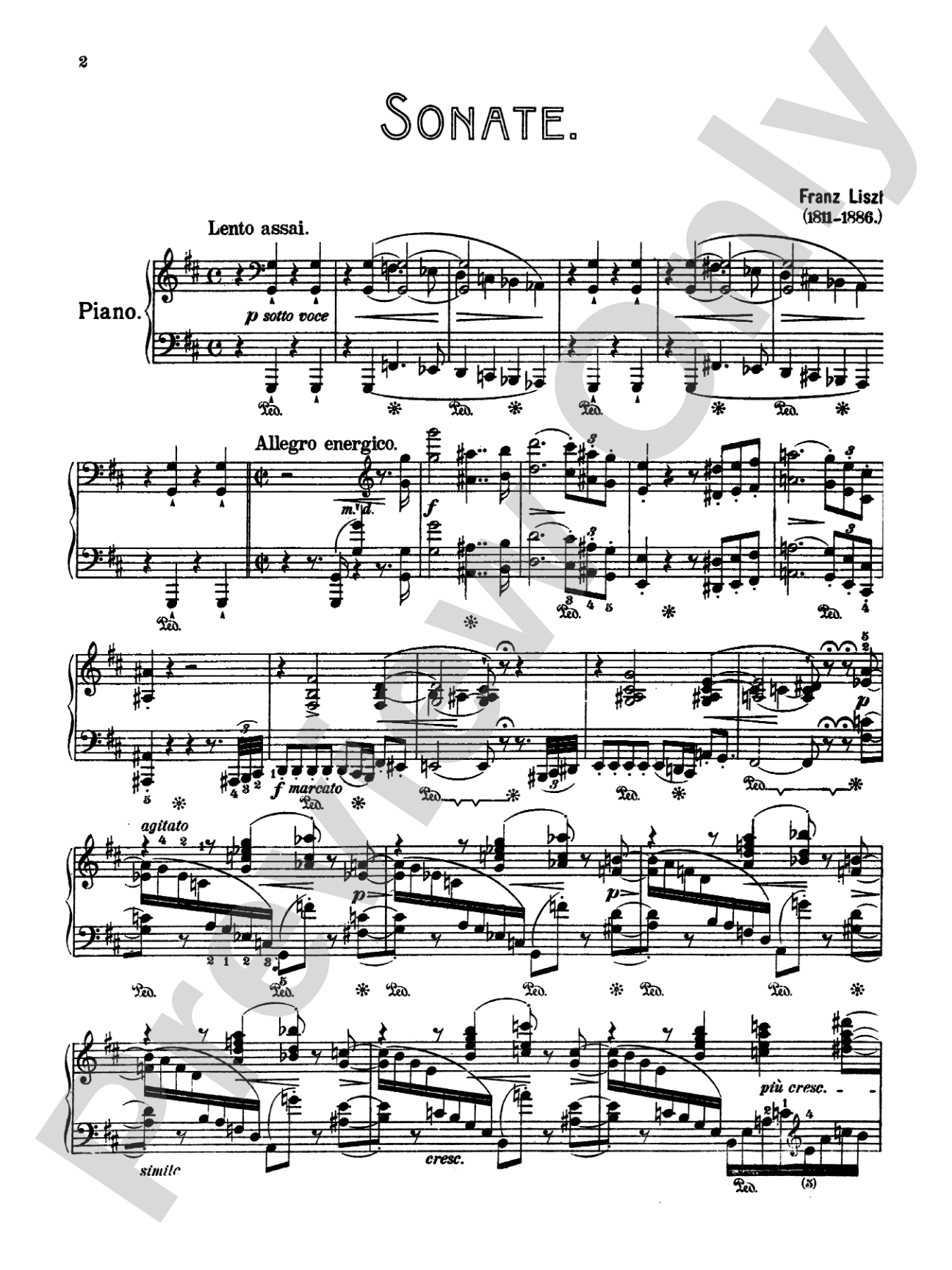
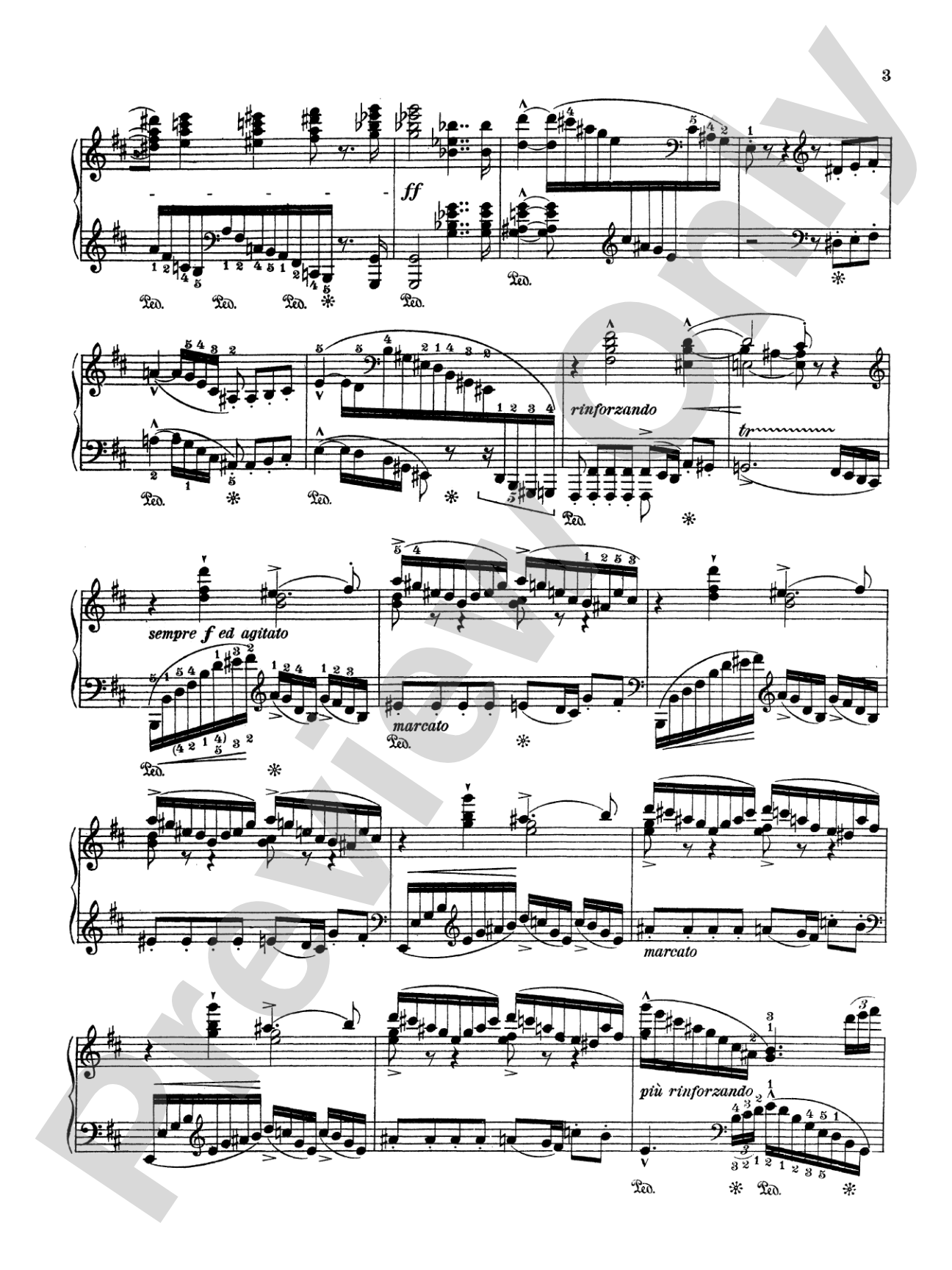
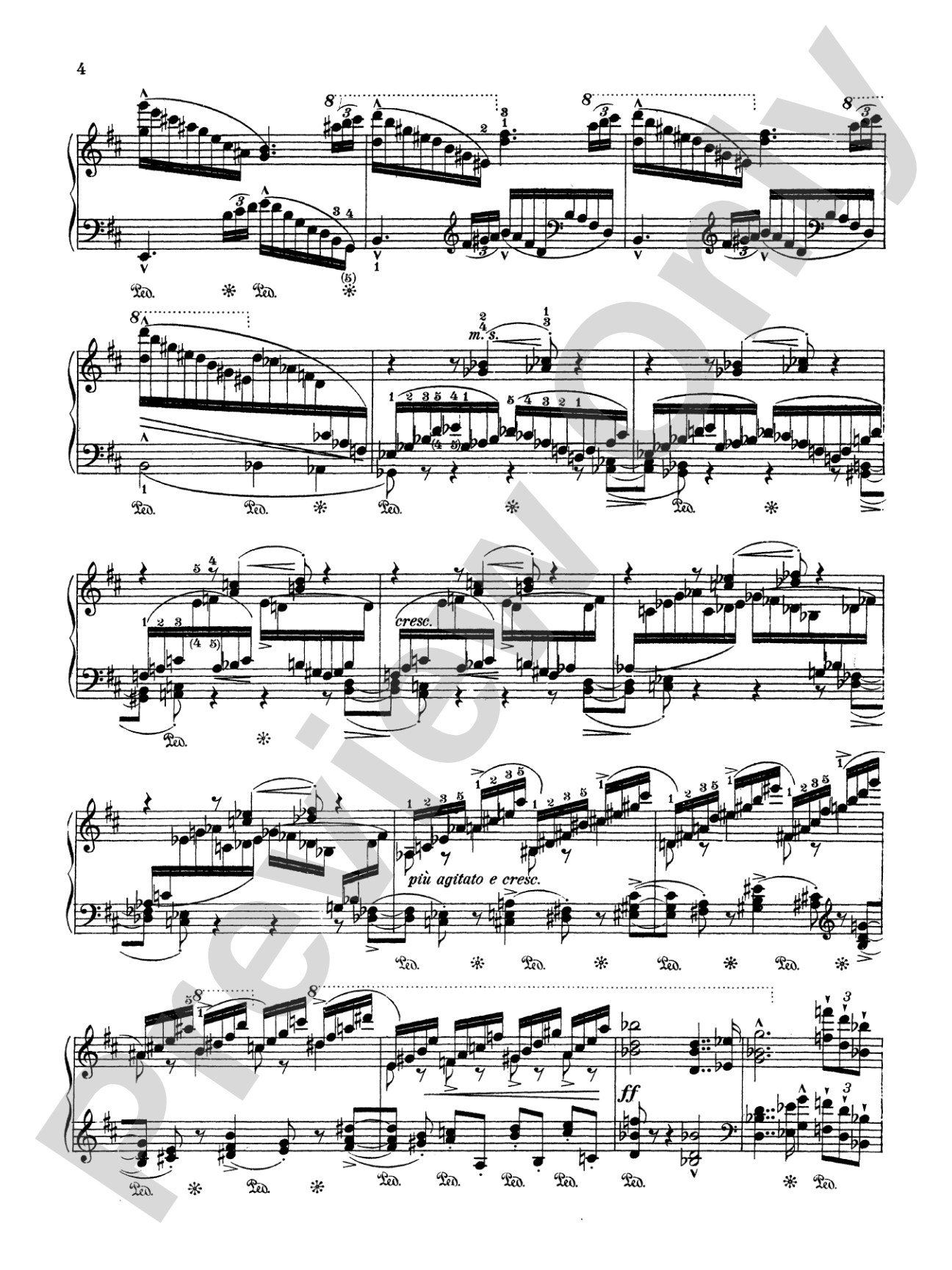
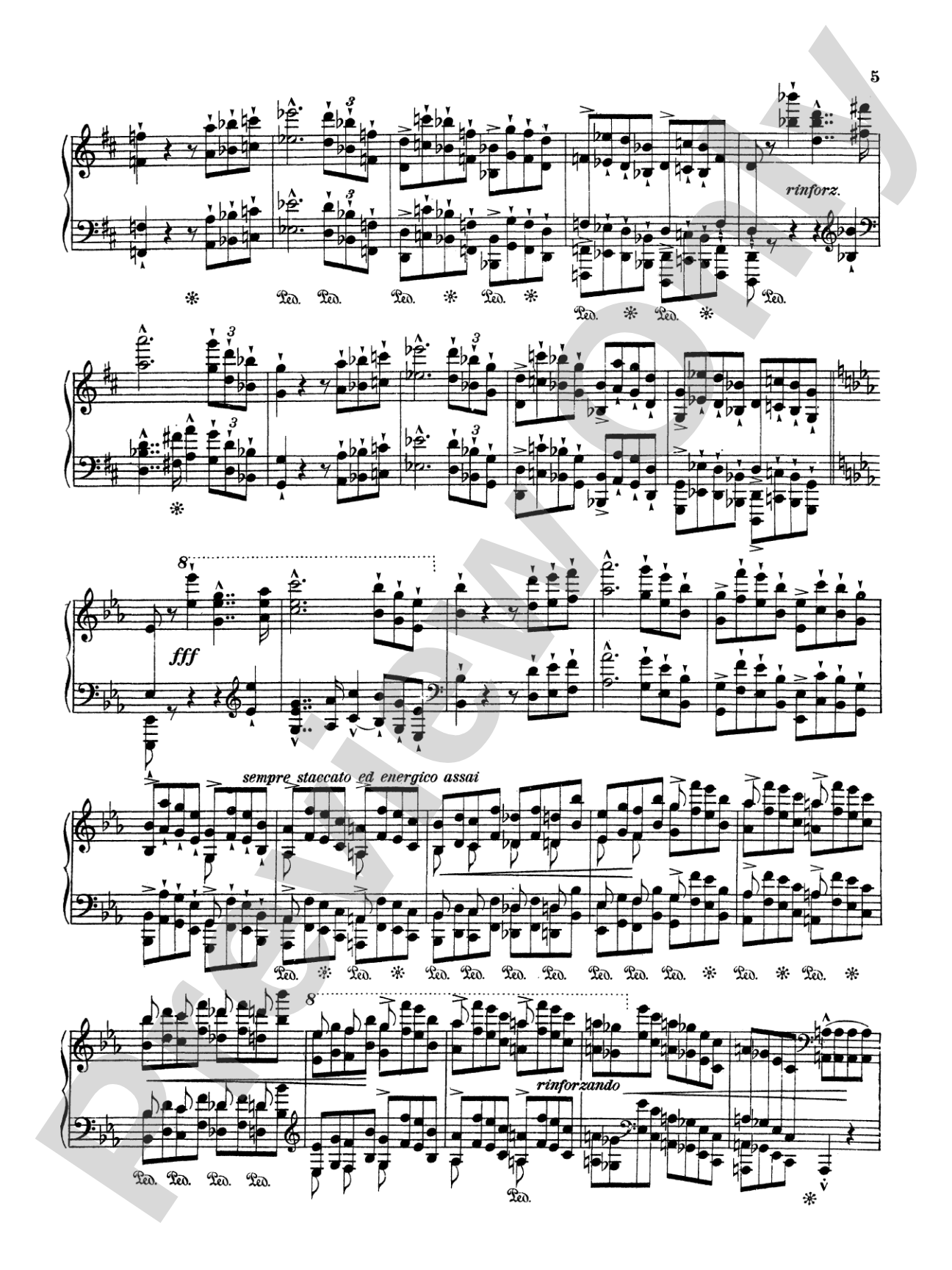
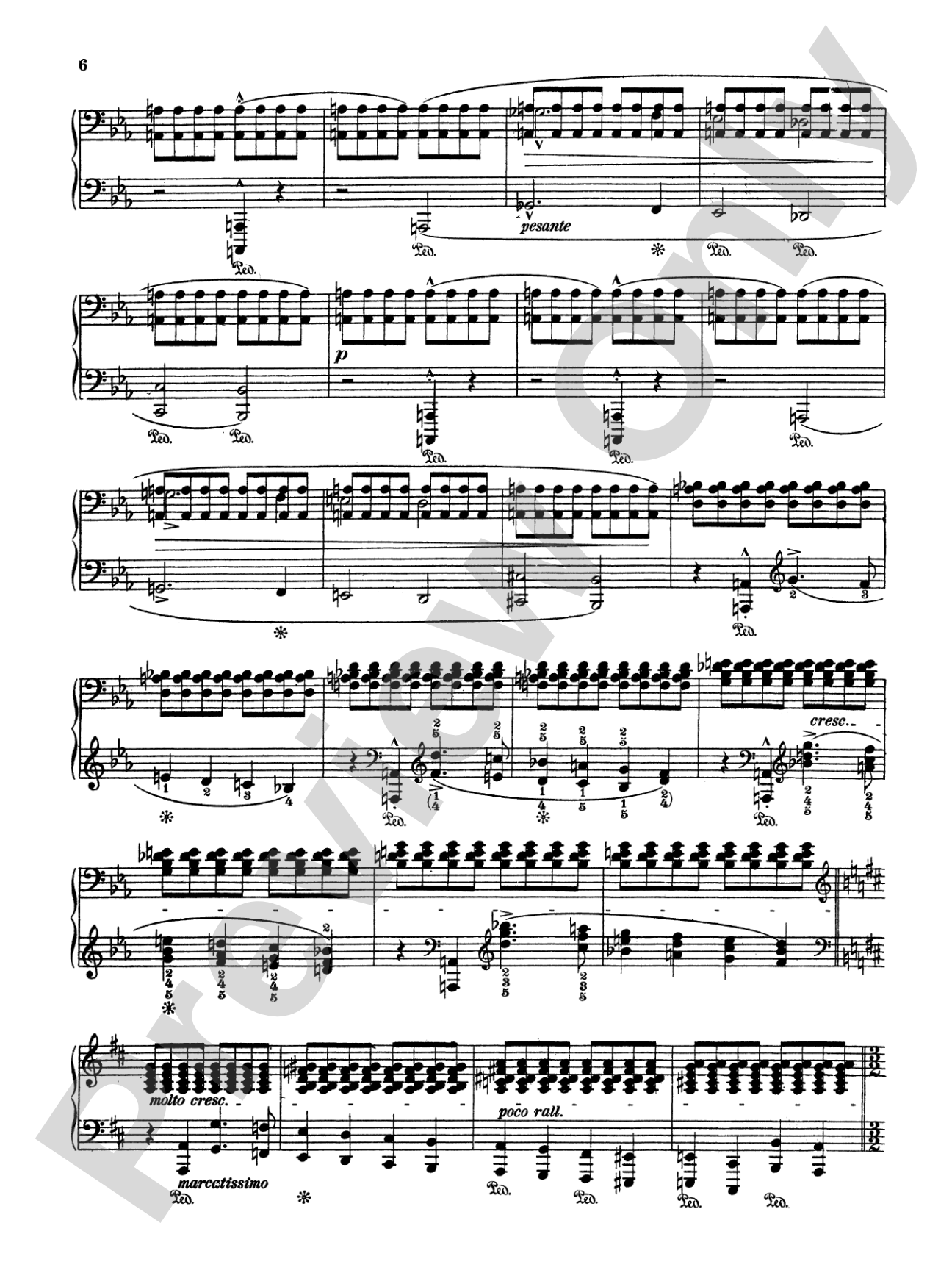
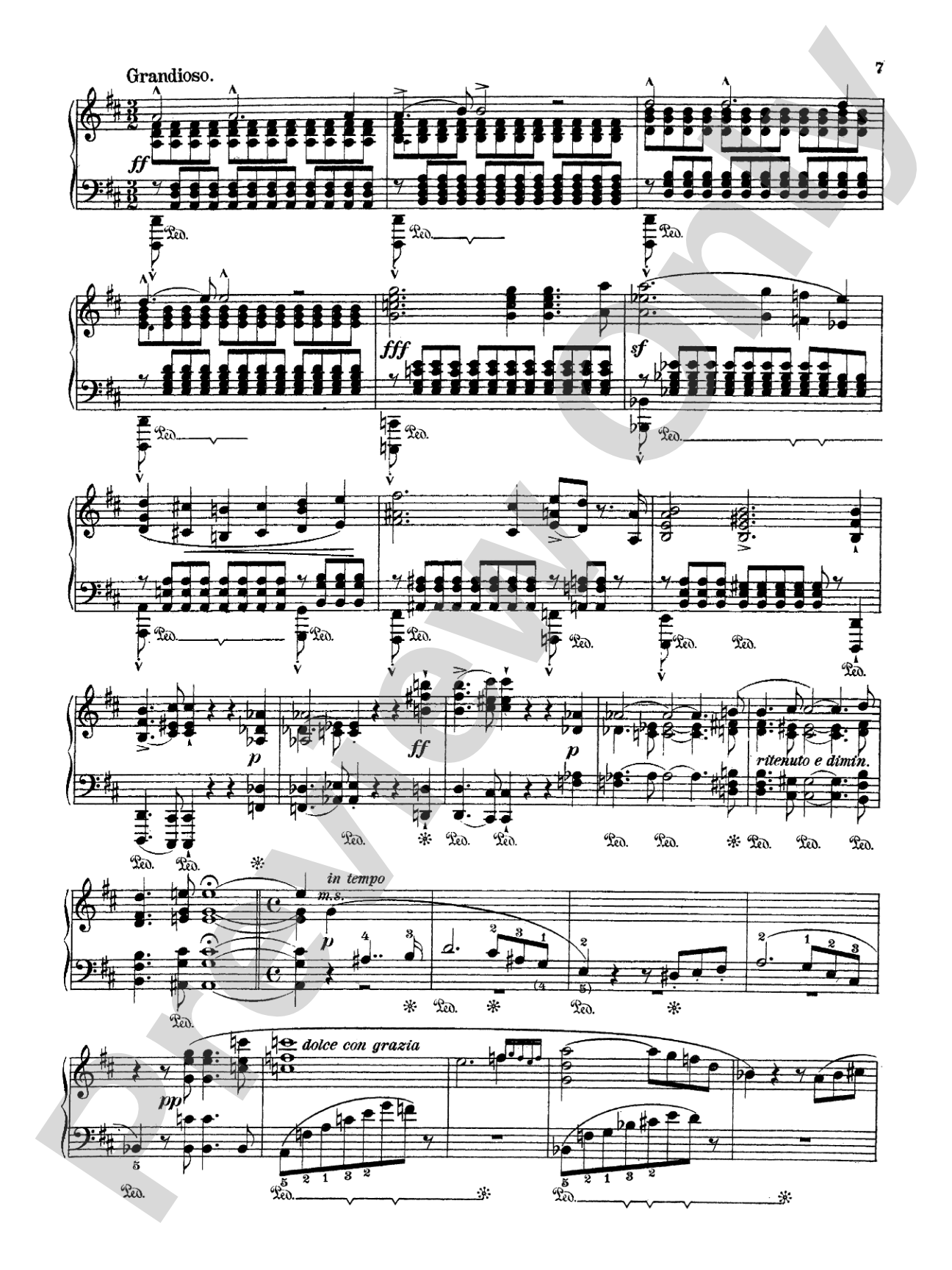
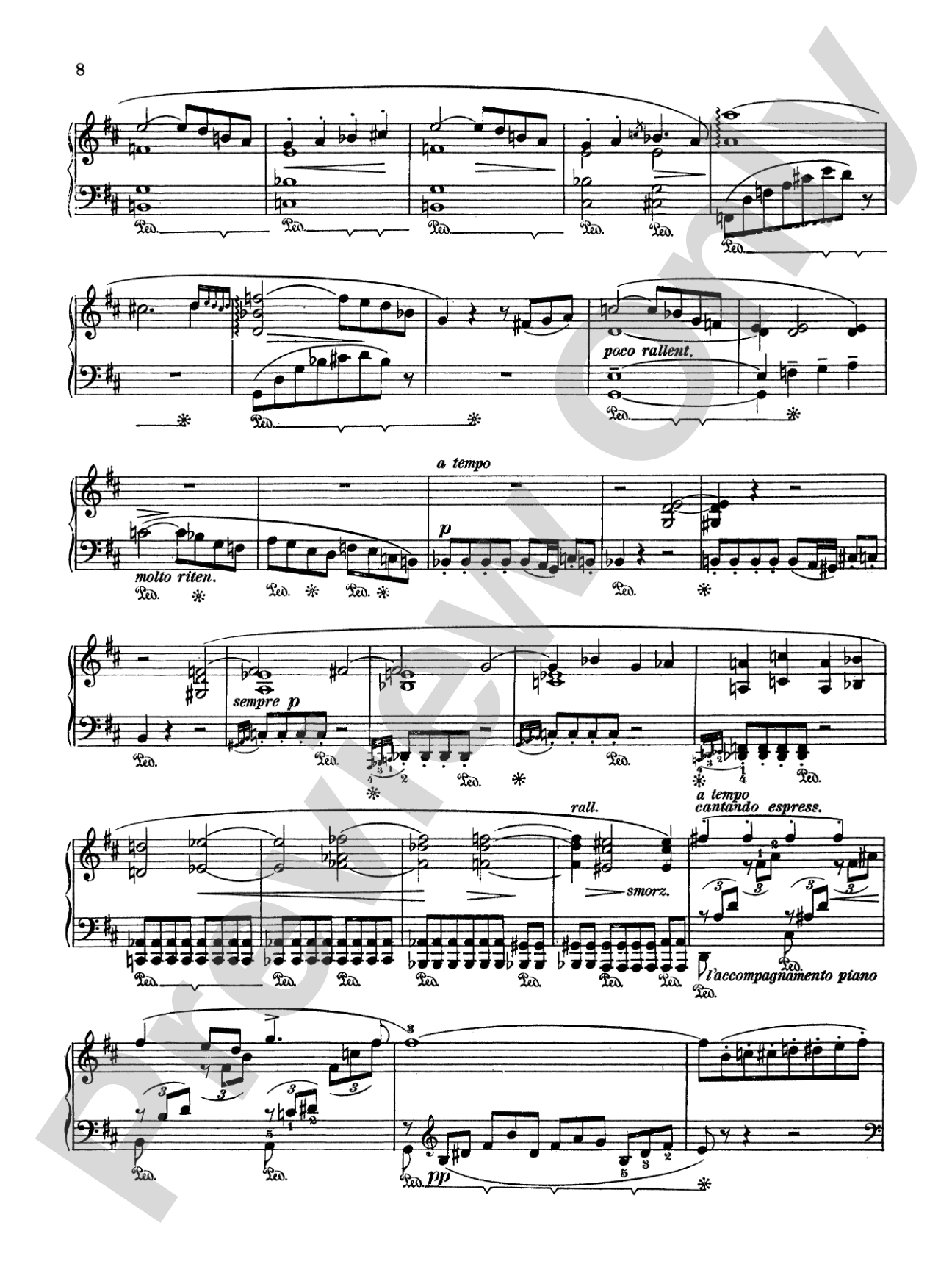
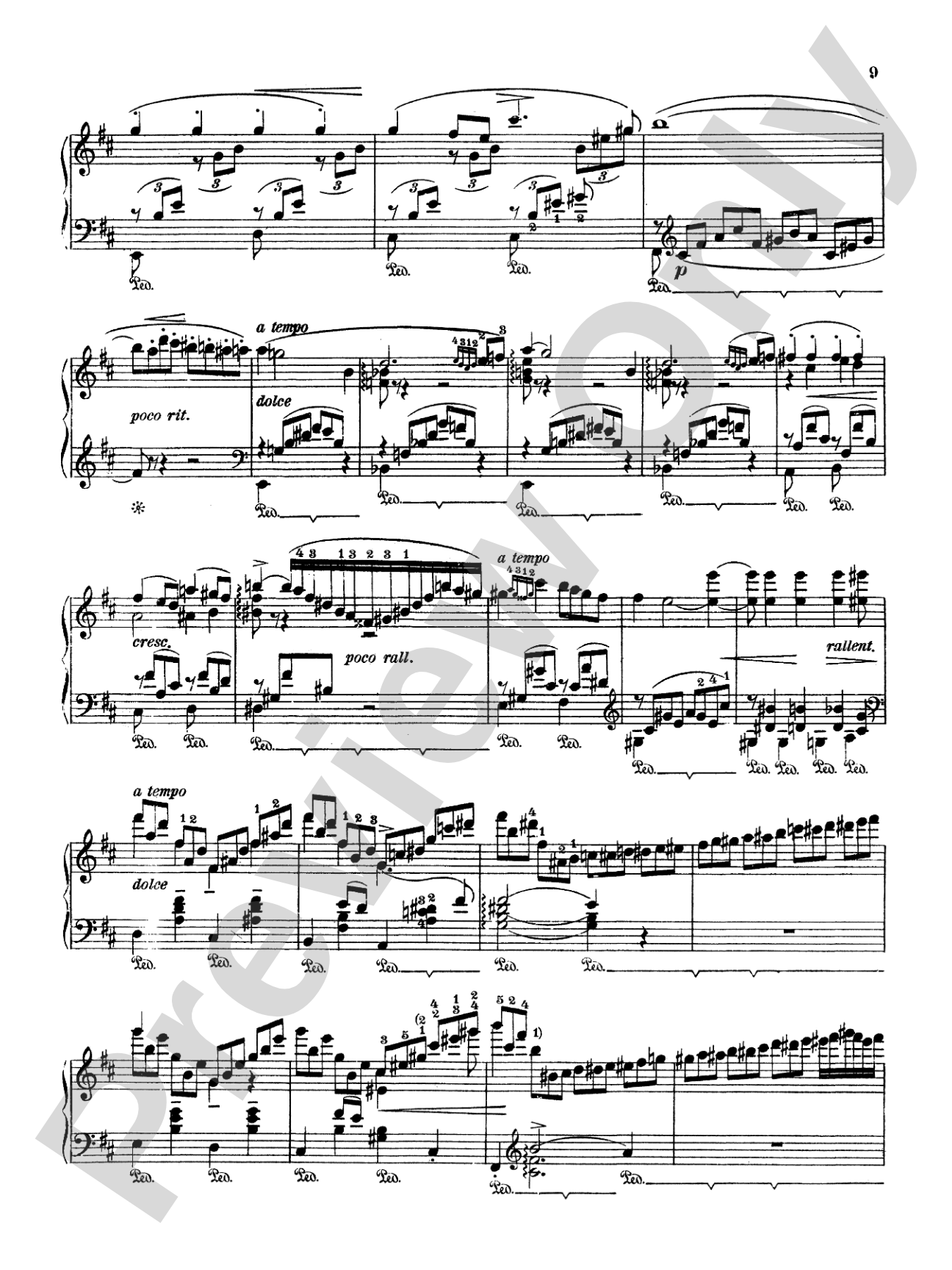
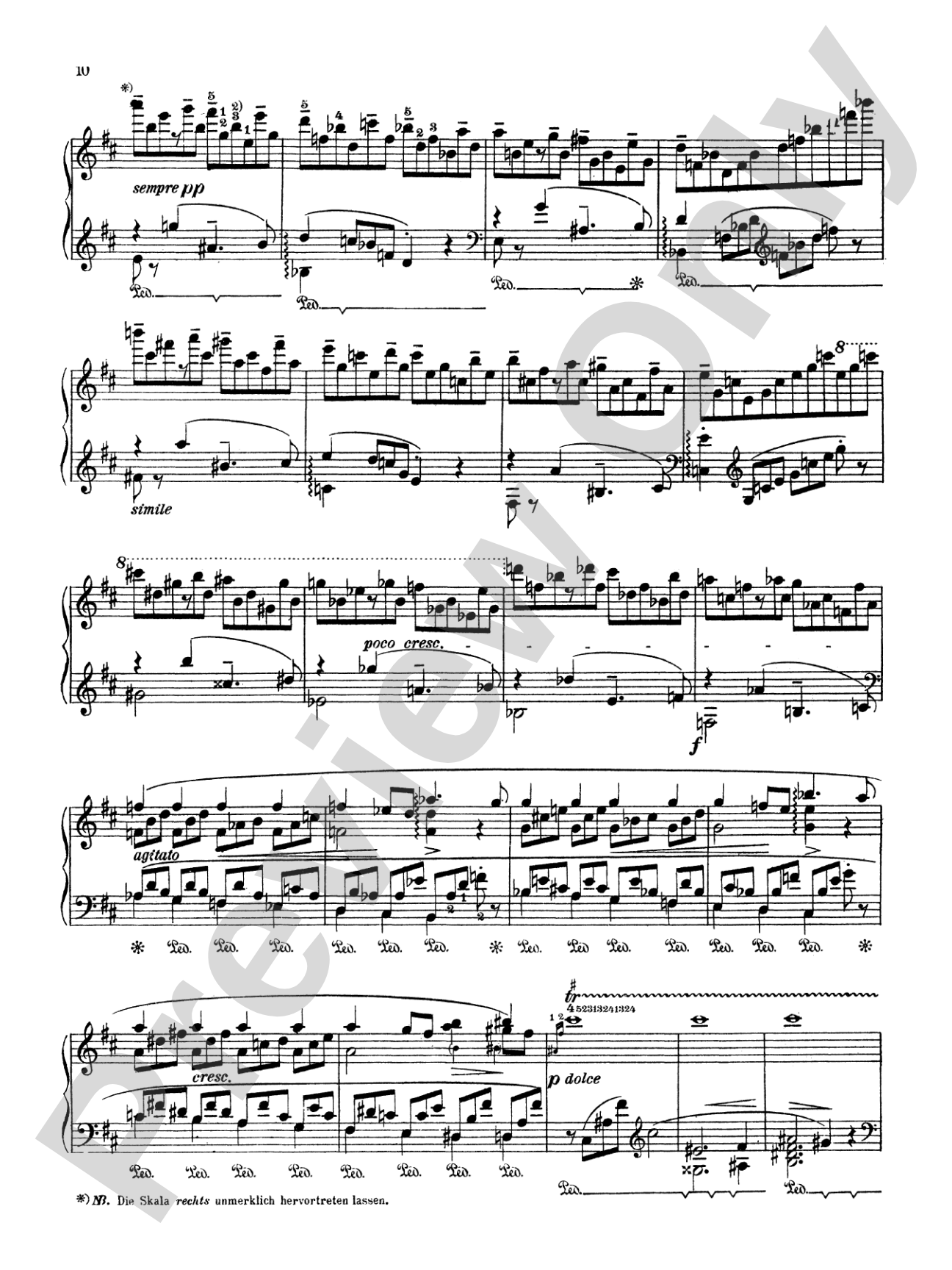
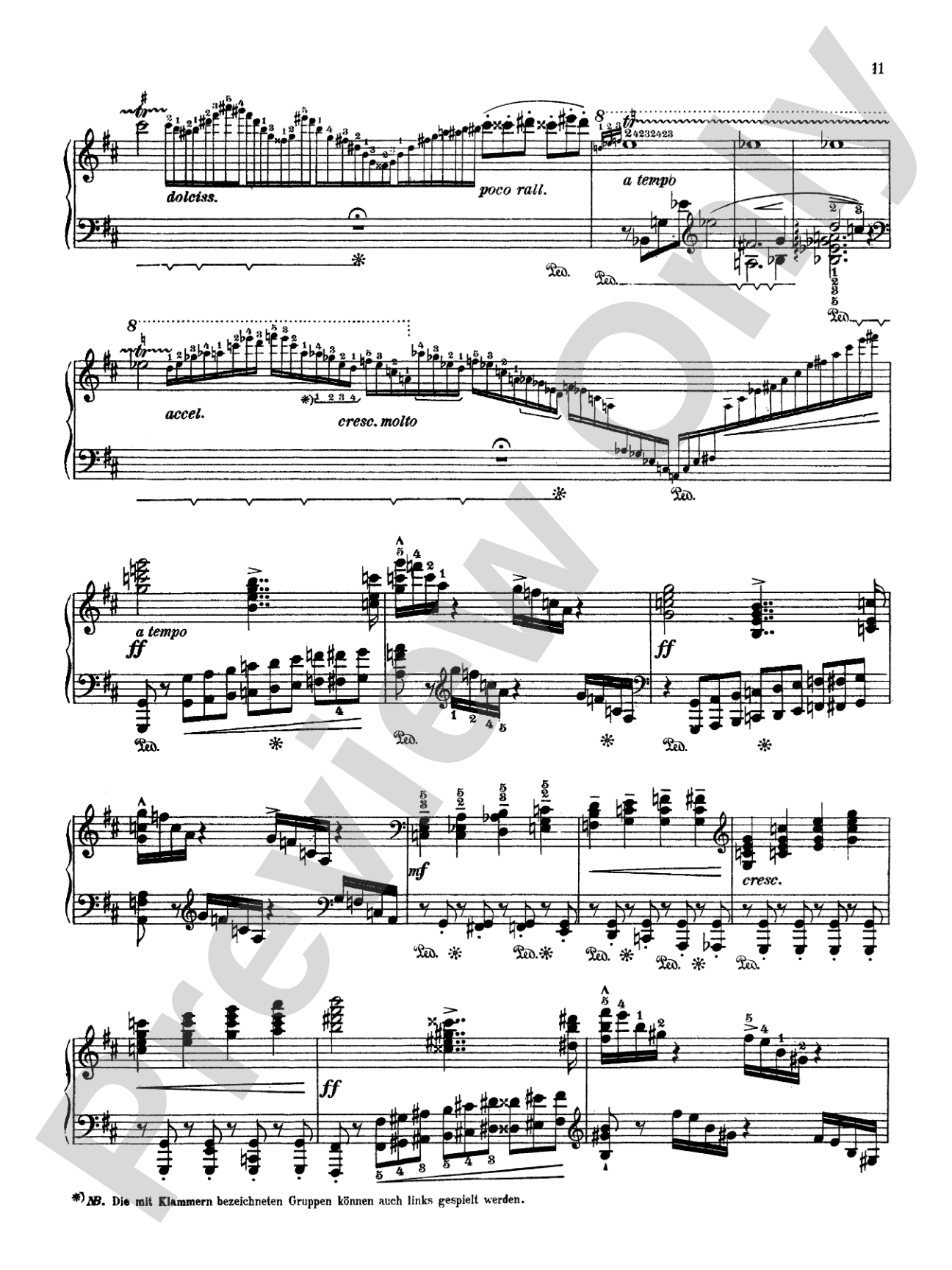
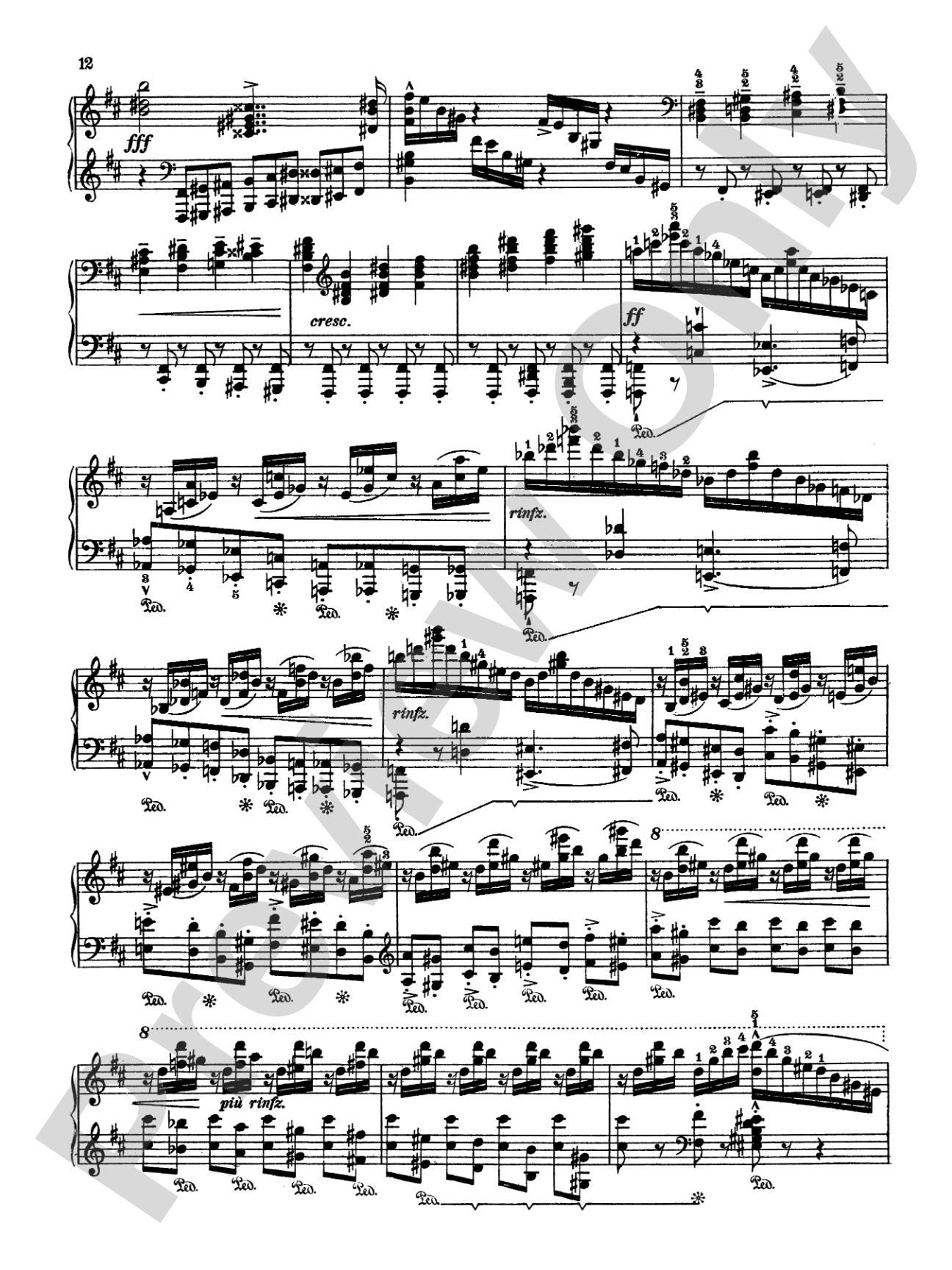
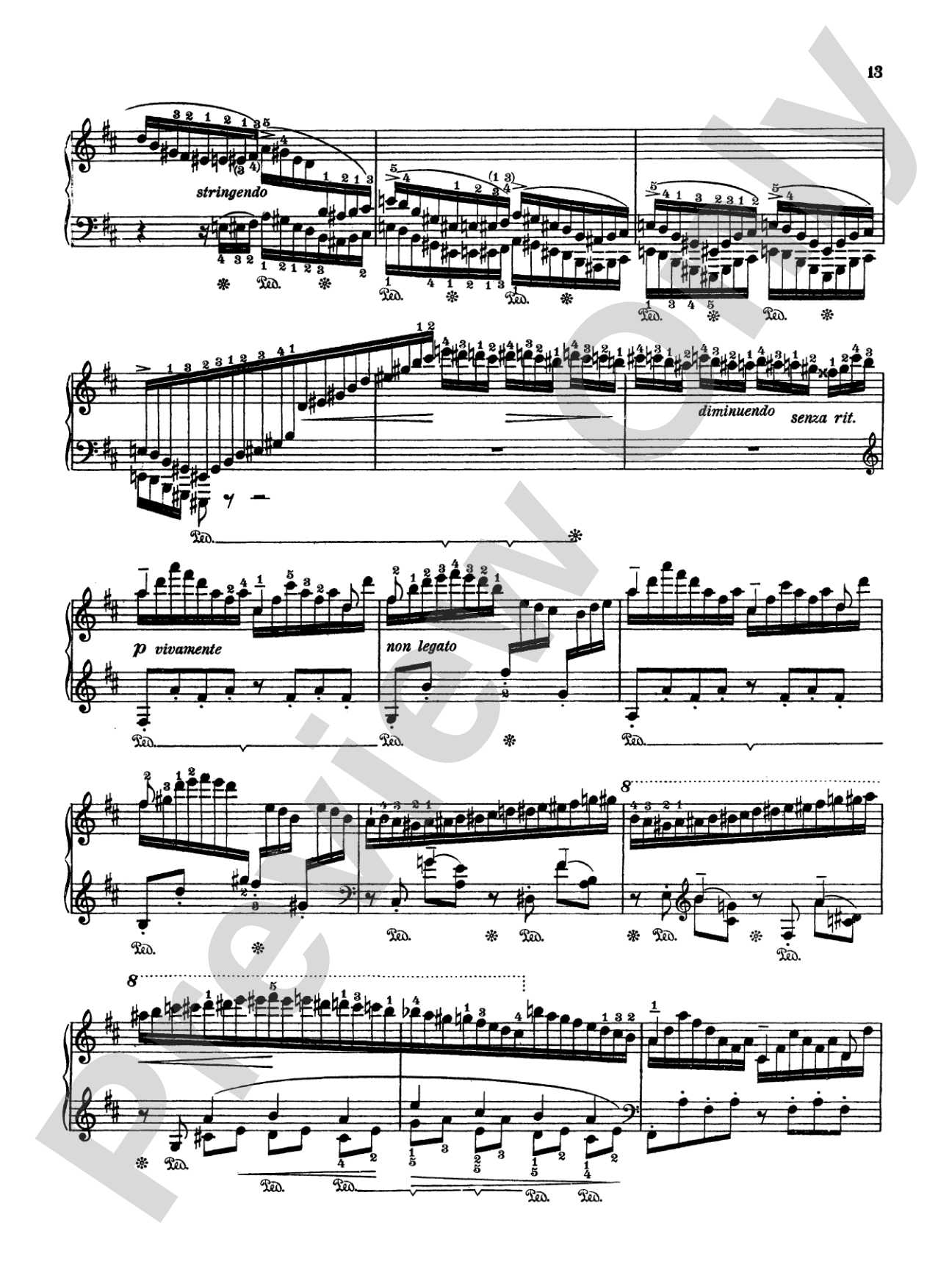
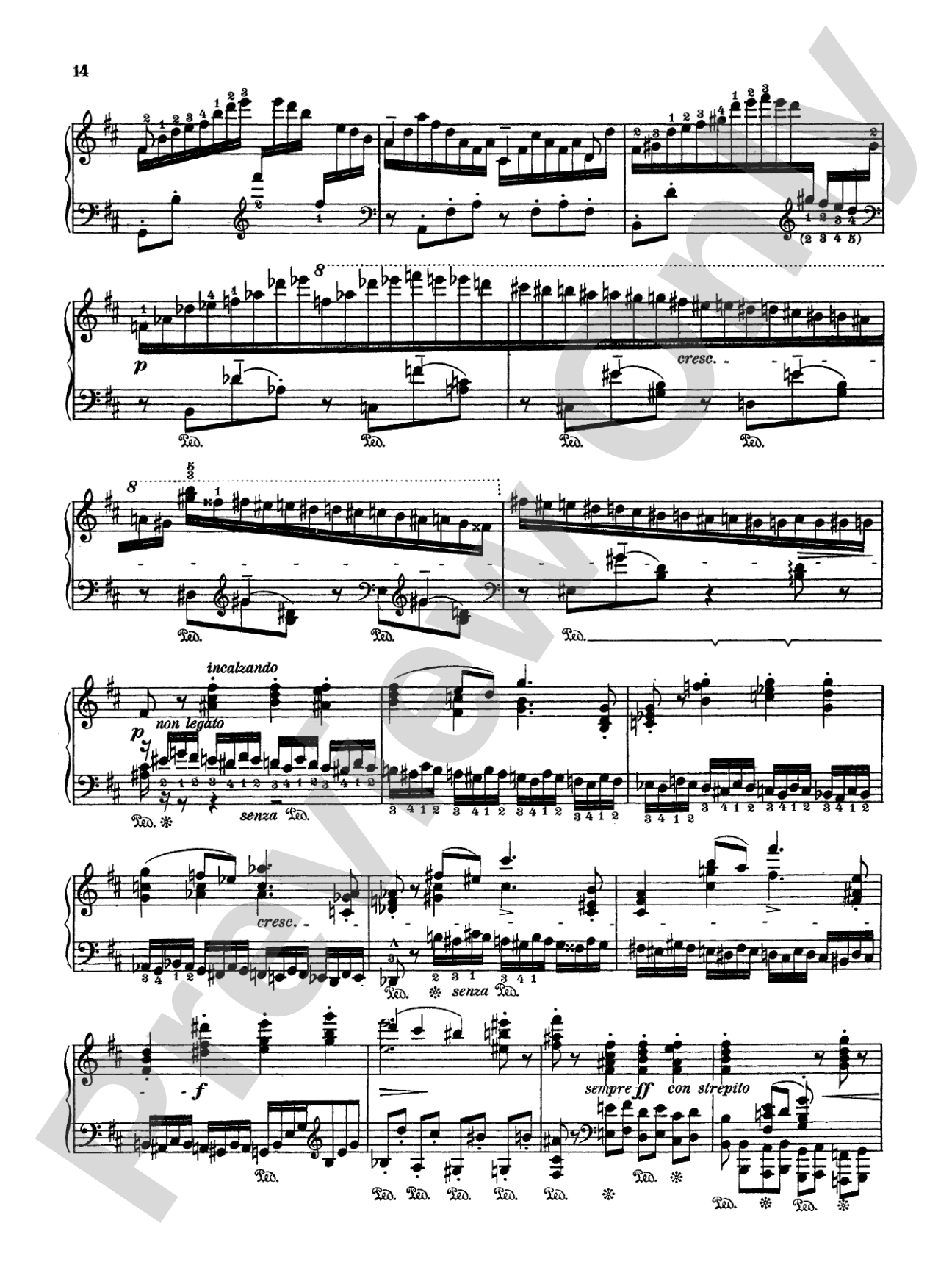
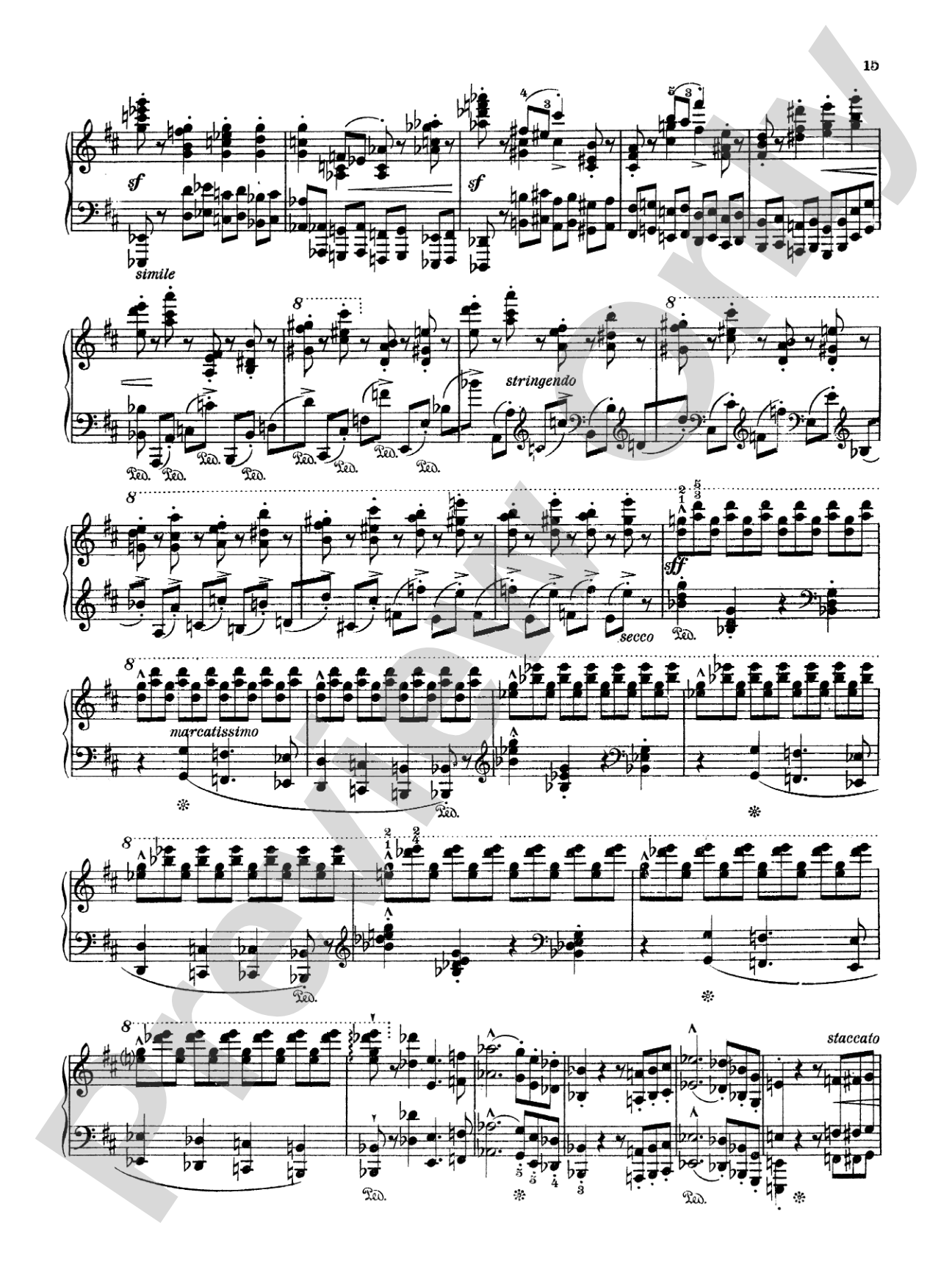
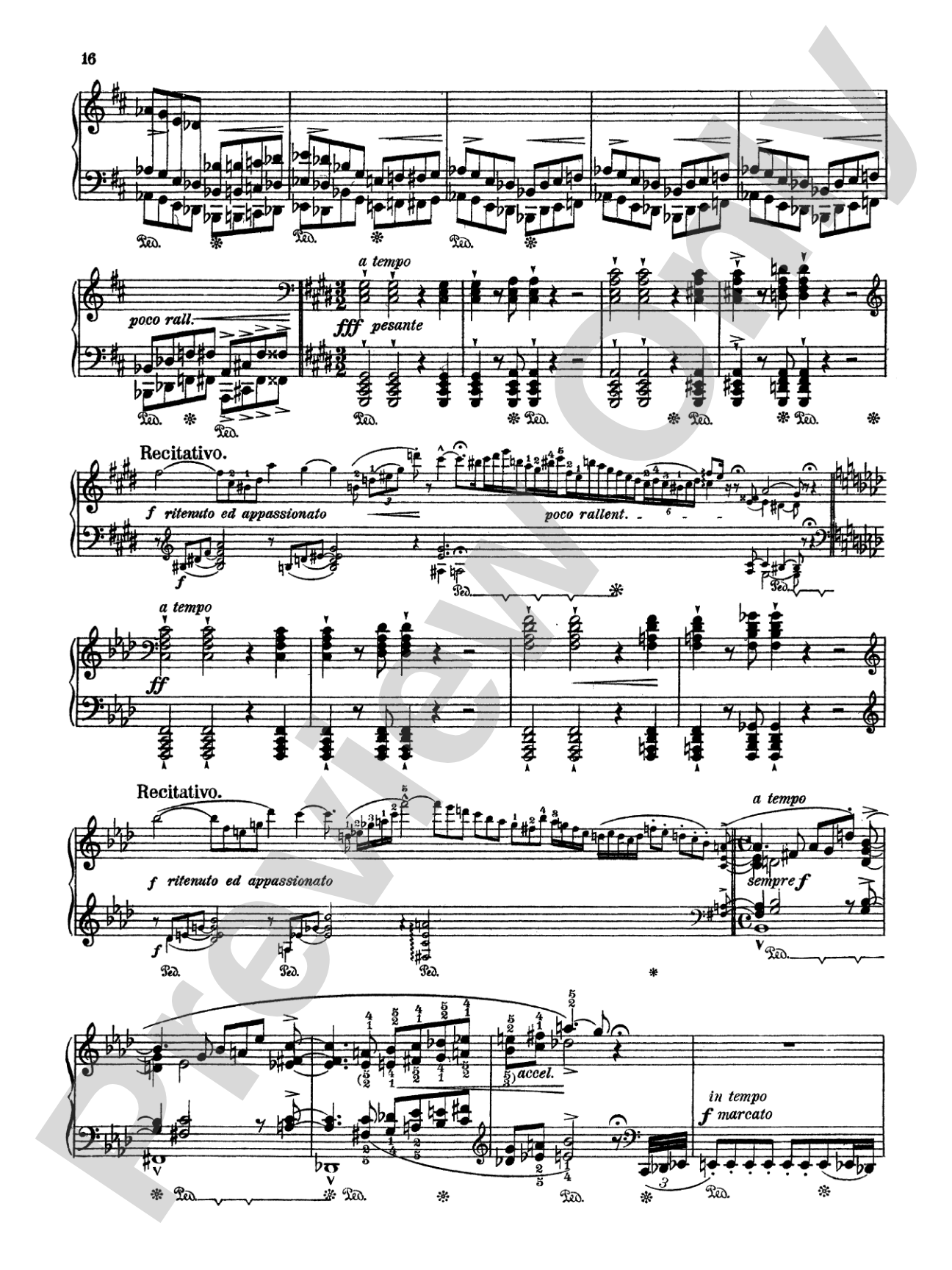
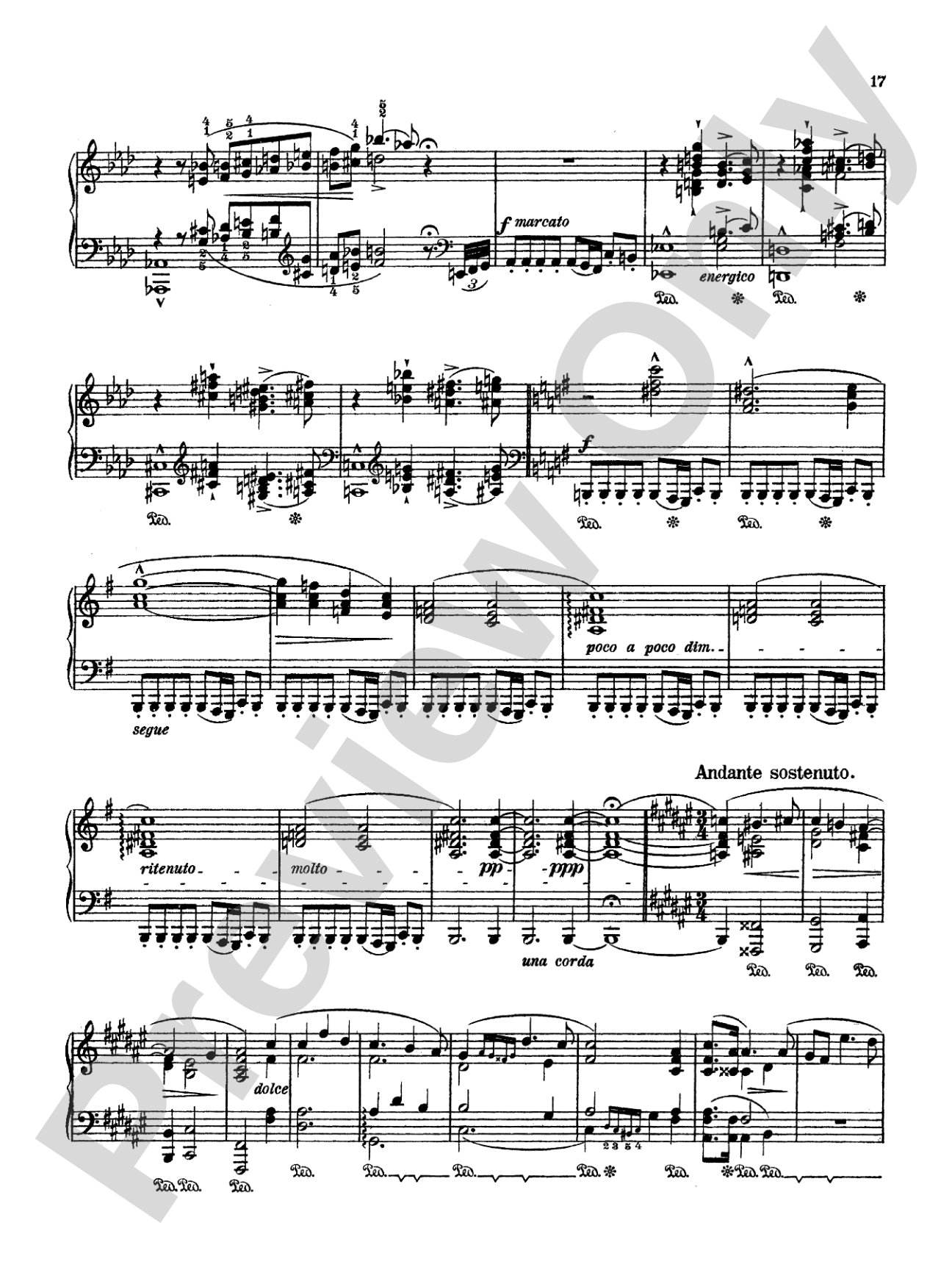
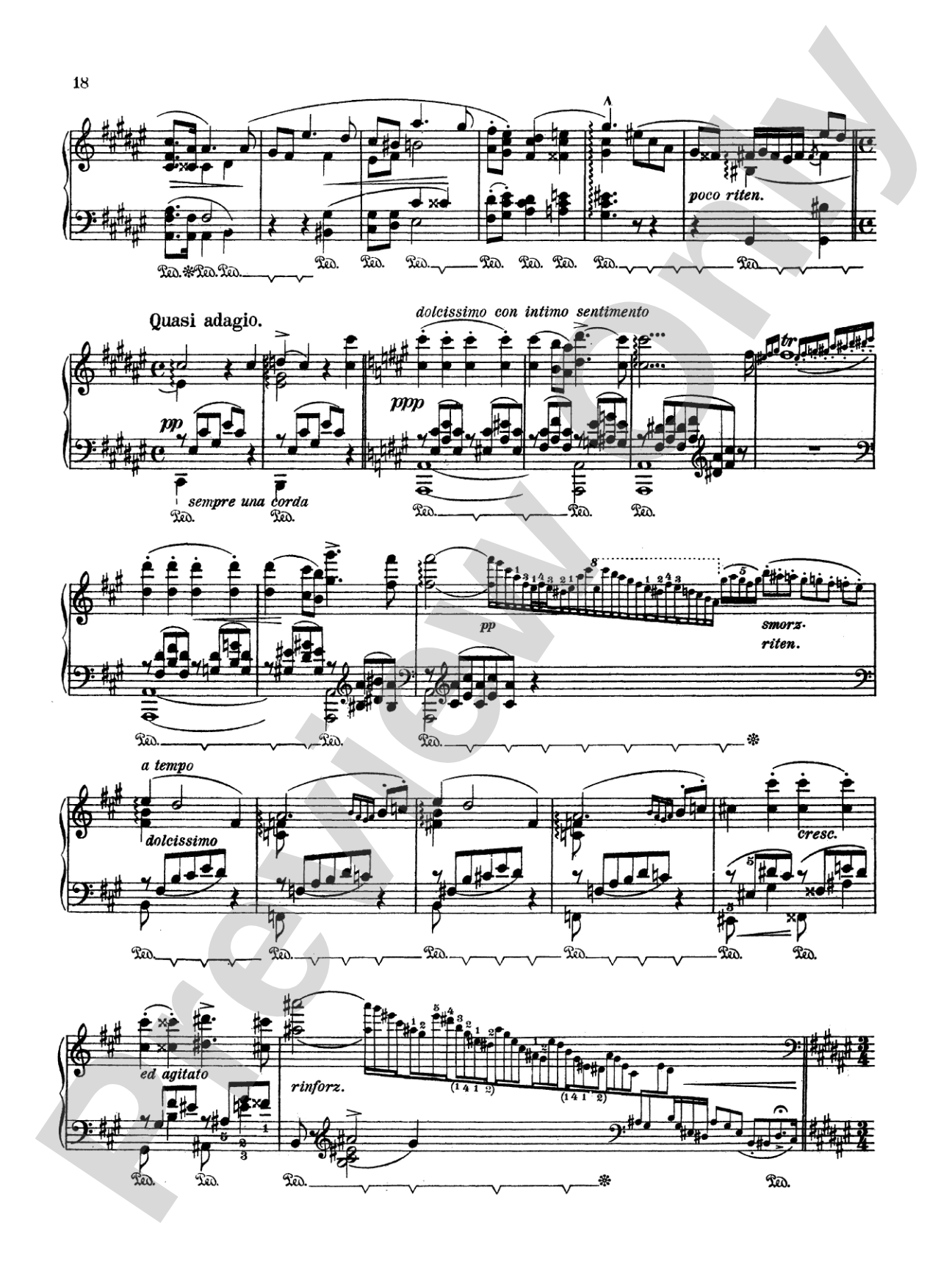
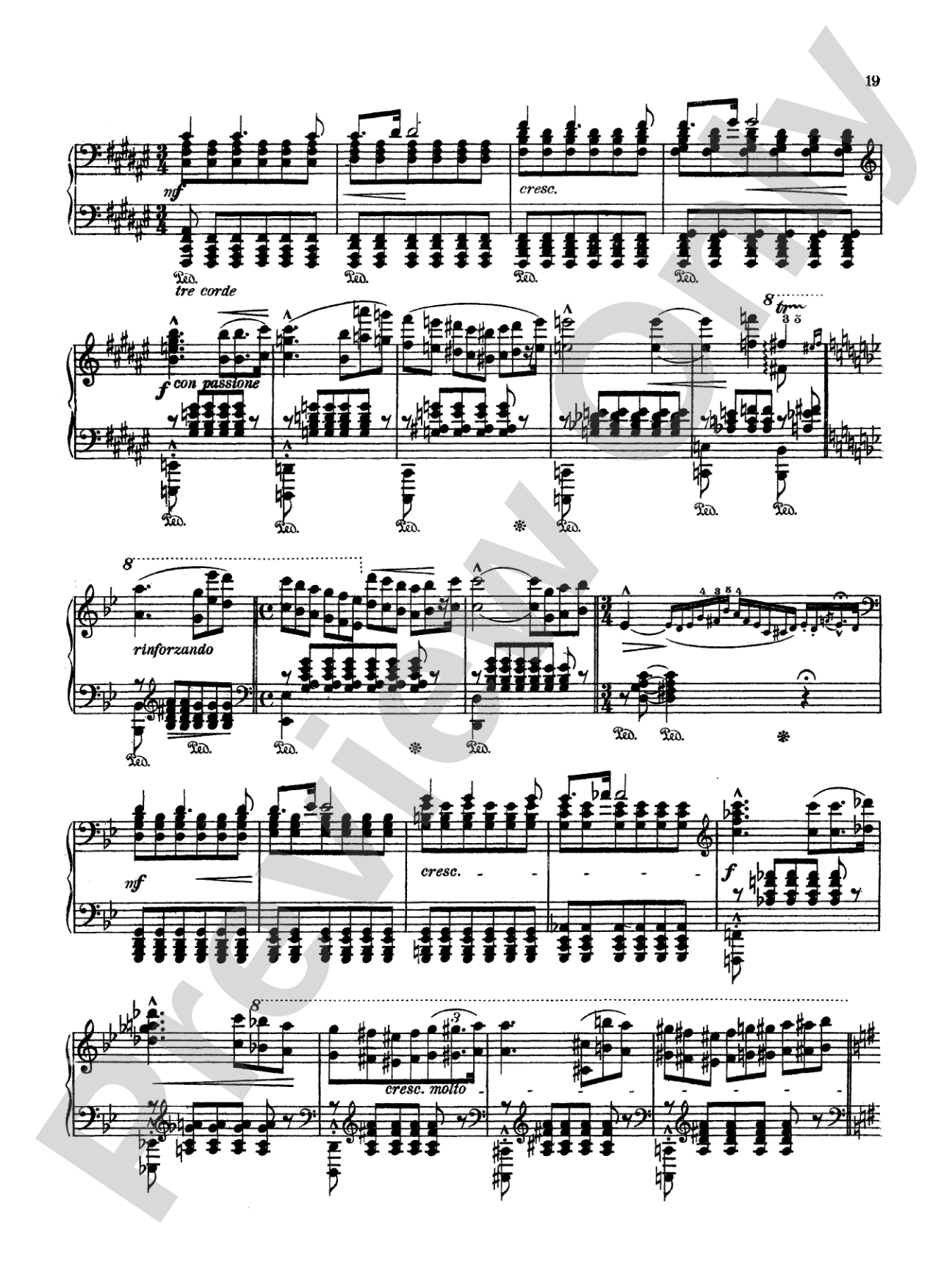
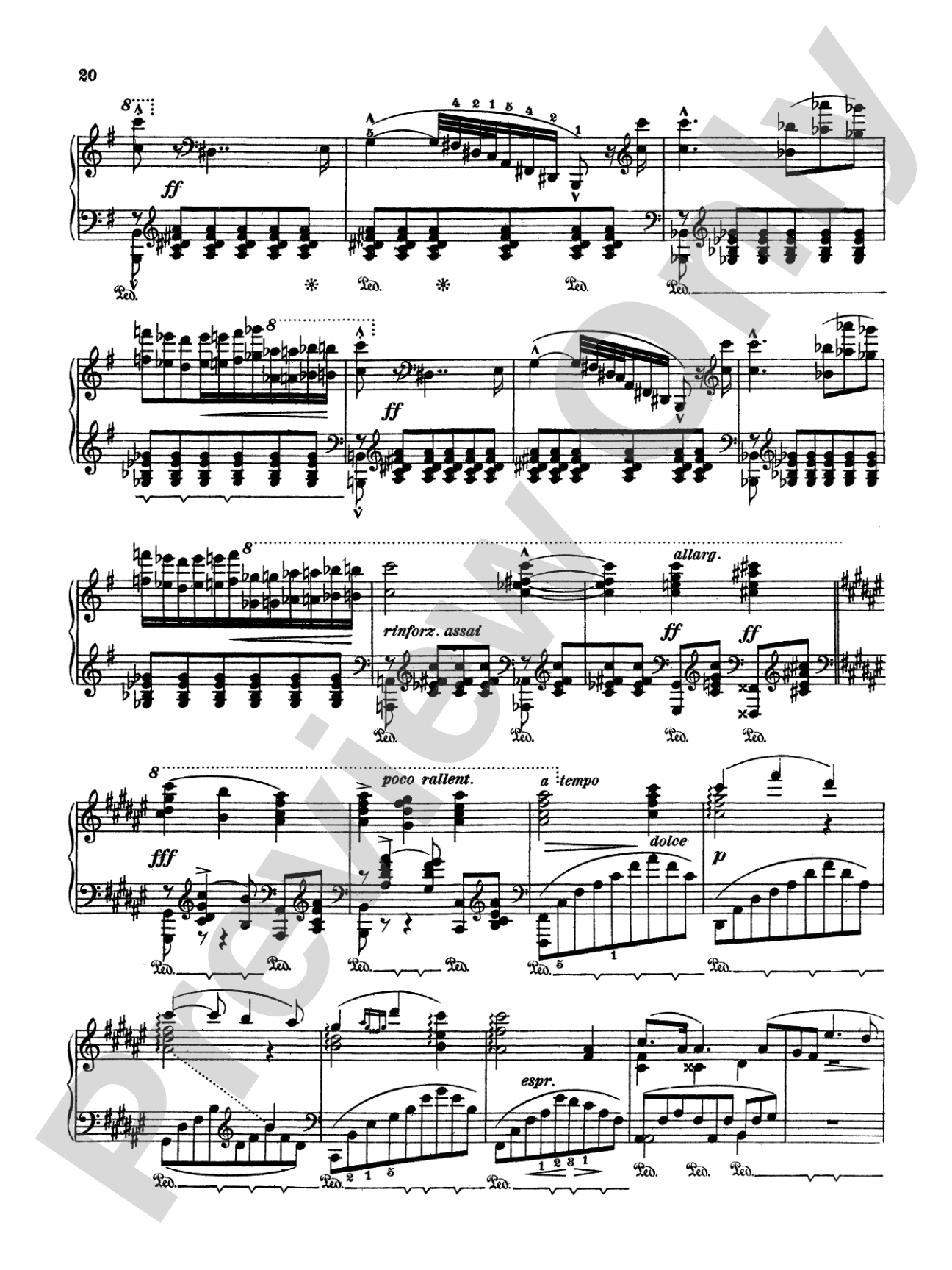
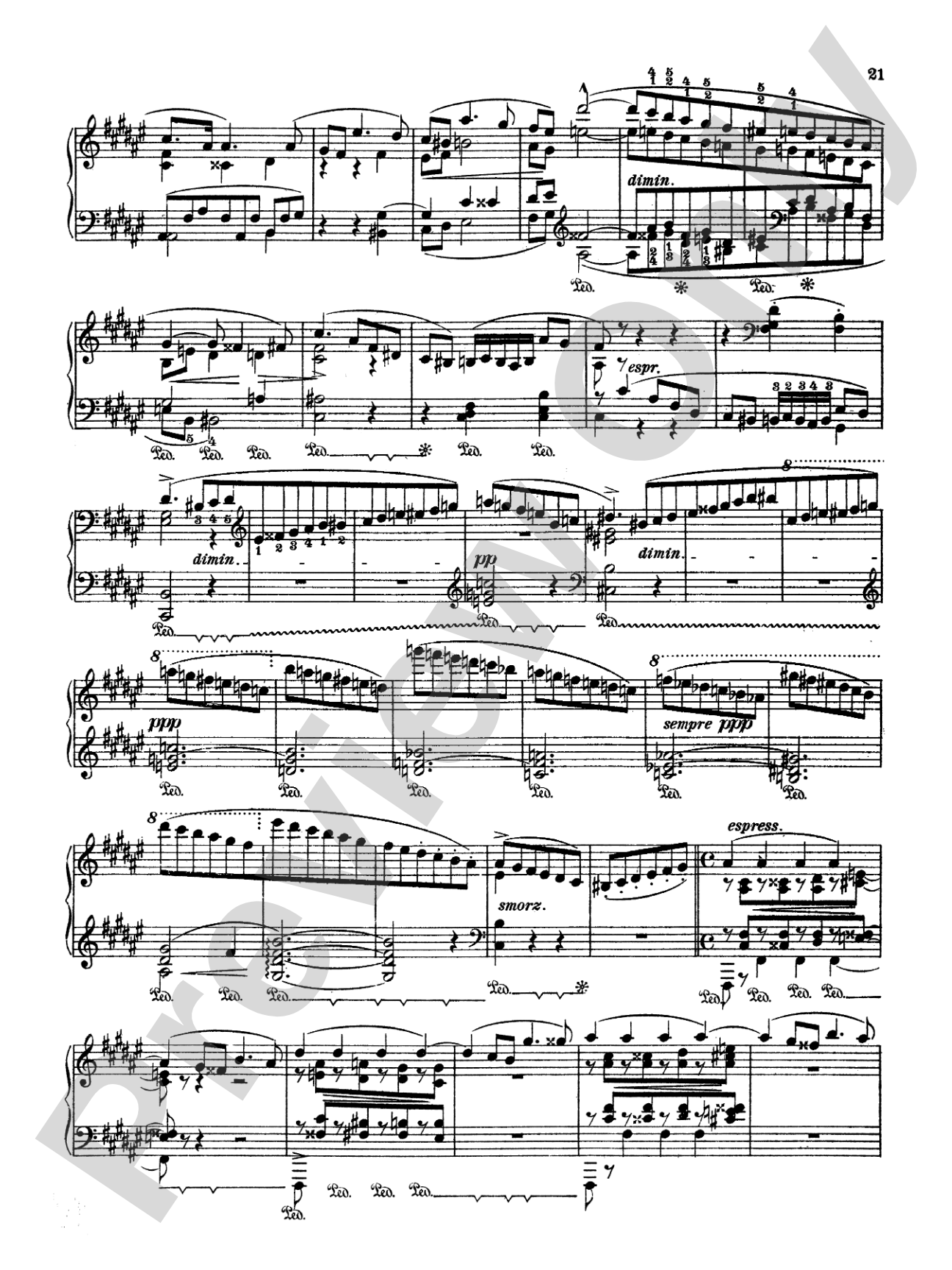
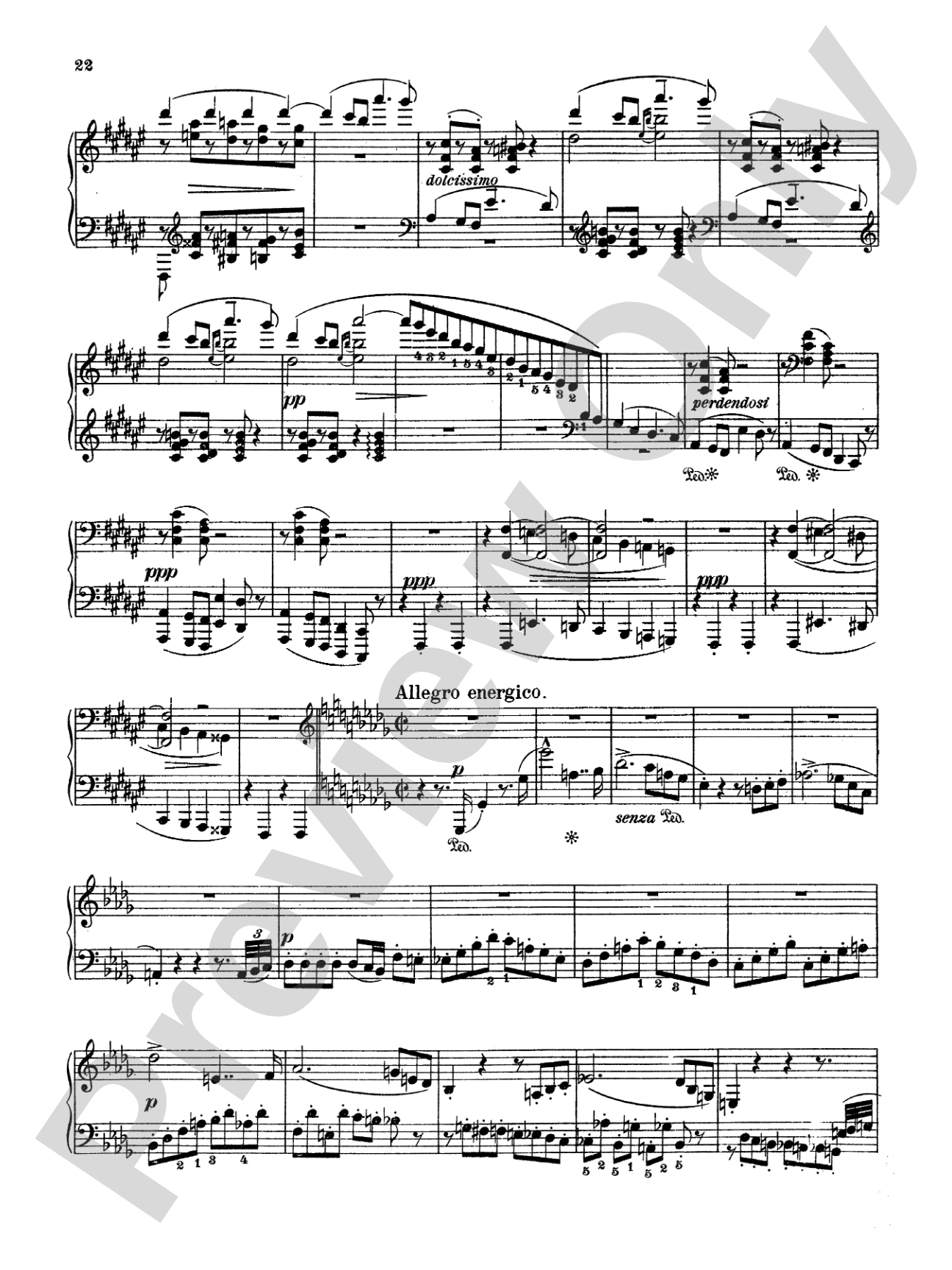
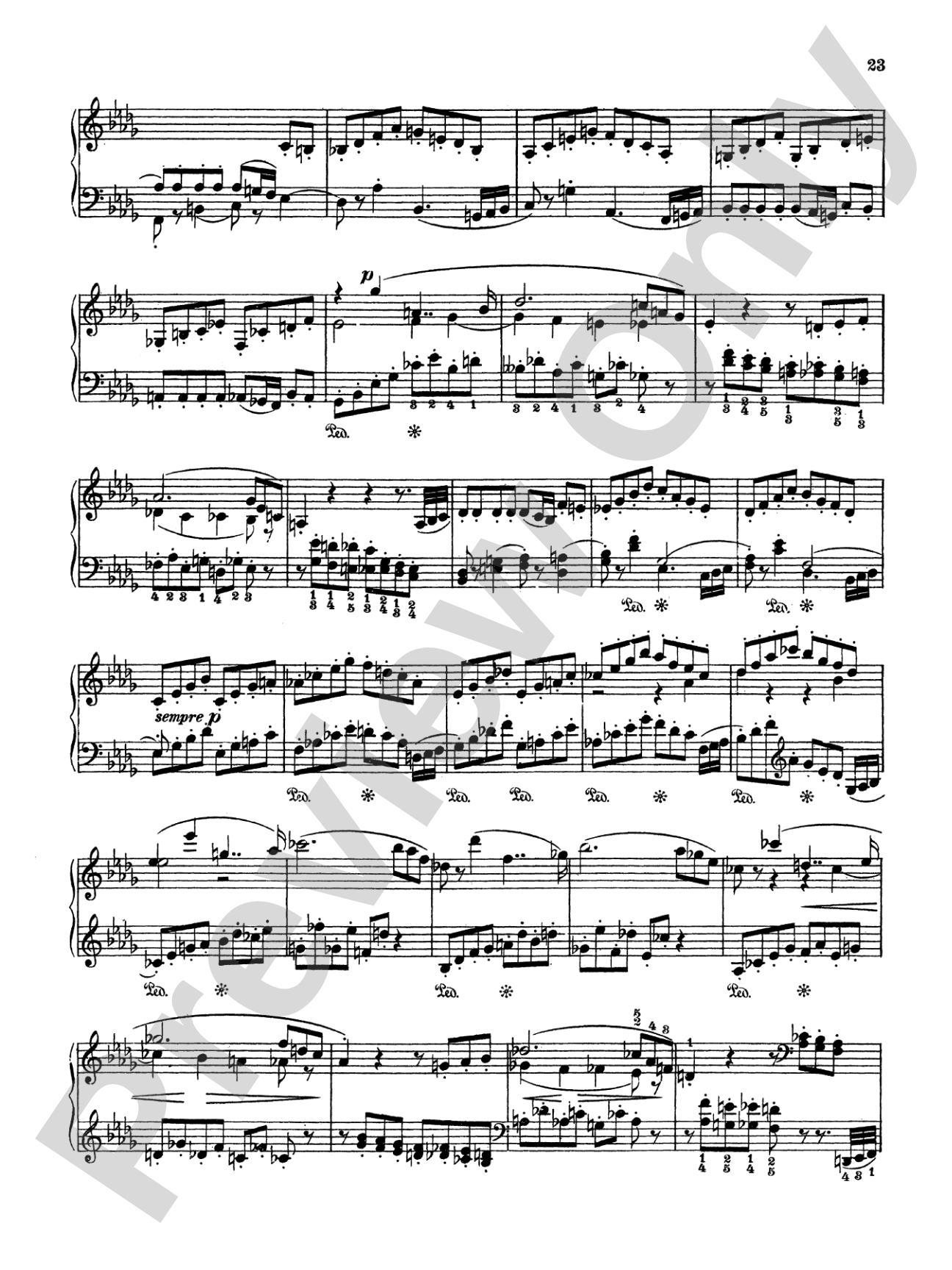
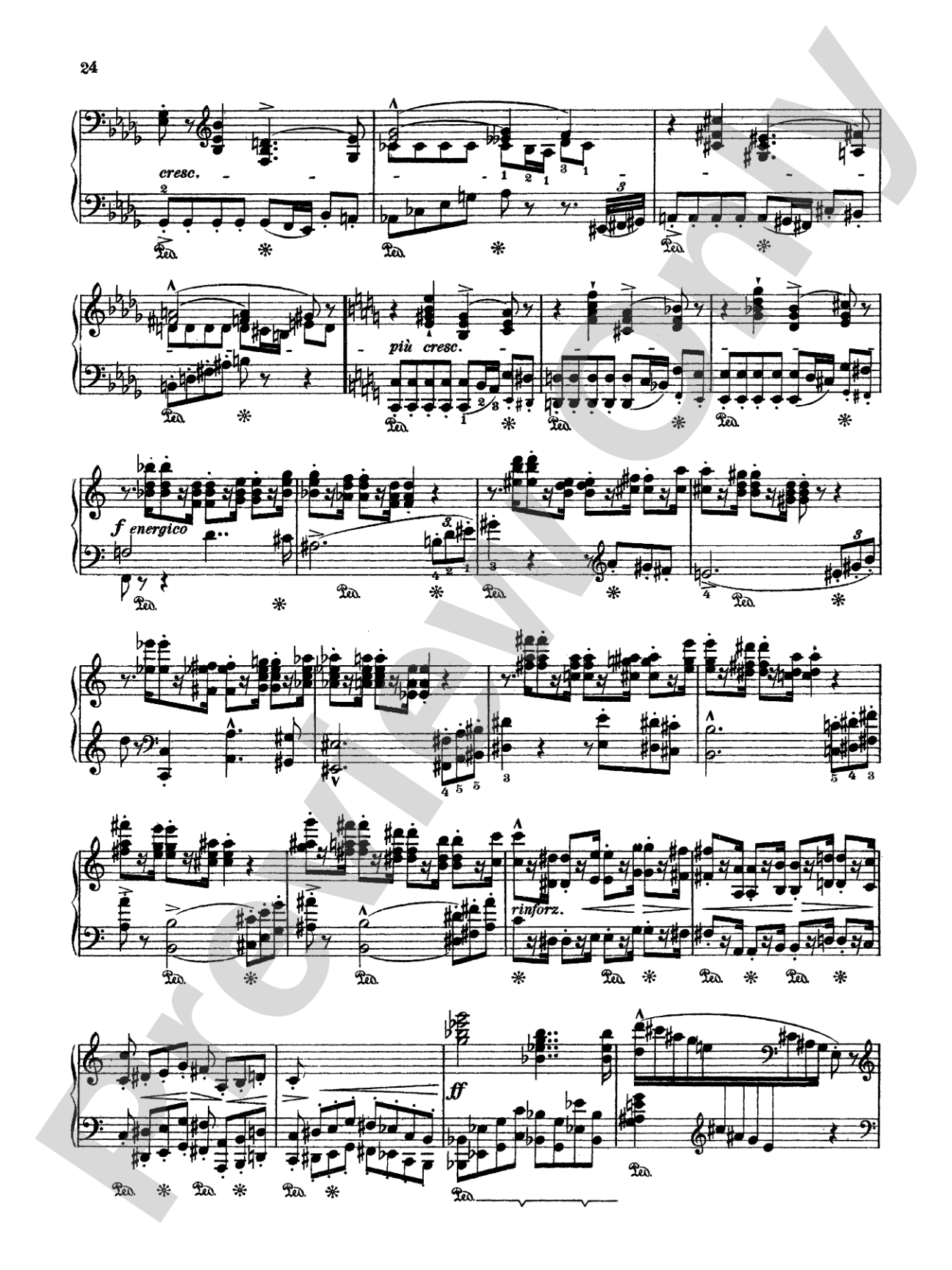
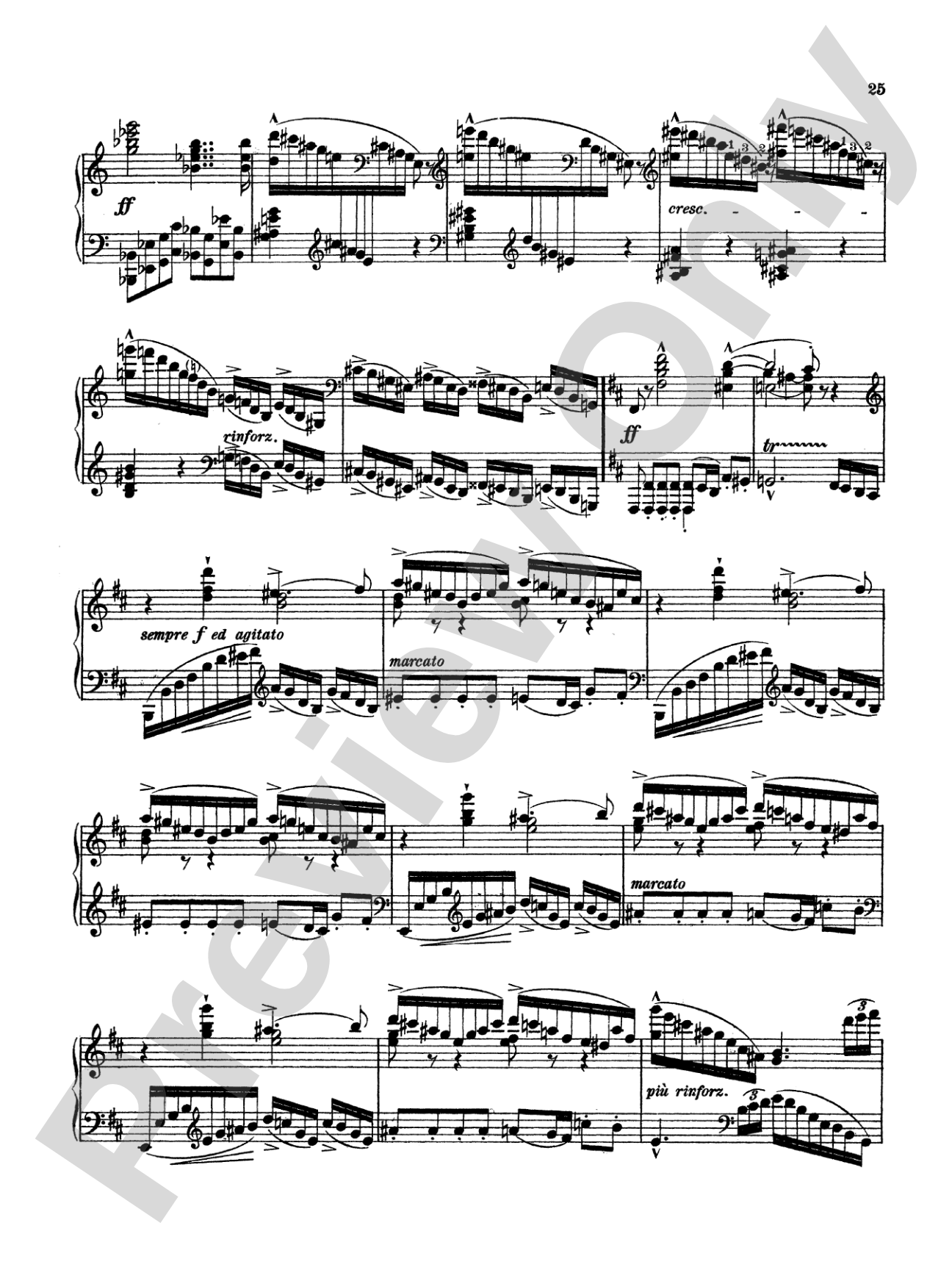
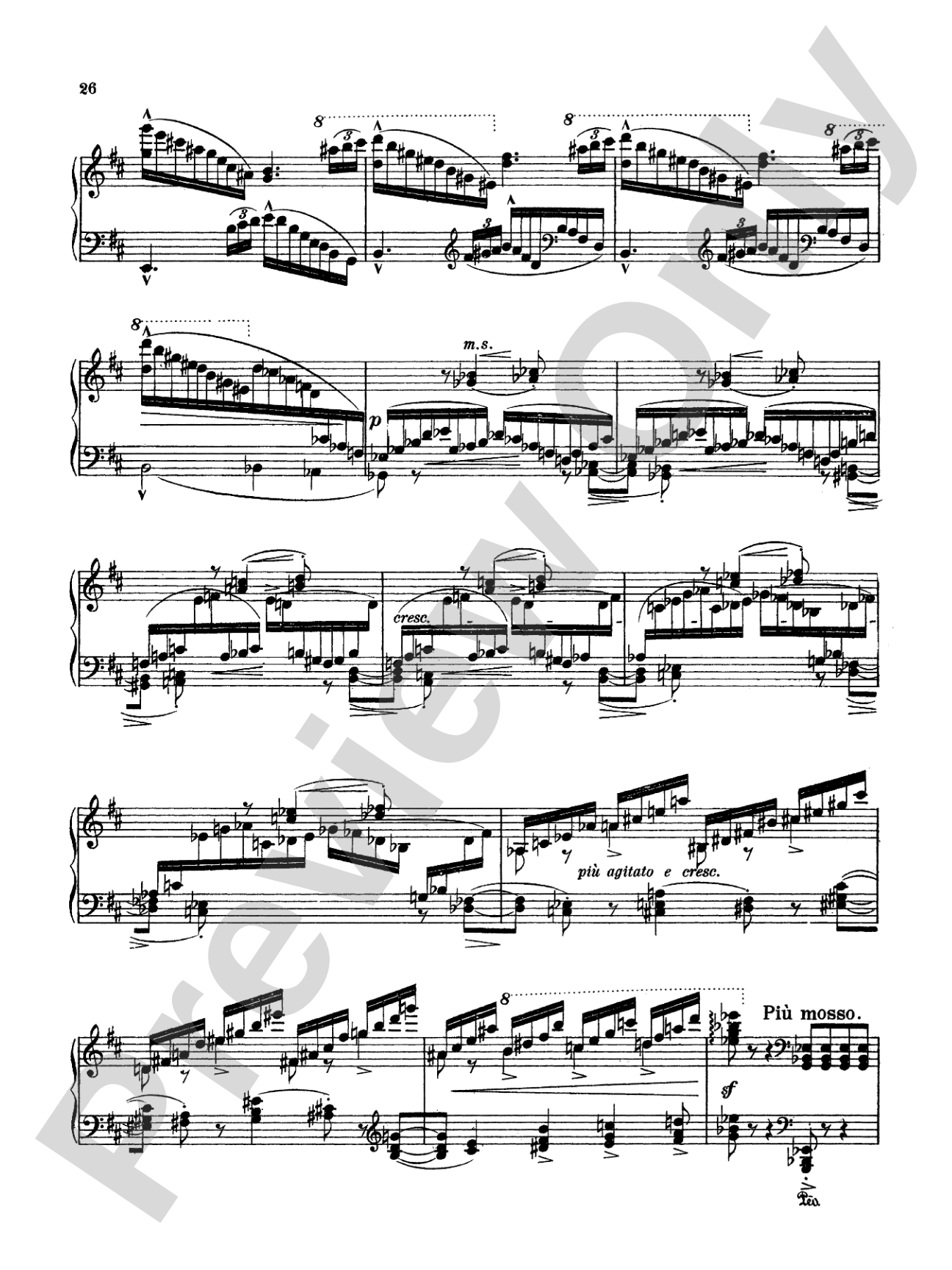
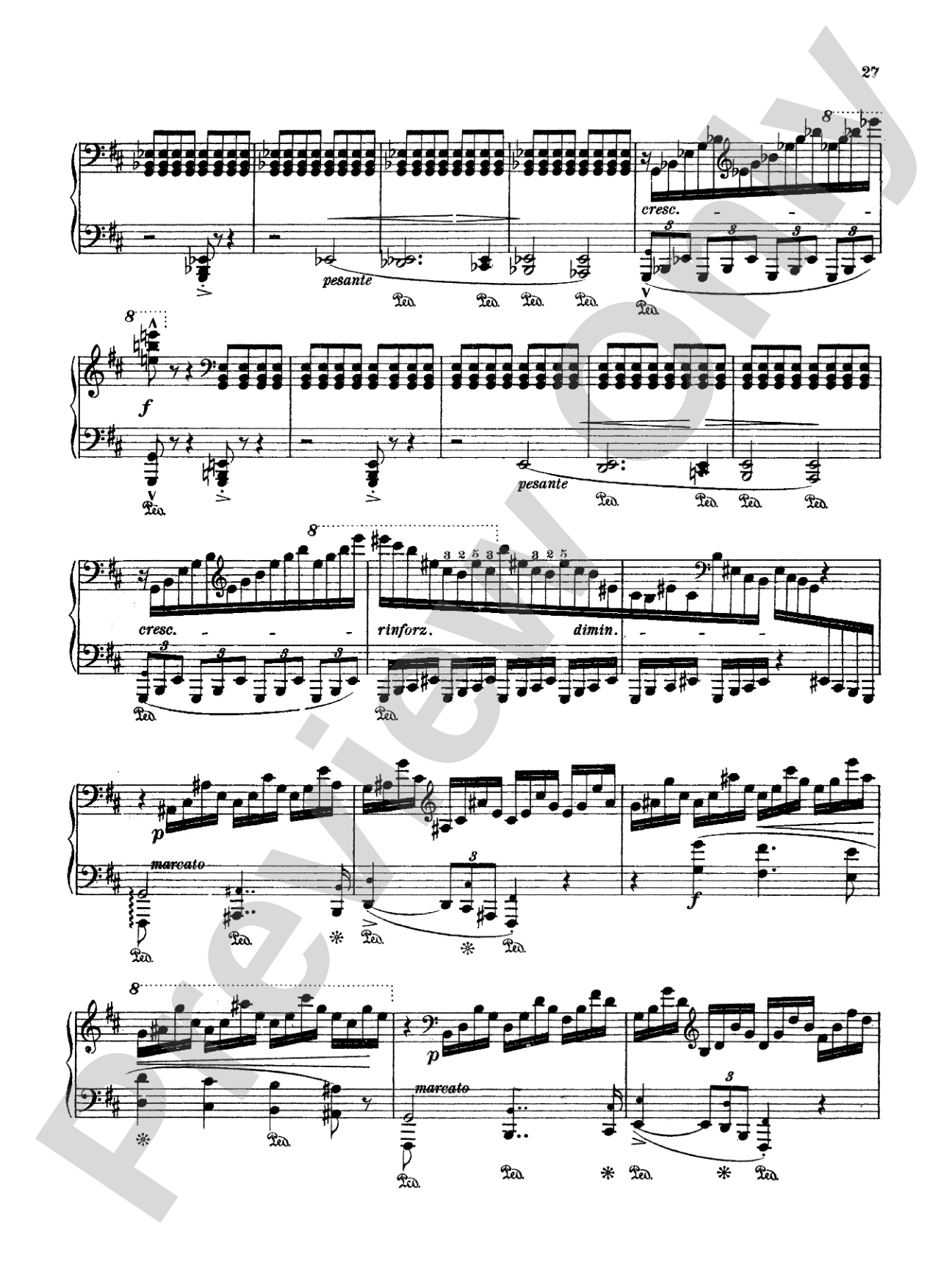
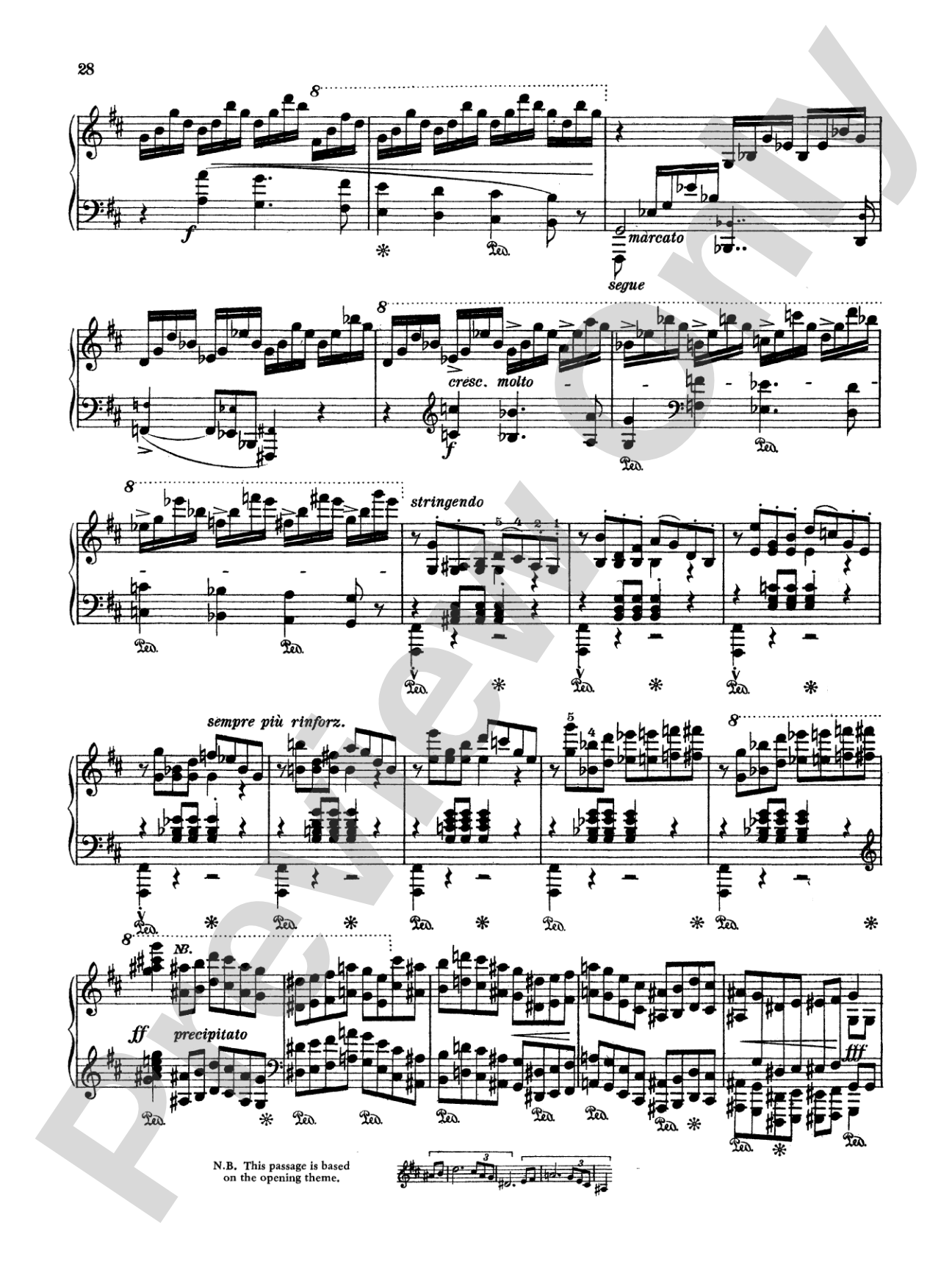
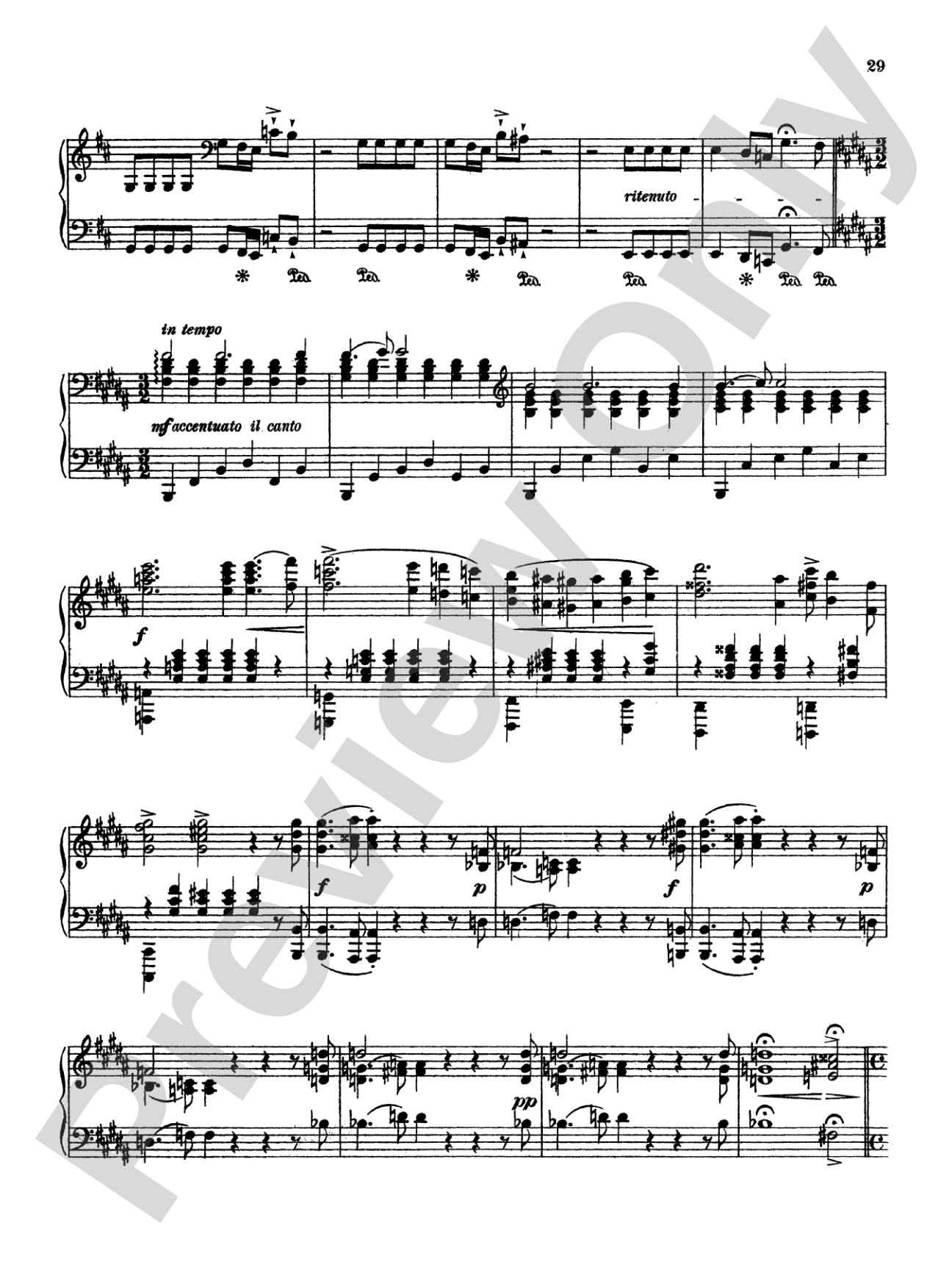
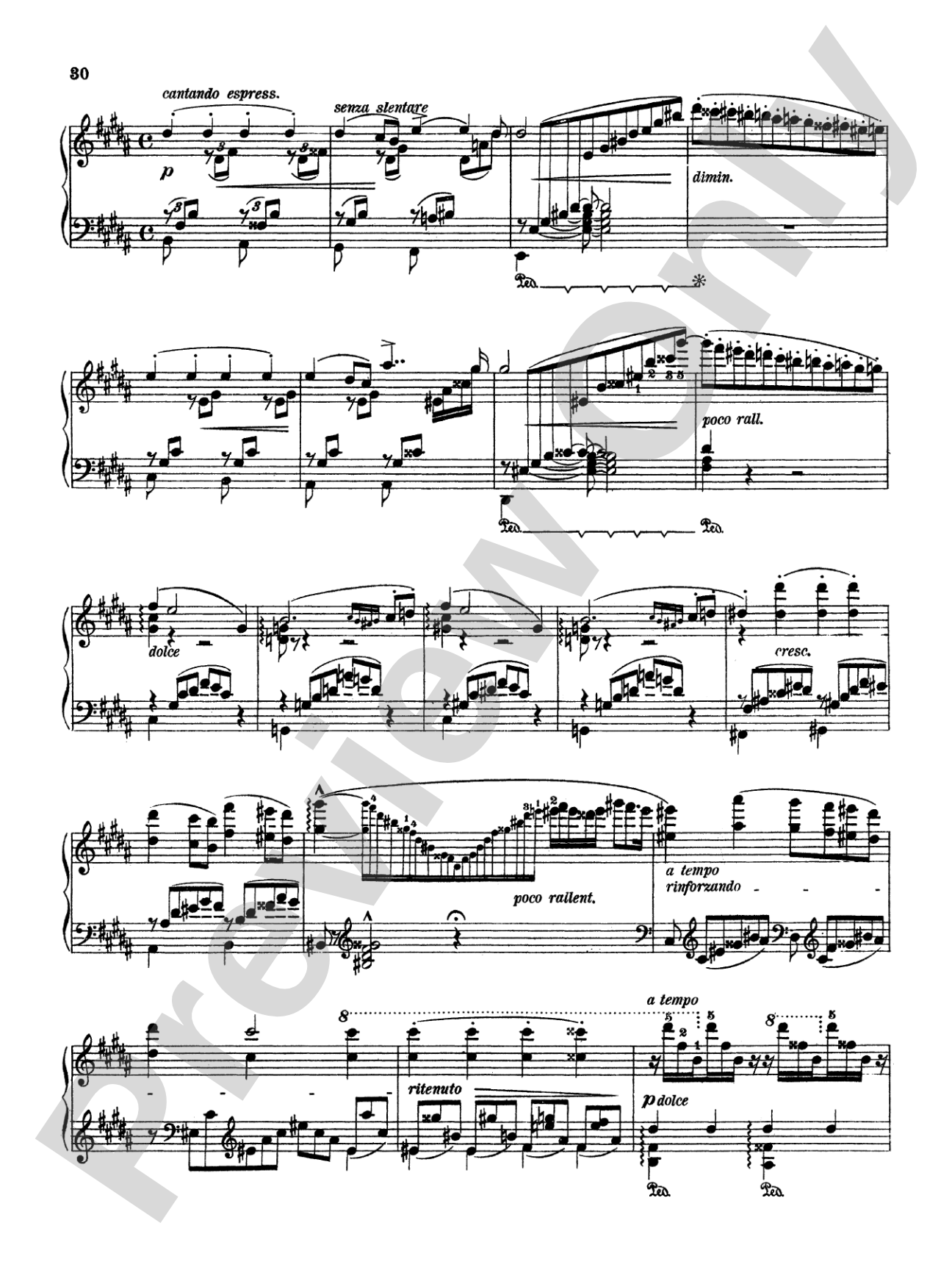
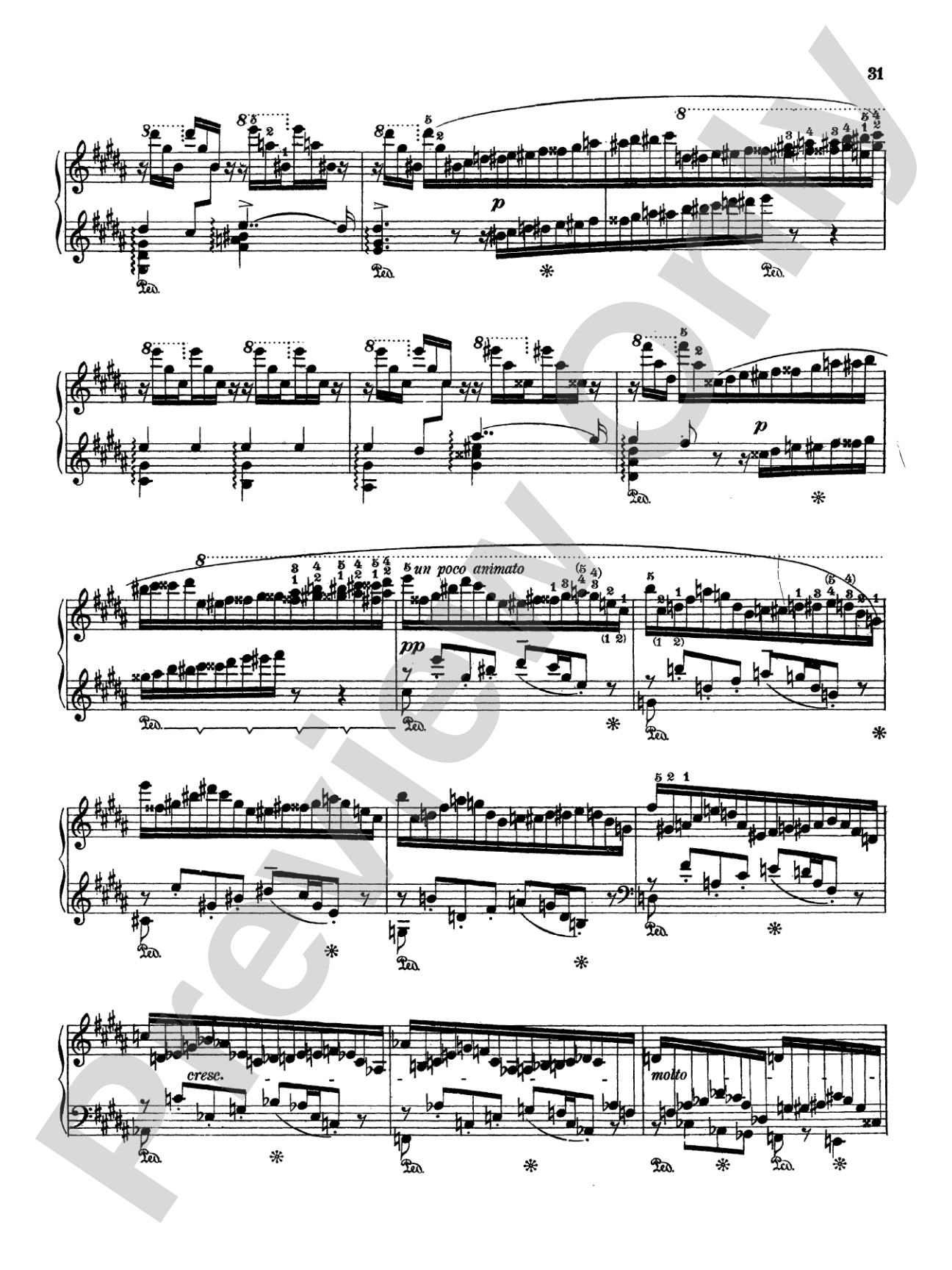
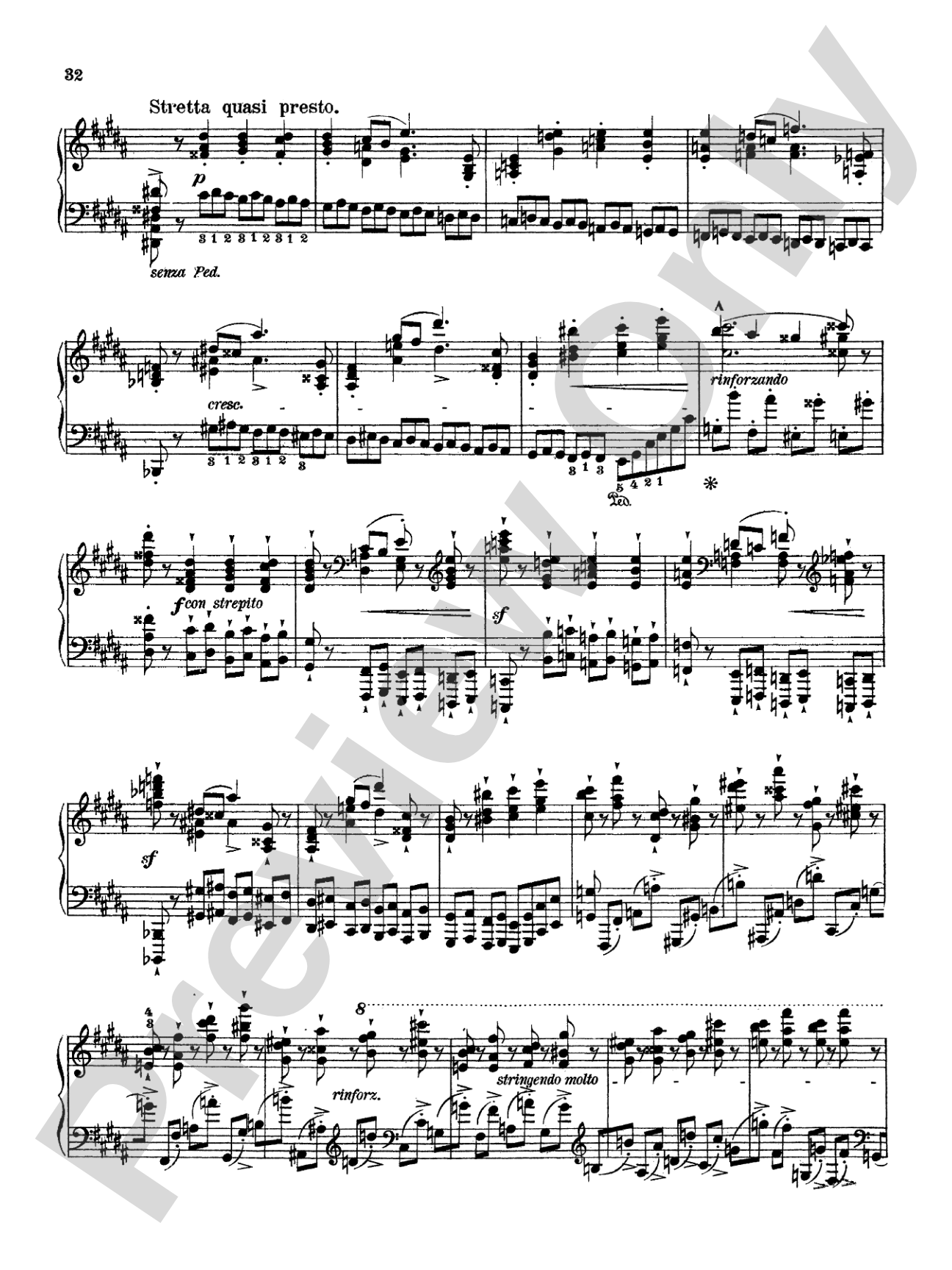
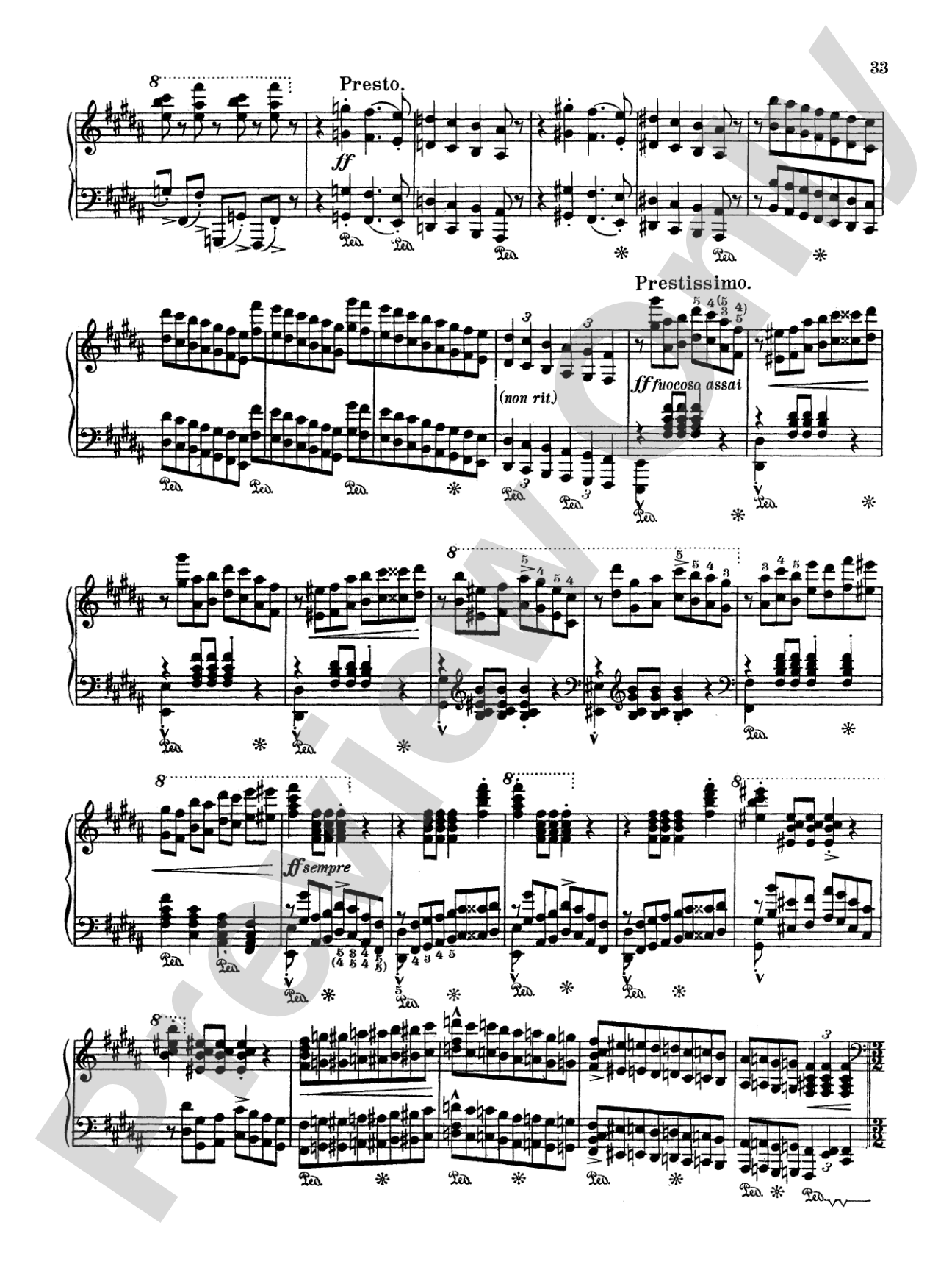
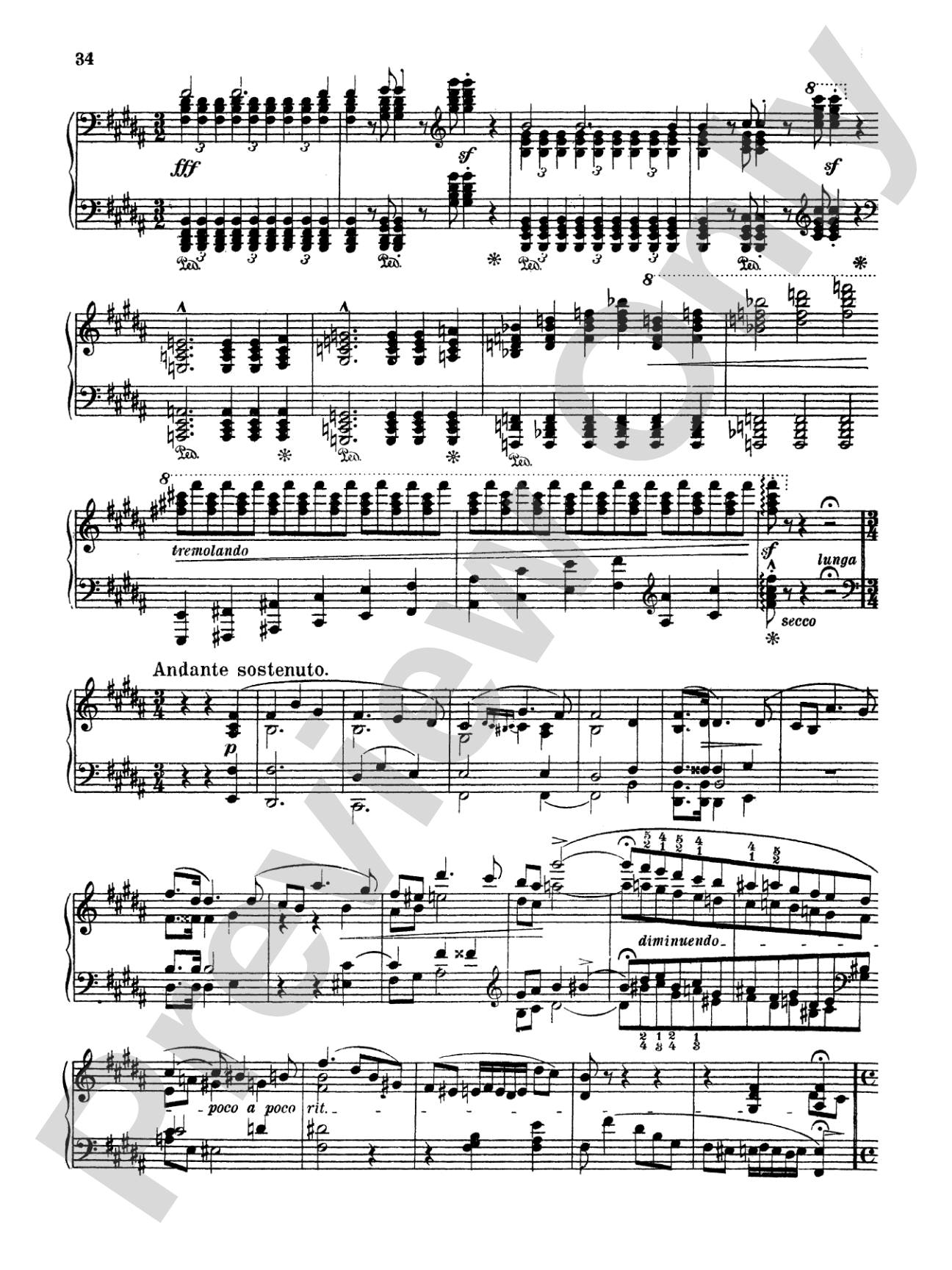
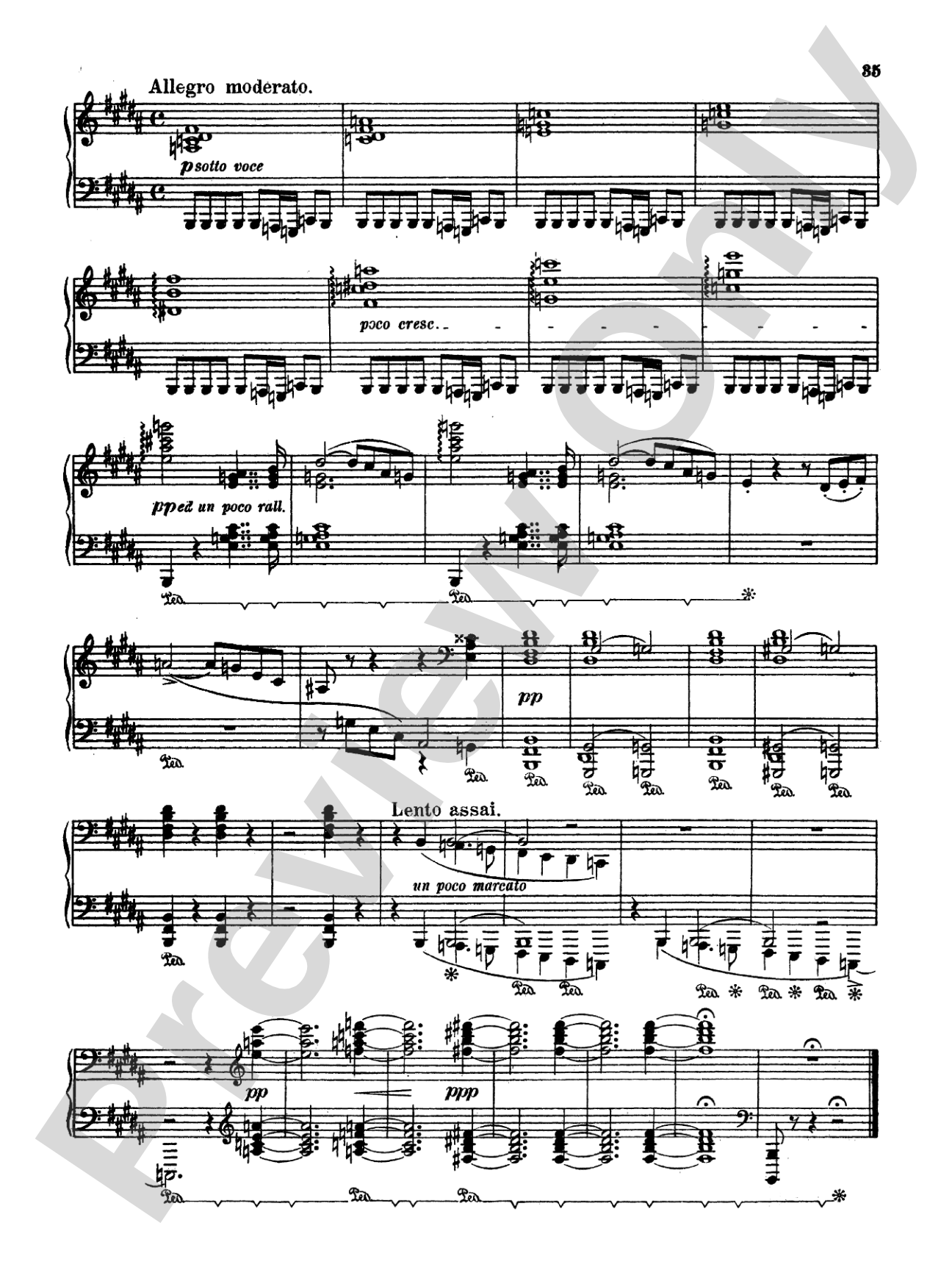


Liszt: Sonata in B Minor: Piano
By Franz Liszt
Level: Advanced
Item: 00-PK-0003197
$9.95
Pickup currently not available
Parts Added to Cart!
Related Items
Sonata in B Minor: Piano |
$9.95
|
View |
Description
Expertly arranged piano solo from our Kalmus Edition.


Liszt: Sonata in B Minor: Piano isn't in MakeMusic Cloud just yet...but it could be. Let us know you'd like to see it, and you'll help shape what comes next. In the meantime, start a free trial and dive into thousands of interactive titles your students can play along with today.
Request This Title
Tell us you want it.
Start Your Free Trial
Explore everything that's ready to play right now.
Sample Audio
No sample audio found.
Sample Video
No sample videos found.
Additional Details
Series:
Kalmus Edition
Publisher:
Alfred Music
Page Count:
36
SKU:
00-PK-0003197
More about this title
About the Composer: Franz Liszt
Franz Liszt (1811–1886) was a Hungarian composer and virtuoso pianist whose technical innovations and expressive ambition transformed the instrument's possibilities. His Sonata in B Minor stands as one of the cornerstone works of Romantic piano literature, demonstrating his gift for large-scale formal architecture and his mastery of thematic development across an extended, unified structure.
Liszt's influence on music education extends far beyond his own compositions. His pedagogical work, including his writings on technique and interpretation, shaped how generations of pianists approach the instrument. For students tackling advanced repertoire, his works remain essential studies in power, control, and musical storytelling.
Why we love this
This sonata demands everything a pianist has learned and pushes further still. Its dramatic arc moves from introspection through virtuosic intensity to a resolution that feels earned rather than imposed, making it the kind of piece that reveals new layers with each performance. Advanced students who master it gain confidence that extends across their entire musical life.
What to expect
The sonata unfolds as a spiritual journey: introspective and searching at first, then increasingly urgent and powerful, before arriving at a quiet acceptance. Its architecture balances grand rhetorical gestures with intimate moments, creating a sense that you are witnessing something both personal and universal.
Who it's for
Advanced pianists preparing recital programs or competition repertoire will find an inexhaustible score here. Students who have completed thorough grounding in Romantic piano literature and possess genuine technical security are ready for the musical and physical demands it presents.
How to get the most out of it
- Map the large formal sections before diving into technical details. Understanding how themes transform across the sonata's single movement gives you a structural anchor for all the passage work.
- Balance clarity with resonance in the thematic material. The opening motivic ideas return throughout; make sure listeners can track them even when surrounded by virtuosic figurations.
- Approach the cadenza passages as logical extensions of the music's emotional trajectory, not as technical display for its own sake. Each demands something specific from the surrounding narrative.
- Pay close attention to dynamic layering, especially in sections where multiple ideas occur simultaneously. The score's texture often rewards a sensitive touch over sheer volume.
How to use it
This is the centerpiece recital work that anchors an entire concert. Consider pairing it with shorter pieces from different eras to frame and balance its intensity. Many pianists place it as the second or third work on a program, after something to establish rapport with the audience but before the final group of shorter pieces.
Skills your students will build
- Large-scale formal architecture and thematic transformation across extended single-movement form
- Simultaneous management of melody, accompaniment, and inner voices across a wide keyboard range
- Pedal control and tonal shading to create color and depth within thick textures
- Stamina and rhythmic stability through extended virtuosic passages
- Interpretive maturity in balancing technical display with musical coherence