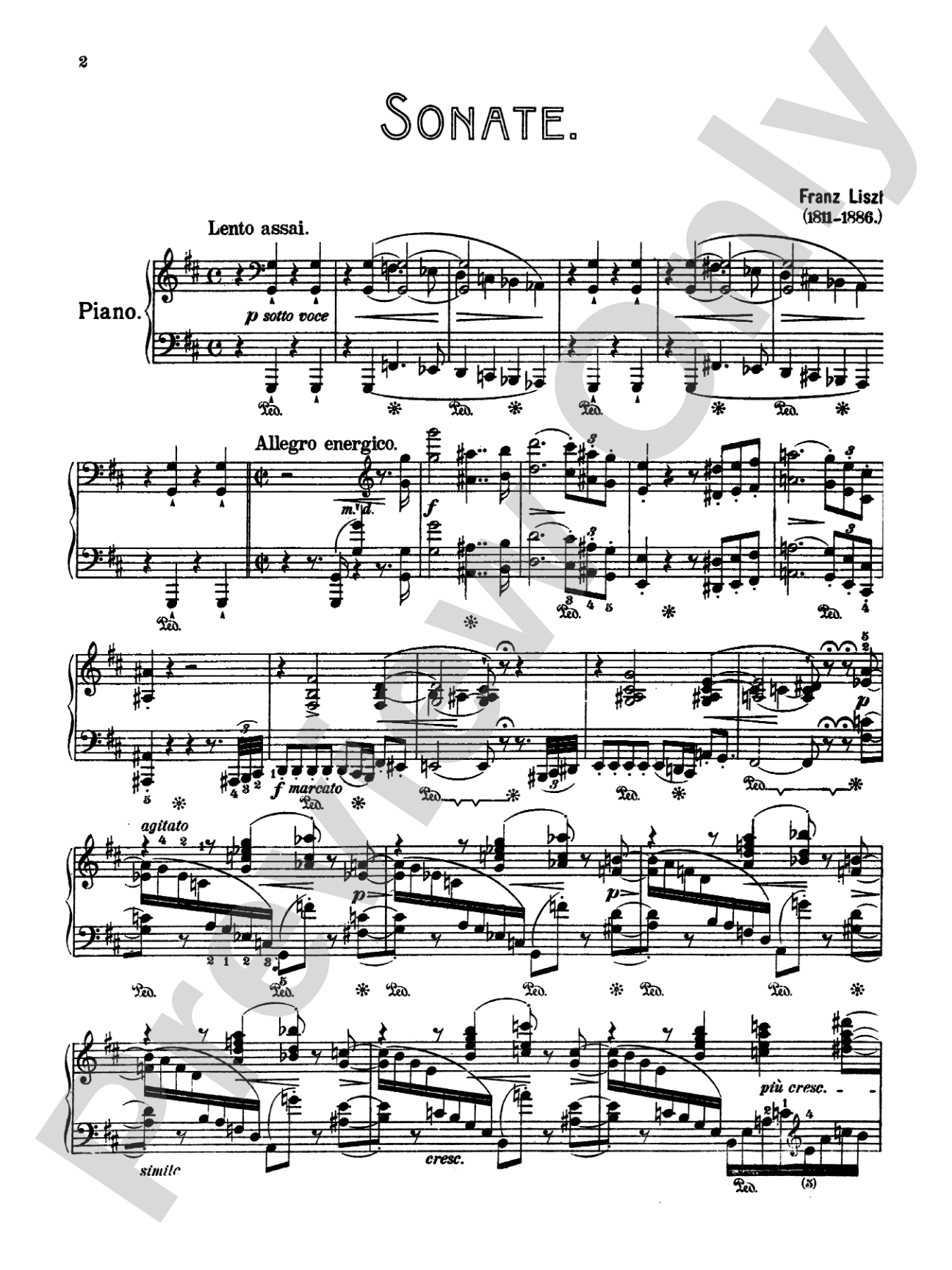
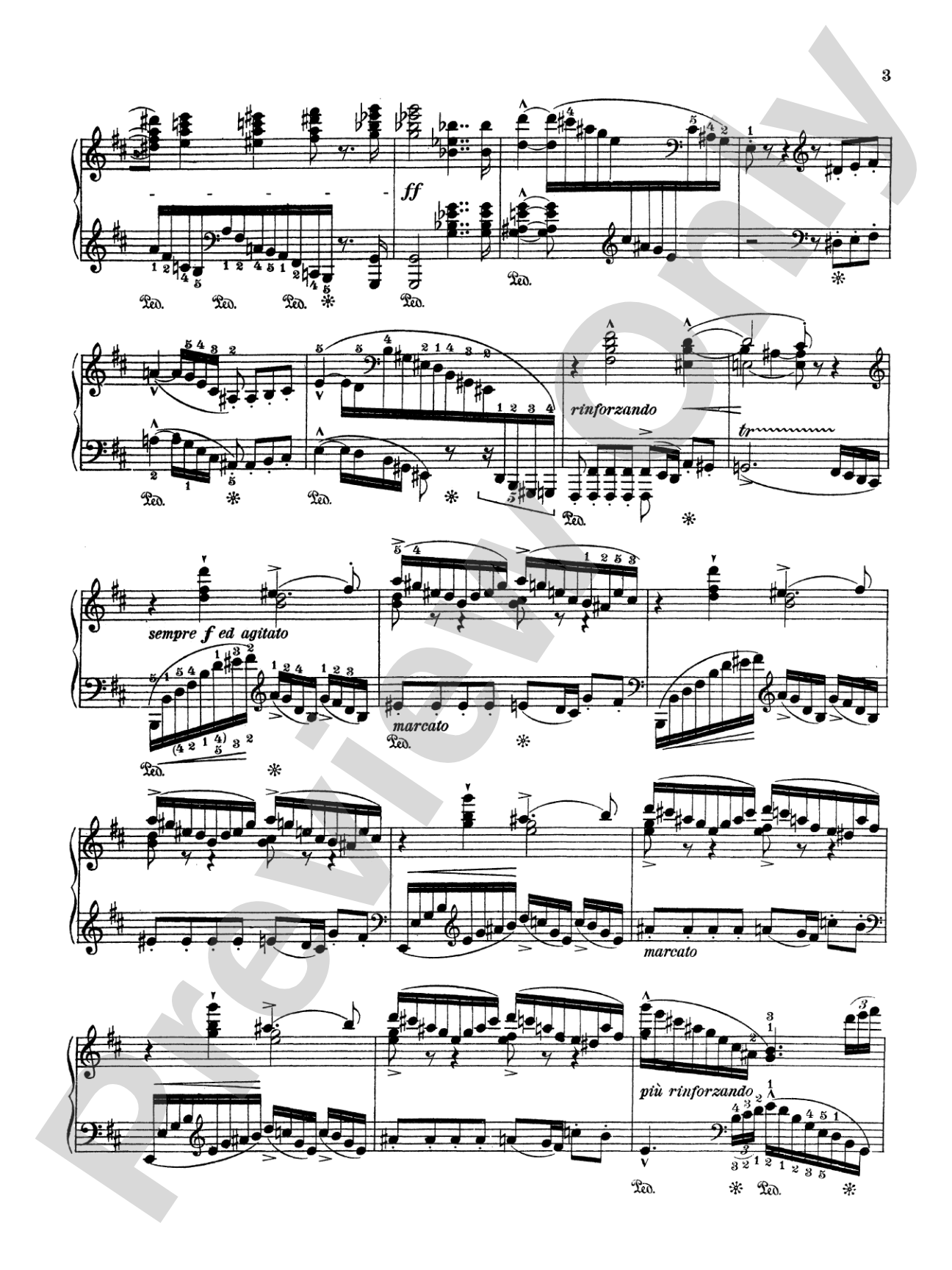
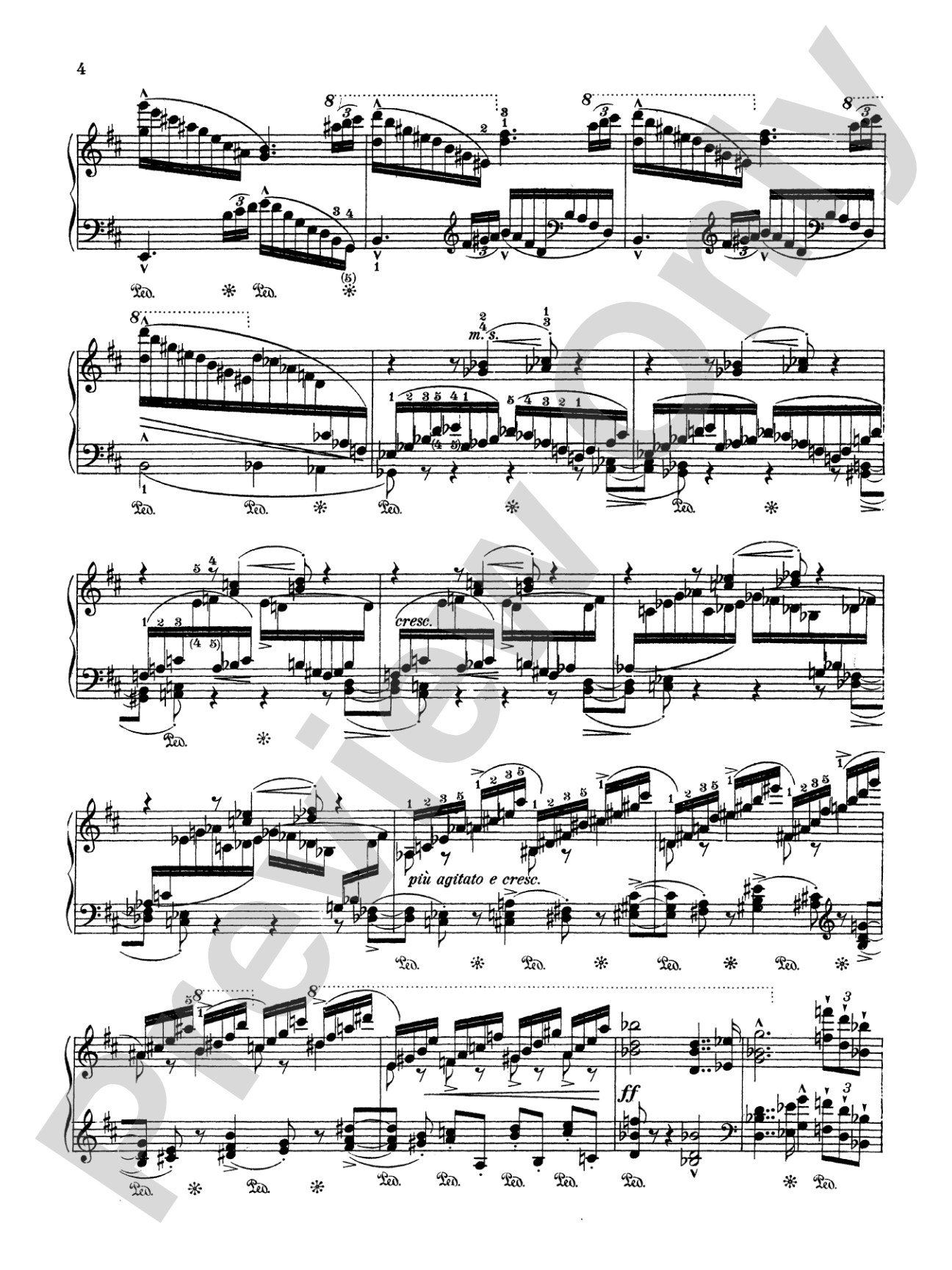
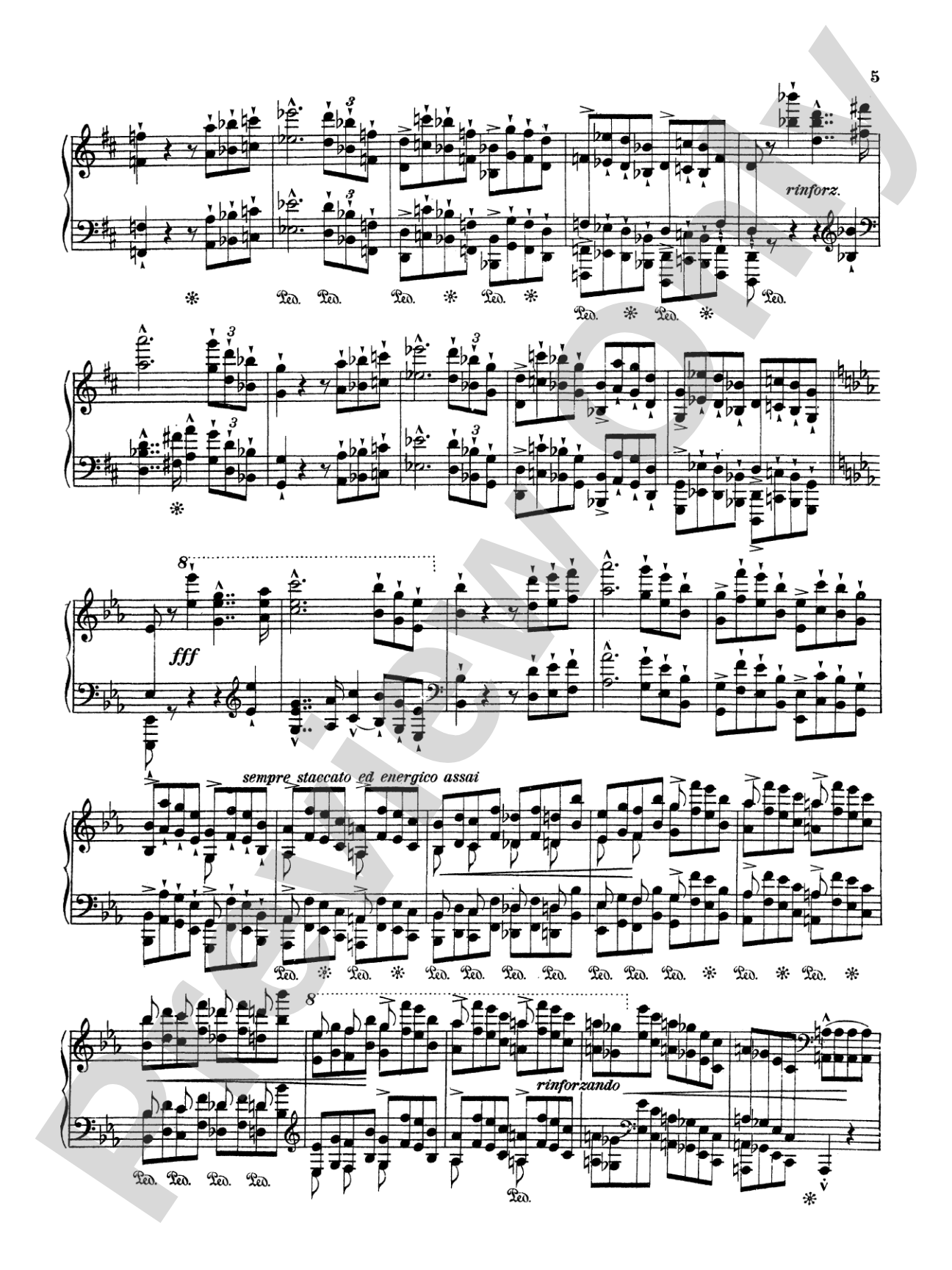
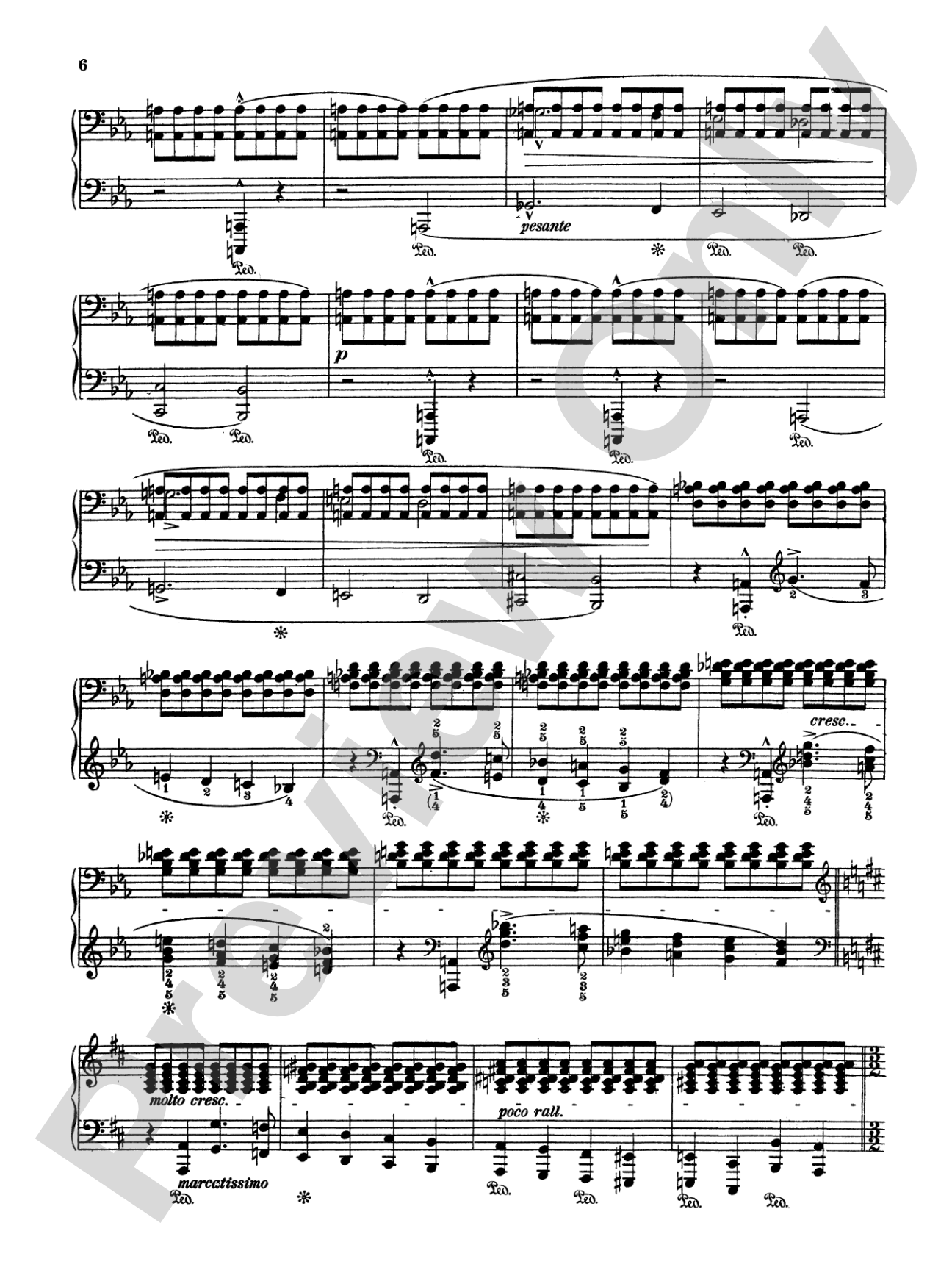
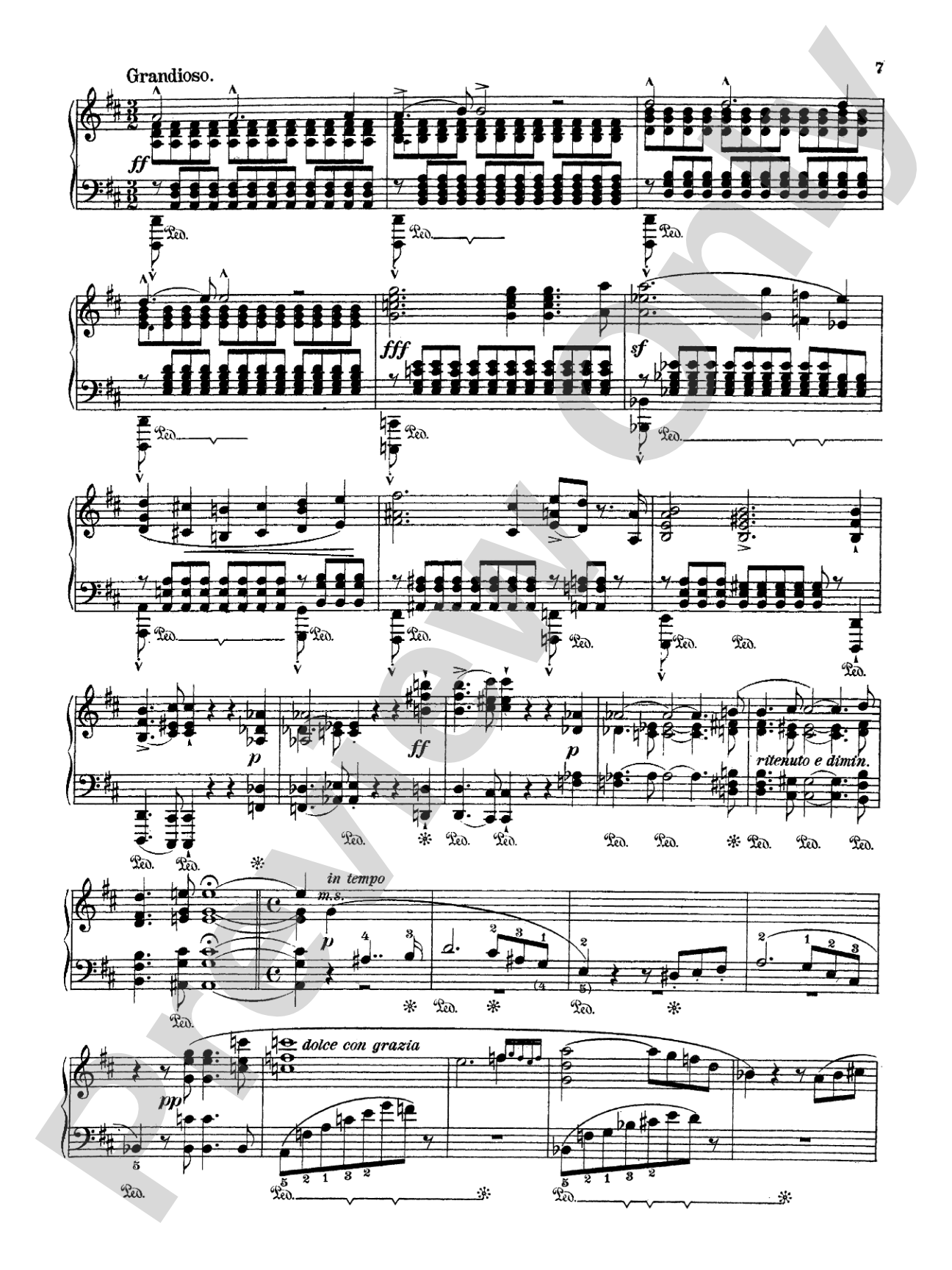
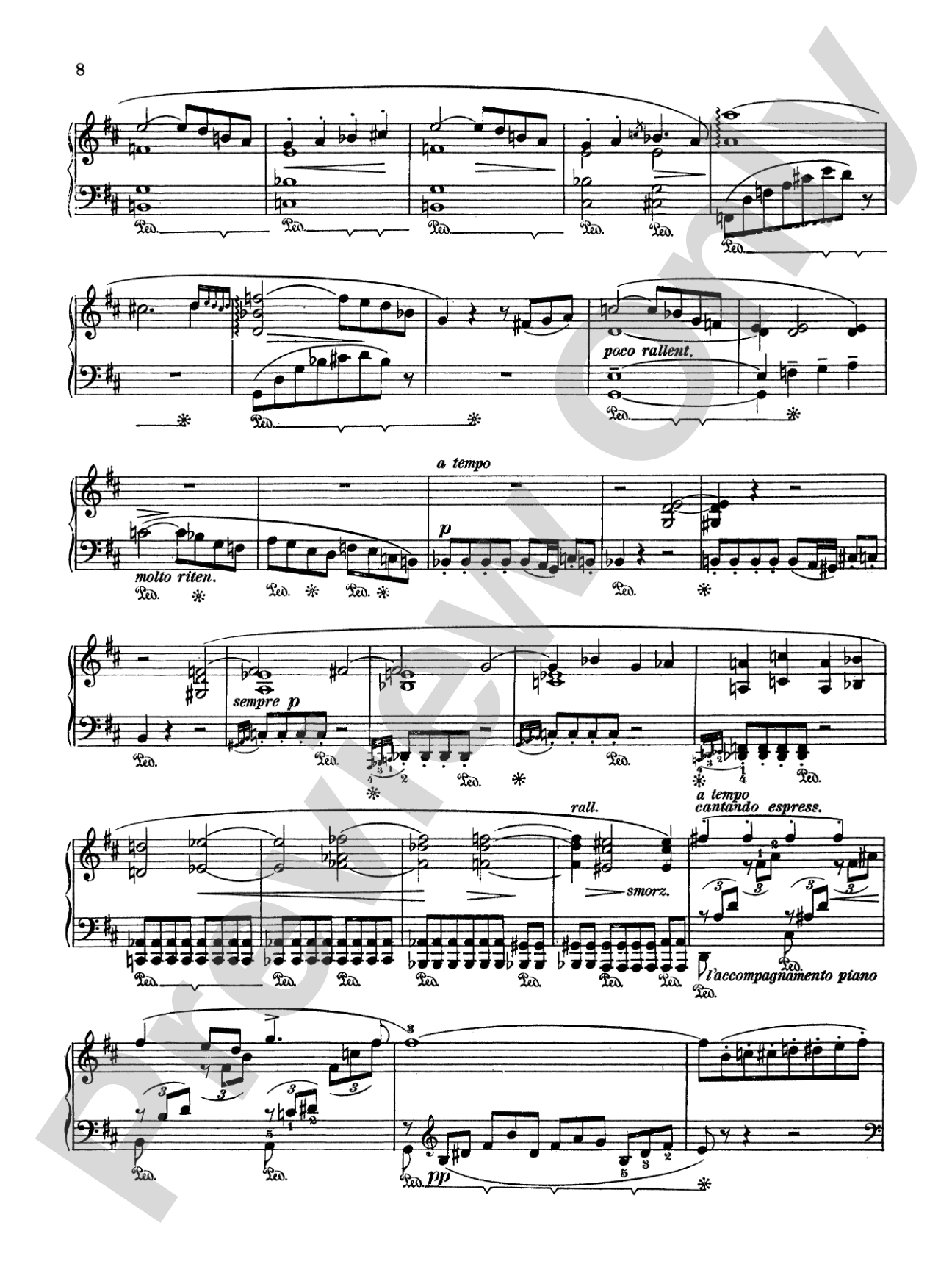
Franz Liszt (1811–1886) was a Hungarian composer and virtuoso pianist whose technical innovations and expressive ambition transformed the instrument's possibilities. His Sonata in B Minor stands as one of the cornerstone works of Romantic piano literature, demonstrating his gift for large-scale formal architecture and his mastery of thematic development across an extended, unified structure.
Liszt's influence on music education extends far beyond his own compositions. His pedagogical work, including his writings on technique and interpretation, shaped how generations of pianists approach the instrument. For students tackling advanced repertoire, his works remain essential studies in power, control, and musical storytelling.