Light the Light: A Seasonal Carol Cover Image

Light the Light: A Seasonal Carol: 2-Part/SSA Choral Octavo

$1.25 USD
Sale price  $1.25 USD Regular price 
Skip to product information
Light the Light: A Seasonal Carol Cover Image

Light the Light: A Seasonal Carol: 2-Part/SSA Choral Octavo

Music by Carl Strommen

Item: 00-11598

$1.25
Shipped

One moment…

Description
A rondeau-like choral work that's perfect for the holiday season, though without any mention of Christmas...the text is essentially a "song of peace and joy." Bouncy, joyous melody and supportive piano accompaniment. no-nonsense, first-rate choral writing by Carl Strommen.

Light the Light: A Seasonal Carol: 2-Part/SSA Choral Octavo isn't in MakeMusic Cloud just yet...but it could be. Let us know you'd like to see it, and you'll help shape what comes next. In the meantime, start a free trial and dive into thousands of interactive titles your students can play along with today.

Sample Pages

No sample pages found.

Sample Audio
No sample audio found.
Sample Video
Additional Details
Series: Alfred Choral Designs
Publisher: Alfred Music
Page Count: 8
UPC: 038081118253
SKU: 00-11598

More about this title

About the Composer: Carl Strommen
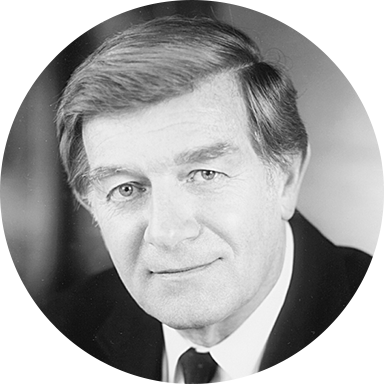
Carl Strommen

Carl Strommen ranks among the most widely performed composer-arrangers working today, with his music consistently featured in concert halls, broadcast television, and film across the United States and internationally. His prolific catalog spans band, orchestra, jazz ensemble, and vocal music, earning him the ASCAP Standard Writers Award year after year. He maintains an active schedule as a clinician and commissioned composer while serving as an adjunct professor of orchestration and composition at the C.W. Post Campus of Long Island University in Brookville, New York.

A graduate of the City College of New York, Strommen remains deeply connected to the academic world and to the communities where he and his family live on Long Island and regularly spend time in Colorado.

Why we love this

Strommen's choral writing here is refreshingly direct and musical without a hint of condescension. The rondeau structure creates natural energy and keeps singers engaged, while the text's universal message of peace and joy works beautifully across multiple holiday traditions and secular contexts. This is the kind of piece that sounds effortless to sing but reveals strong compositional craft underneath.

What to expect

Bright and uncomplicated joy radiates through this piece. The melody bounces with genuine warmth, supported by straightforward harmonies that feel inevitable rather than complicated. There's nothing precious about it; instead, you get honest, celebratory music that makes singers and audiences alike feel genuinely uplifted.

Who it's for

This work suits developing and intermediate choirs of mixed ages looking for accessible yet well-crafted seasonal material. The flexible voicing (2-Part and SSA options) makes it workable for treble ensembles, middle school choirs, or mixed groups seeking music that doesn't require advanced reading skills or a large time investment to prepare.

How to get the most out of it

  • Lean into the bouncy character of the melody; this piece thrives on forward motion and rhythmic clarity rather than lush phrasing.
  • Balance the two-part and SSA voicings carefully during transitions so the harmonic shifts land cleanly without losing blend.
  • Use the piano accompaniment as your architectural anchor; it supports the singers without ever competing for attention.

How to use it

Program this as a standalone seasonal offering in December concerts, or pair it with other multicultural or interfaith holiday repertoire to build a program that honors multiple traditions. The non-denominational text also makes it valuable for secular holiday events, school assemblies, or community performances where religious specificity could create friction.

Skills your students will build

  • Reading and maintaining rondeau or repetitive form structures
  • Blending treble and second part voicings in close harmonic proximity
  • Singing with rhythmic independence within supportive piano accompaniment
  • Sustaining a bright, forward vocal tone without strain or tension

You May Also Like