Let Me Fly Cover Image

Let Me Fly: SATB Choral Octavo

$2.20 USD
Sale price  $2.20 USD Regular price 
Skip to product information
Let Me Fly Cover Image

Let Me Fly: SATB Choral Octavo

Arr. Robert DeCormier

Item: 00-LG52311

makemusic Cloud badge

Need it now?

Buy Digital Version
$2.20
Shipped

One moment…

Description
"O let me fly to Mount Zion, Lord!" This bright, uplifting spiritual has been a standard in the choral repertoire for decades, and is a perennial favorite for festival performances. This title is available in Music Prodigy.

Don't just read it, hear it, play along with it, and watch your students grow with it. In MakeMusic Cloud, Let Me Fly: SATB Choral Octavo comes alive with professional accompaniment, adjustable tempo, and built-in practice tools that turn solo practice into real progress.

Sample Pages

Sample Audio
0:00
0:00
Sample Video
Additional Details
Series: Lawson-Gould
Publisher: Alfred Music
Page Count: 16
UPC: 783556014263
SKU: 00-LG52311

More about this title

About the Arranger: Robert DeCormier
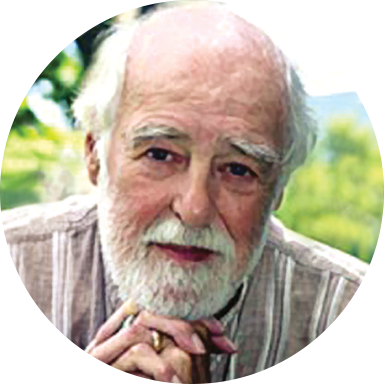
Robert DeCormier

Robert DeCormier's career bridged classical training and American vernacular music in ways few conductors managed. After studying at Juilliard, he spent decades moving between Broadway orchestras, concert halls, and folk ensembles, eventually directing the New York Choral Society for seventeen years and serving as conductor and arranger for Harry Belafonte. His longest tenure came with Peter, Paul and Mary, where he shaped the group's sound from 1978 until 2010.

Beyond conducting, DeCormier became known for his extensive arrangements of spirituals, folk songs, and international repertoire. He founded the professional ensemble Counterpoint in 2000 and directed it until his death, recording six albums and running workshops with high school choirs throughout Vermont and New England. His contributions to American choral music earned him the Vermont Governor's Award for Excellence in the Arts and a Lifetime Achievement Award from the New England Choral Arts Foundation.

Why we love this

DeCormier's arrangement captures the spiritual's inherent brightness without losing its dignity. The a cappella writing sits beautifully across all four voices, making it accessible for community and educational ensembles while remaining compelling enough for competitive festivals where it consistently places well.

What to expect

A spiritual that feels both grounded and aspirational. The text "O let me fly to Mount Zion, Lord!" carries longing and hope, and the a cappella texture creates intimacy while the harmonic language conveys dignity and uplift. Singers and listeners alike feel the earnest yearning at its heart.

Who it's for

Choirs preparing for festival season or seeking a reliable spiritual arrangement that works for both competitive and concert contexts. This octavo suits intermediate and advanced high school ensembles as well as community and college choirs looking for an accessible yet musically substantial selection.

How to get the most out of it

  • Shape the opening phrase with gentle forward momentum; the text "O let me fly" invites liftoff, so avoid heaviness in the first measures.
  • Balance the harmonic density carefully in sections where voices move independently; DeCormier's voicing can obscure the line if any part dominates.
  • Let the ensemble breathe together at marked phrase endings rather than pushing through; these spirituals live in their space and silence.
  • Encourage soloists or section leaders to sing with warmth and directness, especially in passages marked for prominence, so the spiritual's message lands clearly.

How to use it

Pair this with other spirituals or American choral works to build a thematic concert section, or use it as a contrasting piece against more modern repertoire. Its sixteen pages and festival-proven quality make it ideal for winter or spring concerts where depth and programming coherence matter.

Skills your students will build

  • Singing a cappella with secure pitch and blend across four independent voice parts
  • Interpreting spiritual traditions with historical awareness and authentic expression
  • Sustaining legato tone through longer phrases without harmonic support
  • Balancing part independence while maintaining choral unity
  • Understanding DeCormier's approach to voicing traditional American material for modern ensembles

You May Also Like
