Lavender's Blue Cover Image

Lavender's Blue: String Orchestra Conductor Score & Parts

$45.00 USD
Sale price  $45.00 USD Regular price 
Skip to product information
Lavender's Blue Cover Image

Lavender's Blue: String Orchestra Conductor Score & Parts

Traditional / arr. Loreta Fin

Grade: 1.5

Item: 76-45309

$45.00
Shipped

One moment…

Description
Based on the traditional folk tune used in the 2015 Disney film, Cinderella, this simple arrangement is divided into 3 violin, 3 viola, 3 cello, and 2 double bass parts. It would be ideal for an ensemble of mixed abilities: every instrument can either play the melody, or one of the harmony or bass line parts. Alternatively, students can take turns picking one of the parts and changing lines during rehearsals---or even through the performance, as the 3 parts appear on the page as either A, B, or C. Written in D Major, it is in Rondo form, and explores the use of pizzicato, accidentals, and minor tonalities between the well-known melodic sections.

Lavender's Blue: String Orchestra Conductor Score & Parts isn't in MakeMusic Cloud just yet...but it could be. Let us know you'd like to see it, and you'll help shape what comes next. In the meantime, start a free trial and dive into thousands of interactive titles your students can play along with today.

Sample Pages

Sample Audio
No sample audio found.
Sample Video
Additional Details
Series: Wilfin String Orchestra: Young String Ensemble Series
Publisher: Wilfin Music
Page Count: 80
UPC: 038081520278
SKU: 76-45309

More about this title

About the Arranger: Loreta Fin
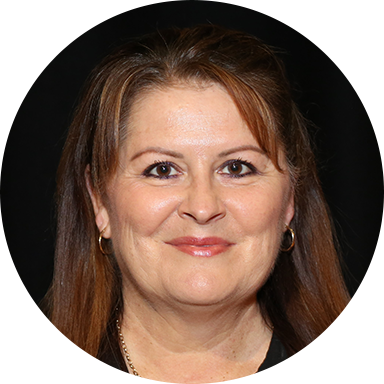
Loreta Fin

Loreta Fin's career spans five decades of string performance, teaching, and advocacy across Australia and beyond. After studying at the Sydney Conservatorium of Music and serving as first violinist with the Sydney Youth Orchestra, she went on to hold the position of Principal Viola with the Queensland Pops Orchestra for over 25 years while simultaneously directing strings at Somerville House School in Brisbane since 1993. Her influence extends through leadership roles in the Australian Strings Association (serving as both State and National President), adjudication at major competitions across Australia, presentations at national conferences in both Australia and the United States, and regular conducting of Honours Ensembles Programs since 2015.

Fin's prolific output as a composer and arranger includes more than 100 published works for string orchestra distributed worldwide by Alfred Music. Her contributions to music education earned recognition through a Queensland State Award for services to AUSTA in 2009, a National Award for Services to Music and String Teaching, and nomination for the inaugural ARIA "Best Teacher" award. She serves as both an examiner with the Australian Music Examinations Board and State Advisor for Strings, ensuring her voice continues to shape string education at the highest levels.

Why we love this

Fin understands ensemble balance with the precision of someone who has conducted hundreds of young string players. The genius here is pedagogical: three discrete parts labeled A, B, and C allow students at different reading levels and technical abilities to contribute meaningfully to the same piece simultaneously, and the flexibility to switch parts during rehearsal or performance transforms what could feel like a limitation into an asset for mixed-ability ensembles.

What to expect

Lavender's Blue arrives with the gentle familiarity of its Disney legacy while the rondo form gives it architectural purpose and shape. The pizzicato textures sparkle like plucked garden flowers, and when the minor tonalities arrive in the inner sections, the piece deepens into something reflective before the melody returns, bright and reassuring.

Who it's for

Mixed-ability string orchestras from upper elementary through early middle school benefit most from this arrangement's flexible part structure. Conductors building ensembles with students at different technical levels will find the A, B, and C parts solve the immediate challenge of keeping everyone engaged on one piece without simplifying the musical content.

How to get the most out of it

  • Establish the pizzicato passages with clear articulation and rhythmic unity before adding the arco sections; the contrast will land harder when the string families shift techniques together.
  • The minor tonalities in the B and C sections offer natural opportunities to explore tone color and dynamic shape; encourage players on harmony parts to listen for how their lines support the melody without overwhelming it.
  • Use the rondo structure as a rehearsal tool: return to the main section frequently so students internalize the form, then build confidence in the contrasting material by isolating those sections in context.

How to use it

Position this early in a concert as a confidence builder for younger or less experienced players; its straightforward melody and manageable technical demands create a welcoming entry point for audiences while giving the ensemble momentum. The accessible character also makes it an excellent choice for family concerts, school assemblies, or community events where connection to the familiar tune matters.

Skills your students will build

  • Reading three distinct part levels simultaneously and identifying which part matches their ability
  • Pizzicato technique with rhythmic precision and consistent articulation
  • Recognizing accidentals in a primarily diatonic context (D Major with chromatic inflections)
  • Understanding rondo form (A-B-A-C-A) and tracking structural returns
  • Harmonic listening and awareness of how different part assignments support the melody
  • Flexibility in part switching during rehearsal and performance

You May Also Like