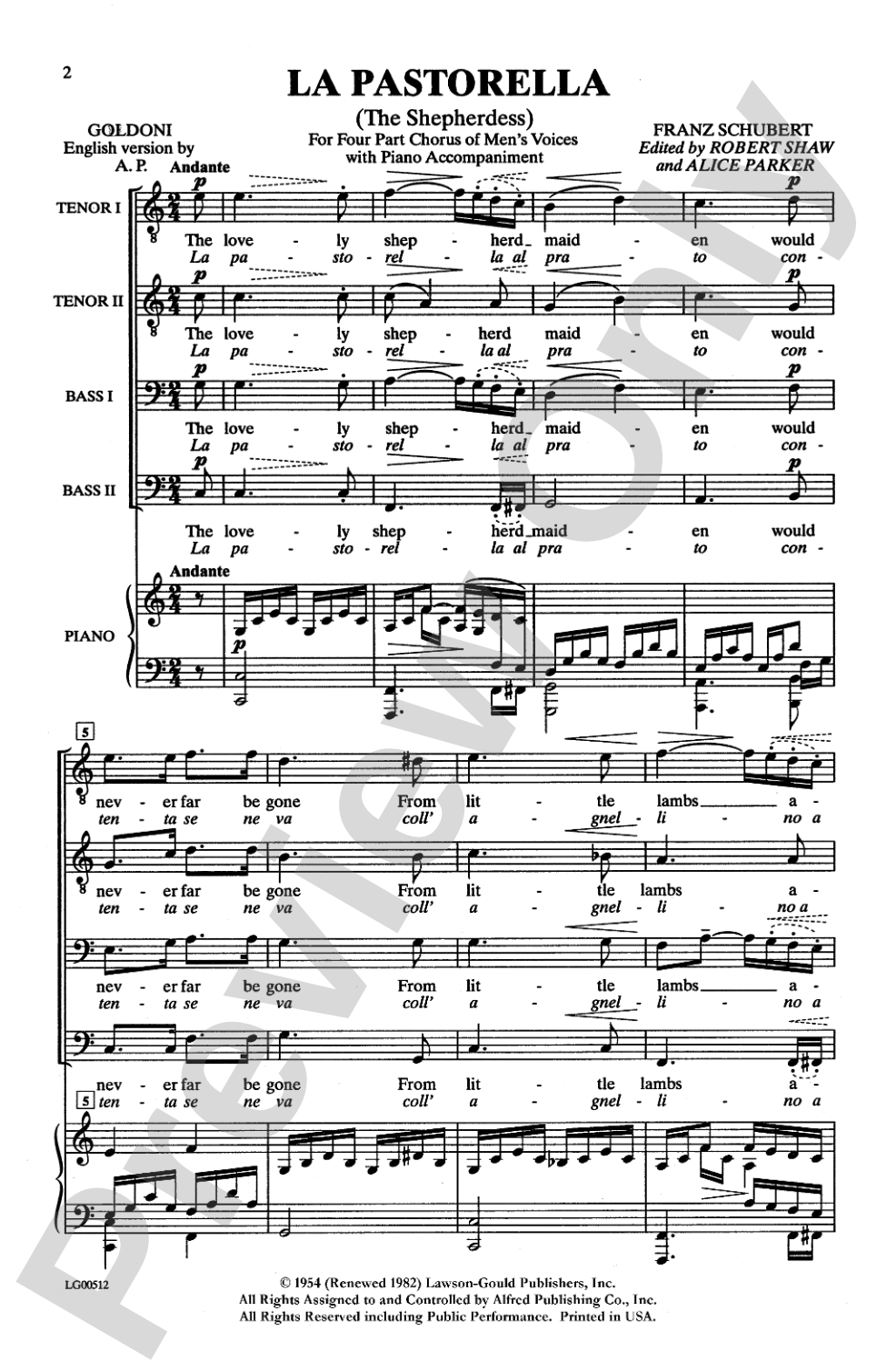
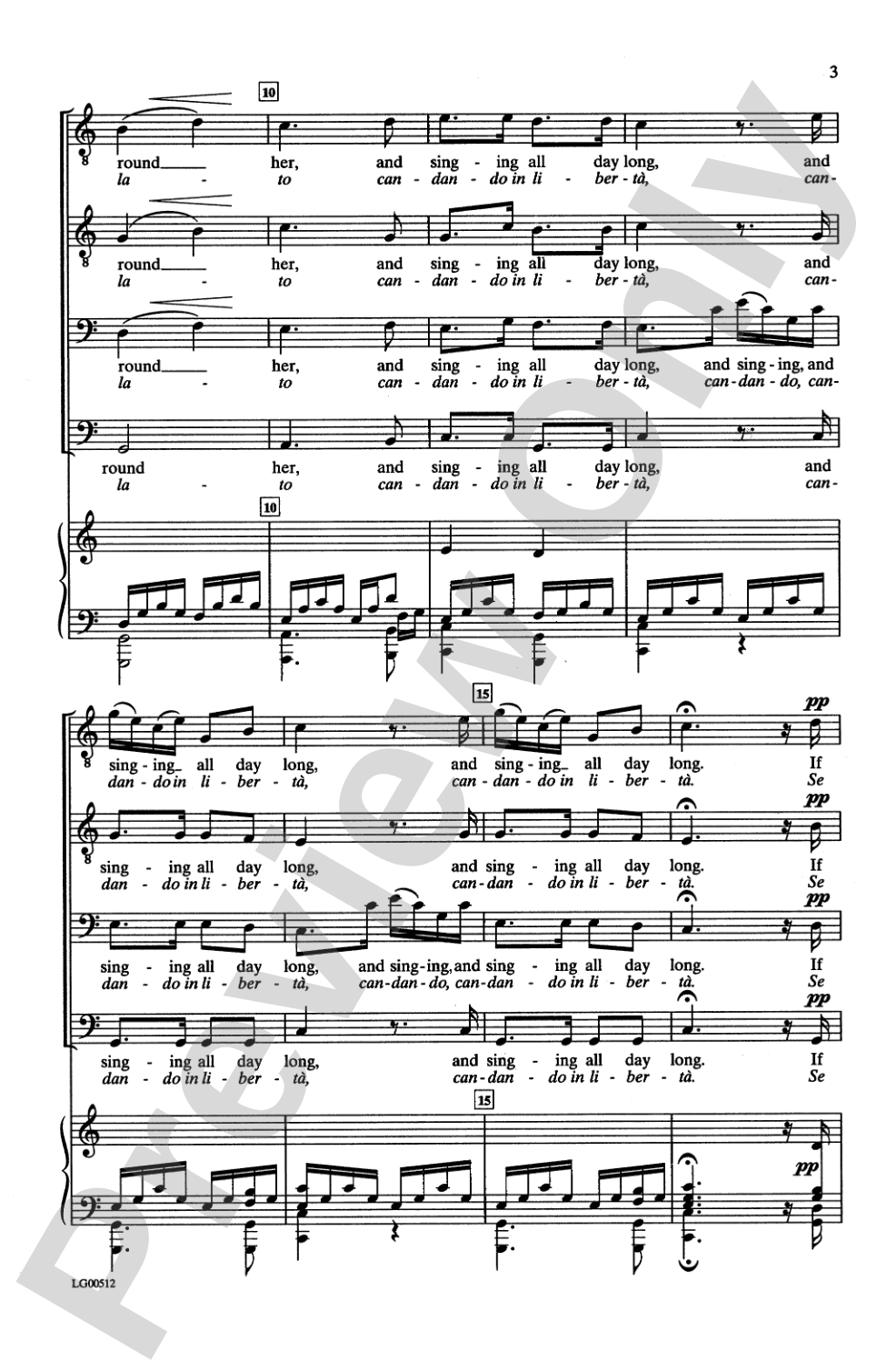
Franz Schubert (1797-1828) bridged Classical and Romantic sensibilities in ways that few composers of his era managed. Though he wrote nine symphonies and substantial chamber music, he had an almost unmatched gift for the lied, the German art song, which shaped the way Romantic composers thought about melody and harmony. His influence extends far beyond solo vocal music; his choral works reveal the same gift for emotional directness and harmonic sophistication that made his songs immortal.
Schubert composed prolifically across every genre and died at just 31 years old, leaving behind a catalog of over 600 works. He spent much of his life in Vienna, where he moved in circles of poets, painters, and musicians who valued intimacy and artistic integrity over public spectacle. His secular choral works, written often for amateur and semi-professional singers, reflect that same philosophy: they demand musicality and ensemble awareness, not virtuosity.