L'Adieu Cover Image

L'Adieu: Piano Solo Sheet

$3.50 USD
Sale price  $3.50 USD Regular price 
Skip to product information
L'Adieu Cover Image

L'Adieu: Piano Solo Sheet

By George Peter Tingley

Level: Late Intermediate

Item: 00-47364

makemusic Cloud badge
$3.50
Shipped

One moment…

Description
The late intermediate solo contains a beautiful lyrical melody over a left hand that features broken chords, cross-overs, and rolled chords. Written in the key of A-flat major, the melody includes scale figures and arpeggiated chords. The use of rubato enhances the character and mood of the piece. A Federation Festivals 2020-2024 selection. A Federation Festivals 2024-2028 selection.

Don't just read it, hear it, play along with it, and watch your students grow with it. In MakeMusic Cloud, L'Adieu: Piano Solo Sheet comes alive with professional accompaniment, adjustable tempo, and built-in practice tools that turn solo practice into real progress.

Sample Pages

Sample Audio
No sample audio found.
Sample Video
Additional Details
Series: Signature Series
Publisher: Alfred Music
Page Count: 4
ISBN10: 1-4706-4113-5
ISBN13: 978-1-4706-4113-9
UPC: 038081545196
SKU: 00-47364

More about this title

About the Composer: George Peter Tingley
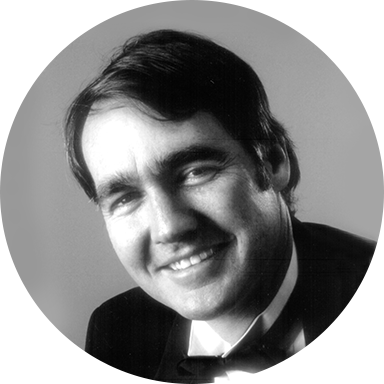
George Peter Tingley

George Peter Tingley has built a distinctive career bridging classical training and accessible composition. A Bay Area-based pianist and educator, he studied piano performance at California State University, Hayward, then earned both bachelor's and master's degrees in music theory at USC. His formative years included intensive private study with Nadia Boulanger in Paris during the 1970s, an experience that shaped his compositional voice and deepened his understanding of how music functions across styles and contexts.

Tingley's path to composition was unconventional and rooted in direct musical engagement. He began improvising and writing songs on piano at age ten, but credits much of his early musical development to playing along with Beatles recordings in his teens, a practice that instilled intuitive musicianship alongside formal training. Since 1989, he has focused on educational composition, publishing over 75 piano pieces that balance technical development with genuine musical substance. His work has reached beyond the studio: he composed Kristi's Theme for Olympic figure skater Kristi Yamaguchi, a piece arranged for symphony orchestra and performed on televised skating competitions.

Why we love this

Tingley writes with the hand position and fingerwork of a pianist who understands exactly what works at the keyboard. The left hand writing in L'Adieu, broken chords, cross-overs, and rolled figures, gives students real work without feeling mechanical, while the lyrical right hand melody keeps the focus on singing tone and musical phrasing. Its selection for both the 2020-2024 and 2024-2028 Federation Festivals lists confirms what teachers already know: this piece rewards the intermediate student who's ready to balance technical demands with interpretive choices.

What to expect

L'Adieu unfolds with quiet dignity and genuine emotional restraint. The A-flat major key provides warmth, while the broken chord textures in the left hand create a gently rocking accompaniment that never overwhelms the melody's introspective quality. There is farewell in the music, but expressed with acceptance rather than despair.

Who it's for

Late intermediate pianists who have solid technique in both hands but are still developing interpretive independence. This piece suits students ready to work with rubato and expressive timing without losing rhythmic control, and those preparing for festival competitions or recital programs.

How to get the most out of it

  • Shape the melody with rubato that feels organic rather than imposed. The rubato here serves the text-like quality of the line, so let it breathe where the phrase naturally wants to.
  • Prepare the left hand voicings carefully in isolation. The cross-overs and rolled chords will feel secure only after your student can map the hand positions away from the pedal first.
  • Balance the registers. The A-flat major sonority can blur quickly if both hands collapse into the middle of the keyboard; make sure the melody sits clearly above the harmonic support.

How to use it

This works beautifully as a recital piece that gives audiences a moment of reflection between more extroverted works. Its four-page length also makes it manageable for festival playing, and its maturity of expression pairs well alongside early Romantic-period sonata movements or other lyrical character pieces at the same level.

Skills your students will build

  • Voice leading across broken chord patterns while maintaining even rhythmic flow
  • Executing cross-hand voicings with secure hand placement and comfortable spacing
  • Using rubato expressively while maintaining harmonic continuity
  • Reading and performing rolled chords with appropriate timing and texture
  • Achieving tonal clarity and dynamic shaping in a sustained melodic line

You May Also Like
