Kalypso Kangaroo Cover Image

Kalypso Kangaroo: String Orchestra Conductor Score

$7.00 USD
Sale price  $7.00 USD Regular price 
Skip to product information
Kalypso Kangaroo Cover Image

Kalypso Kangaroo: String Orchestra Conductor Score

By Loreta Fin

Grade: 2

Item: 76-30176S

$7.00
Shipped

One moment…

Description
This is a great, fun way to explore some interesting rhythmic and bowing techniques in major and minor keys. The first violins are required to use low first fingers, while the other parts are very straightforward. The bass part is essential, but is covered in the left hand of the piano. While the string parts can stand alone, the piano part adds a distinctly calypso feel. Sure to be a concert favorite.

Kalypso Kangaroo: String Orchestra Conductor Score isn't in MakeMusic Cloud just yet...but it could be. Let us know you'd like to see it, and you'll help shape what comes next. In the meantime, start a free trial and dive into thousands of interactive titles your students can play along with today.

Sample Pages

Sample Audio
No sample audio found.
Sample Video
Additional Details
Series: Wilfin String Orchestra: Young String Ensemble Series
Publisher: Wilfin Music
Page Count: 8
UPC: 038081327228
SKU: 76-30176S

More about this title

About the Composer: Loreta Fin
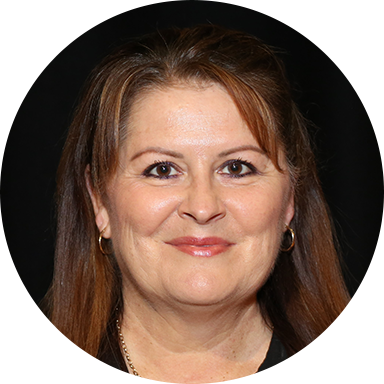
Loreta Fin

Loreta Fin trained at the Sydney Conservatorium of Music and built her career as a chamber and orchestral musician, serving as Principal Viola with the Queensland Pops Orchestra for over 25 years. As Director of Strings at Somerville House School in Brisbane since 1993, she has shaped generations of young players while maintaining an active performance schedule alongside internationally recognized artists.

Fin's contributions to string education extend far beyond her school. She has presented at national music conferences in Australia and the United States, adjudicated major competitions across the country, and served as State and National President of the Australian Strings Association for a combined 25 years. Her work earned her a Queensland State Award in 2009 and, most recently, the National Award for Services to Music and String Teaching. As State Advisor for Strings and conductor of the State and National Honours Ensembles Programs, she continues to elevate string education throughout Australia. Her published catalog includes over 100 works for string orchestra distributed internationally by Alfred Music.

Why we love this

Fin writes with genuine knowledge of what young orchestras can handle technically while still delivering genuine fun. The calypso framework gives the piece immediate character and appeal to student players, and the straightforward writing in most parts means you're not fighting logistics during rehearsal. Low first-finger work on the first violins adds a real learning moment without derailing the ensemble's ability to make music together from day one.

What to expect

Warm, tropical, and playful, with an easy rhythmic drive that gives young players the feeling of making real music together. The calypso idiom brings lightness and energy, while the weaving between major and minor tonalities adds subtle color and emotional nuance beneath the surface fun.

Who it's for

String orchestras at the early intermediate level who are ready to tackle rhythmic sophistication and varied bowing techniques but need parts that don't demand high-level technical facility across the ensemble. This works beautifully for groups exploring major and minor tonality in a musical context rather than purely theoretical terms.

How to get the most out of it

  • Introduce the low first-finger technique on first violin separately before full rehearsal. Have players practice the shift pattern independently, then integrate it back into context once the motion feels natural.
  • Balance the piano part carefully so it enhances the rhythmic and harmonic framework without overshadowing the strings. The calypso character depends on that partnership.
  • Nail the rhythmic clarity across all parts, particularly where major and minor key shifts occur. Clean attacks will make those tonal contrasts land for your audience.
  • Let the bass line (whether played by cello and bass or reinforced by the piano left hand) anchor the groove. A solid foundation makes the lighter bowing techniques in upper voices shine.

How to use it

This is an ideal opener or closing piece for a concert aimed at younger audiences or family attendance, where the title and character immediately signal accessibility and joy. It also works well as a bridge piece between more formal traditional works on your program, giving your ensemble a chance to showcase rhythmic maturity and personality.

Skills your students will build

  • Low first-finger technique and hand position shifts on violin
  • Rhythmic independence and accuracy in major and minor key contexts
  • Varied bowing techniques and articulation control
  • Listening for ensemble balance when string parts play against harmonic reinforcement
  • Reading and interpreting calypso-inflected rhythmic figures

You May Also Like