Kalypso Kangaroo Cover Image

Kalypso Kangaroo: String Orchestra Conductor Score & Parts

$45.00 USD
Sale price  $45.00 USD Regular price 
Skip to product information
Kalypso Kangaroo Cover Image

Kalypso Kangaroo: String Orchestra Conductor Score & Parts

By Loreta Fin

Grade: 2

Item: 76-30176

Need it now?

Buy Digital Version
$45.00
Shipped

One moment…

Description
This is a great, fun way to explore some interesting rhythmic and bowing techniques in major and minor keys. The first violins are required to use low first fingers, while the other parts are very straightforward. The bass part is essential, but is covered in the left hand of the piano. While the string parts can stand alone, the piano part adds a distinctly calypso feel. Sure to be a concert favorite.

Kalypso Kangaroo: String Orchestra Conductor Score & Parts isn't in MakeMusic Cloud just yet...but it could be. Let us know you'd like to see it, and you'll help shape what comes next. In the meantime, start a free trial and dive into thousands of interactive titles your students can play along with today.

Sample Pages

Sample Audio
No sample audio found.
Sample Video
Additional Details
Series: Wilfin String Orchestra: Young String Ensemble Series
Publisher: Wilfin Music
Page Count: 66
UPC: 038081327211
SKU: 76-30176

More about this title

About the Composer: Loreta Fin
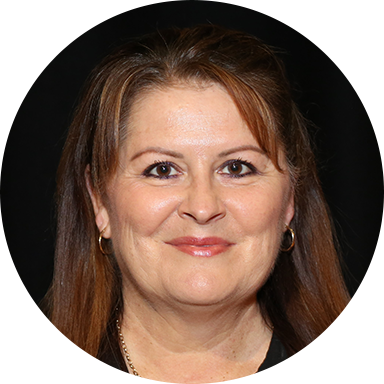
Loreta Fin

Loreta Fin AM is an accomplished violinist and educator with deep roots in Australian music. A graduate of the Sydney Conservatorium of Music and former first violinist with the Sydney Youth Orchestra, she has maintained a career as both a chamber and orchestral performer. For over 25 years, she served as Principal Viola player with the Queensland Pops Orchestra while simultaneously directing the strings program at Somerville House School in Brisbane since 1993.

Fin's contributions to music education extend far beyond the classroom. She has presented at multiple Australian National Music Conferences and two American National String Teachers' Conferences, and has adjudicated major competitions throughout Australia. Her compositional output spans over 100 works for string orchestra, published internationally by Alfred Music. Recognition of her impact includes a 2009 Queensland State Award for services to the Australian Strings Association (where she served as both State and National President), nomination for an inaugural ARIA "Best Teacher" award, and a National Award for Services to Music and String Teaching. Since 2015, she has regularly conducted State and National Honours Ensembles Programs in Brisbane.

Why we love this

Fin writes with students in mind but never condescends. The rhythmic complexity and harmonic interest here feel genuinely musical rather than pedagogically calculated, and the Latin American idiom opens cultural doors while remaining rhythmically approachable. The clever scoring (optional piano part that transforms the ensemble's sound) gives you flexibility whether your program includes pianists or stands alone with strings.

What to expect

Bright, infectious energy carries this piece from start to finish. The calypso rhythms have an unmistakable Caribbean warmth that feels playful without being trivial, while the exploration of major and minor keys adds emotional depth and keeps listeners engaged beyond the surface charm.

Who it's for

String orchestras in grades 2 through early grade 3 will find this accessible yet musically substantial. Directors seeking to introduce rhythmic variety and extend students' technical range without overwhelming reading demands will appreciate how straightforward the viola, cello, and bass parts remain while the first violins develop real facility.

How to get the most out of it

  • Establish the calypso groove early in rehearsal by having the bass players and pianist anchor the rhythmic feel together; once the foundation locks, the syncopated rhythms in the upper voices align much more naturally.
  • Work the first violin low first-finger passages slowly and separately before combining with other parts, then gradually increase tempo to build independence and clean intonation in that position.
  • Balance the string tone carefully when the piano enters; the calypso character thrives on rhythmic definition from the keyboard, but the ensemble should never feel overpowered or lose its melodic presence.
  • Lean into the major/minor key exploration as a learning moment; highlight the tonal contrasts for students so they hear how the same rhythmic material shifts its emotional weight between sections.

How to use it

This works beautifully as an uplifting concert opener or closer, especially in a program that includes folk or world music. It also fits naturally into a concert exploring multicultural repertoire, and the approachable level makes it an excellent vehicle for an early-season concert when students are still building ensemble cohesion.

Skills your students will build

  • Low first finger technique and intonation on the first violin
  • Syncopated rhythmic reading in calypso style
  • Tonal contrast between major and minor key centers
  • Part independence while maintaining ensemble balance
  • Coordination with optional keyboard accompaniment

You May Also Like