

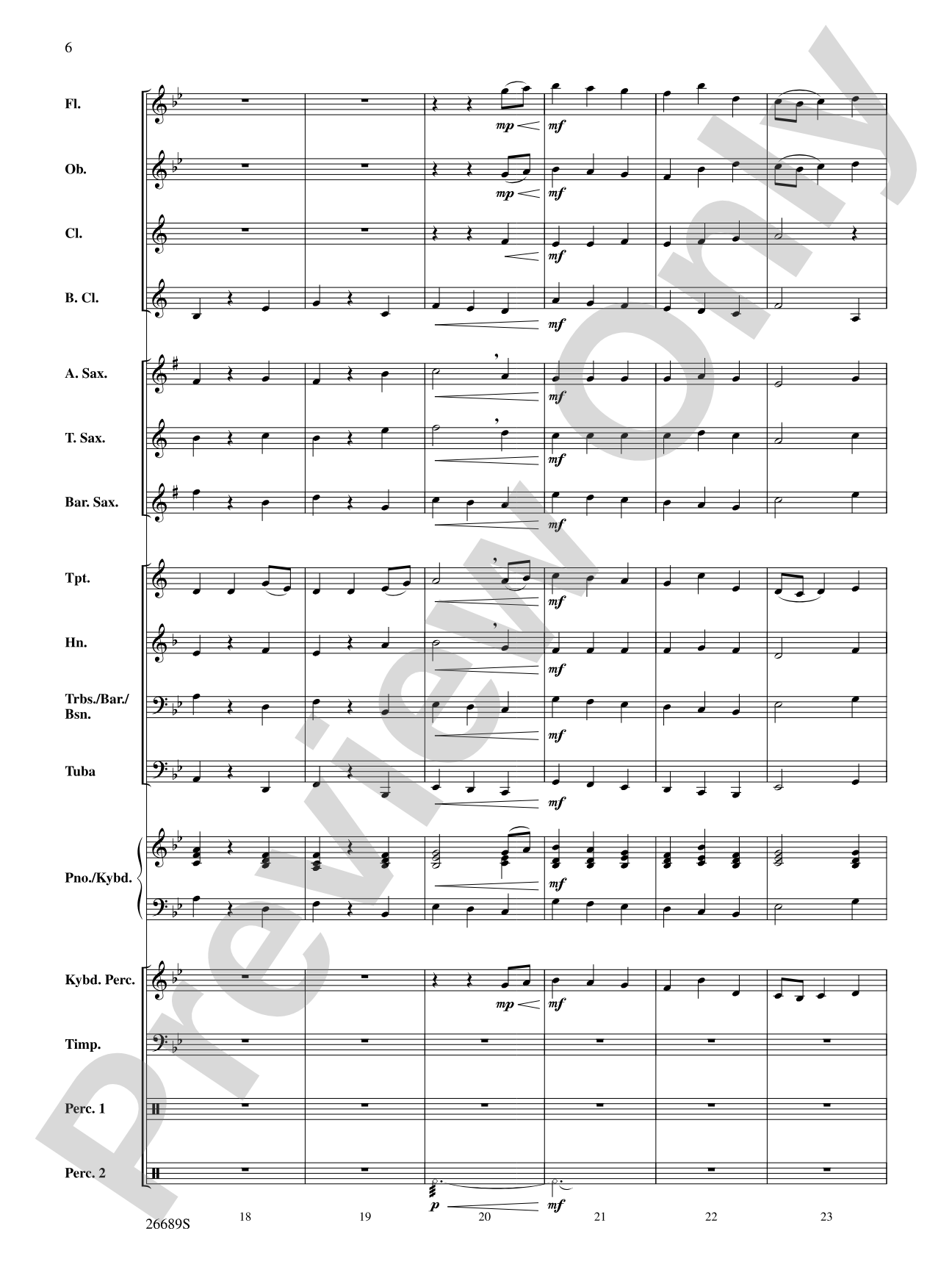
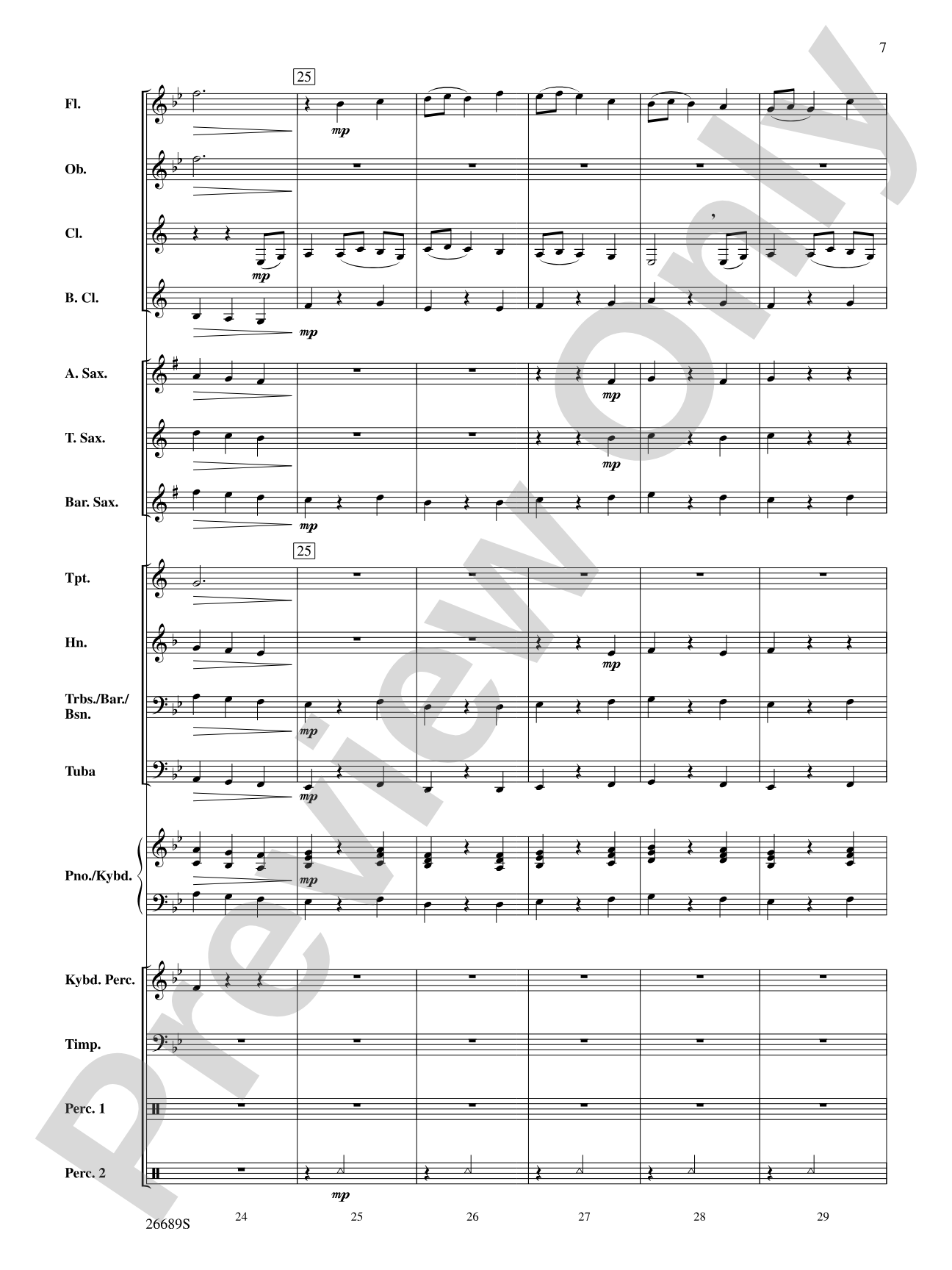
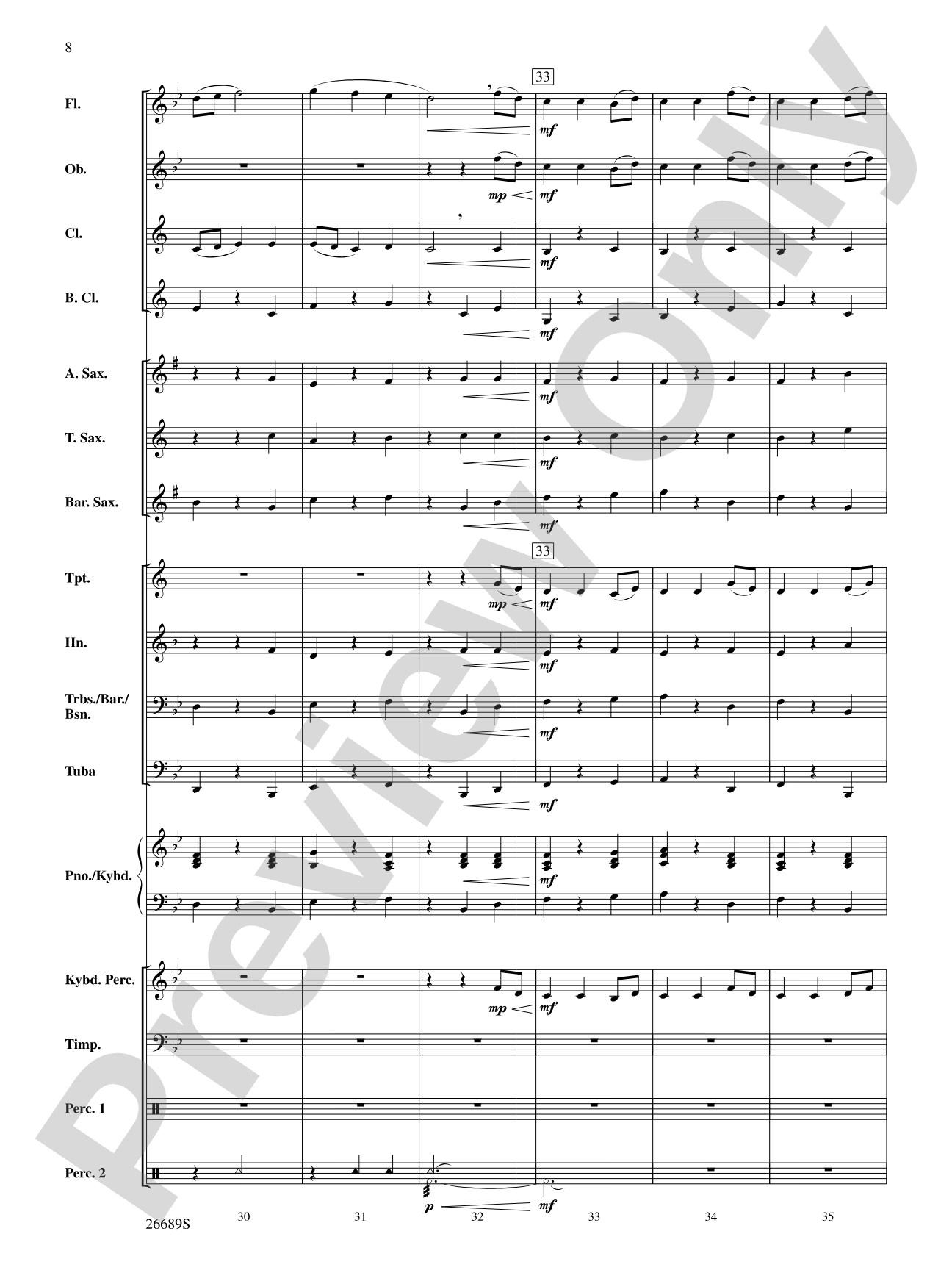
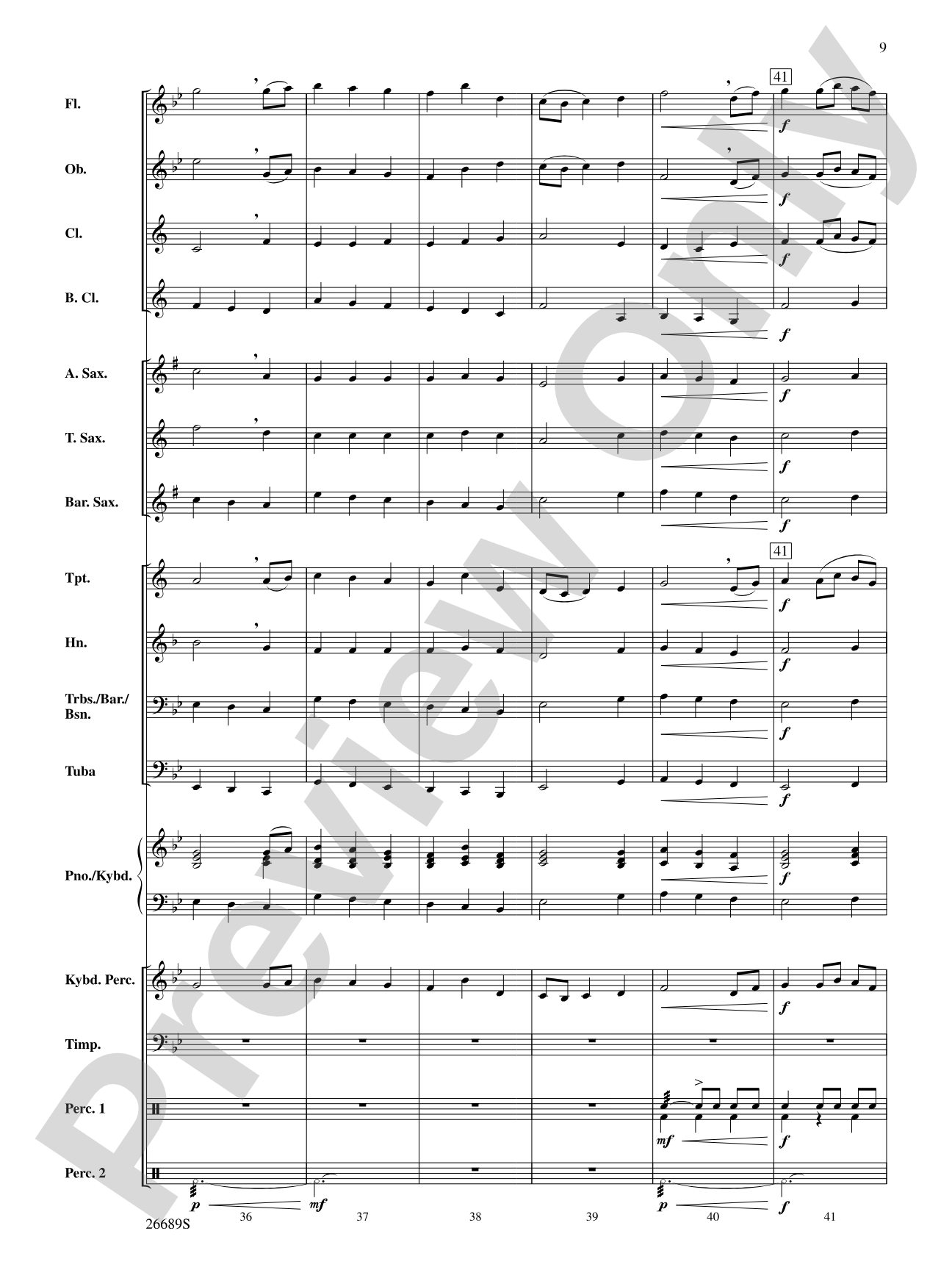
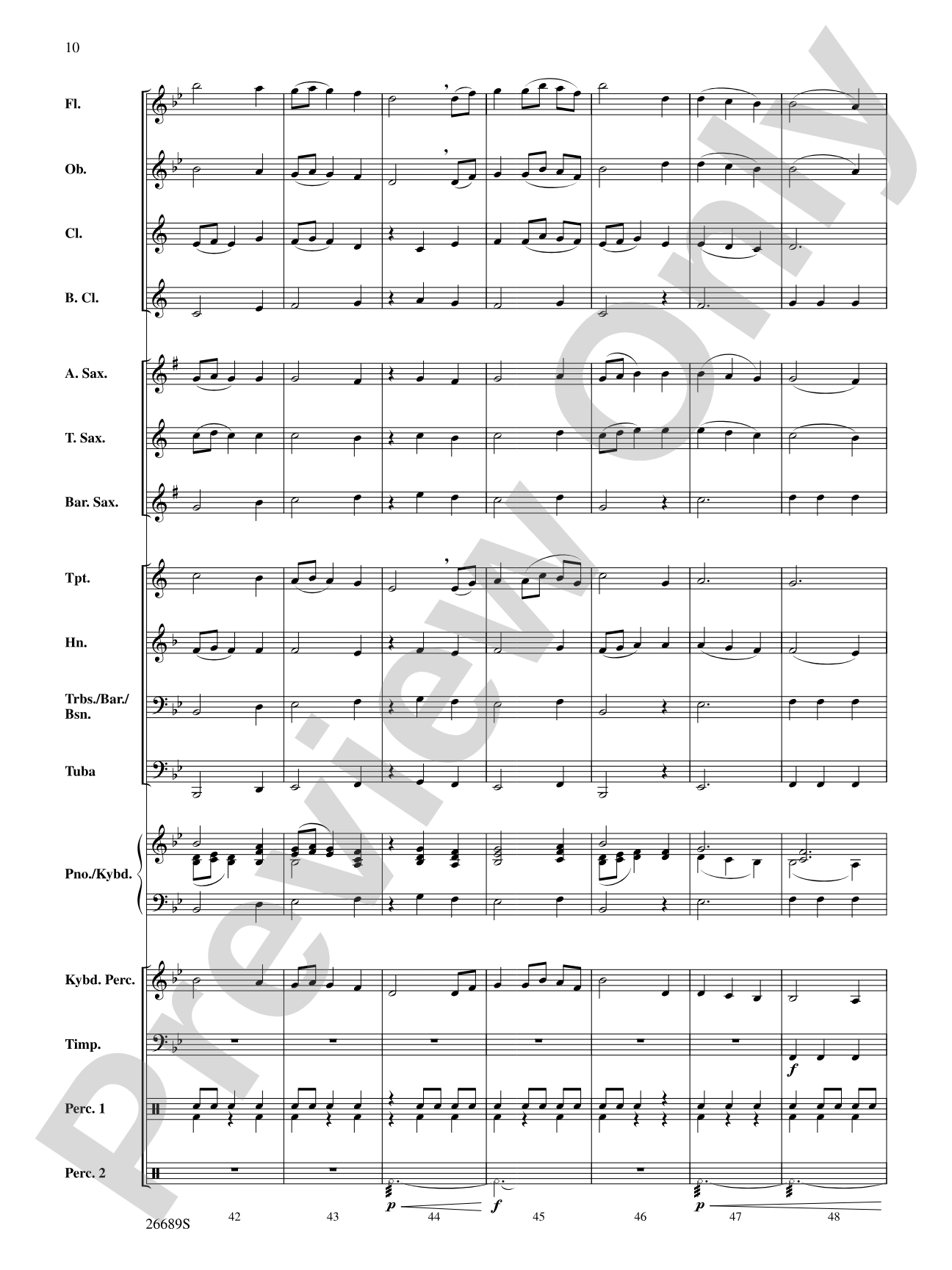
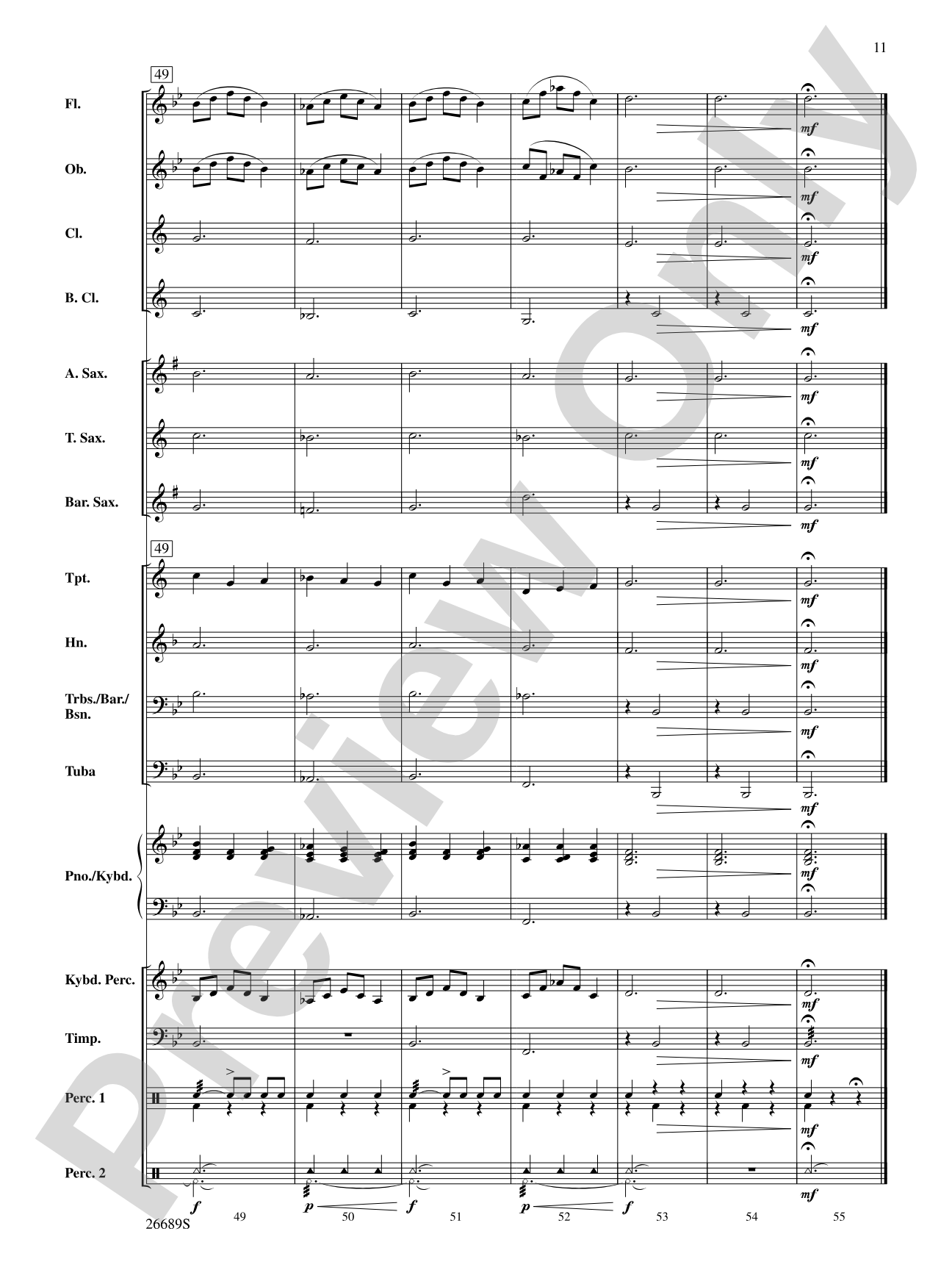


Jupiter (from The Planets): Concert Band Conductor Score & Parts
By Gustav Holst / arr. Robert W. Smith and Michael Story
Grade: 1 (Very Easy)
Item: 00-PK-0001179

$56.00
Pickup currently not available
Buy Extra Parts (Digital PDF Download)
Parts Added to Cart!
Description
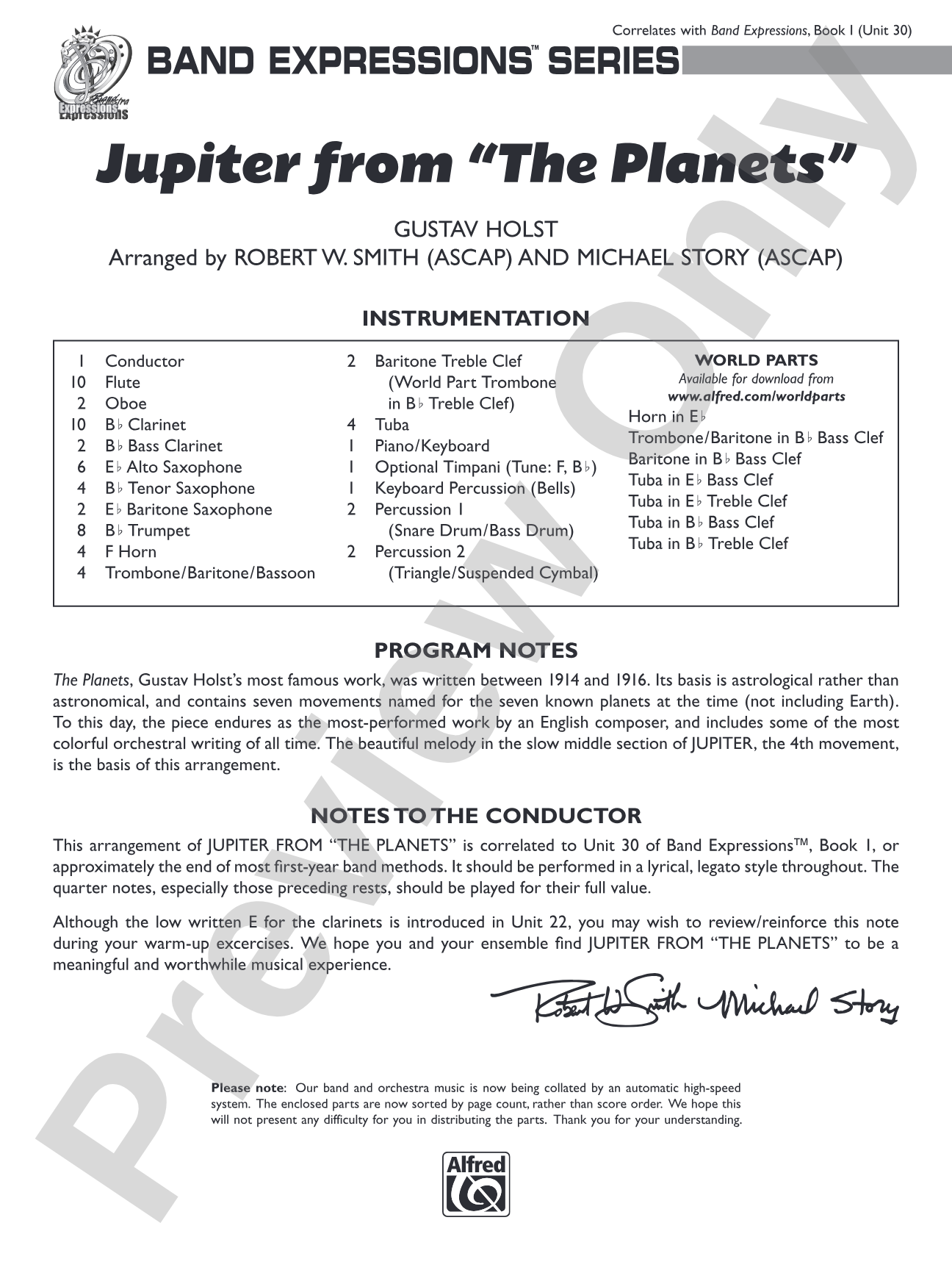
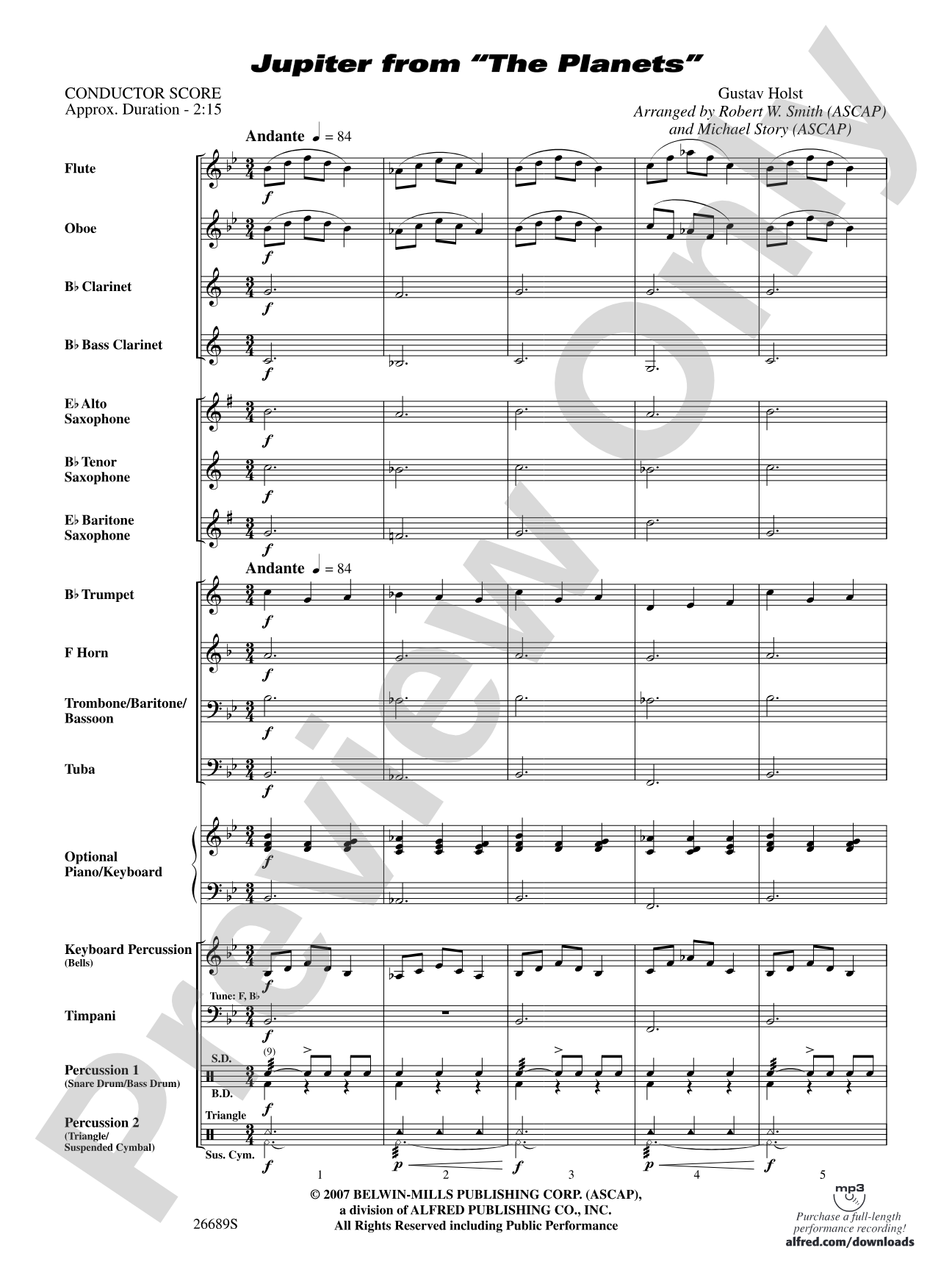
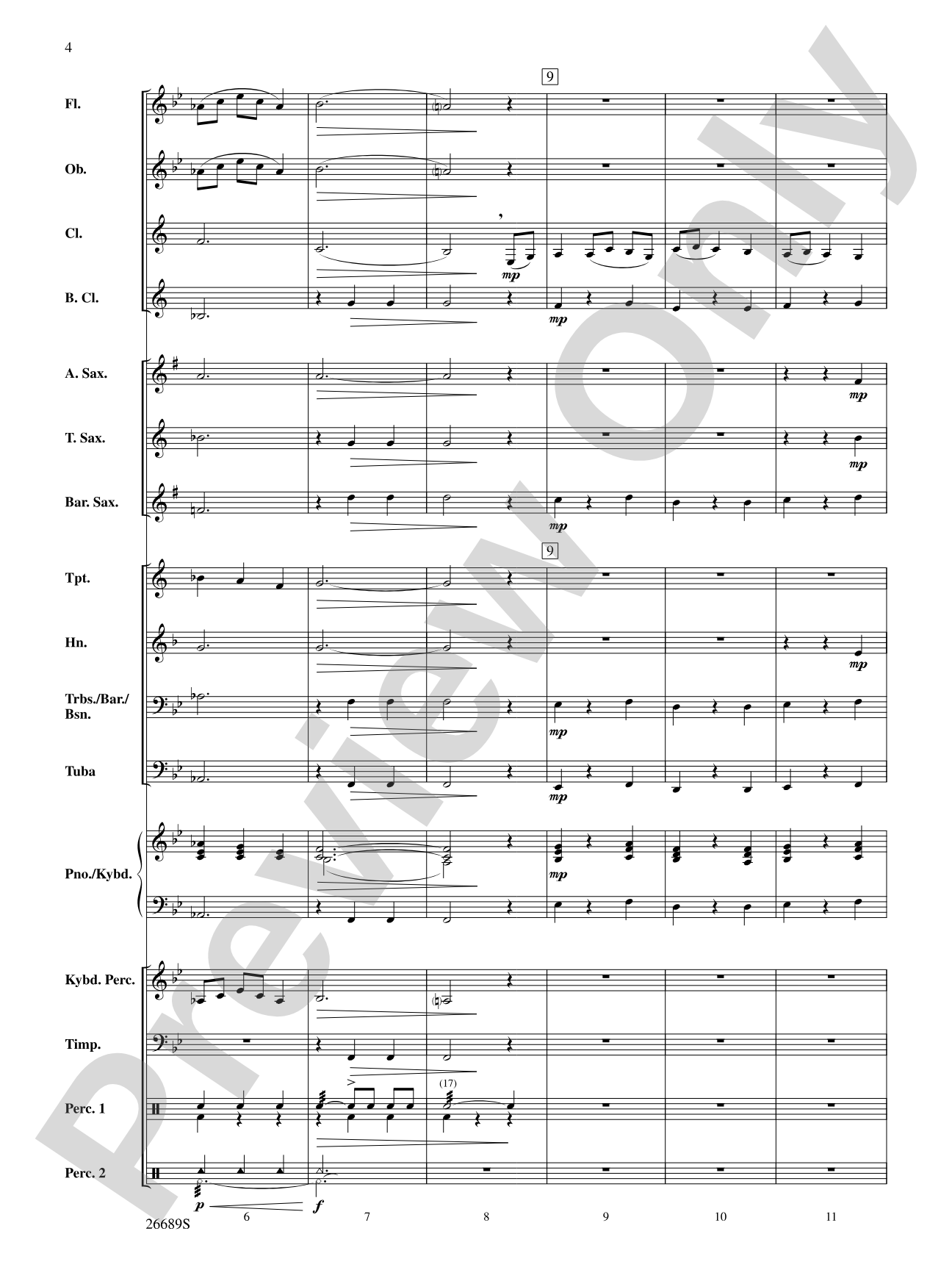
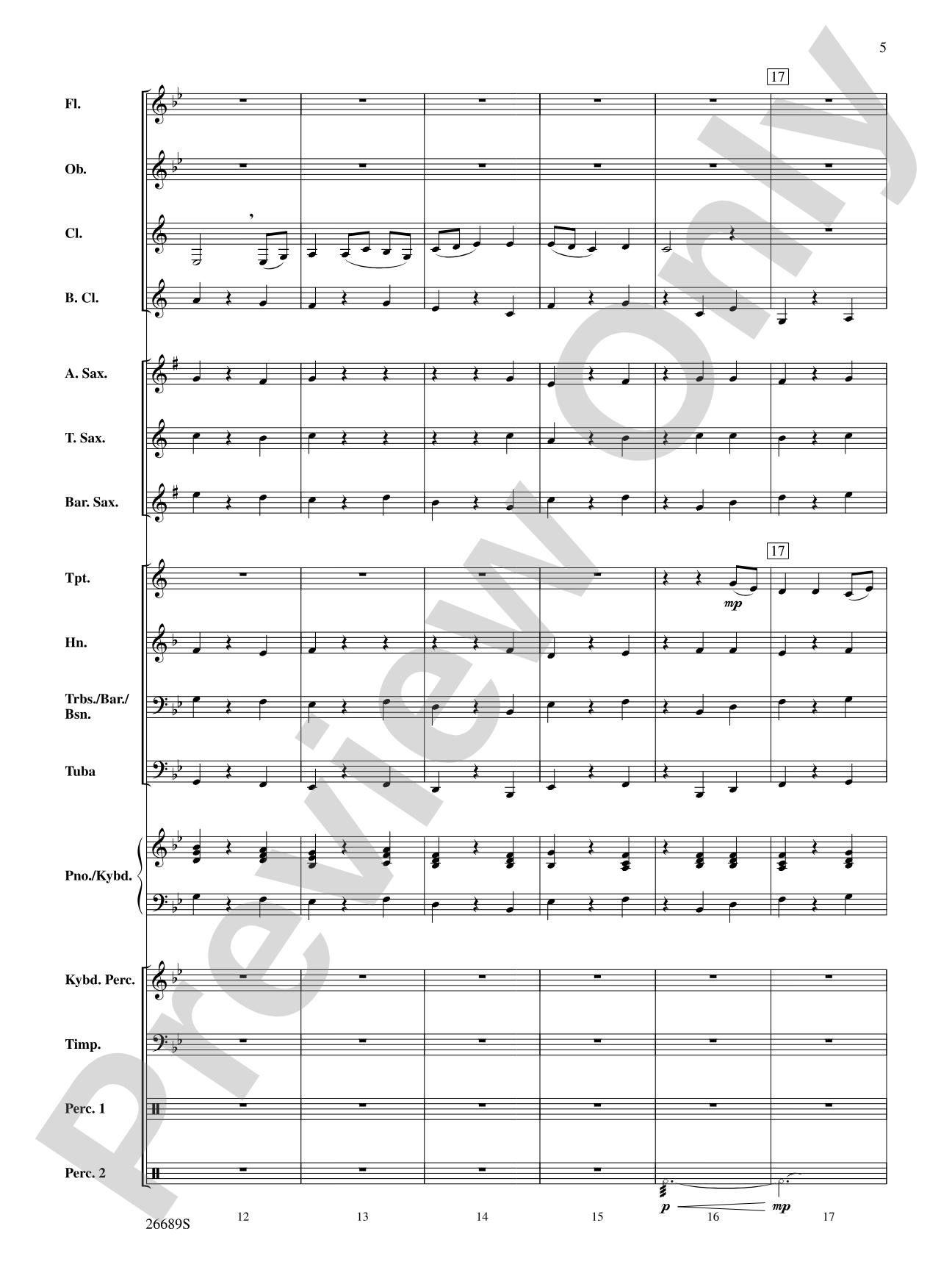
Based on the lovely melody from the fourth movement of Holst's most performed work, Jupiter has been carefully prepared for your beginners concert at the end of their first year. Although scored to compliment the end of Band Expressions™ Book One, this classic work would work well with any beginning class on their concluding program. A worthy teaching and performance choice. This title is available in MakeMusic Cloud.


Don't just read it, hear it, play along with it, and watch your students grow with it. In MakeMusic Cloud, Jupiter (from The Planets): Concert Band Conductor Score & Parts comes alive with professional accompaniment, adjustable tempo, and built-in practice tools that turn solo practice into real progress.
Open in the Player
Jump straight in and assign it today.
Start Your Free Trial
Open this title and explore the full library in minutes.
Sample Audio
1
Audio File
--:--
0:00
0:00
Sample Video
No sample videos found.
Additional Details
Series:
Band Expressions
Publisher:
Alfred Music
Page Count:
66
SKU:
00-PK-0001179
More about this title
About the Composer: Gustav Holst
Gustav Holst (1874, 1934) was an English composer whose orchestral suite The Planets stands as one of the twentieth century's most enduring works. Originally trained as a trombonist, Holst brought an instrumentalist's clarity to his writing; he understood ensemble sound from the inside and wrote with practical knowledge of what performers could achieve. His influence on music education was profound. He taught at multiple institutions, believed deeply in bringing serious composition to amateur musicians, and composed countless works specifically for school and community bands.
Why we love this
Robert W. Smith and Michael Story have distilled the essence of Holst's Jupiter into an arrangement that respects the original's grandeur while remaining genuinely playable for first-year students. The familiar, noble melody is front and center, allowing young musicians to experience the joy of performing a real masterwork without the technical obstacles that would otherwise stand in their way. This is the kind of arrangement that builds confidence and genuine musical memory in developing ensembles.
What to expect
Stately and warm. The melody carries an almost hymn-like quality, unhurried, noble, genuinely lyrical, while the supporting harmonies create an atmosphere of quiet confidence. It's the musical equivalent of standing up straight and playing something you believe in.
Who it's for
First-year concert band students who are ready to step beyond exercises and into the realm of actual repertoire. Directors closing out a beginning band year will find this arrangement offers students a meaningful capstone experience while staying within their technical grasp. This work suits any beginning class looking for an accessible yet genuinely musical addition to their final program.
How to get the most out of it
- Shape the melody with gentle dynamic swells rather than playing it straight; Holst's original phrasing breathes in four- and eight-bar phrases, and honoring that breathing makes the tune sing even at beginner tempo.
- Balance the harmonic voices below the melody so the support chords stay transparent; this arrangement's strength is its clarity, which disappears if lower voices blend into a thick background.
- Take time during sectionals to find the consistent vibrato speed in the melody line, whether that's sustained winds, mellow brass, or both, unified tone production elevates this arrangement noticeably.
How to use it
This is an ideal finale or major work on a first-year band concert, offering genuine musical substance that audiences recognize and respect. Pair it with other accessible arrangements or short original works at the Grade 1 level to showcase how much your students have accomplished in their first year. The work also fits naturally into a year-end or spring concert where you want to celebrate both progress and the beauty of established classical music.
Skills your students will build
- Sustaining long melodic lines with control and direction
- Balance between melody and harmonic accompaniment
- Consistent tempo maintenance across multiple sections
- Dynamic shaping and phrasing in a slow to moderate tempo
- Ensemble blend in tutti passages with mixed articulations