Journey the Night Cover Image

Journey the Night: 3-Part Mixed Choral Octavo

$2.50 USD
Sale price  $2.50 USD Regular price 
Skip to product information
Journey the Night Cover Image

Journey the Night: 3-Part Mixed Choral Octavo

Words and music by Lisa Longe

Item: 00-51388

makemusic Cloud badge

Need it now?

Buy Digital Version
$2.50
Shipped

One moment…

Description
"In darkness, we see more than we know." This haunting 6/8 original is carefully crafted for developing groups with moderate-range voice parts and a supportive, uncomplicated accompaniment. Poetic lyrics about the mystique and wonder of nighttime evoke sounds of singing shadows. Composed mostly in D minor, the final bars soften and slow with an uplifting shift to the relative major. The tonality seamlessly fluctuates between D minor and F major, symbolizing both the darkness and the glow of night.

Don't just read it, hear it, play along with it, and watch your students grow with it. In MakeMusic Cloud, Journey the Night: 3-Part Mixed Choral Octavo comes alive with professional accompaniment, adjustable tempo, and built-in practice tools that turn solo practice into real progress.

Sample Pages

Sample Audio
0:00
0:00
Sample Video
Additional Details
Series: Alfred Choral Designs
Publisher: Alfred Music
Page Count: 12
UPC: 038081588865
SKU: 00-51388

More about this title

About the Composer: Lisa Longe
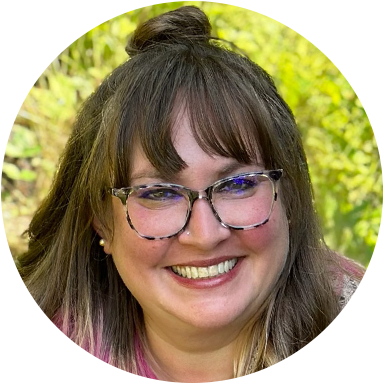
Lisa Longe

Lisa Longe brings two decades of classroom experience to her compositions, having shaped young musicians across instrumental and choral programs in Schenectady City Public Schools. Her training spans music education at the Crane School of Music (SUNY Potsdam), where she earned both bachelor's and master's degrees, plus additional study in Christian spirituality at Fordham University.

While Longe spent her first five years teaching general music, she found her deepest professional satisfaction in instrumental instruction and choral accompaniment. She considers the voice of children singing among the most beautiful sounds in music education, and her compositions reflect a genuine understanding of what developing singers need to grow.

Why we love this

The tonal language here rewards careful listening. Rather than settling into one key, Longe lets D minor and F major coexist throughout, creating harmonic tension that mirrors the poem's exploration of darkness and light. Your singers will feel the architecture of this piece; the final modulation isn't a trick but an earned resolution that leaves the ensemble (and audience) in a contemplative place.

What to expect

Contemplative and mysterious, with a hushed quality that invites listeners into private reflection on the beauty hidden in darkness. The final bars release tension gently, like finding light after long passages of shadow, creating a moment of quiet uplift that lingers after the piece ends.

Who it's for

Developing SAB choirs with secure pitch and basic blend in place. The moderate vocal ranges and uncomplicated accompaniment make this accessible for middle school through early high school ensembles, while the poetic sophistication and harmonic subtlety keep it intellectually engaging for more advanced groups.

How to get the most out of it

  • Treat the 6/8 meter as a gentle pulse rather than a quick march. Let the dotted rhythms breathe, especially in lyrical passages where the text about shadows dominates.
  • The minor-to-major shift in the final bars needs deliberate tempo adjustment. Begin pulling back the tempo a few measures before the key change, so the shift to F major arrives as a natural softening rather than a sudden turn.
  • Layer dynamic control carefully across your three parts. Even in unison moments, encourage singers to listen for how their voice balances against the accompaniment's gentle support.
  • Use the recorded accompaniment to lock ensemble entrances during rehearsal, but eventually ask singers to listen to each other rather than the track. This piece rewards interdependence among the three parts.

How to use it

This works beautifully as a quieter moment in a concert program, especially effective following an energetic opener. It also pairs well with other secular pieces exploring nature or introspection, and its moderate length makes it a strong festival or contest selection where artistic interpretation matters as much as technical display.

Skills your students will build

  • Reading and sustaining 6/8 meter with proper rhythmic phrasing
  • Singing through tonal ambiguity (shifting between D minor and F major)
  • Blending three-part SAB voicing with independent melodic lines
  • Responding to textual imagery through dynamic and tonal shaping
  • Listening across parts to maintain ensemble cohesion in slower tempos

You May Also Like
