
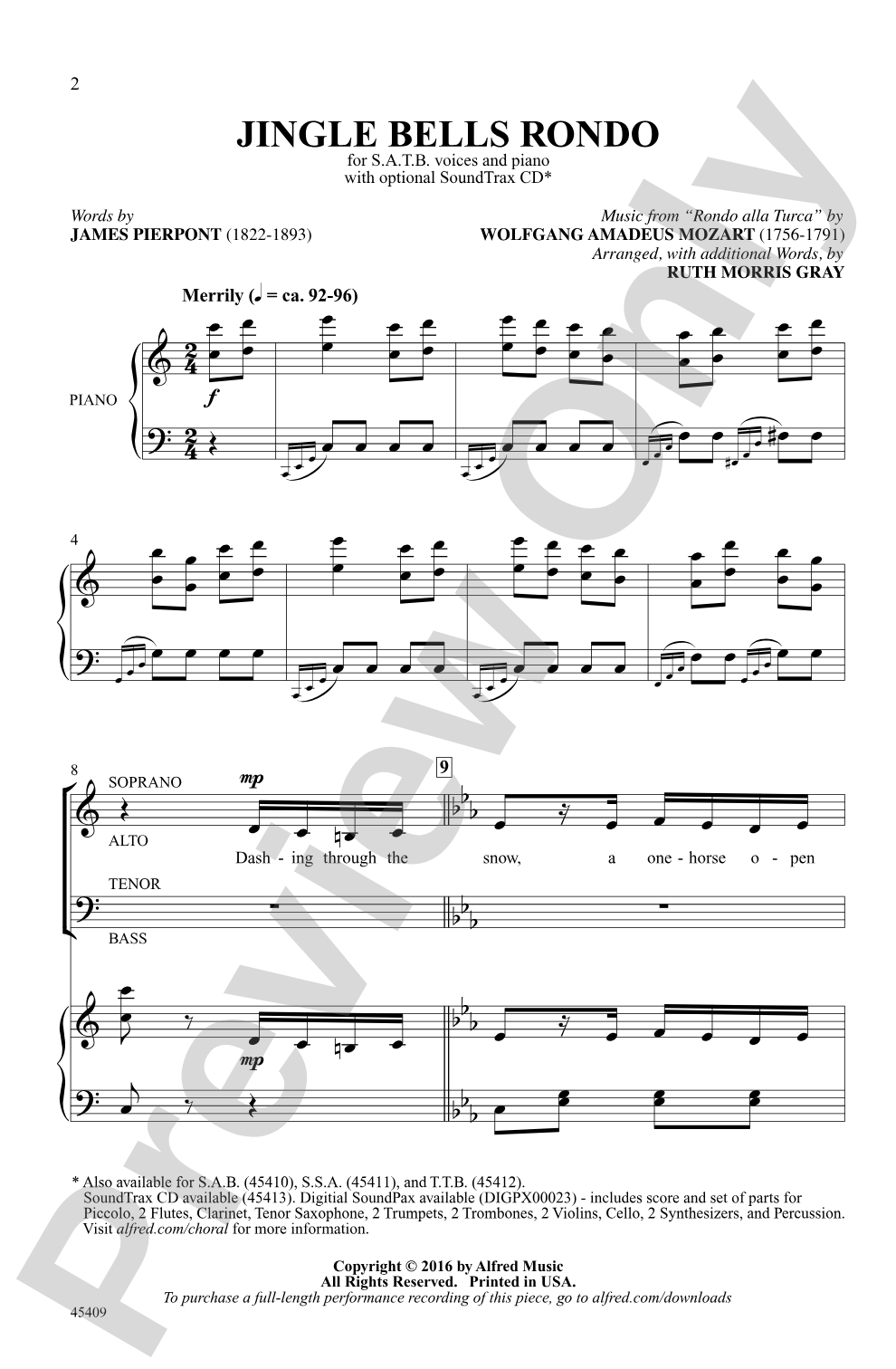
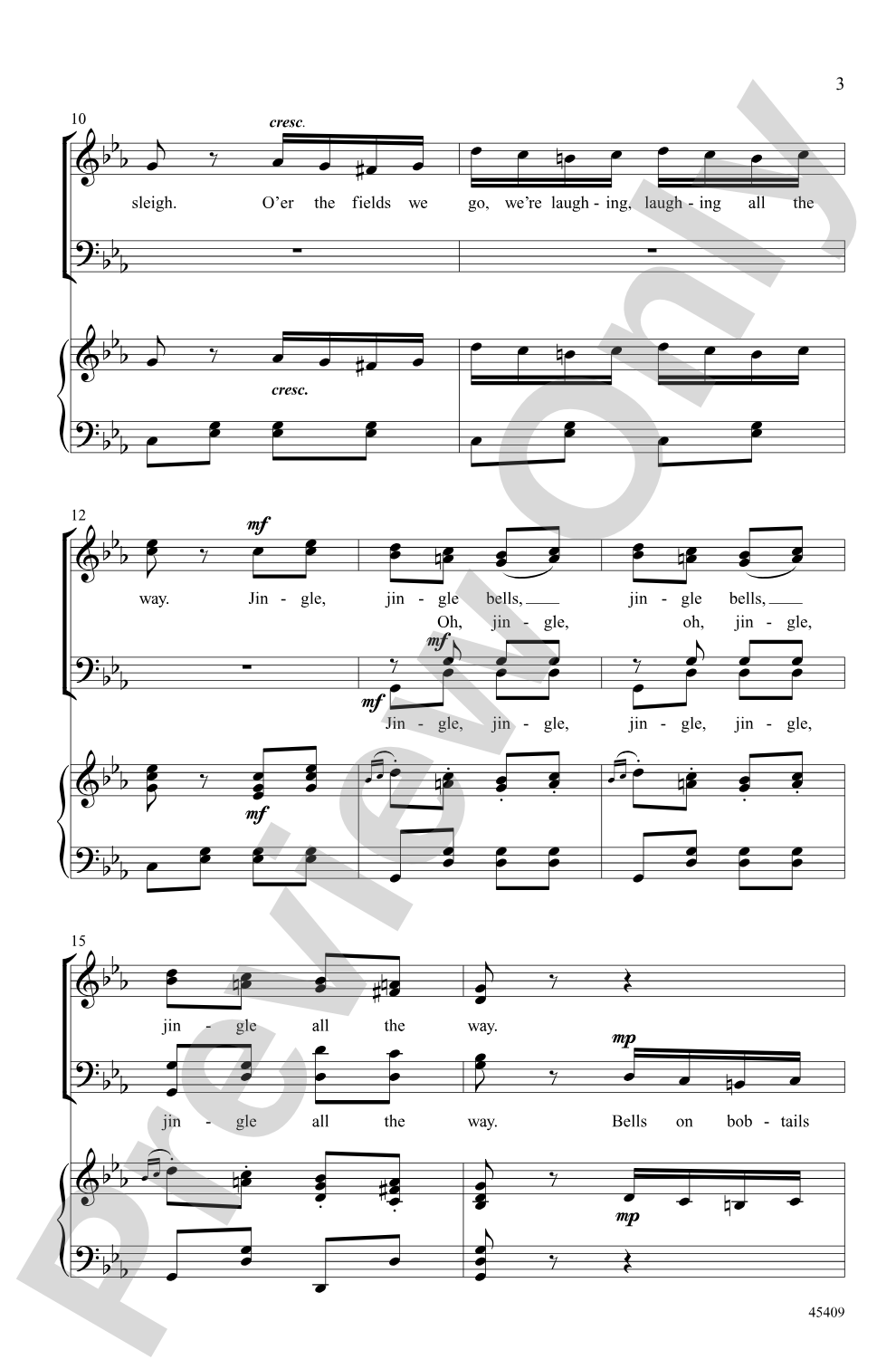
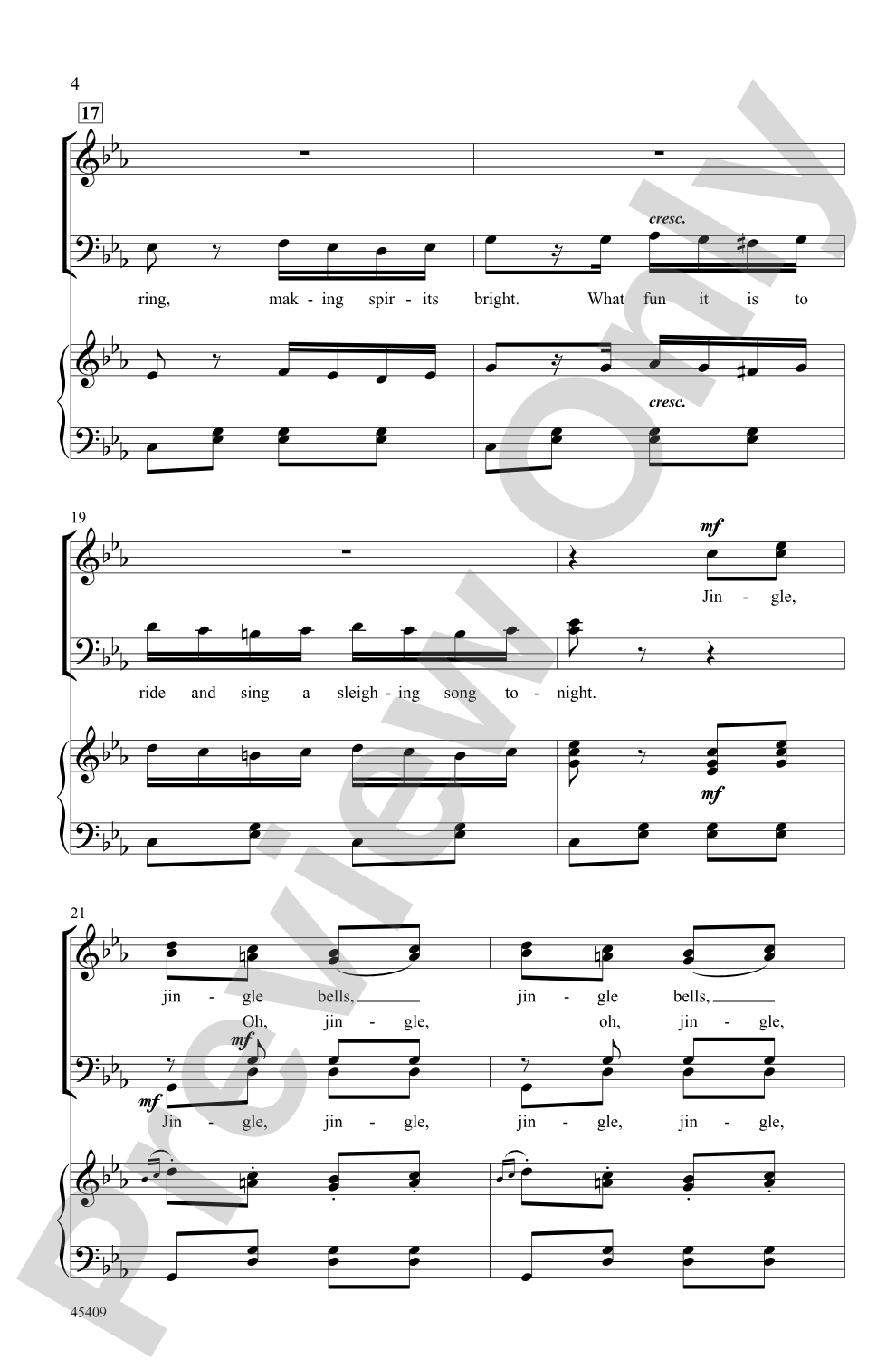
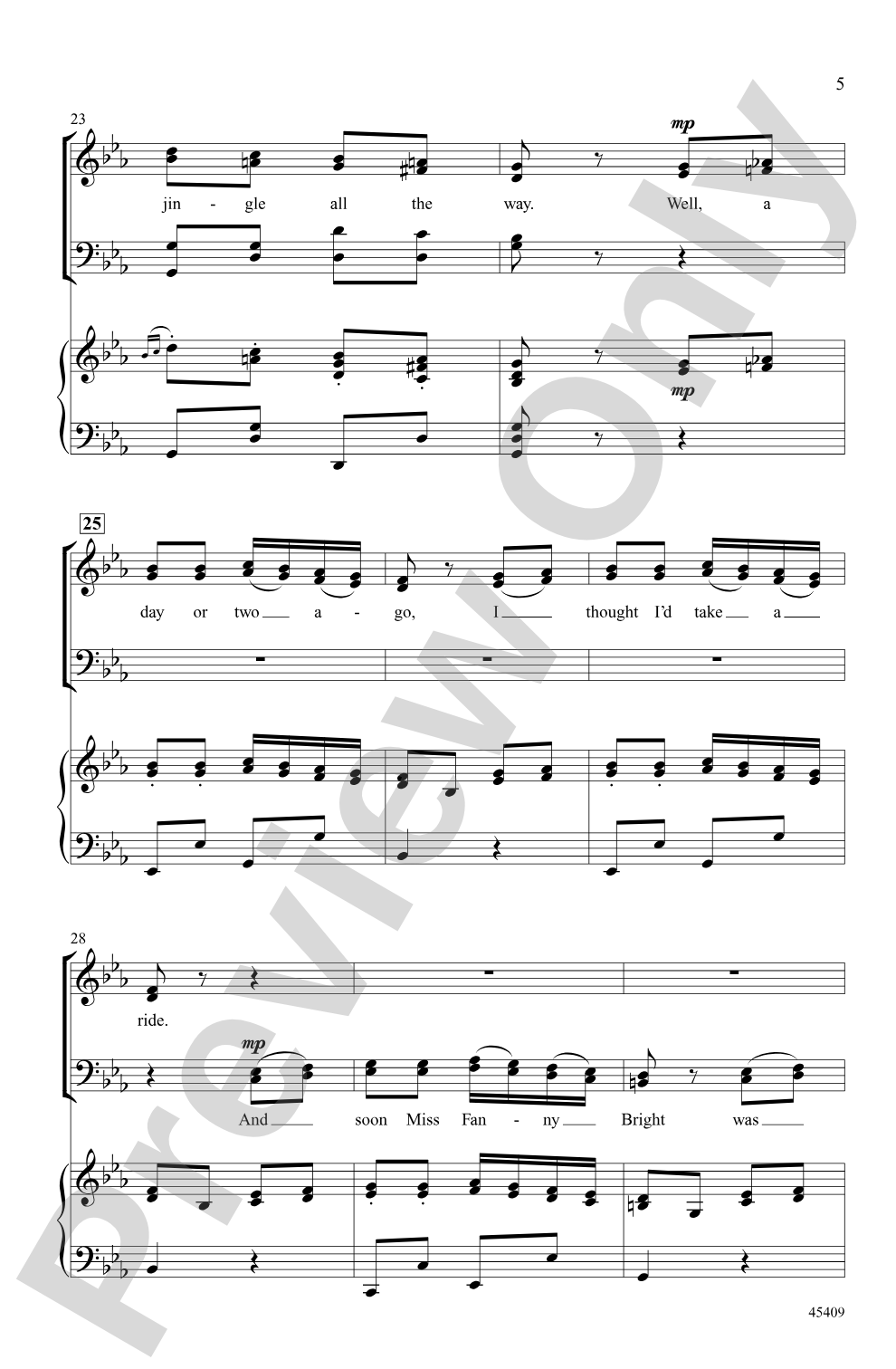

Jingle Bells Rondo: SATB Choral Octavo
Music from "Rondo alla Turca"
Words by James Pierpont, music by Wolfgang Amadeus Mozart / arr., with additional words, by Ruth Morris Gray
Item: 00-PO-0003654

$2.15
Minimum order quantity: 20 copies
Pickup currently not available
Related Items
Jingle Bells Rondo: SoundTrax Digital Audio Download |
$27.99
|
View | |
Jingle Bells Rondo: SAB Choral Octavo |
$2.15
|
View | |
Jingle Bells Rondo: SSA Choral Octavo |
$2.15
|
View | |
Jingle Bells Rondo: TTB Choral Octavo |
$2.15
|
View | |
Jingle Bells Rondo: Choral SoundPax |
$60.00
|
View | |
Jingle Bells Rondo: SATB Choral Octavo |
$2.15
|
View | |
Jingle Bells Rondo: SAB Choral Octavo |
$2.15
|
View | |
Jingle Bells Rondo: SSA Choral Octavo |
$2.15
|
View | |
Jingle Bells Rondo: TTB Choral Octavo |
$2.15
|
View | |
Jingle Bells Rondo: Choral Octavo SoundTrax CD |
$27.99
|
View | |
Jingle Bells Rondo: Choral SoundPax |
$60.00
|
View |
Description
Mozart's "Rondo alla Turca" is the basis for this innovative twist on "Jingle Bells!" Your audience will love catching the rapid text as the familiar and sequential melody is volleyed through the choir. Pierpont's rarely-heard third verse is a hoot. "Oh, what fun it is!"


Don't just read it, hear it, play along with it, and watch your students grow with it. In MakeMusic Cloud, Jingle Bells Rondo: SATB Choral Octavo comes alive with professional accompaniment, adjustable tempo, and built-in practice tools that turn solo practice into real progress.
Open in the Player
Jump straight in and assign it today.
Start Your Free Trial
Open this title and explore the full library in minutes.
Sample Audio
1
Audio File
--:--
0:00
0:00
Sample Video
Additional Details
Series:
Alfred Choral Designs
Publisher:
Alfred Music
Page Count:
20
SKU:
00-PO-0003654
More about this title
About the Composer: Wolfgang Amadeus Mozart
Wolfgang Amadeus Mozart (1756-1791) composed across every major genre of his era with astonishing facility and invention. His instrumental works, particularly his keyboard sonatas and rondos, showcase a gift for melody that feels both effortless and architecturally precise. The "Rondo alla Turca" from his Piano Sonata No. 8 in A Major remains one of the most recognizable pieces of classical music, beloved for its infectious rhythmic drive and the exotic sonorities of its "Turkish" style.
Mozart's influence on choral music education runs deep, even when his works arrive in contemporary arrangements. His clarity of texture and economy of means make his music ideal for teaching fundamental musical concepts: phrasing, voice leading, and the balance between melodic interest and harmonic support. Generations of students have learned musicianship through Mozart's compositions.
Why we love this
Ruth Morris Gray's arrangement captures the playfulness of the original rondo while threading "Jingle Bells" through it in a way that feels genuinely clever rather than gimmicky. The inclusion of Pierpont's third verse adds humor and context that prevents the piece from feeling like a novelty. Directors get a showstopper that demonstrates sophisticated voice writing while remaining thoroughly accessible and fun to rehearse.
What to expect
The piece sparkles with Mozartian elegance and charm, zipping along with the infectious momentum of a rondo while maintaining the melodic warmth of "Jingle Bells." There's genuine joy in the interplay of voices and the clever way the familiar tune weaves through the texture, creating moments of harmonic surprise that feel both classical and playful.
Who it's for
This arrangement serves choirs at the intermediate to advanced level who want to program something witty and musically substantial without sacrificing the holiday spirit. It works equally well for mixed-voice ensembles in schools, community choruses, and churches looking for a secular offering that still feels festive.
How to get the most out of it
- Establish a steady tempo that lets the text articulation shine; rushed delivery will muddy the rapid text volleying between sections.
- Shape the melodic line as it passes from part to part, treating each section as a relay rather than allowing the tune to blur across voices.
- Balance the comic timing of the third verse carefully; Pierpont's text lands best when rhythms are clean and diction is crisp.
- Use the recorded accompaniment to lock in the rondo's characteristic energy and to model the intended tempo and rhythmic precision.
How to use it
Program this as the centerpiece of a mixed holiday concert, ideally pairing it with more reverent selections to showcase the full range of your choir's repertoire. It also serves as an excellent closer for a concert or festival performance, leaving the audience smiling without sacrificing musical credibility.
Skills your students will build
- Rapid text articulation and clarity in ensemble singing
- Following melodic lines as they transfer between voice parts
- Classical rondo form recognition and structure
- Stylistic understanding of Mozart's musical language
- Diction and comedic timing in secular choral music