
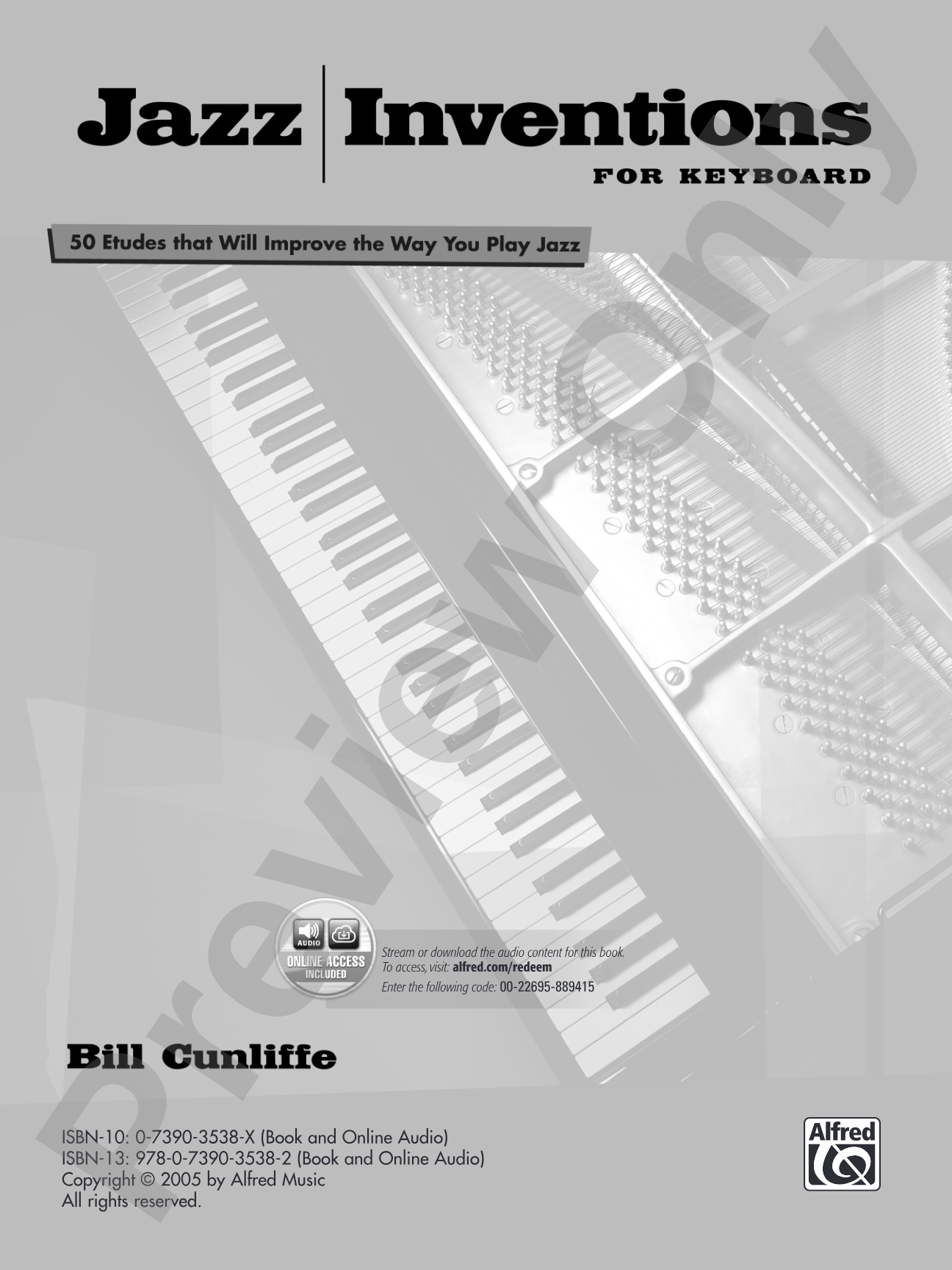

Jazz Inventions for Keyboard: 50 Etudes That Will Improve the Way You Play Jazz: Piano
50 Etudes That Will Improve the Way You Play Jazz
By Bill Cunliffe
Item: 00-PB-0002216
$25.99
Pickup currently not available
Description
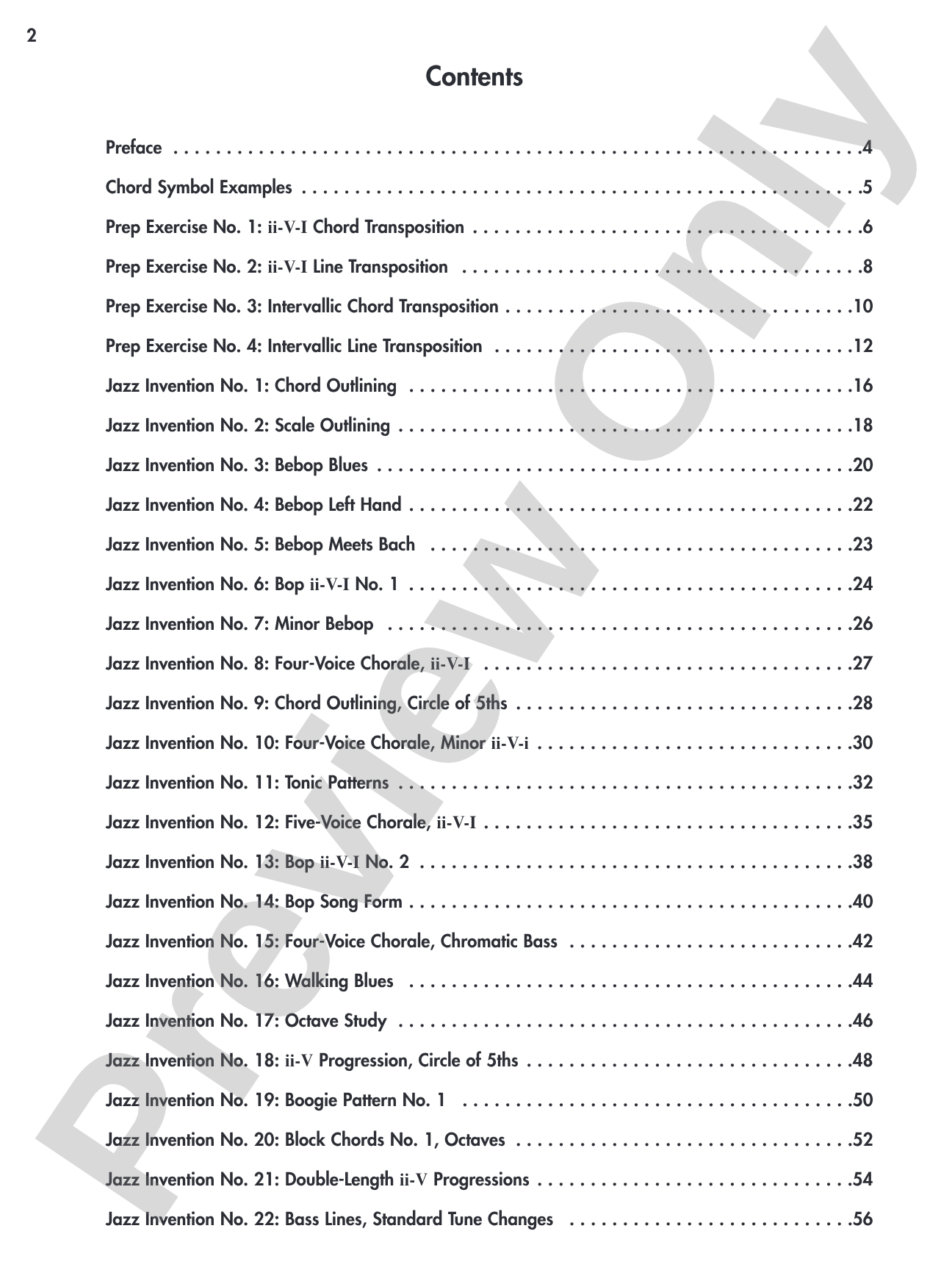
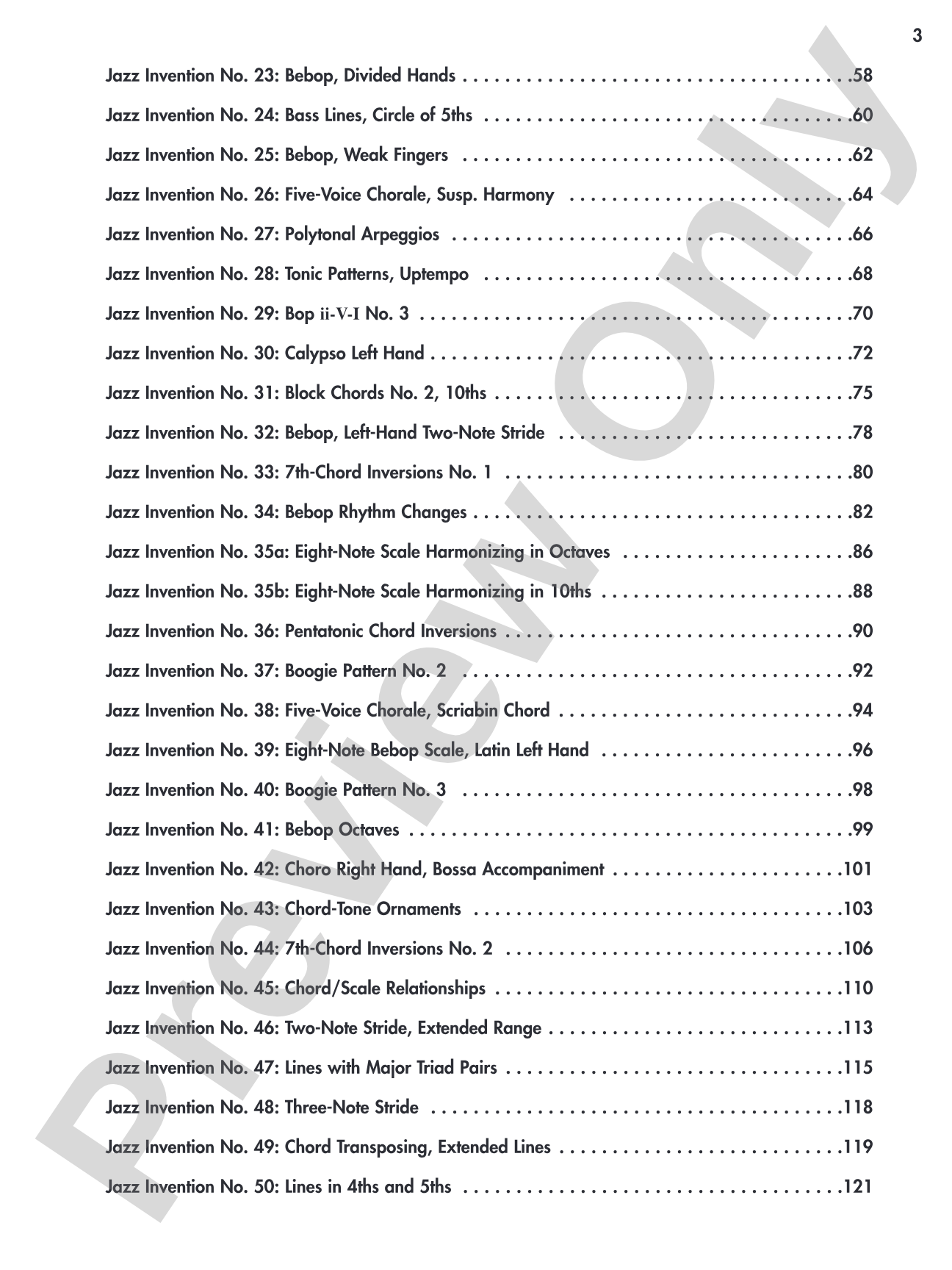
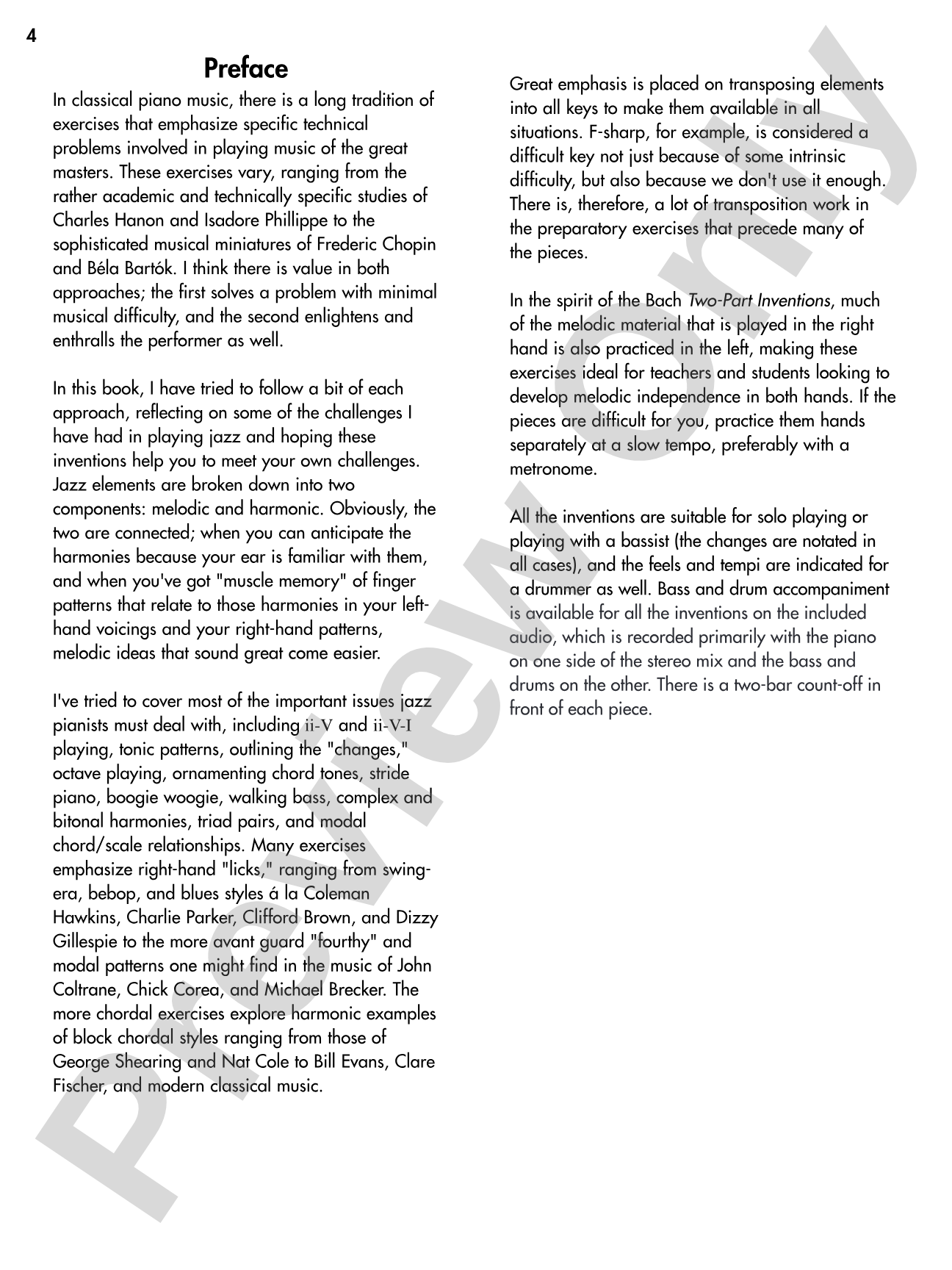
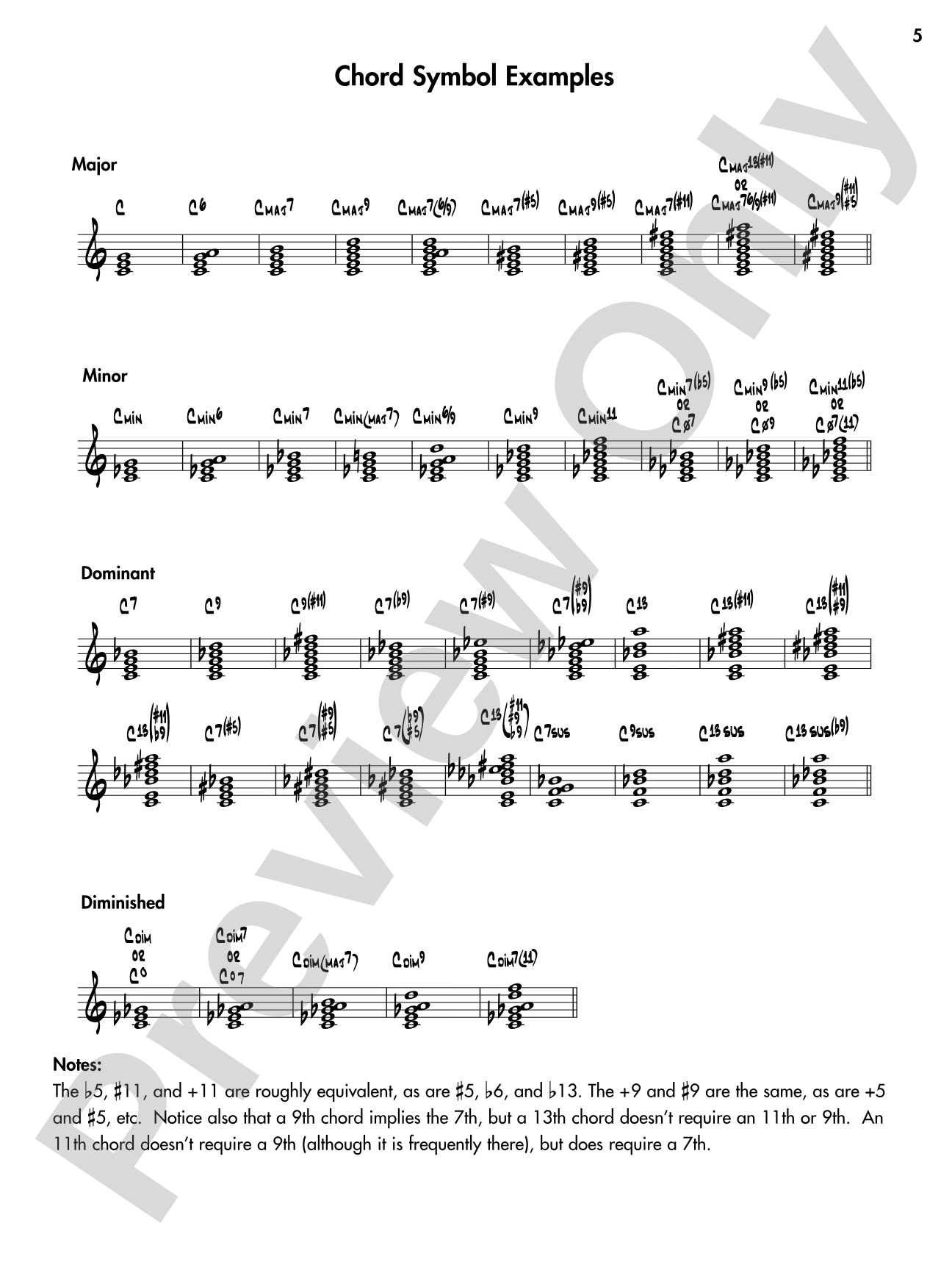
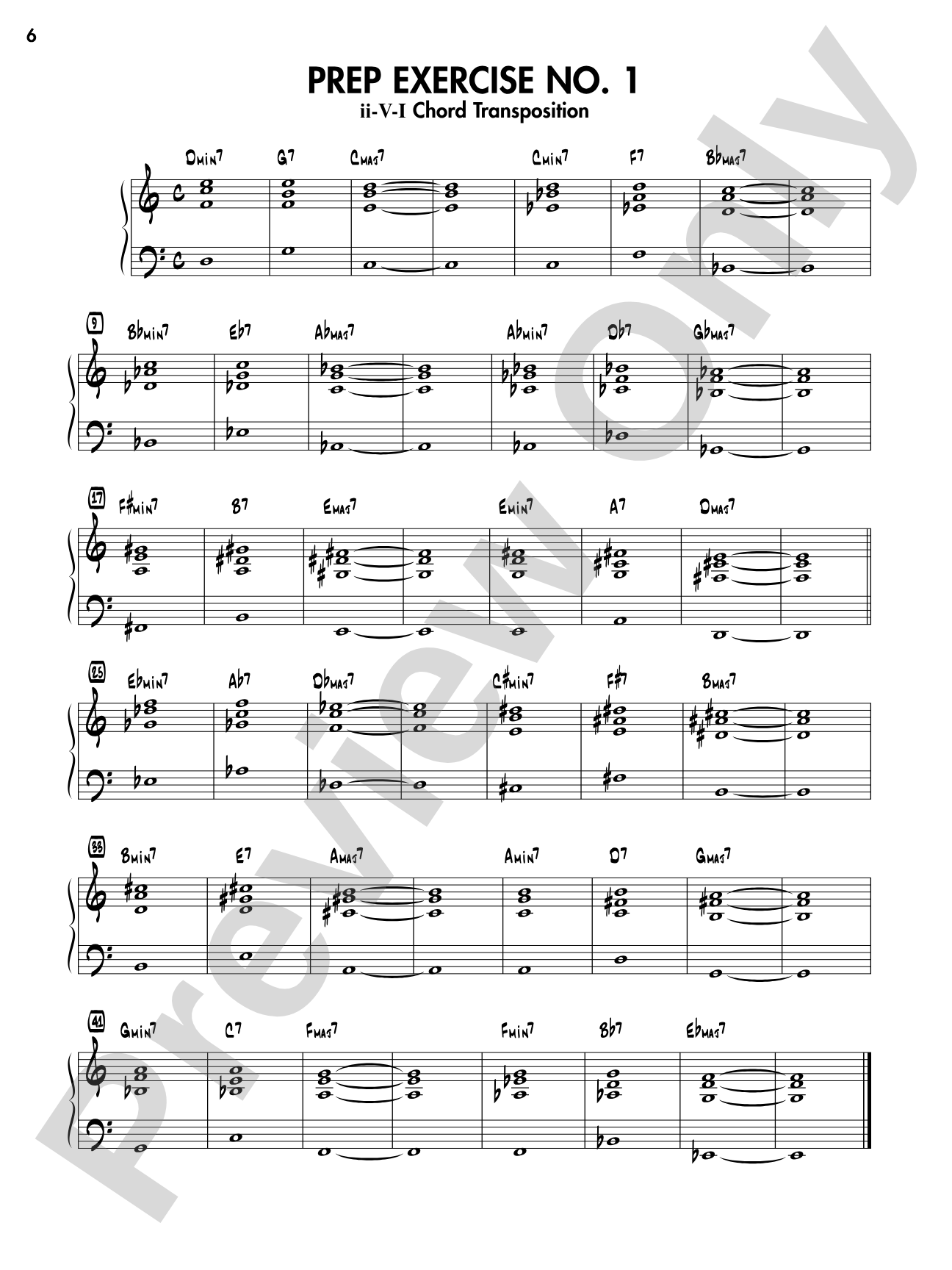
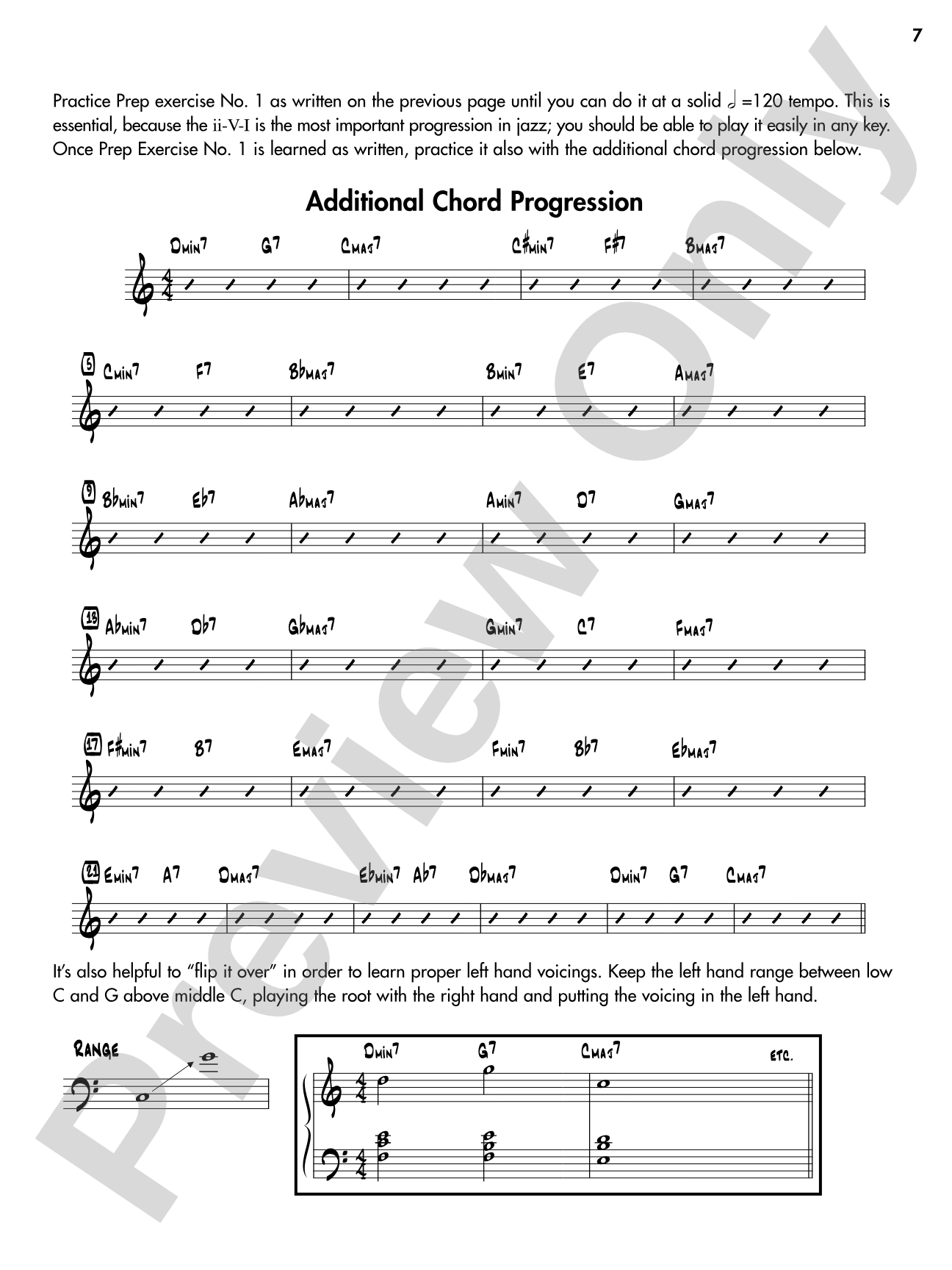
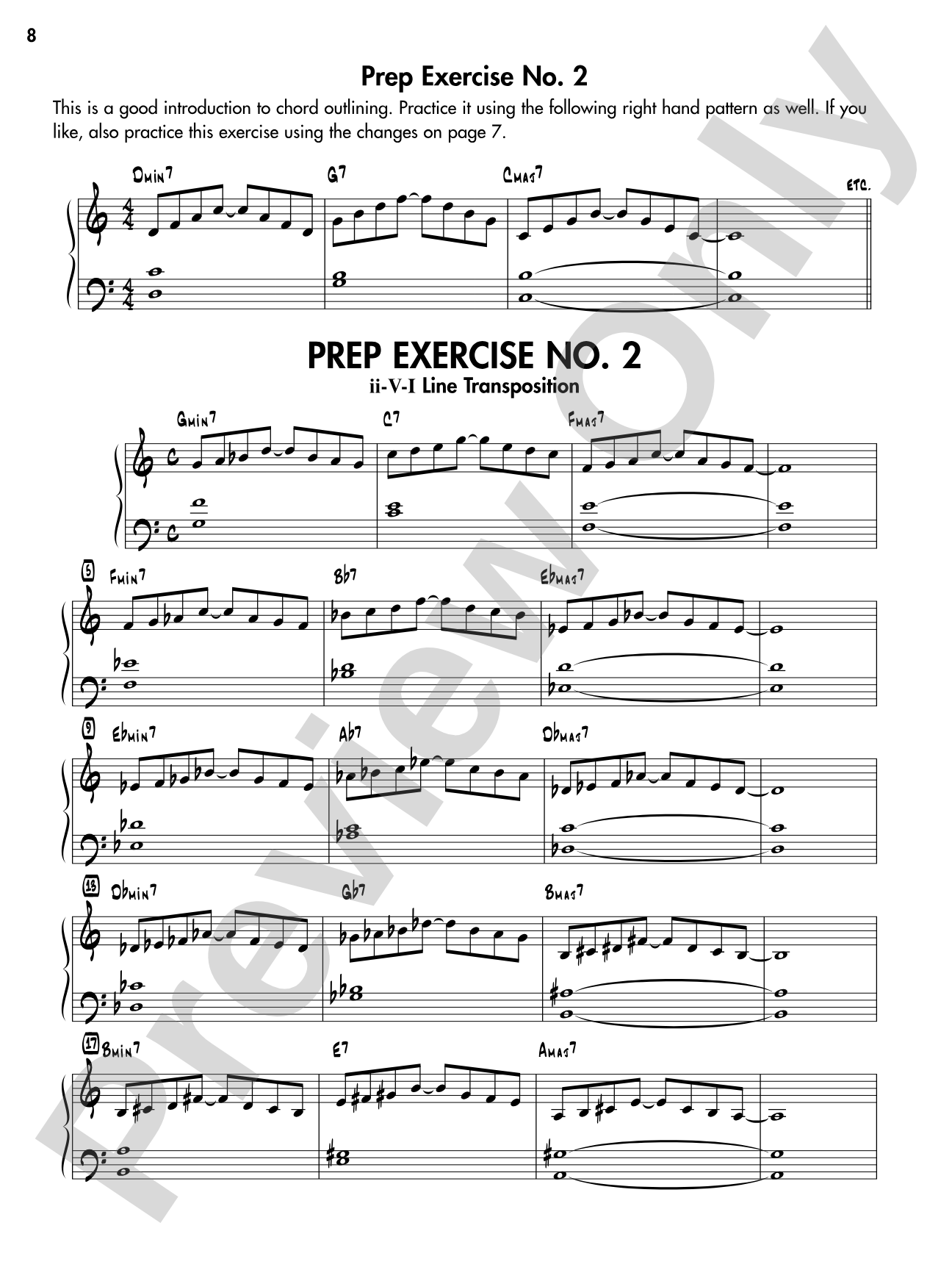
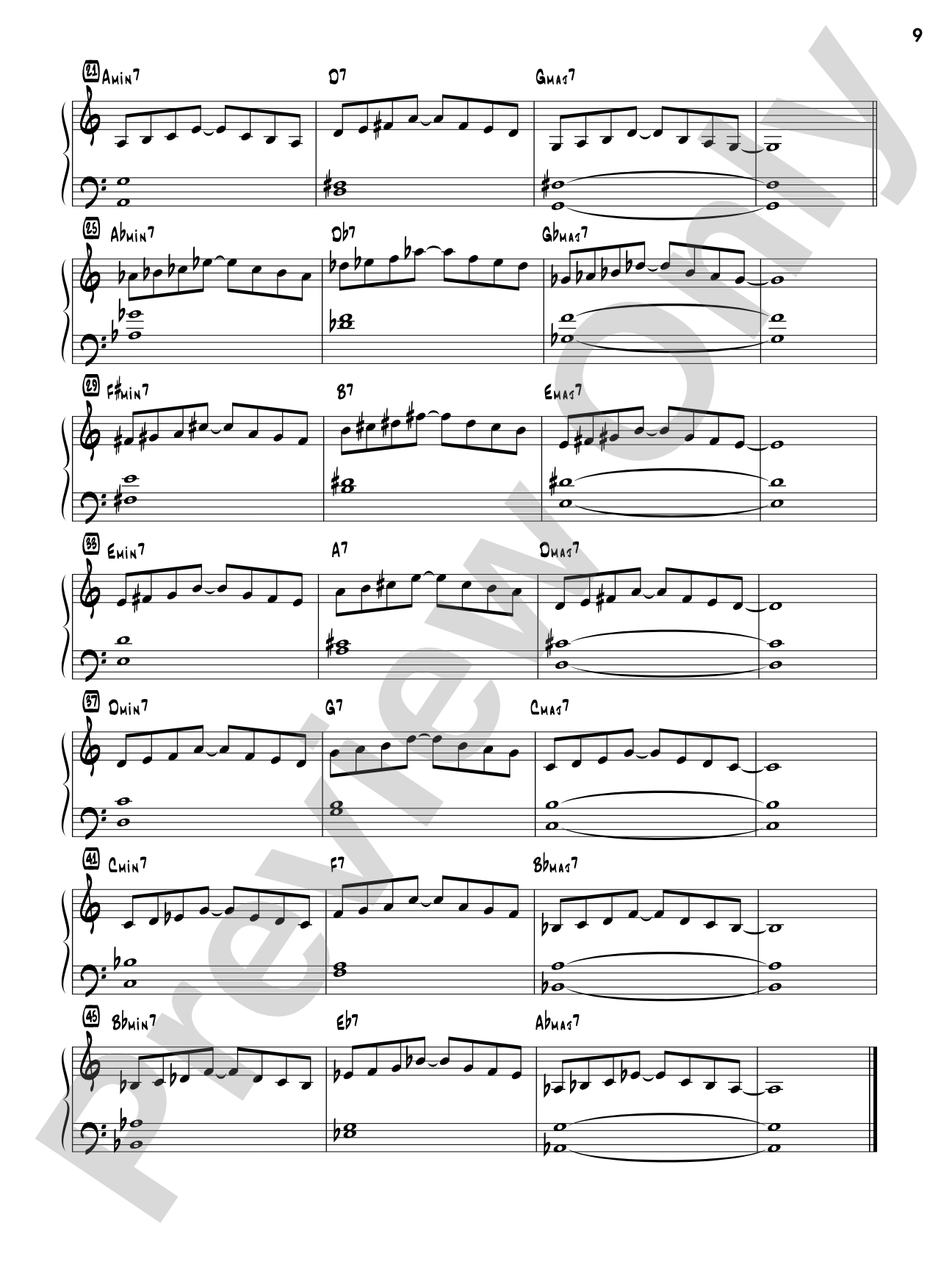
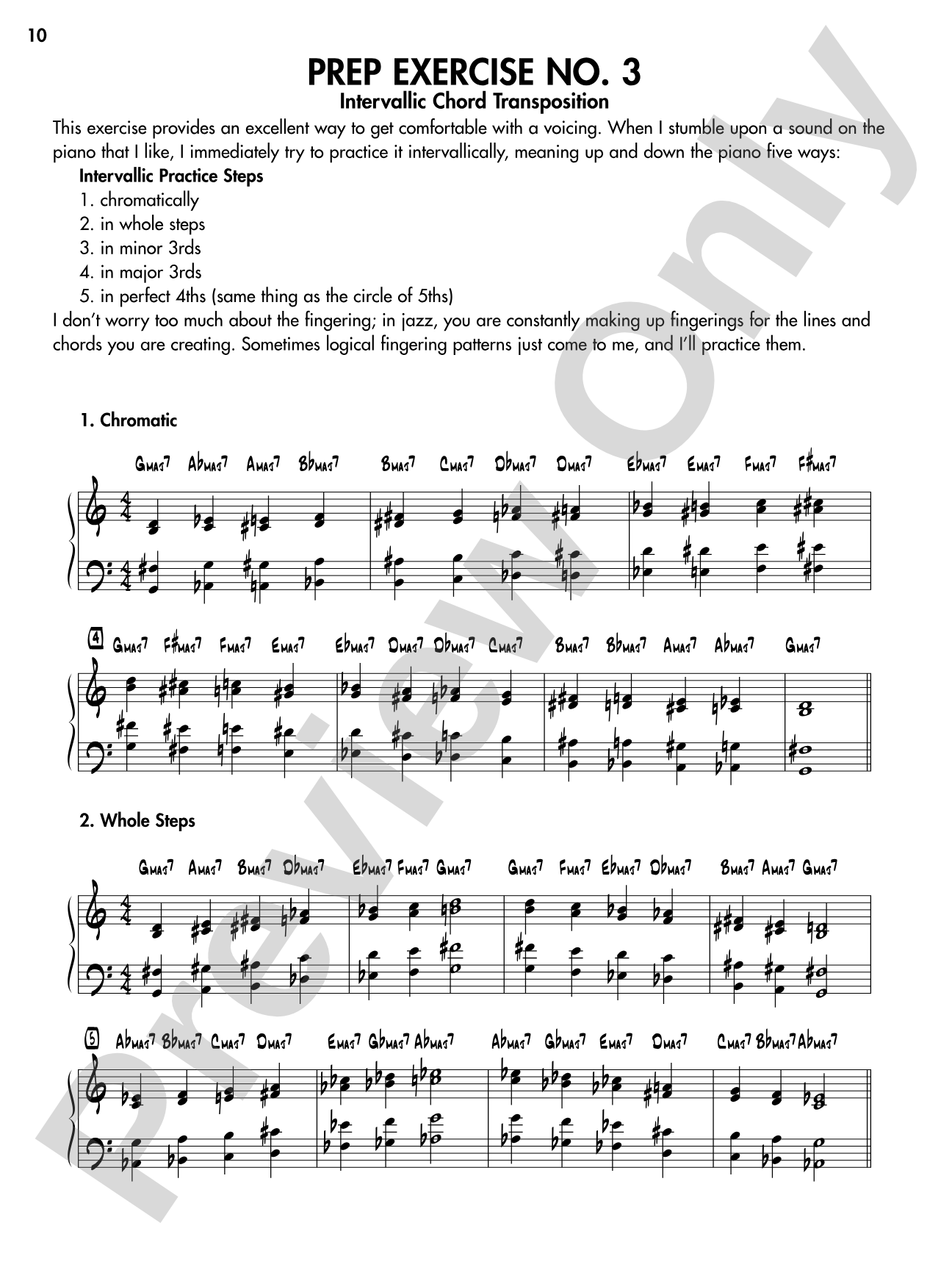
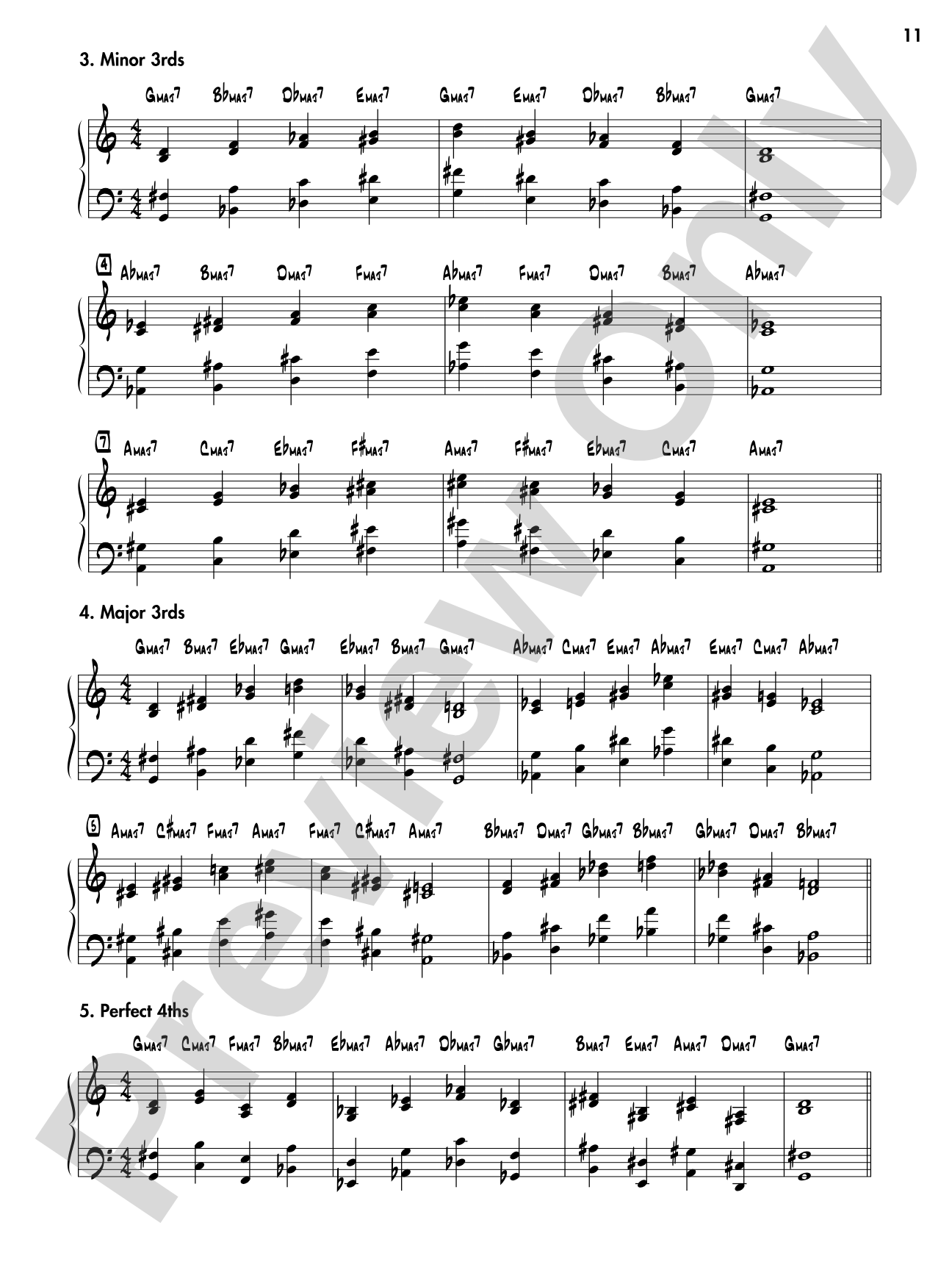
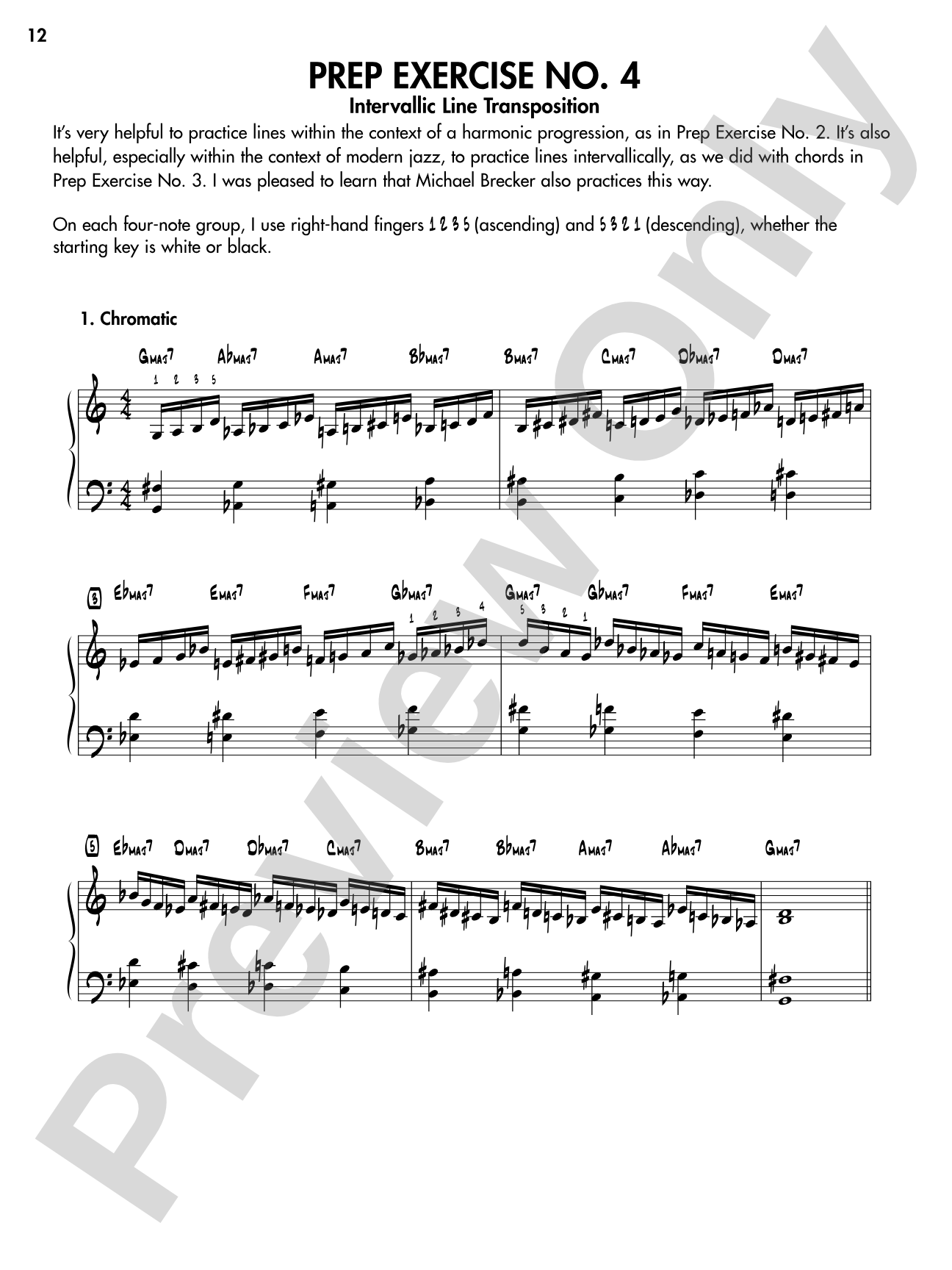
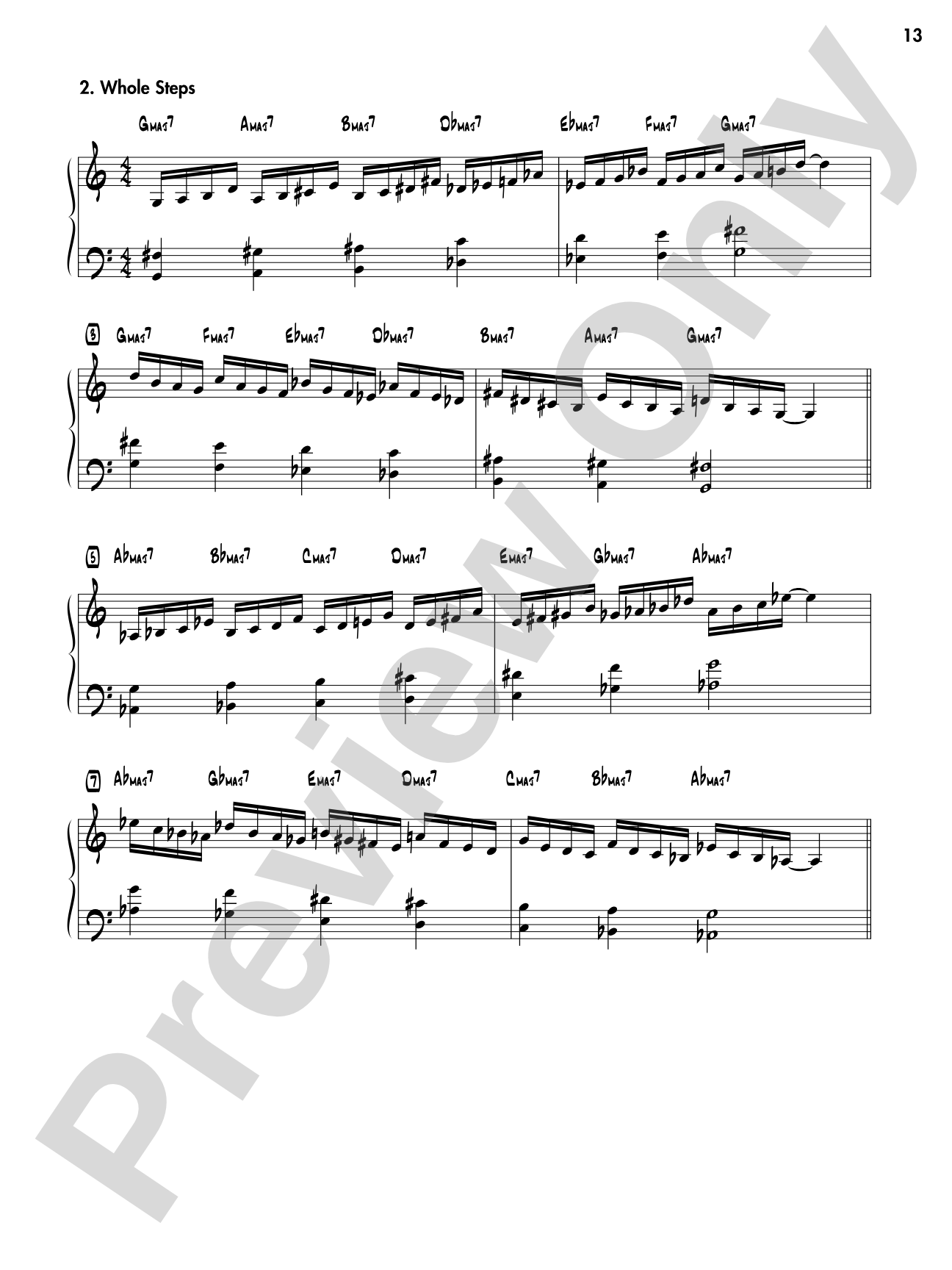
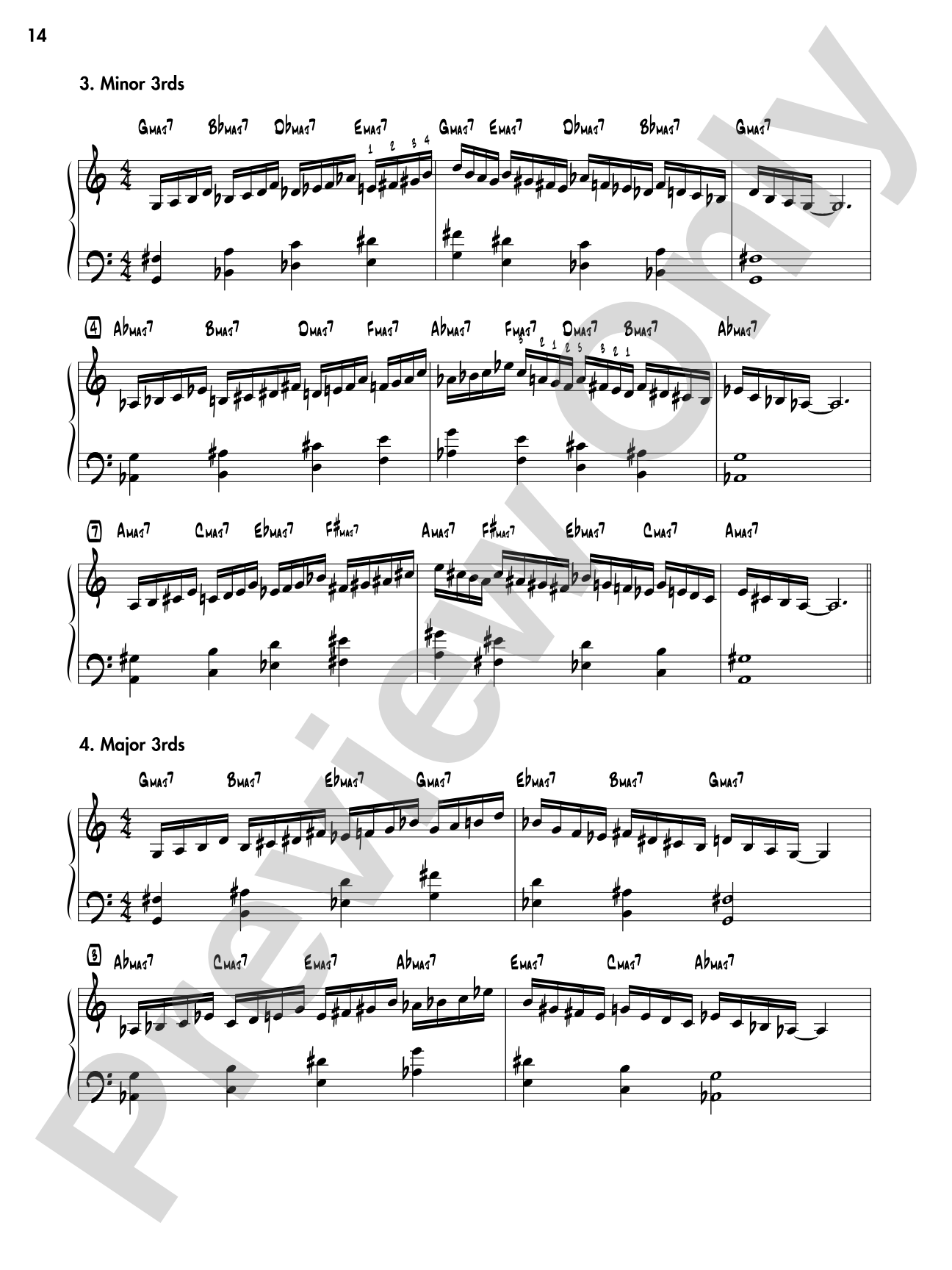
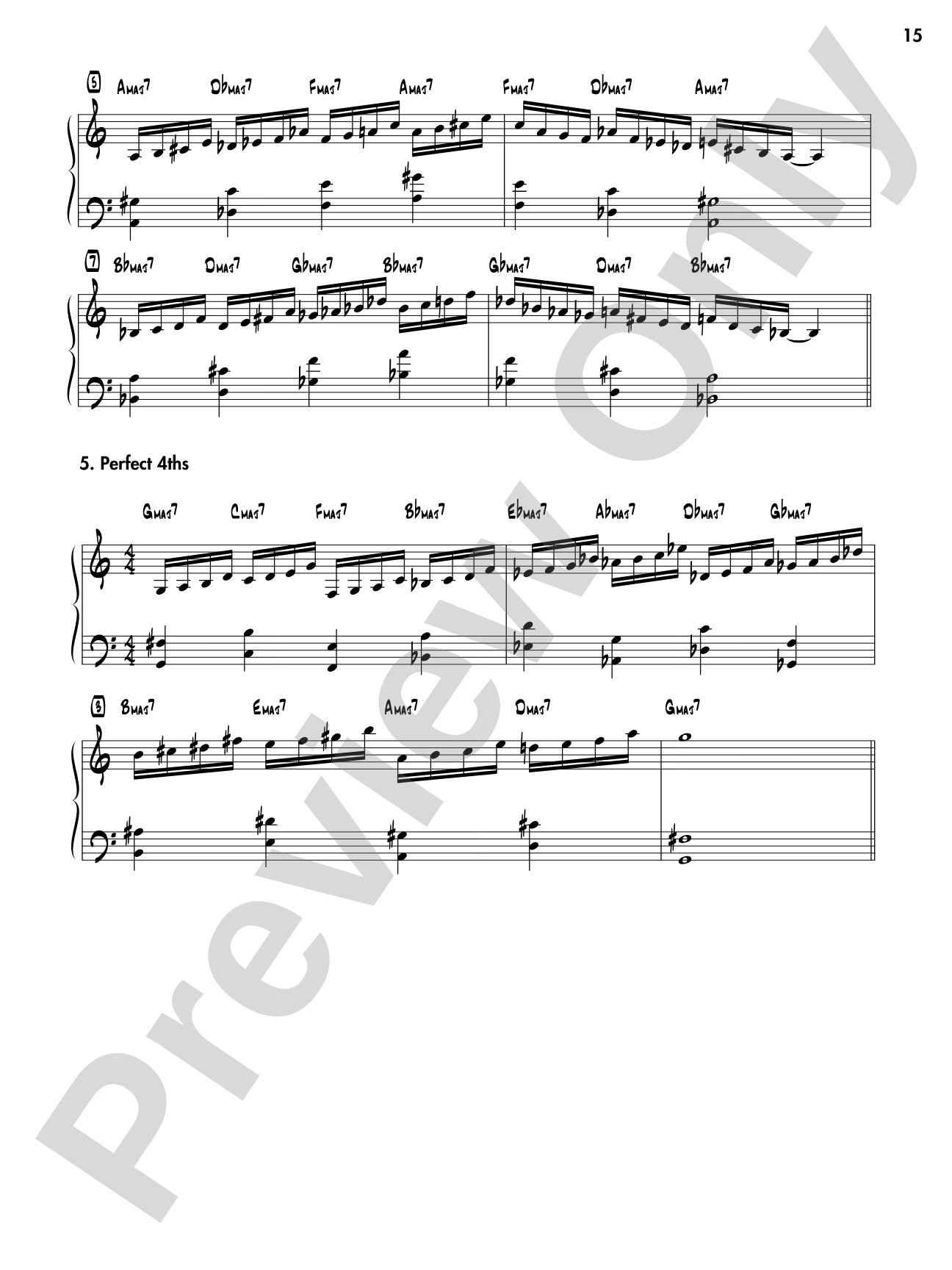
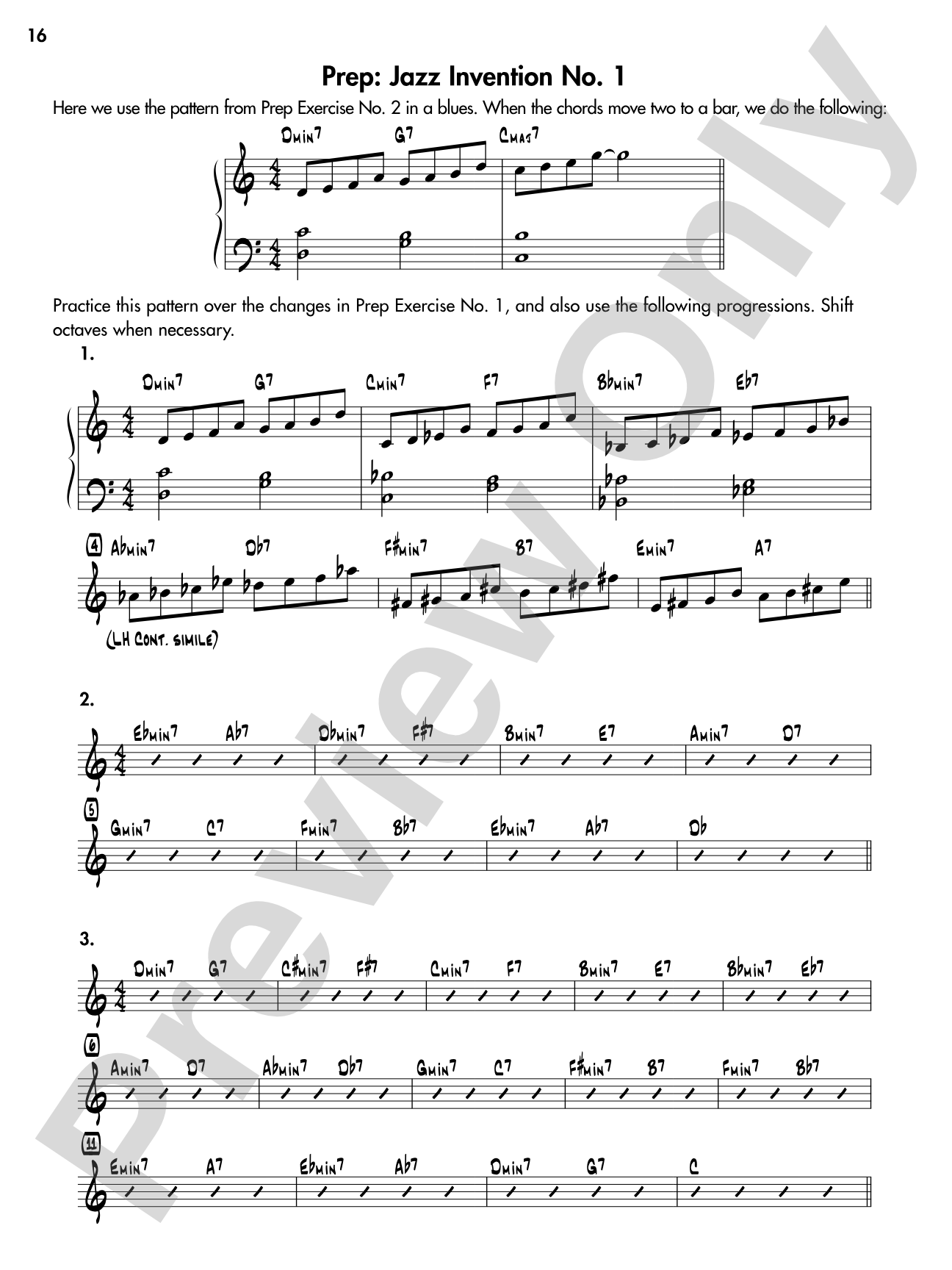
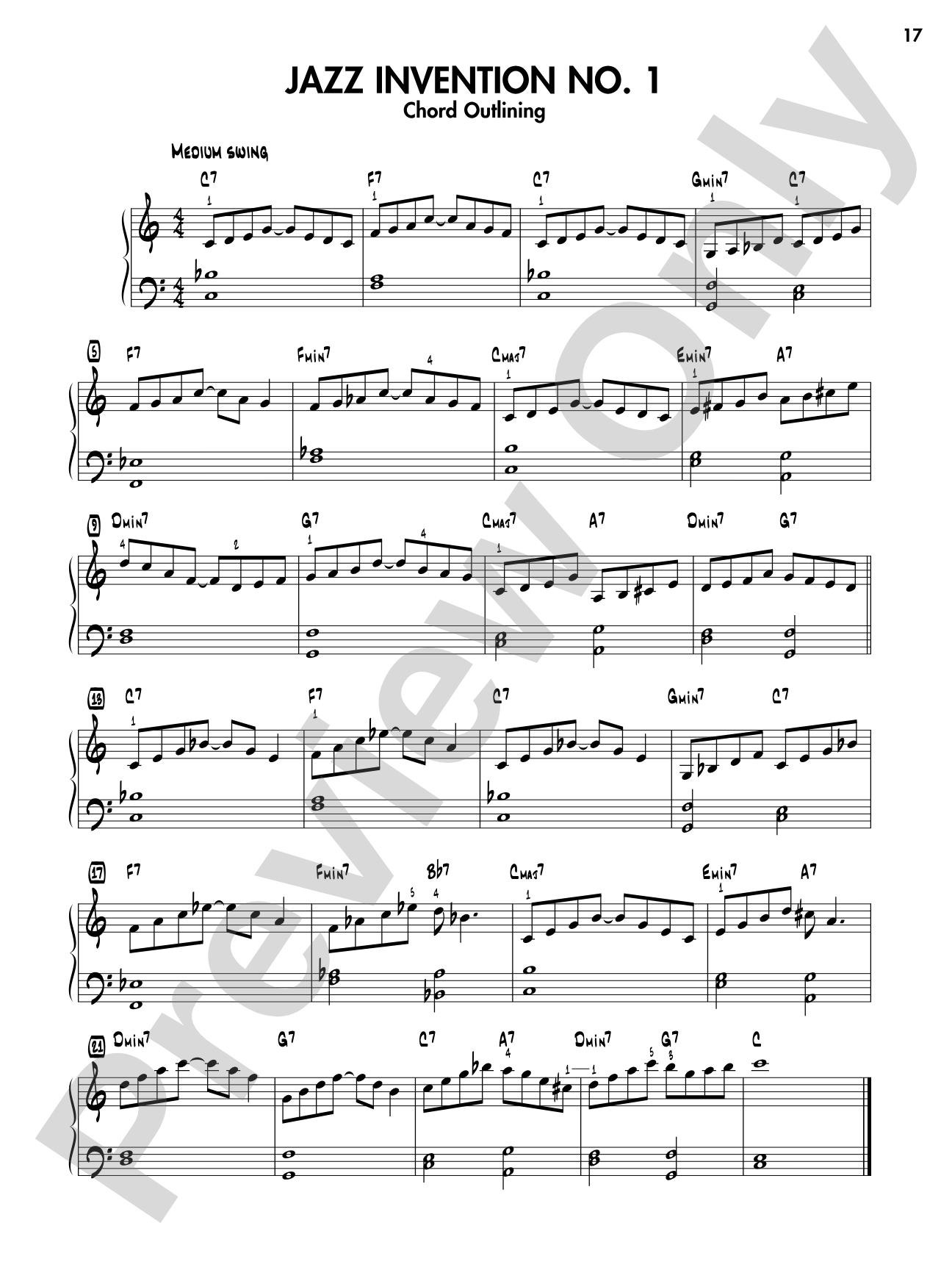
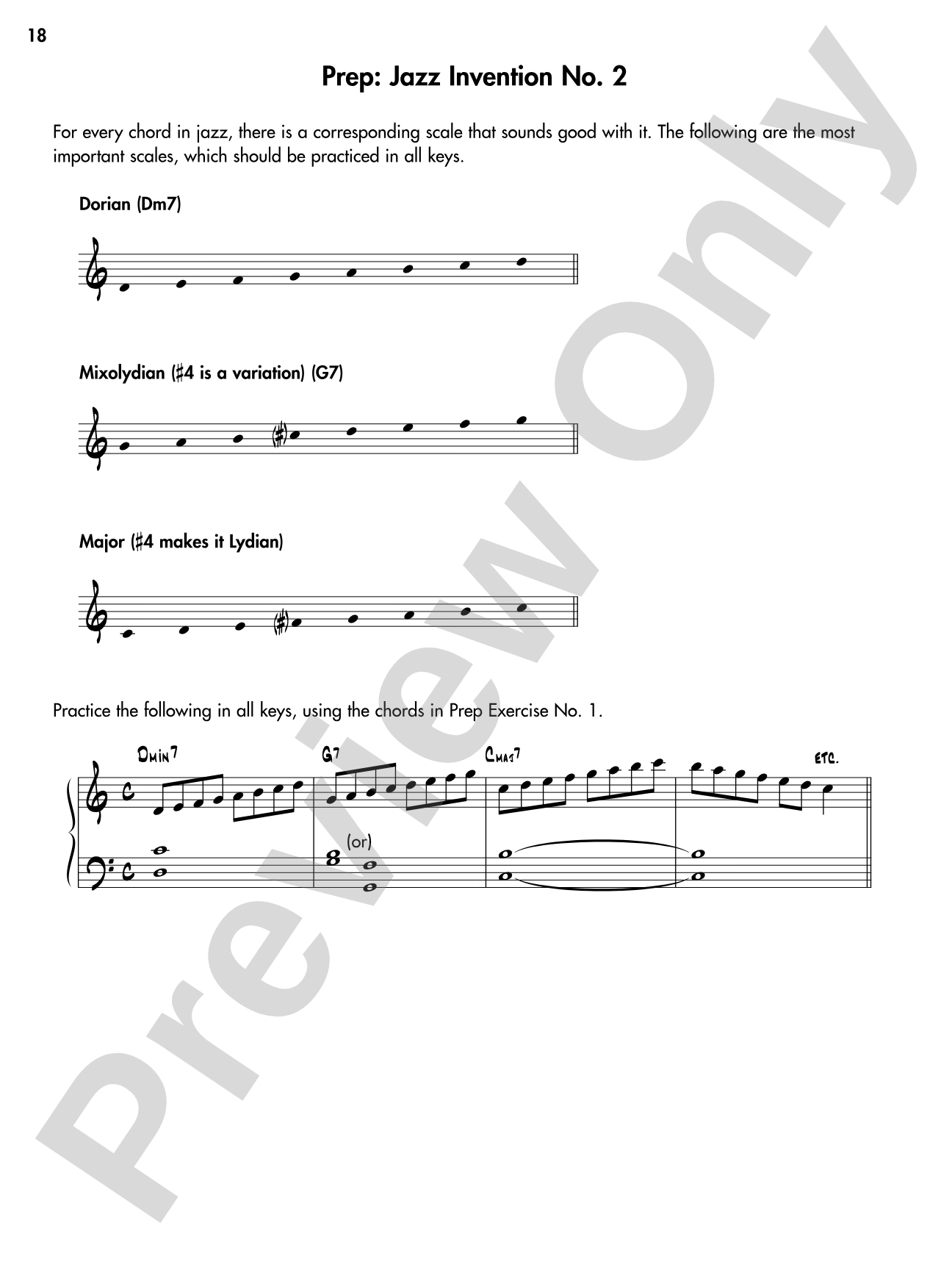
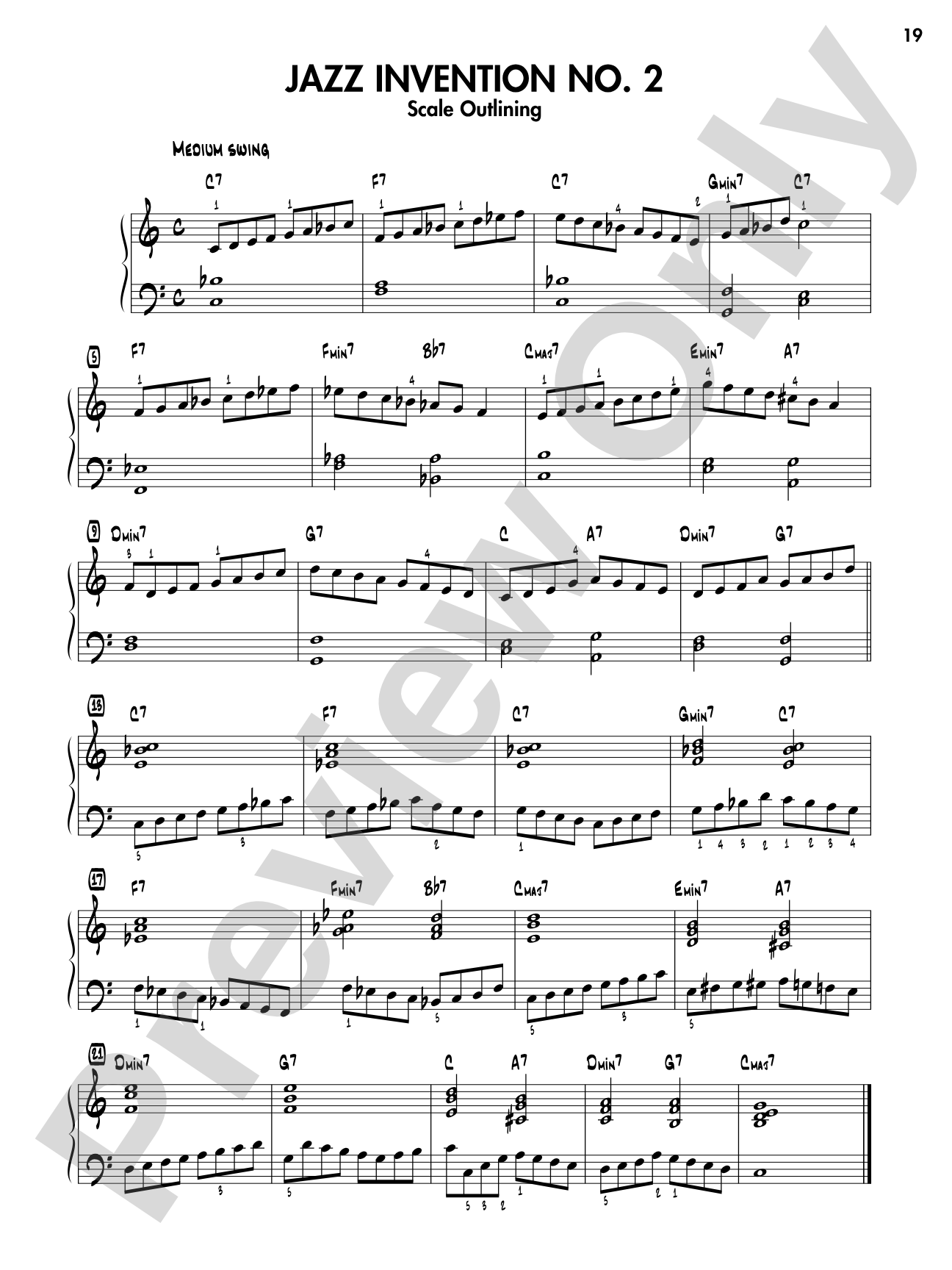
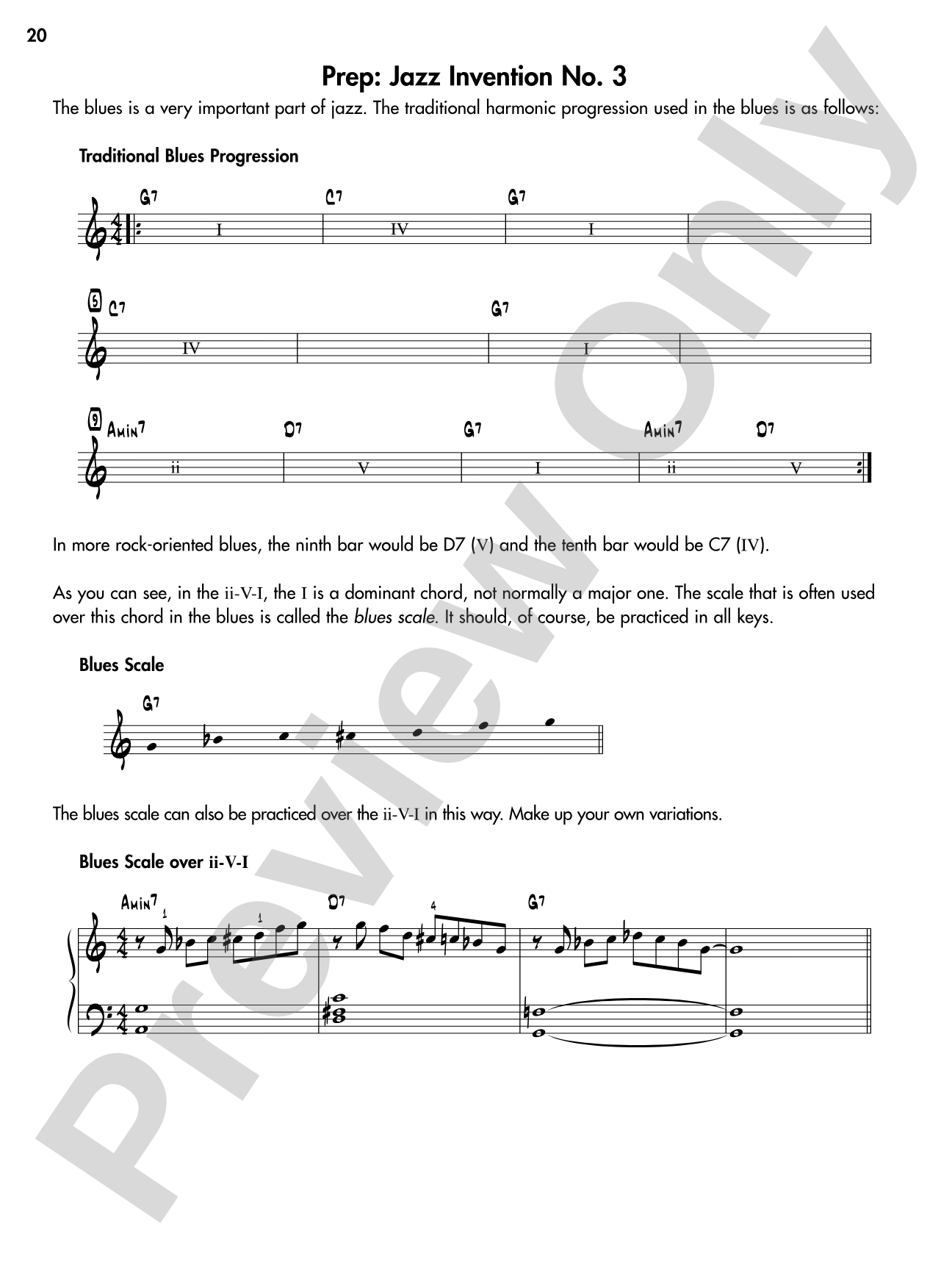
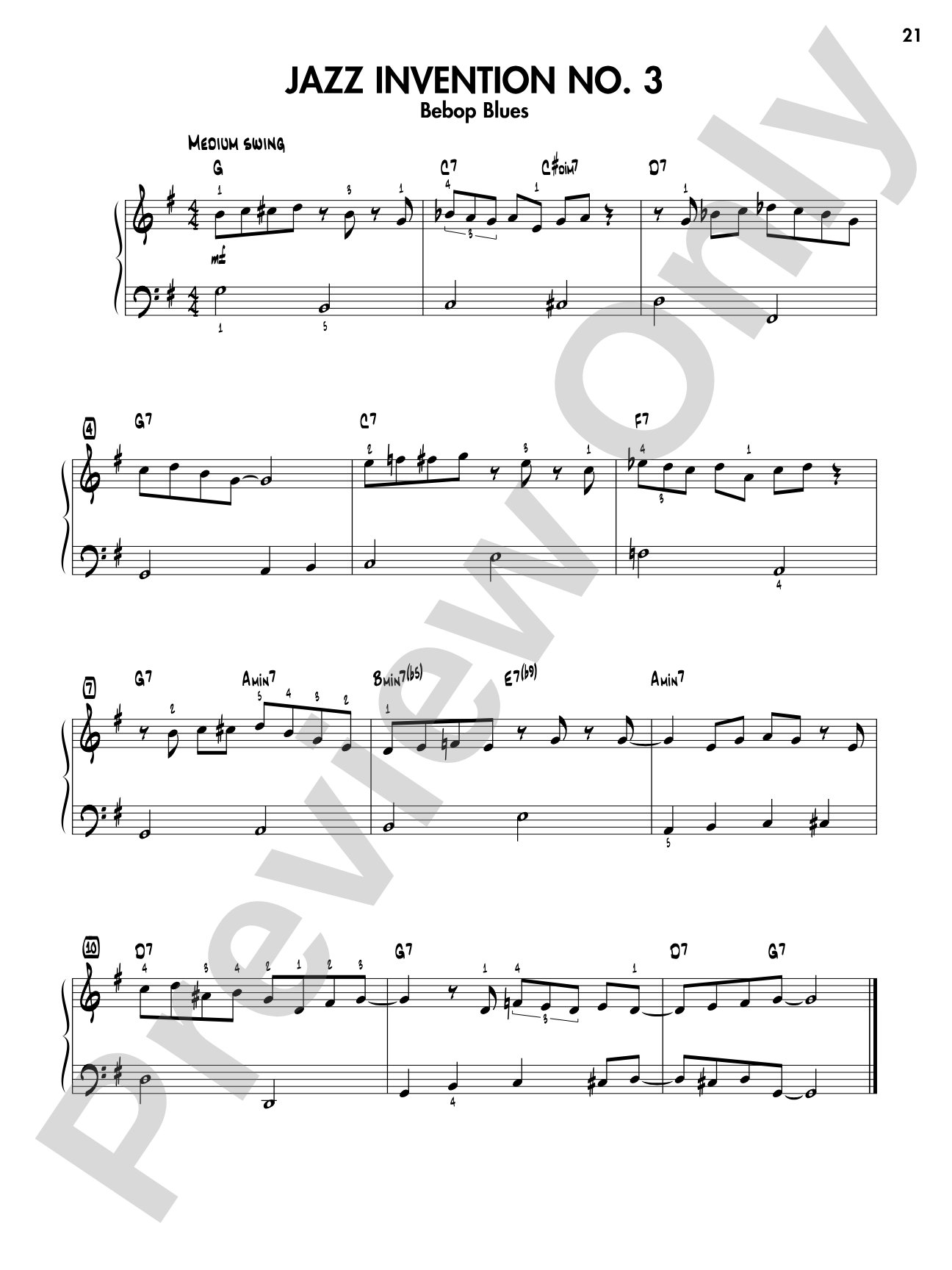
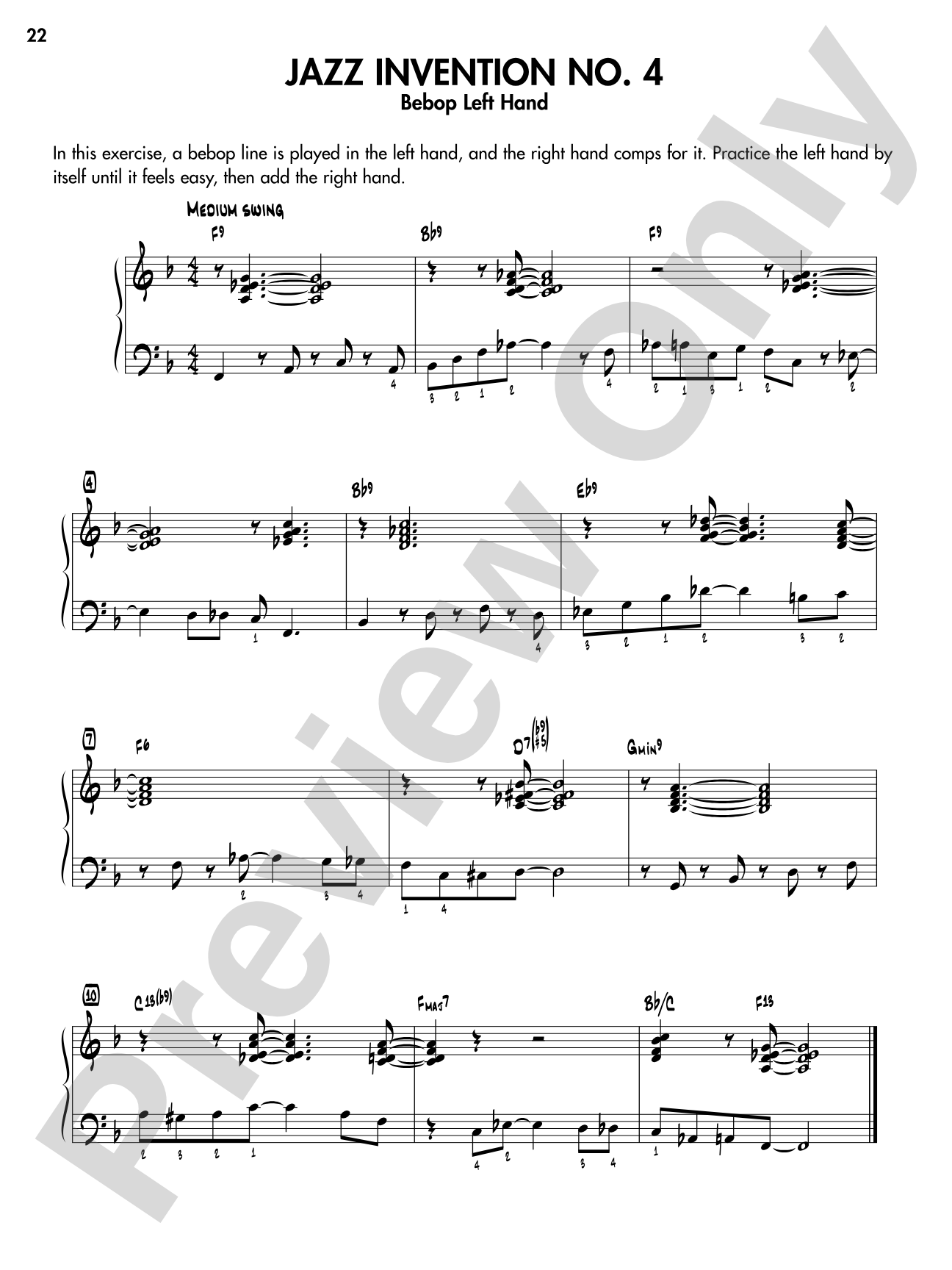
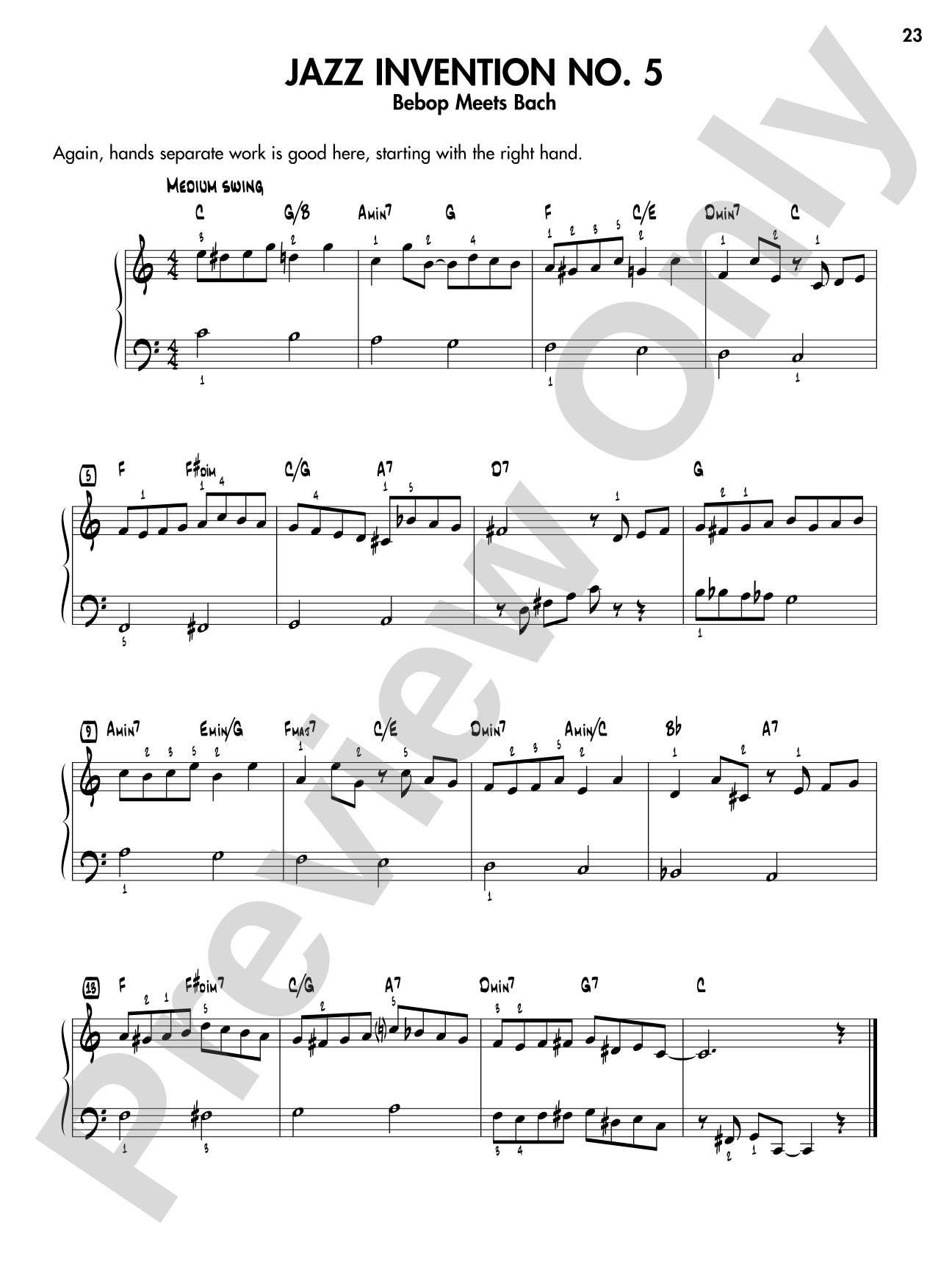
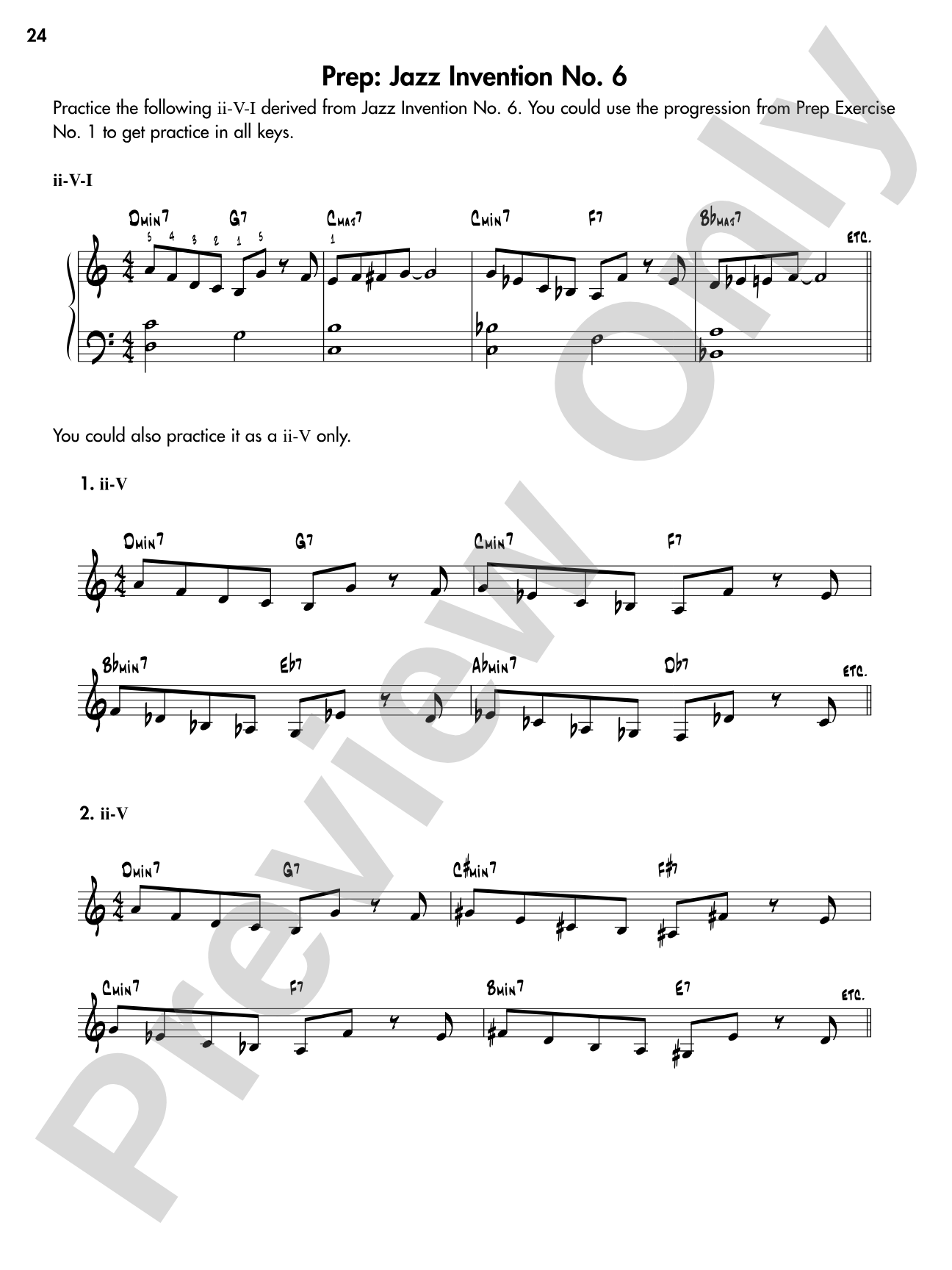
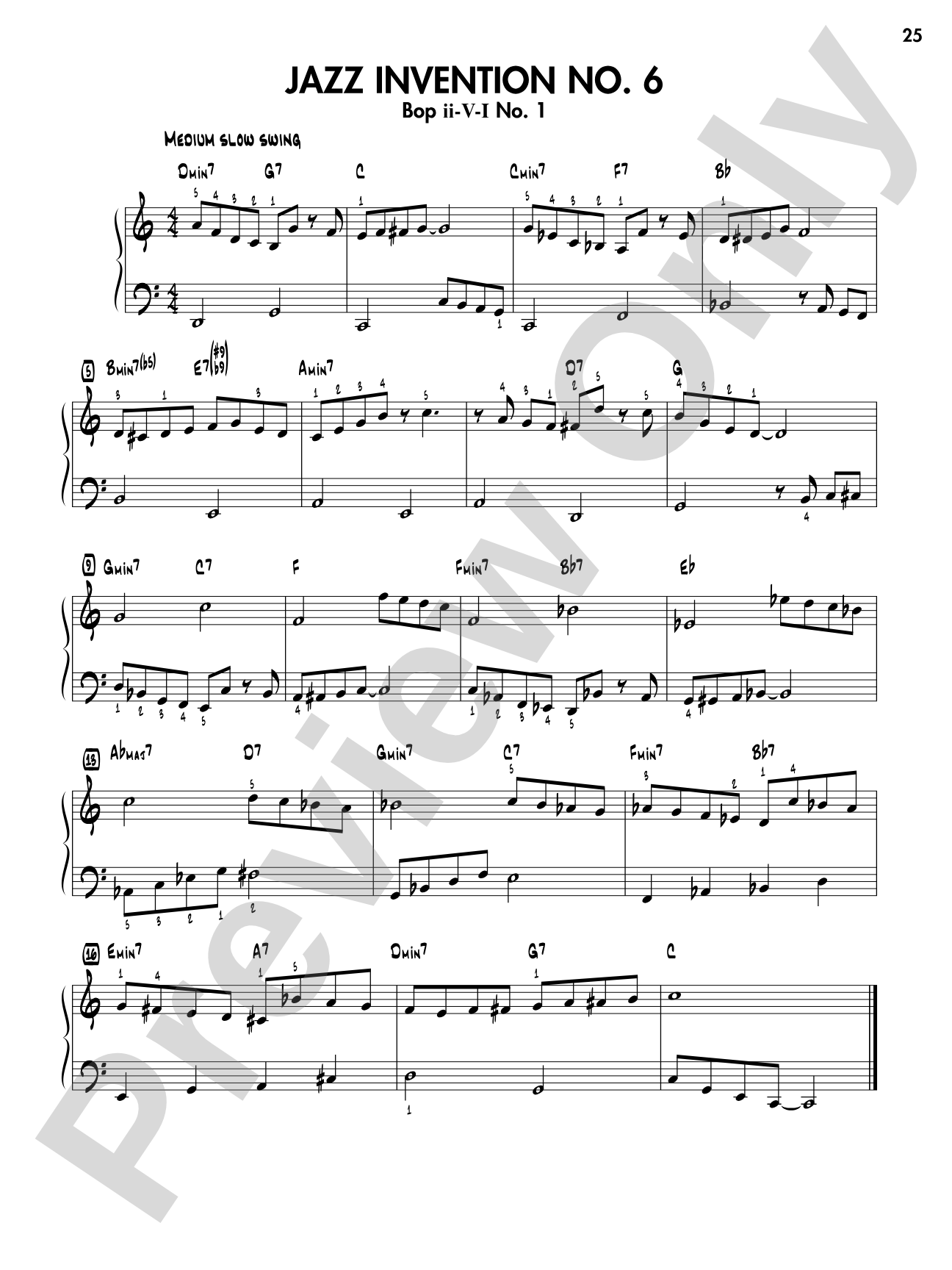
Pianists all know the benefits of playing the "Two-Part Inventions" of J. S. Bach. Now, world-respected jazz pianist and composer Bill Cunliffe has written his own "inventions" that will benefit every player's understanding and performance of jazz. These great-sounding etudes explore the specific harmonic, melodic, and technical challenges faced by jazz keyboardists, including the ii-V and ii-V-I progressions, outlining changes, chord-tone ornamentation, playing in octaves, tonic patterns, block chords, polytonality, stride piano, and left-hand walking bass.
Pieces feature chord symbols, explanatory notes, and preparatory exercises, and each invention is performed on the recording by Bill Cunliffe. 123 pages.
" . . . perfect for daily warm-up, explores the harmonic and melodic intricacies of jazz, each etude targets a specific technical skill and includes performance notes, inventions gradually become more challenging and the harmonic progressions are varied and very musical . . . a musical feast."
-International Association for Jazz Education (IAJE)


Pieces feature chord symbols, explanatory notes, and preparatory exercises, and each invention is performed on the recording by Bill Cunliffe. 123 pages.
" . . . perfect for daily warm-up, explores the harmonic and melodic intricacies of jazz, each etude targets a specific technical skill and includes performance notes, inventions gradually become more challenging and the harmonic progressions are varied and very musical . . . a musical feast."
-International Association for Jazz Education (IAJE)
Jazz Inventions for Keyboard: 50 Etudes That Will Improve the Way You Play Jazz: Piano isn't in MakeMusic Cloud just yet...but it could be. Let us know you'd like to see it, and you'll help shape what comes next. In the meantime, start a free trial and dive into thousands of interactive titles your students can play along with today.
Request This Title
Tell us you want it.
Start Your Free Trial
Explore everything that's ready to play right now.
Sample Audio
1
Jazz Invention 24
--:--
2
Jazz Invention 40
--:--
3
Jazz Invention 50
--:--
Jazz Invention 24
0:00
0:00
Sample Video
No sample videos found.
Additional Details
Publisher:
Alfred Music
Page Count:
124
SKU:
00-PB-0002216
More about this title
About the Composer: Bill Cunliffe

Bill Cunliffe earned Down Beat Awards during his time at Eastman School of Music before establishing himself as a first-call pianist and arranger for Buddy Rich, touring internationally and later collaborating with jazz legends including Ray Brown, Joe Henderson, and Freddie Hubbard. His credentials include the 1989 Thelonious Monk International Jazz Piano Award, Grammy nominations as a composer and arranger, recognition from the National Endowment for the Arts, and appearances on Marian McPartland's legendary Piano Jazz radio program.
Beyond his work as a performer, Cunliffe has built a significant catalog of published compositions across multiple ensembles and genres. His pedagogical books for Alfred Music Publishing, including Jazz Keyboard Toolbox and Max Blues Keyboard, reflect decades of experience distilled into practical resources for developing musicians. His original recordings as a bandleader, particularly his Latin Jazz Nonet project, have charted consistently on international jazz radio, while orchestras ranging from the Illinois Philharmonic to the New Zealand School of Music have performed his arrangements and compositions.
Why we love this
Cunliffe constructs each etude around a genuine jazz piano challenge rather than theoretical abstraction, which means students encounter the exact harmonic and technical situations they'll face in real playing. The fifty inventions move with genuine progression in difficulty and musical substance, avoiding the dead weight of purely mechanical exercises while maintaining the daily-practice utility that makes this collection indispensable for any jazz pianist serious about harmonic literacy and fluency at the keyboard.
What to expect
Each invention sounds like real jazz; you're not slogging through academic exercises but playing pieces that breathe musically and sit naturally under your hands. The harmonic variety keeps the ear engaged across fifty studies, and watching your command of chord changes and bass lines deepen feels like genuine musical growth rather than mechanical repetition.
Who it's for
Jazz pianists at the intermediate level and beyond who want systematic development of harmonic understanding and left-hand facility without sacrificing musical content. This book serves equally well for self-directed study and for students working with a jazz piano instructor who needs targeted material for specific technical gaps.
How to get the most out of it
- Listen to Cunliffe's recorded performances of each invention before working through the written material; his phrasing and touch reveal interpretive choices that the score alone cannot communicate.
- Begin with the preparatory exercises that precede each etude to isolate the specific technical demand in its simplest form, then return to the full piece with that foundation secured.
- Spend time with the explanatory notes for each invention; they identify the harmonic concept or technical skill at stake and why that particular challenge matters to your jazz vocabulary.
- Integrate these inventions into your daily warm-up routine rather than treating them as separate study; the cumulative benefit comes from consistent, focused engagement over weeks and months.
How to use it
Assign these inventions systematically throughout a jazz piano curriculum, pairing each concept with repertoire that applies it in performance context. They work equally well as warm-up material in ensemble rehearsals or as the spine of a private lesson progression, and teachers can reference specific inventions when coaching students through changes in standards or jazz compositions.
Skills your students will build
- Voice leading through ii-V-I progressions in multiple keys and voicings
- Left-hand walking bass lines coordinated with right-hand melodic or harmonic content
- Chord-tone melody writing and improvisation over changes
- Block chord voicings and polytonality at the keyboard
- Stride piano left-hand patterns and their application to comping
- Outlining changes through melodic contour rather than stating chord symbols literally
- Octave playing with independence and clarity across both hands