
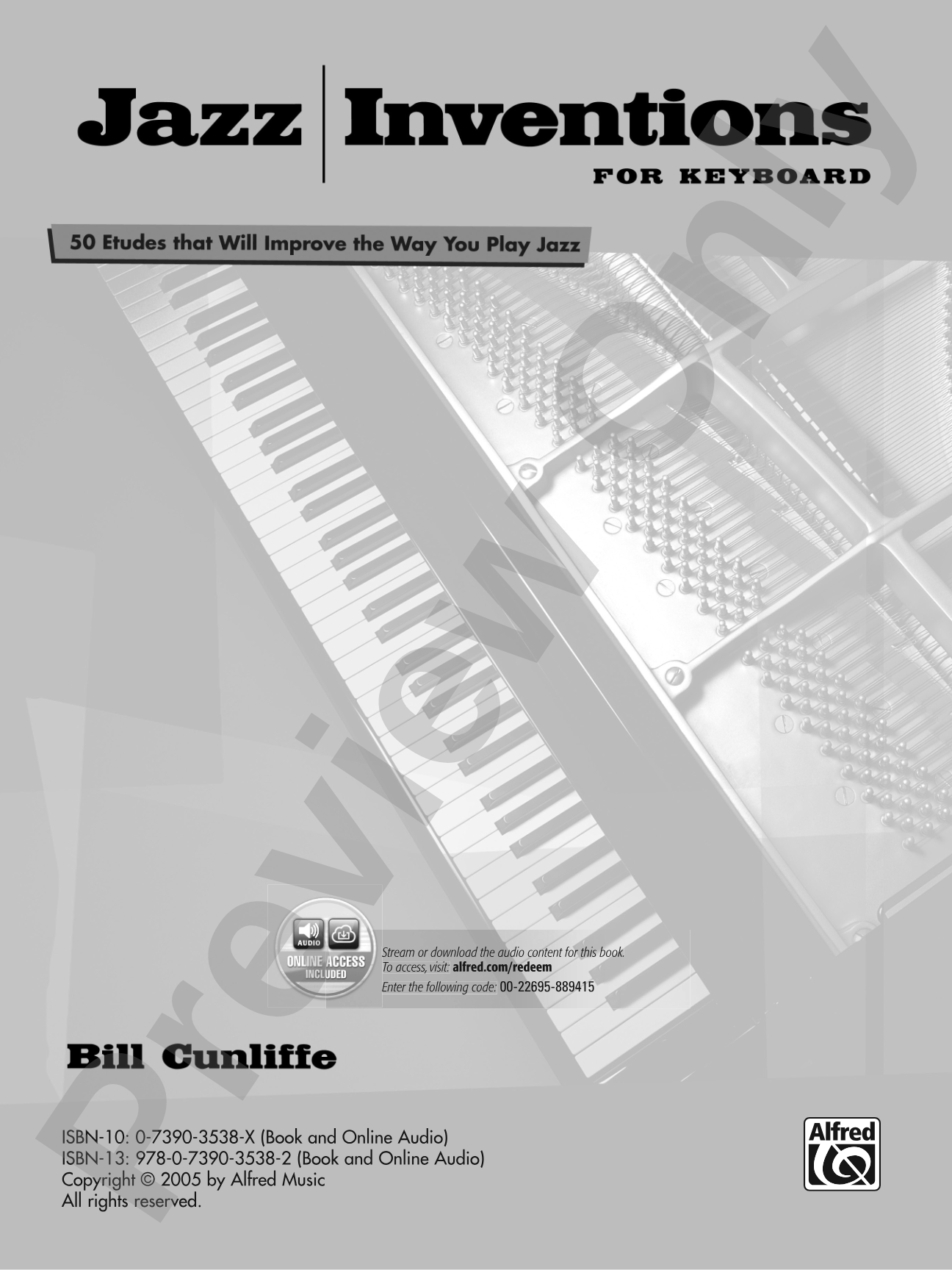

Jazz Inventions for Keyboard: 50 Etudes That Will Improve the Way You Play Jazz: Piano
50 Etudes That Will Improve the Way You Play Jazz
By Bill Cunliffe
Item: 00-PB-0002156
$25.99
Pickup currently not available
Description
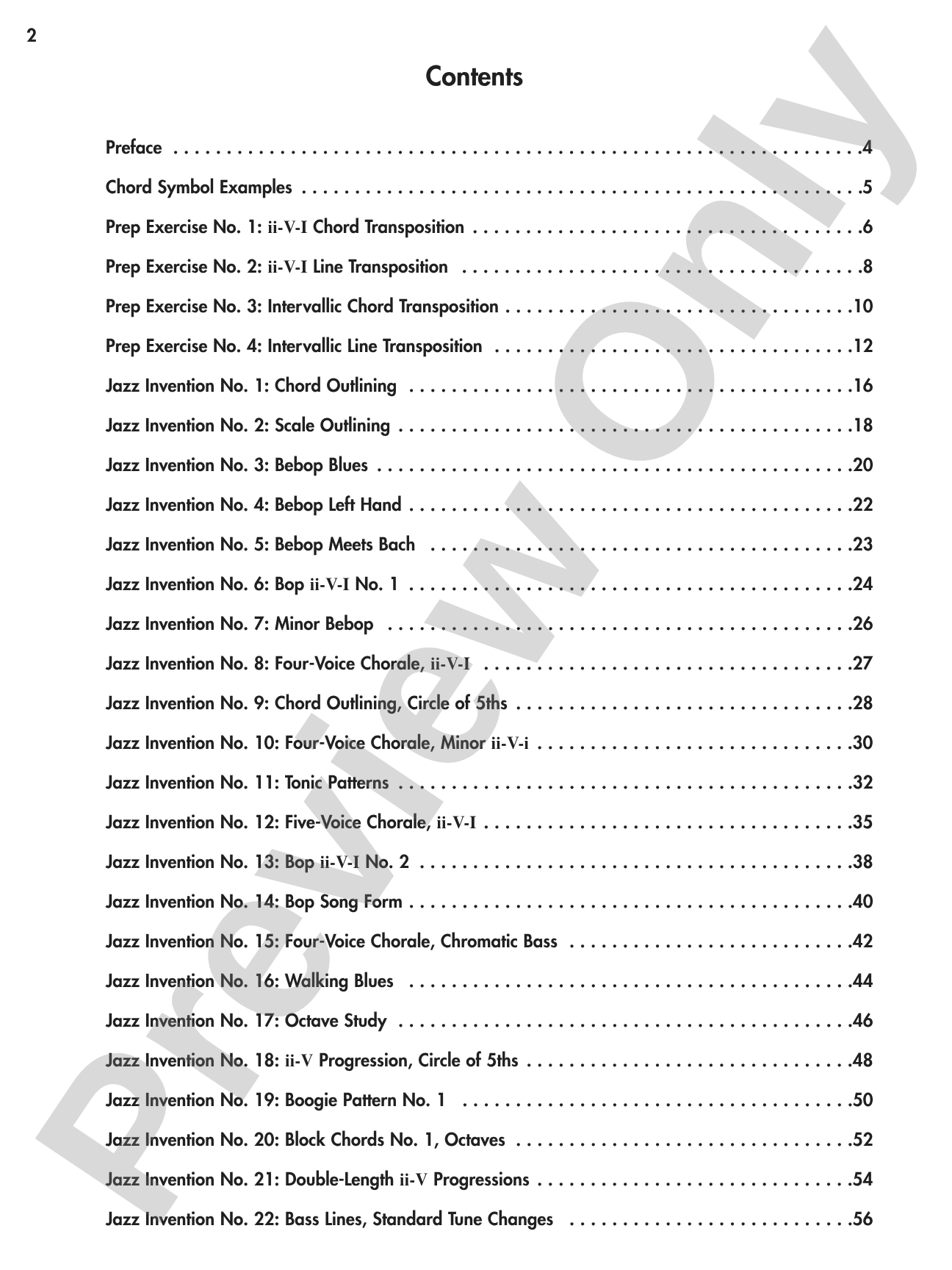
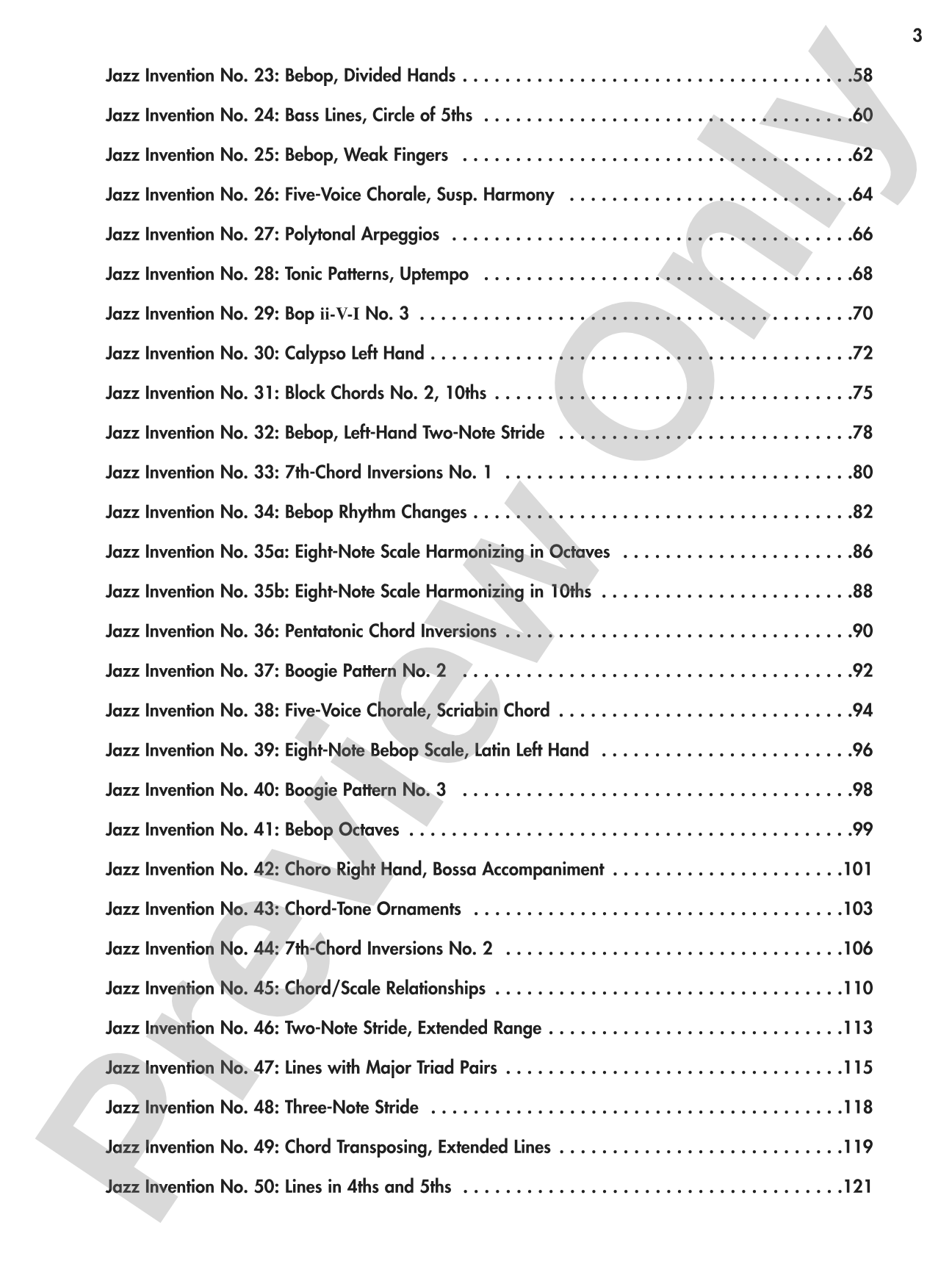
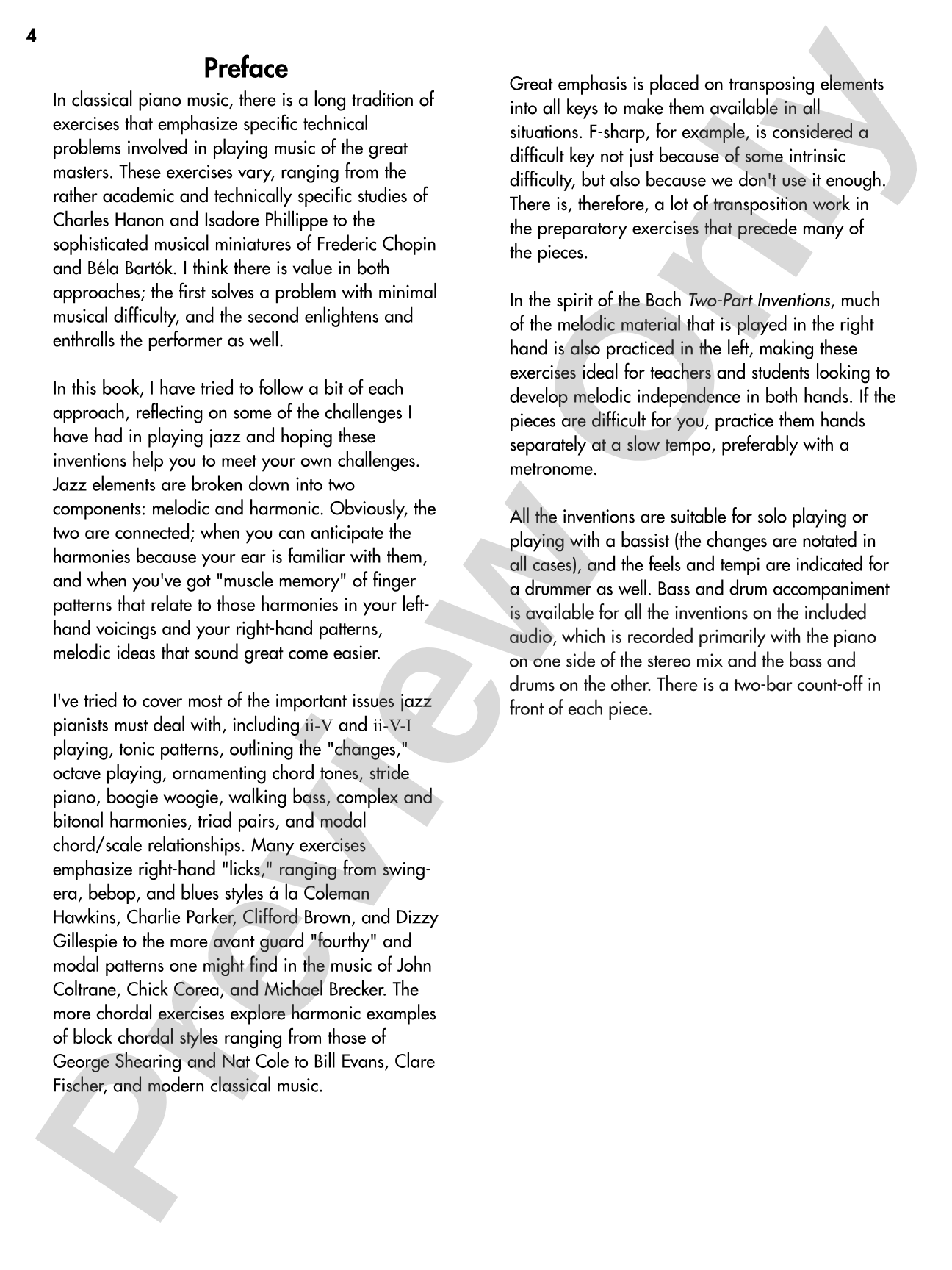
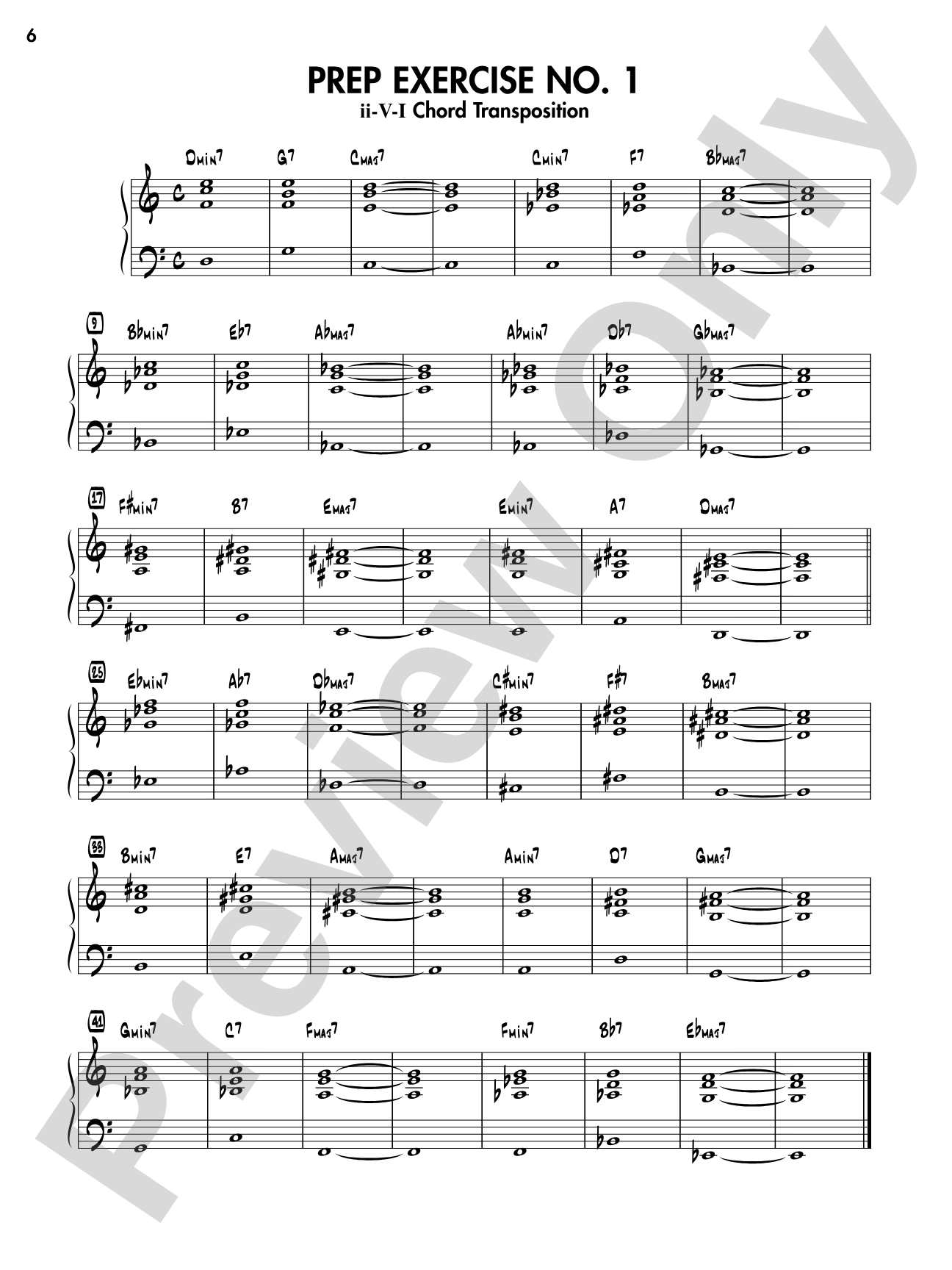
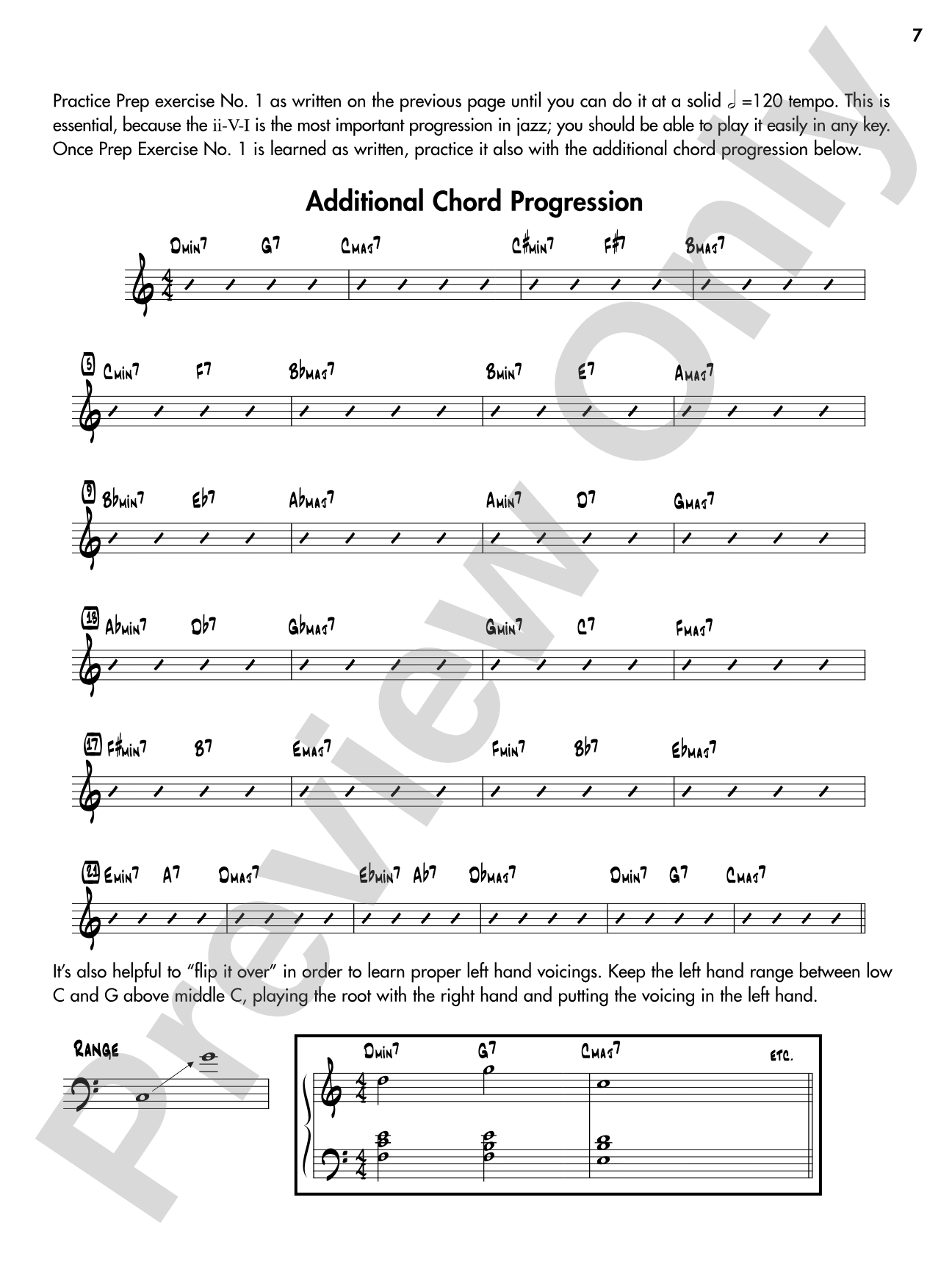
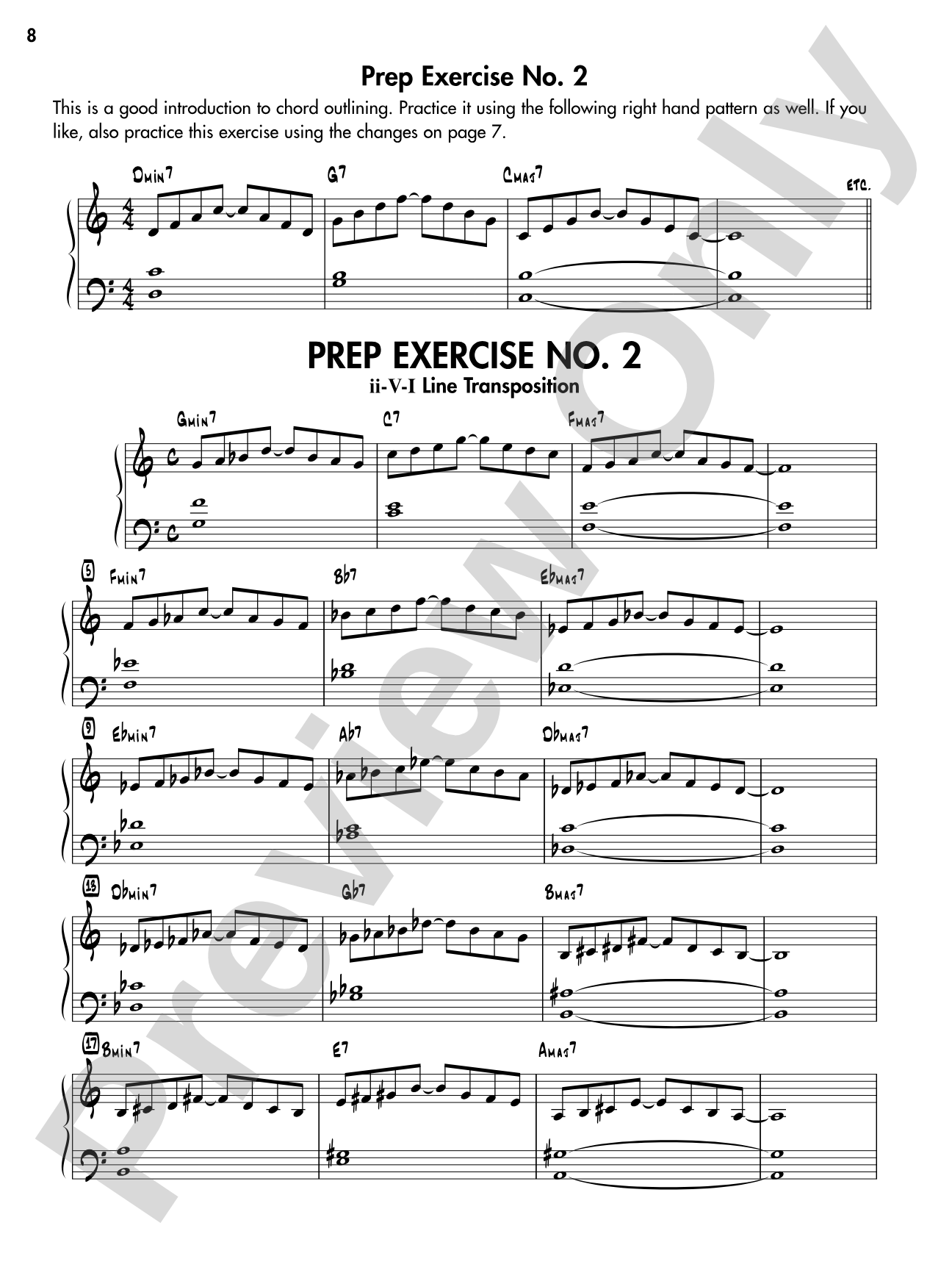
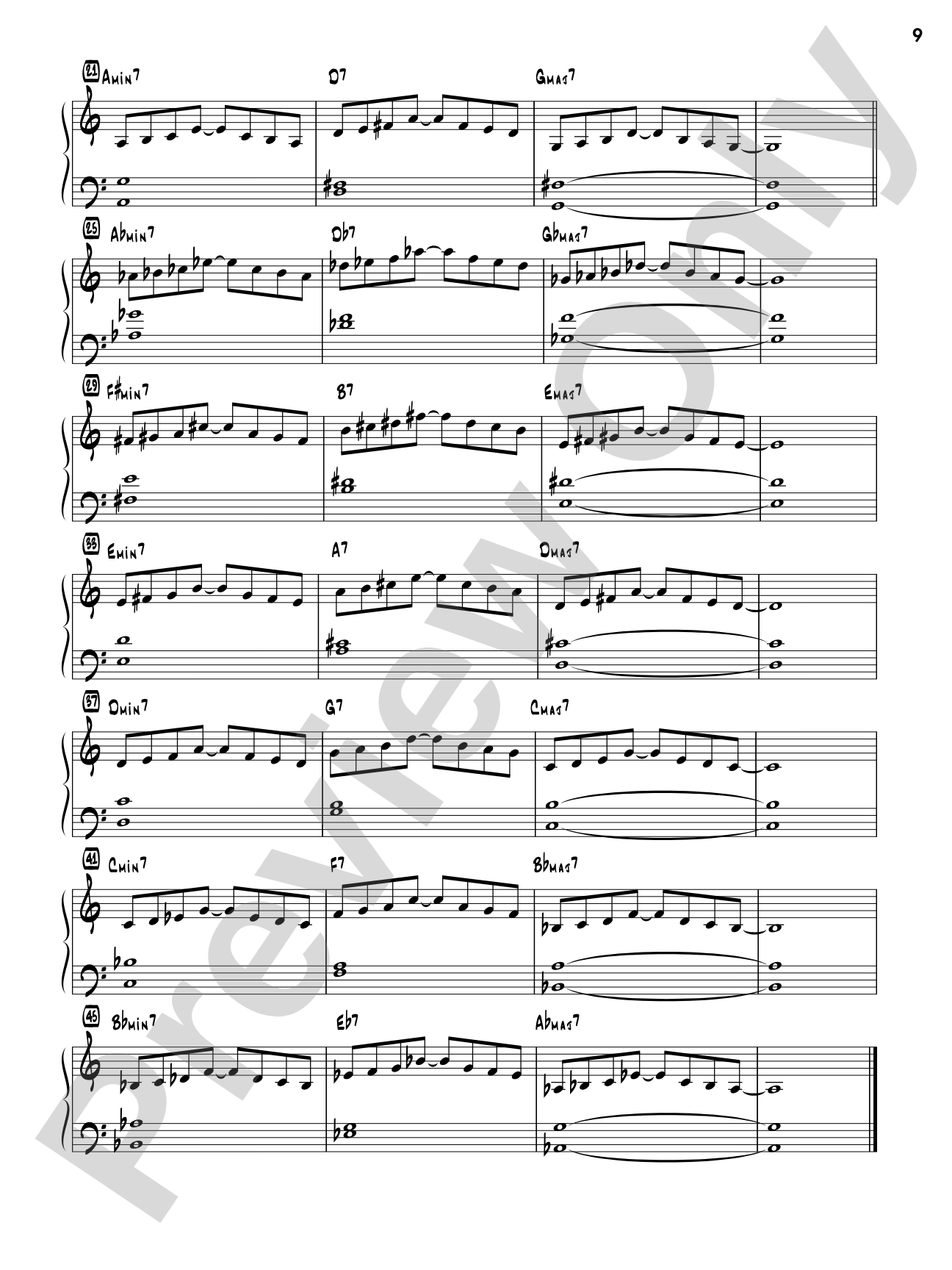
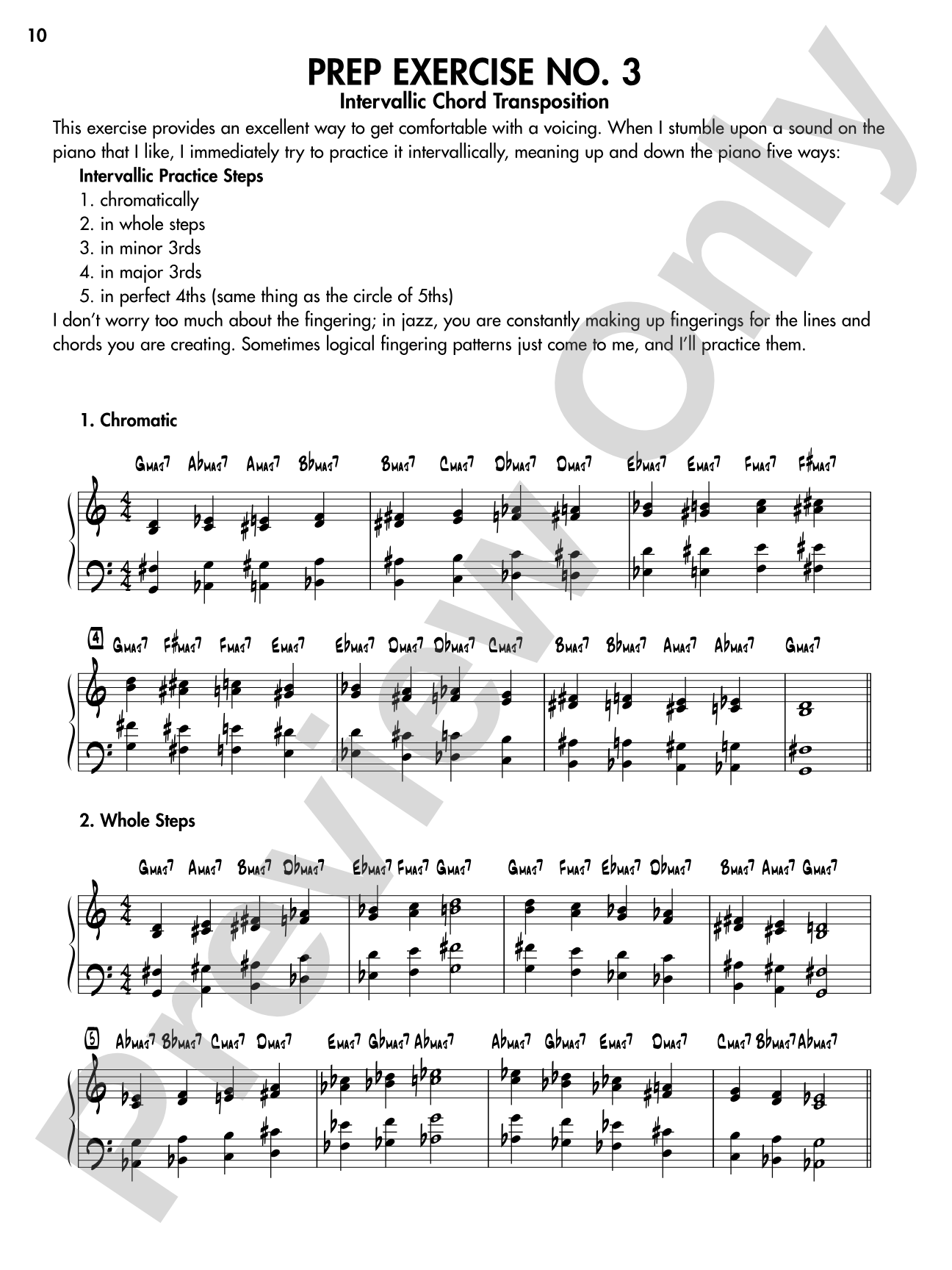
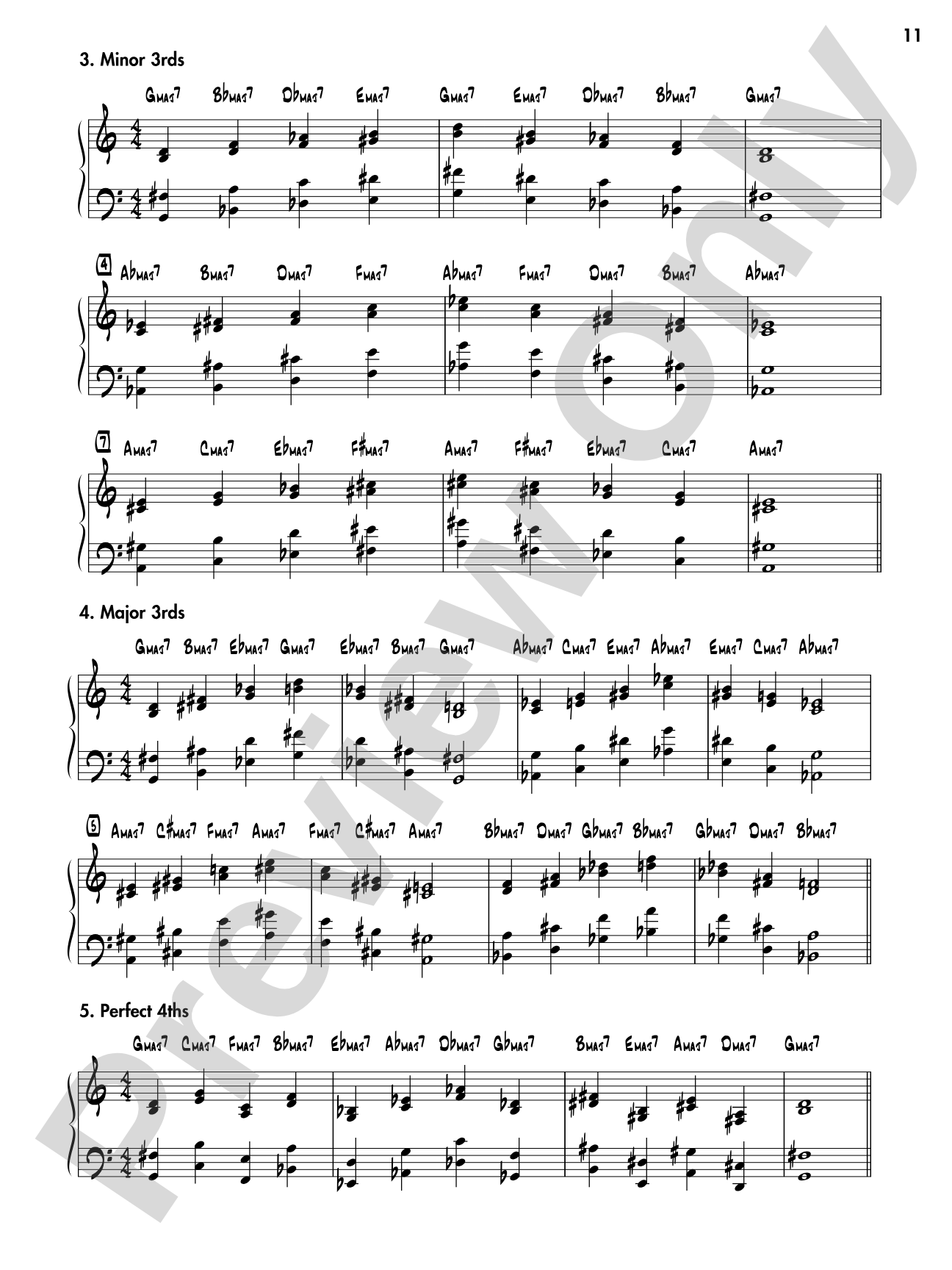
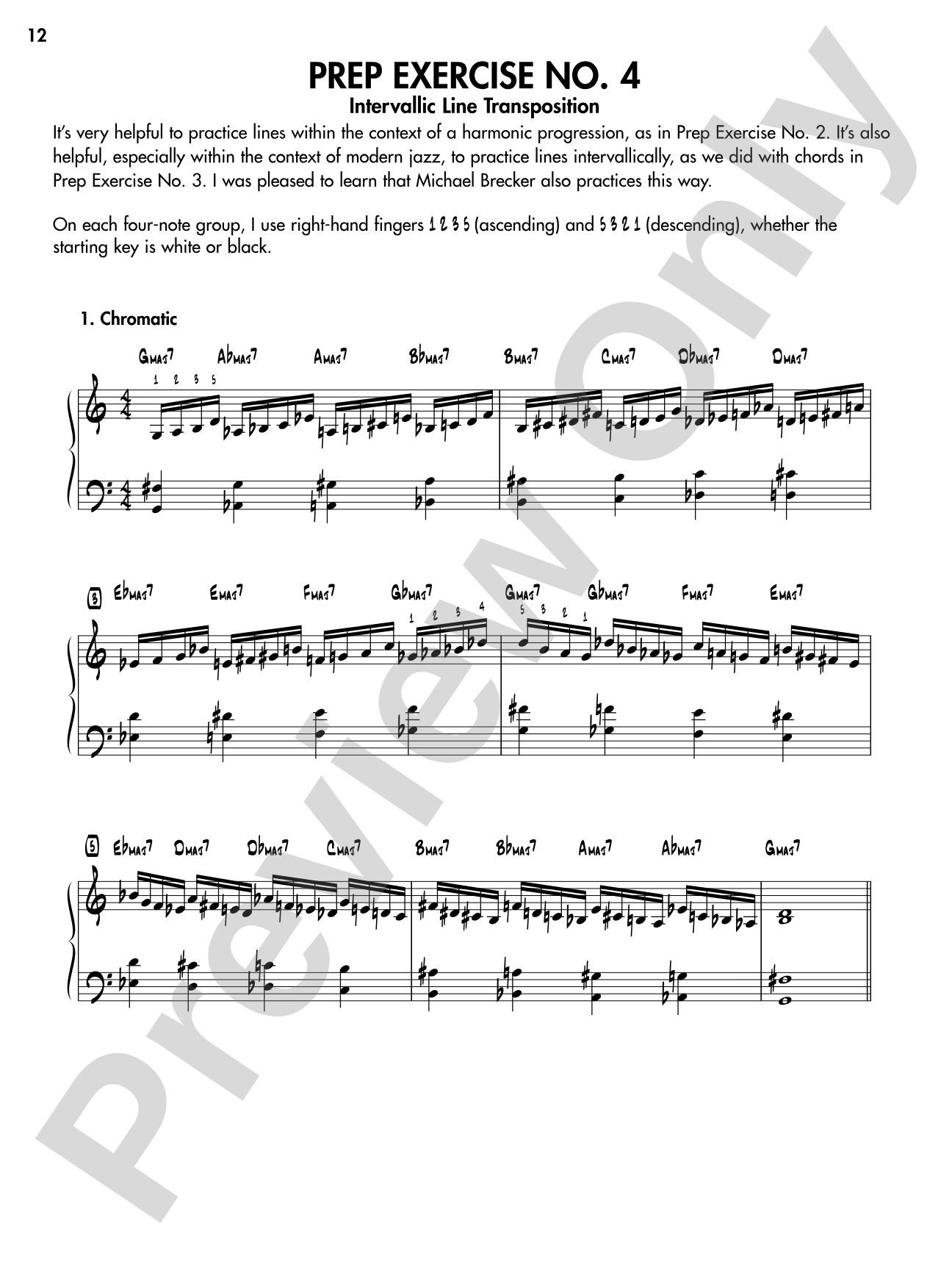
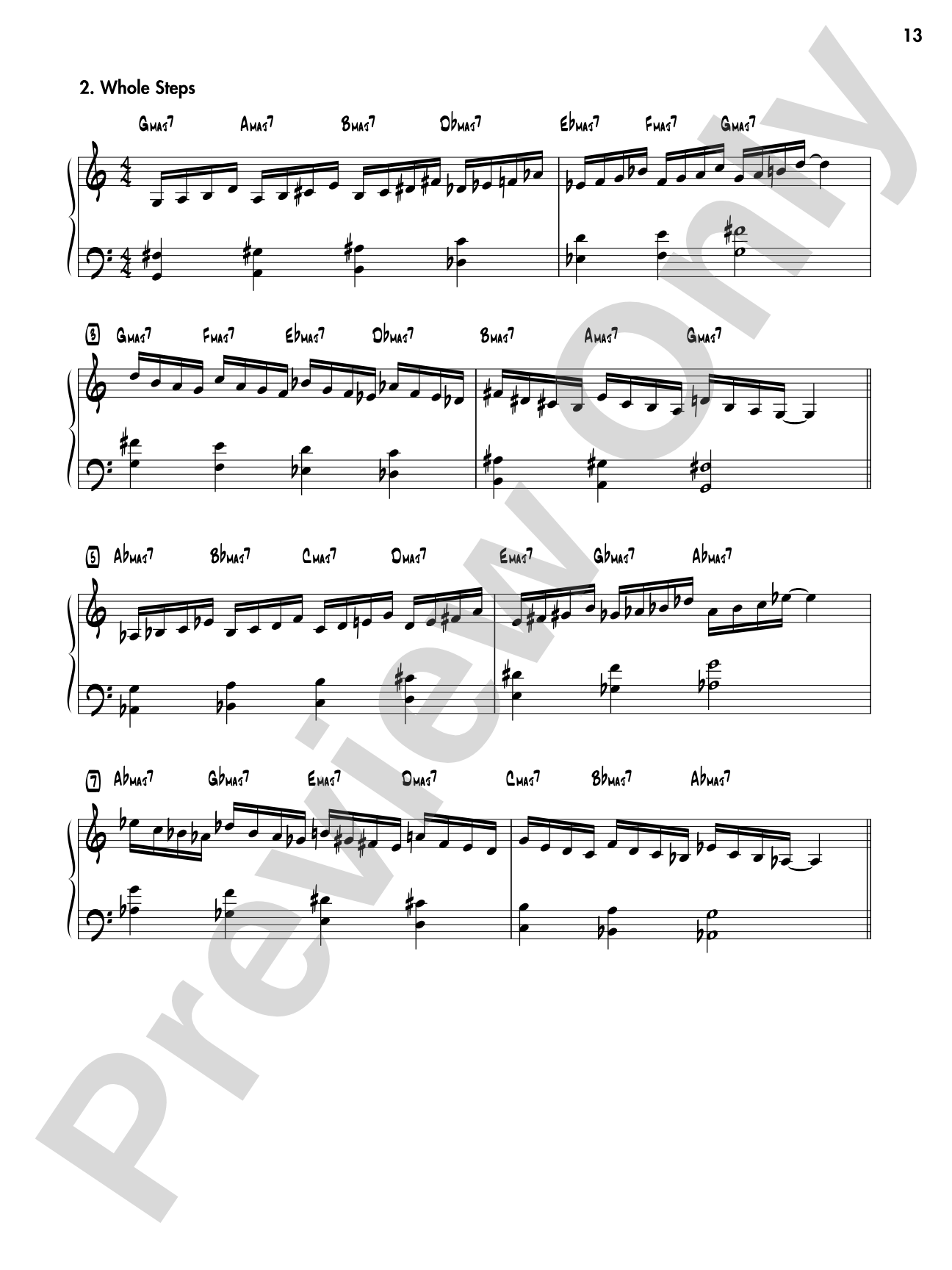
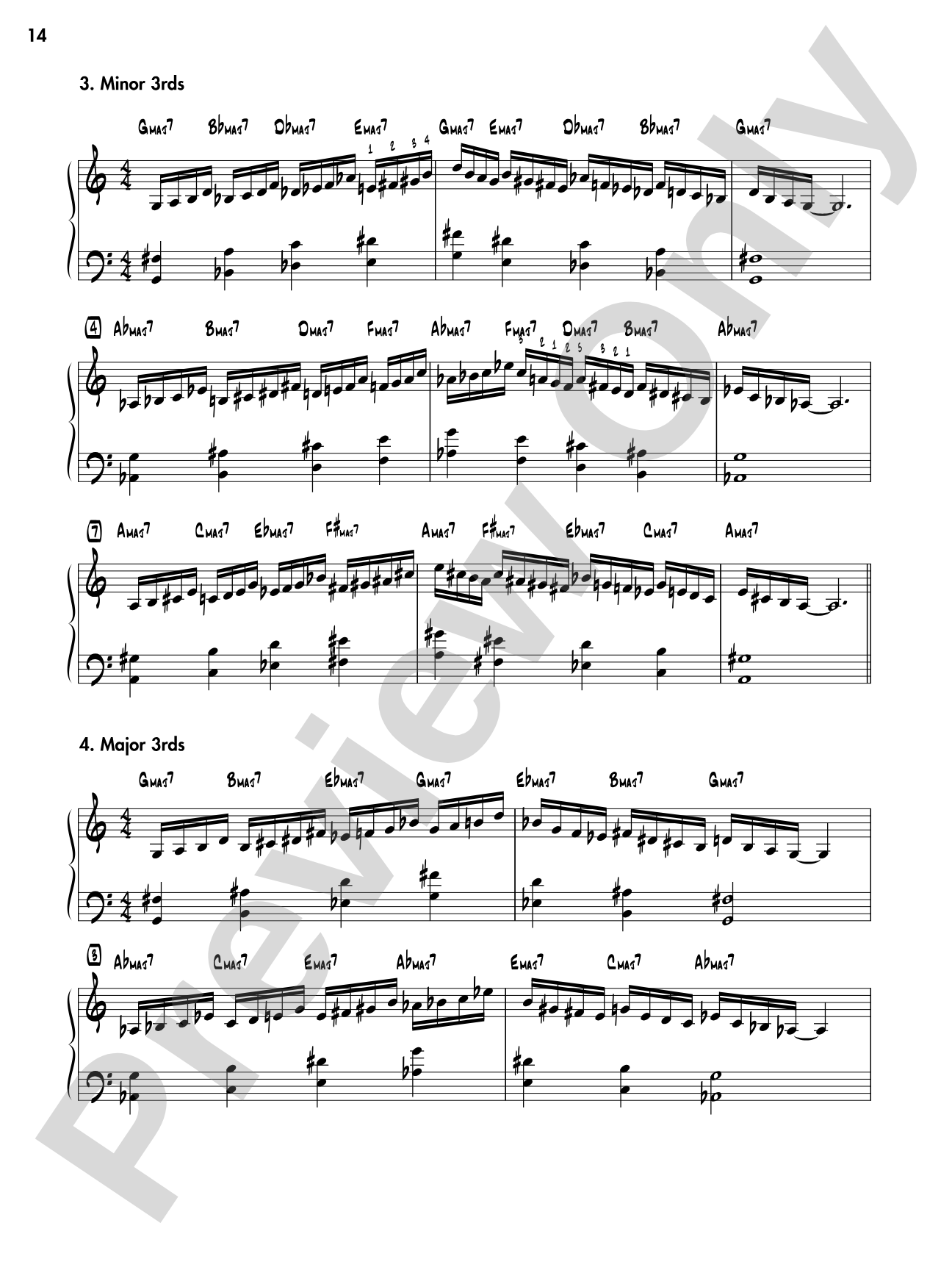
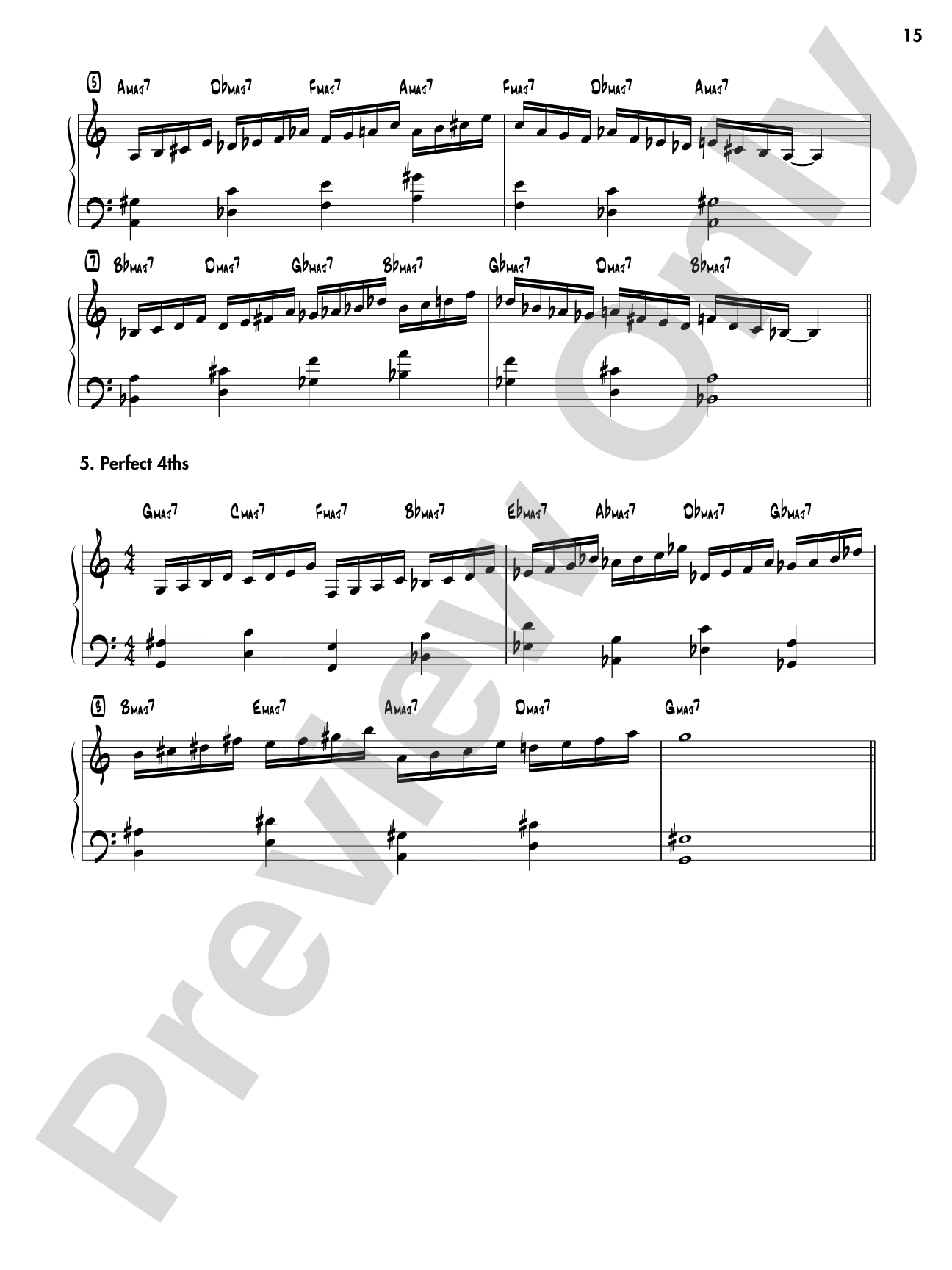
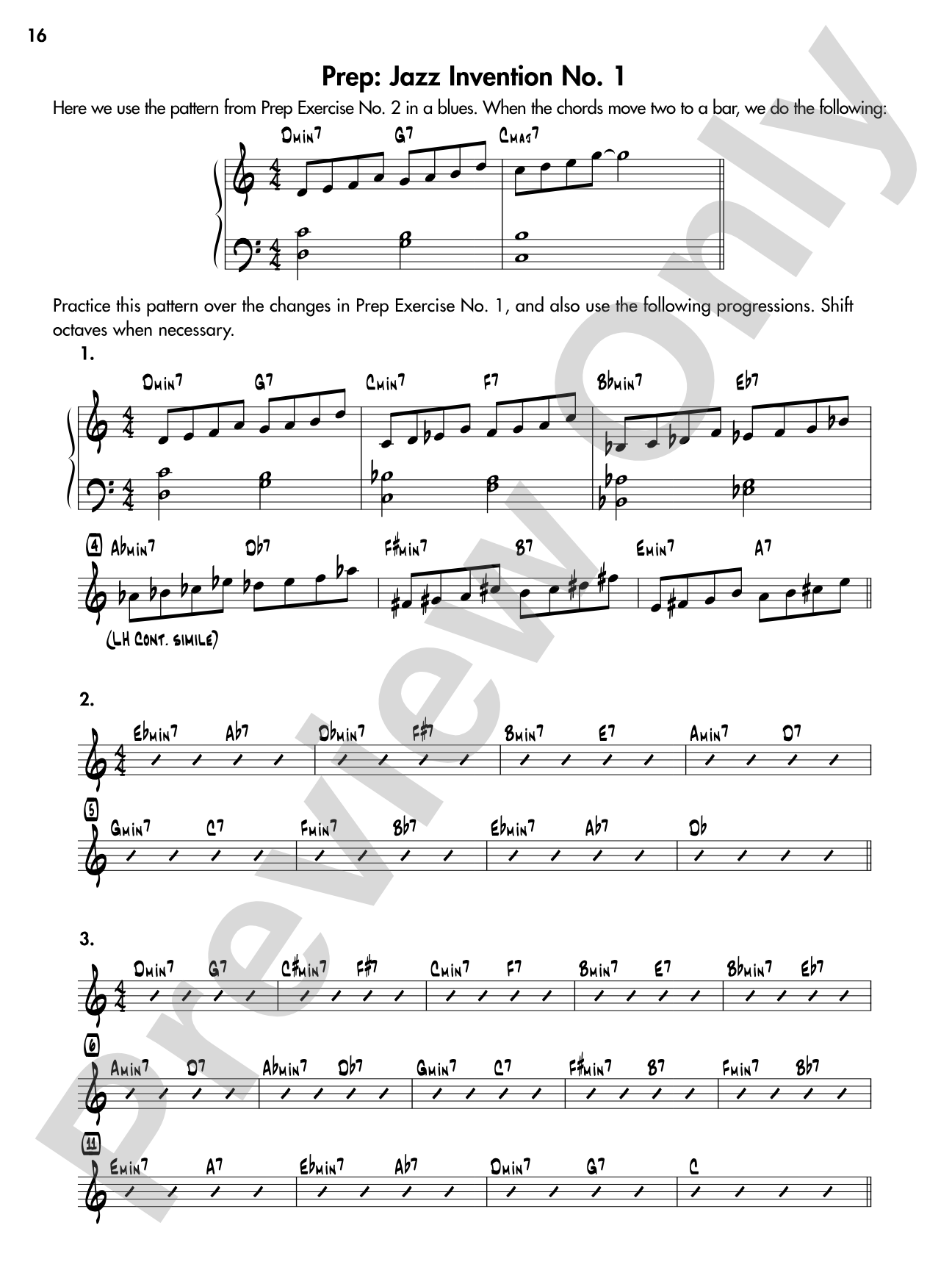
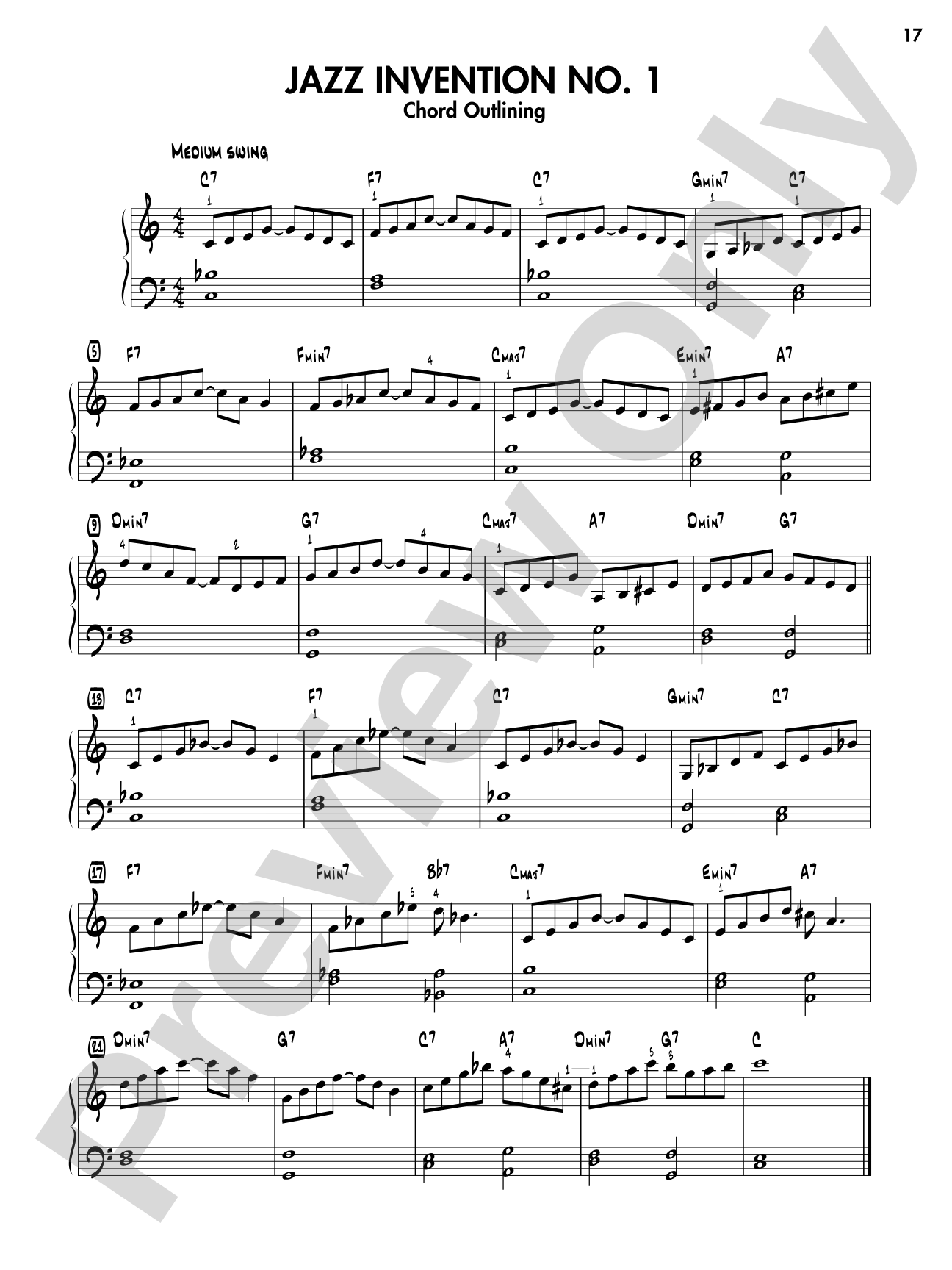
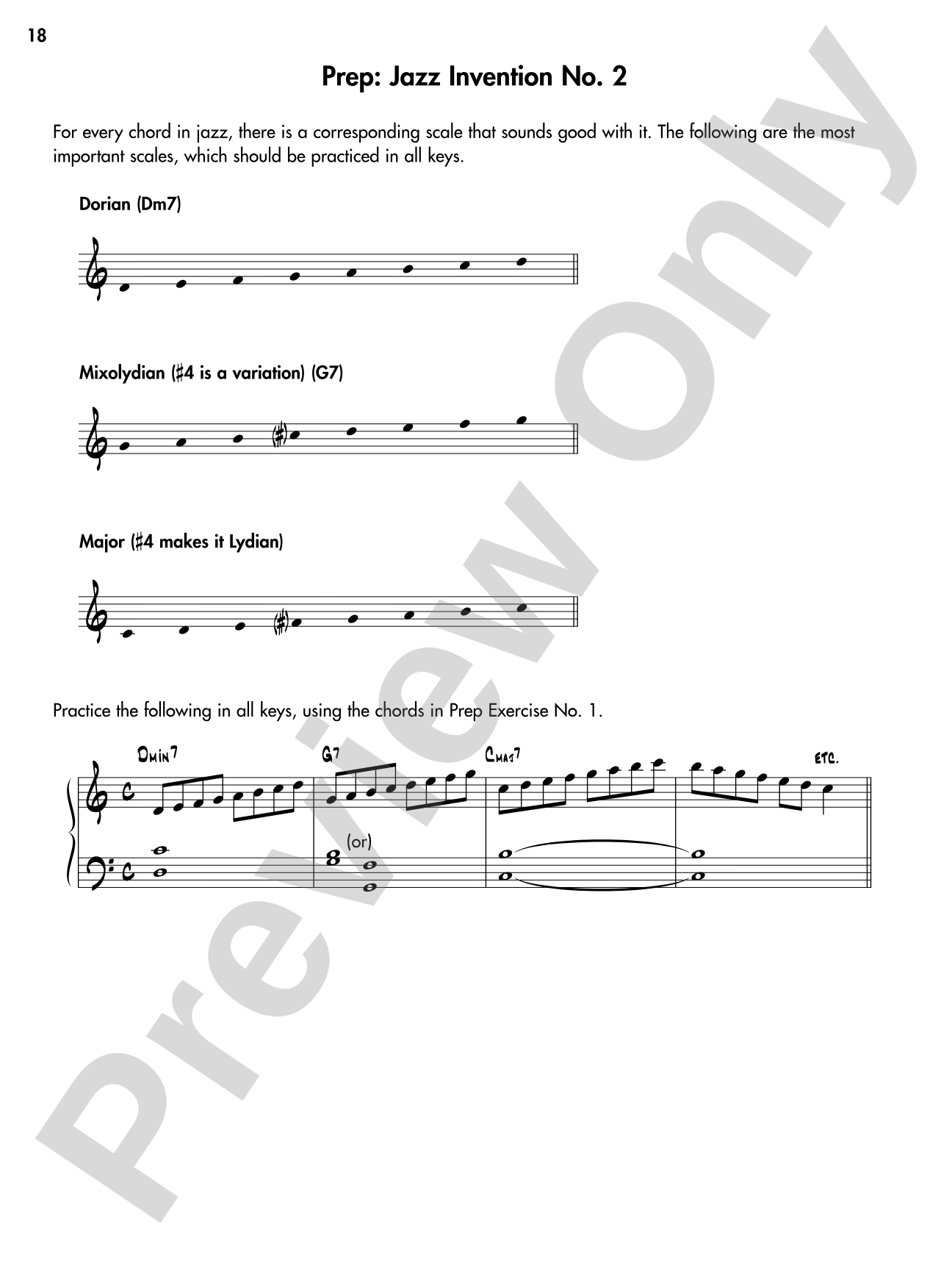
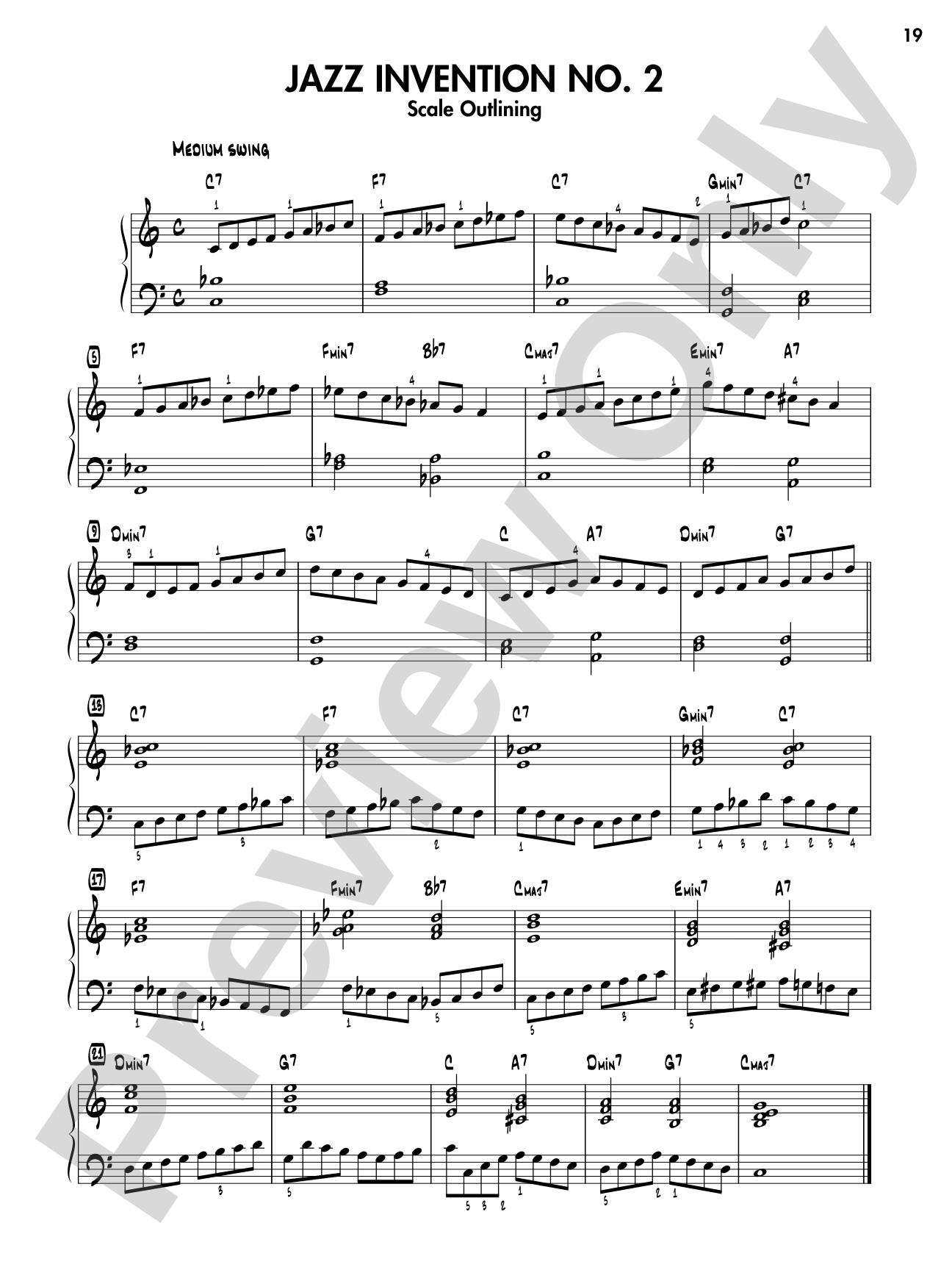
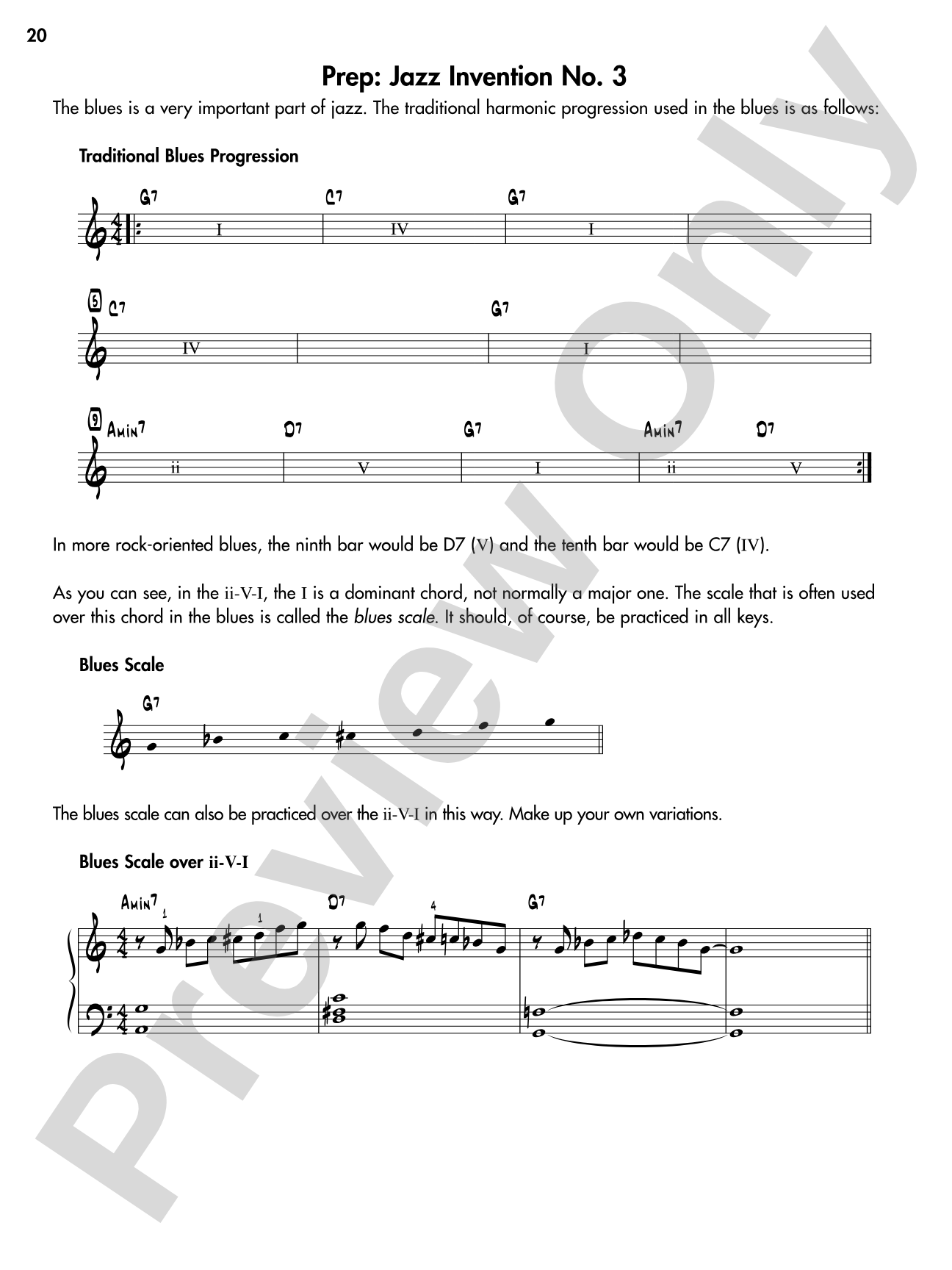
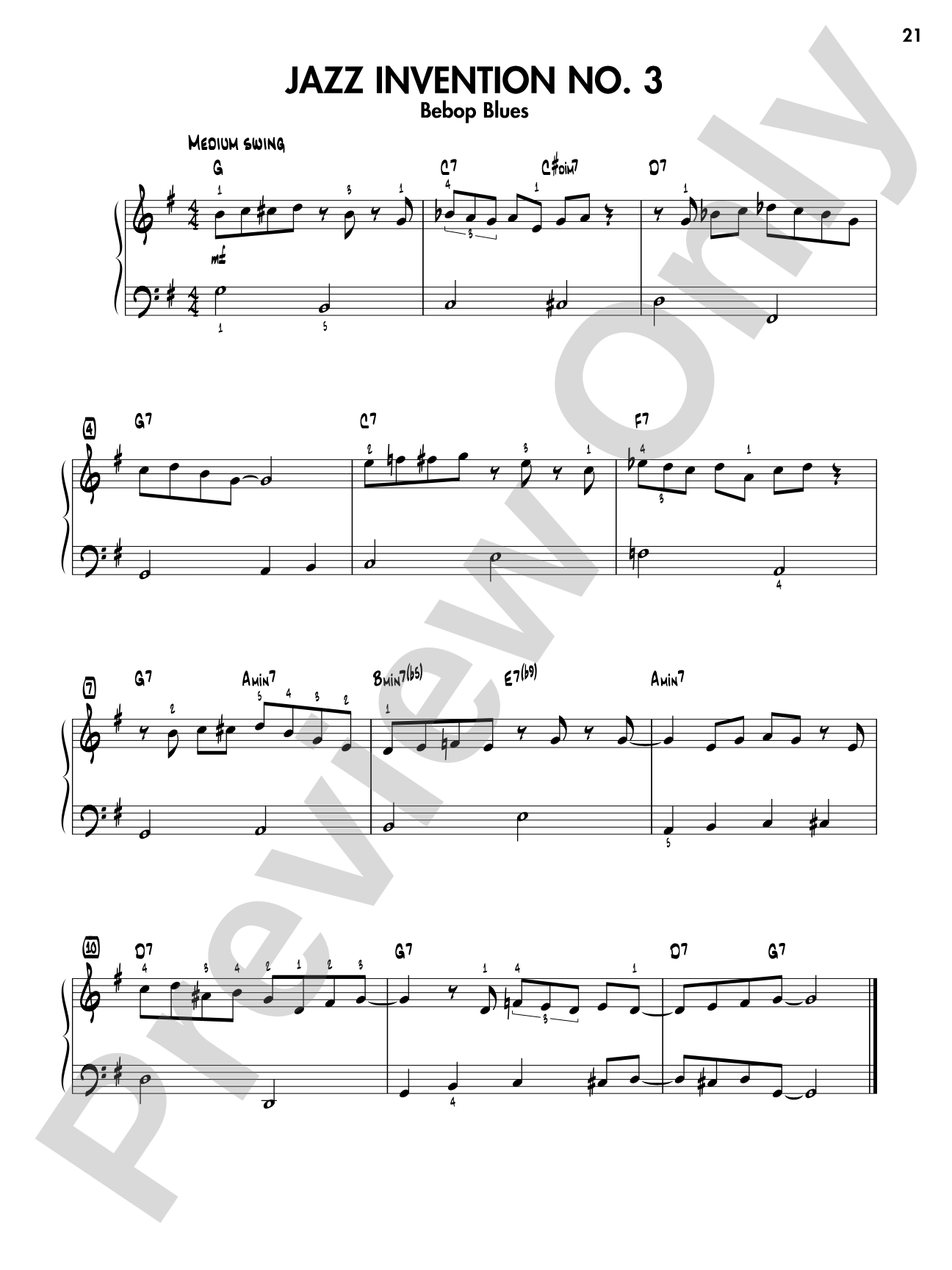
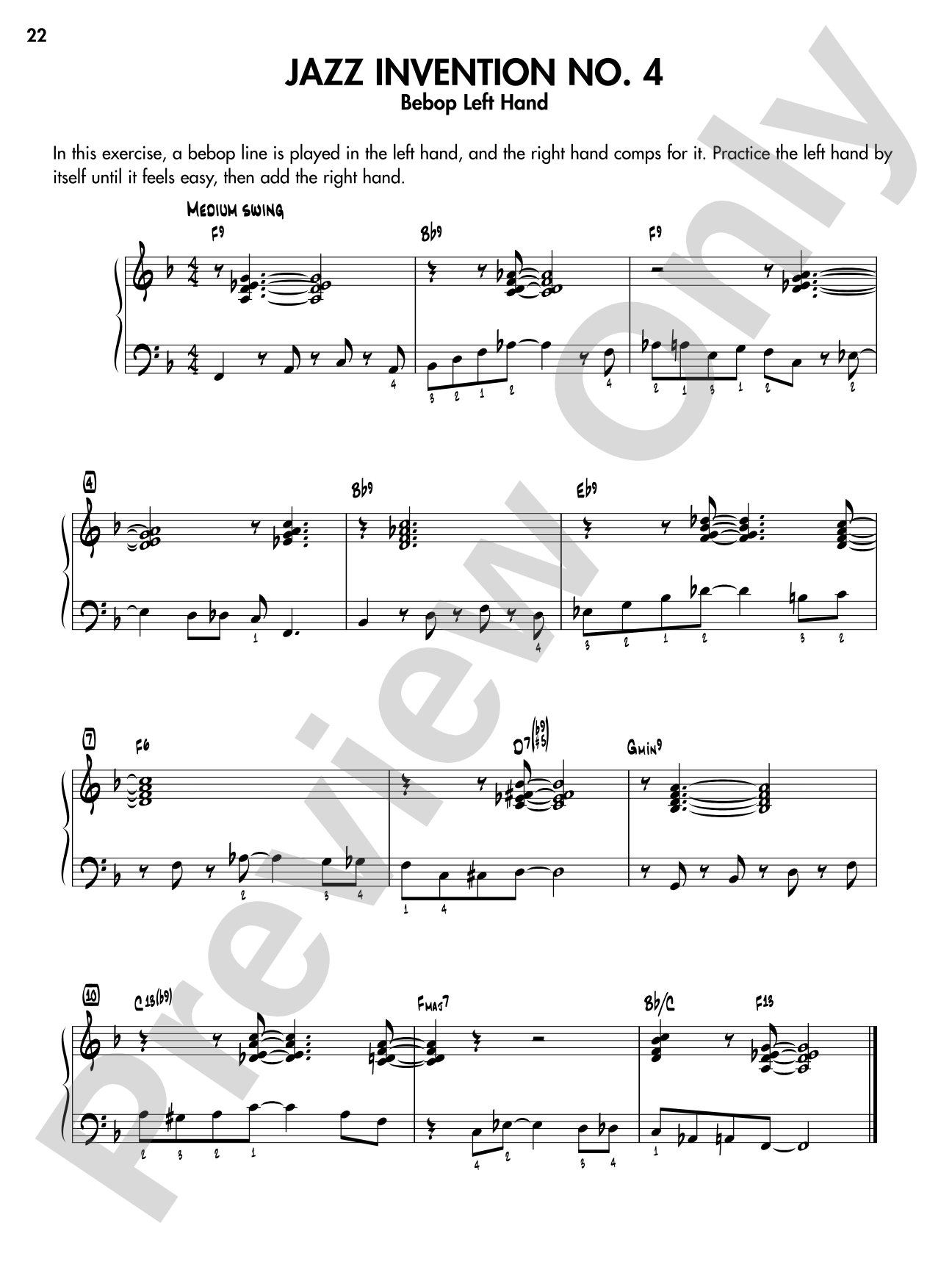
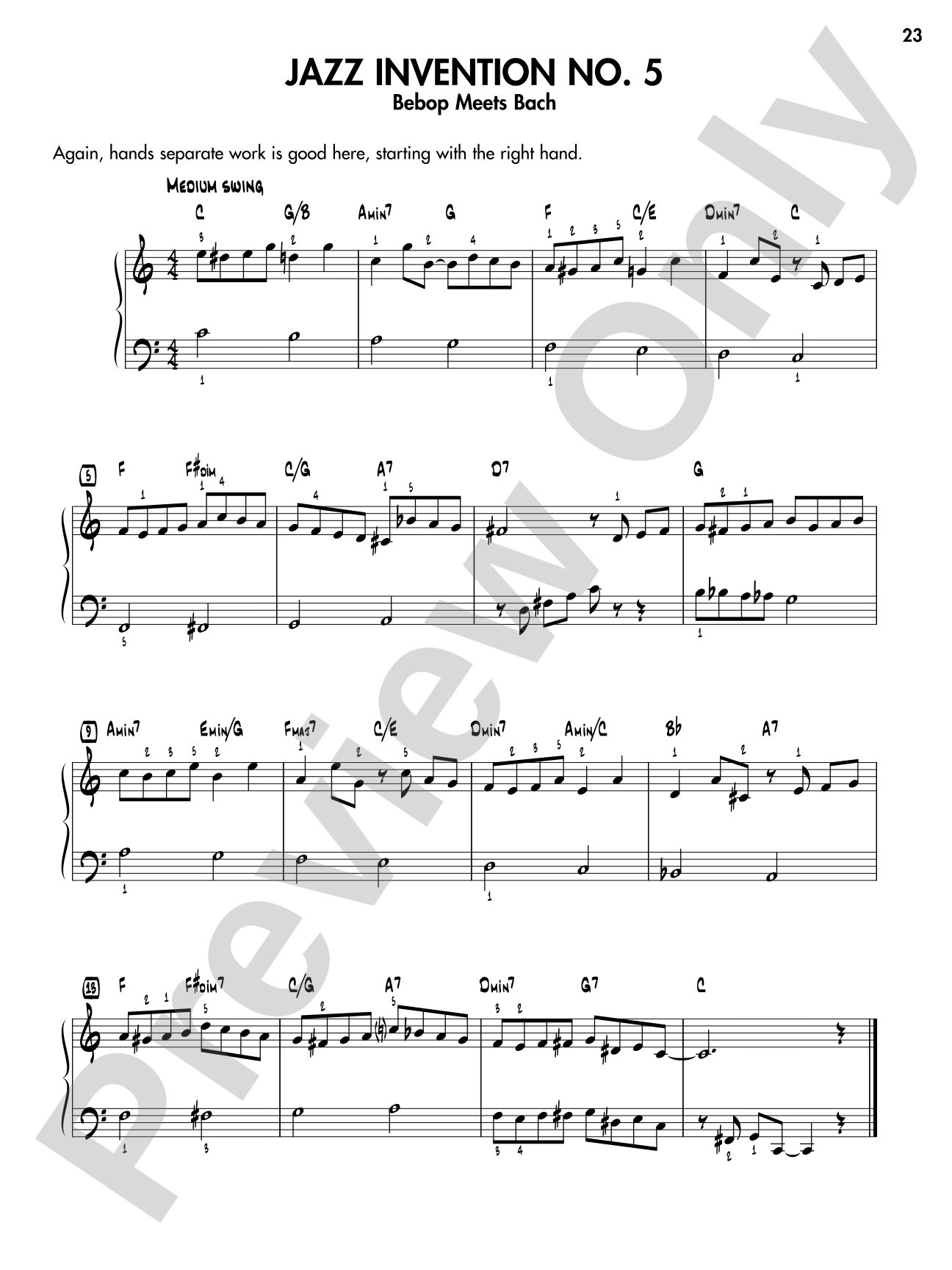
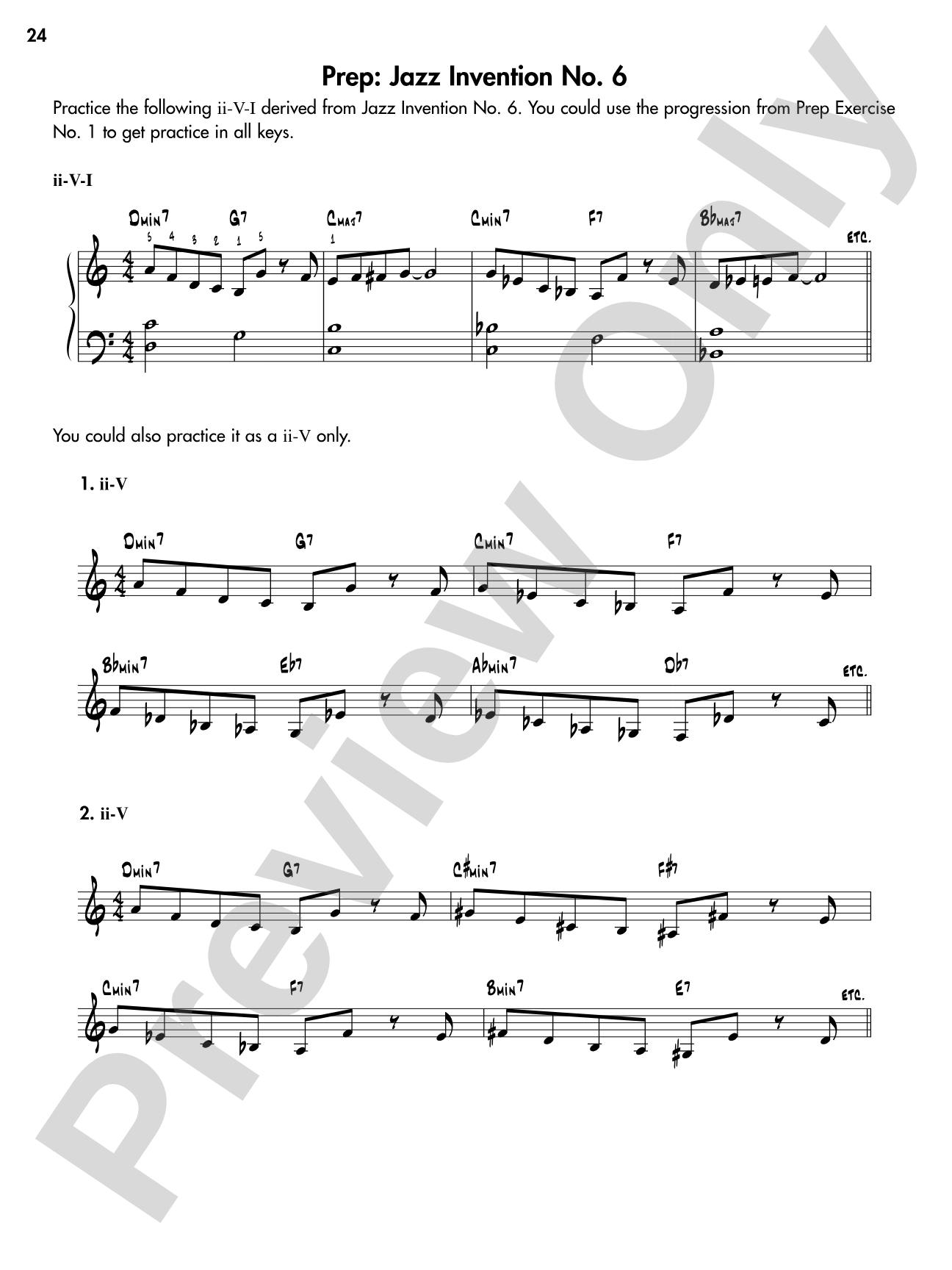
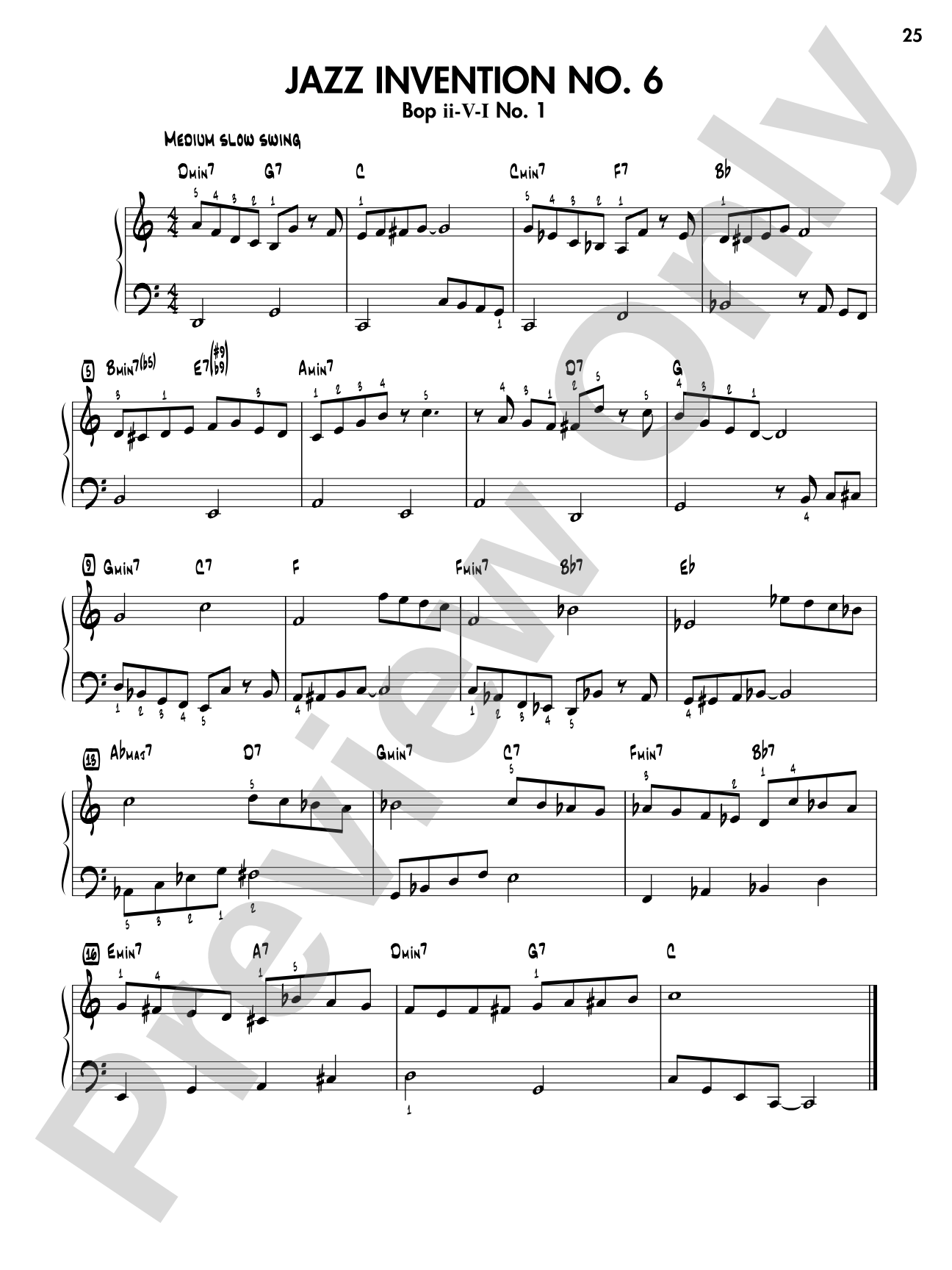
Pianists all know the benefits of playing the "Two-Part Inventions" of J. S. Bach. Now, world-respected jazz pianist and composer Bill Cunliffe has written his own "inventions" that will benefit every player's understanding and performance of jazz. These great-sounding etudes explore the specific harmonic, melodic, and technical challenges faced by jazz keyboardists, including the ii-V and ii-V-I progressions, outlining changes, chord-tone ornamentation, playing in octaves, tonic patterns, block chords, polytonality, stride piano, and left-hand walking bass.
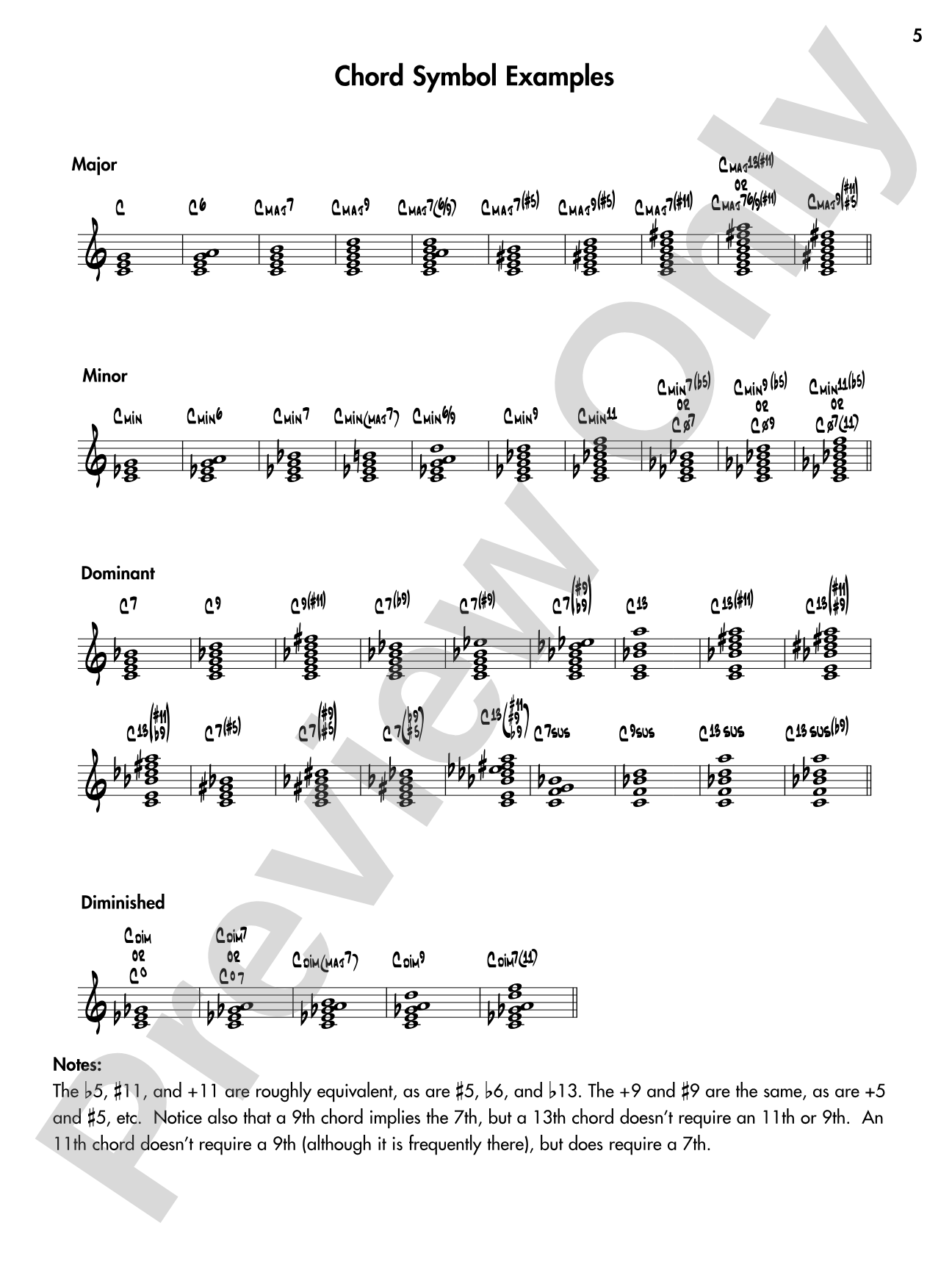
Pieces feature chord symbols, explanatory notes, and preparatory exercises, and each invention is performed on the recording by Bill Cunliffe. 123 pages.
" . . . perfect for daily warm-up, explores the harmonic and melodic intricacies of jazz, each etude targets a specific technical skill and includes performance notes, inventions gradually become more challenging and the harmonic progressions are varied and very musical . . . a musical feast."
-International Association for Jazz Education (IAJE)


Pieces feature chord symbols, explanatory notes, and preparatory exercises, and each invention is performed on the recording by Bill Cunliffe. 123 pages.
" . . . perfect for daily warm-up, explores the harmonic and melodic intricacies of jazz, each etude targets a specific technical skill and includes performance notes, inventions gradually become more challenging and the harmonic progressions are varied and very musical . . . a musical feast."
-International Association for Jazz Education (IAJE)
Jazz Inventions for Keyboard: 50 Etudes That Will Improve the Way You Play Jazz: Piano isn't in MakeMusic Cloud just yet...but it could be. Let us know you'd like to see it, and you'll help shape what comes next. In the meantime, start a free trial and dive into thousands of interactive titles your students can play along with today.
Request This Title
Tell us you want it.
Start Your Free Trial
Explore everything that's ready to play right now.
Sample Audio
1
Jazz Invention 24
--:--
2
Jazz Invention 40
--:--
3
Jazz Invention 50
--:--
Jazz Invention 24
0:00
0:00
Sample Video
No sample videos found.
Additional Details
Publisher:
Alfred Music
Page Count:
124
SKU:
00-PB-0002156
More about this title
About the Composer: Bill Cunliffe

Bill Cunliffe's credentials as both performer and educator run deep. A Down Beat Award winner during his Eastman years, he went on to hold a faculty position at Central State University and toured Europe as pianist and arranger for Buddy Rich alongside Frank Sinatra. His collaborative work with jazz luminaries including Ray Brown, Joe Henderson, Freddie Hubbard, and James Moody shaped his understanding of how jazz musicians think and play across the full spectrum of the tradition.
Cunliffe's compositional voice has earned recognition at the highest levels: he won the 1989 Thelonious Monk International Jazz Piano Award, received National Endowment for the Arts support, and claimed victory in the American Composers Forum jazz competition. His work appears on recordings that have charted in JazzWeek radio polls, and arrangements of his compositions have received Grammy nominations. Beyond his dozen albums as a leader, his pedagogical publications through Alfred Music Publishing have become standard references for jazz pianists seeking to deepen their craft.
Why we love this
Cunliffe sidesteps the trap of writing 'etudes' that feel detached from actual jazz playing. Each invention targets a genuine harmonic or technical problem that pianists encounter in real repertoire, whether that's navigating ii-V turnarounds, ornamenting chord tones, or building independence between hands. The fact that the author performs each etude on the recording means students hear not just the mechanics but the musicality, which transforms what could be dry technical work into something genuinely worth playing repeatedly.
What to expect
Playing through these inventions feels purposeful rather than mechanical. Each piece has its own character and harmonic color, shaped by the specific jazz vocabulary it explores. The progression from foundational concepts to sophisticated techniques like polytonality and stride piano rewards patient work with genuine musicianship rather than mere finger dexterity.
Who it's for
Jazz pianists at the intermediate level and beyond who are serious about expanding their harmonic vocabulary and technical fluency will find these etudes invaluable. They're equally useful for keyboard players in jazz combo settings and pianists preparing for jazz performance exams or auditions. Teachers seeking daily material that combines technical rigor with genuine musicality have found this collection indispensable.
How to get the most out of it
- Reference the explanatory notes before diving into each etude; Cunliffe flags the specific harmonic or technical concept so you know exactly what to listen for and practice intentionally.
- Isolate the preparatory exercises that precede each invention rather than jumping straight to the full piece; this scaffolding exists for a reason and accelerates mastery of the target skill.
- Use the recorded performances to internalize phrasing and touch, especially in pieces exploring stride piano or polytonality where notation alone won't capture the full musical intention.
- Work through these in order during warm-up sessions rather than skipping around; the progressively challenging harmonic content builds on itself and reinforces cumulative learning.
How to use it
Assign a rotating selection of these etudes as standard warm-up material for jazz piano students across your studio or ensemble program; the variety prevents repetition fatigue while building habits of technical precision. These also serve as diagnostic tools early in the semester, helping you identify which harmonic or technical areas need the most focused attention for each student. For ensemble pianists, working through relevant inventions in parallel with the repertoire you're learning creates immediate transfer between etude work and performance.
Skills your students will build
- ii-V and ii-V-I progression recognition and execution
- Chord-tone melody ornamentation over jazz changes
- Outlining chord extensions and alterations
- Block chord comping and voicing
- Left-hand walking bass patterns under right-hand improvisation
- Stride piano technique and left-hand independence
- Polytonality and quartal harmony in jazz context
- Octave doubling and right-hand octave agility
- Tonic pedal point patterns and modal improvisation