Jazz Conception: Trombone Cover Image

Jazz Conception: Trombone: Trombone Book & MP3 CD

$25.95 USD
Sale price  $25.95 USD Regular price 
Skip to product information
Jazz Conception: Trombone Cover Image

Jazz Conception: Trombone: Trombone Book & MP3 CD

21 Solo Etudes for Jazz Phrasing, Interpretation, and Improvisation

By Jim Snidero

Item: 01-ADV14723

$25.95
Shipped

One moment…

Description
Jazz Conception is an exciting way for players at all levels to learn the language of jazz! Jazz Conception: Trombone Book and CD set features 21 solo etudes based on chord changes to standards and blues. See and hear how a well-known soloist phrases, articulates, and plays along with or without the soloist on the CD. Play along with one of today's finest swinging New York rhythm sections: Mike LeDonne on piano, Dennis Irwin on bass, and Kenny Washington on drums. Start out fairly easy, then get progressively more difficult. Use the etudes as a bridge to solos of the masters that are usually more complicated and involved. Learn melodies and lines that will give you a solid jazz vocabulary and musicality. Use the book/MP3 CD sets for private lessons, for self-study, or in any combination up to a full jazz ensemble, including flute and clarinet. If you are more advanced you may want to use the book to develop your sight reading abilities, for transcribing the etudes off the CD (then check against the book), or for just having fun playing along with a great jazz rhythm section. Used as an improvisation study, learning how to construct a swinging, logical solo works especially well in combination with the Study Guide (item #01-ADV14730). Titles: Groove Blues * Amen * A Doll * Total Blues * Grease * Rose * Joe's Thing * Proxy * Father Song * Ind Line * Miles * Blue Minor * Autumn * Friends * Great Love * Two Plus Two * Lunar * Tunesia * Bird Blues * Somewhere * Passage.

Jazz Conception: Trombone: Trombone Book & MP3 CD isn't in MakeMusic Cloud just yet...but it could be. Let us know you'd like to see it, and you'll help shape what comes next. In the meantime, start a free trial and dive into thousands of interactive titles your students can play along with today.

Sample Pages

Sample Audio

track 1

0:00
0:00
Sample Video
Additional Details
Series: Advance Music: Jazz Conception
Publisher: Advance Music
UPC: 805095147230
SKU: 01-ADV14723

More about this title

About the Author: Jim Snidero
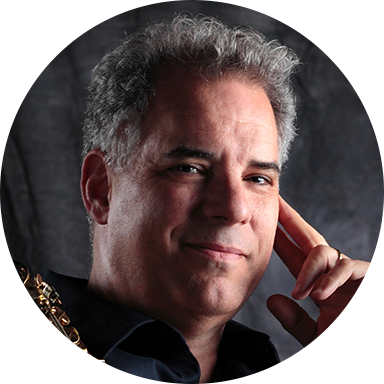
Jim Snidero

Jim Snidero has spent more than three decades establishing himself as one of jazz's most respected musicians and pedagogues. A saxophonist, composer, and arranger, he's earned recognition from Downbeat Magazine as both a "master musician" and "alto saxophone virtuoso," and placed in the 2017 Downbeat Critic's Poll, underscoring his sustained relevance on the international jazz scene.

Snidero's path to New York began in Camp Springs, Maryland, where early mentorship from Phil Woods and studies at the University of North Texas shaped his musical foundation. After arriving in 1981, he quickly built a reputation through work with Brother Jack McDuff, the Mingus Big Band, Frank Wess, the Toshiko Akiyoshi Jazz Orchestra, Eddie Palmieri, and appearances on Frank Sinatra's Duets II. His prolific recording career under his own name, beginning with On Time in 1984 and continuing through acclaimed releases like Mixed Bag and Blue Afternoon, demonstrates the stylistic range and musical consistency that have made him both a bandleader and a sought-after educator.

Why we love this

Snidero curates the progression deliberately, starting trombone players in accessible territory before raising the harmonic and melodic bar. The rhythm section, Mike LeDonne, Dennis Irwin, and Kenny Washington, swings authentically, which means your students aren't learning from sanitized, overly clean accompaniments but from the real thing, and that distinction matters when internalizing jazz phrasing and time feel.

What to expect

Grounded, swinging, and conversational. These etudes inhabit the world of blues changes and standard harmonic landscapes without pretense, inviting players into the rhythmic and melodic vocabulary of working jazz musicians. The progression builds confidence naturally, each new study revealing deeper harmonic or metric layers.

Who it's for

Trombone students from beginner jazz players through advancing improvisers looking for accessible entry points into the jazz tradition. The book works equally well for self-study, private lesson curricula, or integrated into ensemble settings where sight-reading and improvisation skills need development.

How to get the most out of it

  • Sing the etude through before touching the horn; Snidero's lines are written to sit in the voice, and vocalizing first reveals the natural articulation and breath points.
  • Reference the CD soloist as a model for solo construction, not as the definitive interpretation; your students should hear how one musician shapes these changes and then find their own answers.
  • Transpose selected etudes to different keys once you've locked in the original; this forces real harmonic understanding rather than rote fingering.
  • Isolate the rhythm section tracks for sight-reading work, especially once students are beyond the early studies; playing without the melody guide sharpens both reading and listening.

How to use it

Pair this with the Jazz Conception Study Guide to deepen harmonic analysis and improvisation concepts, or use individual etudes as sight-reading warm-ups in a jazz ensemble setting. For solo recitals, select polished studies from the middle and later sections as performance-ready pieces that showcase jazz vocabulary without demanding full original composition.

Skills your students will build

  • Jazz articulation and phrasing over chord changes
  • Reading and playing blues and standard jazz chord progressions
  • Rhythmic independence and time feel against a professional rhythm section
  • Solo construction using motivic development and call-and-response phrasing
  • Swing eighths and jazz language specific to the trombone's slide mechanics
  • Transcription by ear (using the included solo performances and CD)
  • Sight-reading melodic lines with jazz-specific rhythmic vocabulary

You May Also Like