Jazz Conception Tenor & Soprano Saxophone: Saxophone Book & MP3 Online Audio
$25.95 USD
Sale price
$25.95 USD
Regular price
Skip to product information


Jazz Conception Tenor & Soprano Saxophone: Saxophone Book & MP3 Online Audio
21 Solo Etudes for Jazz Phrasing, Interpretation and Improvisation
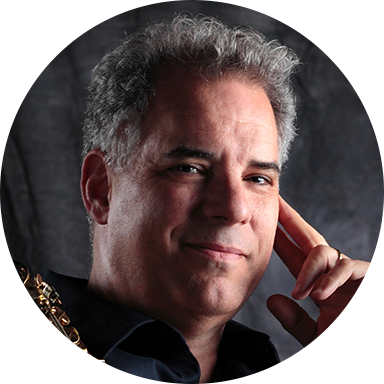
By Jim Snidero
Level: Intermediate - Advanced
Item: 01-ADV14721
$25.95
One moment…
Description
Jazz Conception is a new and exciting way for players at all levels to learn the language of jazz! Each book/mp3 set features 21 solo etudes based on chord changes to standards and blues.
The same 21 etudes transposed and adapted for the main jazz instruments.
See and hear how a well known soloist phrases and articulates and play along with or without the soloist on the audio recordings.
Play along with one of today's finest, swinging New York rhythm sections: Mike LeDonne on piano, Dennis Irwin on bass, and Kenny Washington on drums.
Start out fairly easy, then get progressively more difficult.
Use the etudes as a bridge to solos of the masters that are usually more complicated and involved.
Learn melodies and lines that will give you a solid jazz vocabulary and musicality.
Use the book/mp3 set for private lessons, for self-study, or in any combination up to a full jazz ensemble, including flute and clarinet.
If you are more advanced you may want to use the book to develop your sight reading abilities, for transcribing the etudes off the audio recordings (then check against the book) or for just having fun playing along with a great jazz rhythm section.
Use as an improvisation study, learning how to construct a swinging, logical solo - works especially well in combination with the Study Guide.
The Jazz Conception series is also perfectly suited for the class room. It can be used to develop younger students' jazz style in a big band or small group. In an improvisation class the teacher can use the etudes as studies in improvisation. The Study Guide provides an analysis of each etude, along with practice assignments for each etude.


The same 21 etudes transposed and adapted for the main jazz instruments.
See and hear how a well known soloist phrases and articulates and play along with or without the soloist on the audio recordings.
Play along with one of today's finest, swinging New York rhythm sections: Mike LeDonne on piano, Dennis Irwin on bass, and Kenny Washington on drums.
Start out fairly easy, then get progressively more difficult.
Use the etudes as a bridge to solos of the masters that are usually more complicated and involved.
Learn melodies and lines that will give you a solid jazz vocabulary and musicality.
Use the book/mp3 set for private lessons, for self-study, or in any combination up to a full jazz ensemble, including flute and clarinet.
If you are more advanced you may want to use the book to develop your sight reading abilities, for transcribing the etudes off the audio recordings (then check against the book) or for just having fun playing along with a great jazz rhythm section.
Use as an improvisation study, learning how to construct a swinging, logical solo - works especially well in combination with the Study Guide.
The Jazz Conception series is also perfectly suited for the class room. It can be used to develop younger students' jazz style in a big band or small group. In an improvisation class the teacher can use the etudes as studies in improvisation. The Study Guide provides an analysis of each etude, along with practice assignments for each etude.
Discover MakeMusic Cloud: thousands of interactive titles your students can play along with today.
Sample Audio
track 1
0:00
0:00
Sample Video
No sample videos found.
Additional Details
More about this title
About the Author: Jim Snidero