Jazz Conception: Saxophone Section Cover Image

Jazz Conception: Saxophone Section: 5 Saxophones AATTBar, Opt. Rhythm Section Conductor Score & Parts with CD

$69.95 USD
Sale price  $69.95 USD Regular price 
Skip to product information
Jazz Conception: Saxophone Section Cover Image

Jazz Conception: Saxophone Section: 5 Saxophones AATTBar, Opt. Rhythm Section Conductor Score & Parts with CD

8 Etudes for Jazz Phrasing and Improvisation

By Jim Snidero

Item: 01-ADV14731

$69.95
Shipped

One moment…

Description
Jazz Conception: Saxophone Section is for five saxophones (AATTBar) and optional rhythm section. The recording features complete listening versions and separate rhythm section accompanying tracks. Titles: Amen * A Doll * Total Blues * Rose * Autumn * Friends * Two Plus Two * Passage.

Jazz Conception: Saxophone Section: 5 Saxophones AATTBar, Opt. Rhythm Section Conductor Score & Parts with CD isn't in MakeMusic Cloud just yet...but it could be. Let us know you'd like to see it, and you'll help shape what comes next. In the meantime, start a free trial and dive into thousands of interactive titles your students can play along with today.

Sample Pages

Sample Audio
1 track 1 --:--
2 track 2 --:--

track 1

0:00
0:00
Sample Video
Additional Details
Series: Advance Music: Jazz Conception
Publisher: Advance Music
UPC: 805095147315
SKU: 01-ADV14731
Instrumentation: 5 Saxophones AATTBar, Opt. Rhythm Section

More about this title

About the Author: Jim Snidero
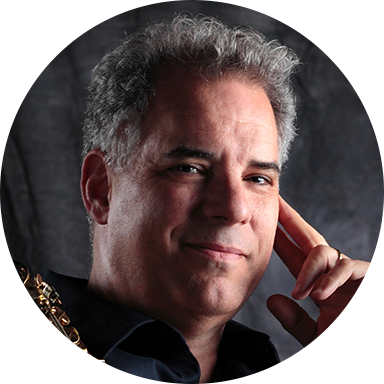
Jim Snidero

Jim Snidero has spent over three decades establishing himself as one of the most respected voices in contemporary jazz. A virtuoso alto saxophonist, composer, and arranger, he has earned recognition from Downbeat Magazine as both a "master musician" and "alto saxophone virtuoso," with a 2017 Downbeat Critic's Poll placement that underscores his lasting influence on the international jazz stage.

Snidero's path to the profession began in Camp Springs, Maryland, where early mentorship from Phil Woods and studies with Dave Liebman shaped his artistic foundation. His move to New York in 1981 launched a career marked by significant sideman work with Brother Jack McDuff, the Mingus Big Band, the Toshiko Akiyoshi Jazz Orchestra, and appearances on Frank Sinatra's Duets II. As a bandleader, Snidero has built a substantial discography spanning from On Time (1984) through acclaimed releases like Mixed Bag and Blue Afternoon, each reflecting his commitment to both musical consistency and stylistic depth.

Why we love this

Snidero writes for working ensemble directors, not theorists. These eight charts prioritize clear harmonic language and logical voice leading while maintaining genuine jazz character. The rhythmic flexibility and expressive openness in pieces like "Rose" and "Passage" give your section room to breathe, while tunes like "Total Blues" and "Amen" anchor students in timeless changes they'll encounter throughout a jazz career.

What to expect

These charts pulse with understated sophistication. Some sit comfortably in straight-ahead swing territory while others drift toward modal textures and contemporary voicings. The writing respects the lyrical qualities of each saxophone voice while building genuine ensemble sound from the blend.

Who it's for

High school jazz ensembles and college-level saxophone sections looking for substantive material beyond elementary big band charts. Directors seeking pieces that develop reading skills, jazz vocabulary, and section cohesion simultaneously will find these arrangements accessible yet rewarding.

How to get the most out of it

  • Balance the voicings carefully in the tutti passages; the baritone sax anchors the sound, so resist the urge to overshadow it with the altos.
  • Use the separate rhythm section tracks during sectional rehearsals to build independence before playing with live piano and bass.
  • Treat the recorded listening versions as interpretive models but not blueprints. Your section will sound fresher when you find your own phrasing and time feel.
  • Lock the melodic unison lines with precision before layering harmonies; rhythmic clarity makes the voicings land with authority.

How to use it

Build a concert around these eight pieces as a standalone saxophone section feature, or distribute them throughout the season as sectional performance opportunities during larger jazz ensemble programs. The range of moods and tempos makes them ideal for both opening statements and set closers.

Skills your students will build

  • Reading and balancing five-part saxophone voicings in close harmony
  • Identifying and executing jazz articulation appropriate to swing, ballad, and contemporary grooves
  • Developing intonation precision within ensemble unison lines and chord tones
  • Responding to rhythmic nuance and learning to play behind and ahead of the beat in context
  • Understanding functional harmony through the lens of jazz standards and original compositions
  • Building independence when accompanying rather than carrying the melody

You May Also Like