
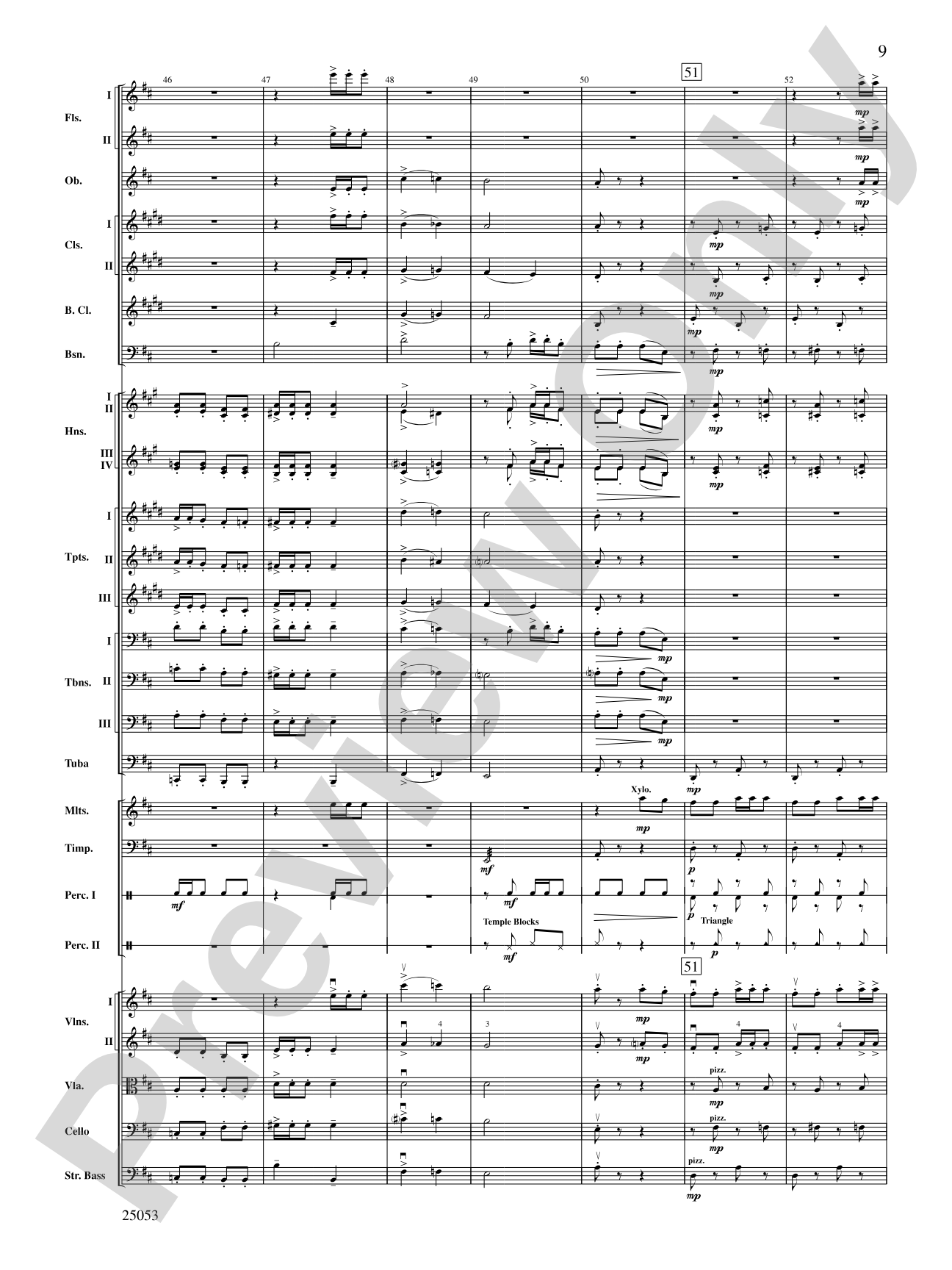
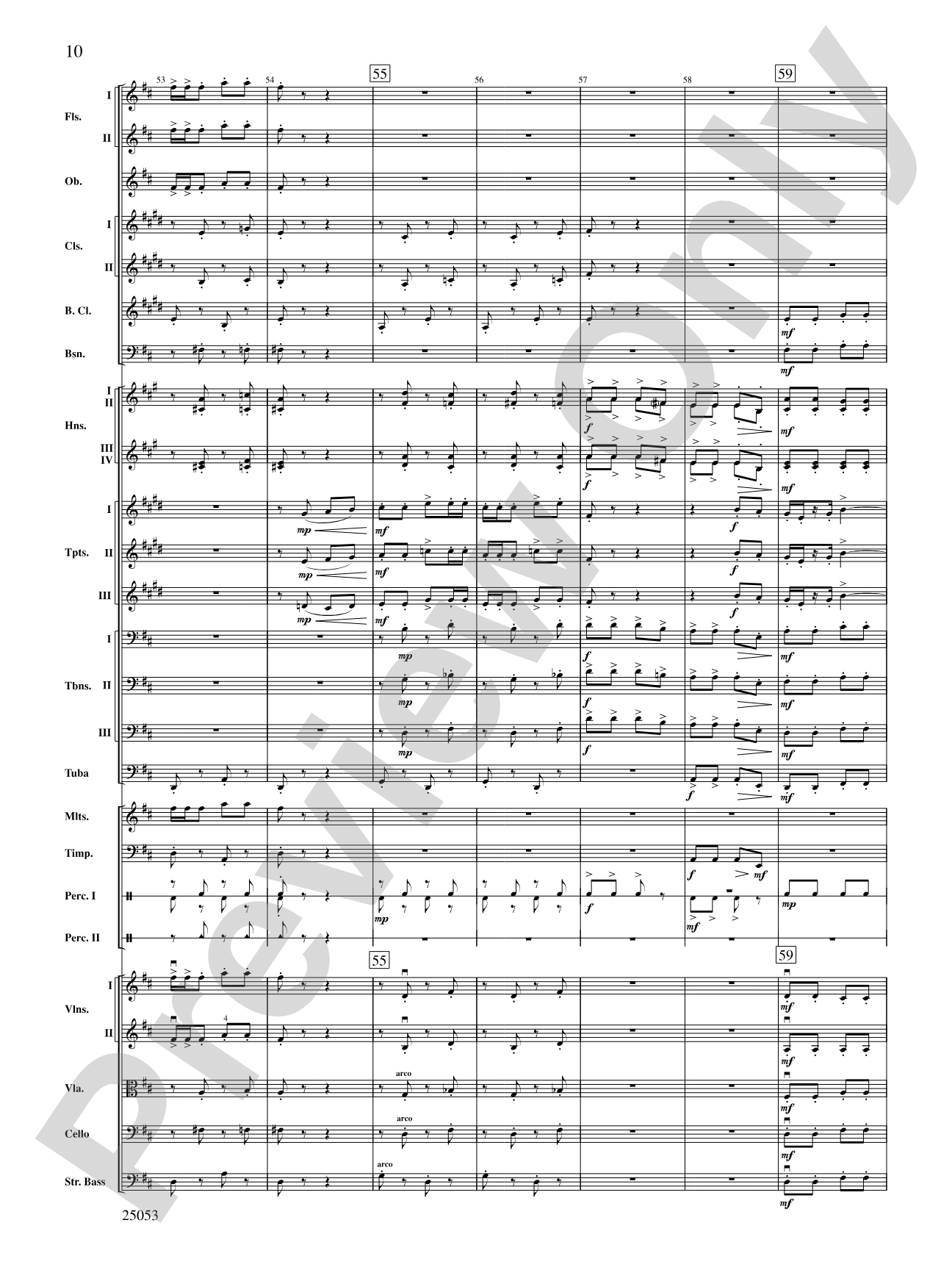
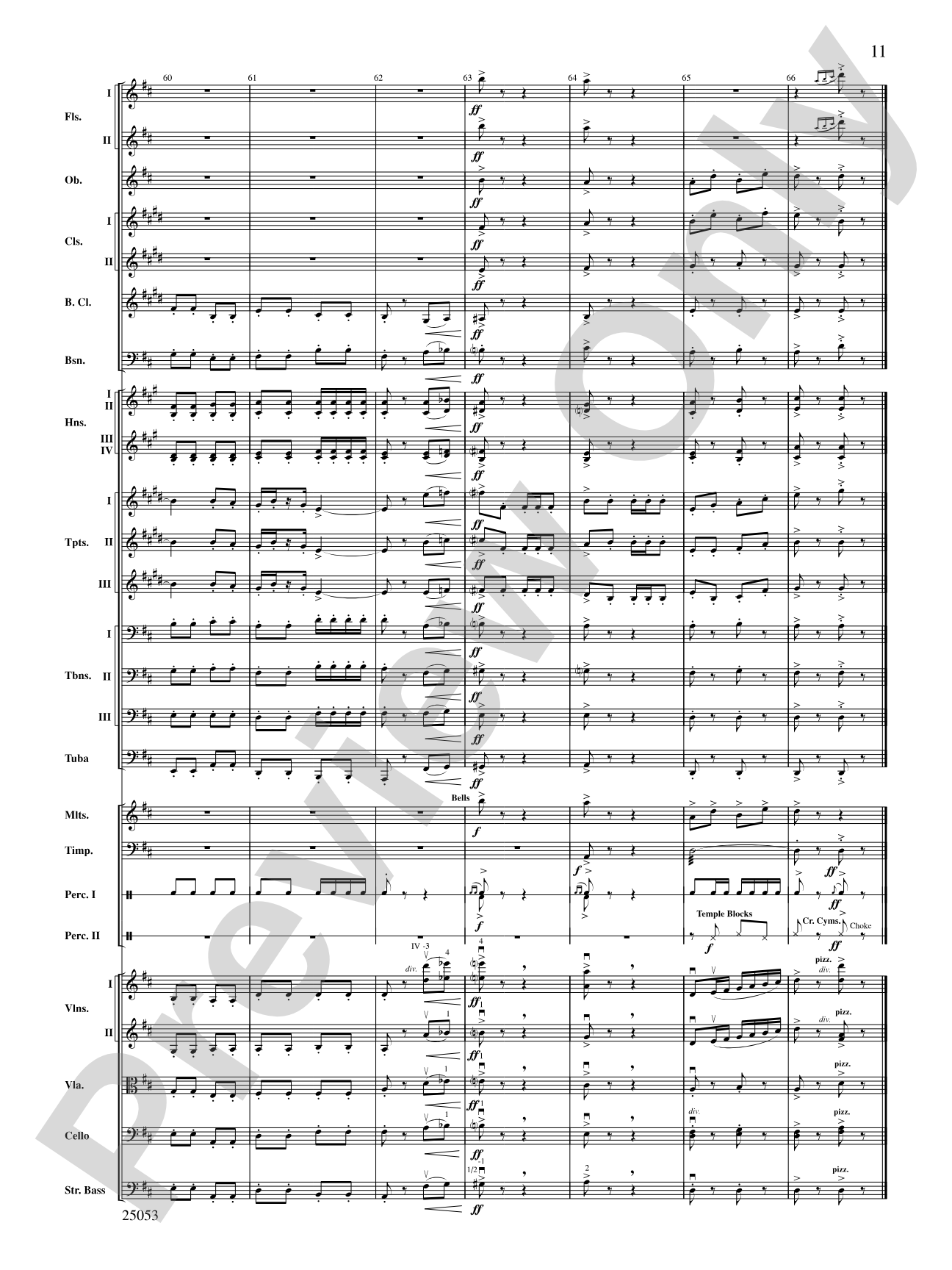

Japanese: Full Orchestra Conductor Score & Parts
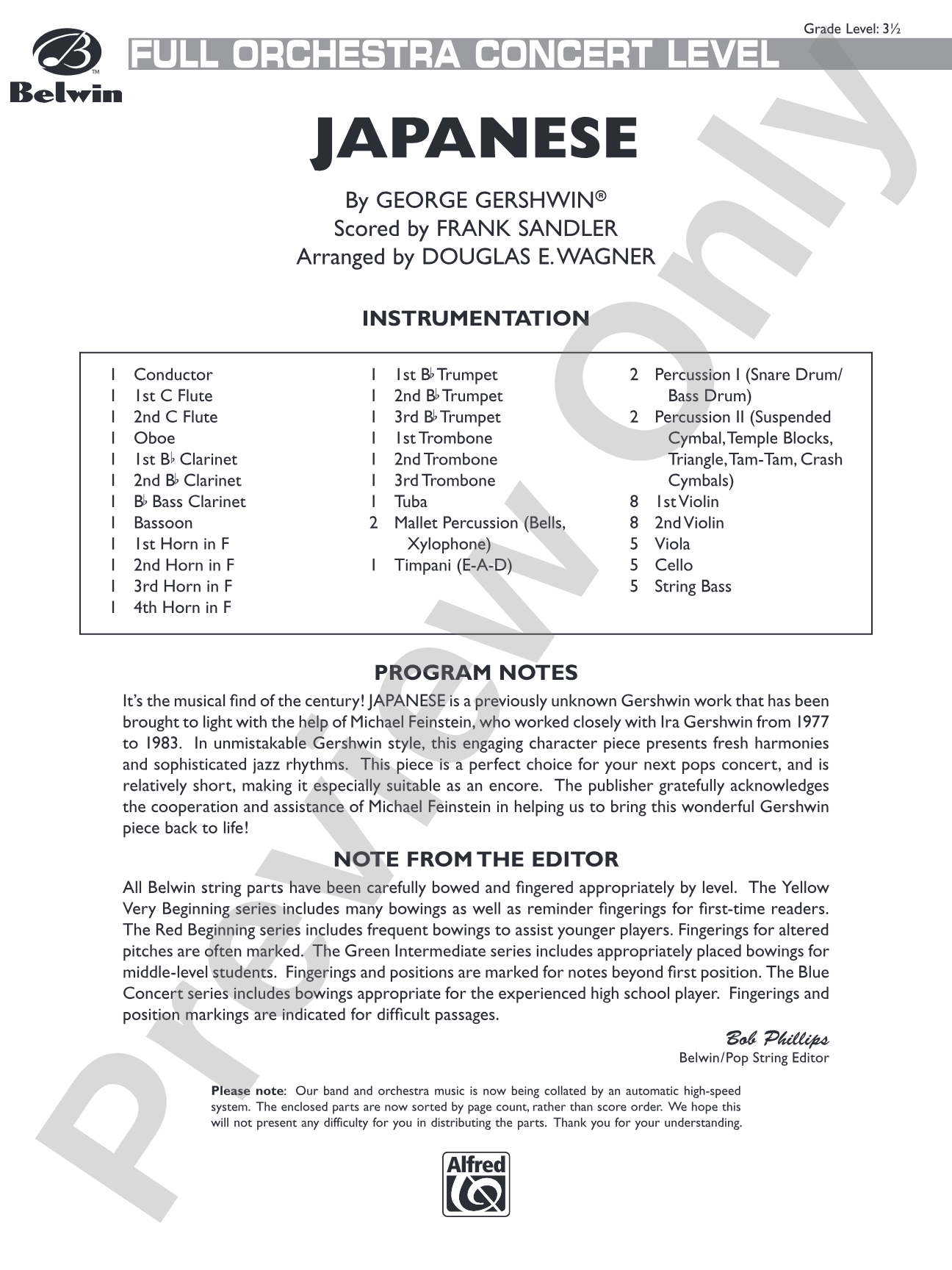
By George Gershwin / arr. Douglas E. Wagner
Grade: 3.5
Item: 00-PK-0001024

$73.00
One moment…
Description
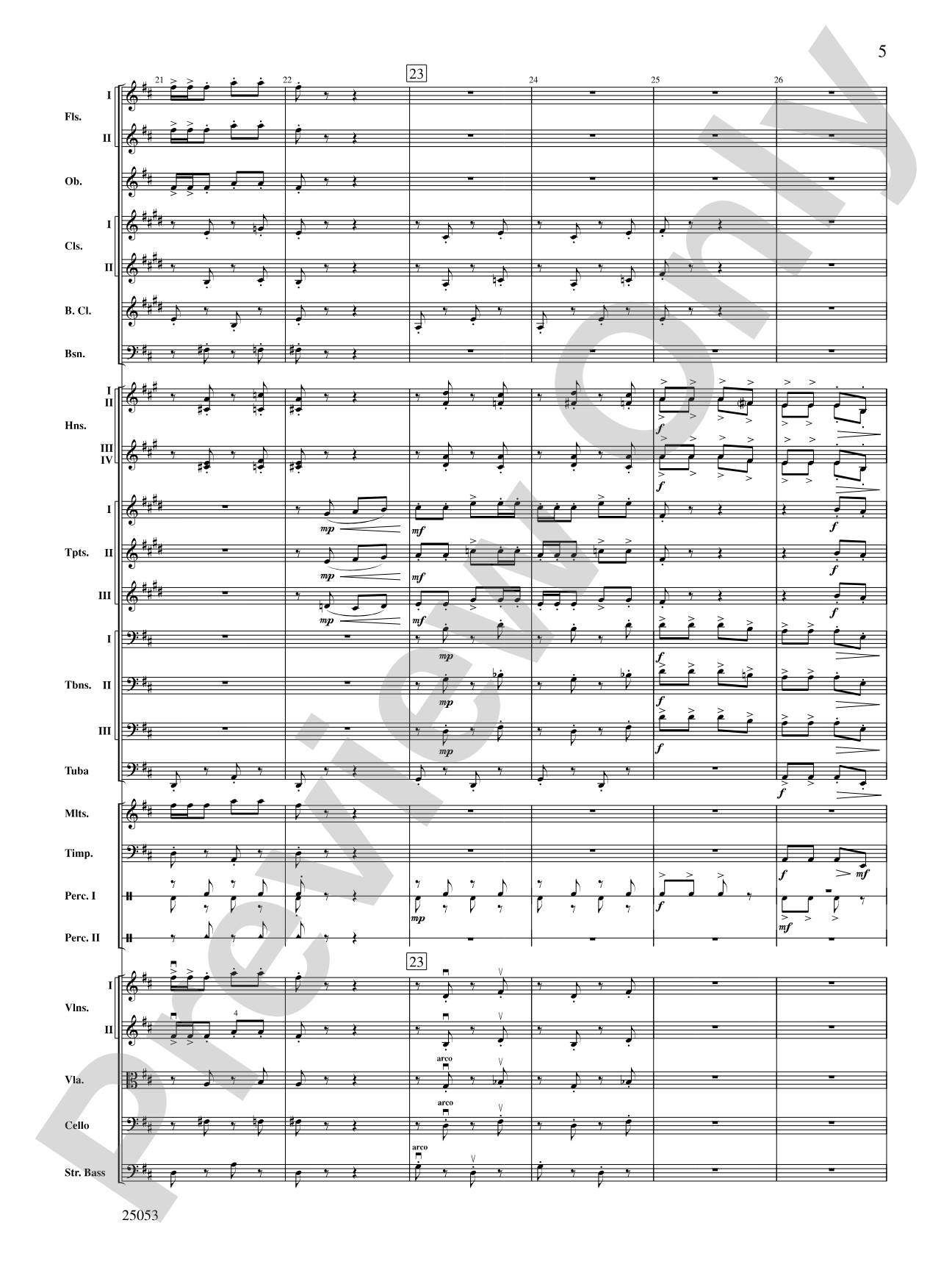
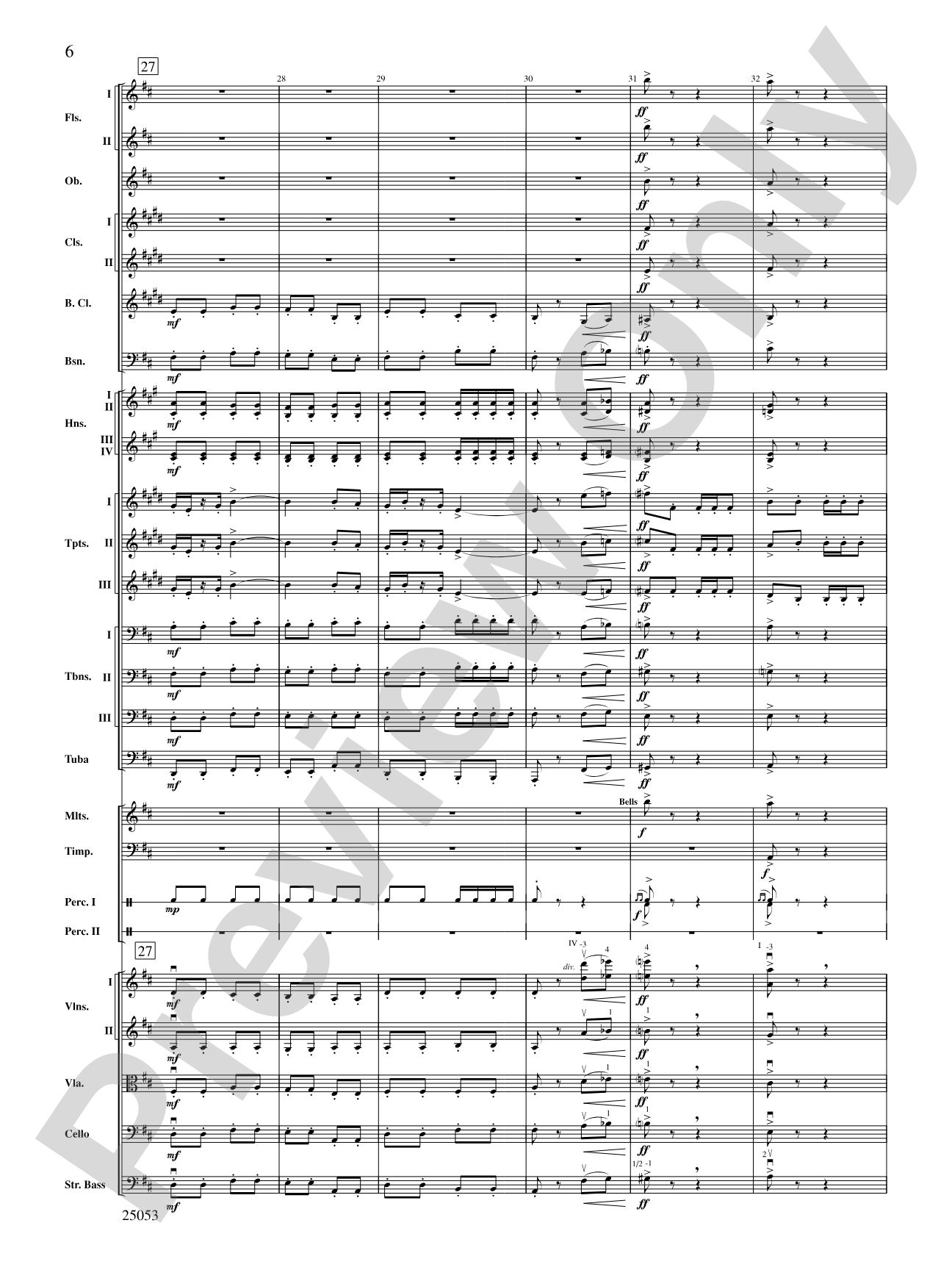
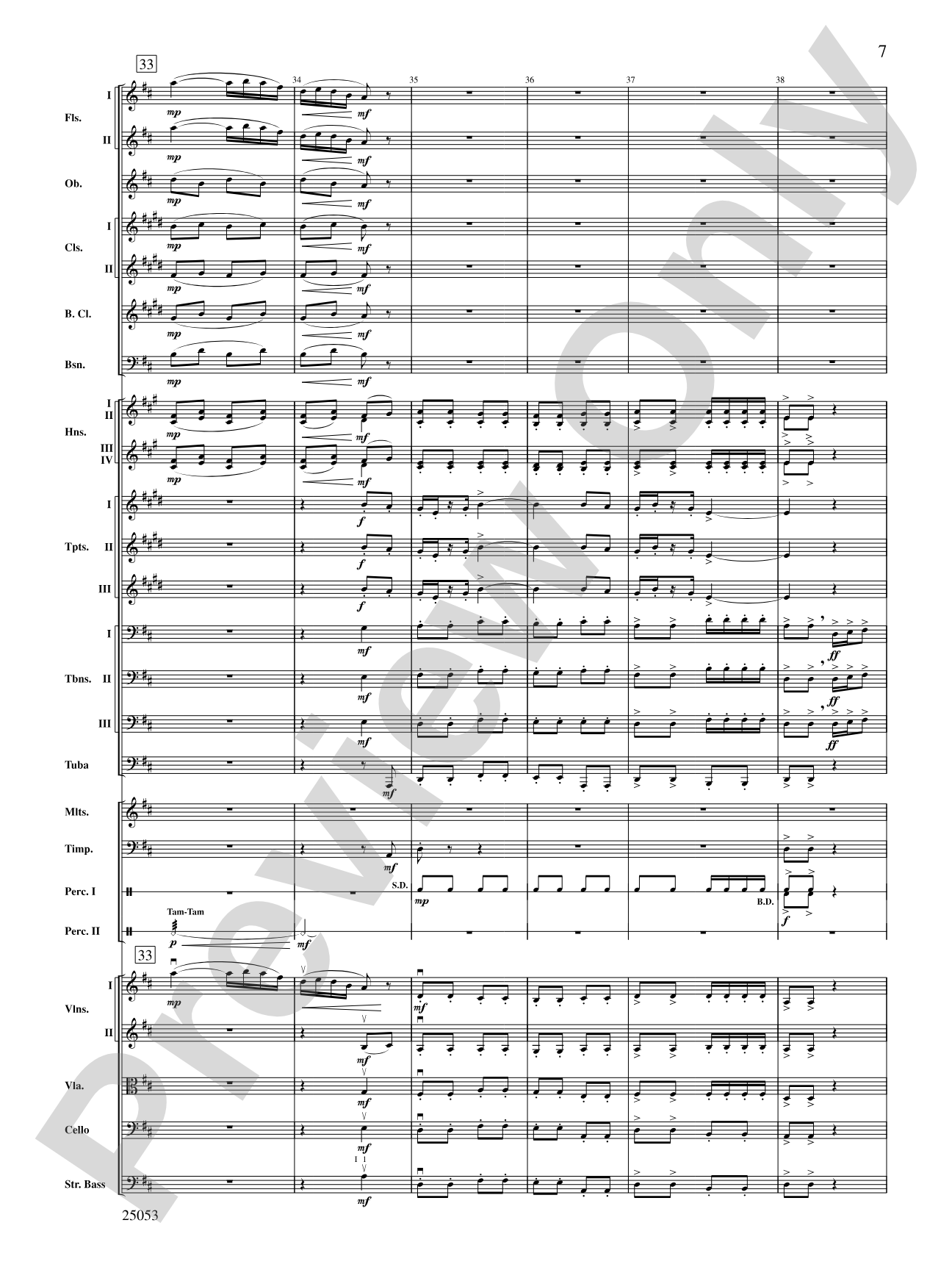
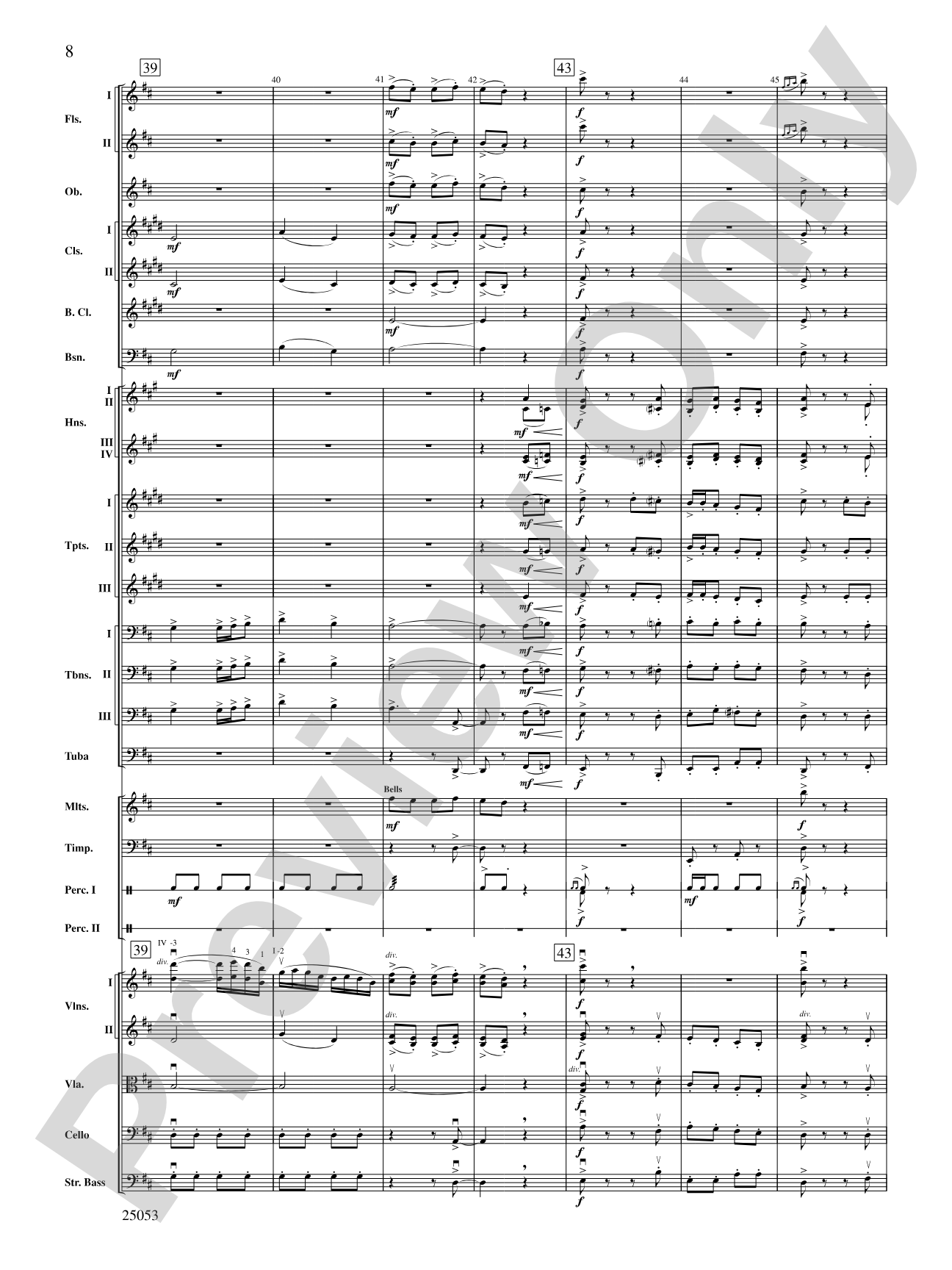
It's the musical find of the century! A previously unknown Gershwin work, brought to light with the help of Michael Feinstein, who worked closely with Ira Gershwin from 1977 to 1983. This engaging character piece, with its fresh harmonies, sophisticated jazz rhythms and unmistakable signature style is pure Gershwin from beginning to end. The work is relatively short, making it especially suitable for programming as an encore, and is also a perfect choice for your next pops concert.


Don't just read it, hear it, play along with it, and watch your students grow with it. In MakeMusic Cloud, Japanese: Full Orchestra Conductor Score & Parts comes alive with professional accompaniment, adjustable tempo, and built-in practice tools that turn solo practice into real progress.
Open in the Player
Jump straight in and assign it today.
Start Your Free Trial
Open this title and explore the full library in minutes.
Sample Audio
1
Audio File
--:--
0:00
0:00
Sample Video
No sample videos found.
Additional Details
Series:
Pop Concert Full Orchestra
Publisher:
Alfred Music
Page Count:
112
SKU:
00-PK-0001024
More about this title
About the Composer: George Gershwin
George Gershwin (1898-1937) shaped American concert music by weaving together classical forms, blues idioms, and jazz vernacular. His gift for melody and harmonic sophistication made him one of the most performed composers of the twentieth century, influencing generations of musicians across concert halls, Broadway theaters, and radio broadcasts.
This score represents a rediscovery made possible through Michael Feinstein's archival work with the Gershwin estate. The piece stands as a testament to Gershwin's inexhaustible creative output and his ability to craft character pieces that feel both immediate and enduring.
Why we love this
Conductors prize this work because it delivers unmistakable Gershwin character without demanding extensive rehearsal time. The Grade 3.5 scoring sits at an ideal balance where skilled high school ensembles and early-college orchestras can achieve polished results, and the concise length makes it a program-closing treat that leaves audiences wanting more.
What to expect
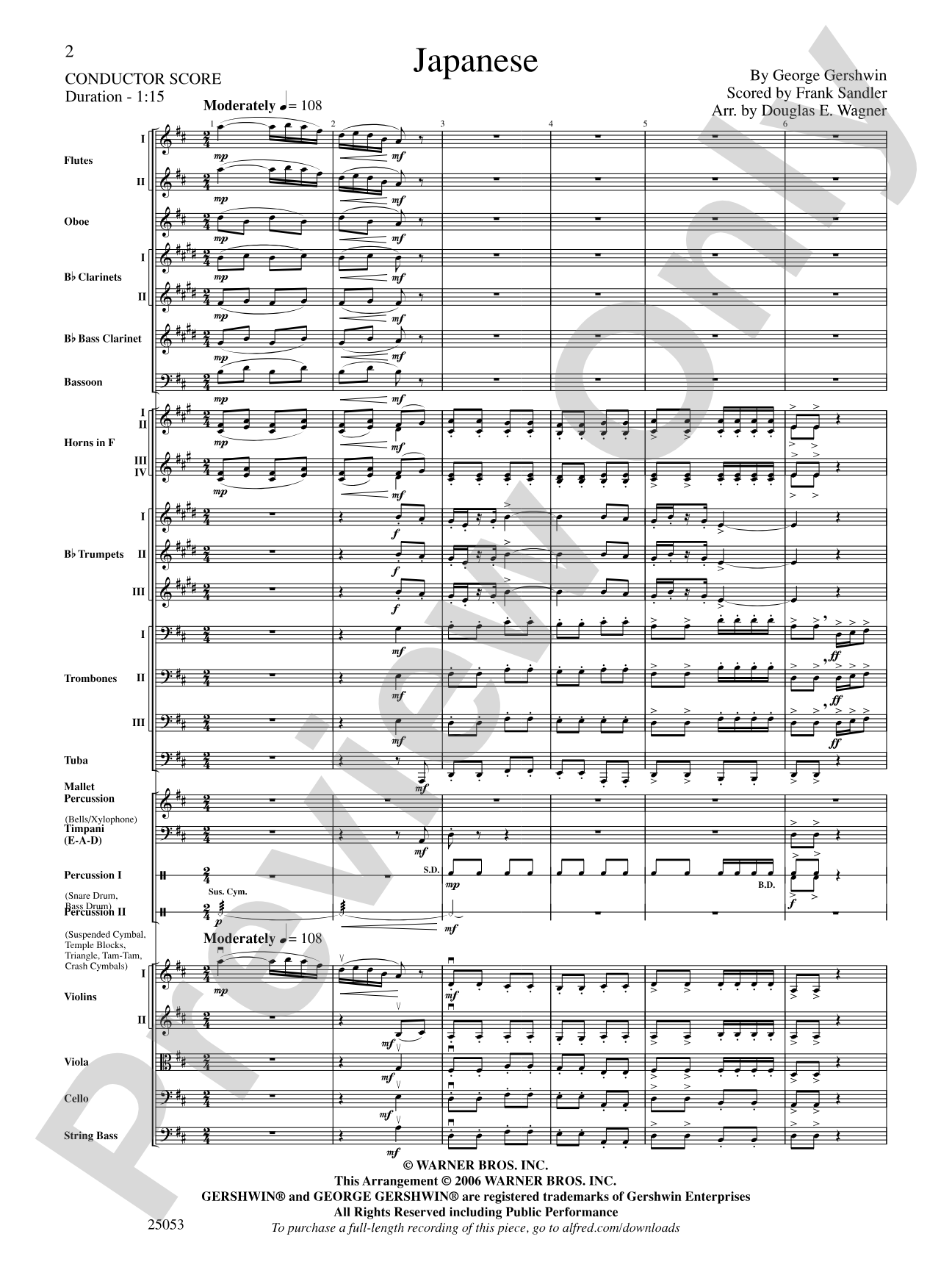
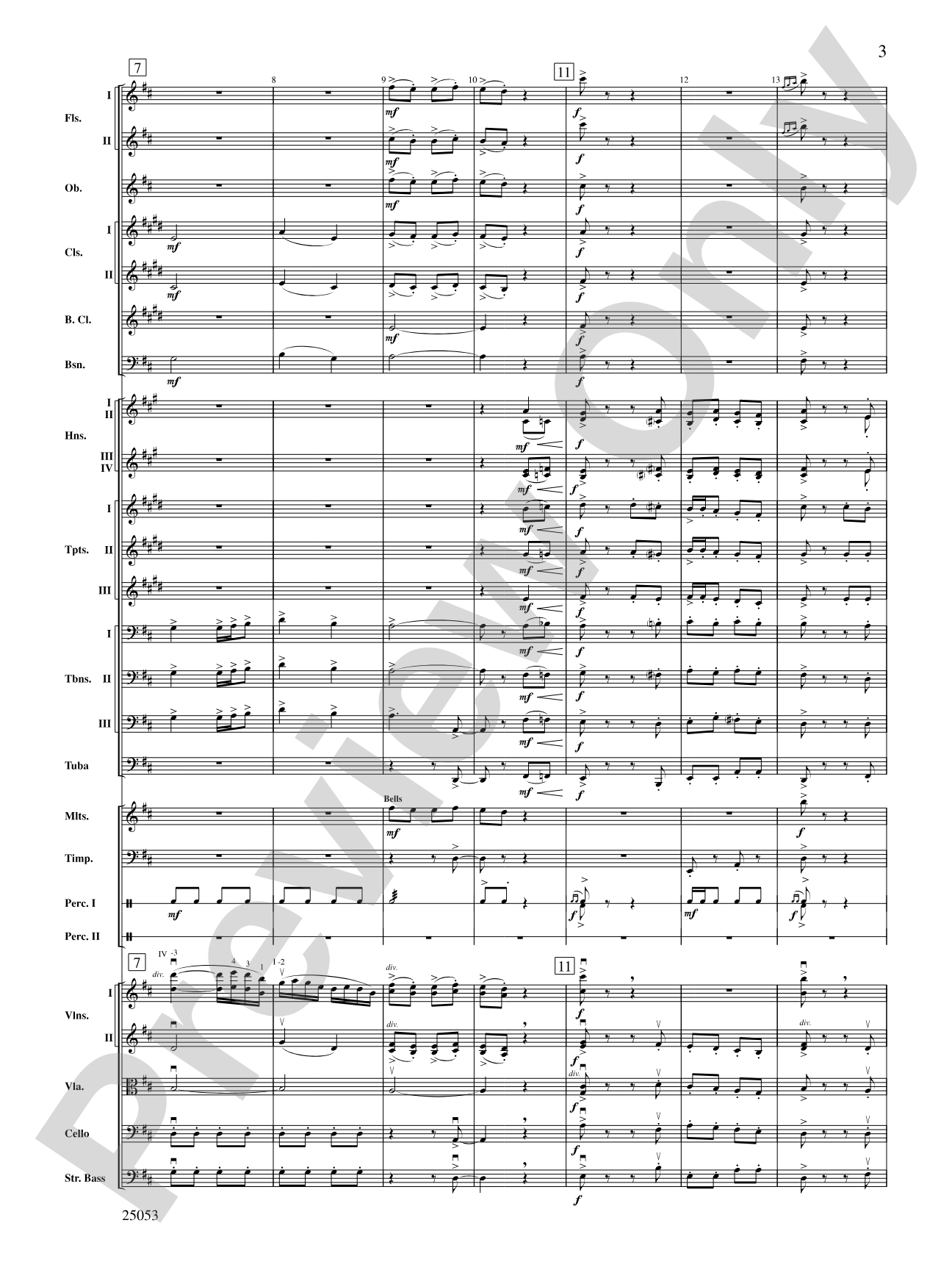
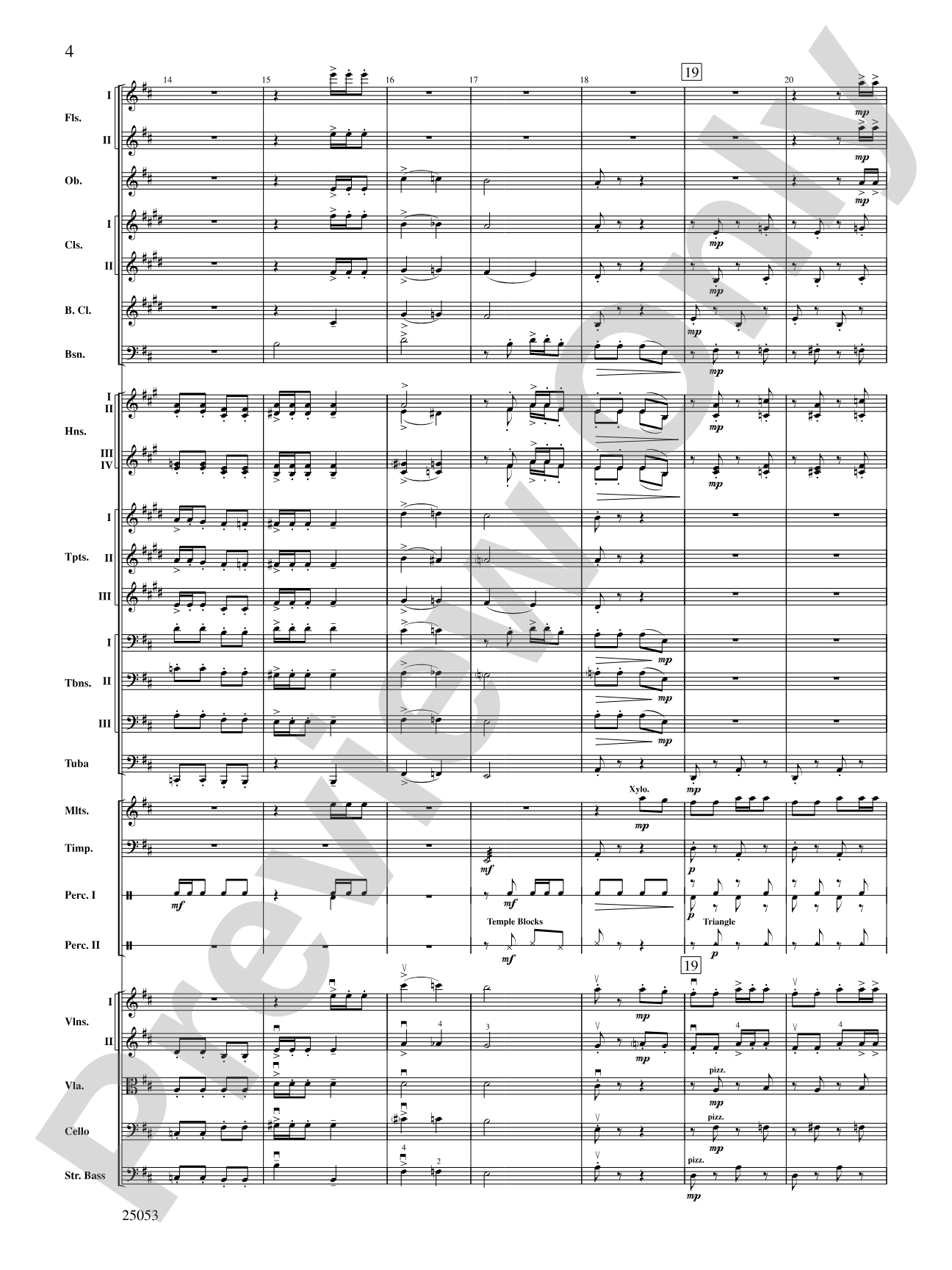
This is Gershwin in character piece form: sophisticated harmonies and jazz inflections wrapped in an elegantly brief package. The orchestration shimmers with the kind of orchestral color and rhythmic vitality that makes audiences lean forward, yet the writing feels conversational and warm rather than showy.
Who it's for
High school and college orchestra directors programming pops concerts, benefit galas, and end-of-year celebrations will find a work that audiences recognize as "Gershwin" instantly while remaining unfamiliar. Conductors seeking a substantive encore that doesn't require extensive sectional rehearsals will appreciate the Grade 3.5 accessibility.
How to get the most out of it
- Balance the jazz rhythms against the orchestral texture. The syncopation should feel natural and conversational, not mechanical; let the ensemble breathe into the syncopated figures rather than forcing them into a rigid grid.
- Highlight the voice leading through the harmonic progressions. Gershwin's fresh harmonies only shine when inner parts are heard; assign attentive players to second violin, violas, and horn parts so the harmonic color comes through.
- Shape phrases with the character of the piece, not by tempo alone. Use dynamic contour and rubato judiciously to let the melodic line dance, especially in passages that ask for a conversational, improvisatory feel.
- Ensure the percussion section understands the style reference. A crisp, articulate touch on auxiliary percussion sets the pops-concert tone without overshadowing the orchestral fabric.
How to use it
Program this as your concert closer when you want to send the audience out smiling. It pairs beautifully with classical or American standards earlier in the concert, offering a spirited contrast. The relatively short duration makes it ideal for benefit concerts or multi-ensemble galas where time is precious.
Skills your students will build
- Balancing jazz syncopation within an orchestral texture
- Executing Gershwin's harmonic language and voice-leading style
- Responding to conductor cues in a conversational, flexible style
- Ensemble coordination in a sophisticated pops context