
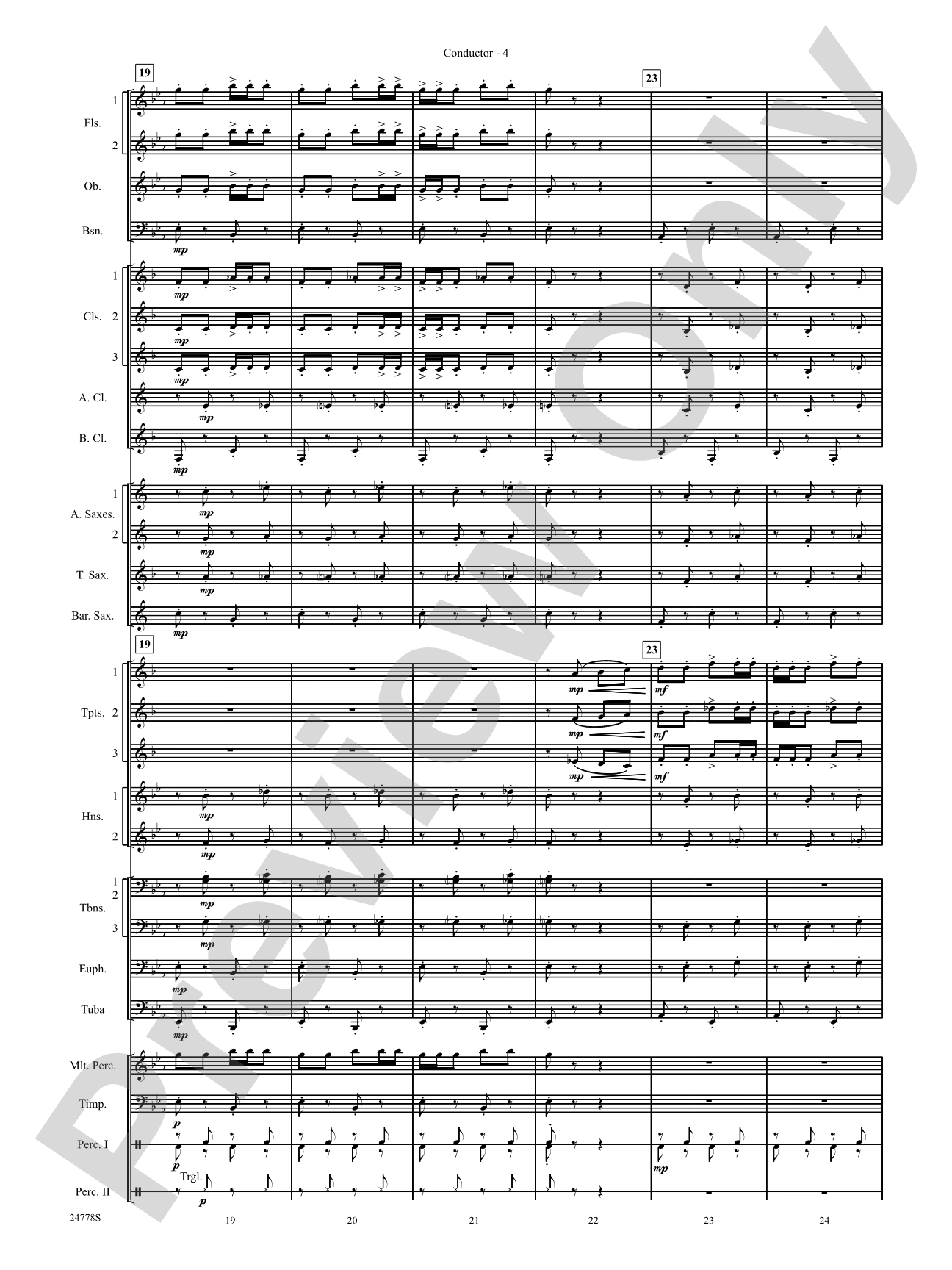
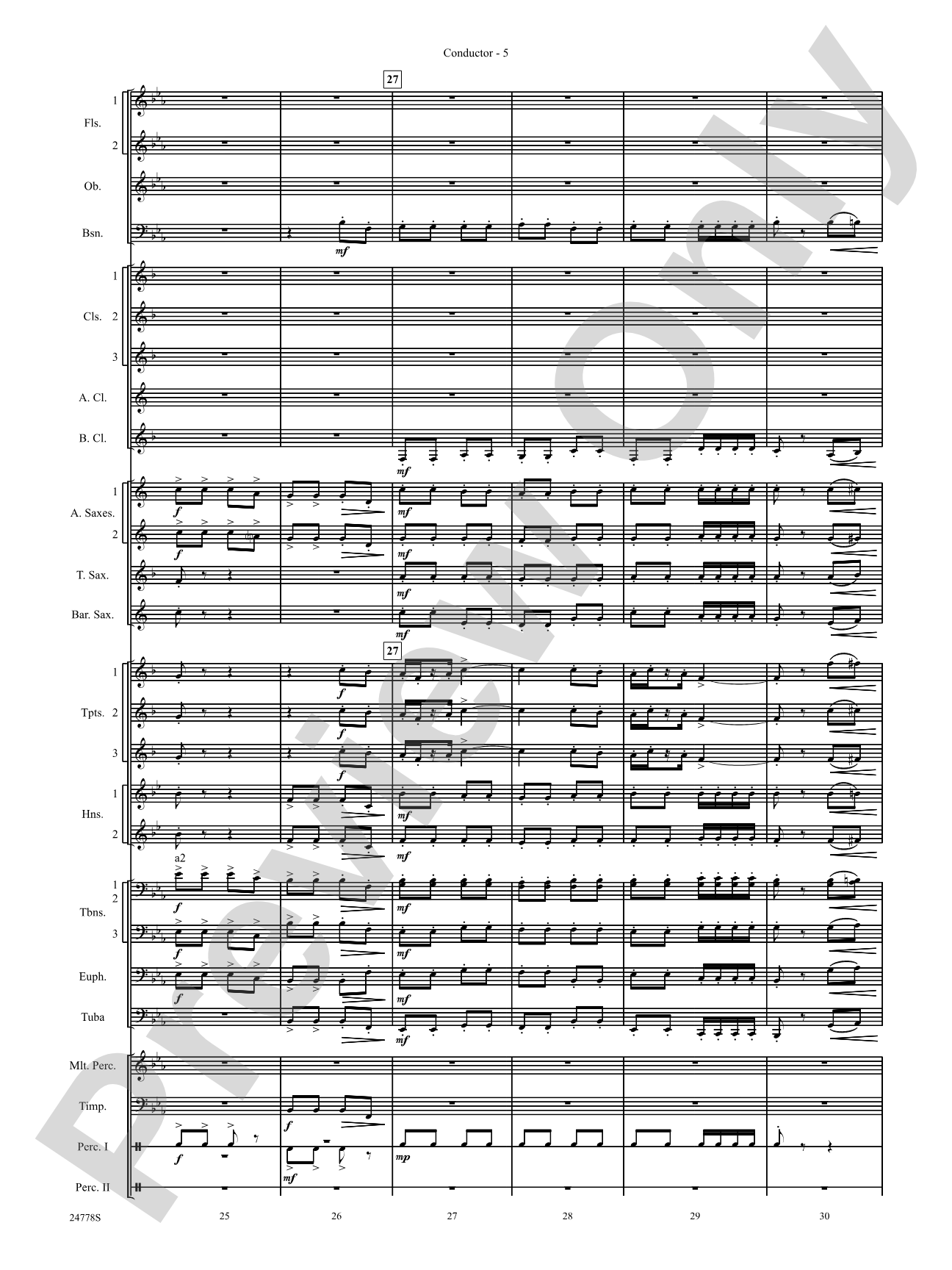
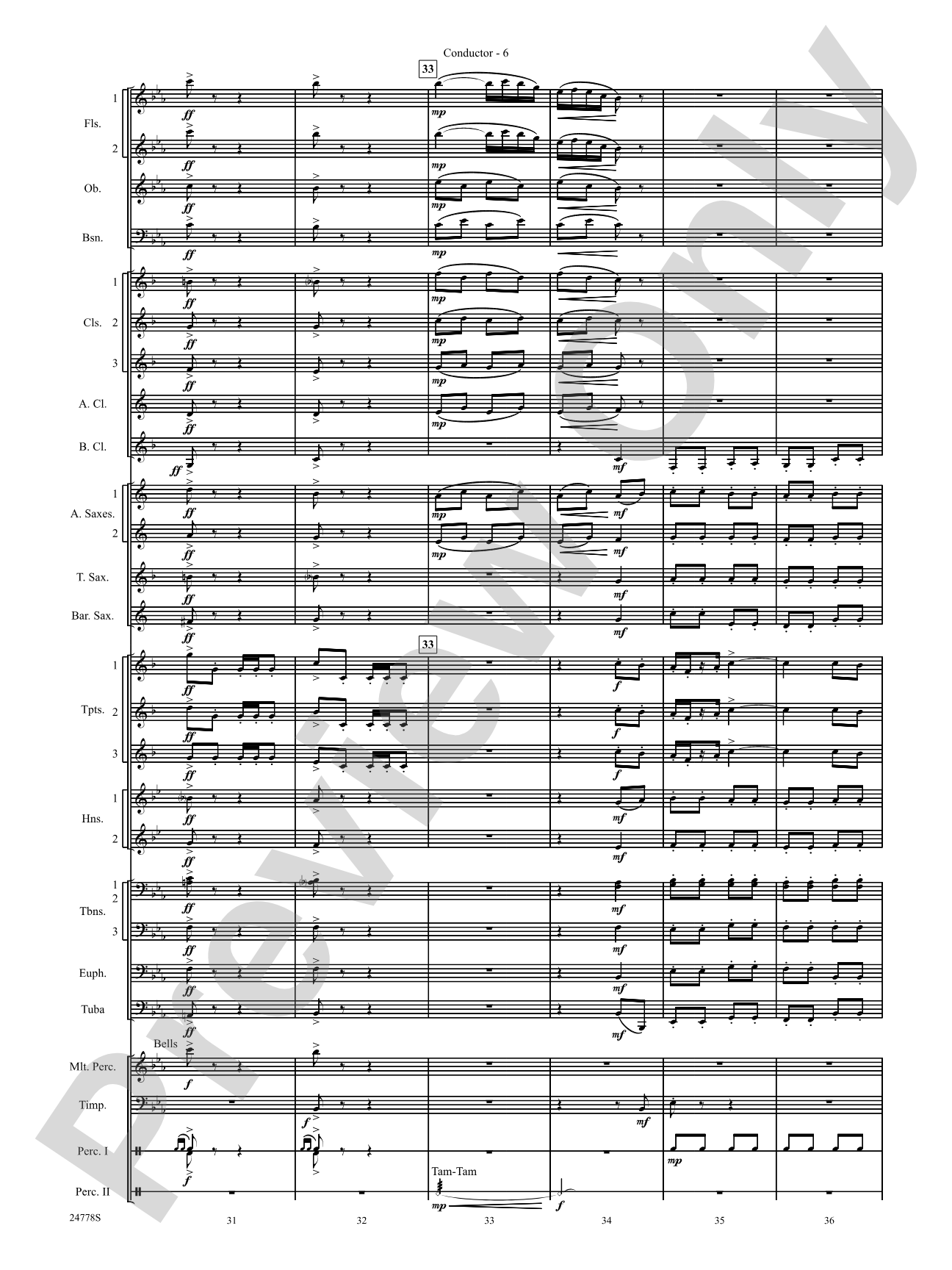
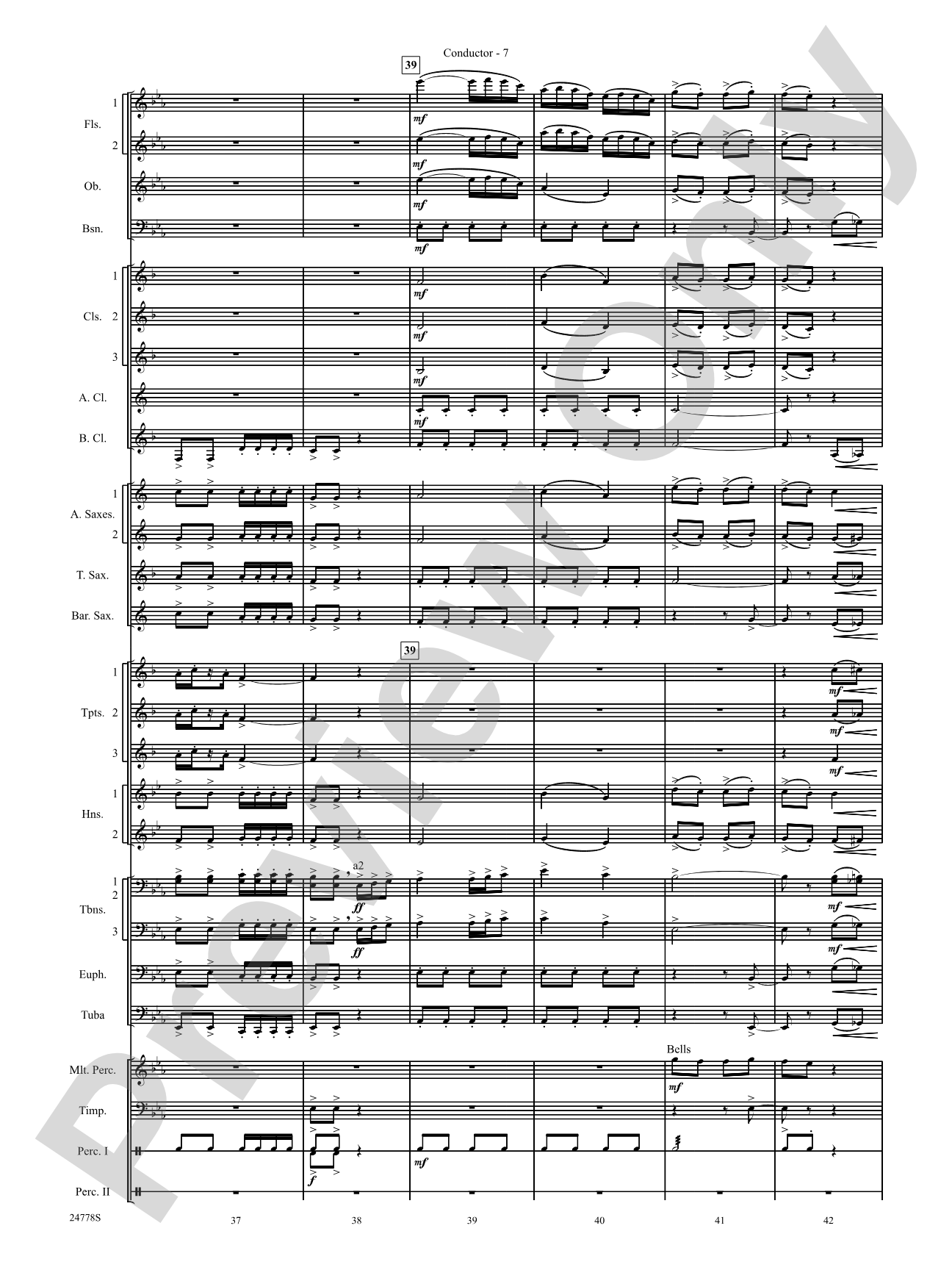
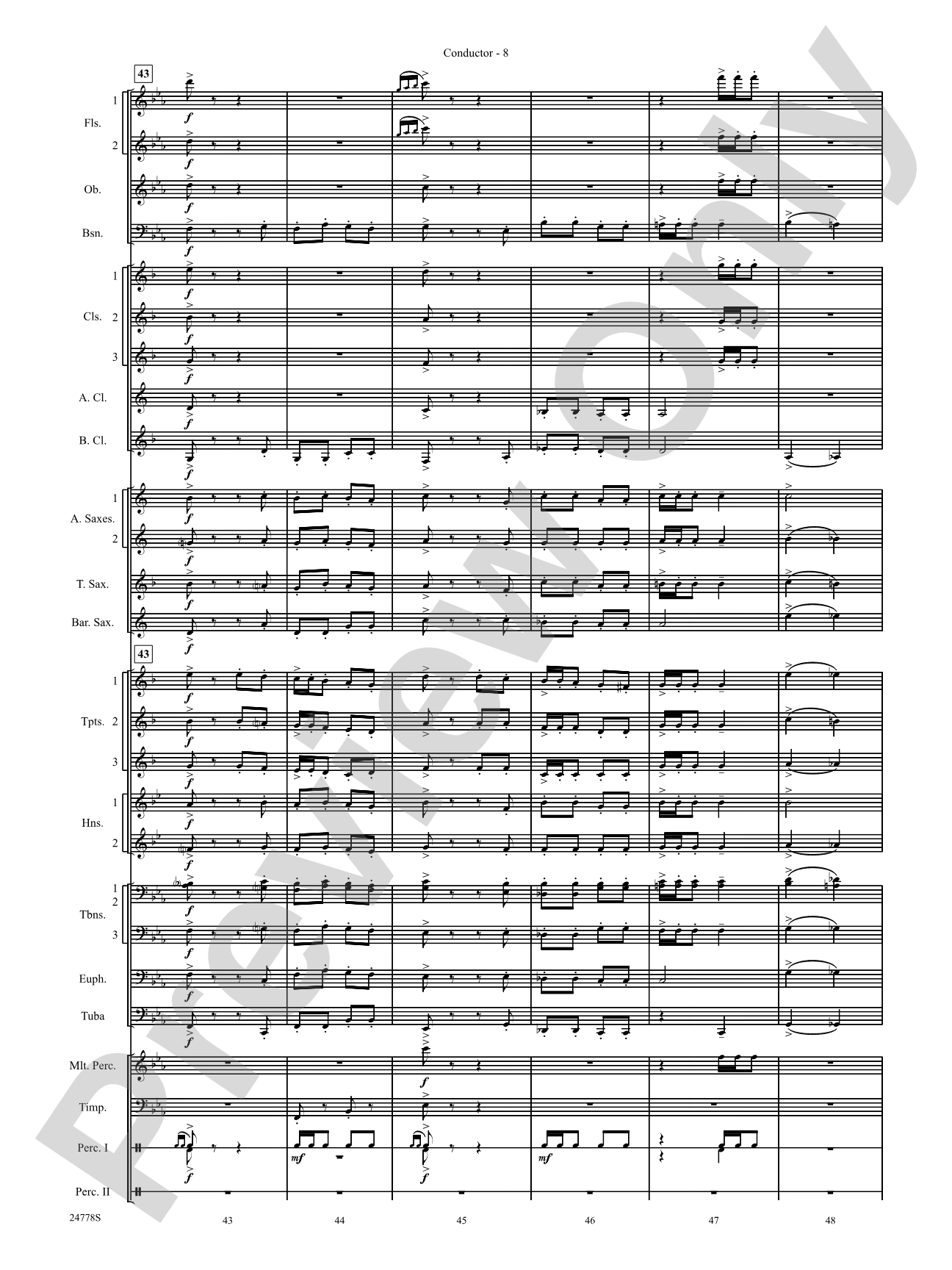
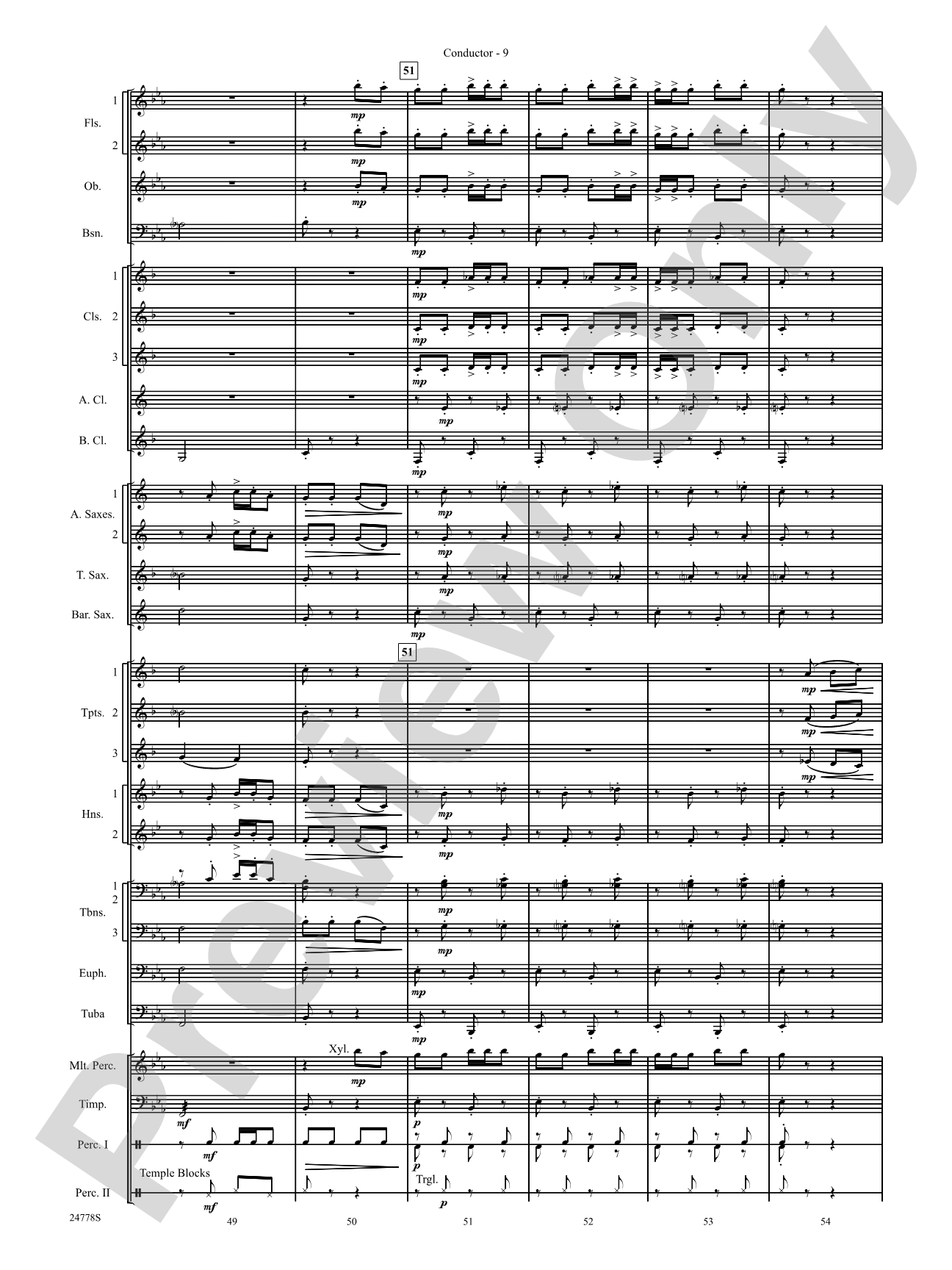
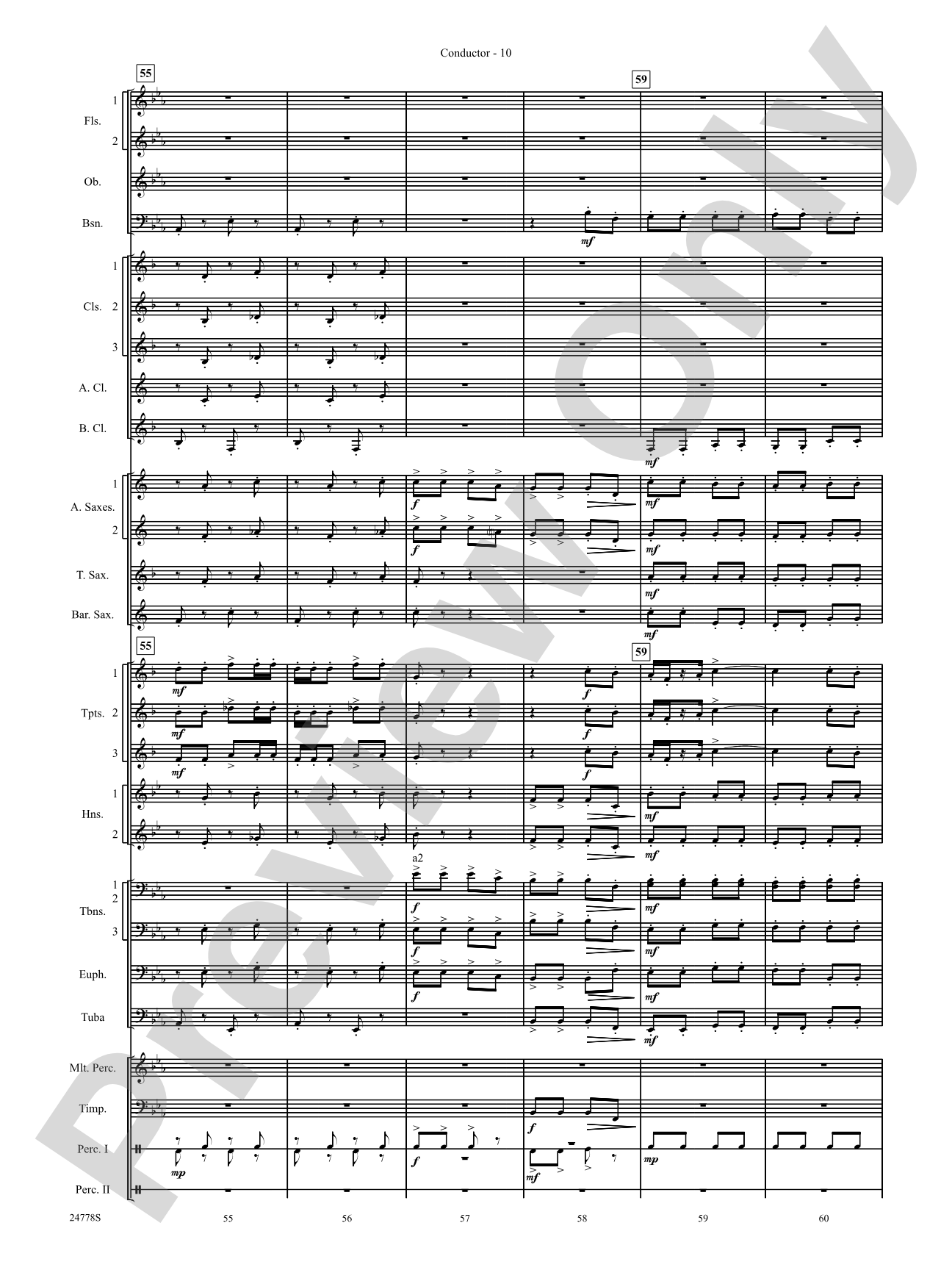
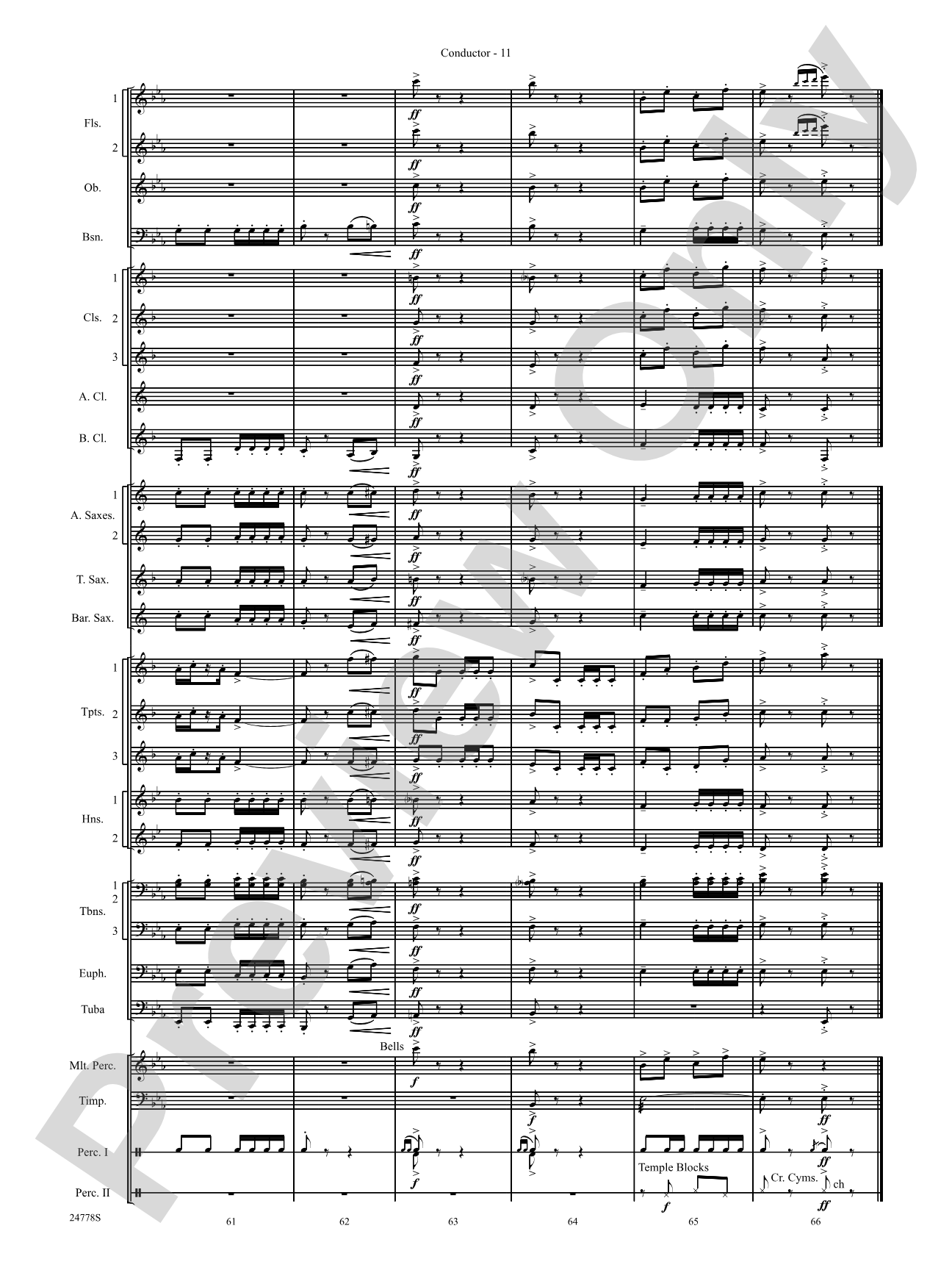

Japanese: Concert Band Conductor Score & Parts
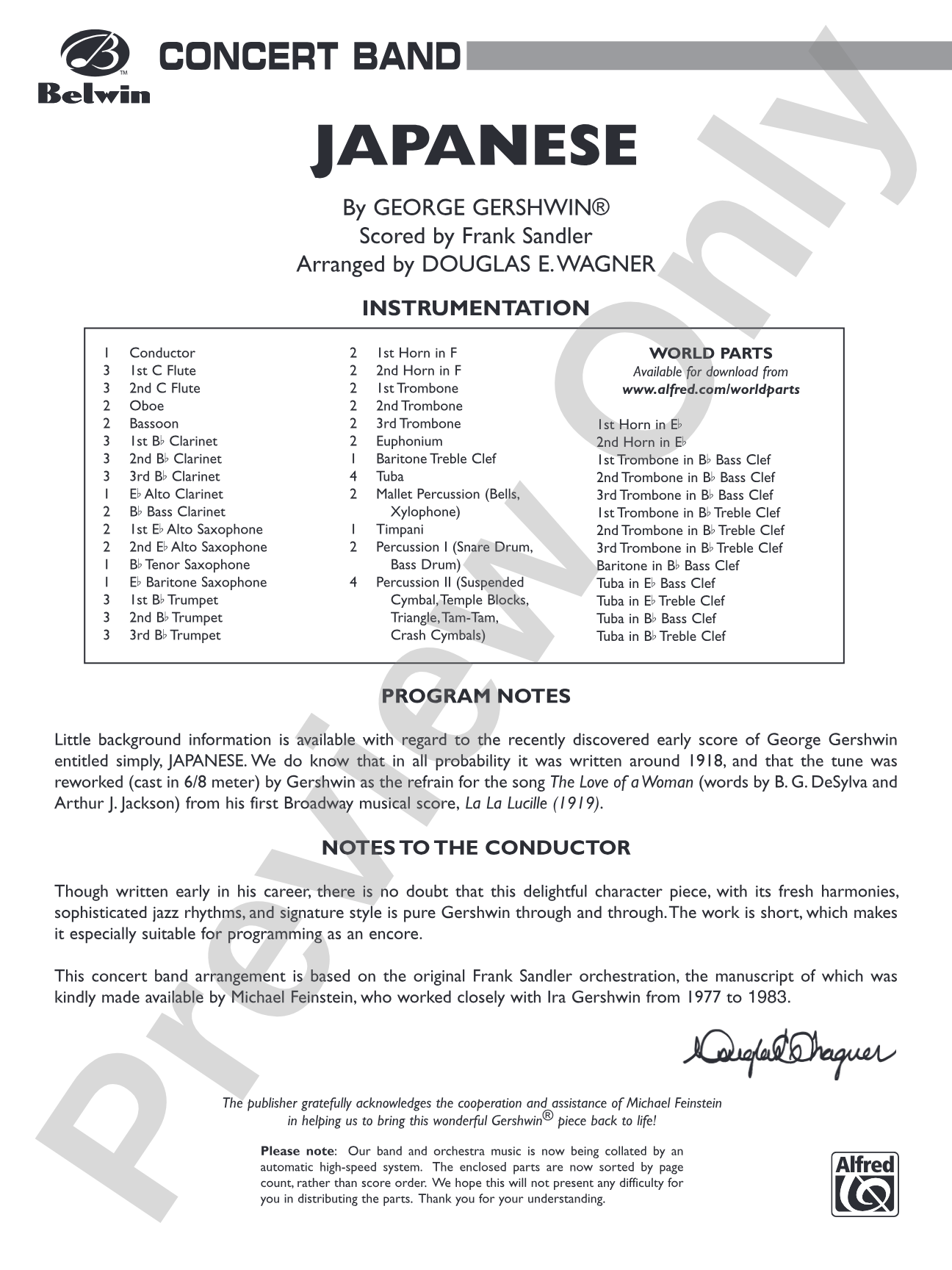
By George Gershwin / arr. Douglas E. Wagner
Grade: 3 (Medium Easy)
Item: 00-PK-0000923

$70.00
One moment…
Description
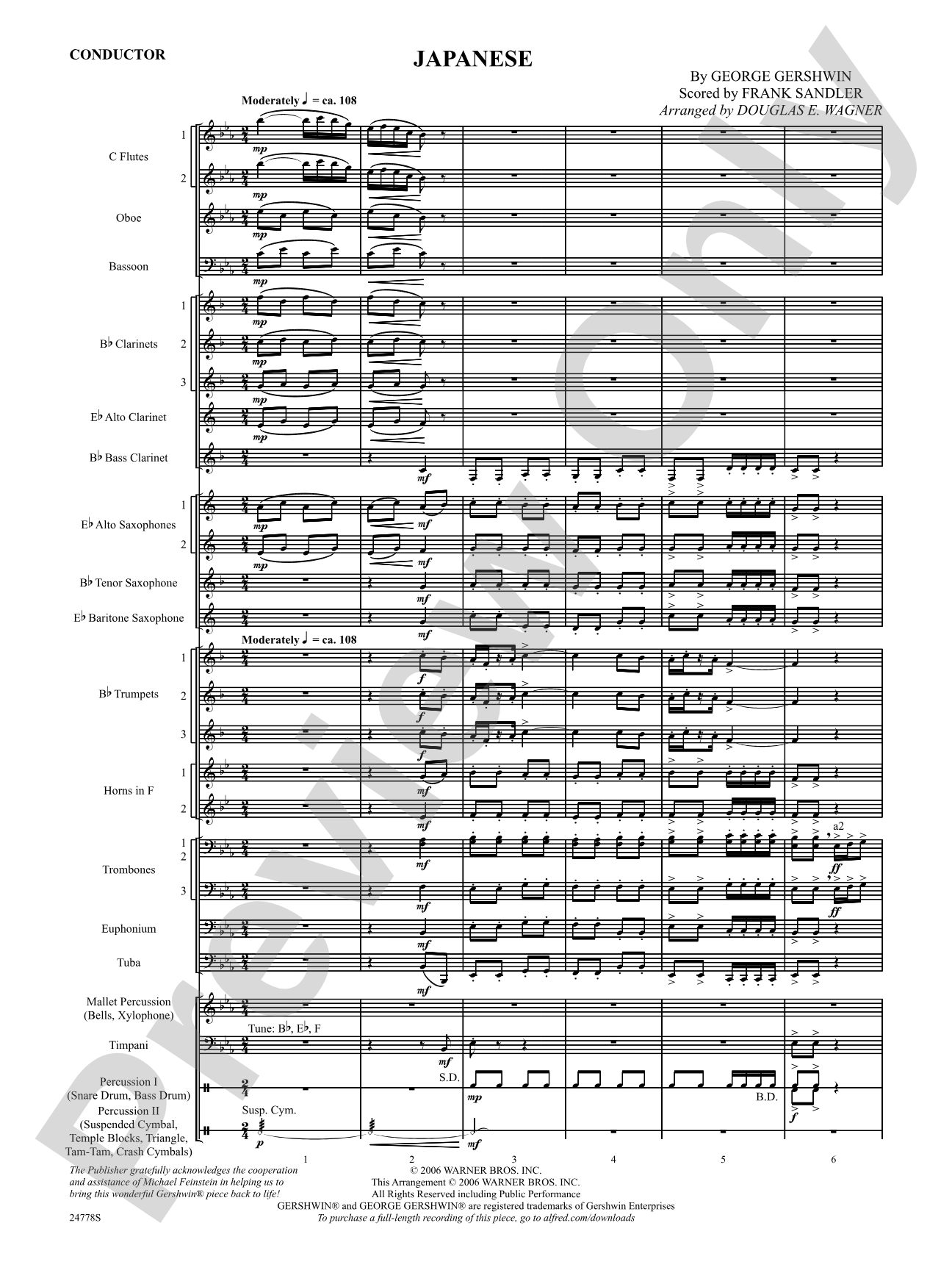
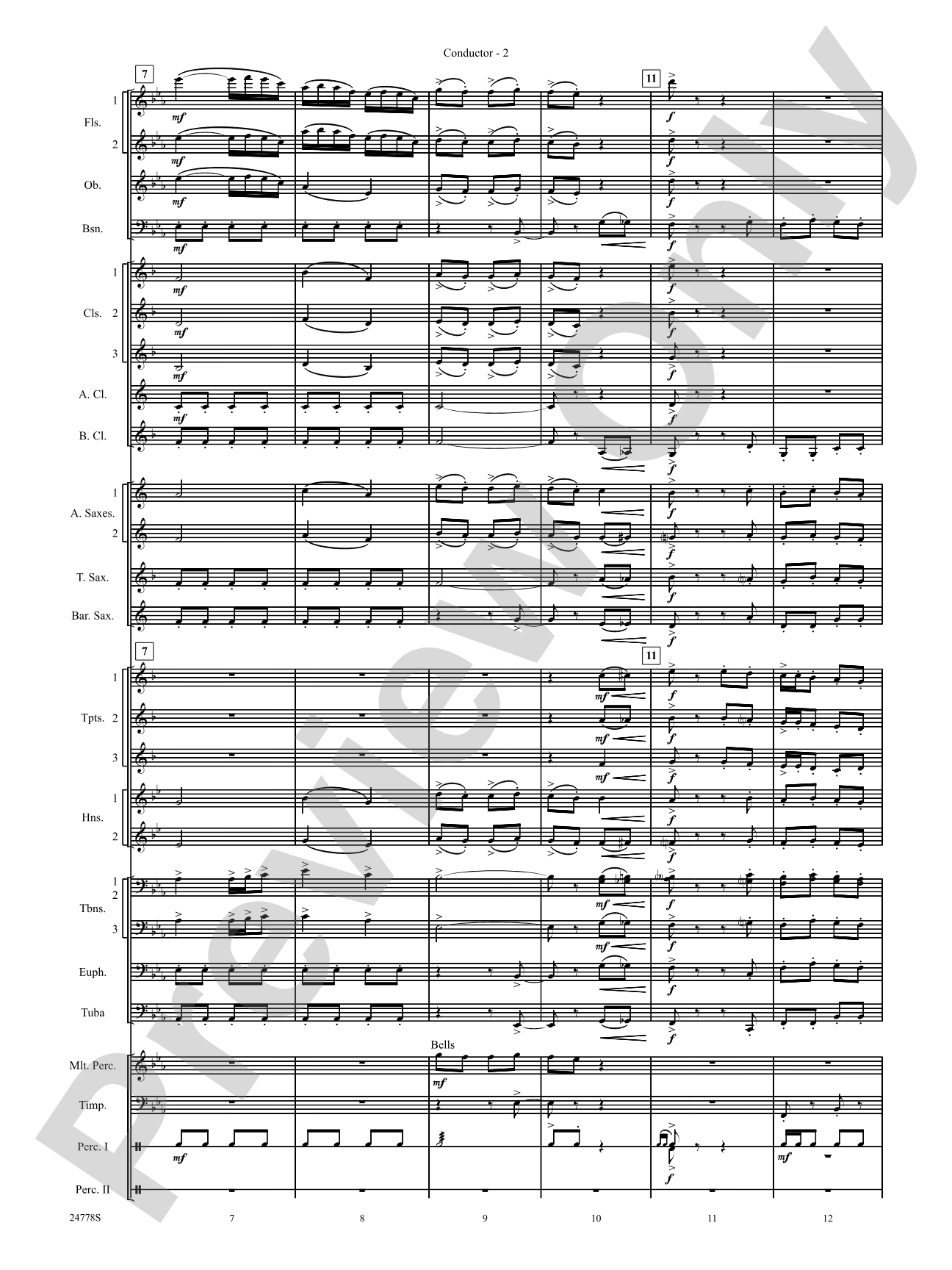
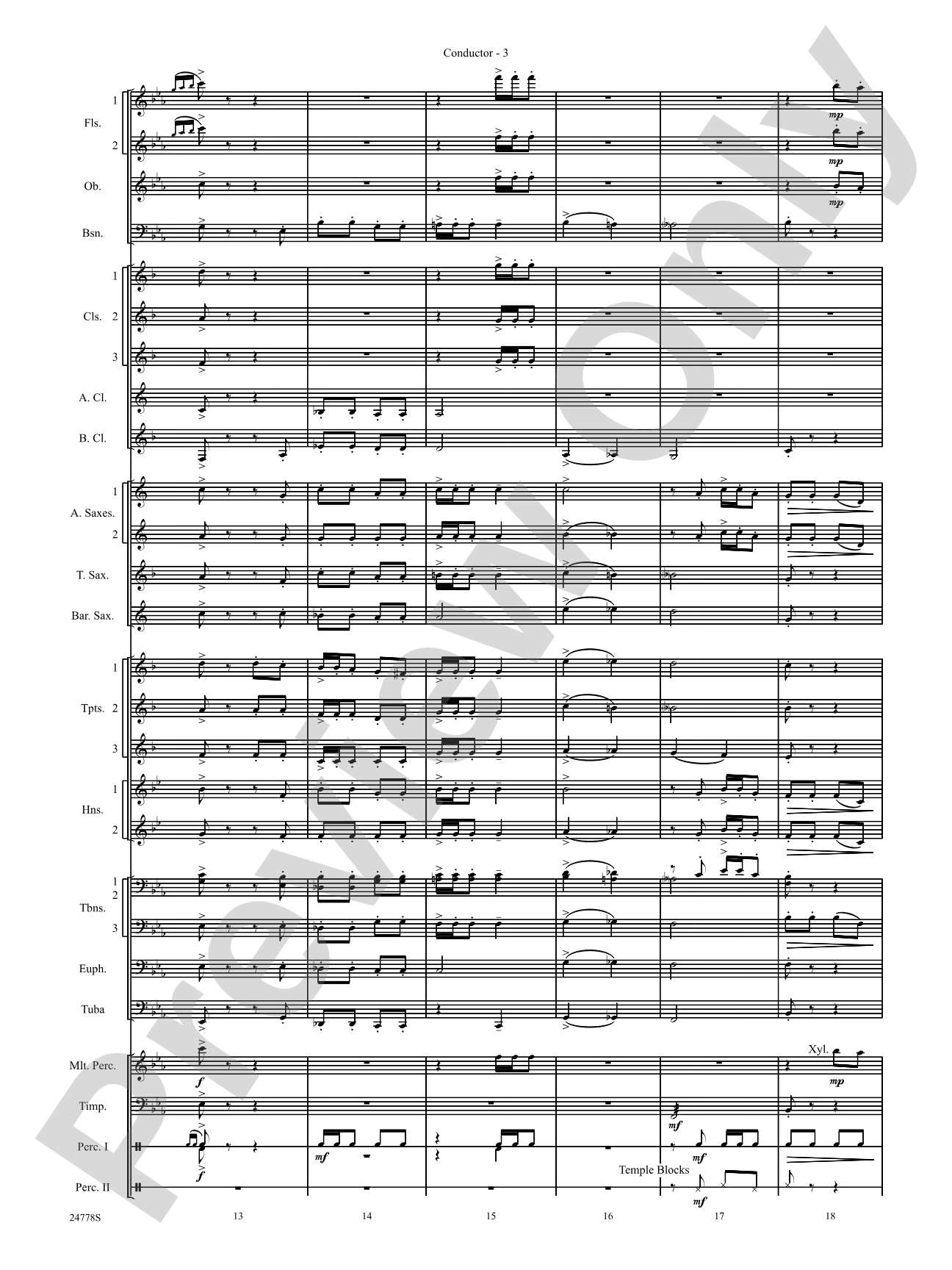
This encore-like Gershwin work was just recently discovered. Originally scored for piano, this contemporary concert band transcription of "Japanese" will bring the joy of characteristic Gershwin to your concert stage. A fun filled brand new Gershwin title masterfully arranged by Douglas E. Wagner.


Don't just read it, hear it, play along with it, and watch your students grow with it. In MakeMusic Cloud, Japanese: Concert Band Conductor Score & Parts comes alive with professional accompaniment, adjustable tempo, and built-in practice tools that turn solo practice into real progress.
Open in the Player
Jump straight in and assign it today.
Start Your Free Trial
Open this title and explore the full library in minutes.
Sample Audio
1
Audio File
--:--
0:00
0:00
Sample Video
No sample videos found.
Additional Details
Series:
Pop Concert Band
Publisher:
Alfred Music
Page Count:
126
SKU:
00-PK-0000923
More about this title
About the Composer: George Gershwin
George Gershwin (1898-1937) bridged classical and popular music in ways that shaped American concert music forever. His ability to infuse jazz idioms, blues inflections, and vernacular melody into formally sophisticated structures made him a model for generations of composers who refused to treat popular and classical traditions as separate worlds.
Why we love this
A rediscovered gem from one of America's most inventive composers, arranged here with Douglas E. Wagner's characteristic clarity and orchestrational finesse. The Grade 3 transcription opens access to Gershwin's harmonic language and rhythmic vitality without overwhelming younger ensembles, and its encore length makes it an ideal closer that leaves audiences delighted rather than fatigued.
What to expect
A miniature glimpse into Gershwin's lyrical sophistication and rhythmic playfulness, tinged with the exotic flavor its title evokes. The piece exudes the kind of elegant, unpretentious charm that makes audiences leave the concert hall smiling.
Who it's for
Concert bands at the Grade 3 level seeking a spirited, musically substantive encore that delivers Gershwin's style without technical barriers. Directors programming showcases of American composers or closing a concert with something that feels both sophisticated and immediately enjoyable will find this particularly useful.
How to get the most out of it
- Balance the jazz harmonies so they shimmer rather than muddy; clarity in the woodwinds and clean section articulation reveal Wagner's arranging choices.
- Shape the characteristic Gershwin syncopations as deliberate musical gestures, not rushed or tentative; this piece breathes best when rhythmic confidence is audible.
- Let dynamic contrasts breathe; the arrangement likely trades ensemble weight for textural variety, so honor the score's orchestration by resisting the urge to layer everything at full volume.
How to use it
Reserve this for the final slot on a concert to send the audience out energized and satisfied. It pairs naturally with other 20th century American works or as a delightful counterweight to a more serious main program.
Skills your students will build
- Articulating syncopated rhythms with precision and musicality
- Balancing jazz-inflected harmonies for textural clarity
- Ensemble blend across varied orchestrations
- Shaping chromatic and extended harmonic progressions idiomatically