It's Such a Super-Special Sorta Song! Cover Image

It's Such a Super-Special Sorta Song!: Piano Sheet

$3.50 USD
Sale price  $3.50 USD Regular price 
Skip to product information
It's Such a Super-Special Sorta Song! Cover Image

It's Such a Super-Special Sorta Song!: Piano Sheet

By Willard A. Palmer

Level: Early Intermediate

Item: 00-2296

$3.50
Shipped

One moment…

Description
Piano solo by Willard A. Palmer correlated to Alfred's Basic Piano Library, Level 3.

It's Such a Super-Special Sorta Song!: Piano Sheet isn't in MakeMusic Cloud just yet...but it could be. Let us know you'd like to see it, and you'll help shape what comes next. In the meantime, start a free trial and dive into thousands of interactive titles your students can play along with today.

Sample Pages

No sample pages found.

Sample Audio
No sample audio found.
Sample Video
Additional Details
Series: Alfred's Basic Piano Library
Publisher: Alfred Music
Page Count: 4
ISBN10: 1-4706-3099-0
ISBN13: 978-1-4706-3099-7
UPC: 038081023267
SKU: 00-2296

More about this title

About the Composer: Willard A. Palmer
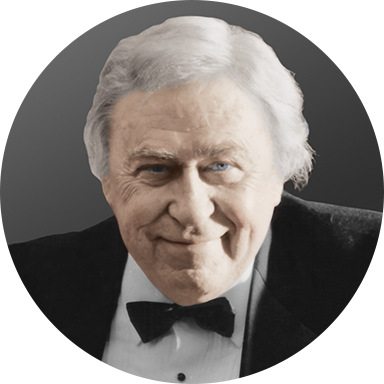
Willard A. Palmer

Willard A. Palmer built a prolific career as a composer, pedagogue, and musicologist whose influence shaped piano education across generations. Beginning as a child prodigy who performed on radio at thirteen, he went on to create over 789 published works spanning accordion methods, piano literature, choral music, and solo pieces that have been translated into multiple languages. His studies at the Conservatory of Leipzig and later teaching at the University of Houston established him as a rigorous musician committed to both performance excellence and scholarly depth.

Palmer's later career focused intensely on Baroque music and ornamentation, earning him international recognition as an authority in the field. This expertise informed the Alfred Masterworks series and shaped his approach to pedagogical composition, where technical instruction always served musical artistry. His work as choir director at Memorial Lutheran Church in Houston and his memberships in professional organizations reflected his deep commitment to the music community.

Why we love this

Palmer wrote for the Alfred system with an understanding of what students at each level actually need to play next. This piece bridges the gap between exercises and real music by combining straightforward harmonic movement with enough character to make practice feel rewarding rather than obligatory. The title itself signals that he never forgot how students think about repertoire: it should feel like something worth sitting down to play.

What to expect

The title captures the spirit here: upbeat, unpretentious, and genuinely cheerful without being saccharine. The music bounces along with a straightforward joy that matches the energy of early intermediate pianists discovering what they can actually play.

Who it's for

Students in their first or second year of piano study who are ready to move beyond simplified arrangements into genuine solo repertoire. This works especially well for students using Alfred's Basic Piano Library, as it reinforces the technical foundations they've built while introducing them to pieces that stand on their own merit.

How to get the most out of it

  • Balance the melody in your right hand so it sings clearly over the accompaniment without forcing your sound. Let the left hand provide support, not competition.
  • Pay attention to any dynamic markings Palmer includes. Even at this level, subtle shifts between phrases make the difference between adequate and engaging performance.
  • Since this correlates to Level 3 Alfred's, your reading should be secure enough to focus on musical shaping rather than note-finding. If you're still decoding, slow down and drill the troublesome passages separately.

How to use it

Include this on a student recital where you want variety in mood and style. Four pages makes it substantial enough to represent real progress without overwhelming a young player's nerves, and the accessible charm appeals to families in the audience. Alternatively, use it as an end-of-level celebration piece once Alfred's Level 3 is complete.

Skills your students will build

  • Two-hand coordination in straightforward accompaniment patterns
  • Phrasing and dynamic shaping in a complete solo form
  • Reading and executing rhythmic variety within a tonal context
  • Building confidence in public performance of substantive repertoire

You May Also Like