Intermediate Jazz Conception Trumpet Cover Image

Intermediate Jazz Conception Trumpet: Trumpet Book & Online Audio

$25.95 USD
Sale price  $25.95 USD Regular price 
Skip to product information
Intermediate Jazz Conception Trumpet Cover Image

Intermediate Jazz Conception Trumpet: Trumpet Book & Online Audio

15 Great Solo Etudes for Jazz Style and Improvisation

By Jim Snidero

Level: Intermediate - Advanced

Item: 01-ADV14782

$25.95
Shipped

One moment…

Description
Intermediate Jazz Conception is another addition to the popular series of etude books created by Jim Snidero, featuring some of the finest jazz musicians in the world. This book/audio-tracks set includes 15 etudes based on standards, modal tunes and blues, demonstrated by Jim Rotondi on trumpet with the incredibly swinging rhythm section of Dave Hazeltine on piano, Peter Washington on Bass and Kenny Washington on Drums. New to Intermediate Jazz Conception is an appendix dedicated to style and improvisation, including a scales syllabus, nomenclature, and over 95 lines and ideas extracted for the study of improvisation!
The recording features two separate versions of each etude; one with the soloist and rhythm section and one with the rhythm section only. Hear how the soloist performs the etudes, play with or without the soloist on the audio-tracks, and learn about both jazz style and improvisation from some of the best.

Intermediate Jazz Conception Trumpet: Trumpet Book & Online Audio isn't in MakeMusic Cloud just yet...but it could be. Let us know you'd like to see it, and you'll help shape what comes next. In the meantime, start a free trial and dive into thousands of interactive titles your students can play along with today.

Sample Pages

Sample Audio

track 1

0:00
0:00
Sample Video
Additional Details
Series: Advance Music: Intermediate Jazz Conception
Publisher: Advance Music
UPC: 805095147827
SKU: 01-ADV14782
Instrumentation: Trumpet

More about this title

About the Author: Jim Snidero
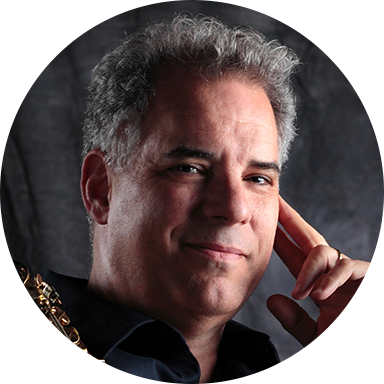
Jim Snidero

Jim Snidero's three-decade career spans roles as saxophonist, composer, arranger, and educator, earning recognition from Downbeat Magazine as both a "master musician" and "alto saxophone virtuoso." His 2017 placement in Downbeat's Critic's Poll reflects sustained influence on the international jazz scene. Snidero's foundation came early through study with Phil Woods and membership in the University of North Texas One O'Clock Lab Band, followed by mentorship from Dave Liebman that solidified his artistic direction.

After relocating to New York in 1981, Snidero built a formidable discography through collaborations with Brother Jack McDuff, the Mingus Big Band, Frank Wess, the Toshiko Akiyoshi Jazz Orchestra, Eddie Palmieri, and a Frank Sinatra duets album. His own recordings, beginning with On Time (1984) and continuing through celebrated releases like Mixed Bag and Blue Afternoon (both on Criss Cross), established a body of work distinguished by consistency and stylistic range.

Why we love this

Snidero's pedagogy rests on observation from the bandstand. The appendix transforms this book beyond typical etude collections by isolating improvisation practices, nomenclature, and over 95 extracted lines that students can immediately apply. Having Jim Rotondi demonstrate the material with a first-rate rhythm section (Hazeltine, Peter Washington, Kenny Washington) gives students a standard worth chasing rather than a practice obligation.

What to expect

You're learning jazz as jazz musicians actually speak it. Standards, modal tunes, and blues form the harmonic vocabulary here, the same materials Rotondi and Snidero rely on in performance. The rhythm section swings throughout; there's no synthetic accompaniment, which means you hear immediately when your phrasing needs adjustment.

Who it's for

Trumpet players in their second or third year of jazz study who can read in treble clef and execute basic jazz articulation. This book works equally well for self-directed learners building a solo vocabulary and for students preparing for college auditions or ensemble placements.

How to get the most out of it

  • Listen to both the soloist and rhythm section version before attempting each etude. Notice how Rotondi interprets the melody, where he sits with the time, and how he shapes phrases across the chord changes.
  • Study the corresponding improvisation lines in the appendix before moving on to the next etude. These extractions show you how experienced players navigate the harmonic terrain you're learning.
  • Practice with the rhythm section only once you've absorbed the melody. This forces you to internalize the harmonic movement rather than relying on the soloist's phrasing as a guide.
  • Use the nomenclature section to understand the underlying harmonic function of each tune. Knowing whether you're playing over a ii-V-I or a modal vamp changes how you construct solos.

How to use it

Sequence these etudes across a semester or year of jazz ensemble electives, pairing one etude per week with section rehearsals. Directors can assign lines from the appendix as mandatory solo material, ensuring students develop a shared improvisational language before tackling combo work or jazz standards night.

Skills your students will build

  • Reading and executing jazz articulation on standards, modal tunes, and blues
  • Building solo vocabulary through transcription-adjacent study of professional lines
  • Understanding harmonic function and chord symbol nomenclature in jazz contexts
  • Developing rhythmic placement and phrasing alongside a professional rhythm section
  • Applying scales syllabus to improvisation across different harmonic frameworks
  • Distinguishing stylistic interpretation between melody statements and improvised solos

You May Also Like