Intermediate Jazz Conception: Piano Cover Image

Intermediate Jazz Conception: Piano: Keyboard/Piano Book & CD

$28.95 USD
Sale price  $28.95 USD Regular price 
Skip to product information
Intermediate Jazz Conception: Piano Cover Image

Intermediate Jazz Conception: Piano: Keyboard/Piano Book & CD

15 Great Solo Etudes

By Jim Snidero / arr. David Hazeltine

Level: Intermediate

Item: 01-ADV14787

$28.95
Shipped

One moment…

Description
New York pianist David Hazeltine has created tasteful arrangements of these etudes that span many piano styles that sound completely authentic and swinging, yet playable. Left hand-right hand separations have been clearly notated using the two clefs, and the included appendix contains brief comments on each etude, along with a scale syllabus and extracted lines for improvisation study. Titles include: Splank Street * Melon Island * Green Fin * St. Sonny * Voyage * Confirmed * Miles' Blues * Freedom * Bird's Ballad * Trane's Thing * You Need Not * Things * Days Ago * Stellar * Night Eyes.

Intermediate Jazz Conception: Piano: Keyboard/Piano Book & CD isn't in MakeMusic Cloud just yet...but it could be. Let us know you'd like to see it, and you'll help shape what comes next. In the meantime, start a free trial and dive into thousands of interactive titles your students can play along with today.

Sample Pages

Sample Audio

track 1

0:00
0:00
Sample Video
Additional Details
Series: Advance Music: Intermediate Jazz Conception
Publisher: Advance Music
UPC: 805095147872
SKU: 01-ADV14787

More about this title

About the Author: Jim Snidero
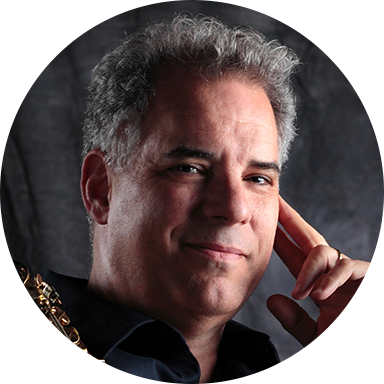
Jim Snidero

Jim Snidero stands as one of the most accomplished alto saxophonists and composers of the past four decades. A native of Camp Springs, Maryland, he studied with Phil Woods as a teenager and later with Dave Liebman, experiences that shaped his approach to jazz musicianship. His arrival in New York in 1981 marked the beginning of a prolific recording career that has included work with Brother Jack McDuff, the Mingus Big Band, the Toshiko Akiyoshi Jazz Orchestra, and Frank Sinatra, among many others.

Snidero's reputation extends beyond performance into composing and arranging, where he has demonstrated the same stylistic command that earned him recognition as a "master musician" and "alto saxophone virtuoso" from DownBeat Magazine. His discography spans decades of consistent, thoughtful jazz work, and his pedagogical contributions reflect a deep understanding of how to translate professional musicianship into teachable material. The Intermediate Jazz Conception series showcases this gift for breaking down authentic jazz vocabulary into accessible, playable etudes.

Why we love this

Hazeltine's arrangements respect the integrity of Snidero's etudes while making them genuinely playable at the intermediate level. The clear left-hand/right-hand separation using traditional clef notation removes a major barrier that prevents many students from engaging with jazz piano repertoire, and the included scale syllabus and improvisation lines give you immediate teaching material without extra preparation.

What to expect

The collection spans genuine jazz moods: the streetwise swagger of Splank Street, the balladic introspection of Bird's Ballad, the blues-grounded foundation of Miles' Blues. Hazeltine's voicings swing naturally without sounding transcribed or stiff; the music invites you to discover the jazz vocabulary that professional players depend on.

Who it's for

Intermediate pianists working toward jazz fluency and students ready to study authentic language rather than simplified patterns. This book serves jazz students preparing for ensemble work as well as classical pianists exploring improvisation and contemporary idioms.

How to get the most out of it

  • Study the appendix notes before tackling each etude; Snidero's brief comments on style and approach often clarify what the notation alone cannot convey.
  • Extract and woodshed the improvisation lines separately from the written arrangements. Getting these phrases into your ears and fingers first makes the full etudes feel more natural.
  • Balance clarity in both hands equally. The two-clef layout tempts pianists to favor the right hand; commit to the left-hand voicings with the same care you give the melody.

How to use it

Assign individual etudes as weekly solo preparation for jazz ensemble members, or use the full collection as the core text for a jazz piano or keyboard history course. The recorded accompaniment makes these equally useful for independent study between lessons.

Skills your students will build

  • Reading and voicing in both treble and bass clef simultaneously
  • Authentic jazz left-hand comping patterns and voicings
  • Translating written jazz lines into idiomatic phrasing and swing feel
  • Improvisation over jazz standards-based progressions
  • Recognizing stylistic differences across jazz piano traditions (bebop, blues, modal, ballad)

You May Also Like