Intermediate Jazz Conception Guitar Cover Image

Intermediate Jazz Conception Guitar: Guitar Book & Online Audio

$25.95 USD
Sale price  $25.95 USD Regular price 
Skip to product information
Intermediate Jazz Conception Guitar Cover Image

Intermediate Jazz Conception Guitar: Guitar Book & Online Audio

15 Great Solo Etudes for Jazz Style and Improvisation

By Jim Snidero

Level: Intermediate - Advanced

Item: 01-ADV14786

$25.95
Shipped

One moment…

Description
Intermediate Jazz Conception is another addition to the popular series of etude books created by Jim Snidero, featuring some of the finest jazz musicians in the world. This book/audio set includes 15 etudes based on standards, modal tunes and blues, demonstrated by Joe Cohn on guitar with the incredibly swinging rhythm section of Dave Hazeltine on piano, Peter Washington on Bass and Kenny Washington on Drums. New to Intermediate Jazz Conception is an appendix dedicated to style and improvisation, including a scales syllabus, nomenclature, and over 95 lines and ideas extracted for the study of improvisation! The recording features two separate versions of each etude; one with the soloist and rhythm section and one with the rhythm section only. Hear how the soloist performs the etudes, play with or without the soloist, and learn about both jazz style and improvisation from some of the best. Other series available by Jim Snidero: Easy Jazz Conception and Jazz Conception."A talented musician, musical advocate and educator ... a genuinely significant figure in jazz composition" Penguin Guide to Jazz"A master musician" Down Beat Magazine

Intermediate Jazz Conception Guitar: Guitar Book & Online Audio isn't in MakeMusic Cloud just yet...but it could be. Let us know you'd like to see it, and you'll help shape what comes next. In the meantime, start a free trial and dive into thousands of interactive titles your students can play along with today.

Sample Pages

Sample Audio

track 1

0:00
0:00
Sample Video
Additional Details
Series: Advance Music: Intermediate Jazz Conception
Publisher: Advance Music
ISBN10: 3-892212-16-3
ISBN13: 978-3-892212-16-4
UPC: 805095147865
SKU: 01-ADV14786
Instrumentation: Guitar

More about this title

About the Author: Jim Snidero
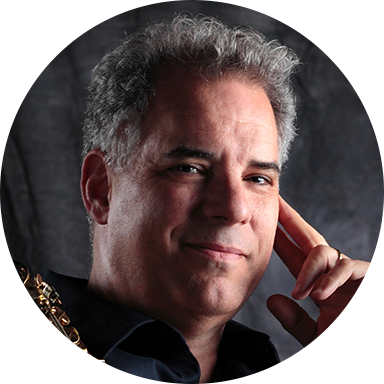
Jim Snidero

Jim Snidero stands among the most respected jazz composers and educators of the past three decades. A saxophonist of uncommon depth, he has recorded and performed alongside jazz luminaries from Brother Jack McDuff to the Mingus Big Band, earning recognition from Downbeat Magazine as both a master musician and alto saxophone virtuoso. His 2017 placement in Downbeat's Critic's Poll underscores his sustained influence on the international jazz scene.

Snidero's path to prominence began in Camp Springs, Maryland, where early mentorship from saxophonist Phil Woods and studies at the University of North Texas shaped his musical foundation. After moving to New York in 1981, he built an extensive discography as both sideman and leader, releasing landmark albums like Mixed Bag (1987) and Blue Afternoon (1989). Beyond the bandstand, Snidero has become an essential voice in jazz pedagogy, creating etude series that translate his decades of musical experience into accessible learning tools for aspiring improvisers.

Why we love this

Snidero's etude series bridges the gap between mechanical practice and authentic jazz expression by pairing every study with professional recordings. Hearing Joe Cohn navigate these 15 pieces over Dave Hazeltine's sophisticated rhythm section gives students a living example of phrasing, time feel, and stylistic commitment. The appendix alone, 95 lines extracted from the etudes, organized by scale system and harmonic context, transforms this from a play-along book into a compendium for understanding how great improvisers construct solos.

What to expect

Swinging and conversational, with the kind of musical ease that comes from working jazz musicians who know exactly how these tunes are supposed to breathe. The rhythm section settles into a groove that feels lived-in rather than metronomic, and Cohn's guitar voice, clear, melodic, never cluttered, models how to speak through the changes without overselling yourself.

Who it's for

Guitarists ready to move beyond single-line melodic exercises into the rhythmic complexity and harmonic sophistication of real jazz standards and modal compositions. This book demands solid reading ability, comfortable familiarity with chord symbols, and genuine interest in understanding how improvisation works at an intermediate to advanced level.

How to get the most out of it

  • Study the soloists' versions first without your instrument. Listen for how they approach the melody, handle the time pocket, and transition into improvisation. Repetition builds internalization.
  • Work through the etudes methodically using the rhythm section tracks. Start slowly, locking into the bass and drums before worrying about tempo or interpretation.
  • Reference the nomenclature and scales appendix before improvising over each tune. Knowing the harmonic foundation prevents aimless soloing and builds real command of the changes.
  • Record yourself playing the melodies and your own improvisations over the accompaniment tracks. Listening back reveals timing issues and phrasing habits you won't catch in real time.

How to use it

Assign these etudes as individualized study material for jazz guitar students preparing for performance or audition repertoire. The dual-track format works well during sectional rehearsals, allowing a guitarist to play through with accompaniment while other ensemble members listen and discuss phrasing choices. For guitar-centric programs, these 15 tunes provide a semester's worth of substantive material covering essential jazz vocabulary.

Skills your students will build

  • Reading and performing swing melodies with authentic phrasing and time feel
  • Navigating chord changes in standards, modal compositions, and 12-bar blues
  • Constructing improvised solos using scale-tone vocabulary and harmonic awareness
  • Understanding jazz nomenclature and how modes function over different harmonic contexts
  • Listening and responding to the rhythm section in real time, adapting phrasing to pocket and dynamics
  • Extracting and adapting professional improvisation lines into personal vocabulary

You May Also Like