Intermediate Jazz Conception Alto & Baritone Saxophone Cover Image

Intermediate Jazz Conception Alto & Baritone Saxophone: Saxophone Book & Online Audio

$25.95 USD
Sale price  $25.95 USD Regular price 
Skip to product information
Intermediate Jazz Conception Alto & Baritone Saxophone Cover Image

Intermediate Jazz Conception Alto & Baritone Saxophone: Saxophone Book & Online Audio

15 Great Solo Etudes for Jazz Style and Improvisation

By Jim Snidero

Level: Intermediate - Advanced

Item: 01-ADV14780

$25.95
Shipped

One moment…

Description
Intermediate Jazz Conception is another addition to the popular series of etude books created by Jim Snidero, featuring some of the finest jazz musicians in the world. This book/audio-download set includes 15 solo etudes based on standards, modal tunes and blues, demonstrated by Jim Snidero on alto sax with the incredibly swinging rhythm section of Dave Hazeltine on piano, Peter Washington on Bass and Kenny Washington on Drums. New to Intermediate Jazz Conception is an appendix dedicated to style and improvisation, including a scales syllabus, nomenclature, and over 95 lines and ideas extracted for the study of improvisation! 
The recording features two separate versions of each etude; one with the soloist and rhythm section and one with the rhythm section only. Hear how the soloist performs the etudes, play with or without the soloist on the audio recordings, and learn about both jazz style and improvisation from some of the best. Other series available by Jim Snidero: Easy Jazz Conception and Jazz Conception."A talented musician, musical advocate and educator ... a genuinely significant figure in jazz composition" Penguin Guide to Jazz"A master musician" Down Beat Magazine

Intermediate Jazz Conception Alto & Baritone Saxophone: Saxophone Book & Online Audio isn't in MakeMusic Cloud just yet...but it could be. Let us know you'd like to see it, and you'll help shape what comes next. In the meantime, start a free trial and dive into thousands of interactive titles your students can play along with today.

Sample Pages

Sample Audio

track 1

0:00
0:00
Sample Video
Additional Details
Series: Advance Music: Intermediate Jazz Conception
Publisher: Advance Music
ISBN10: 3-892212-10-4
ISBN13: 978-3-892212-10-2
UPC: 805095147803
SKU: 01-ADV14780
Instrumentation: Alto And Baritone Saxophone

More about this title

About the Author: Jim Snidero
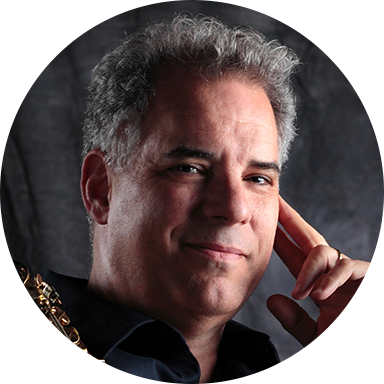
Jim Snidero

Jim Snidero has spent more than three decades establishing himself as one of jazz's most accomplished and versatile voices. A saxophonist, composer, arranger, and educator, he earned recognition from Downbeat Magazine as a "master musician" and "alto saxophone virtuoso," and his influence on the international jazz scene remains vital, reflected in his 2017 Downbeat Critic's Poll placement. His trajectory began in Camp Springs, Maryland, where early mentorship from Phil Woods and studies at the University of North Texas set the foundation for what would become a prolific career.

After moving to New York in 1981, Snidero quickly distinguished himself through sideman work with Brother Jack McDuff, the Mingus Big Band, Frank Wess, and others, before launching a robust solo recording career. His discography reflects both stylistic range and compositional sophistication, from the landmark Mixed Bag (1987) to Blue Afternoon (1989), which The Penguin Jazz Guide identified as one of the finest jazz records ever made. Teaching and writing remain central to his mission, making his etude series invaluable resources for musicians serious about understanding jazz language from the inside.

Why we love this

Snidero curated these 15 etudes with real pedagogical intention, balancing standards, modal compositions, and blues in ways that build both stylistic fluency and improvisational confidence. The appendix alone sets this book apart: 95+ extracted lines and ideas, plus a scales syllabus and nomenclature guide, give students a concrete vocabulary to work from rather than abstract concepts. Having Dave Hazeltine, Peter Washington, and Kenny Washington on the rhythm section means students are learning from and playing alongside the caliber of musicians that define contemporary jazz.

What to expect

Working through these etudes feels like joining a master class with working musicians. The rhythm section swings with easy authority, making even the trickier harmonic changes feel natural and inevitable rather than academic. There's an unhurried quality to the music that rewards listening as much as playing, revealing new details each time through.

Who it's for

Alto and baritone saxophonists working at the intermediate-advanced level who want structured exposure to real jazz repertoire and improvisation practice. This book serves musicians ready to move beyond transcription into guided discovery of jazz language, and educators looking for a cohesive method that combines etudes, demonstration, and theoretical grounding.

How to get the most out of it

  • Study the solo demonstration first without the rhythm section, then switch to the rhythm-only track so you can internalize Snidero's phrasing and articulation before placing your own sound into the groove.
  • Use the appendix lines as daily material separate from the full etudes; working through improvisation ideas in isolation builds the muscle memory you'll need when soloing over the changes.
  • Record yourself playing against the rhythm section and listen back with the soloist track playing simultaneously; comparing your approach to Snidero's reveals differences in tone, timing, and approach that ears alone might miss.
  • Return to the same etude across multiple practice sessions rather than racing through all 15; each tune reveals new layers as your facility with the changes deepens.

How to use it

Assign etudes throughout the year as a parallel curriculum to jazz combo rehearsals, allowing students to encounter standards and modal concepts in controlled settings before improvising on them in ensemble. The appendix makes this book ideal for sectional work with saxophonists at different stages, since stronger players can dig into the lines while developing ones work through the core etudes and scale material.

Skills your students will build

  • Improvisation over ii-V-I progressions and modal changes
  • Interpretation of jazz articulation, tone, and phrasing through demonstration
  • Reading and applying chord changes in real harmonic contexts
  • Building a personal jazz vocabulary through extracted lines and improvisational ideas
  • Rhythmic precision and swing feel alongside a professional rhythm section
  • Understanding nomenclature and jazz terminology

You May Also Like