In Your Own Sweet Way Cover Image

In Your Own Sweet Way: Jazz Ensemble Conductor Score & Parts

$55.00 USD
Sale price  $55.00 USD Regular price 
Skip to product information
In Your Own Sweet Way Cover Image

In Your Own Sweet Way: Jazz Ensemble Conductor Score & Parts

By Dave Brubeck / arr. Annie Booth

Grade: 3

Item: 00-51903

Need it now?

Buy Digital Version
$55.00
Shipped

One moment…

Description
Check out this gorgeous Brubeck melody set in an easy swing groove around 120 BPM. Featuring your lead alto player on the melody with suggested written-out solo space. Lead trumpet range is to A above the staff, and all the usual optional parts, including flute and vibes. A tasty chart! (3:15)

In Your Own Sweet Way: Jazz Ensemble Conductor Score & Parts isn't in MakeMusic Cloud just yet...but it could be. Let us know you'd like to see it, and you'll help shape what comes next. In the meantime, start a free trial and dive into thousands of interactive titles your students can play along with today.

Sample Pages

Sample Audio
0:00
0:00
Sample Video
Additional Details
Series: Jazz Band Series
Publisher: Alfred Music
ISBN10: 1-4706-7745-8
ISBN13: 978-1-4706-7745-9
UPC: 038081599625
SKU: 00-51903

More about this title

About the Composer: Dave Brubeck
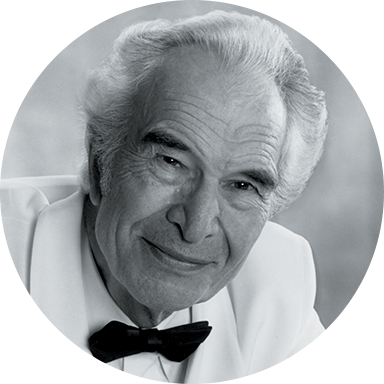
Dave Brubeck

Dave Brubeck was a jazz pianist whose improvisational gifts were matched by his gift for composition. He wrote across genres—choral works, orchestral pieces, chamber music, and large-scale collaborations with symphony orchestras and choirs—always drawing on the languages of both jazz and classical music. His studies with Darius Milhaud at Mills College encouraged this fusion and shaped his entire creative output.

Brubeck's cultural impact extended far beyond the bandstand. "Take Five" and the album Time Out became landmarks in jazz history, with Time Out becoming the first jazz album to achieve platinum sales. Beyond music, he was a trailblazer in breaking racial barriers during the mid-twentieth century. His sacred works, including the mass To Hope!, have been performed and recorded internationally by major orchestras and cathedral choirs. Throughout his career, Brubeck received the Presidential Medal of the Arts, a Grammy Lifetime Achievement Award, and induction into the American Classical Music Hall of Fame.

Why we love this

Annie Booth's arrangement brings out everything that makes this melody sing while keeping the ensemble engaged across all sections. At Grade 3, the chart manages to feel sophisticated without overwhelming younger players, and the written-out solo space gives your lead alto a genuine feature—no improvisation required, just beautiful phrasing.

What to expect

Warm, unpretentious, and built to swing. The melody sits in a comfortable register for lead alto and has the kind of gentle lilt that Brubeck favored, never forcing but always graceful. The groove invites relaxation without sacrificing precision.

Who it's for

Jazz ensembles at the high school and adult community level who want accessible, authentic swing without sacrificing musicality. This is ideal for groups developing their groove vocabulary and for directors looking for a standard that engages every section of the band.

How to get the most out of it

  • Lock the groove in the rhythm section first. The swing feel at 120 BPM is the foundation; once your piano, bass, and drums are locked in, everything else sits naturally.
  • Shape the lead alto melody with a light, singing touch. This is Brubeck, so the line should breathe and speak, not march. Give your best alto player room to make the phrase their own.
  • Balance the horns behind the melody. The trumpet and tenor parts support rather than compete, so dial back the volume in those sections and let the lead line shine.
  • If you have vibes available, let them color the arrangement. If not, the chart works beautifully as written; vibes are truly optional here.

How to use it

Pair this with other Brubeck standards or arrange it as a feature for your lead alto within a larger jazz concert program. It works equally well as an opening number to establish an easygoing, sophisticated tone or as a mid-set piece to refresh the energy after something more challenging.

Skills your students will build

  • Swing rhythm and feel (light subdivision, laying back on the beat)
  • Ensemble balance and blend in a jazz texture
  • Reading jazz notation and articulation markings
  • Listening and responding to lead voice in ensemble context
  • Understanding jazz standards and their cultural significance

You May Also Like