
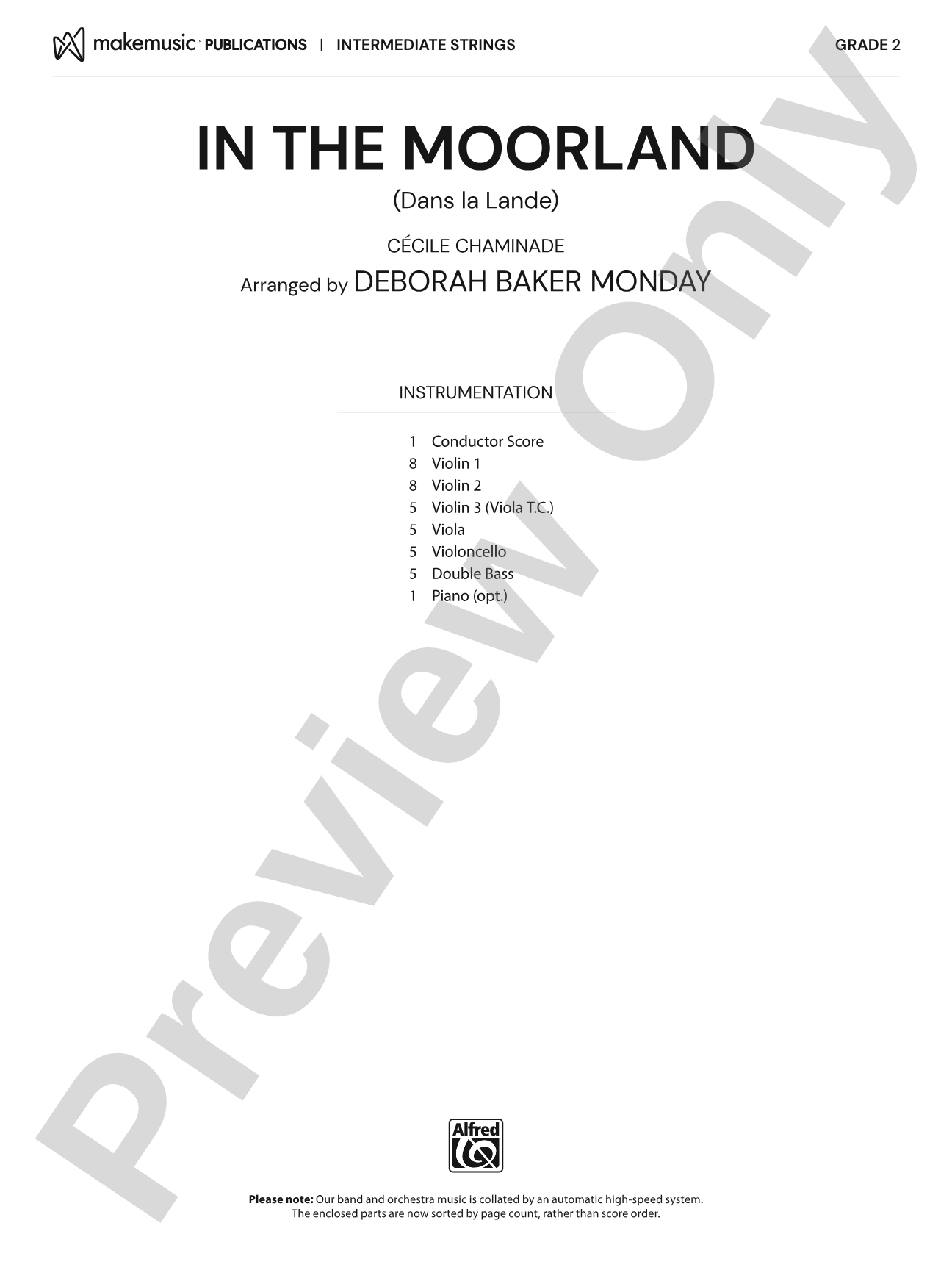
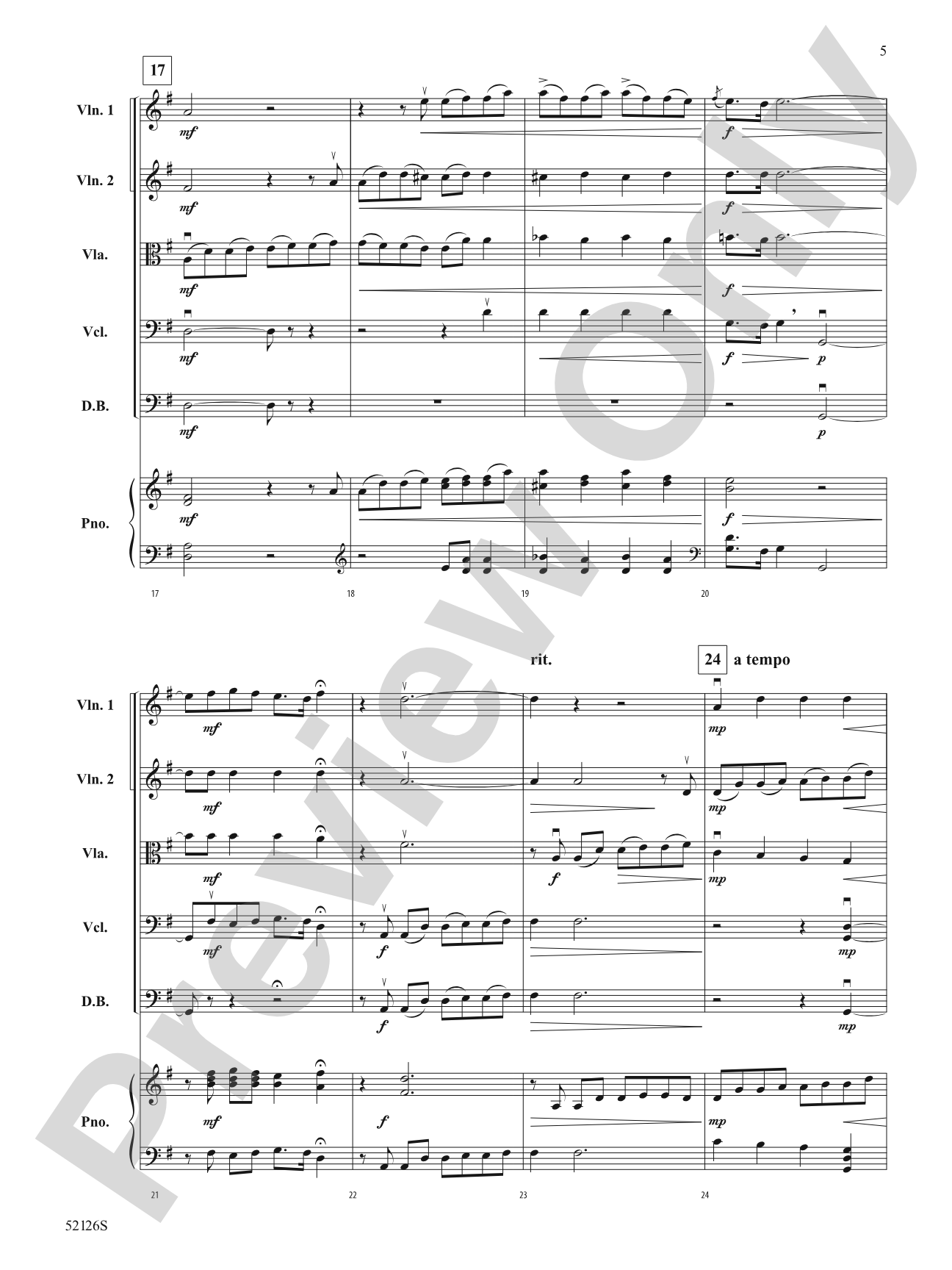
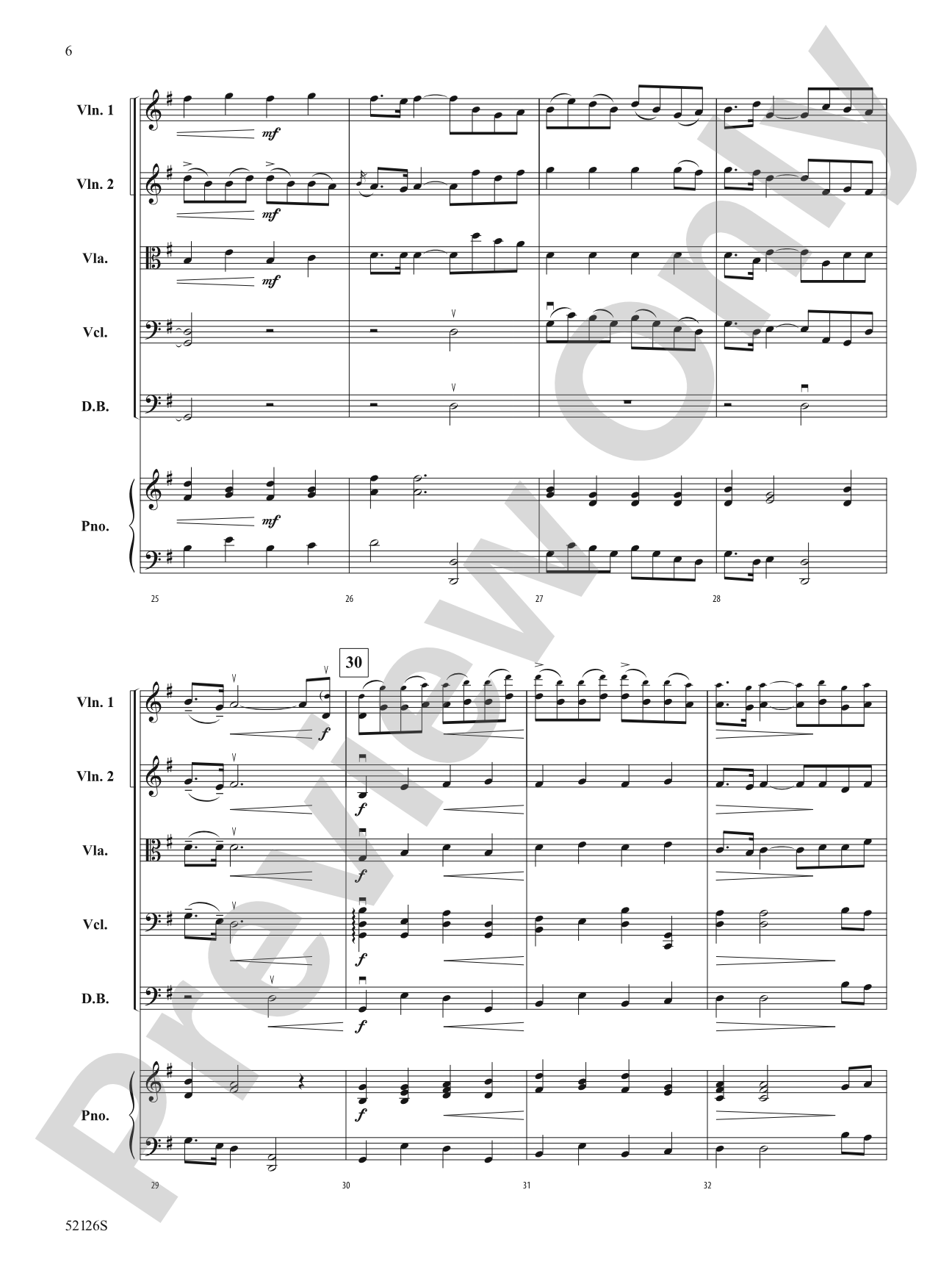
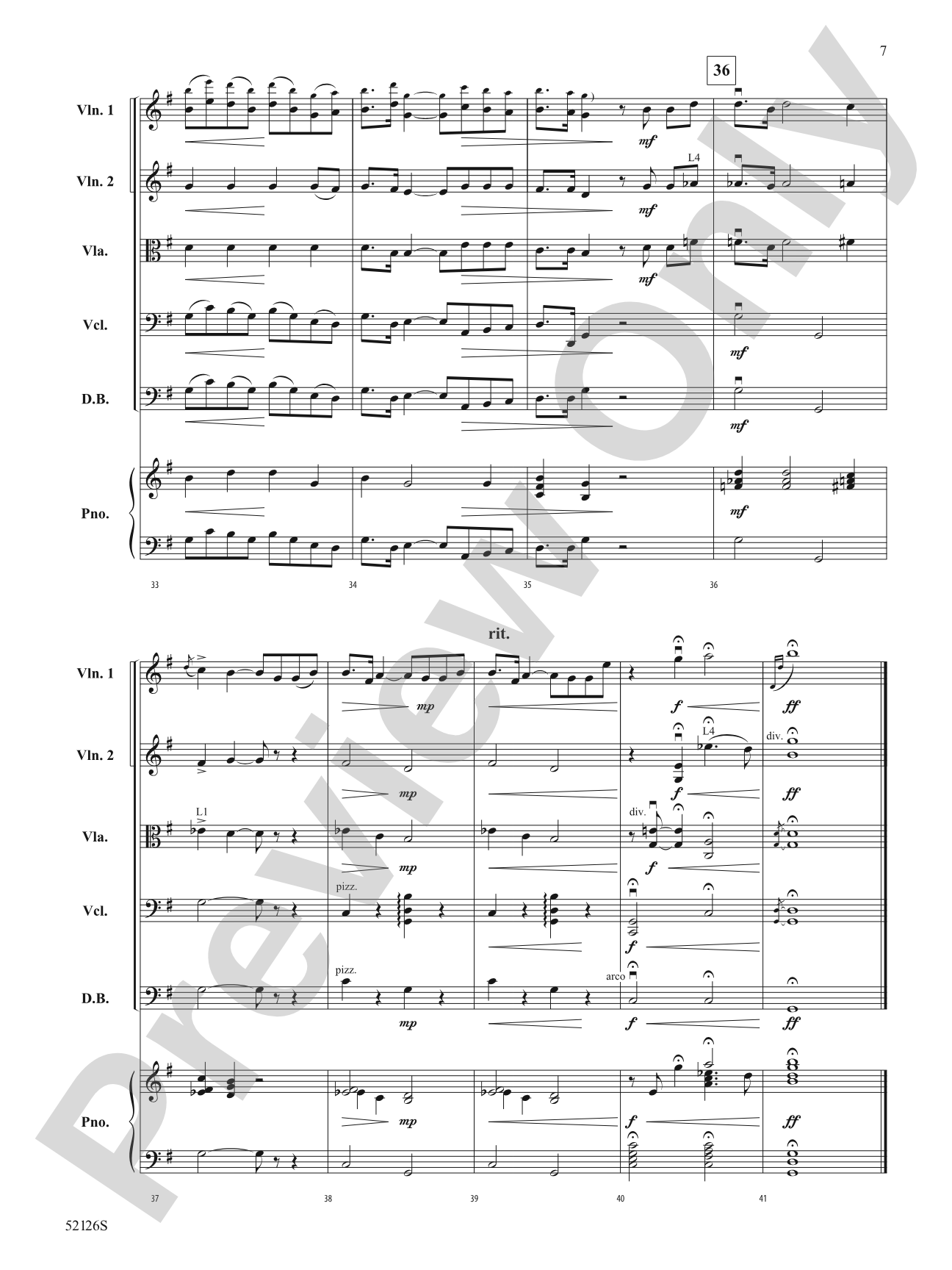

IN THE MOORLAND/MIS: String Orchestra Conductor Score & Parts
(Dans la Lande)
By Cécile Chaminade / arr. Deborah Baker Monday
Grade: 2
Item: 00-PK-0009399
$60.00
Pickup currently not available
Buy Extra Parts (Digital PDF Download)
| Product | Price | Quantity |
|---|---|---|
| IN THE MOORLAND/MIS: Score | $12.00 | |
| IN THE MOORLAND/MIS: 1st Violin | $3.00 | |
| IN THE MOORLAND/MIS: 2nd Violin | $3.00 | |
| IN THE MOORLAND/MIS: 3rd Violin (Viola [TC]) | $3.00 | |
| IN THE MOORLAND/MIS: Viola | $3.00 | |
| IN THE MOORLAND/MIS: Cello | $3.00 | |
| IN THE MOORLAND/MIS: String Bass | $3.00 | |
| IN THE MOORLAND/MIS: Piano Accompaniment | $3.00 |
Parts Added to Cart!
Description
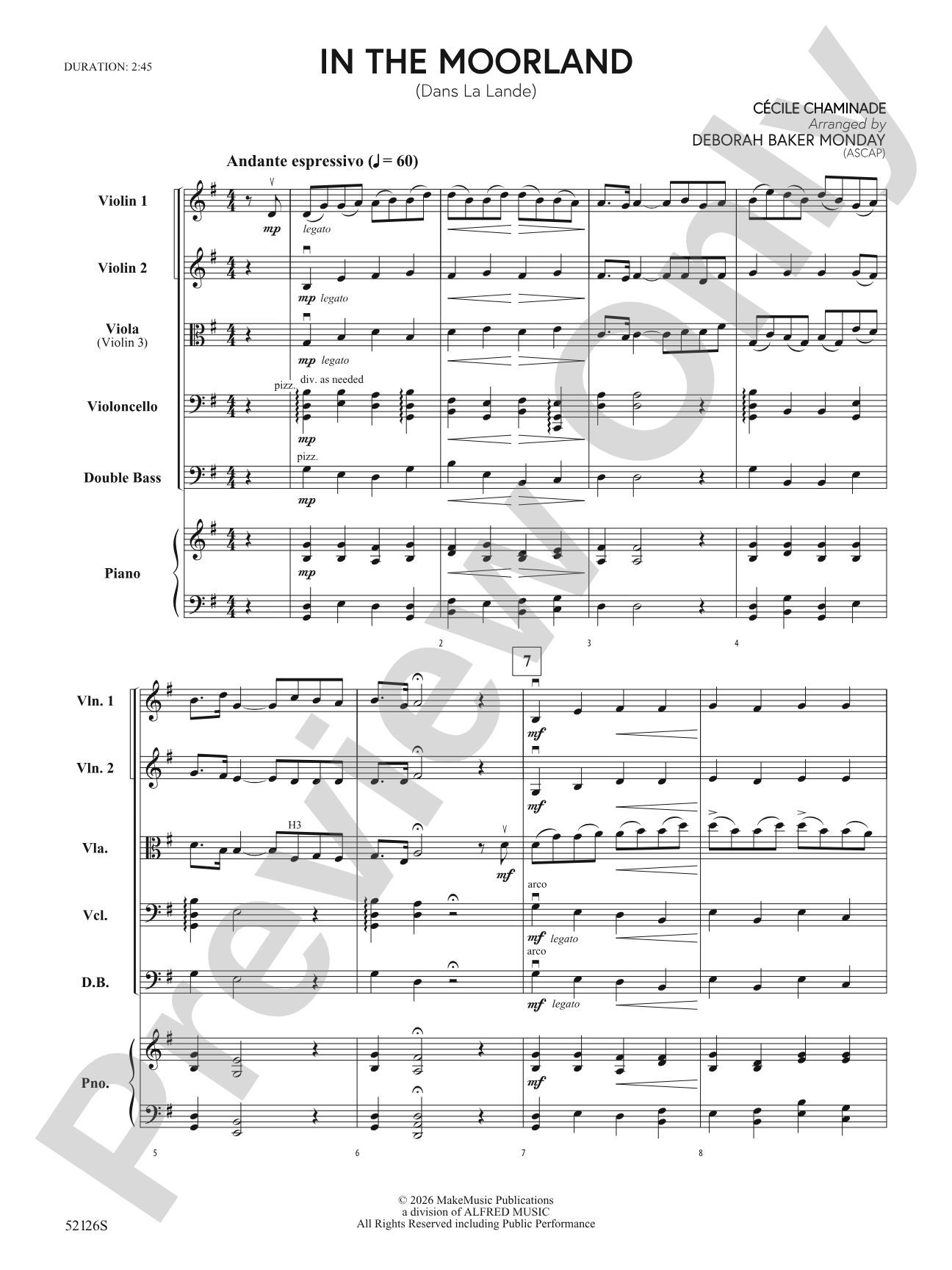
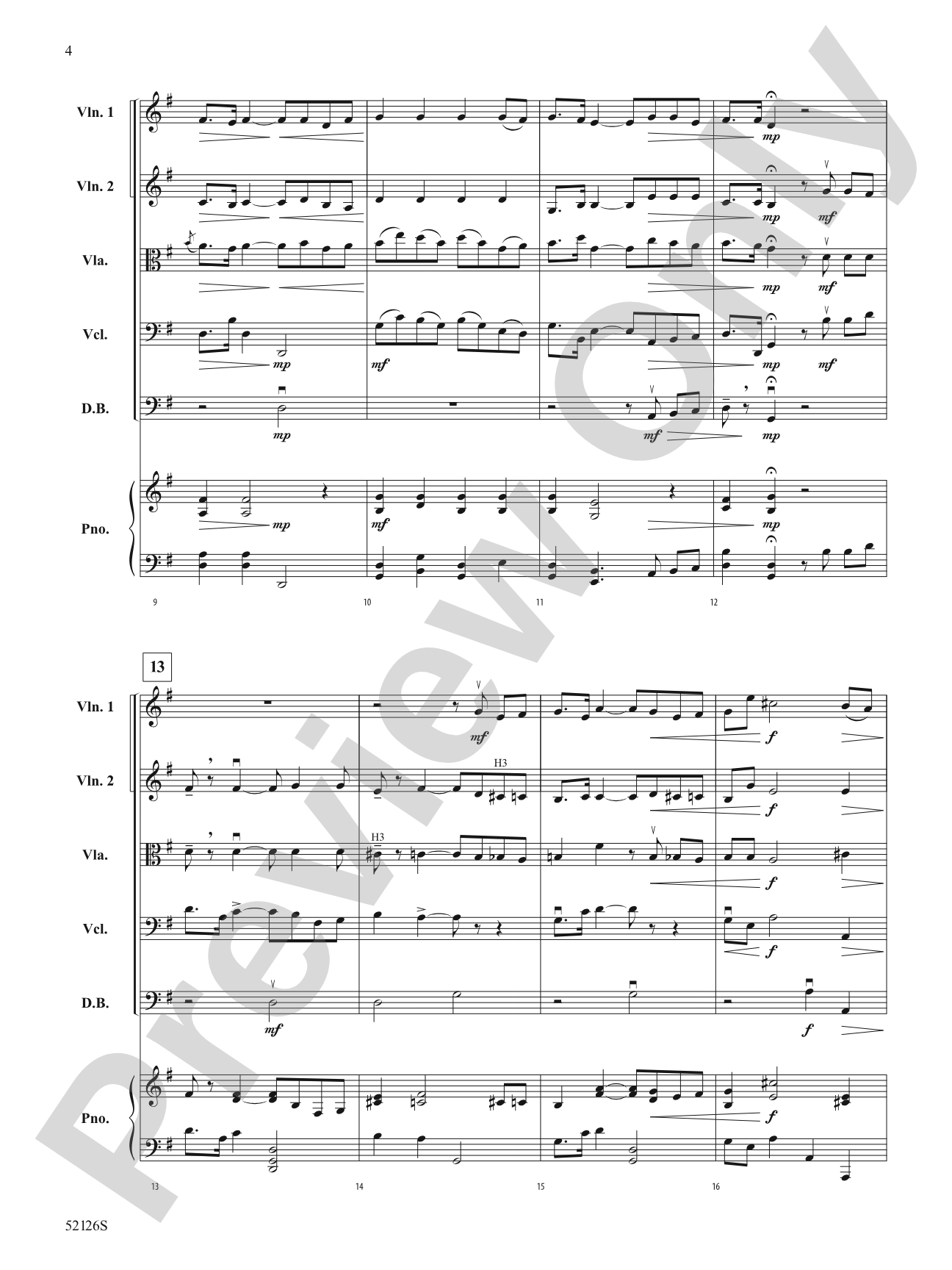
Introduce your string students to the rich, French Romantic style of Cécile Chaminade. This piece, from her Poems Provencaux, offers lyrical melodies, colorful harmonies, and rich textures. Students will love exploring expressive bowing techniques while discovering the unique colors of Chaminade's piano writing, expertly adapted for strings. (2:45)


IN THE MOORLAND/MIS: String Orchestra Conductor Score & Parts isn't in MakeMusic Cloud just yet...but it could be. Let us know you'd like to see it, and you'll help shape what comes next. In the meantime, start a free trial and dive into thousands of interactive titles your students can play along with today.
Request This Title
Tell us you want it.
Start Your Free Trial
Explore everything that's ready to play right now.
Sample Audio
1
Audio File
--:--
0:00
0:00
Sample Video
Additional Details
Series:
MakeMusic Intermediate Strings
Publisher:
MakeMusic Publications
SKU:
00-PK-0009399
More about this title
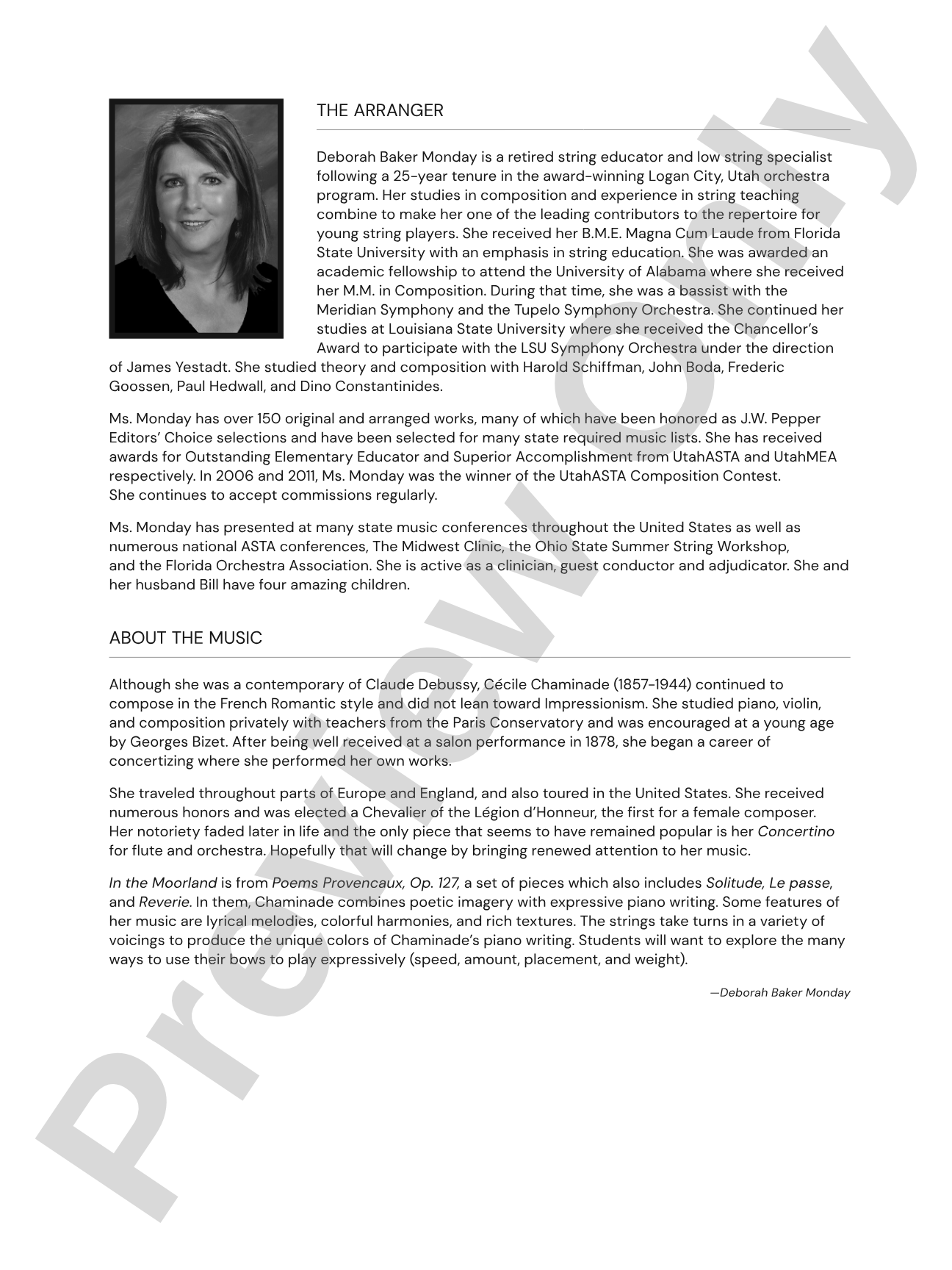
About the Composer: Cécile Chaminade
Cécile Chaminade (1857, 1944) was a French composer and pianist who achieved unusual prominence during her lifetime, with her works performed across Europe and America. She was a prolific writer for piano and chamber ensembles, crafting pieces that balanced accessibility with genuine musical substance. Her catalog includes over 200 compositions, many of which capture the elegant, song-like qualities of the French Romantic tradition.
Chaminade's music reveals a deep understanding of melodic writing and harmonic color. Though she never trained at the Paris Conservatoire (then closed to female composers), she studied privately and built a career as both composer and performer. Her Poems Provencaux collection exemplifies her gift for creating lyrical, character-driven miniatures that invite musicians to explore subtle expression and orchestral refinement.
Why we love this
Chaminade's gift for melody and harmonic color translates beautifully through this arrangement, giving string students genuine Romantic-era music to inhabit rather than simplified pastiche. The piece sits comfortably for intermediate ensembles while demanding real musicianship in tone production and expressive phrasing, making it both accessible and rewarding.
What to expect
Lush and lyrical, with the gentle romance of the French countryside embedded in Chaminade's melodic language. The piece moves between moments of intimate beauty and richer harmonic tapestries, inviting players to discover the warmth and color that define French Romantic style.
Who it's for
String orchestras at the intermediate level seeking authentic Romantic repertoire that develops both technical control and interpretive maturity. Directors building concert programs that represent diverse composers and styles will find this work offers historical substance alongside musical engagement for players.
How to get the most out of it
- Shape each phrase with the forward momentum Romantic melody requires; resist the urge to let sustained notes flatten or lose direction.
- Use the full range of dynamic control between piano and mezzo-forte passages to reveal Chaminade's harmonic shifts and inner-voice colors.
- Balance vibrato across the section so expressive playing enhances rather than obscures the ensemble sonority, especially in unison passages.
- Mark bowings clearly in rehearsal and model the difference between sustained legato lines and gently articulated figures; this piece rewards precision in those choices.
How to use it
Pair this with other works by women composers from the same era to build a thematic concert program, or use it as a standalone feature that demonstrates your ensemble's expressive range. Its moderate length (2:45) makes it ideal for festival submissions or as part of a mixed-repertoire concert exploring composers beyond the standard canon.
Skills your students will build
- Expressive bowing techniques (legato, articulation, and dynamic shaping)
- Sustained tone production with vibrato control in Romantic style
- Reading and performing in multiple key areas typical of French Romantic harmony
- Balancing individual voices within the ensemble while maintaining clear melodic lines
- Interpreting expressive musical character from harmonic and textural cues