In Style, Book 1 Cover Image

In Style, Book 1: Piano Book

$6.99 USD
Sale price  $6.99 USD Regular price 
Skip to product information
In Style, Book 1 Cover Image

In Style, Book 1: Piano Book

By Joyce Grill

Level: Early Intermediate

Item: 00-ELM02003

$6.99
Shipped

One moment…

Description
This collection of original piano solos by Joyce Grill will guide the student through various styles, preparing them for actual etudes, preludes, nocturnes, ballades, passacaglias, barcarolles, chaconnes, and bagatelles by the great masters.

In Style, Book 1: Piano Book isn't in MakeMusic Cloud just yet...but it could be. Let us know you'd like to see it, and you'll help shape what comes next. In the meantime, start a free trial and dive into thousands of interactive titles your students can play along with today.

Sample Pages

Sample Audio
No sample audio found.
Sample Video
Additional Details
Series: Composer Spotlight Series
Publisher: Alfred Music
Page Count: 24
ISBN10: 0-7579-9145-9
ISBN13: 978-0-7579-9145-5
UPC: 654979031284
SKU: 00-ELM02003

More about this title

About the Composer: Joyce Grill
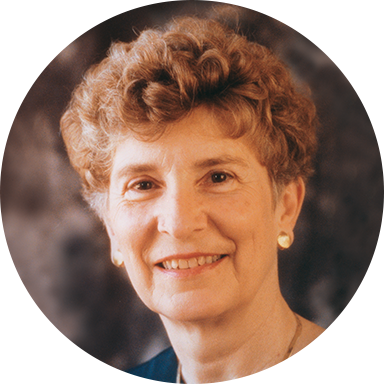
Joyce Grill

Joyce Grill spent decades teaching at the University of Wisconsin-La Crosse before retiring to share her pedagogical expertise through nationwide workshops and clinics. A MTNA Master Teacher Certificate holder who has served as Wisconsin State President and Division Vice-President, Grill studied composition and theory with Nadia Boulanger at the Fontainebleau School of Fine Arts and earned degrees from the University of Wisconsin-Madison. She founded the La Crosse Area Music Teachers Association, holds National Certified Teacher of Music (NCTM) status, and was named a MTNA Foundation Fellow in 2006.

Grill's reputation centers on thoughtful ensemble writing and her ability to translate classroom experience into meaningful repertoire. As a frequent guest conductor for multi-piano performances, she brings that collaborative spirit into her compositions. Her published works, including In Style, Down the Road, and Accompanist (Yes, It Really Happens), reflect her commitment to practical musicianship and the needs of developing pianists.

Why we love this

Grill's solos bridge the gap between technique exercises and real repertoire by introducing early intermediate students to the characteristics of celebrated classical forms. Rather than abstractly describing what a nocturne or barcarolle means, students encounter each style through freshly composed pieces that make the idiom tangible and musically engaging. This approach builds genuine familiarity with the masterworks students will encounter later.

What to expect

Each solo immerses the player in a distinct musical world without overwhelming technical demands. You encounter the gentle sway of a barcarolle, the reflective quality of a nocturne, or the architectural strength of a chaconne, and in each case the music feels purposeful and graceful rather than scholastic.

Who it's for

Early intermediate pianists ready to move beyond general technique into stylistic awareness will benefit enormously from this collection. Teachers seeking a structured introduction to classical forms for students preparing for more demanding etudes and concert repertoire will find these solos invaluable for building both musical and historical literacy.

How to get the most out of it

  • Listen to recordings of the classical forms referenced in the collection (nocturnes, ballades, passacaglias) before performing each piece so the historical style informs your interpretation.
  • Identify the specific formal or textural hallmarks of each style within its solo—where does the barcarolle's rocking accompaniment appear, or how is the prelude's improvisatory quality shaped—then highlight those features in your playing.
  • Work through each piece at a slower tempo first to lock in the stylistic character; rushing can flatten the subtle differences that distinguish one form from another.

How to use it

These solos work beautifully as individual recital pieces for early intermediate students, or program several from the collection on a studio recital to showcase stylistic range and breadth of musical understanding. They also serve as excellent preparation repertoire in the season before students tackle their first published nocturnes or ballades by composers like Chopin or Liszt.

Skills your students will build

  • Recognition and execution of classical forms (nocturne, prelude, bagatelle, passacaglia, chaconne, barcarolle, ballade)
  • Stylistic awareness and historical context for canonical piano literature
  • Shaping phrases and textures appropriate to each compositional genre
  • Building musical maturity through exposure to varied forms within accessible technical range

You May Also Like