In Darkest Night Cover Image

In Darkest Night: Concert Band Conductor Score

$7.00 USD
Sale price  $7.00 USD Regular price 
Skip to product information
In Darkest Night Cover Image

In Darkest Night: Concert Band Conductor Score

By Barry E. Kopetz

Grade: 1 (Very Easy)

Item: 00-20710S

$7.00
Shipped

One moment…

Description
In Darkest Night was composed to highlight the dark, thick and rich quality of the key of C minor. As musical keys have long been associated with various states of emotion, C minor has often been called the "key of darkness." The slow introduction presents the primary theme in augmented fashion over a C pedal point, leading to the robust Allegro Ritmico. The theme is aggressive, poignant, terse, and yes . . . dark! The piece concludes with a series of rapid, pounding, off-beat C minor triads preceding the final chord. This title is available in MakeMusic Cloud.

In Darkest Night: Concert Band Conductor Score isn't in MakeMusic Cloud just yet...but it could be. Let us know you'd like to see it, and you'll help shape what comes next. In the meantime, start a free trial and dive into thousands of interactive titles your students can play along with today.

Sample Pages

Sample Audio
No sample audio found.
Sample Video
Additional Details
Series: Alfred Debut Series
Publisher: Alfred Music
Page Count: 12
UPC: 038081207537
SKU: 00-20710S

More about this title

About the Composer: Barry E. Kopetz
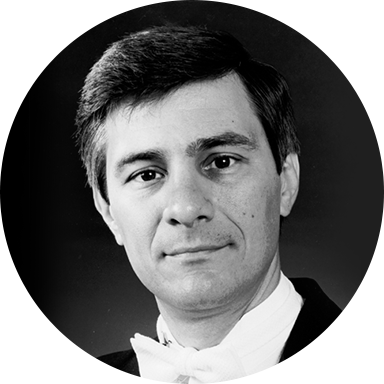
Barry E. Kopetz

Barry E. Kopetz has built a career spanning university administration, public school leadership, and active composition. He earned both his bachelor's and master's degrees from Ohio State University and a doctorate with distinction from Indiana University's School of Music, studying conducting with Frederick Fennell in Tokyo in 1989. His conducting teachers also included Frederick Ebbs, Ray Cramer, and Donald McGinnis.

Kopetz currently serves as Director of Bands at Capital University in Columbus, Ohio, where he conducts the Wind Symphony and Chamber Winds and teaches conducting, rehearsal techniques, and arranging. He has held teaching positions at the University of Utah, the University of Minnesota, and Bowling Green State University, as well as directing bands in public schools across Ohio and South Carolina. His compositional output exceeds 50 published works, and he maintains an active schedule as a guest conductor and adjudicator throughout the United States and Australia. He contributes regularly to Instrumentalist magazine with analyses of standard band repertoire, has worked on orchestrations for television and film, and holds membership in the American Bandmasters Association since 1998.

Why we love this

Kopetz writes with genuine understanding of what Grade 1 students can accomplish musically without overwhelming them technically. The contrast between the slow, sonorous introduction and the driving Allegro Ritmico gives conductors natural places to shape the ensemble's sound and build intensity, making this an excellent vehicle for teaching phrasing and dynamic control. The deliberate exploitation of C minor's inherent darkness gives even beginning bands immediate access to character and mood.

What to expect

Dark, brooding, and intentional. The slow opening establishes a foundation of minor-key richness that feels almost hypnotic, then the music suddenly shifts into aggressive, rhythmic drive. The final pounding triads leave no doubt about the character Kopetz intended: this is C minor in full effect, a study in musical darkness rendered accessible.

Who it's for

Beginning concert bands seeking literature that delivers emotional substance without technical barrier. Directors working with students in their first or second year will find a piece that sounds mature and deliberate, showing young musicians that simplicity and power are not mutually exclusive.

How to get the most out of it

  • Sustain the C pedal point in the introduction with absolute steadiness; any wavering in the foundation undermines the harmonic richness Kopetz has written. Have players listen to each other rather than rushing ahead.
  • Bring out the aggressive edge of the Allegro Ritmico by ensuring the offbeat figures land cleanly and with rhythmic precision. This is where the 'dark' character becomes visceral.
  • Shape the final series of pounding C minor triads with controlled intensity. Each chord should feel weighted but not sloppy; conductor clarity is essential for ensemble unity in this rhythmically driving section.
  • Use the conductor score's details to clarify the transition from introduction to Allegro. The shift in tempo and character deserves rehearsal time to lock in as a unified gesture.

How to use it

Open a concert with this piece to establish a sophisticated, serious tone immediately. Its Grade 1 accessibility means it works well on programs alongside more complex works, giving your band an opportunity to demonstrate musicality and control early. Consider programming it as a tonal study within a concert exploring minor keys or emotional contrasts in band literature.

Skills your students will build

  • Sustaining long tones without wavering or losing intonation
  • Responding to conductor gestures that distinguish between slow, sustained playing and aggressive rhythmic articulation
  • Understanding how minor keys and harmonic darkness shape musical character
  • Executing clean, weighted articulation on offbeat rhythmic figures
  • Balancing ensemble sound across a range of dynamics and tempos within a single piece

You May Also Like