In Darkest Night Cover Image

In Darkest Night: Concert Band Conductor Score & Parts

$48.00 USD
Sale price  $48.00 USD Regular price 
Skip to product information
In Darkest Night Cover Image

In Darkest Night: Concert Band Conductor Score & Parts

By Barry E. Kopetz

Grade: 1 (Very Easy)

Item: 00-20710

makemusic Cloud badge

Need it now?

Buy Digital Version
$48.00
Shipped

One moment…

Description
In Darkest Night was composed to highlight the dark, thick and rich quality of the key of C minor. As musical keys have long been associated with various states of emotion, C minor has often been called the "key of darkness." The slow introduction presents the primary theme in augmented fashion over a C pedal point, leading to the robust Allegro Ritmico. The theme is aggressive, poignant, terse, and yes . . . dark! The piece concludes with a series of rapid, pounding, off-beat C minor triads preceding the final chord. This title is available in MakeMusic Cloud.

Don't just read it, hear it, play along with it, and watch your students grow with it. In MakeMusic Cloud, In Darkest Night: Concert Band Conductor Score & Parts comes alive with professional accompaniment, adjustable tempo, and built-in practice tools that turn solo practice into real progress.

Sample Pages

Sample Audio
0:00
0:00
Sample Video
Additional Details
Series: Alfred Debut Series
Publisher: Alfred Music
Page Count: 122
UPC: 038081207520
SKU: 00-20710

More about this title

About the Composer: Barry E. Kopetz
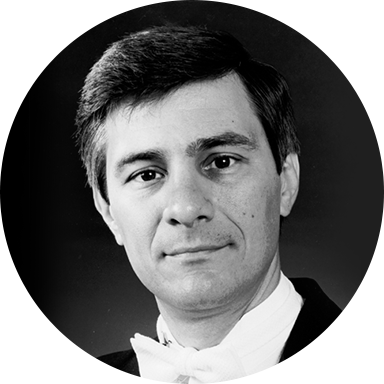
Barry E. Kopetz

Barry E. Kopetz has served on the faculty at Capital University in Columbus, Ohio, where he conducts the Wind Symphony and Chamber Winds while teaching conducting, rehearsal techniques, and arranging. His academic career includes positions at the University of Utah, University of Minnesota, and Bowling Green State University, along with public school teaching in Ohio and South Carolina. He holds degrees from Ohio State University (bachelor's and master's) and Indiana University (doctorate with distinction), and studied conducting with Frederick Fennell in Tokyo in 1989.

As a composer and arranger, Kopetz has published more than 50 works and maintains an active schedule as a guest conductor and adjudicator across the United States and Australia. He contributes analytical essays to Instrumentalist magazine, has worked in orchestration for television and film, and was elected to membership in the American Bandmasters Association in 1998.

Why we love this

Kopetz harnesses the inherent weight and gravity of C minor without relying on bombast or overcomplication, making this an ideal Grade 1 opener for young ensembles learning to shape dark, sustained sonorities. The formal architecture is crystal clear: slow introduction with an augmented theme over pedal point, followed by a rhythmically urgent Allegro that gives students a concrete target for contrast and energy.

What to expect

The slow introduction creates an atmosphere of weight and introspection, with the augmented melody sitting atop a grounding C pedal like a question posed in shadow. The Allegro Ritmico breaks that restraint with aggressive, pointed rhythmic figures that feel urgent without becoming frantic, finally hammering home off-beat triads that feel both relentless and inevitable.

Who it's for

Young concert bands tackling their first programmatic or thematic work will find this piece both manageable and musically substantial. Grade 1 players benefit from clear formal divisions and a straightforward harmonic language that lets them focus on tone quality, balance, and ensemble precision without navigating complex chord progressions or shifting meters.

How to get the most out of it

  • Balance the sustained C pedal point beneath the augmented theme in the slow introduction; resist the urge to let younger players crescendo uncontrollably and cloud the harmonic foundation.
  • Lock the Allegro Ritmico's rhythm with precision before worrying about dynamics. The off-beat C minor triads near the end demand clean articulation and ensemble cohesion.
  • Use the tonal warmth of the lower woodwinds and brass to reinforce the 'dark, thick and rich' quality Kopetz specified; avoid thin, bright tone production in this key.

How to use it

Program this as an opener or early-set piece when you want to establish a serious, focused tone before lighter selections. It works equally well as a contest or festival submission, offering adjudicators evidence that your ensemble understands tone production, balance, and formal clarity at an accessible level.

Skills your students will build

  • Tone quality and balance in a minor key
  • Sustaining and supporting a pedal point
  • Rhythmic precision in syncopated passages
  • Dynamic contrast between slow and fast sections
  • Understanding formal structure (introduction, main section, conclusion)
  • Off-beat articulation and ensemble clarity

You May Also Like
