I've Been in the Storm So Long Cover Image

I've Been in the Storm So Long: SATB, <i>a cappella</i> Choral Octavo

$1.80 USD
Sale price  $1.80 USD Regular price 
Skip to product information
I've Been in the Storm So Long Cover Image

I've Been in the Storm So Long: SATB, a cappella Choral Octavo

Traditional Spiritual / arr. Mark Hayes

Item: 00-35596

makemusic Cloud badge

Need it now?

Buy Digital Version
$1.80
Shipped

One moment…

Description
One of the great spirituals is skillfully arranged for mature a cappella groups. Each section of the choir shines with characteristic voice parts and occasional divisi. Superb writing with a deliberate slow groove and a wistful bluesy sound.

Don't just read it, hear it, play along with it, and watch your students grow with it. In MakeMusic Cloud, I've Been in the Storm So Long: SATB, a cappella Choral Octavo comes alive with professional accompaniment, adjustable tempo, and built-in practice tools that turn solo practice into real progress.

Sample Pages

Sample Audio
0:00
0:00
Sample Video
Additional Details
Series: Alfred Choral Designs
Publisher: Alfred Music
Page Count: 12
UPC: 038081397924
SKU: 00-35596

More about this title

About the Arranger: Mark Hayes
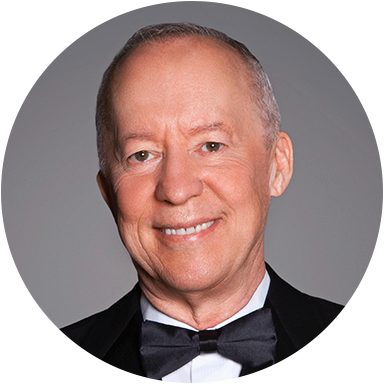
Mark Hayes

Mark Hayes stands among the most prolific composers and arrangers in contemporary music, with over 1,750 published works spanning sacred, secular, orchestral, and keyboard genres. A summa cum laude graduate in piano performance from Baylor University, he has conducted at Lincoln Center, the National Cathedral, and Carnegie Hall, and received the 2010 Award for Exemplary Leadership in Christian Music from his alma mater.

Beyond his sacred choral output, Hayes is an accomplished orchestrator, record producer, and concert pianist whose catalog includes more than 100 piano books in styles ranging from gospel to jazz to classical. His commissions have taken him globally, from conducting a work for treble and mixed voices with orchestra in Hong Kong to presenting his Requiem at St. Ignatius Basilica in Rome as part of a Vatican-sponsored festival.

Why we love this

Hayes captures the spiritual's profound emotional arc without resorting to arrangements that oversimplify or sentimentalize. The deliberate slow groove and bluesy inflections honor the tradition while the careful voice writing (with strategic divisi) keeps each section engaged rather than relegated to background support, making this a genuinely rewarding score for mature ensembles.

What to expect

The piece unfolds with the unhurried dignity of lived experience, grounded in a slow, deliberate groove that feels both introspective and grounded. Hayes's bluesy harmonic language lends a wistfulness that honors the spiritual's roots while the interweaving voice parts create moments of luminous warmth.

Who it's for

This arrangement serves experienced high school and college choirs as well as community and church ensembles with secure voice parts and interpretive maturity. Singers should be comfortable with independent lines and the expressive demands of spiritual idiom.

How to get the most out of it

  • Shape the opening phrases with rubato to reflect the wistful character; the spiritual tradition invites flexibility in phrasing even within a measured tempo.
  • Balance divisi passages so that inner voices don't disappear; these moments are written to enhance color, not to be swallowed by sopranos or basses.
  • Lean into the bluesy inflections with slight microtonal shadings on key pitches, especially in the middle sections where the arrangement draws its character.
  • Let the a cappella texture breathe by resisting the urge to over-blend; this arrangement gains power from the clarity of individual voice parts.

How to use it

Program this as an anchor for a concert exploring spirituals or sacred traditions, where it can sit comfortably alongside art song or classical sacred works. Its 12-page length and moderate performance demands also make it suitable as a centerpiece within a larger mixed program of American choral repertoire.

Skills your students will build

  • Singing independent melodic lines within dense harmonic textures
  • Interpreting bluesy and spiritual idioms with accurate intonation and style
  • Balancing divided voice parts to maintain textural clarity
  • Shaping phrases with rubato while maintaining ensemble cohesion
  • Reading and performing divisi notation

You May Also Like
