
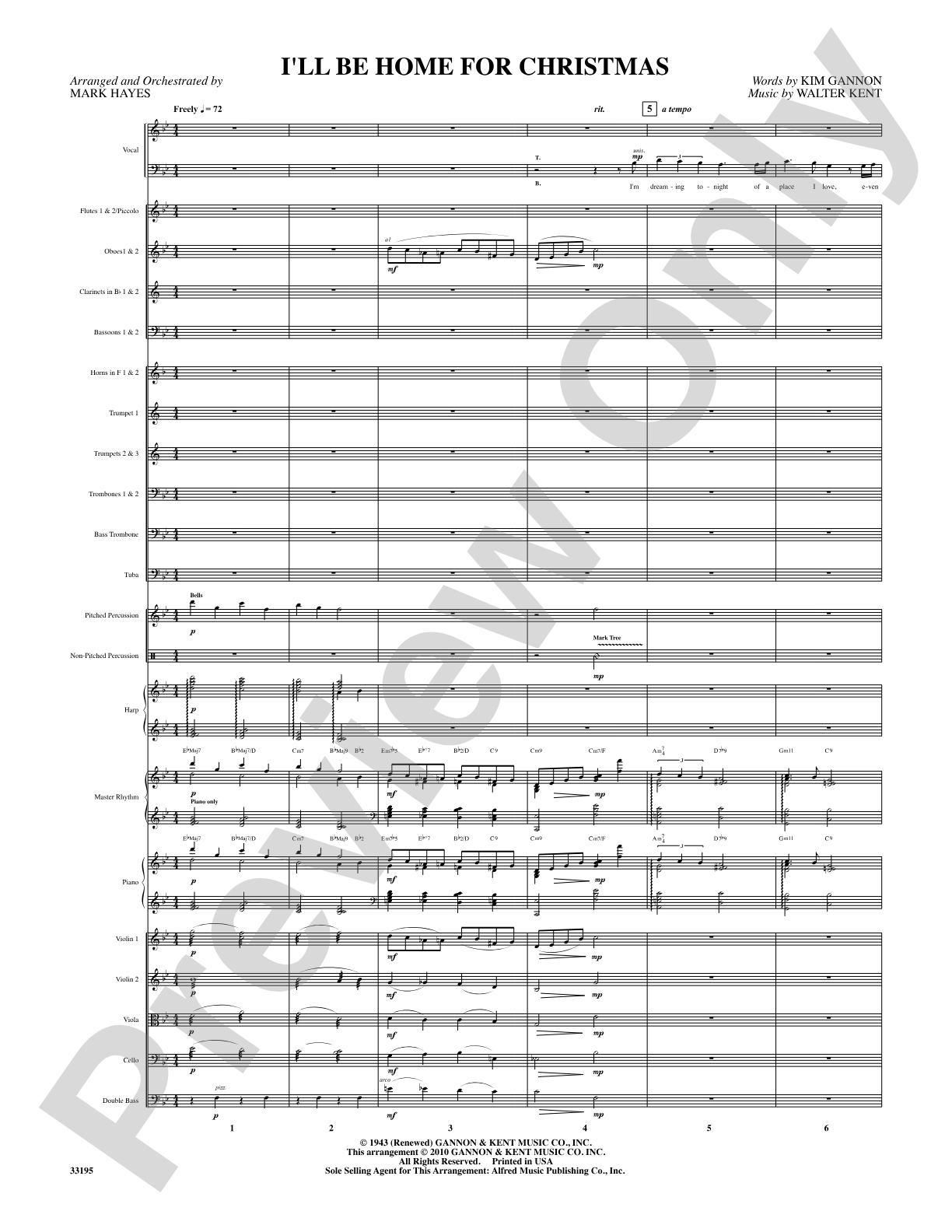
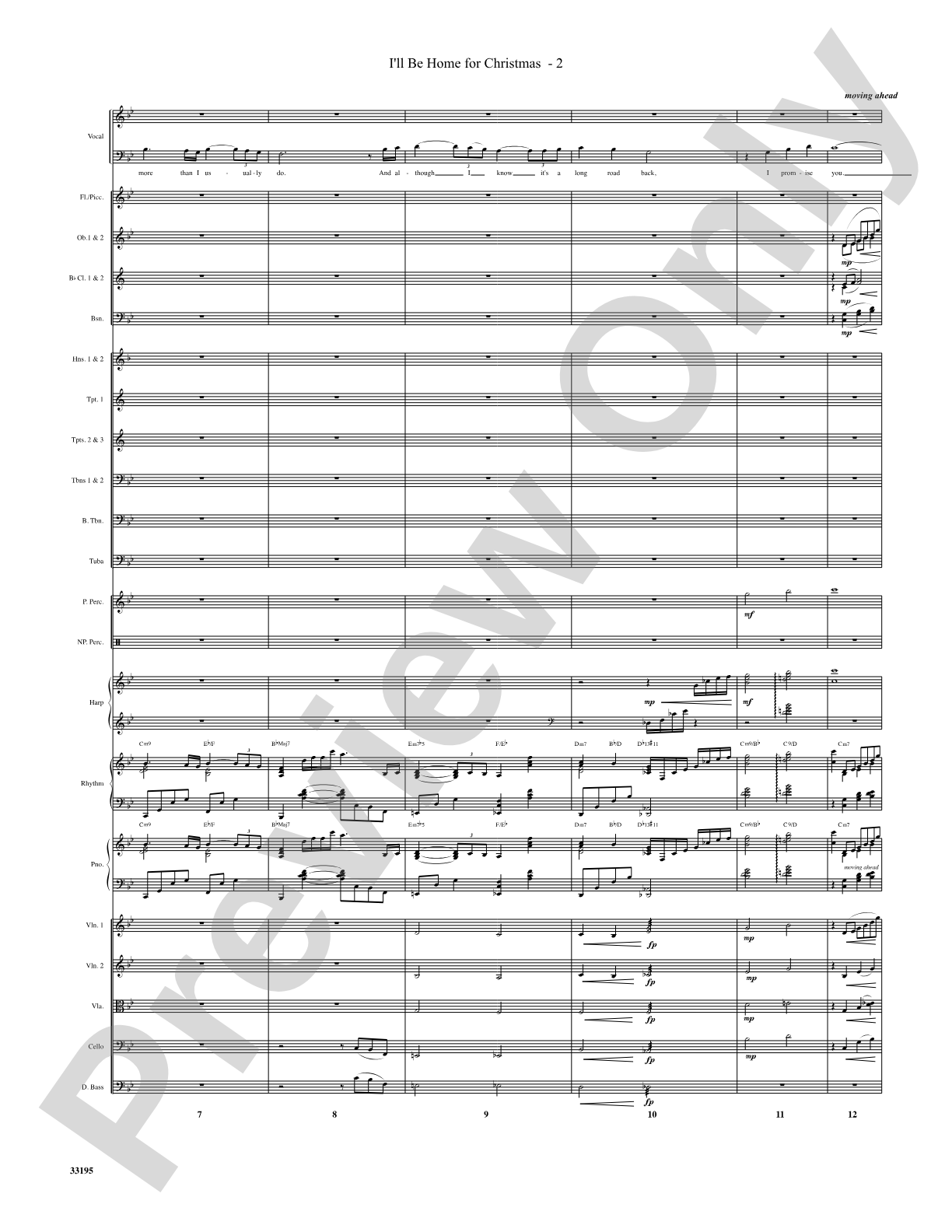
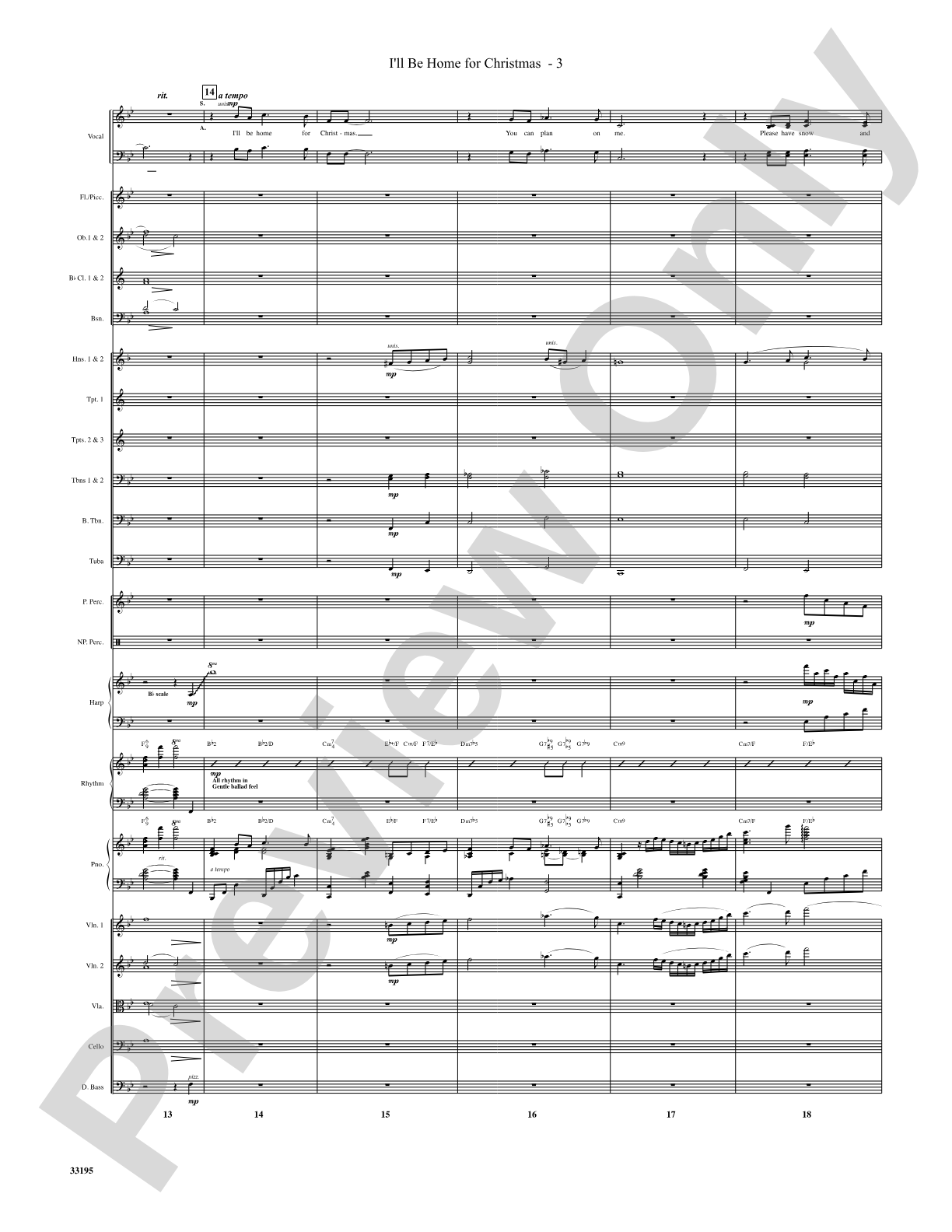
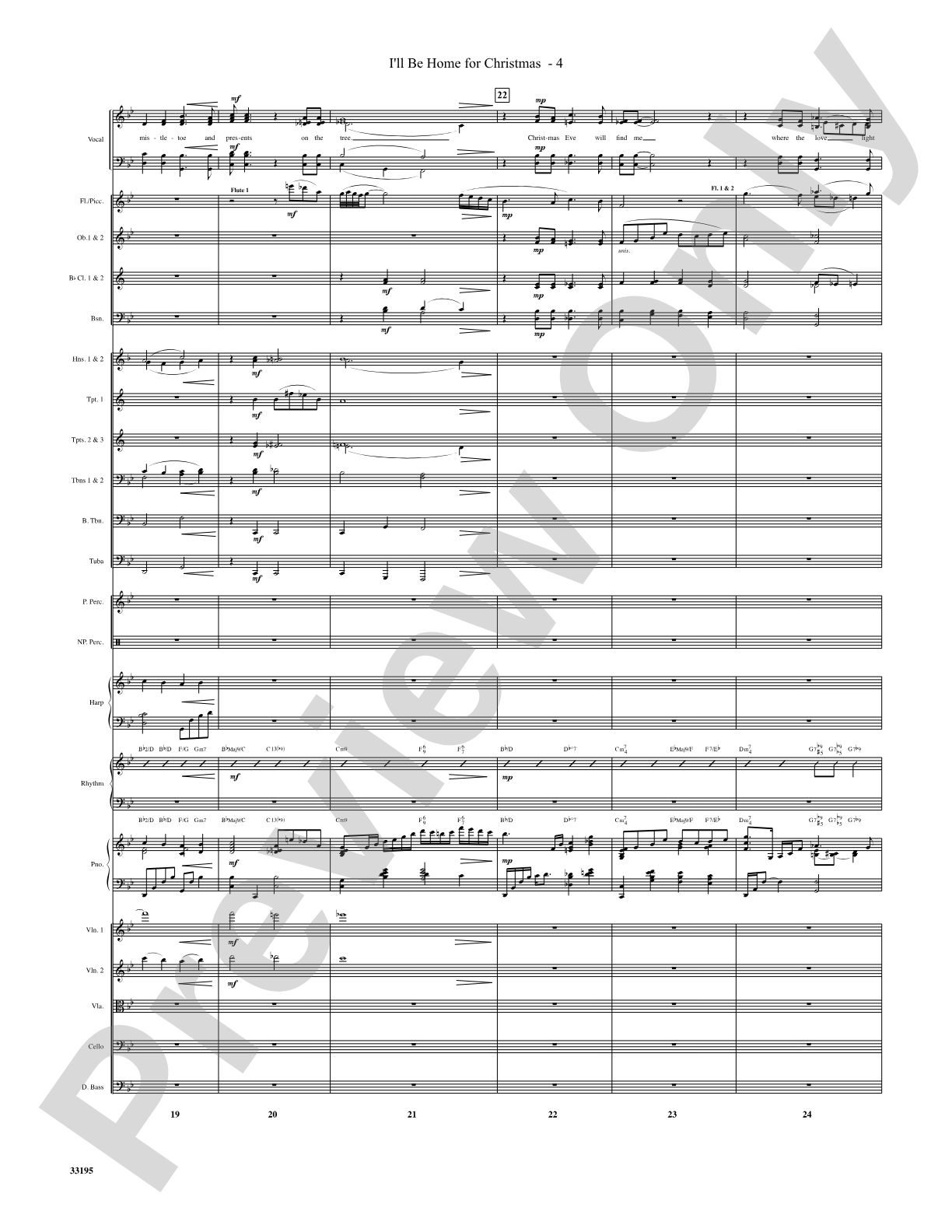
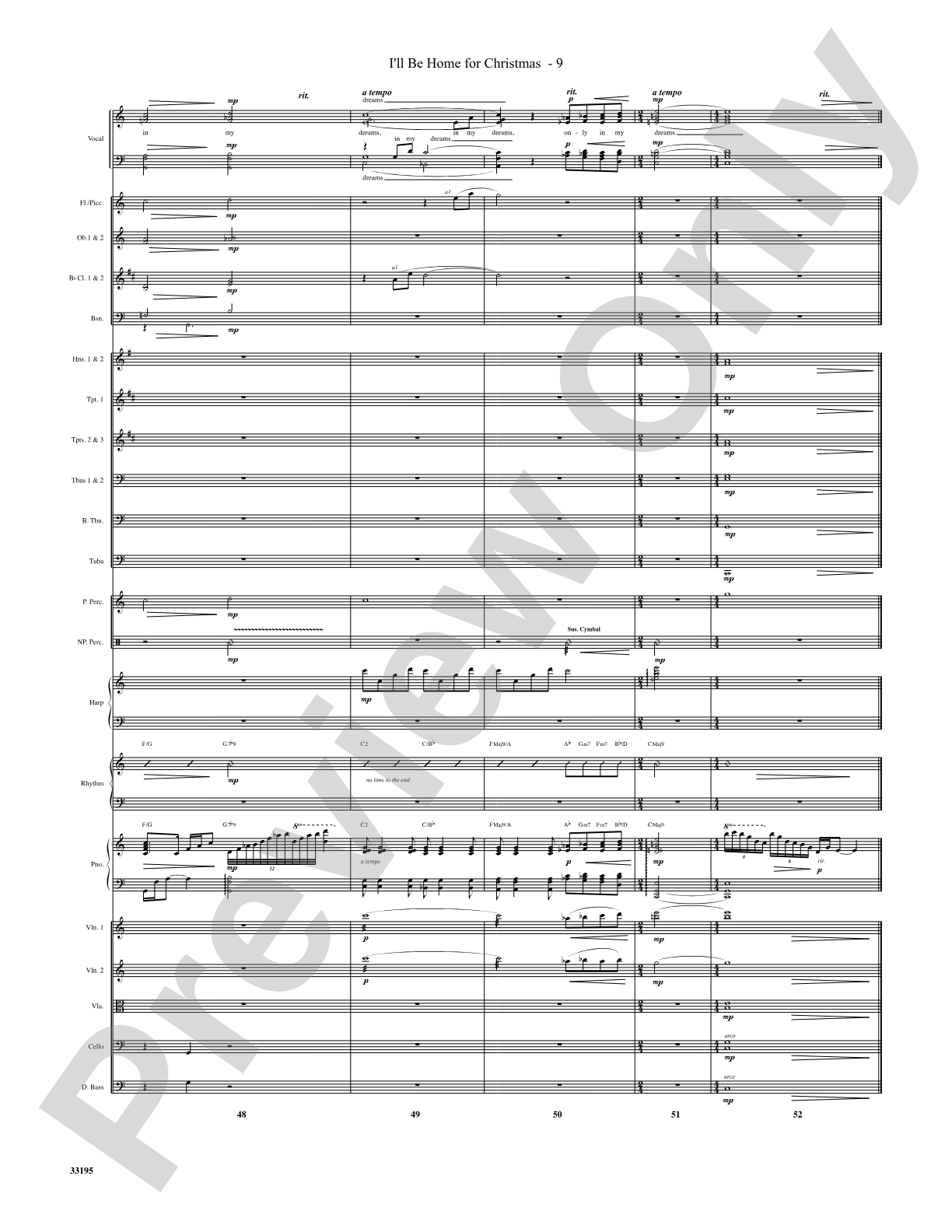

I'll Be Home for Christmas: Choral SoundPax
Words by Kim Gannon, music by Walter Kent / arr. Mark Hayes
Item: 00-PK-0004137
$50.00
One moment…
Related Items
I'll Be Home for Christmas: SoundTrax Digital Audio Download |
$29.99
|
View | |
I'll Be Home for Christmas: SATB Choral Octavo |
$2.10
|
View | |
I'll Be Home for Christmas: SAB Choral Octavo |
$2.10
|
View | |
I'll Be Home for Christmas: SSA Choral Octavo |
$2.10
|
View | |
I'll Be Home for Christmas: TTBB Choral Octavo |
$2.25
|
View | |
I'll Be Home for Christmas: SATB Choral Octavo |
$2.10
|
View | |
I'll Be Home for Christmas: SAB Choral Octavo |
$2.10
|
View | |
I'll Be Home for Christmas: SSA Choral Octavo |
$2.10
|
View | |
I'll Be Home for Christmas: TTBB Choral Octavo |
$2.25
|
View | |
I'll Be Home for Christmas: Choral Octavo SoundTrax CD |
$29.99
|
View | |
I'll Be Home for Christmas: Choral SoundPax |
$50.00
|
View |
Description
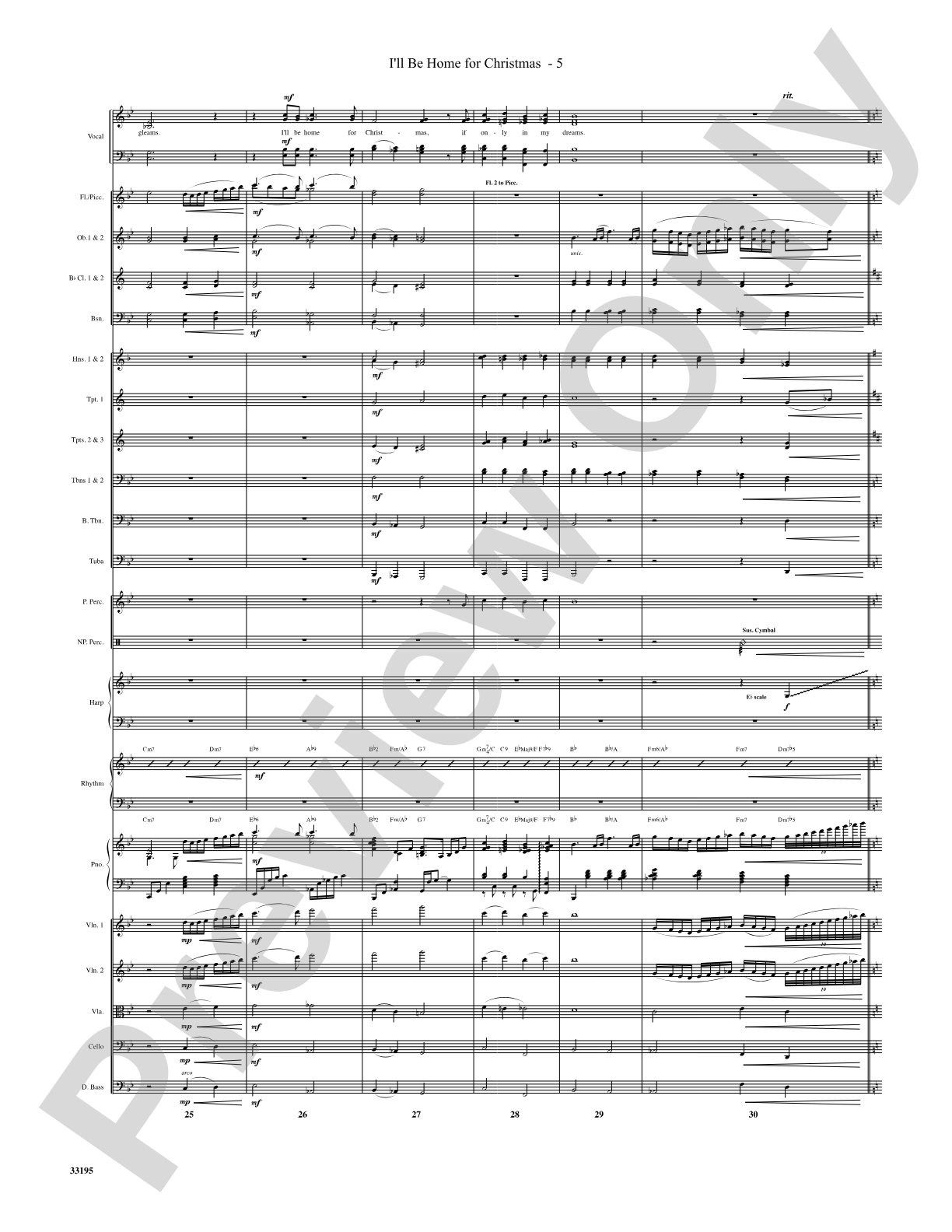
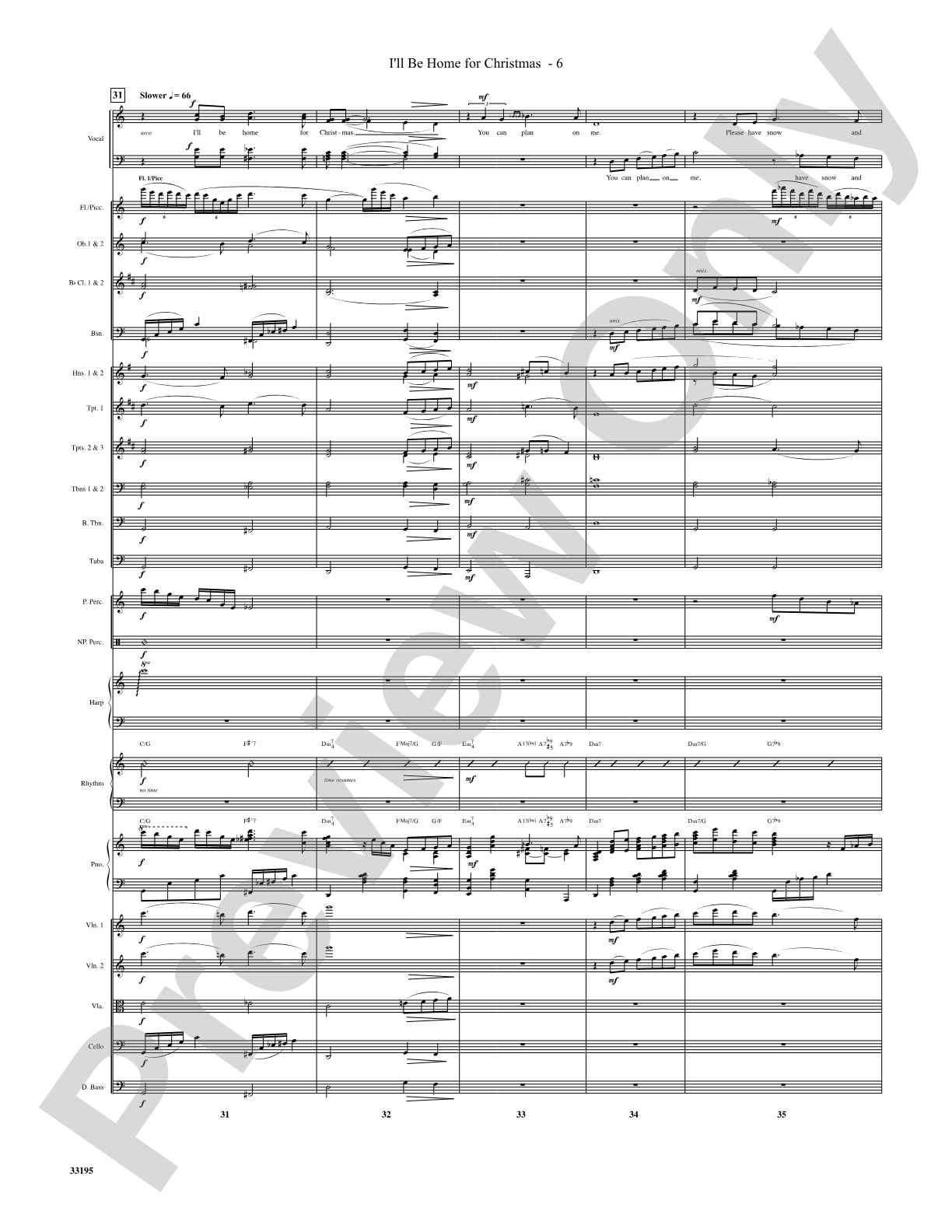
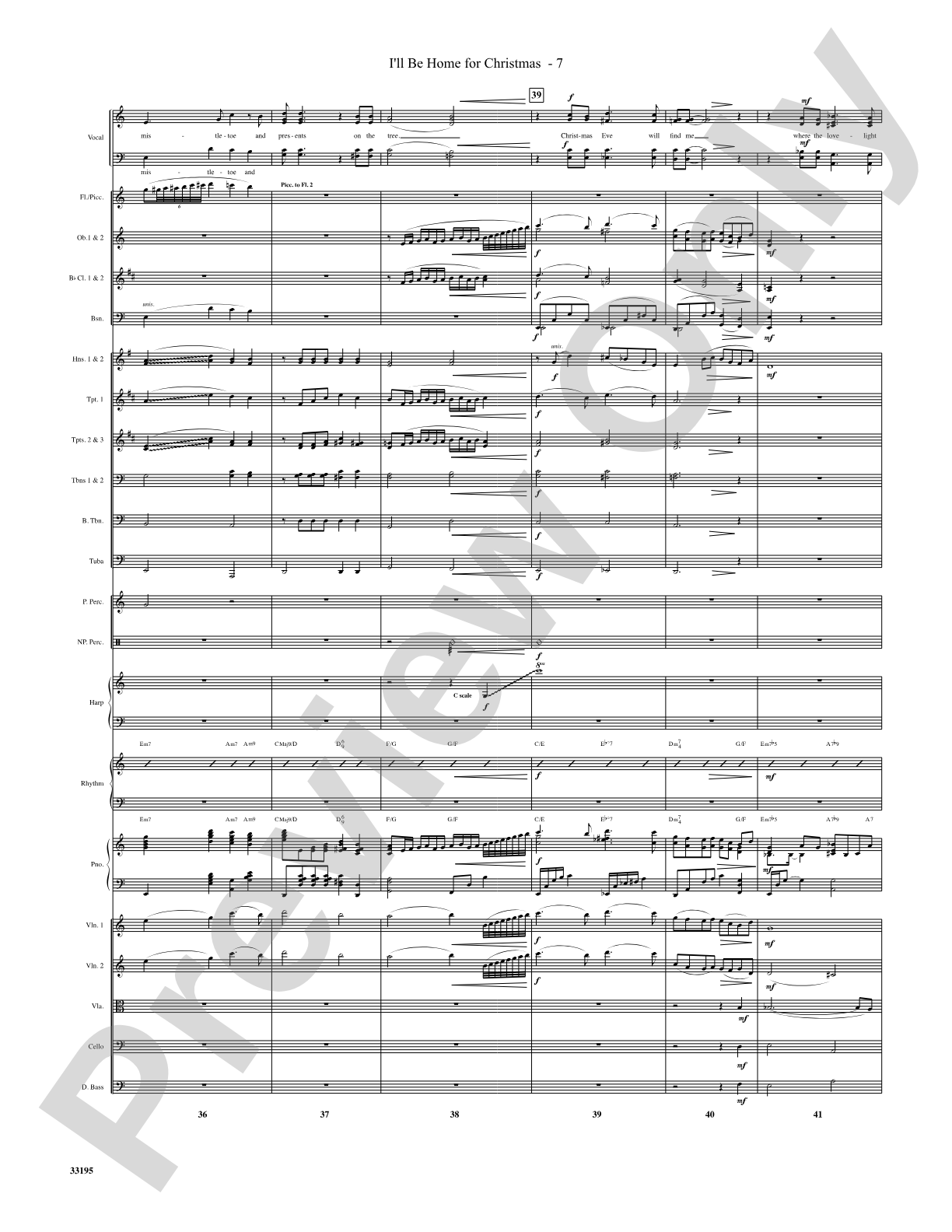
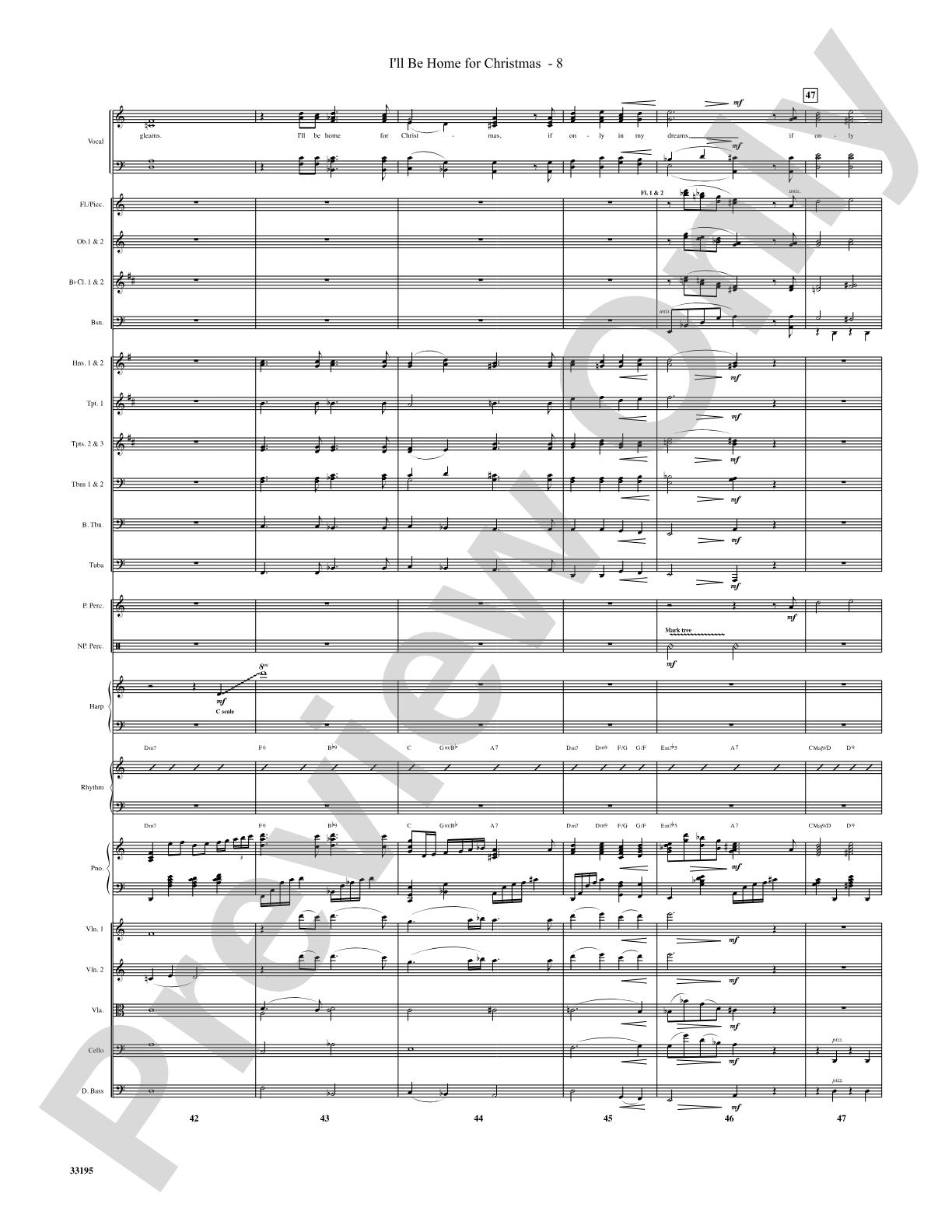
There's no lovelier or more touching Christmas song. Originally made famous by Bing Crosby, it's now been fully and richly arranged by Mark Hayes. Start a new holiday musical tradition with your choir!


I'll Be Home for Christmas: Choral SoundPax isn't in MakeMusic Cloud just yet...but it could be. Let us know you'd like to see it, and you'll help shape what comes next. In the meantime, start a free trial and dive into thousands of interactive titles your students can play along with today.
Request This Title
Tell us you want it.
Start Your Free Trial
Explore everything that's ready to play right now.
Sample Audio
1
Audio File
--:--
0:00
0:00
Sample Video
No sample videos found.
Additional Details
Series:
Alfred Pop Choral Series
Publisher:
Alfred Music
Page Count:
72
SKU:
00-PK-0004137
Instrumentation:
SoundPax
More about this title
About the Composer: Walter Kent
Walter Kent composed one of American popular music's most enduring standards when he wrote "I'll Be Home for Christmas" in 1943. The song became a wartime anthem, offering solace to families separated by distance and conflict, and achieved iconic status through Bing Crosby's 1943 recording. Kent's gift for melody and emotional directness continues to resonate across generations and performance contexts.
Beyond this signature work, Kent remained active as a songwriter throughout the mid-twentieth century, contributing to both popular and theatrical music. His ability to craft memorable, singable melodies made his compositions accessible to performers across skill levels and ensembles.
Why we love this
Mark Hayes brings his signature sophistication to this beloved standard, crafting an arrangement that honors the song's emotional core while giving it unexpected harmonic depth. The SoundPax format makes this instantly accessible for rehearsal and performance, and the recorded accompaniment frees you to focus entirely on vocal balance and phrasing during rehearsals. This is the arrangement that transforms a familiar favorite into a concert moment your audience will remember.
What to expect
Hayes's arrangement wraps the original melody in jazz-influenced harmonies that feel both sophisticated and warmly nostalgic. The harmonic language creates moments of gentle surprise without ever losing sight of the song's core sentiment; it's a arrangement that trusts singers to convey genuine emotion beneath modern musical language.
Who it's for
Choirs of intermediate to advanced ability will find this arrangement rewarding. The piece works equally well for high school choirs, collegiate ensembles, community choirs, and holiday concert programming where quality and emotional authenticity matter.
How to get the most out of it
- Balance the melody across sections rather than spotlighting a single voice part; the Hayes arrangement shares thematic material, and ensemble blend will strengthen the song's intimacy.
- Work the dynamics gradually throughout; resist the urge to sing loudly early, saving full voice for the final phrases where the arrangement builds naturally.
- Use the recorded accompaniment to lock in harmonic precision during early rehearsals, then gradually shift to singing without it to build independence and confidence.
- Shape the text with care; this is a song about longing and memory, so articulation should serve clarity without becoming clipped or detached.
How to use it
Program this as a centerpiece of your holiday concert, ideally in the second half where audiences are fully settled and ready for a quieter, introspective moment. It pairs beautifully alongside more upbeat seasonal repertoire, offering contrast and drawing out what makes each piece distinctive. The length and emotional weight also make it suitable as a closing number if your concert structure calls for an ending that resonates rather than delights.
Skills your students will build
- Singing jazz-influenced harmony and altered chord voicings
- Balancing ensemble blend within chromatic harmonic writing
- Interpreting emotional subtext in familiar melodies
- Sustaining long phrases with control and consistent tone quality