

I Could Have Danced All Night: SAB Choral Octavo
From the Musical My Fair Lady
Lyrics by Alan Jay Lerner, music by Frederick Loewe / arr. Greg Gilpin
Item: 00-PO-0007977
$1.85
Minimum order quantity: 20 copies
Pickup currently not available
Related Items
I Could Have Danced All Night: SoundTrax Digital Audio Download |
$22.95
|
View | |
I Could Have Danced All Night: SATB Choral Octavo |
$1.85
|
View | |
I Could Have Danced All Night: SSA Choral Octavo |
$1.85
|
View | |
I Could Have Danced All Night: SATB Choral Octavo |
$1.85
|
View | |
I Could Have Danced All Night: SAB Choral Octavo |
$1.85
|
View | |
I Could Have Danced All Night: SSA Choral Octavo |
$1.85
|
View | |
I Could Have Danced All Night: Choral Octavo SoundTrax CD |
$22.95
|
View |
Description
Lerner, Frederick Loewe/Greg Gilpin (Broadway/Movies )
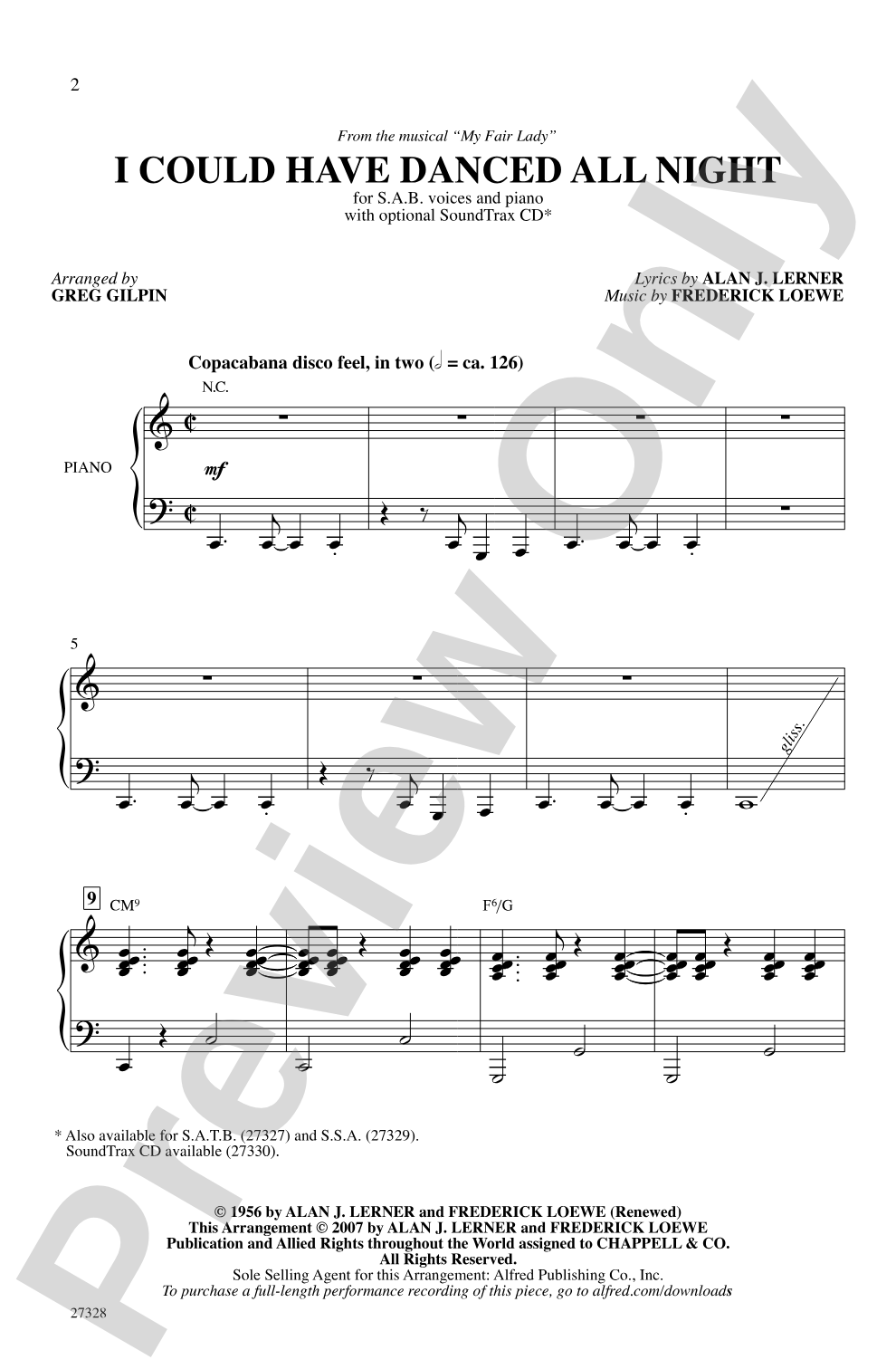
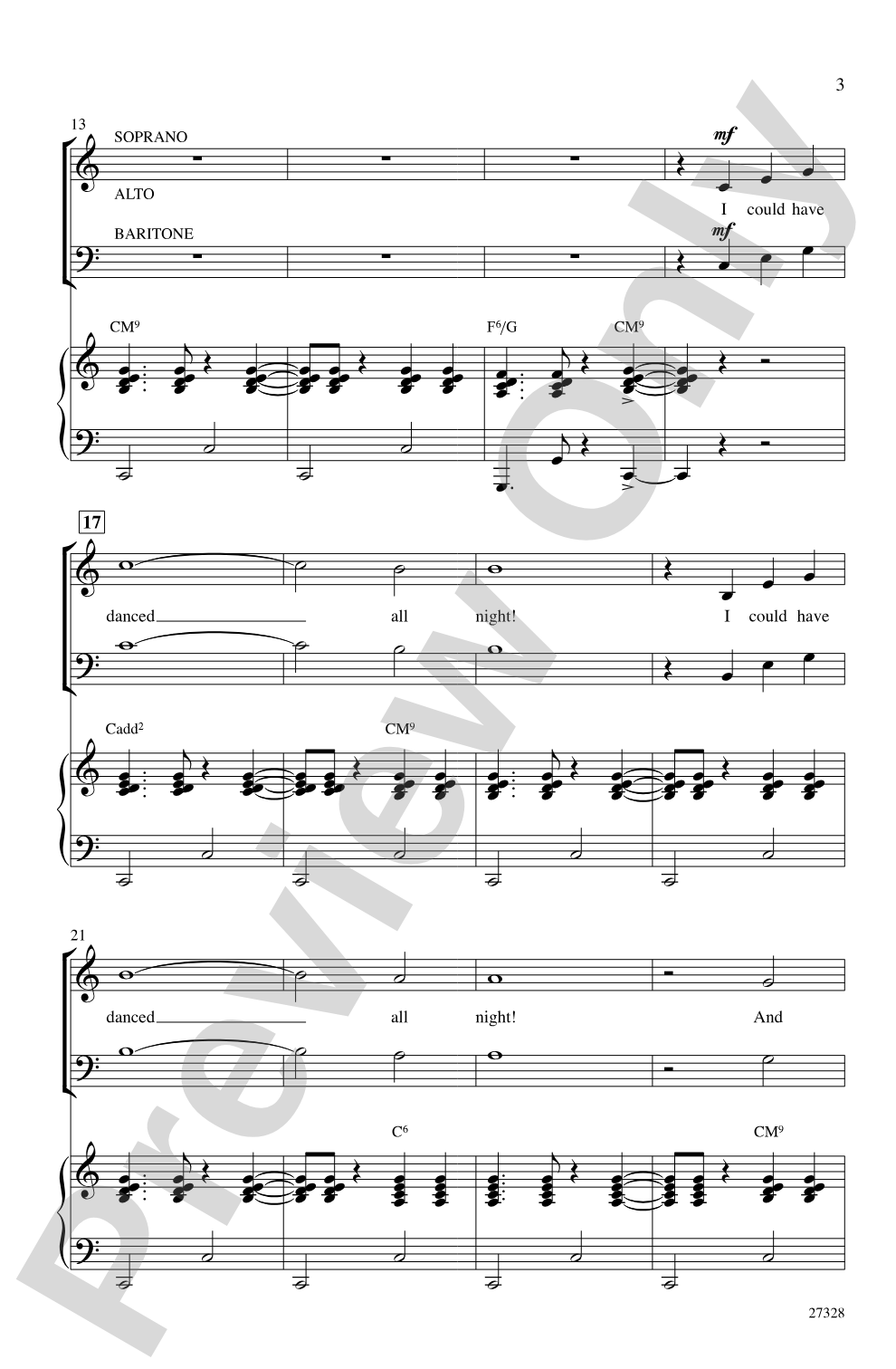
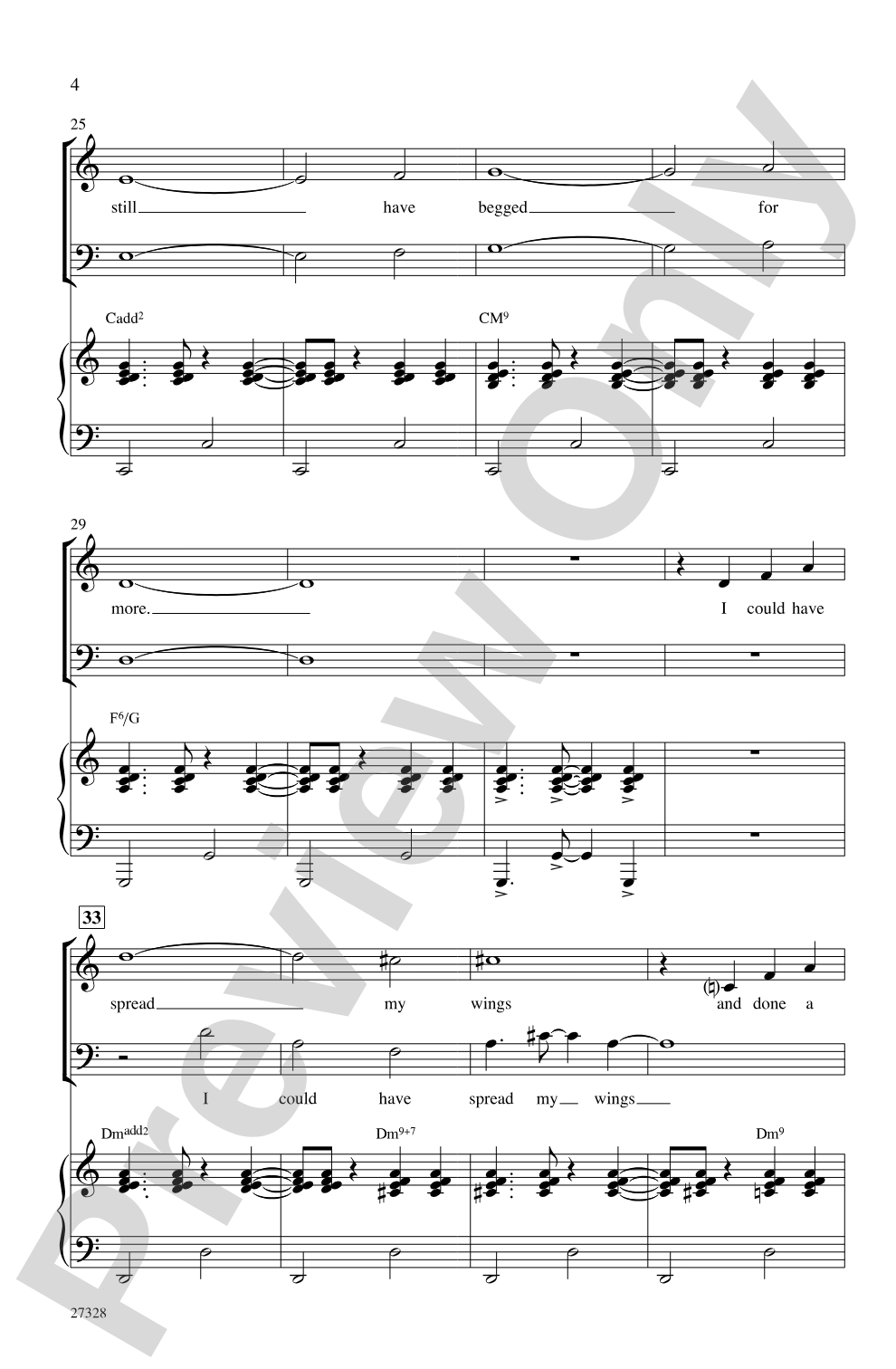
The key word in this title is "danced." And what says "dance" more than "disco?" It's a retro/disco version of the Lerner and Lowe standard from the musical My Fair Lady arranged in an unexpected style by Greg Gilpin. Get out your platform shoes, leisure suits, and sing and dance it all night.


The key word in this title is "danced." And what says "dance" more than "disco?" It's a retro/disco version of the Lerner and Lowe standard from the musical My Fair Lady arranged in an unexpected style by Greg Gilpin. Get out your platform shoes, leisure suits, and sing and dance it all night.
Discover MakeMusic Cloud: thousands of interactive titles your students can play along with today.
Sample Audio
1
Audio File
--:--
0:00
0:00
Sample Video
No sample videos found.
Additional Details
Series:
Alfred Pop Choral Series
Publisher:
Alfred Music
Page Count:
12
SKU:
00-PO-0007977
More about this title
About the Composer: Frederick Loewe
Frederick Loewe composed some of Broadway's most enduring melodies, with a gift for writing songs that burrow into memory and stay there. His partnership with lyricist Alan Jay Lerner produced a string of theatrical masterpieces, most notably My Fair Lady, which remains a staple of both professional and educational theater programs nearly seventy years after its premiere.
Loewe's music sits at the intersection of classical training and popular appeal. His melodies are sophisticated enough to reward serious musicians yet accessible enough that audiences leave the theater humming them. For music educators, his work offers students the chance to engage with genuinely great songs that have stood the test of time.
Why we love this
Greg Gilpin's disco reimagining of this standard strips away nostalgia and replaces it with pure comedic energy. The arrangement captures something true about what makes "I Could Have Danced All Night" work: it's fundamentally about joy and movement, so why not lean into a style built entirely around those things? Your students will enjoy the humor, the rhythmic chops required, and the sheer fun of singing something their parents recognize in a completely different voice.
What to expect
Platform shoes, mirror balls, and unironic joy. The disco arrangement transforms a beloved standard into something that feels both retro and immediate, inviting the audience to smile at the audacity of the concept while genuinely grooving along. It's the kind of piece that lands better the more your singers commit to the artifice.
Who it's for
Choirs with a taste for humor and enough rhythmic confidence to handle syncopated writing. This arrangement works best with groups that can balance precision with the playful spirit of the material.
How to get the most out of it
- Keep the syncopation crisp and consistent. Gilpin's disco rhythms depend on precision from the rhythm section; any sloppiness in the parts will blur the groove.
- Balance clarity with the retro vocal production style. These disco arrangements thrive on a somewhat bright, almost exaggerated vocal tone, but not so extreme that diction suffers.
- Use the recorded accompaniment to lock in the feel during rehearsals, then gradually pull back on it as the arrangement settles into muscle memory.
- Treat the dance elements seriously. If you're staging movement, commit to it fully; half-hearted gestures undercut the camp energy that makes this version shine.
How to use it
Perfect as a closer on a concert mixing Broadway standards with contemporary arrangements, or as a deliberate tonal palate cleanser between heavier classical or contemporary work. This piece signals to your audience that you're willing to take risks and have fun with your repertoire, which often loosens up the room before more serious material.
Skills your students will build
- Reading and executing syncopated rhythms in a pop/disco idiom
- Executing tight rhythmic coordination across three-part voicing
- Stylistic awareness of disco vocal production and phrasing
- Sustained vocal energy while performing choreography
- Blend and balance in SAB voicing with emphasis on rhythmic clarity