
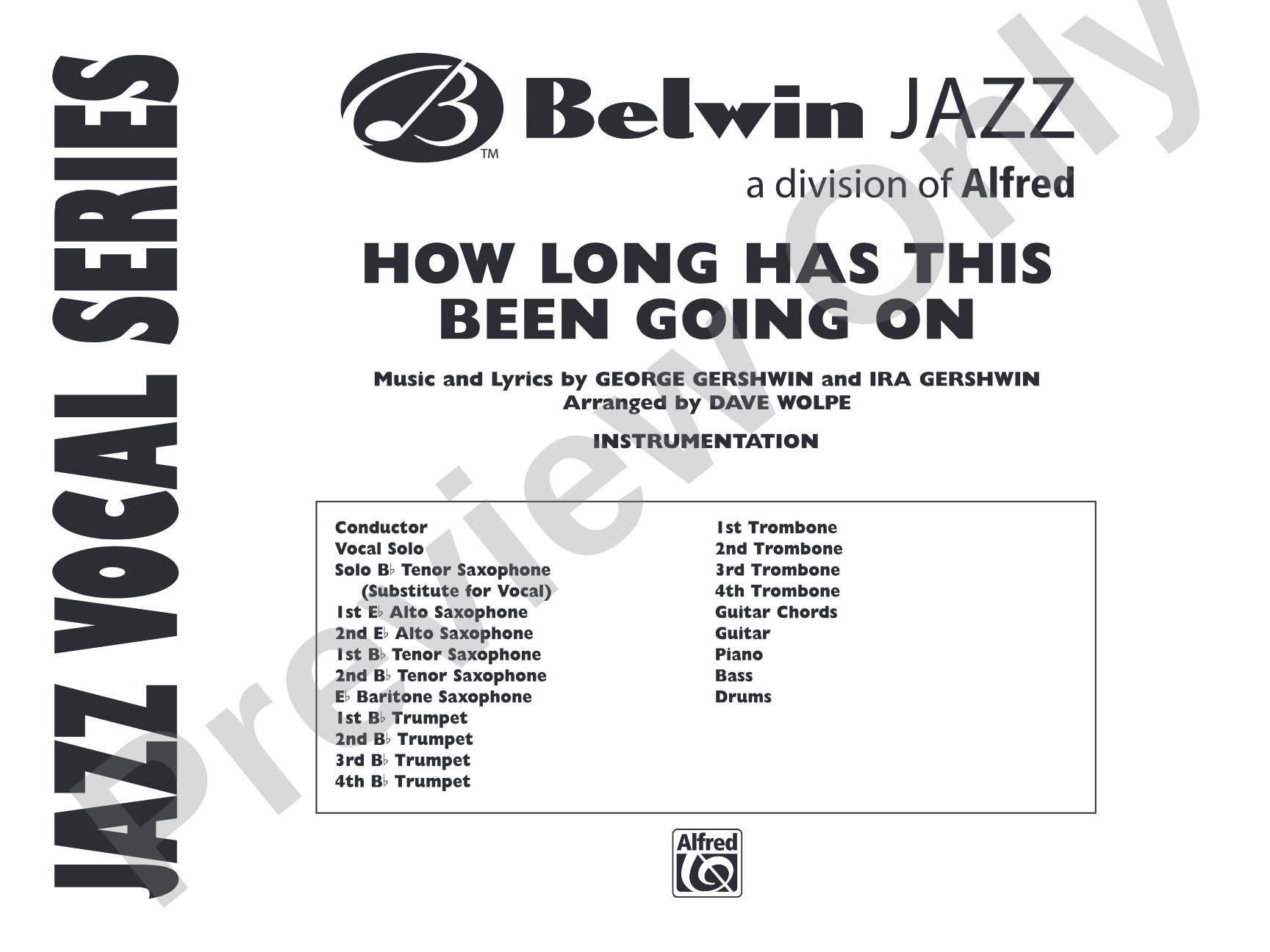
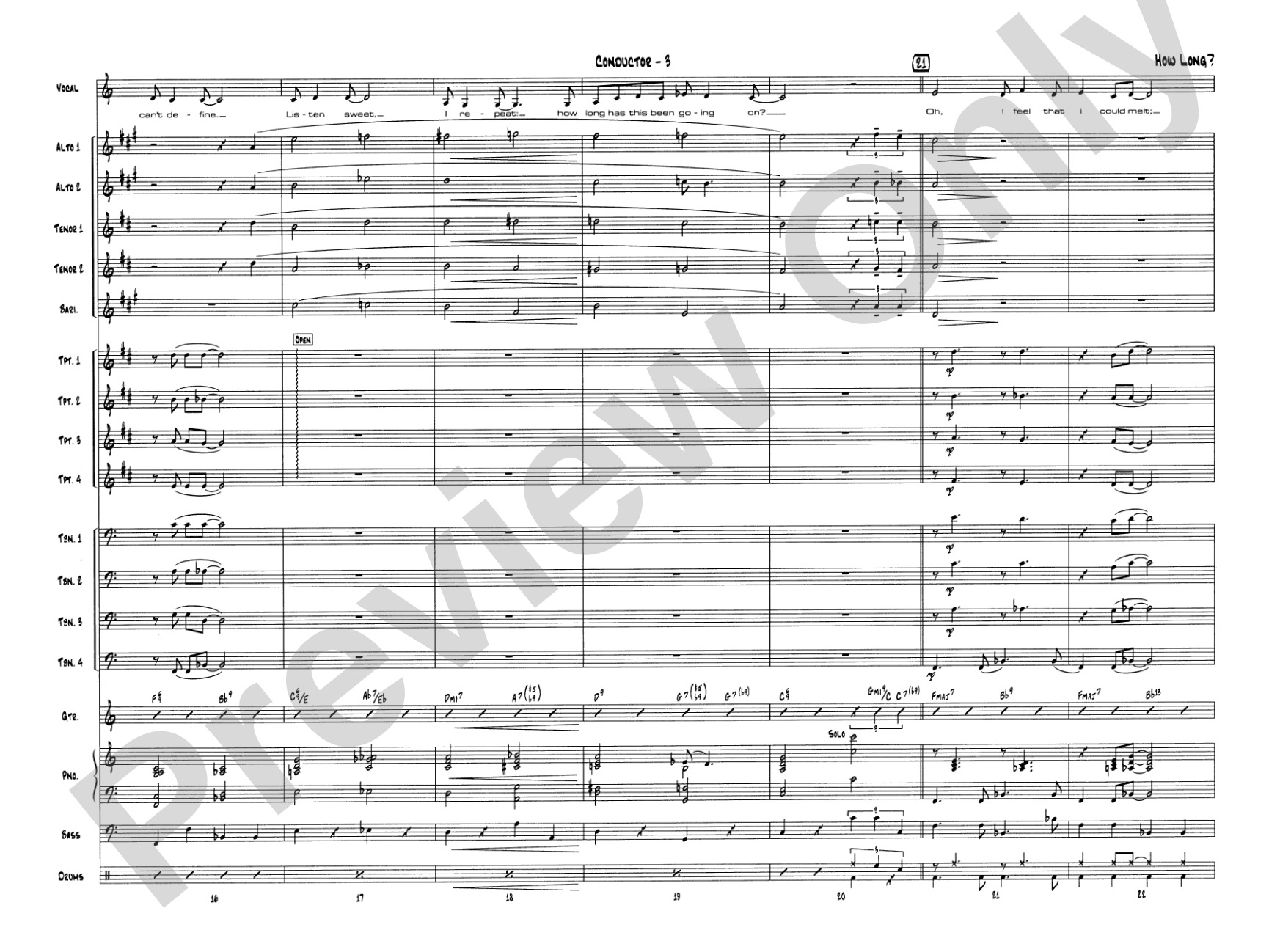
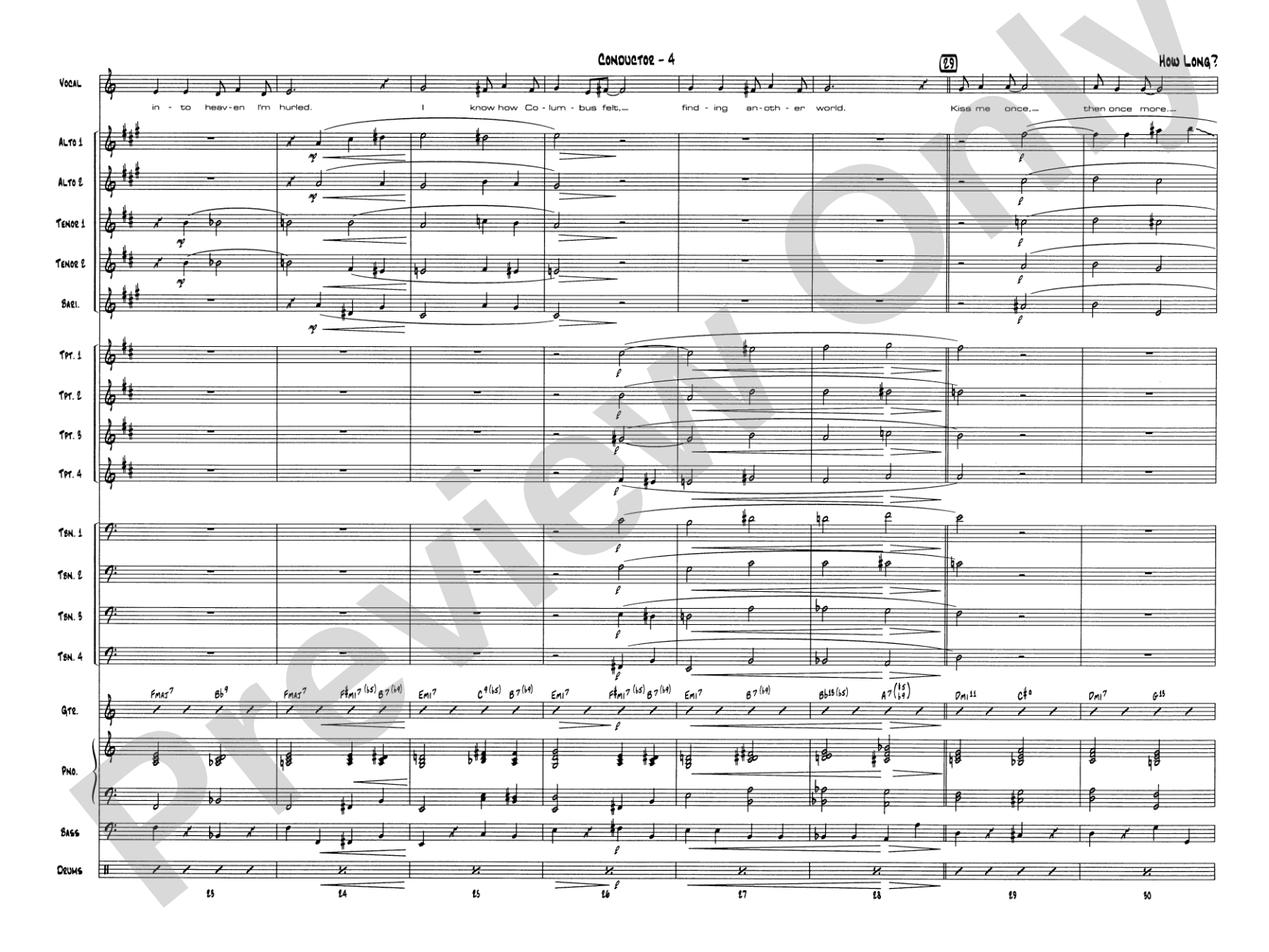
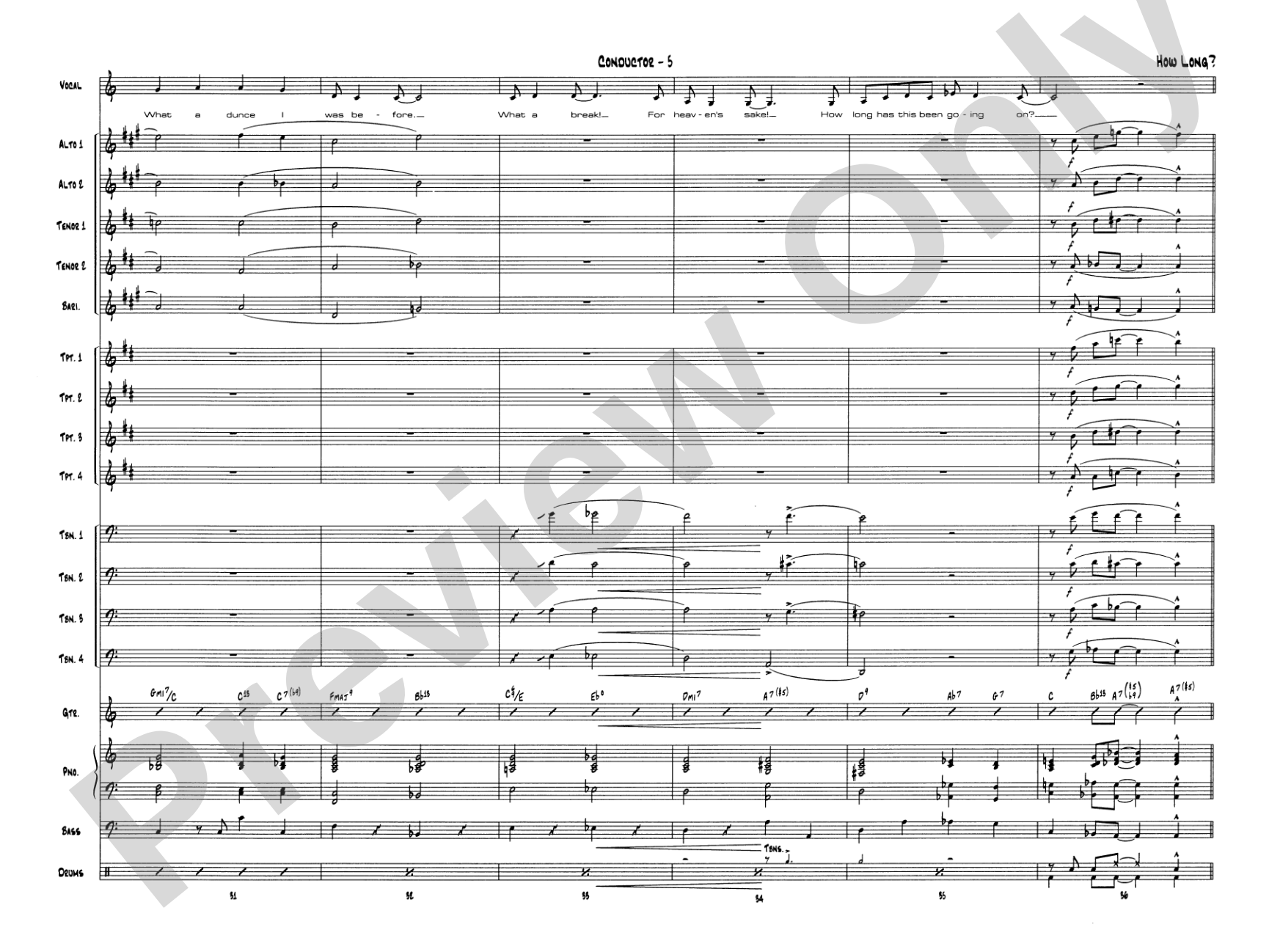
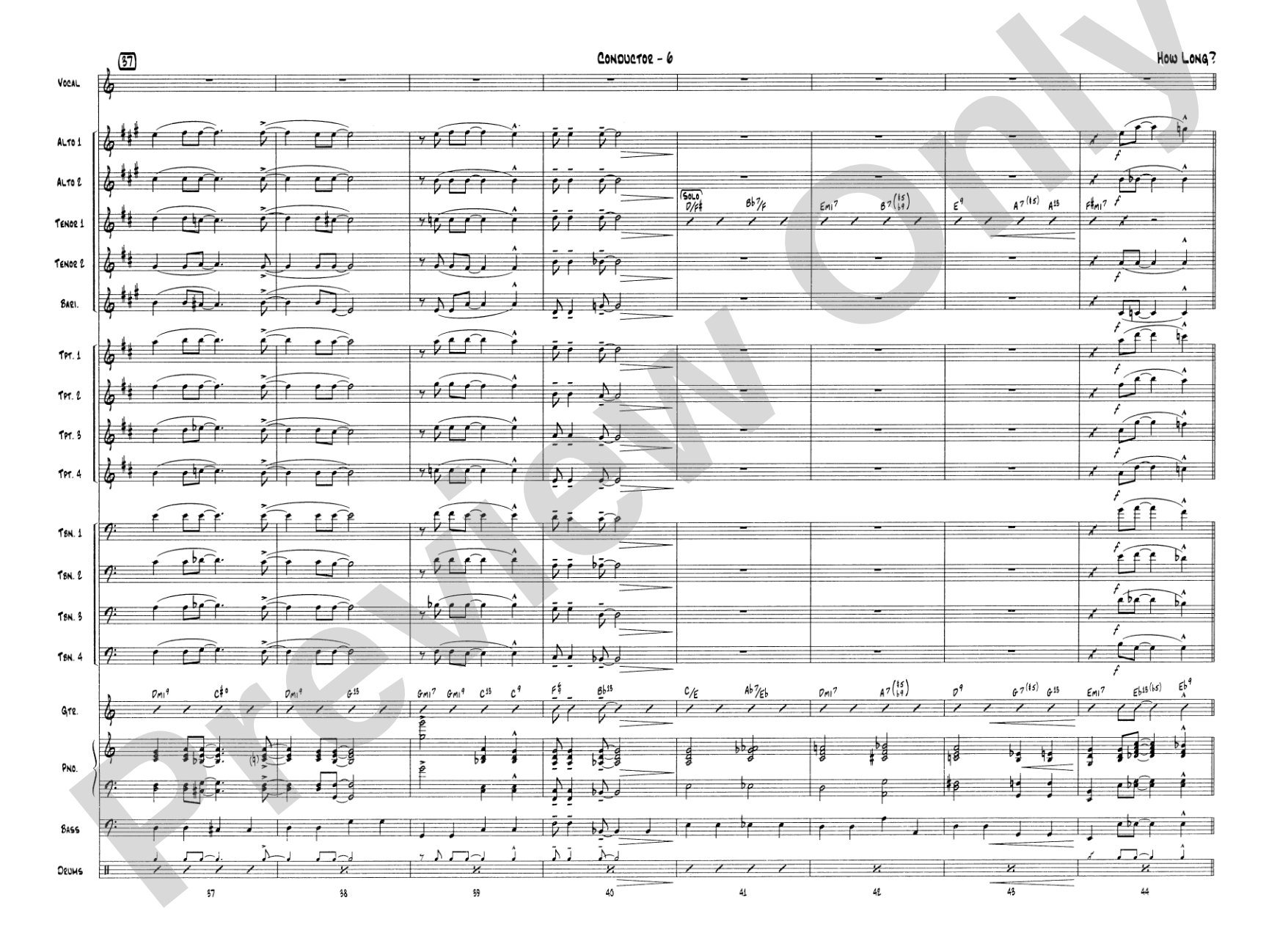
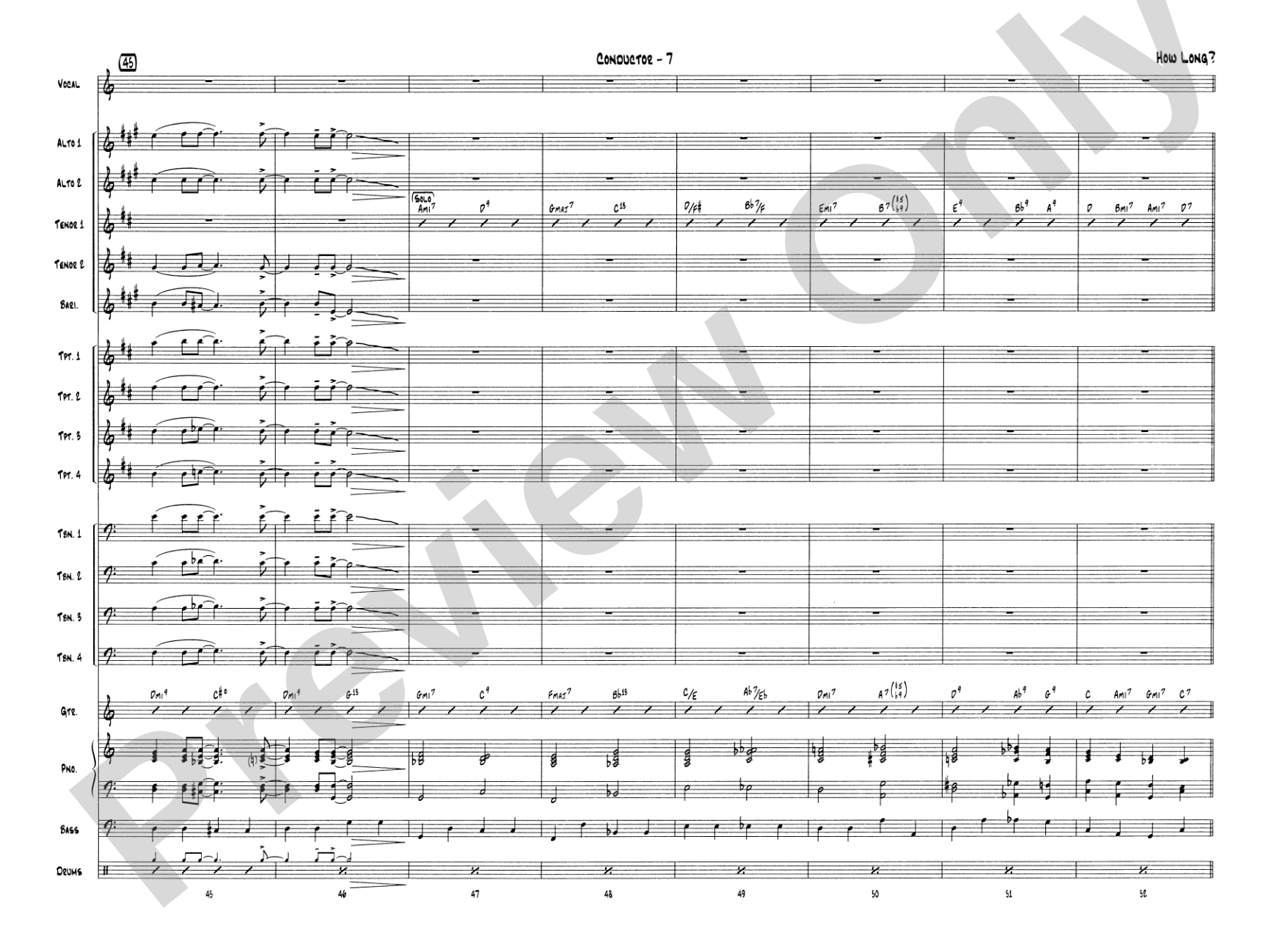
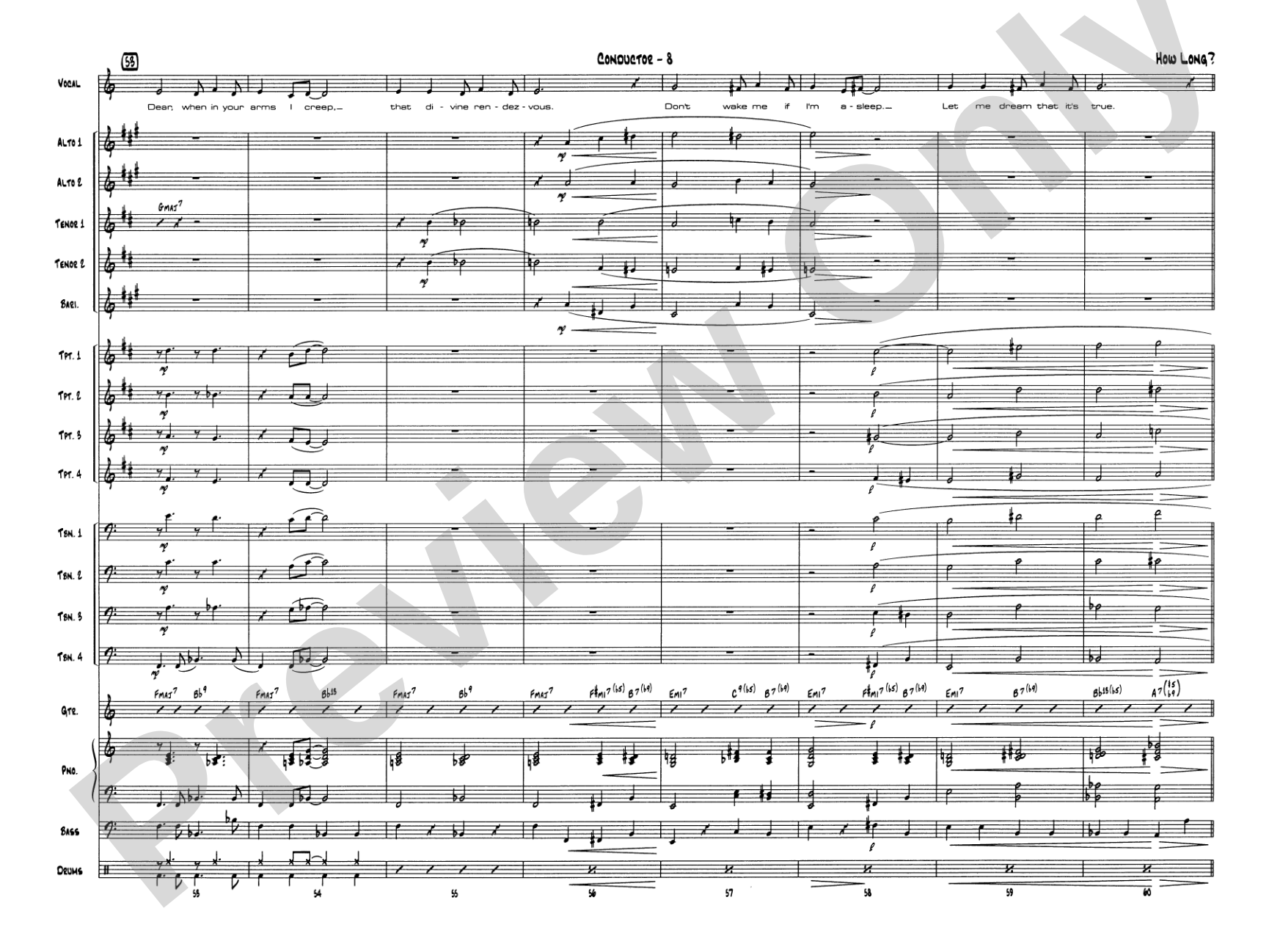
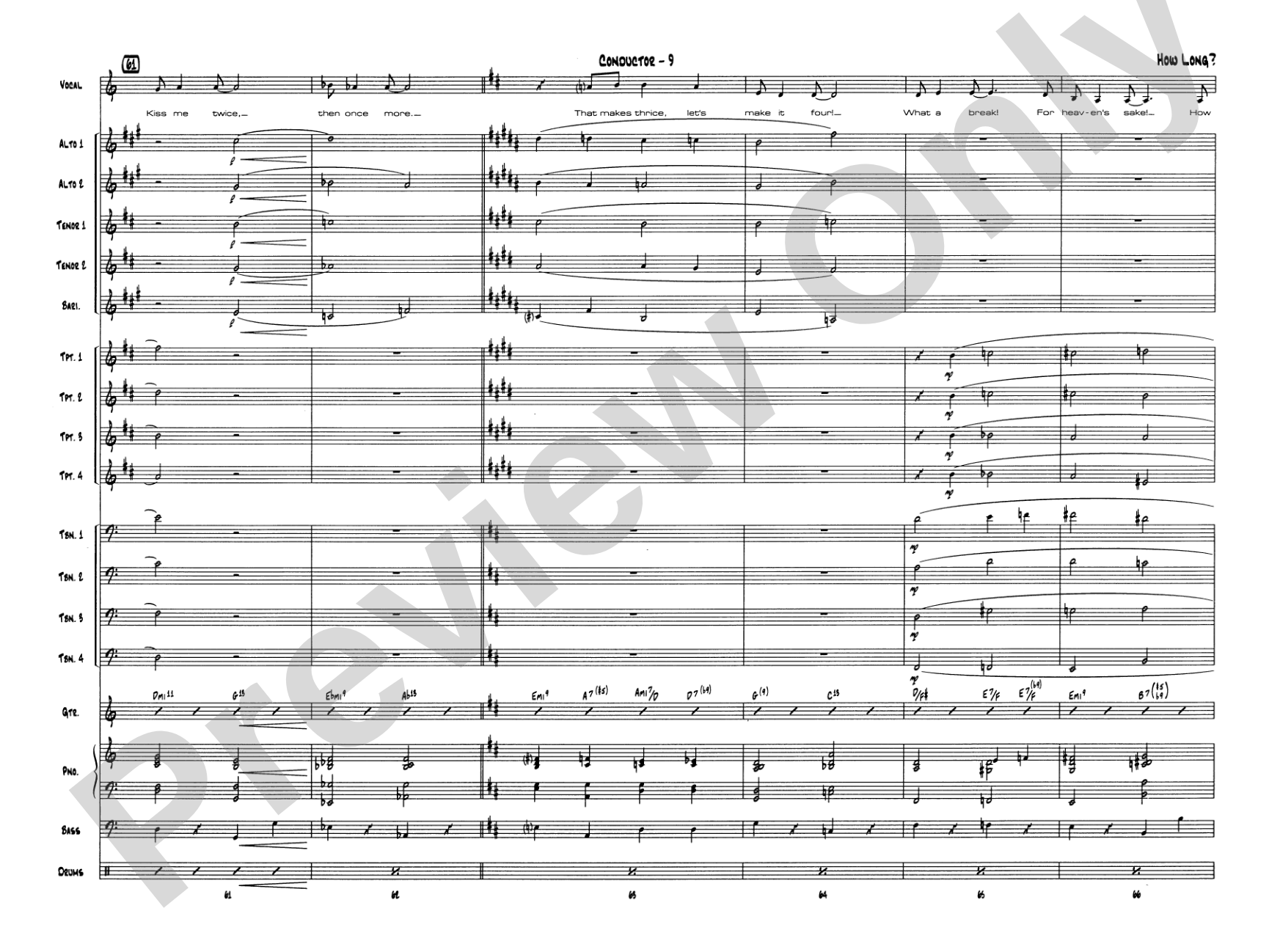
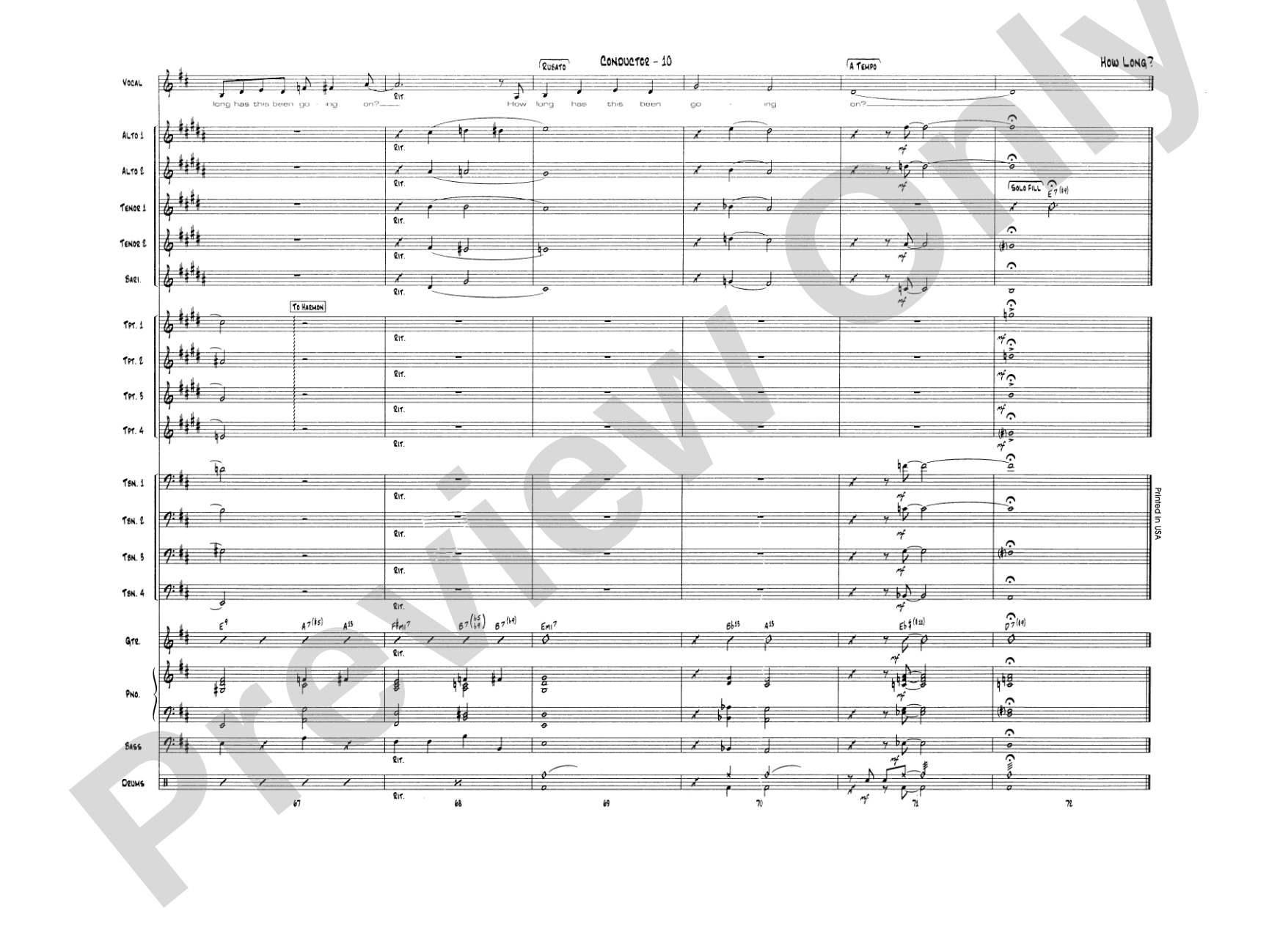

How Long Has This Been Going On: Vocal Solo with Jazz Ensemble Conductor Score & Parts
Vocal Feature
Music and lyrics by George Gershwin and Ira Gershwin / arr. Dave Wolpe
Grade: 3 (Medium)
Item: 00-PK-0002550

$48.00
One moment…
Description
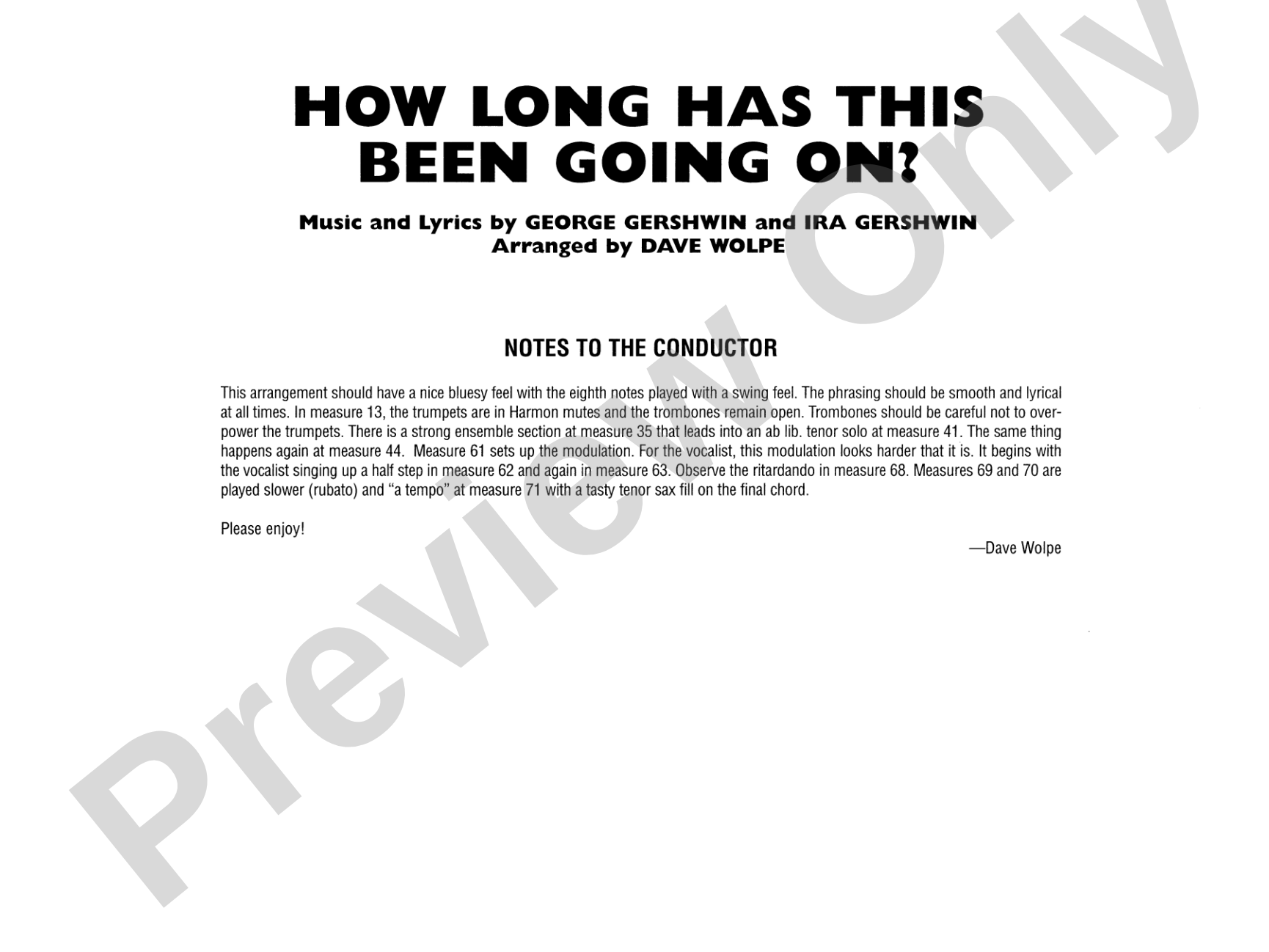
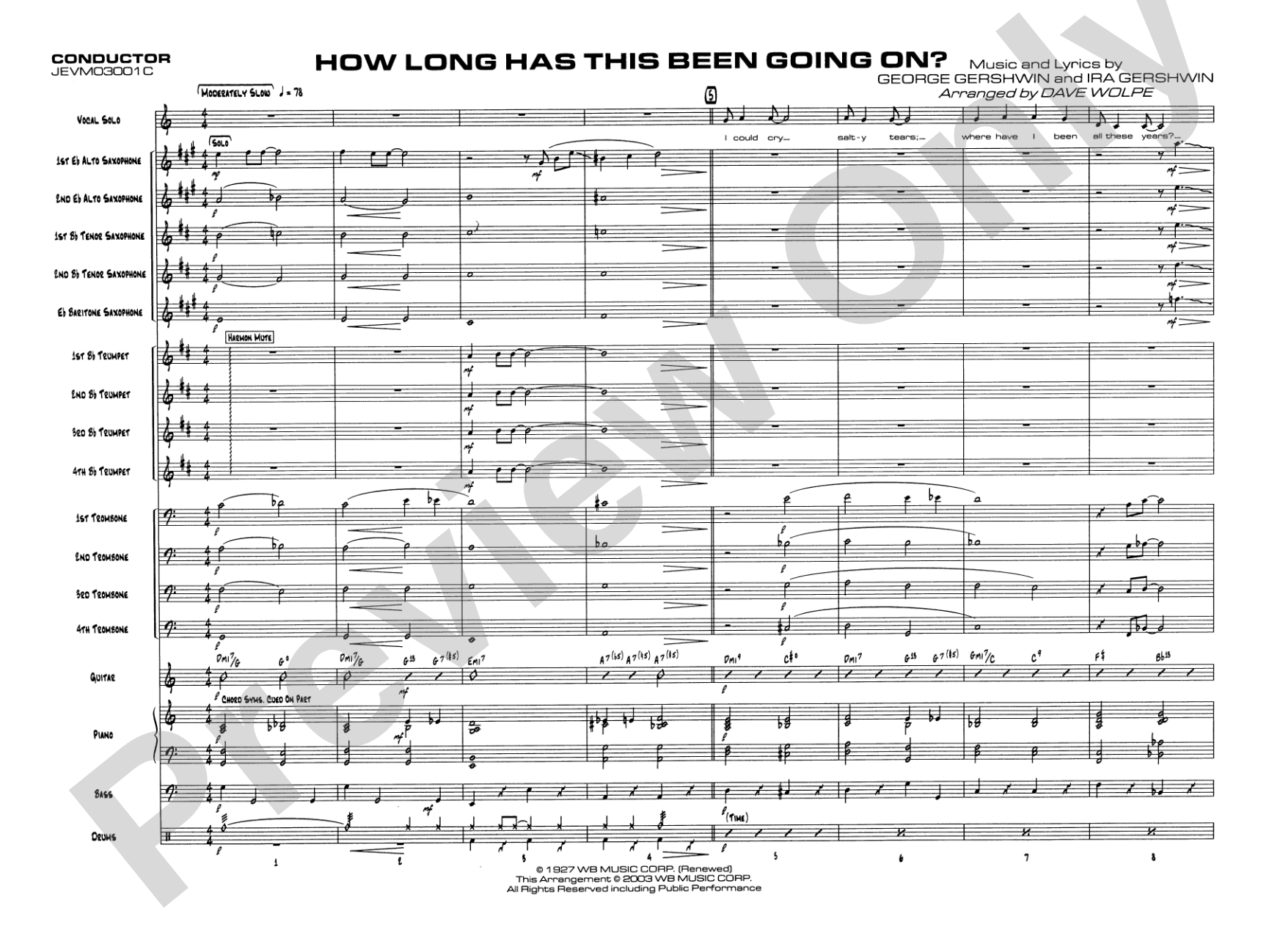
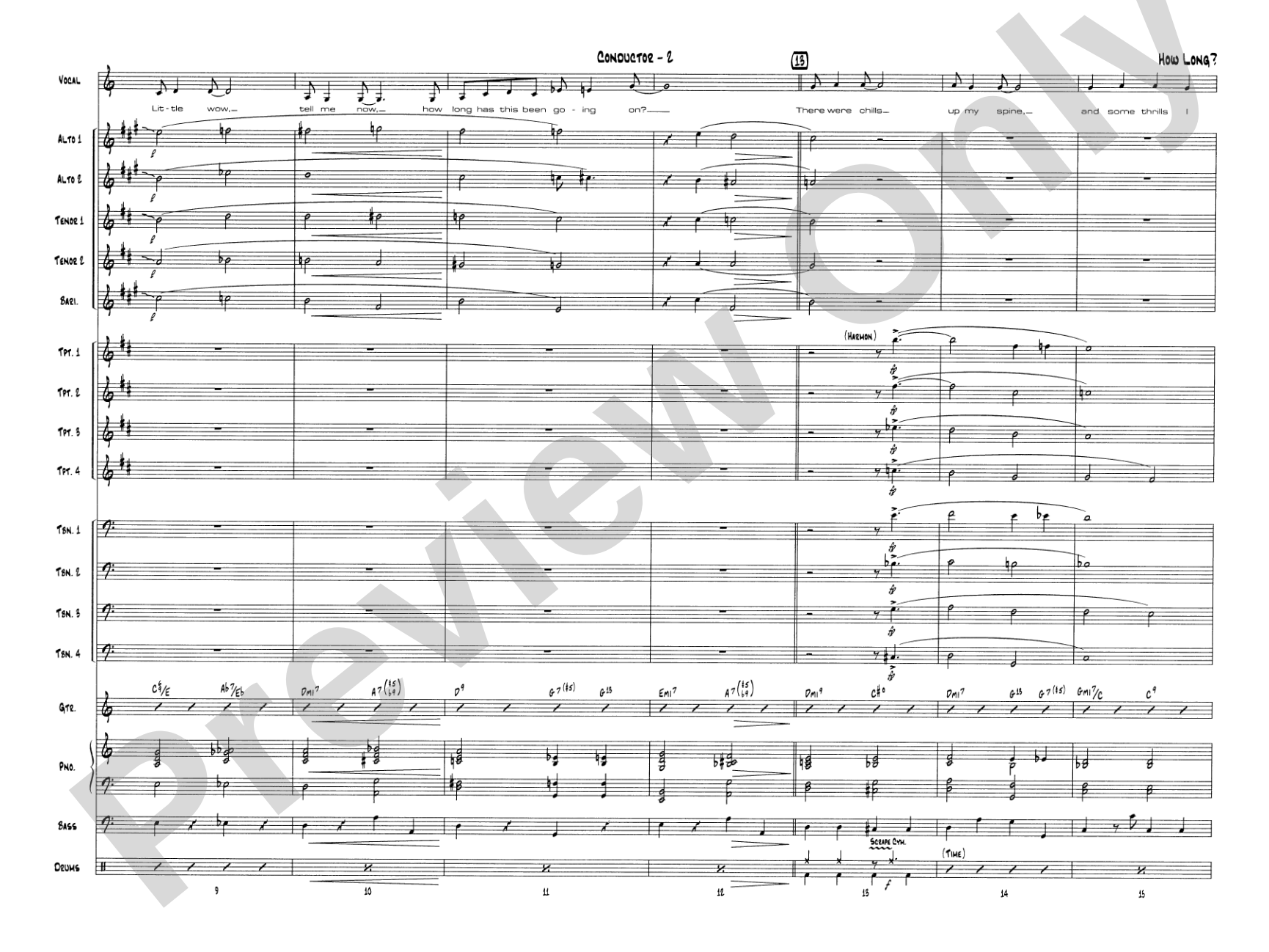
A vocal solo with jazz ensemble, this arrangement of the gorgeous ballad by Gershwin® tells a story. Arranged by Dave Wolpe, the chart is in the key of C with the vocal range from G below middle C to third line B. Along with a tenor saxophone solo, Dave writes a very clever modulation in this chart. A superb vocal ballad.


Don't just read it, hear it, play along with it, and watch your students grow with it. In MakeMusic Cloud, How Long Has This Been Going On: Vocal Solo with Jazz Ensemble Conductor Score & Parts comes alive with professional accompaniment, adjustable tempo, and built-in practice tools that turn solo practice into real progress.
Open in the Player
Jump straight in and assign it today.
Start Your Free Trial
Open this title and explore the full library in minutes.
Sample Audio
1
Audio File
--:--
0:00
0:00
Sample Video
No sample videos found.
Additional Details
Series:
Jazz Vocal Series
Publisher:
Alfred Music
Page Count:
41
SKU:
00-PK-0002550
More about this title
About the Composer: George Gershwin
George Gershwin (1898-1937) bridged classical music and American popular song with a compositional voice that remains unmatched in scope and invention. His ability to write melodies that lodge themselves instantly in memory, combined with sophisticated harmonic language, made him essential to the American songbook and a model for composers working across genres.
Why we love this
Wolpe's arrangement respects the lyrical integrity of the Gershwin melody while creating genuine ensemble writing that gives every section a moment to breathe. The tenor saxophone solo and the clever modulation add contemporary jazz texture to a standard that deserves fresh interpretations, and the vocal range sits comfortably for singers with moderate classical training who want to explore jazz repertoire.
What to expect
Warm, introspective, and slightly wistful. The melody carries the emotional weight while the ensemble provides harmonic color and gentle propulsion, creating an intimate moment that still fills a concert hall. There is sophistication here without pretension.
Who it's for
Jazz ensemble programs with a vocalist who reads music and understands jazz phrasing, and ensemble directors who want to program a standard that works for intermediate-level groups without sacrificing musical substance. This is ideal for schools building a vocal jazz curriculum or concert programs that blend popular standards with ensemble work.
How to get the most out of it
- Balance the vocal line so it sits naturally above the ensemble rather than fighting against it; the rhythm section should support, not compete.
- Give the tenor saxophone solo space and clarity in the mix; this is a featured moment that deserves its own air.
- Shape the modulation with intention so the key change feels earned, not jarring. Work with the rhythm section first to establish the new harmonic center.
- Let the ballad breathe. Resist rushing the tempo; Gershwin's melodies unfold best when given room for lyrical phrasing.
How to use it
Program this as a centerpiece for a jazz or pops concert, or as a bridge piece between a classical set and higher-energy ensemble numbers. It works beautifully in a program exploring the American Songbook or in a concert celebrating Gershwin's legacy across styles.
Skills your students will build
- Jazz phrasing and rhythmic flexibility over a swing feel
- Reading and performing modulations in real time
- Balancing solo voice with jazz ensemble accompaniment
- Listening and responding to saxophone counter-melody
- Interpreting a standard with stylistic authenticity