




Home of the Brave - A Fantasia on "The Star Spangled Banner": Concert Band Conductor Score & Parts
A Fantasia on "The Star Spangled Banner"
By John Stafford Smith / arr. John M. Pasternak
Grade: 4
Item: 98-PK-RWS1801
$99.00
Pickup currently not available
Buy Extra Parts (Digital PDF Download)
Parts Added to Cart!
Description
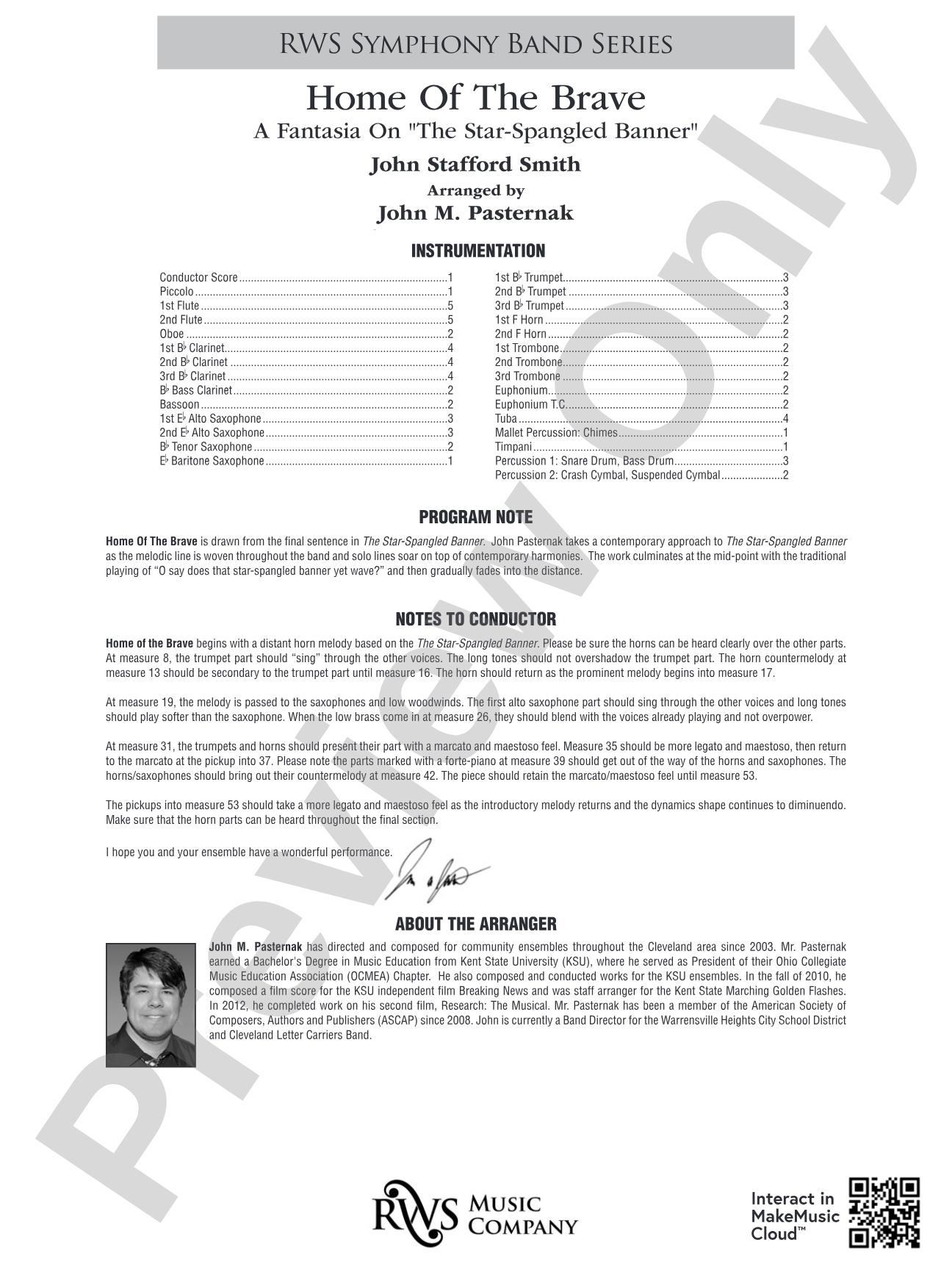
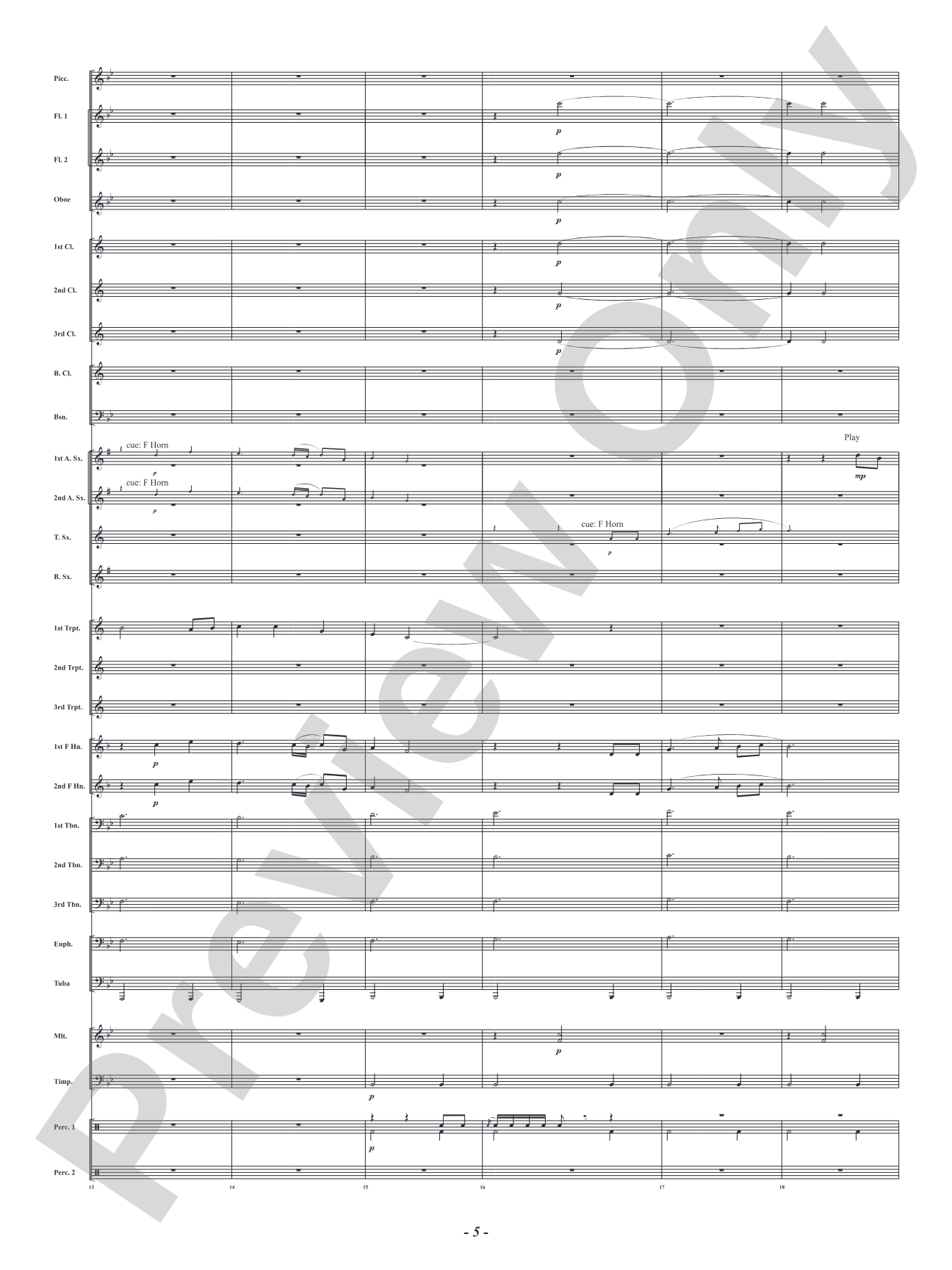
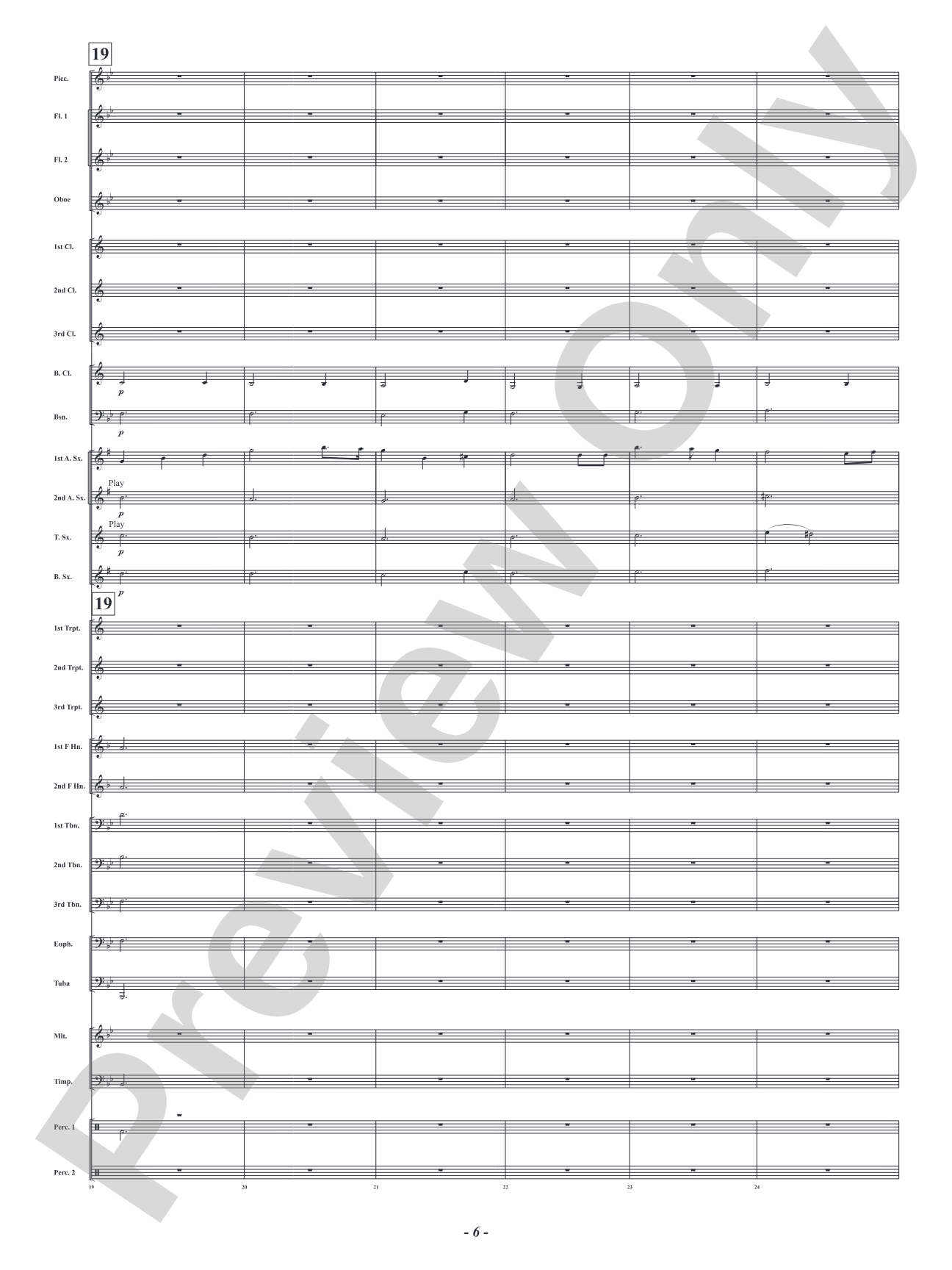
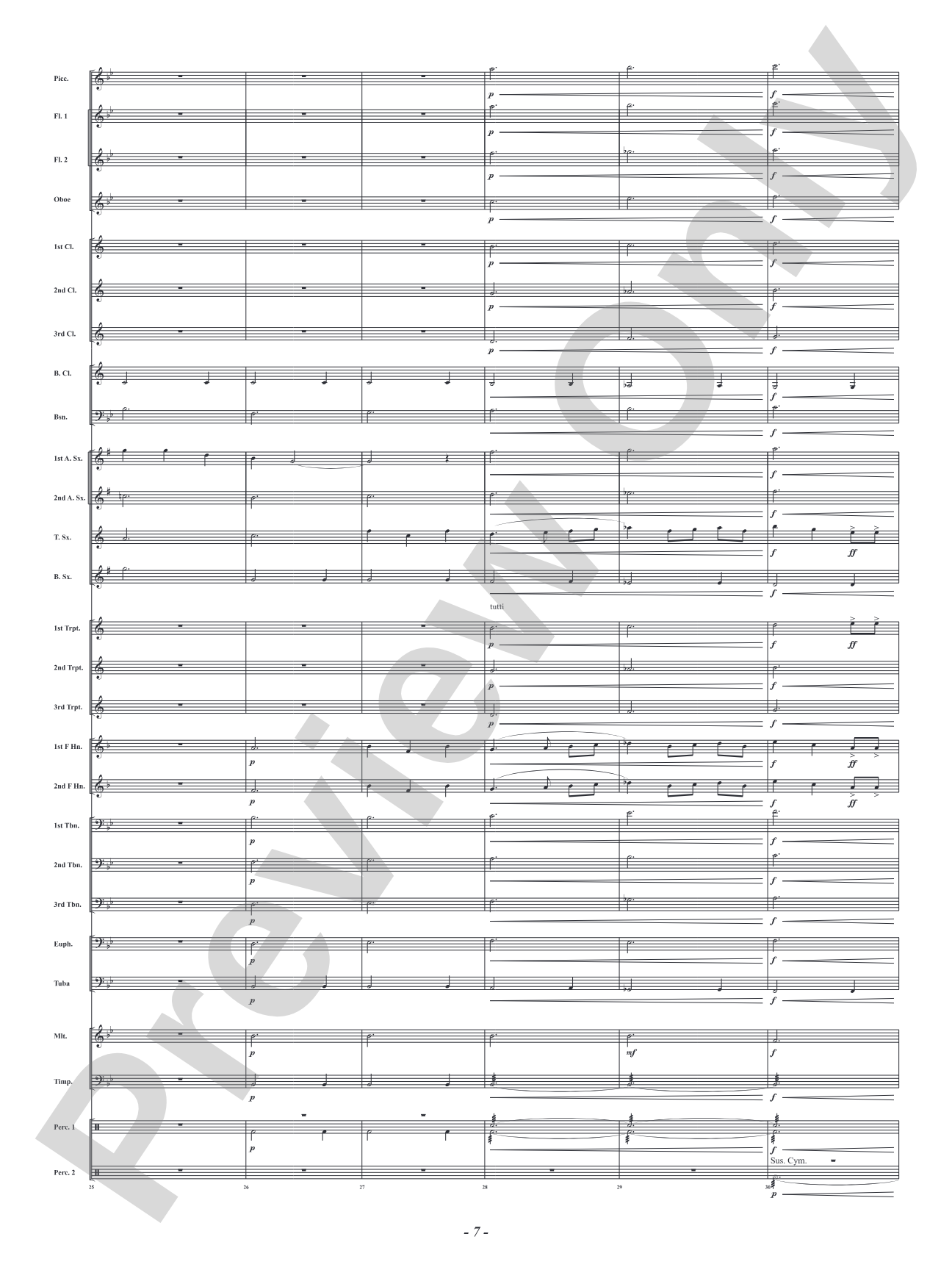
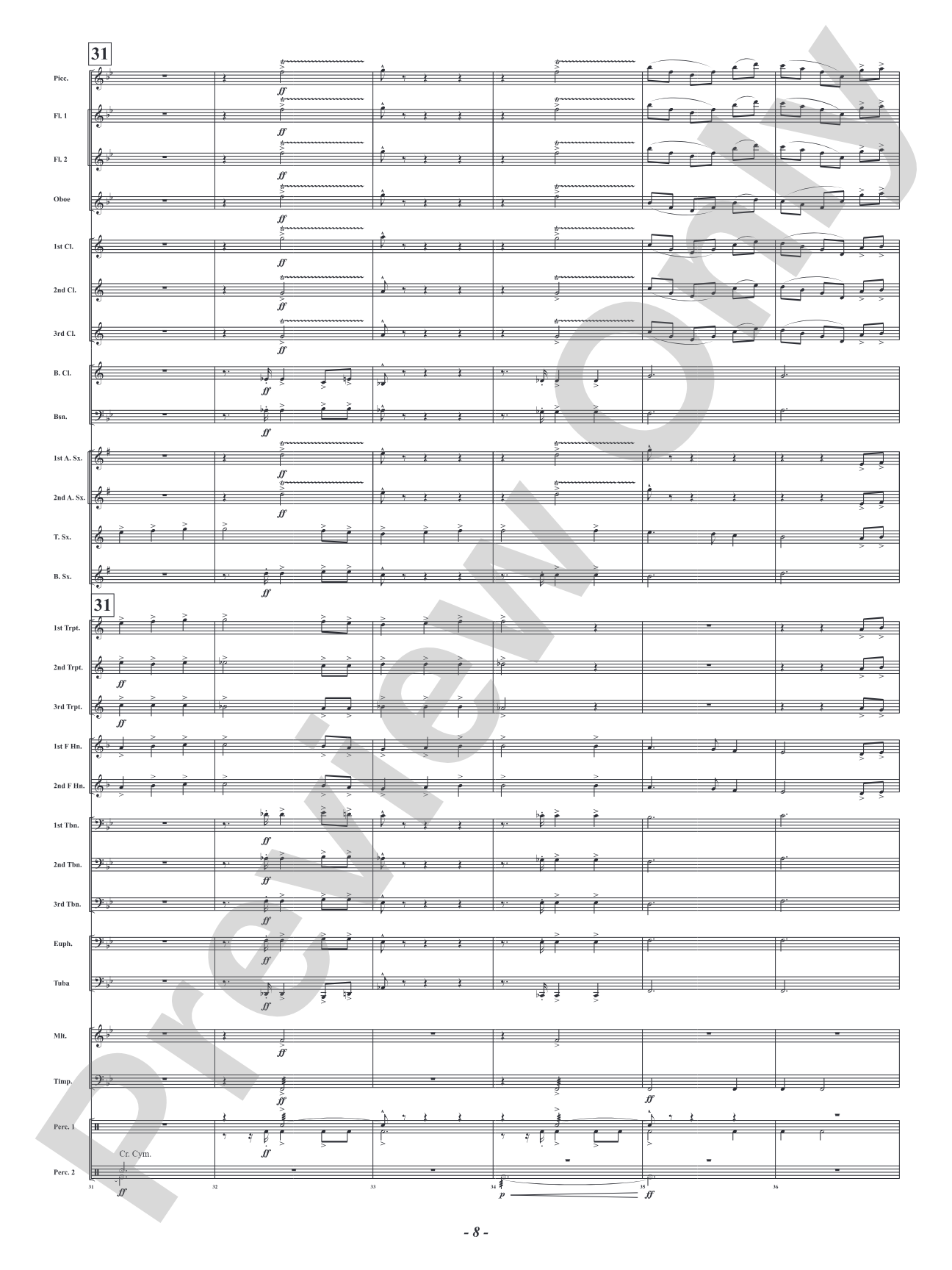
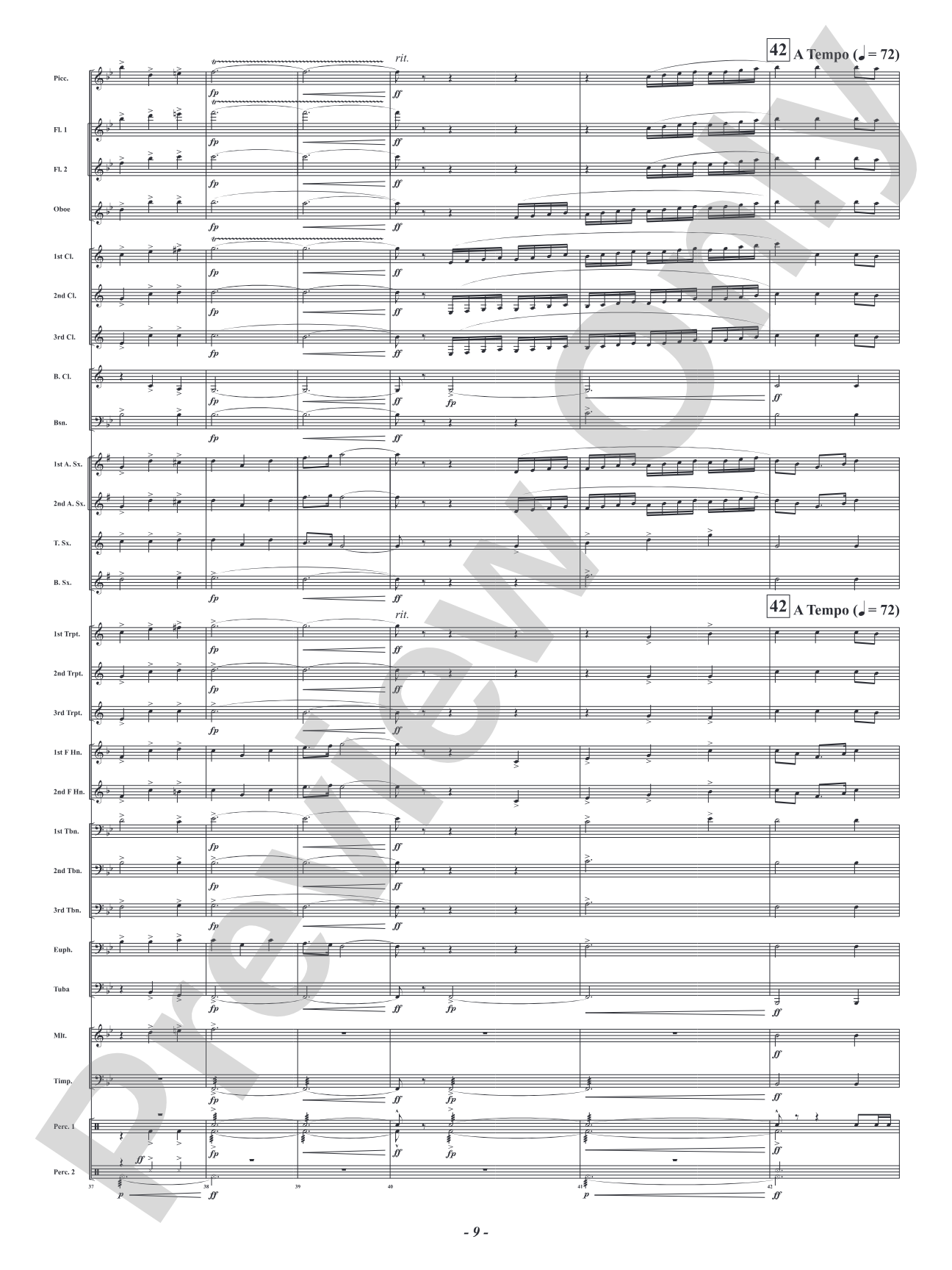
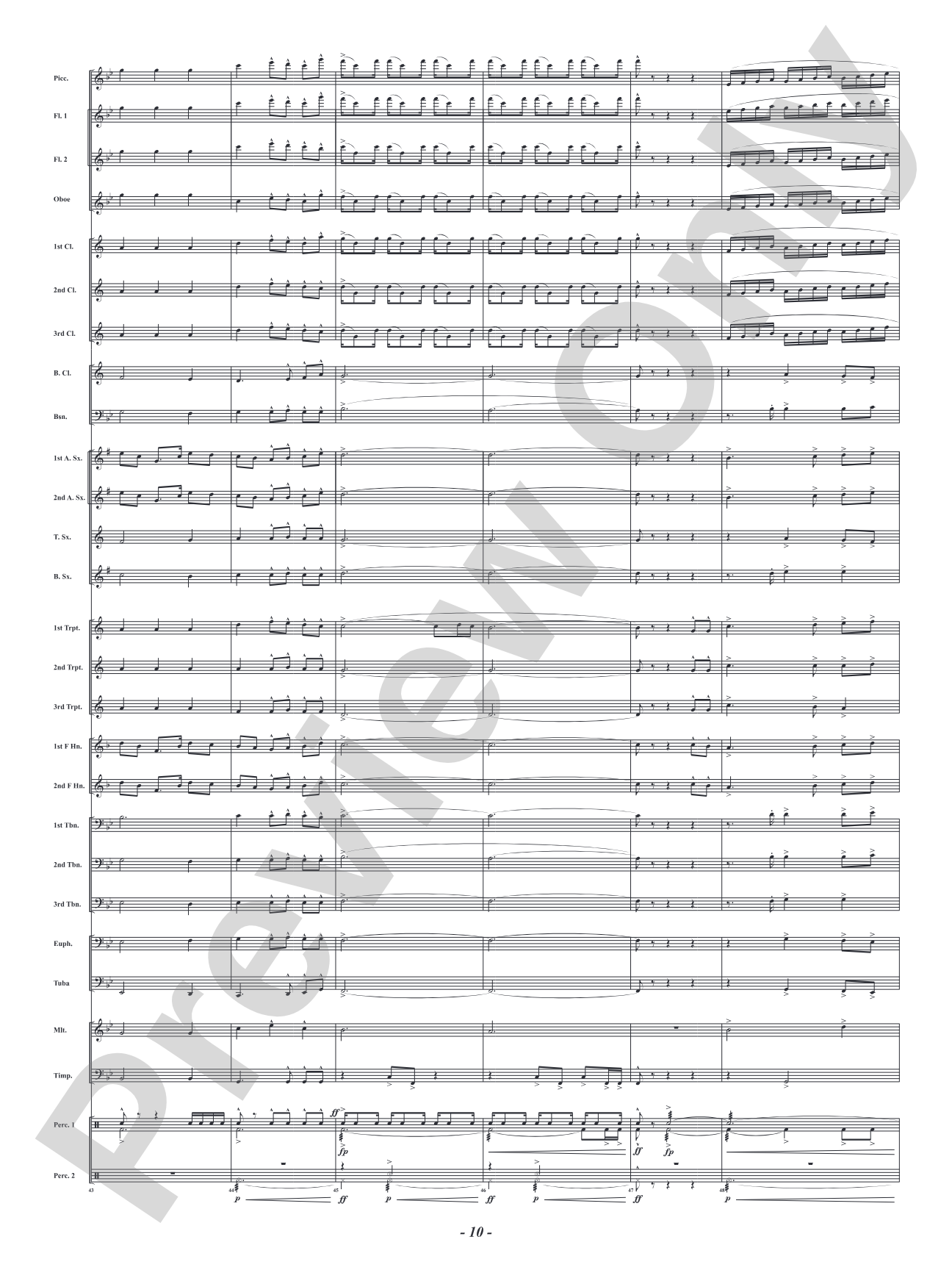
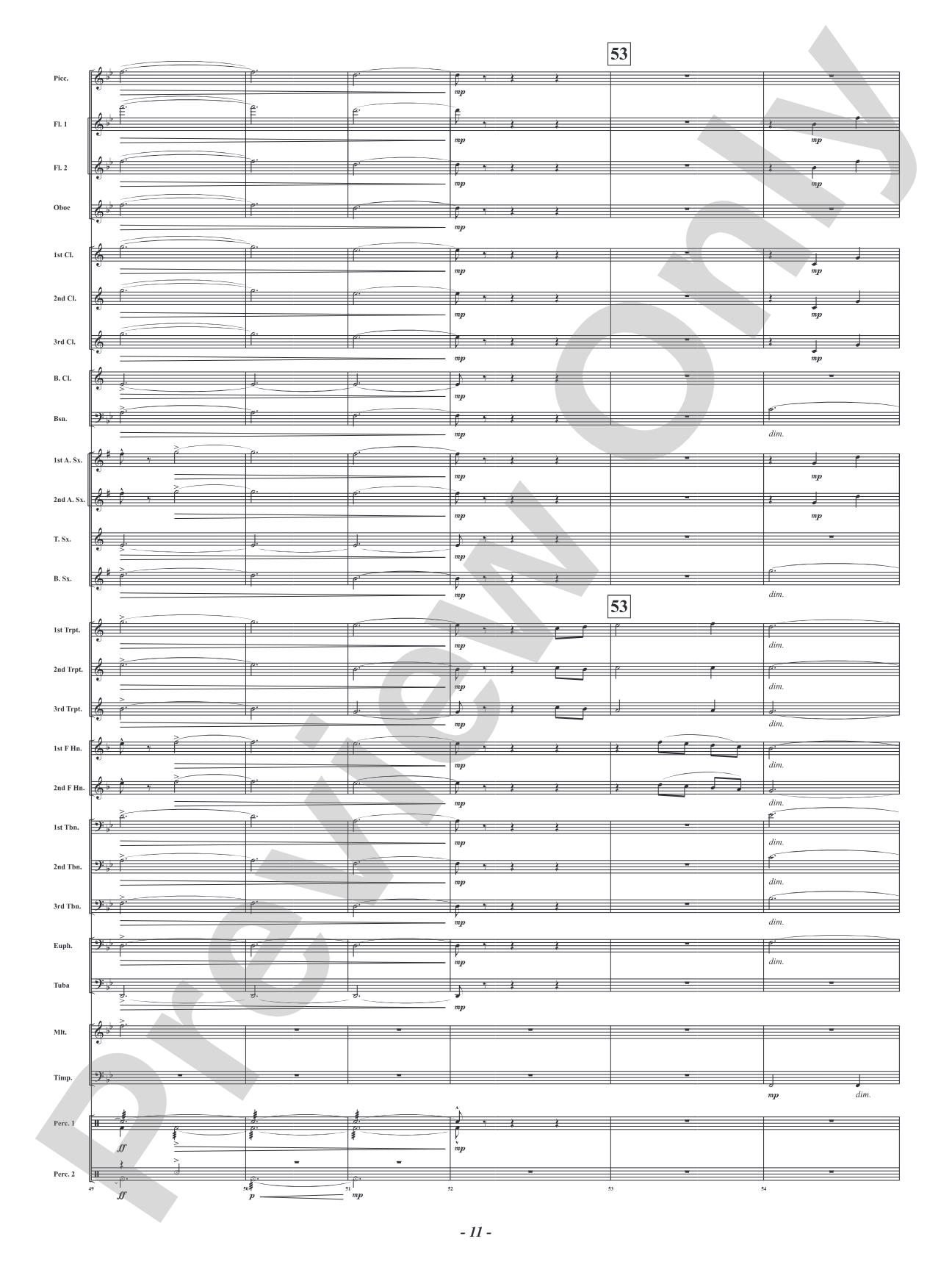
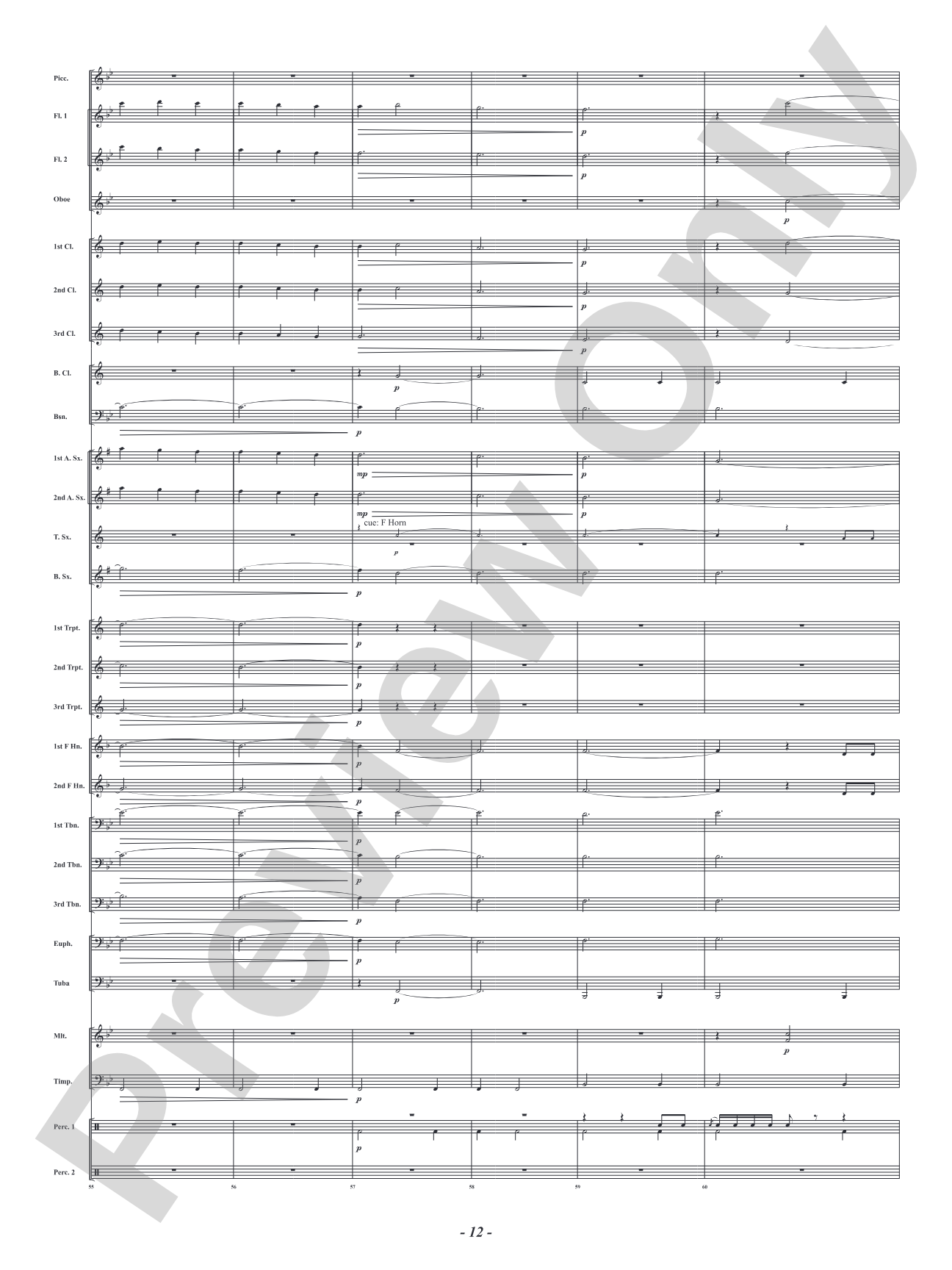
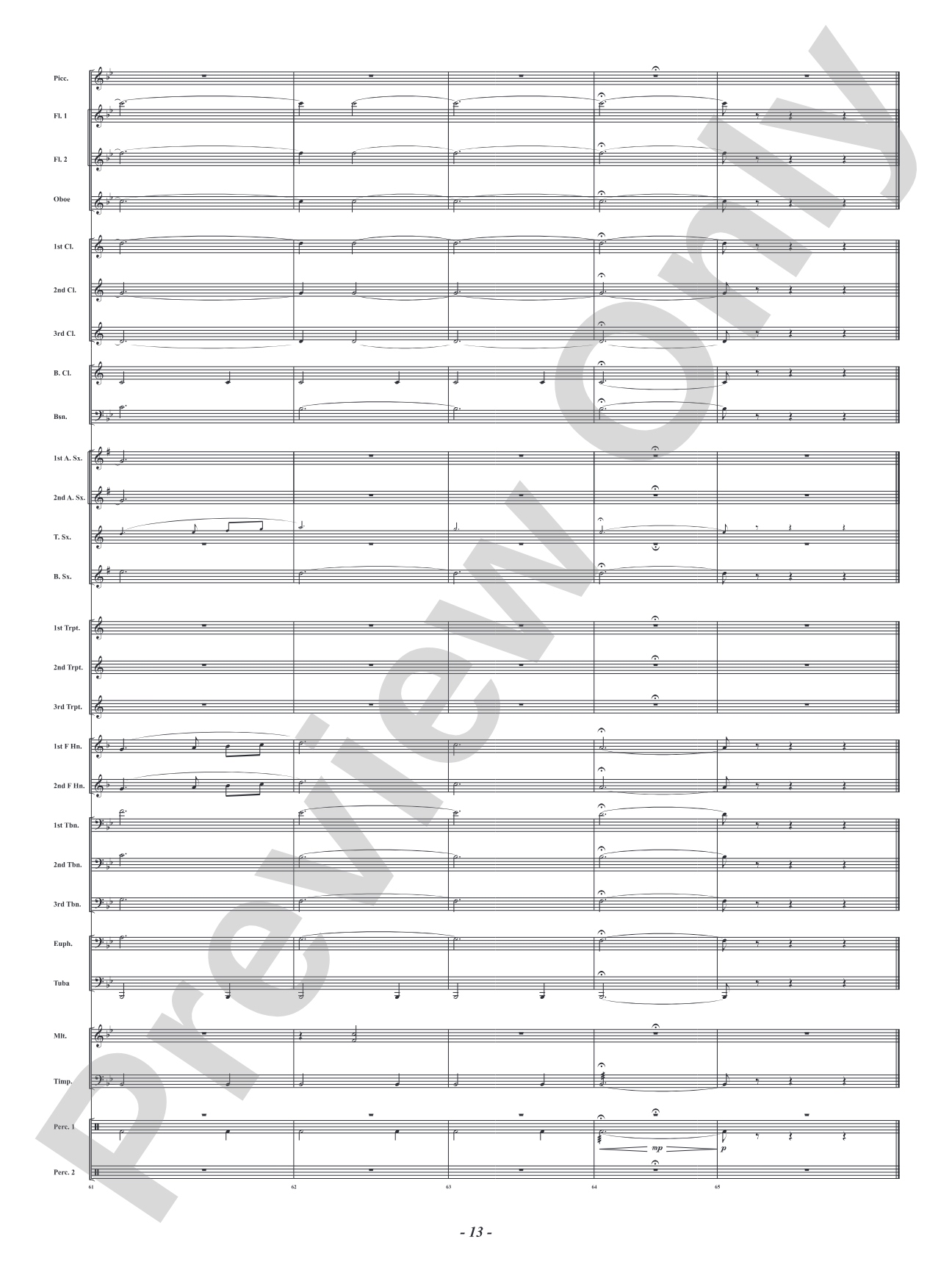
Home Of The Brave stems from a final sentence in the Star-Spangled Banner — that the United States' flag would forever stand. John M. Pasternak takes a contemporary approach to the Star-Spangled Banner as the melody line is woven through various instruments as solo lines on top of new and intriguing harmonies. The work culminates with the traditional playing of "O say does that Star-Spangled Banner" and then fades into the distance.
Original Item#: RWS-1801-00


Original Item#: RWS-1801-00
Home of the Brave - A Fantasia on "The Star Spangled Banner": Concert Band Conductor Score & Parts isn't in MakeMusic Cloud just yet...but it could be. Let us know you'd like to see it, and you'll help shape what comes next. In the meantime, start a free trial and dive into thousands of interactive titles your students can play along with today.
Request This Title
Tell us you want it.
Start Your Free Trial
Explore everything that's ready to play right now.
Sample Audio
1
Audio File
--:--
0:00
0:00
Sample Video
No sample videos found.
Additional Details
Series:
RWS - Symphony Band
Publisher:
RWS Music Company
SKU:
98-PK-RWS1801
More about this title
About the Composer: John Stafford Smith
John Stafford Smith (1750-1819) was an English composer and organist whose melodic gift secured his place in music history through a single immortal tune. Though he wrote numerous glees, catches, and vocal works during his lifetime, "The Star-Spangled Banner" melody (originally paired with his 1773 song "To Anacreon in Heaven") became the foundation of American patriotic identity when Francis Scott Key set new words to it in 1814. Smith's elegant, singable melody proved so durable that it has outlasted most of his other compositions and continues to inspire new musical interpretations centuries after his death.
For music educators, Smith's melody represents a masterclass in structural clarity and memorable phrasing. The tune's balance of accessibility and dignity makes it endlessly adaptable to different arrangements, from straightforward band transcriptions to contemporary reimaginings like John M. Pasternak's "Home of the Brave."
Why we love this
Pasternak's arrangement respects the iconic melody while surrounding it with genuinely fresh harmonic language and orchestrational choices that will engage modern concert band audiences. The structural arc from contemporary reharmonization to the triumphant return of the traditional tune gives you a programming moment that feels both substantial and emotionally resonant without relying on bombast.
What to expect
The piece inhabits an interesting space between reverence and exploration. Contemporary harmonies create moments of gentle surprise and harmonic color, while the familiar melody remains the emotional anchor throughout. When the traditional tune finally emerges in full voice near the end, the accumulated journey makes its return feel earned and powerful.
Who it's for
This arrangement works for Grade 4 concert bands seeking repertoire that programs meaningfully without sacrificing musical substance. Directors preparing festival or concert programs will find this piece engages both performers and audiences through its blend of recognizable material and compositional craft.
How to get the most out of it
- Balance solo passages carefully across the band; the melody passes through various instrumental families, so rehearse each handoff to ensure the lead voice emerges clearly above the supporting harmonies.
- Shape the contemporary harmonic sections with attention to color rather than volume. Pasternak's new material isn't meant to overpower the familiar tune when it arrives—let the orchestration breathe.
- Control the final fade with precision; the work's ending requires a deliberate diminuendo that asks students to sustain focus even as the volume decreases, maintaining tone quality through the closing measures.
How to use it
Consider programming this as a cornerstone of a patriotic or Americana-themed concert, where its contemporary approach adds artistic depth to what might otherwise feel like standard flag-waving repertoire. It also works as a closing piece for festivals or spring concerts, where the emotional arc and gentle fade provide a reflective alternative to a high-energy finale.
Skills your students will build
- Playing sustained harmonic accompaniment that supports rather than competes with melodic lines
- Transferring melodic focus across different instrument families and section combinations
- Executing controlled dynamic changes, especially diminuendos that maintain tone quality
- Interpreting contemporary harmonic language and modern compositional textures
- Balancing ensemble blend when melody moves between solo voices and full sections