Highland/Etling Violin Quartet Series: Book 1 Cover Image

Highland/Etling Violin Quartet Series: Book 1: Violin

$60.00 USD
Sale price  $60.00 USD Regular price 
Skip to product information
Highland/Etling Violin Quartet Series: Book 1 Cover Image

Highland/Etling Violin Quartet Series: Book 1: Violin

Arr. Edmund J. Siennicki

Item: 00-12548

$60.00
Shipped

One moment…

Description
A wide range of selections for grade 3 violin quartet can be found in this five volume series. Titles range from classic themes to folk melodies and Christmas carols.

Highland/Etling Violin Quartet Series: Book 1: Violin isn't in MakeMusic Cloud just yet...but it could be. Let us know you'd like to see it, and you'll help shape what comes next. In the meantime, start a free trial and dive into thousands of interactive titles your students can play along with today.

Sample Pages

Sample Audio
No sample audio found.
Sample Video
Additional Details
Series: Highland/Etling Violin Quartet Series
Publisher: Alfred Music
Page Count: 40
UPC: 038081002750
SKU: 00-12548

More about this title

About the Arranger: Edmund J. Siennicki
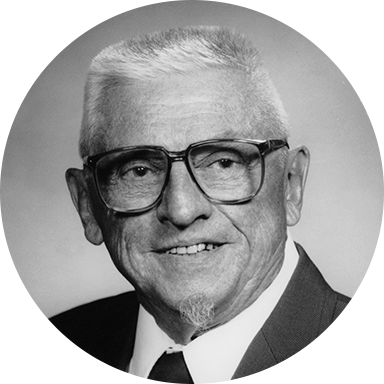
Edmund J. Siennicki

Edmund J. Siennicki grew up in Cleveland, Ohio, where a formative childhood meeting with pianist Ignacy Jan Paderewski shaped his artistic trajectory. He earned his Bachelor's degree from Kent State University, where he composed the school's fight song, a piece still performed at football games today. His graduate studies at Teachers College, Columbia University, included composition study with Herbert Elwell, electronic music with Sergio Barroso, and consultation with Vincent Persichetti.

As a performing musician, Siennicki worked professionally on bassoon and piano while building a prolific compositional career. His concert works have won prizes in National School Orchestra composition contests, and he received two residencies at the MacDowell Colony. With roughly 200 compositions in print and two decades of ASCAP awards, he has remained deeply connected to music education through teaching positions in Cleveland junior high schools and faculty roles at Michigan State and Kent State Universities. He continues composing and visiting schools for clinics.

Why we love this

Siennicki crafted this series with the teaching orchestra in mind, balancing accessibility with genuine musical interest. The range from classical themes to folk melodies to seasonal pieces gives you flexible programming options throughout the school year without sacrificing arrangement quality. Grade 3 writing here is honest and playable, not overly simplified, so students engage with real repertoire while building quartet literacy.

What to expect

These arrangements honor the character of their source material while respecting the abilities of developing players. Classic themes arrive with dignity and clarity, folk melodies carry warmth and approachability, and seasonal selections offer seasonal joy without condescension. The writing breathes naturally, allowing young musicians to experience the pleasure of ensemble blend and balanced sound.

Who it's for

String teachers building grade 3 quartet programs will find this book essential for developing ensemble balance and independence. The collection suits young violinists who have solid note-reading skills and basic intonation awareness but need guided experience in small-group playing. Ideal for chamber coaching, festival preparation, or enrichment classes where quartet repertoire strengthens musicianship beyond solo study.

How to get the most out of it

  • Balance the first violin melody with attentive accompaniment voices; younger quartets often neglect inner parts, so isolate those lines in rehearsal.
  • Lock intonation during the opening measures of each piece before adding tempo and character work.
  • Use folk melody arrangements to explore phrase shaping; these melodies benefit from slight rubato and dynamic contouring rather than mechanical phrasing.
  • Check that all four players enter together on the first note of each section; coordinate bows during rests to stay visually connected.

How to use it

Program selections from this book throughout the year at student recitals, festivals, and school concerts to showcase quartet growth without overextending rehearsal resources. Use individual pieces from Book 1 as preparation repertoire before progressing through later volumes in the series, ensuring students build confidence at each level. Spring performances pair well with folk and classical selections; winter concerts benefit from the seasonal material.

Skills your students will build

  • Listening to and matching tone quality across four parts
  • Maintaining rhythmic independence while staying ensemble-locked
  • Reading quartet notation with awareness of balance and voice priority
  • Responding to cues and fermatas in group settings
  • Intonation adjustment based on harmonic function and surrounding voices
  • Phrasing as an ensemble unit rather than as individual lines

You May Also Like