Highbridge Excursions Cover Image

Highbridge Excursions: Concert Band Conductor Score & Parts

$75.00 USD
Sale price  $75.00 USD Regular price 
Skip to product information
Highbridge Excursions Cover Image

Highbridge Excursions: Concert Band Conductor Score & Parts

By Mark Williams

Grade: 3 (Medium)

Item: 00-12967

makemusic Cloud badge

Need it now?

Buy Digital Version
$75.00
Shipped

One moment…

Description
This title is available in MakeMusic Cloud.

Don't just read it, hear it, play along with it, and watch your students grow with it. In MakeMusic Cloud, Highbridge Excursions: Concert Band Conductor Score & Parts comes alive with professional accompaniment, adjustable tempo, and built-in practice tools that turn solo practice into real progress.

Sample Pages

Sample Audio
0:00
0:00
Sample Video
Additional Details
Series: Growing Band Series
Publisher: Alfred Music
Page Count: 268
UPC: 038081126685
SKU: 00-12967

More about this title

About the Composer: Mark Williams
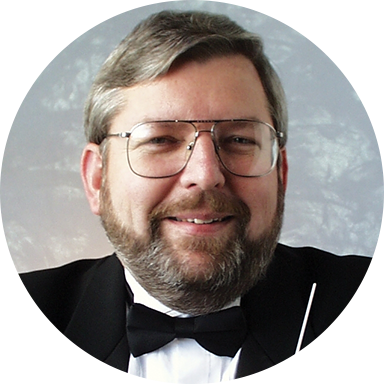
Mark Williams

Mark Williams built his reputation as one of the most prolific and versatile composers for school bands and orchestras. A native of Chicago who spent formative years in Spokane, Washington, he earned degrees in education from Eastern Washington University and channeled his training into a career that spanned elementary band instruction, clinician work across 34 states and multiple countries, and the creation of more than 200 published compositions. His co-authorship of the Accent on Achievement Band Method shaped how countless students learned their instruments.

Beyond the page, Williams was an active musician and conductor. He performed bassoon and arranged music for the 560th Air Force Band, later serving as Conductor and Artistic Director for the Spokane British Brass Band. Recognition came through competitions like the Western International Band Clinic's Gralia Competition and multiple ASCAP Special Awards. His work across band, orchestra, and choral literature demonstrates a deep understanding of what young musicians can achieve when given music that is both accessible and genuinely rewarding to perform.

Why we love this

Highbridge Excursions captures what makes Mark Williams a trusted voice in school band repertoire: idiomatic writing that sits well under student hands, clear structural planning that keeps rehearsals productive, and genuine musical substance that audiences remember. At Grade 3, it delivers the sophistication bands at this level aspire to without requiring technical maturity they haven't yet developed.

What to expect

Highbridge Excursions unfolds with the sensibility of a musical journey, moving through distinct sections that each establish their own mood and character. The writing feels spacious enough for clarity yet cohesive enough that the piece builds momentum from start to finish.

Who it's for

Concert bands at the Grade 3 level who want music that honors both the capabilities and ambitions of young musicians. Directors preparing for contest or festival performance will find a piece that meets adjudication standards while remaining genuine rather than merely showy.

How to get the most out of it

  • Balance the sectional voicing by having students identify which voices carry the melody at any given moment; this clarifies ensemble blend and prevents anyone from disappearing into texture.
  • Mark tempo markings carefully and establish them in early rehearsals so the band understands the character of each section before polishing details.
  • Use the score's dynamics intentionally rather than as suggestion; Williams writes them purposefully to shape phrasing and create direction.

How to use it

Program this as a centerpiece on a concert or festival entry where it can anchor your set with solid musicianship and audience appeal. The Grade 3 level makes it accessible for mid-season performance without requiring months of rehearsal time.

Skills your students will build

  • Maintaining even tone quality across sustained passages and scalar figures
  • Balancing blend when multiple sections carry thematic material simultaneously
  • Executing dynamic shaping to enhance musical phrasing rather than treating dynamics as isolated marks
  • Reading and performing with sectional independence while maintaining ensemble unity

You May Also Like
