

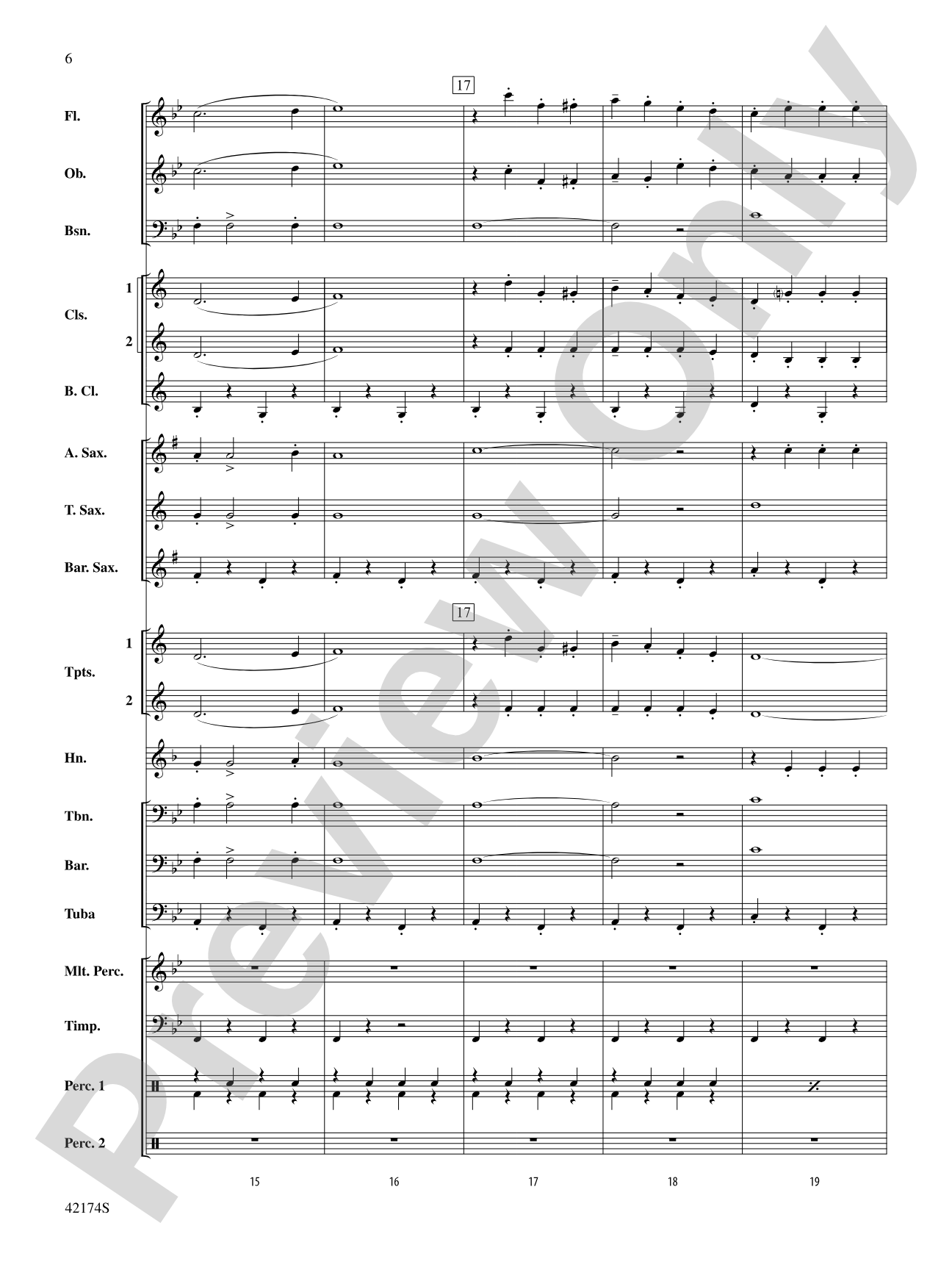
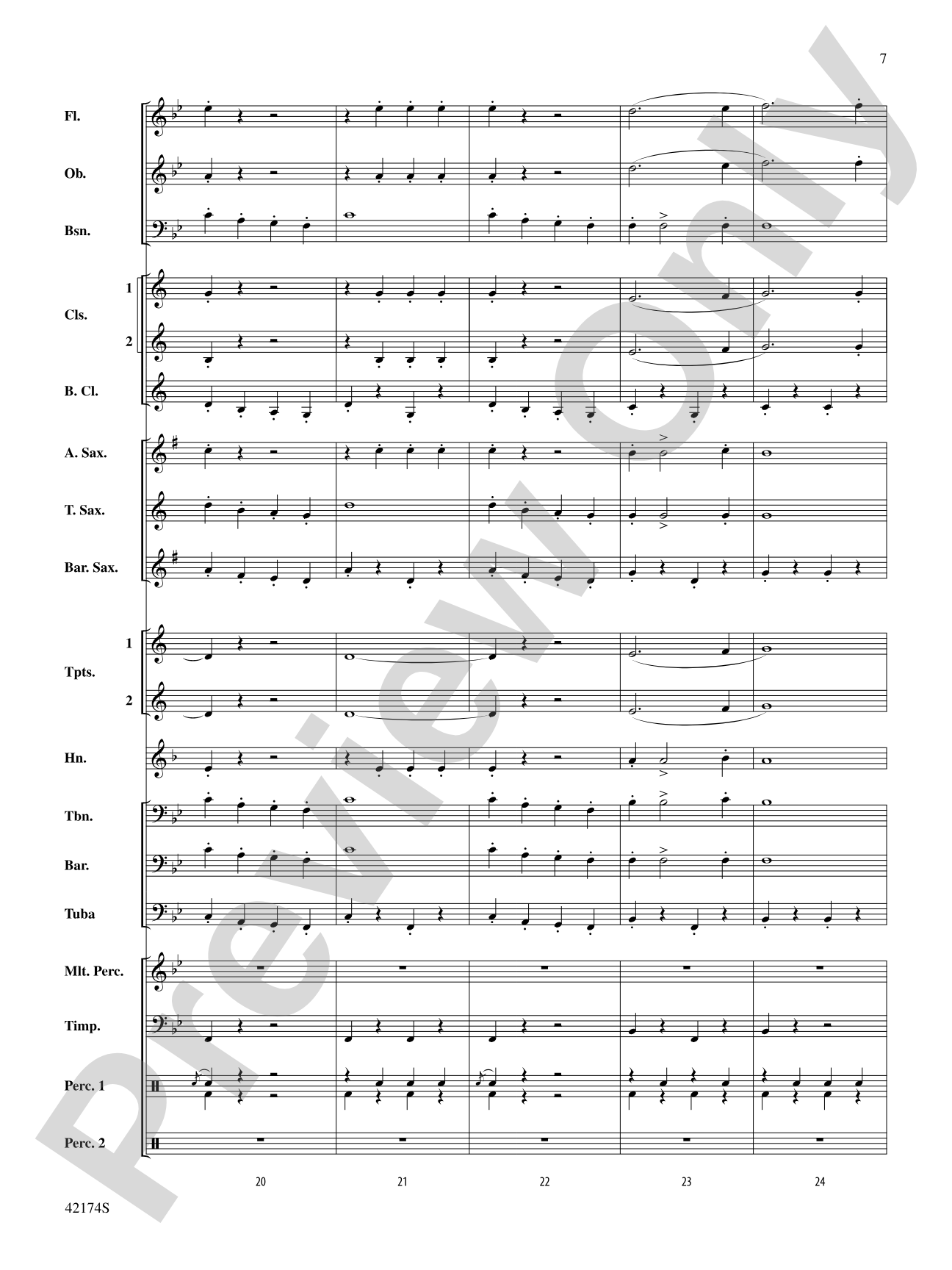
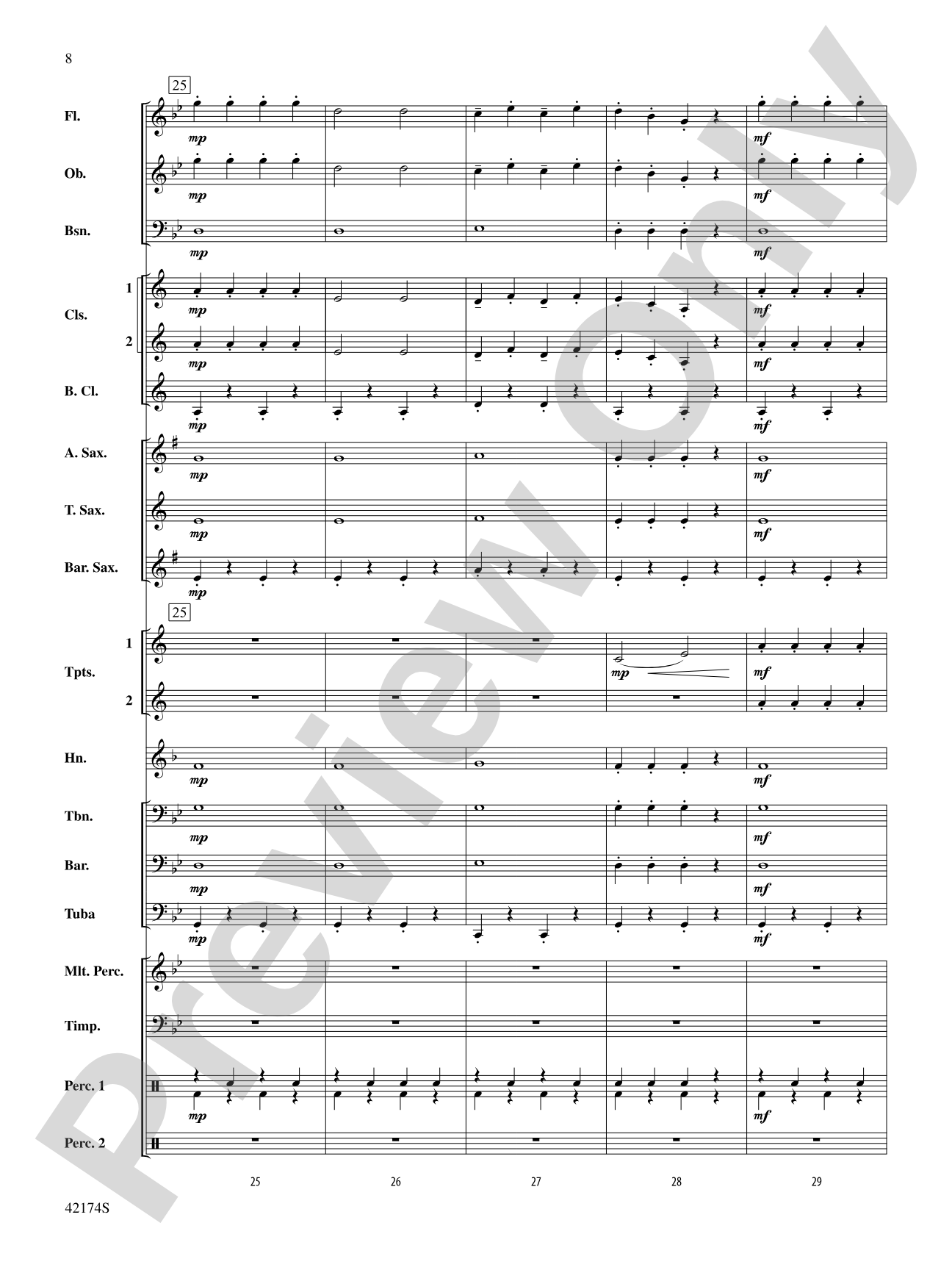
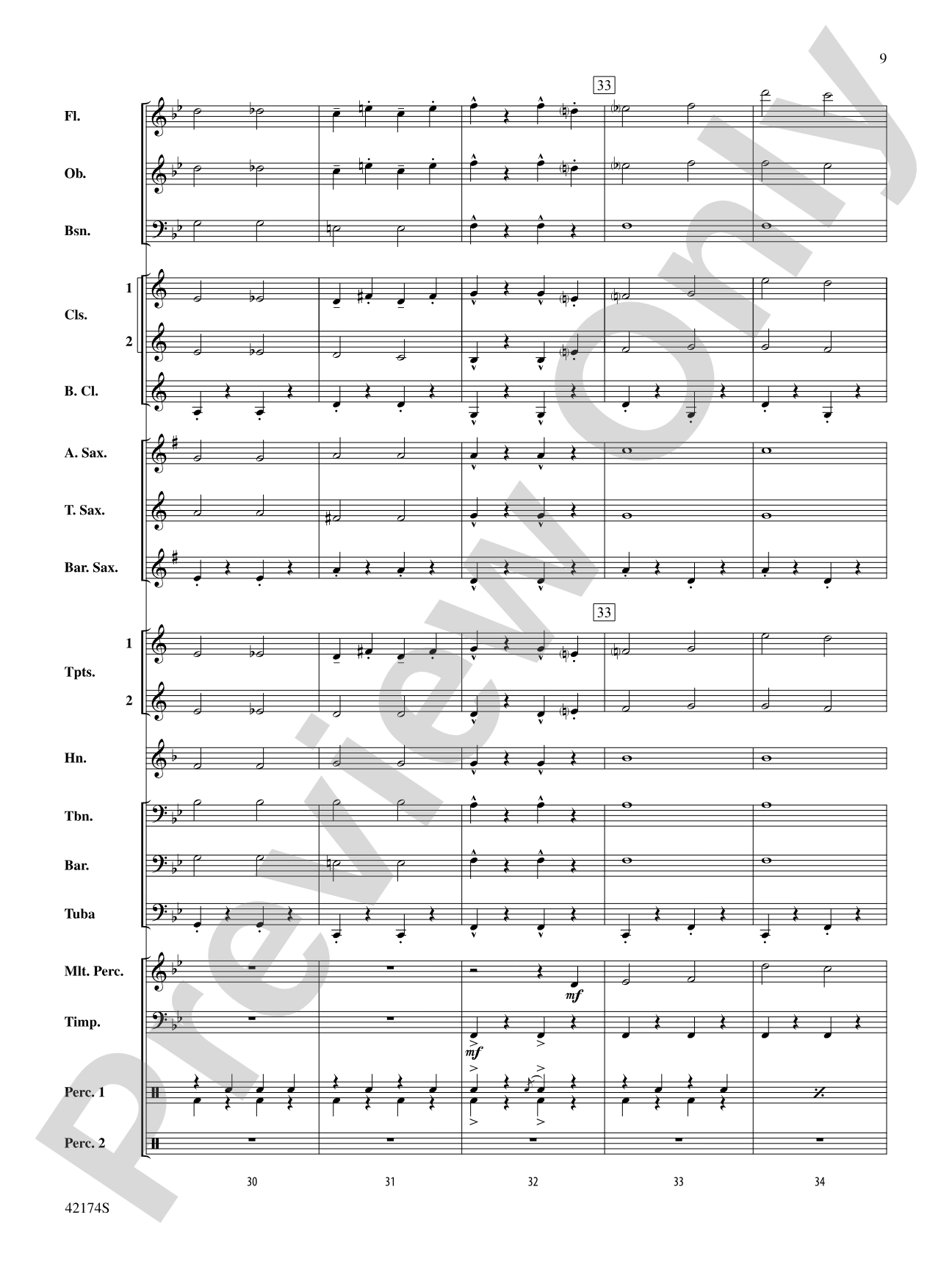
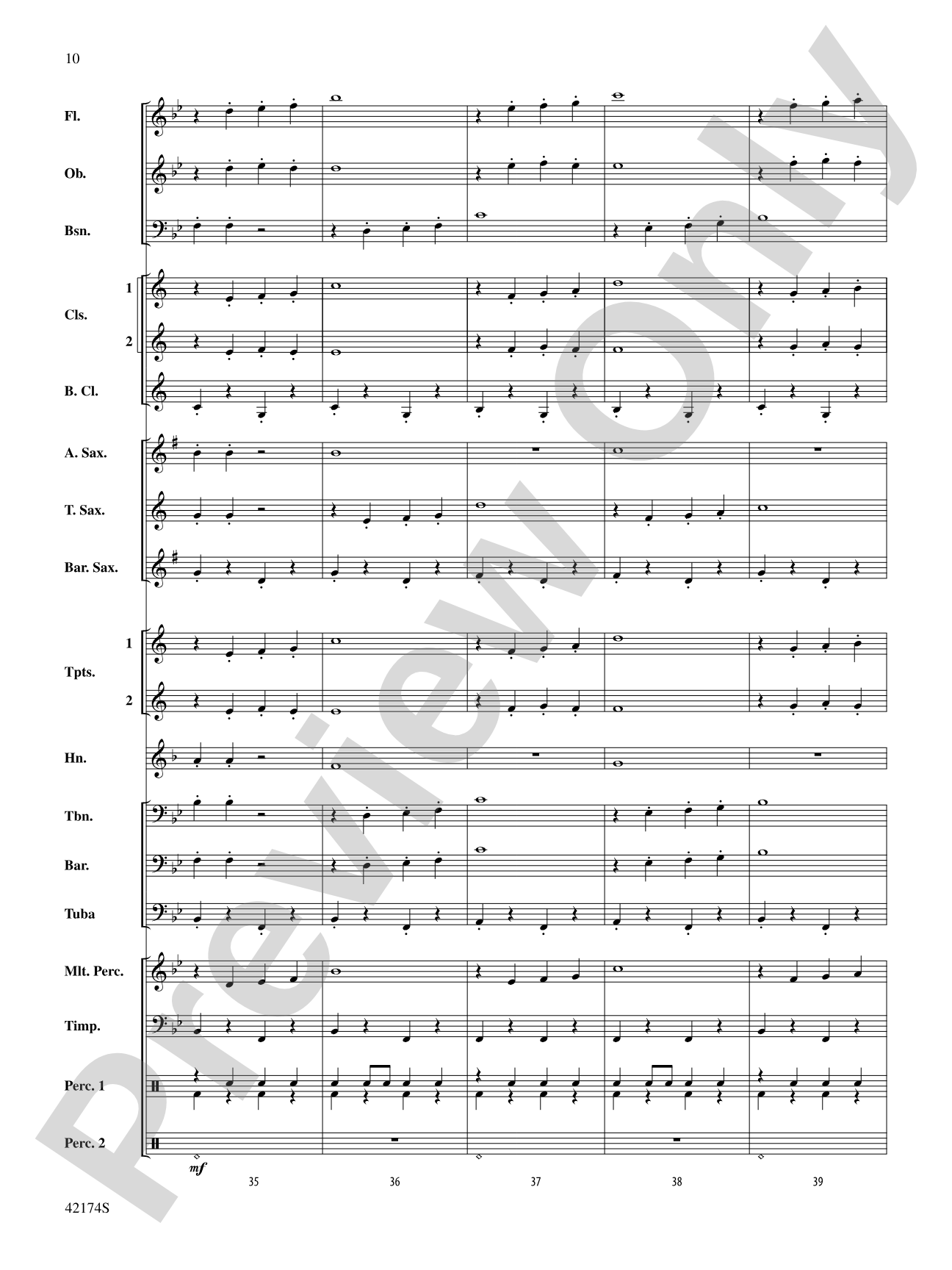
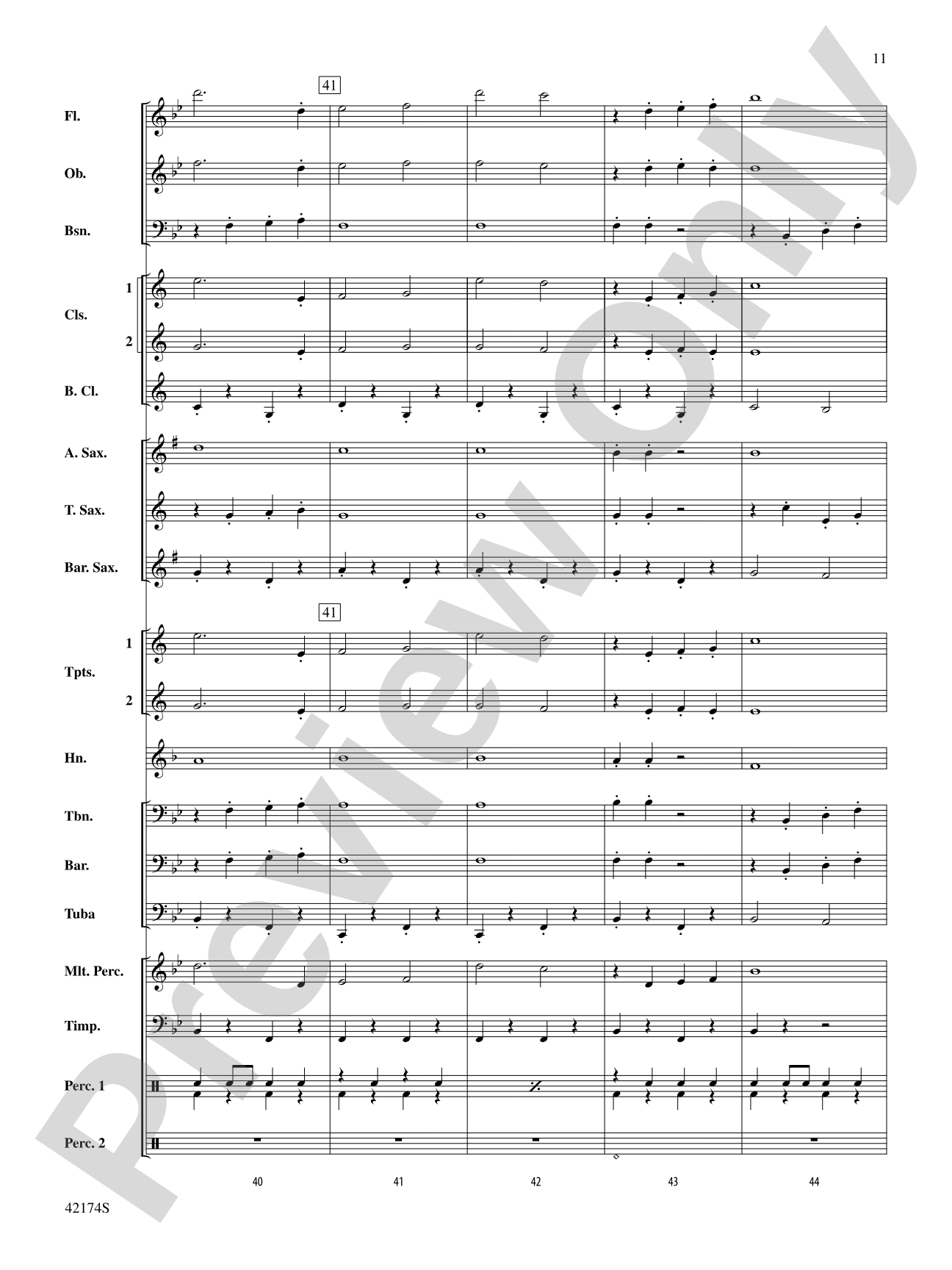
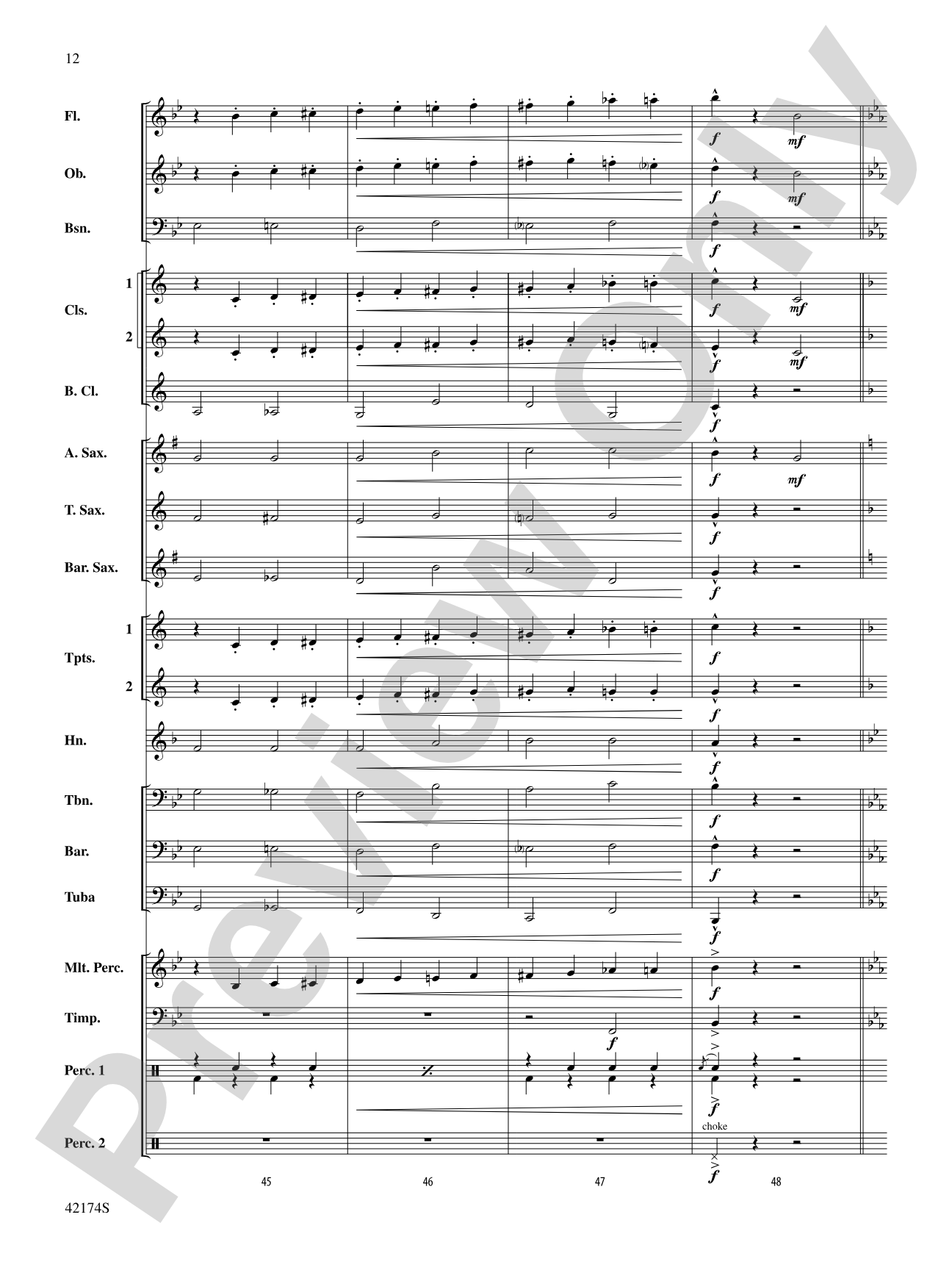
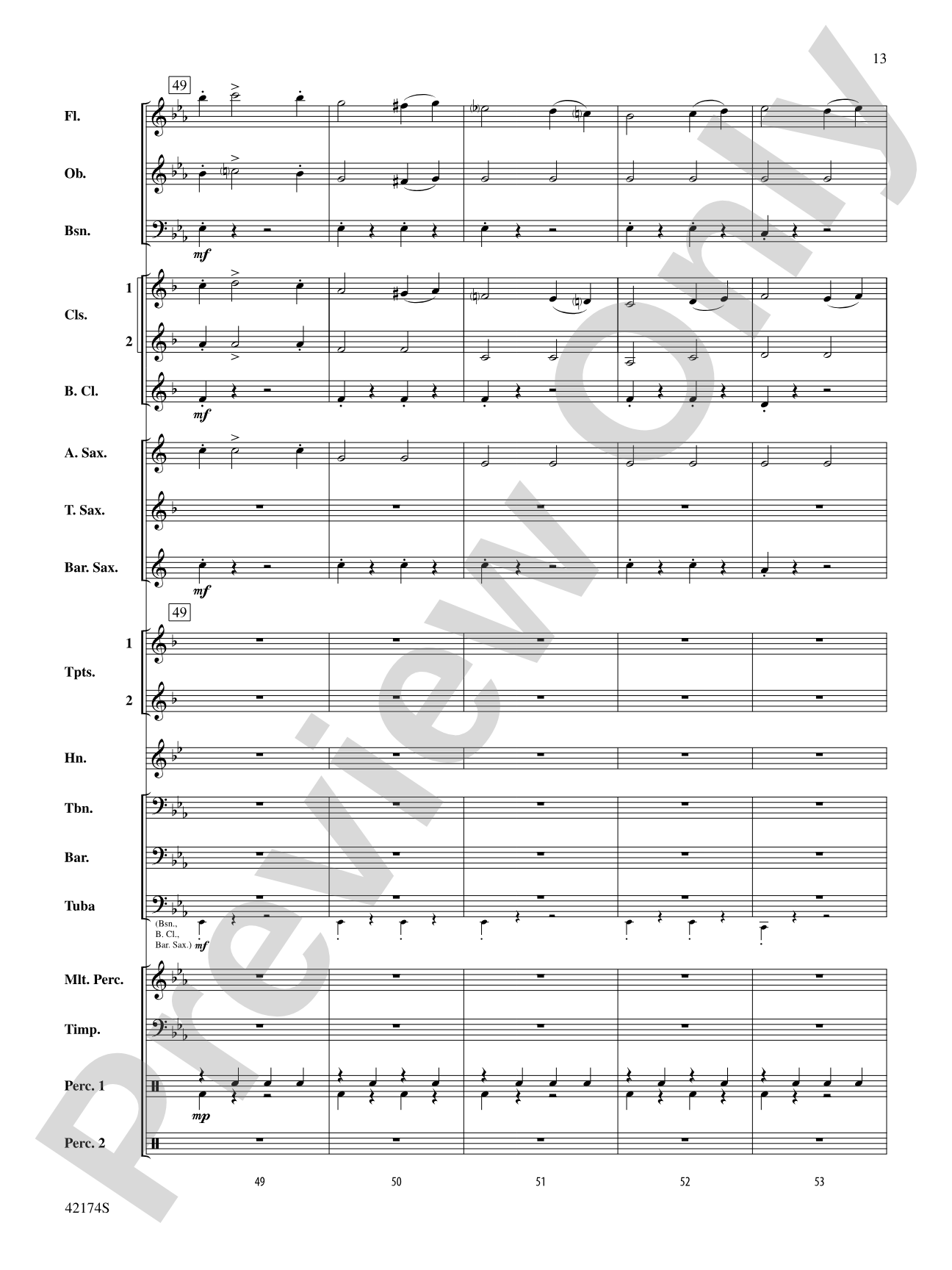
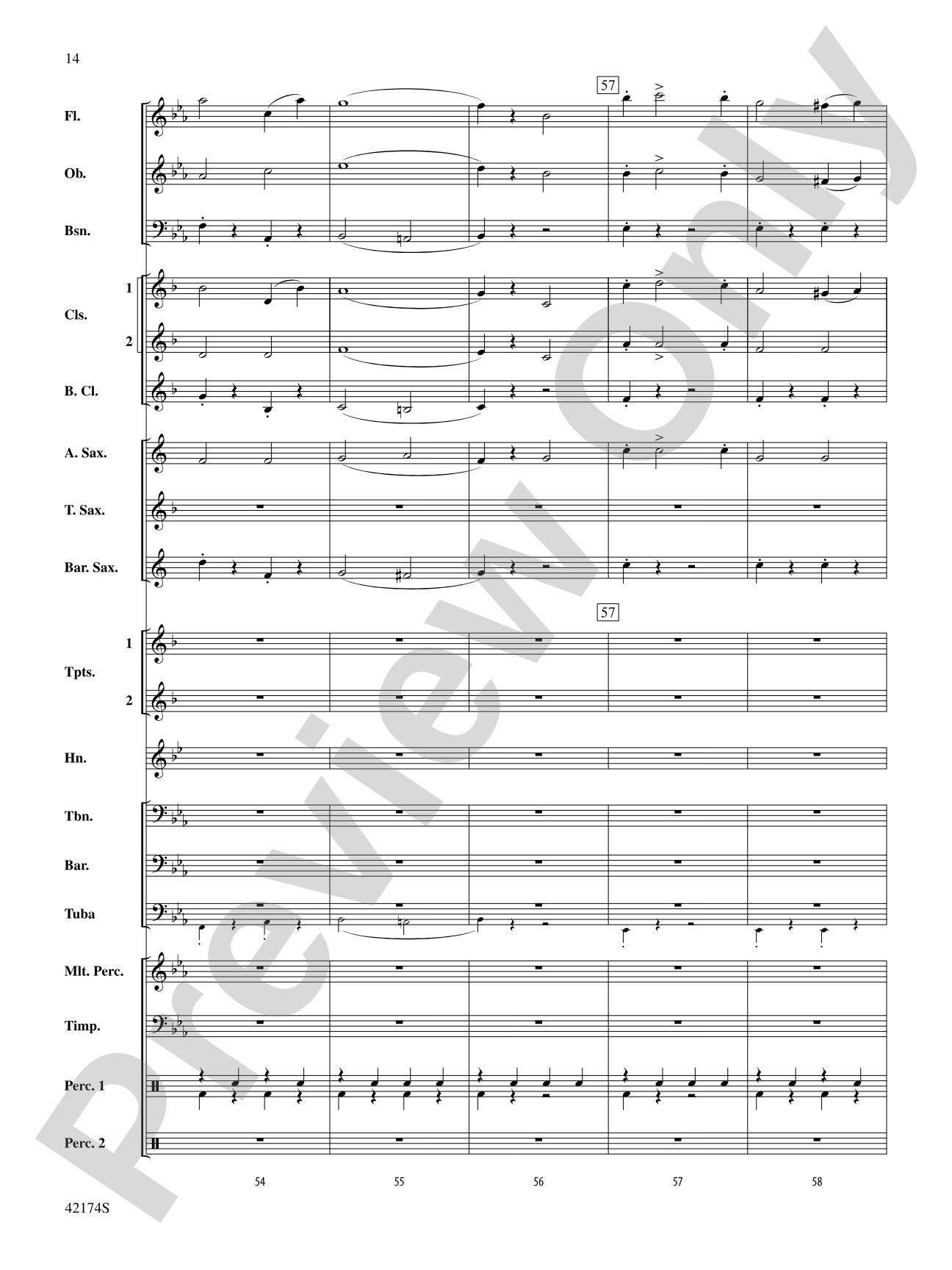
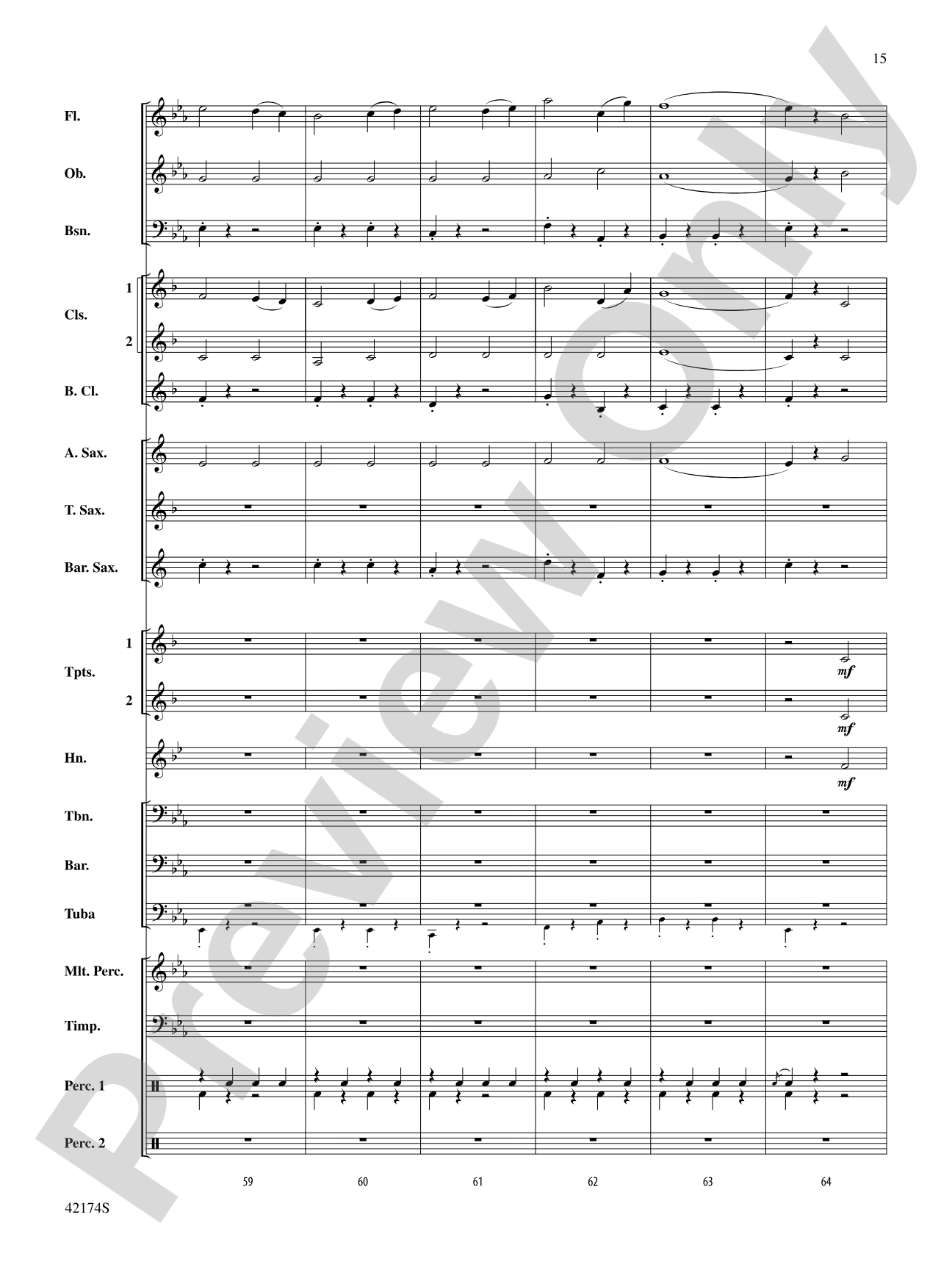
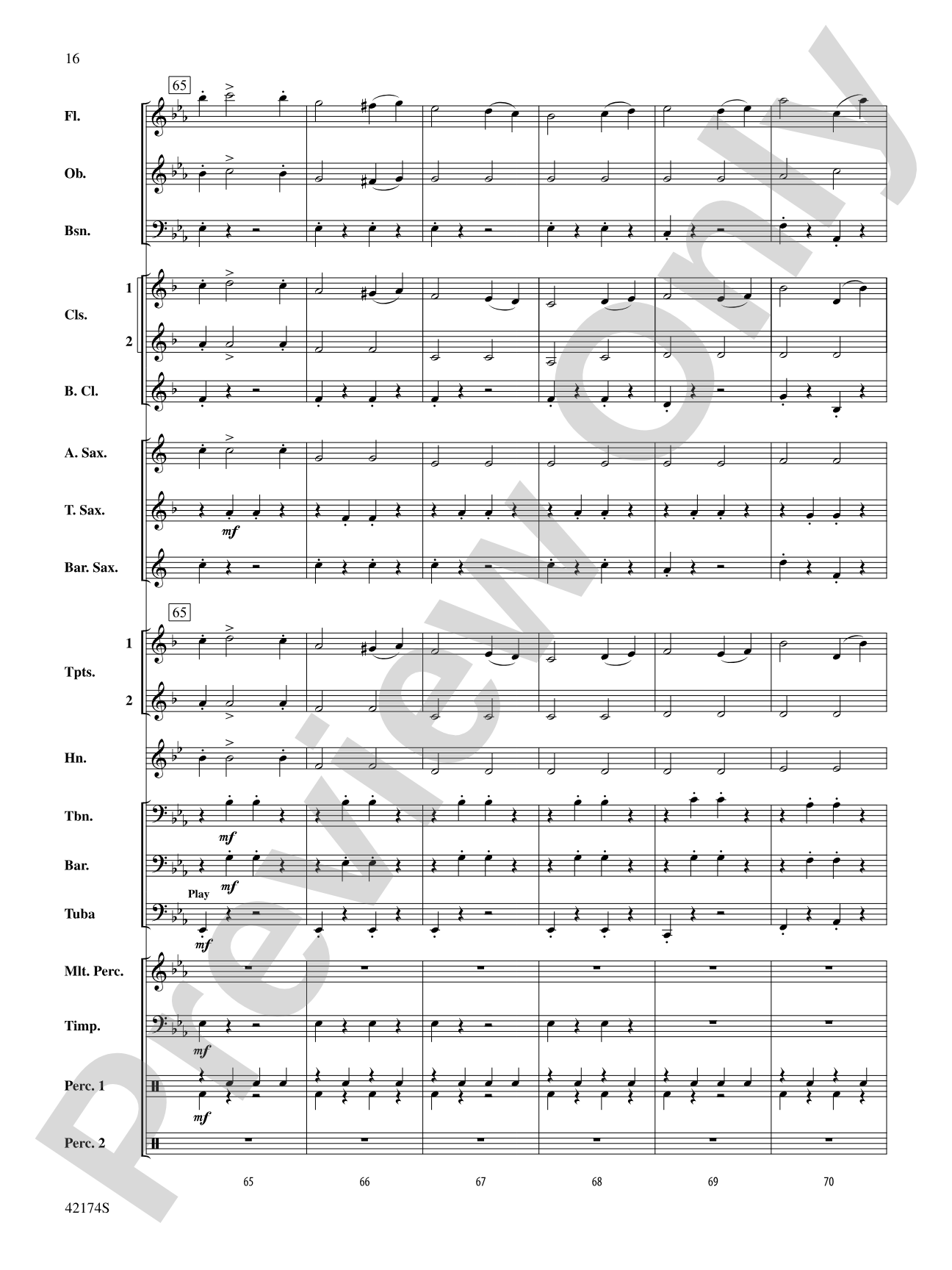
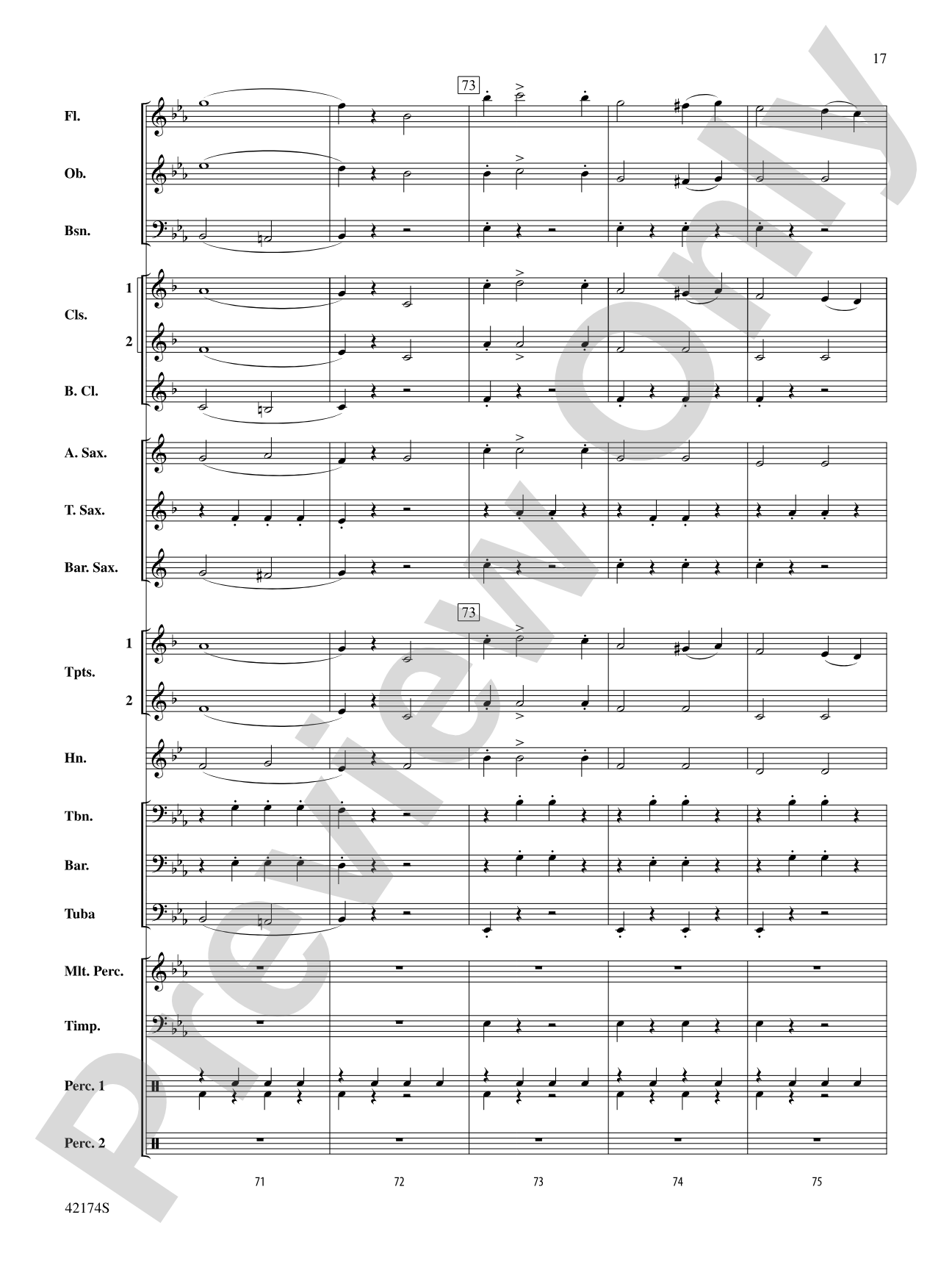

High School Cadets: Concert Band Conductor Score & Parts
By John Philip Sousa / arr. Michael Story
Grade: 2 (Easy)
Item: 00-PK-0006291

$55.00
Pickup currently not available
Buy Extra Parts (Digital PDF Download)
Parts Added to Cart!
Description
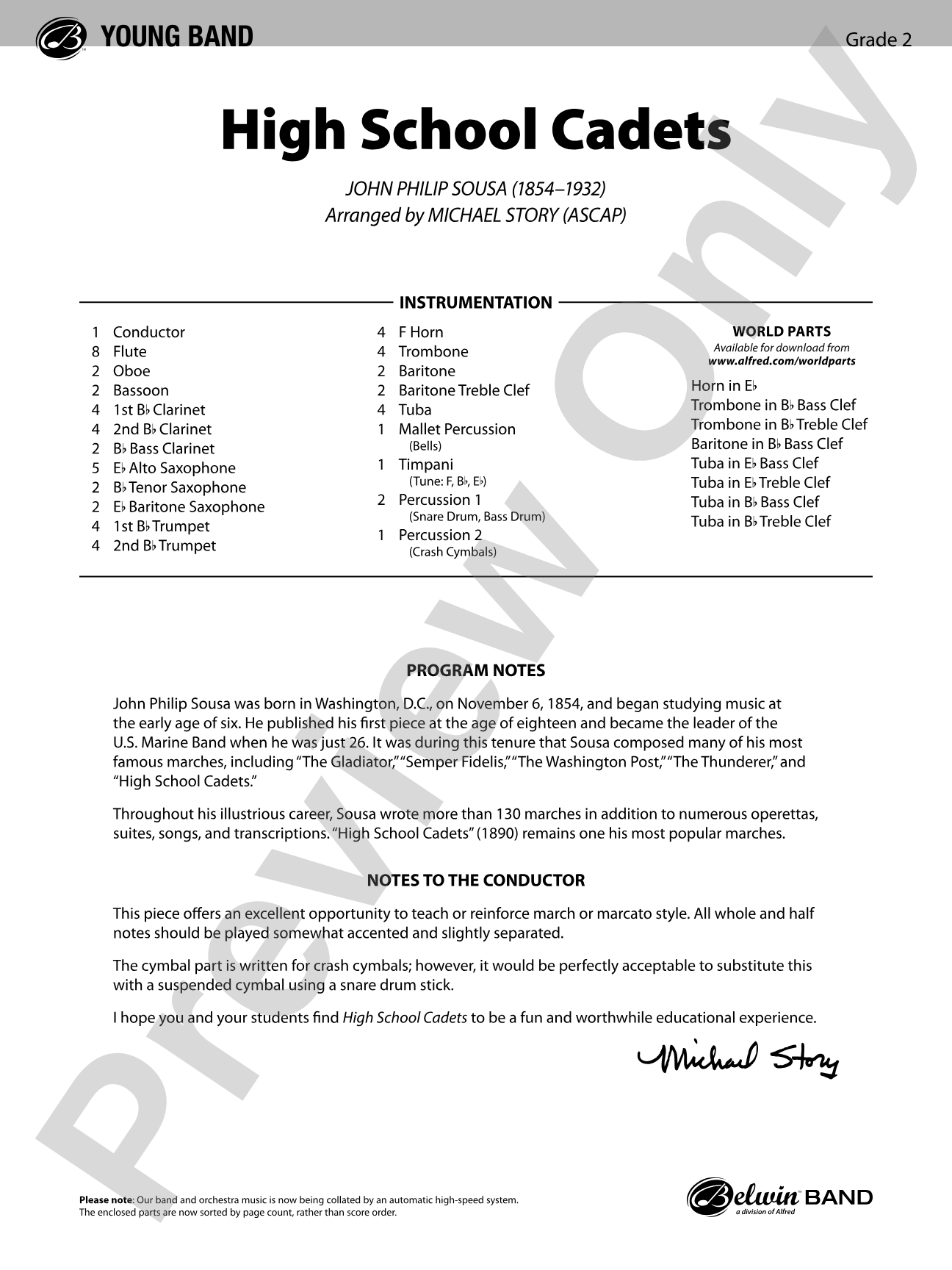
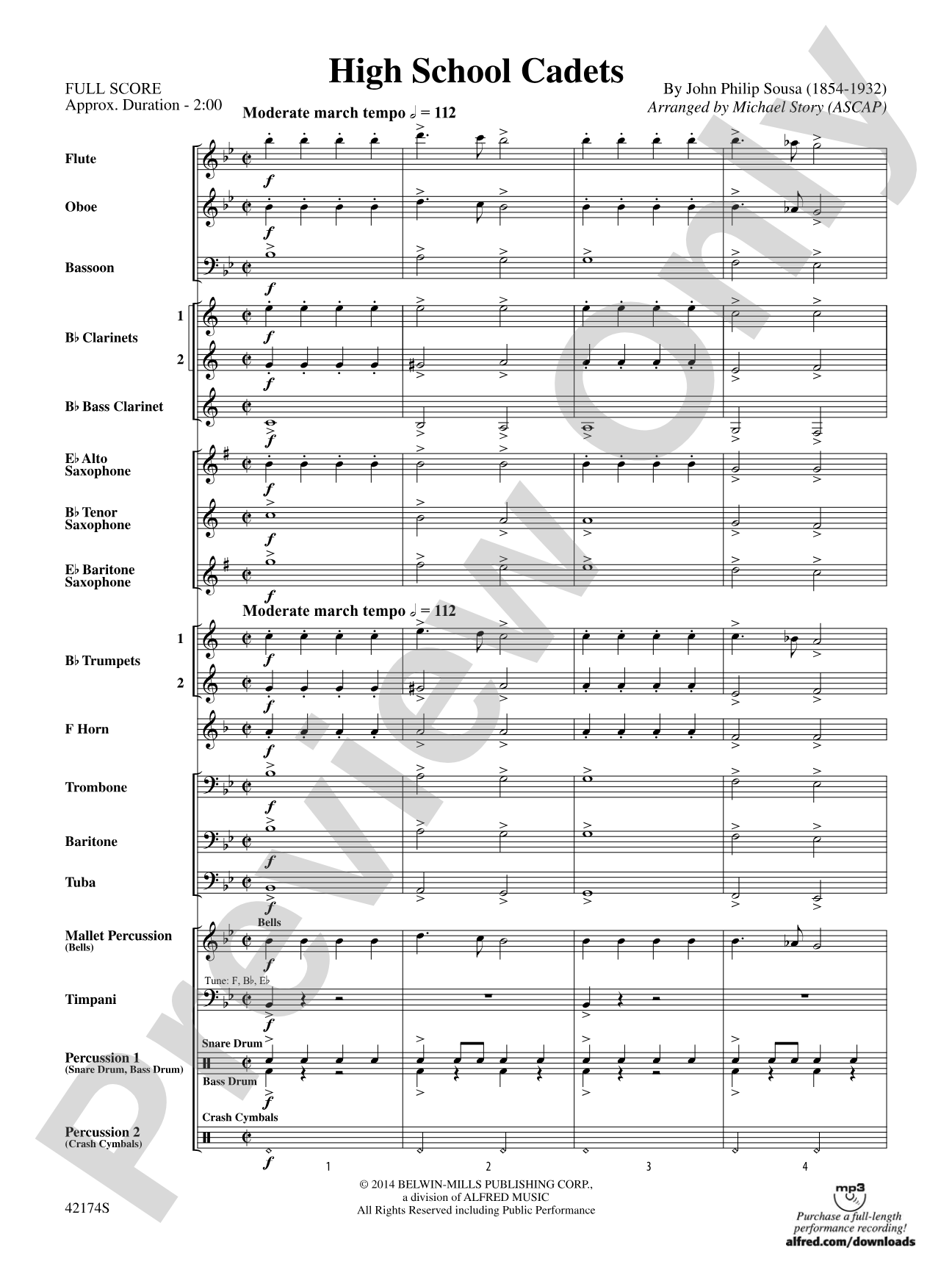
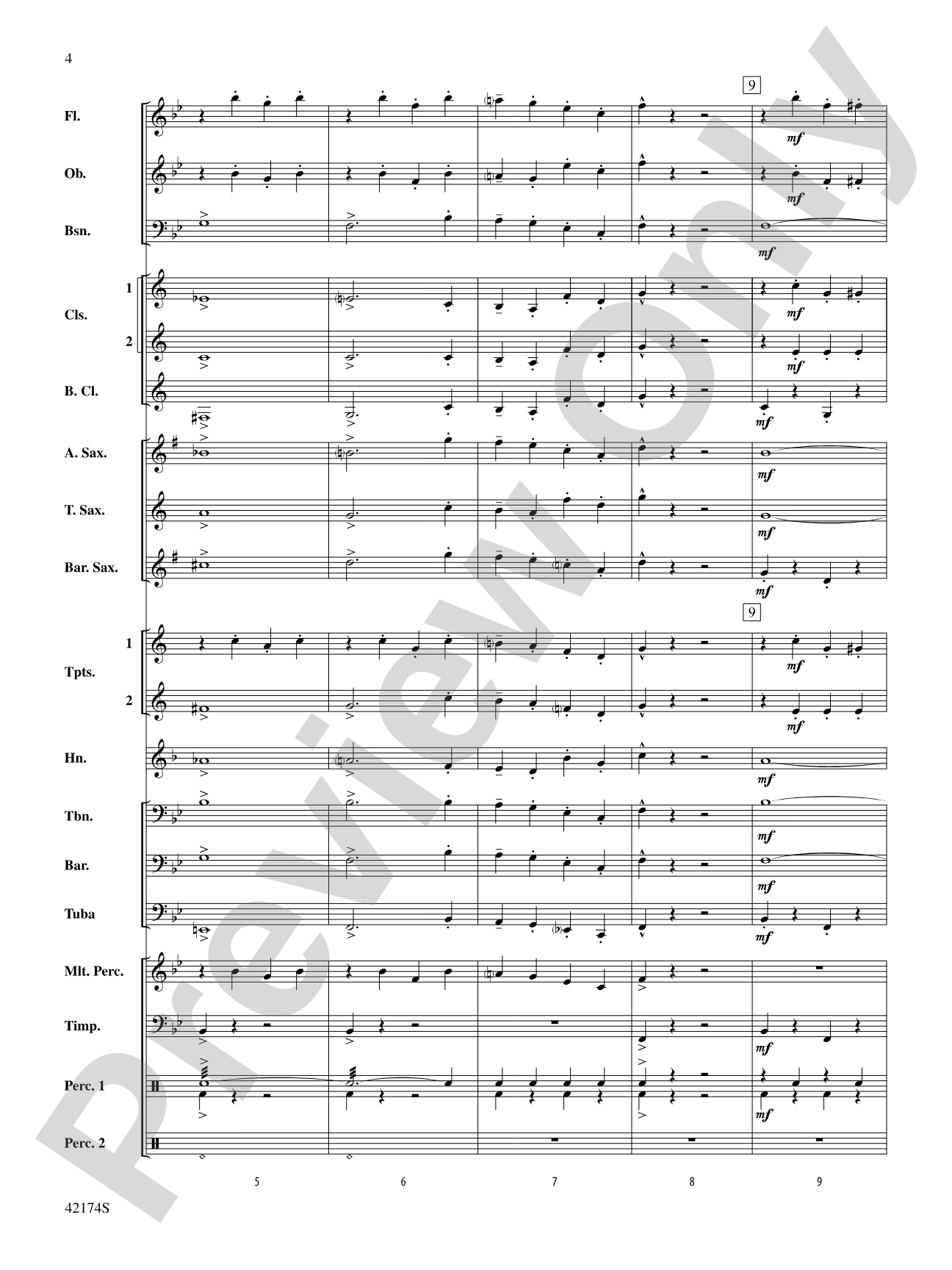
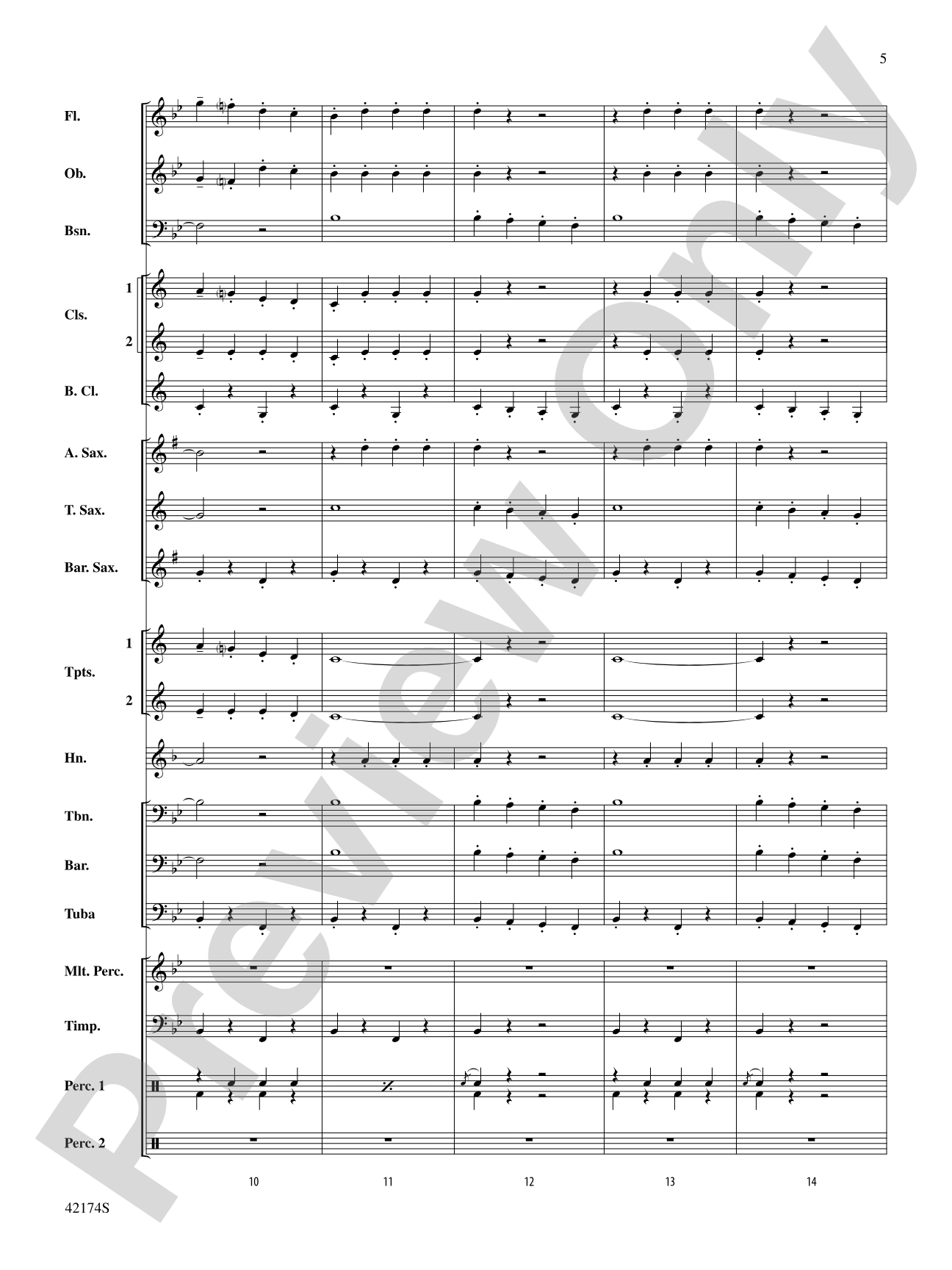
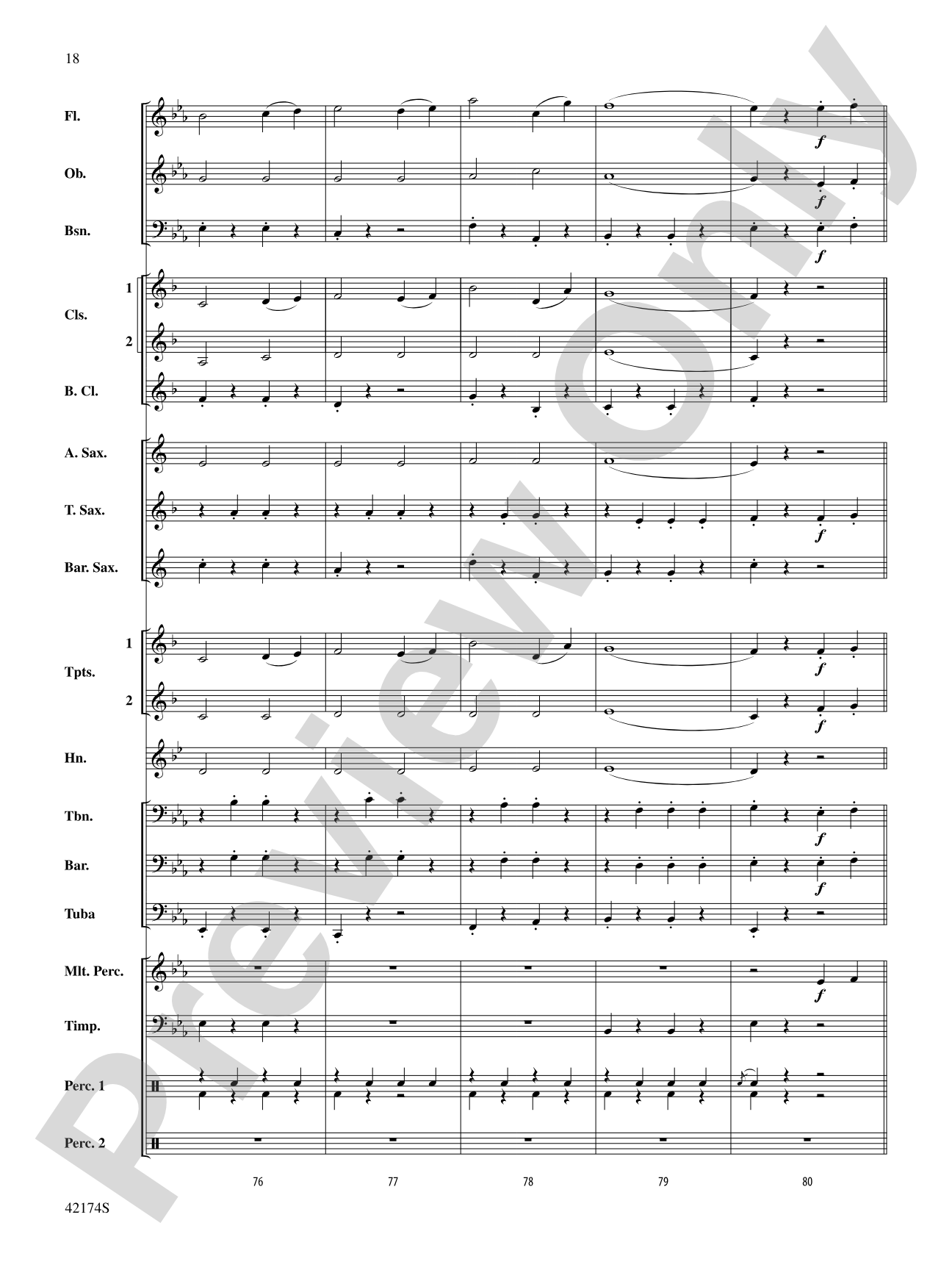
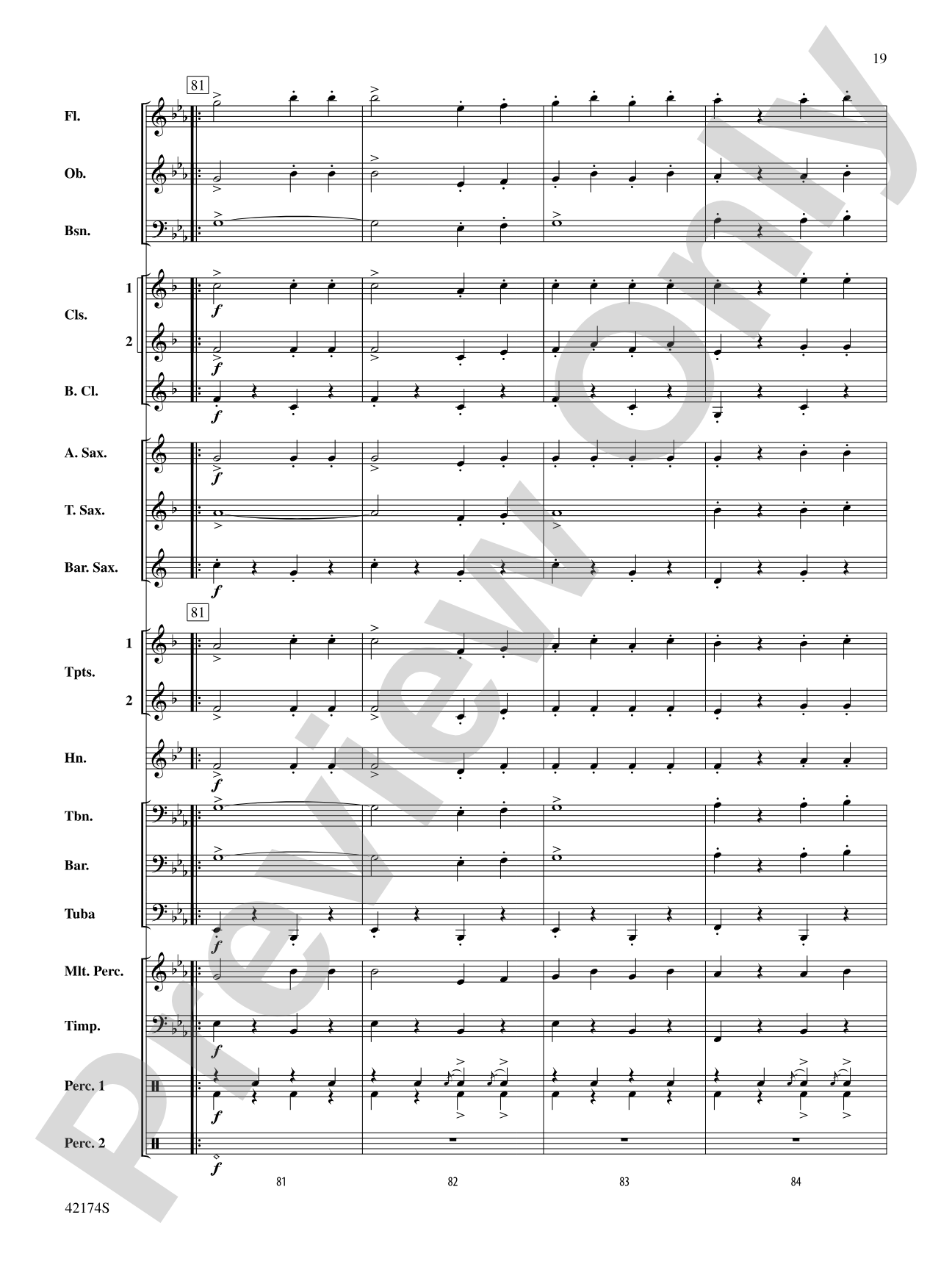
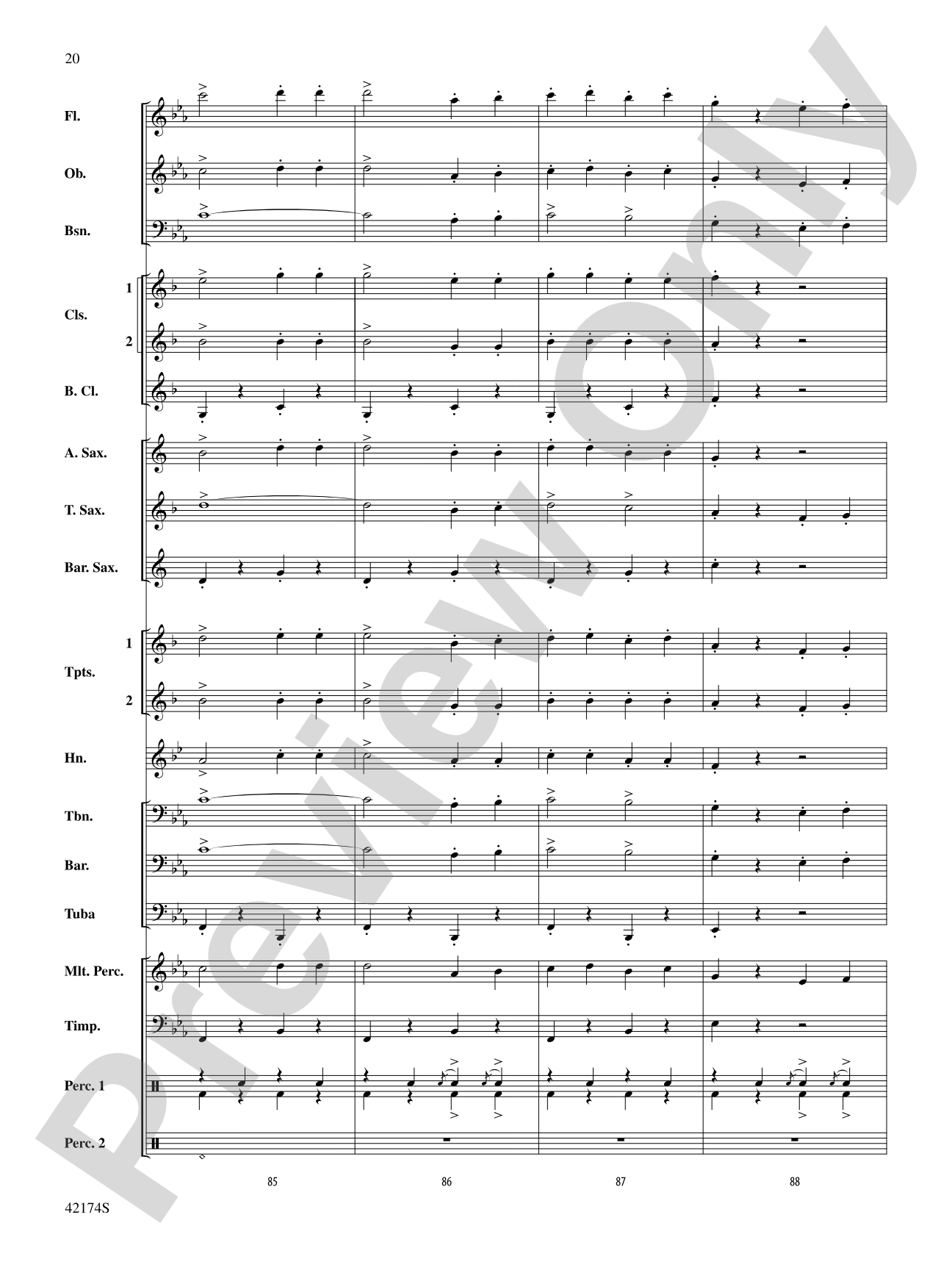
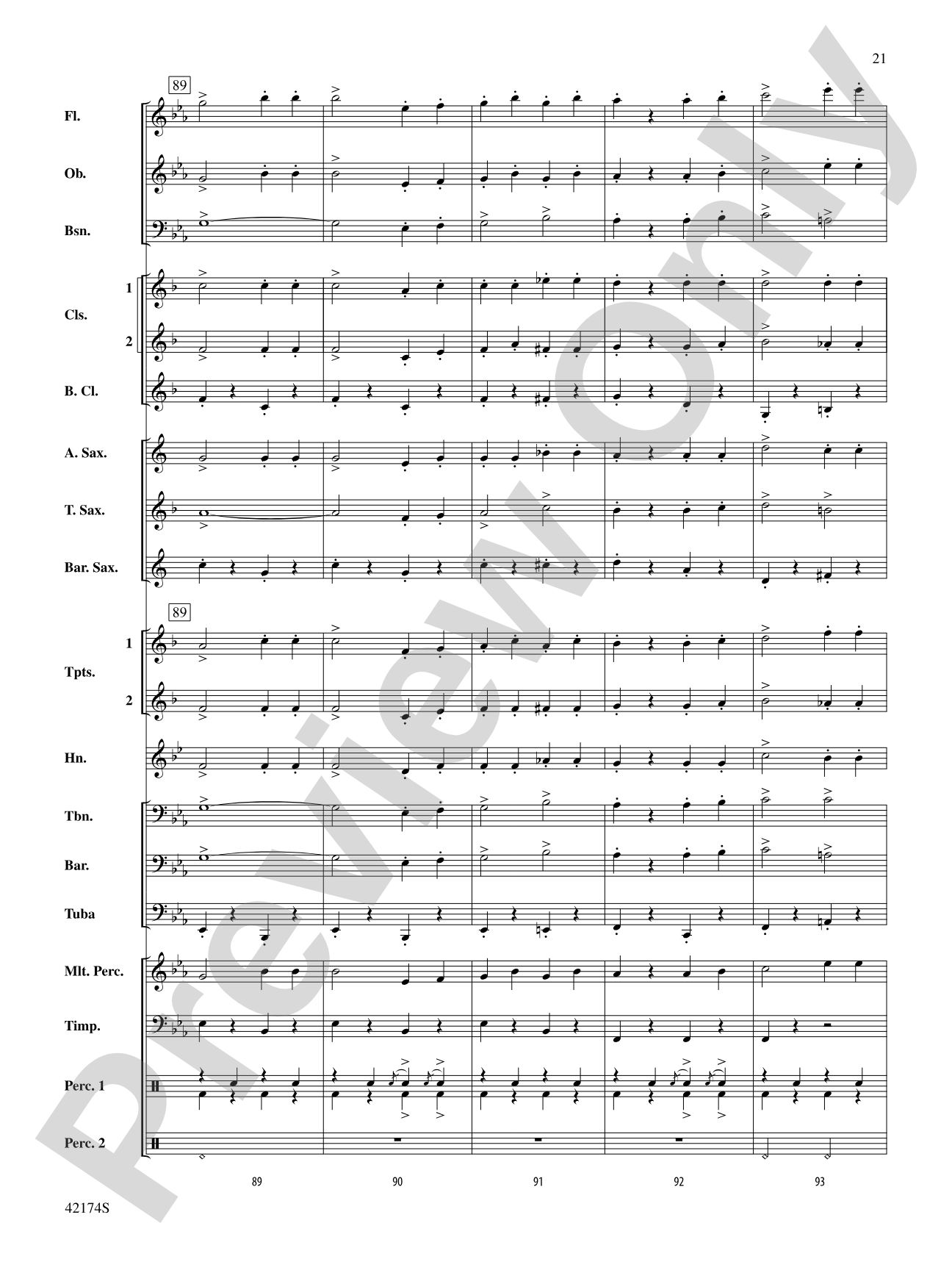
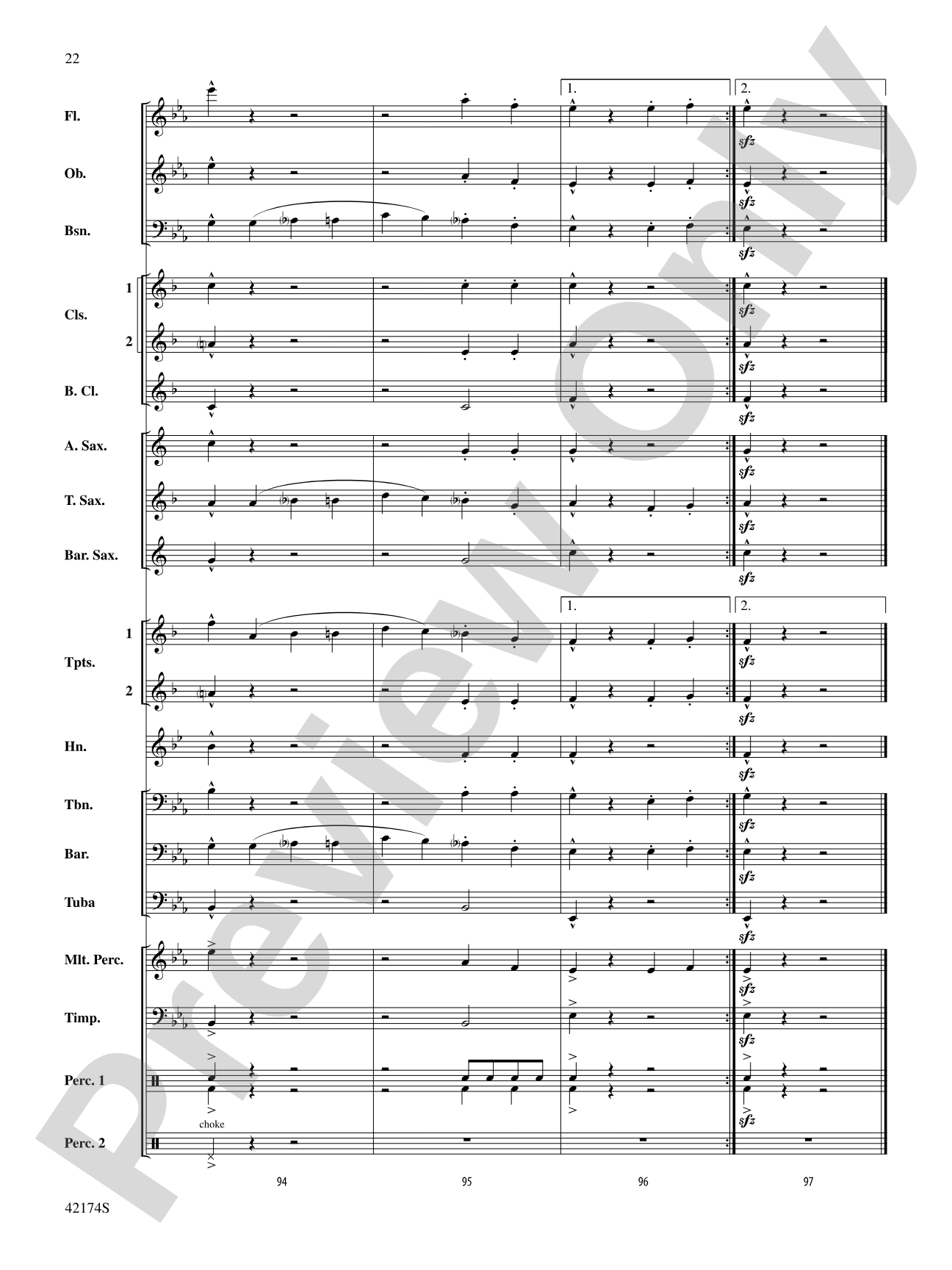
One of Sousa's most popular marches of the 130 he composed was written in 1890 and commissioned by the Washington, D.C. high school now called Central High School. Scored right in the pocket for your young or developing band, this rendition presents the perfect opportunity to teach marcato and march style while performing this historically significant work so important to concert band genre. (2:00)


Don't just read it, hear it, play along with it, and watch your students grow with it. In MakeMusic Cloud, High School Cadets: Concert Band Conductor Score & Parts comes alive with professional accompaniment, adjustable tempo, and built-in practice tools that turn solo practice into real progress.
Open in the Player
Jump straight in and assign it today.
Start Your Free Trial
Open this title and explore the full library in minutes.
Sample Audio
1
Audio File
--:--
0:00
0:00
Sample Video
No sample videos found.
Additional Details
Series:
Belwin Young Band
Publisher:
Alfred Music
Page Count:
236
SKU:
00-PK-0006291
More about this title
About the Composer: John Philip Sousa
John Philip Sousa (1854-1932) shaped American concert band music as both composer and conductor. His 130 marches established the genre's identity, balancing accessibility with sophisticated harmonic and melodic writing. Sousa's work remains foundational to band repertoire because he understood the instrument capabilities of developing ensembles while refusing to compromise musical integrity.
Why we love this
This arrangement sits squarely in Grade 2 voicing without sacrificing Sousa's unmistakable melodic gift or the march's historical weight. Story's scoring lets young musicians experience authentic Sousa style—clear marcato articulation, strong harmonic support, and driving rhythmic momentum—without drowning them in complexity. Programming a genuine Sousa march teaches your band that early repertoire earns its place on concert programs.
What to expect
Straightforward, confident, and propulsive. The march moves with natural momentum and clear sectional architecture, inviting the ensemble to feel the satisfaction of playing real Sousa—not a pale copy, but an arrangement that respects the original while meeting your musicians where they are.
Who it's for
Young and developing concert bands ready to tackle Grade 2 literature with historical substance. This score works for groups building foundational marcato technique and march style without needing extra simplification.
How to get the most out of it
- Shape marcato eighth notes with clear separation but forward energy. The style sits between staccato and tenuto; avoid making it choppy or overly detached.
- Lock the bass line and snare drum together in the march sections. A tight rhythmic foundation lets the upper voices float with confidence.
- Balance the cornet/trumpet melody against the supporting harmonies. Sousa wrote these lines to weave together; resist the urge to let the top voice overshadow the whole ensemble.
- Maintain consistent tempo throughout the march. Even small fluctuations in the straights will undermine the piece's structural power and its appeal.
How to use it
Place this in the strong opening spot of a concert where you want to establish energy and confidence, or pair it with other marches and light classics to celebrate the concert band tradition. It also works as a solid closer if you want the audience to leave with the march's brassy optimism.
Skills your students will build
- Marcato articulation with forward tone production
- March style phrasing and sectional clarity
- Bass line and rhythm section precision
- Harmonic balance in four-part writing
- Sustained ensemble rhythm at tempo