
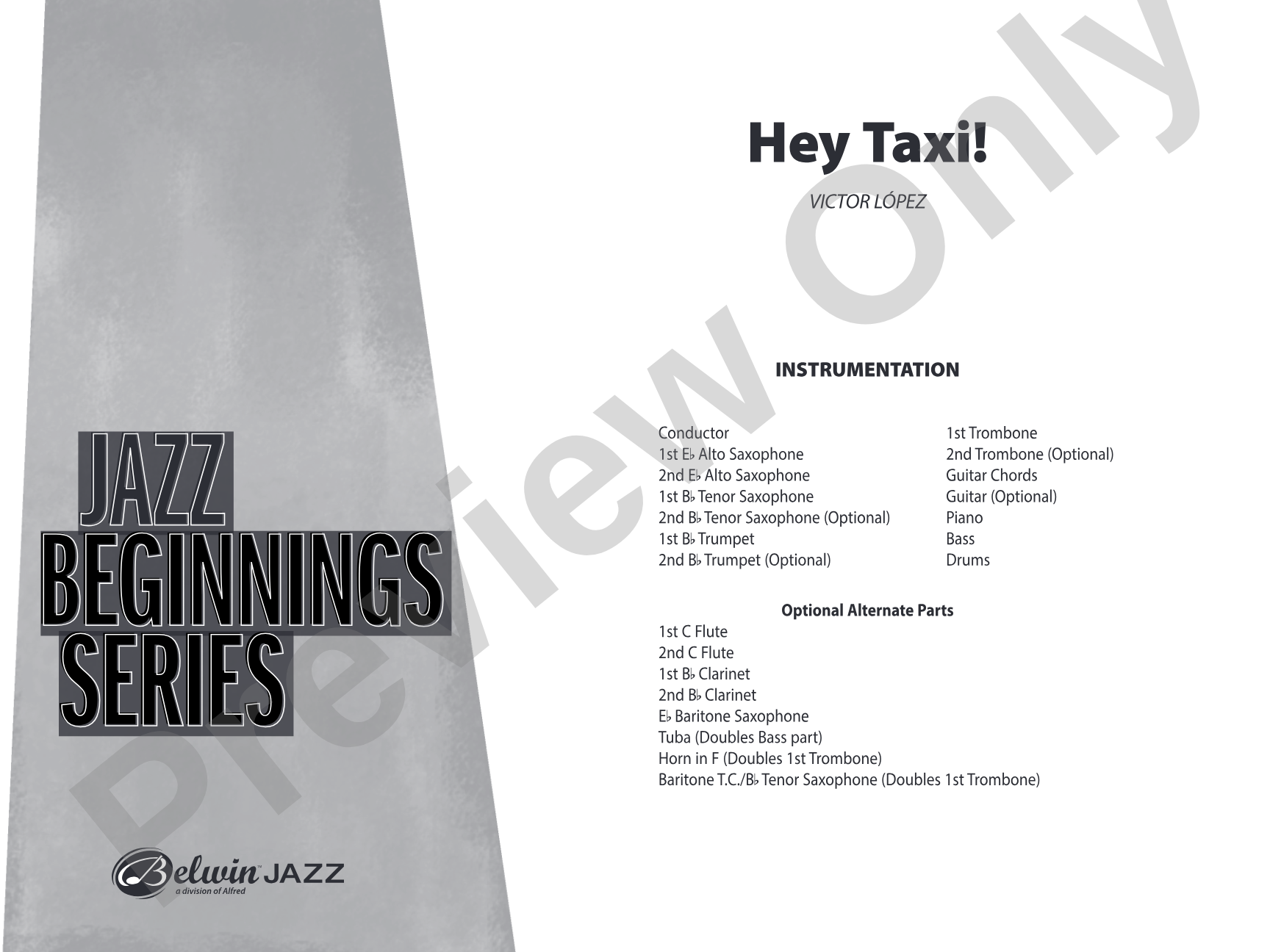
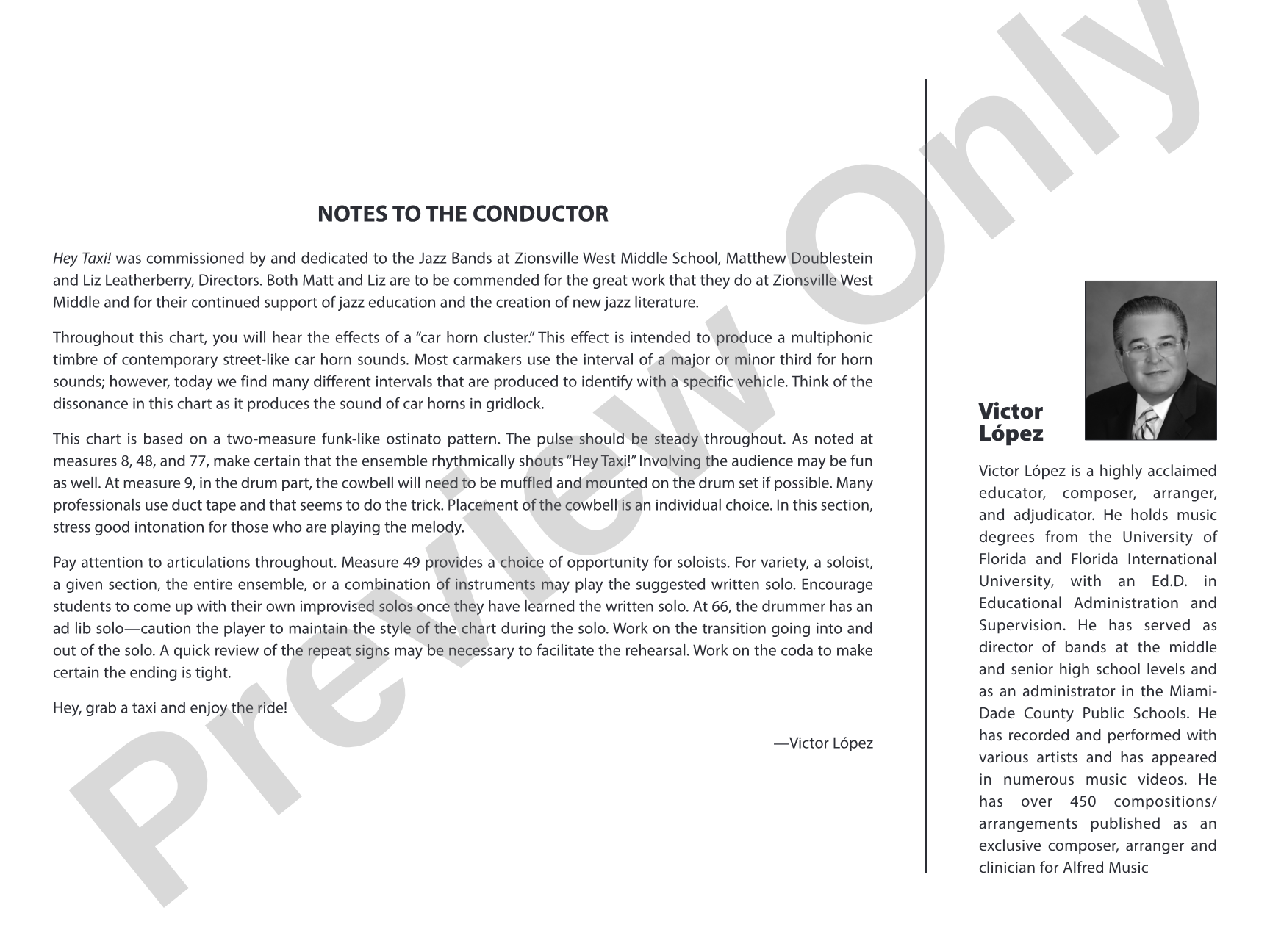
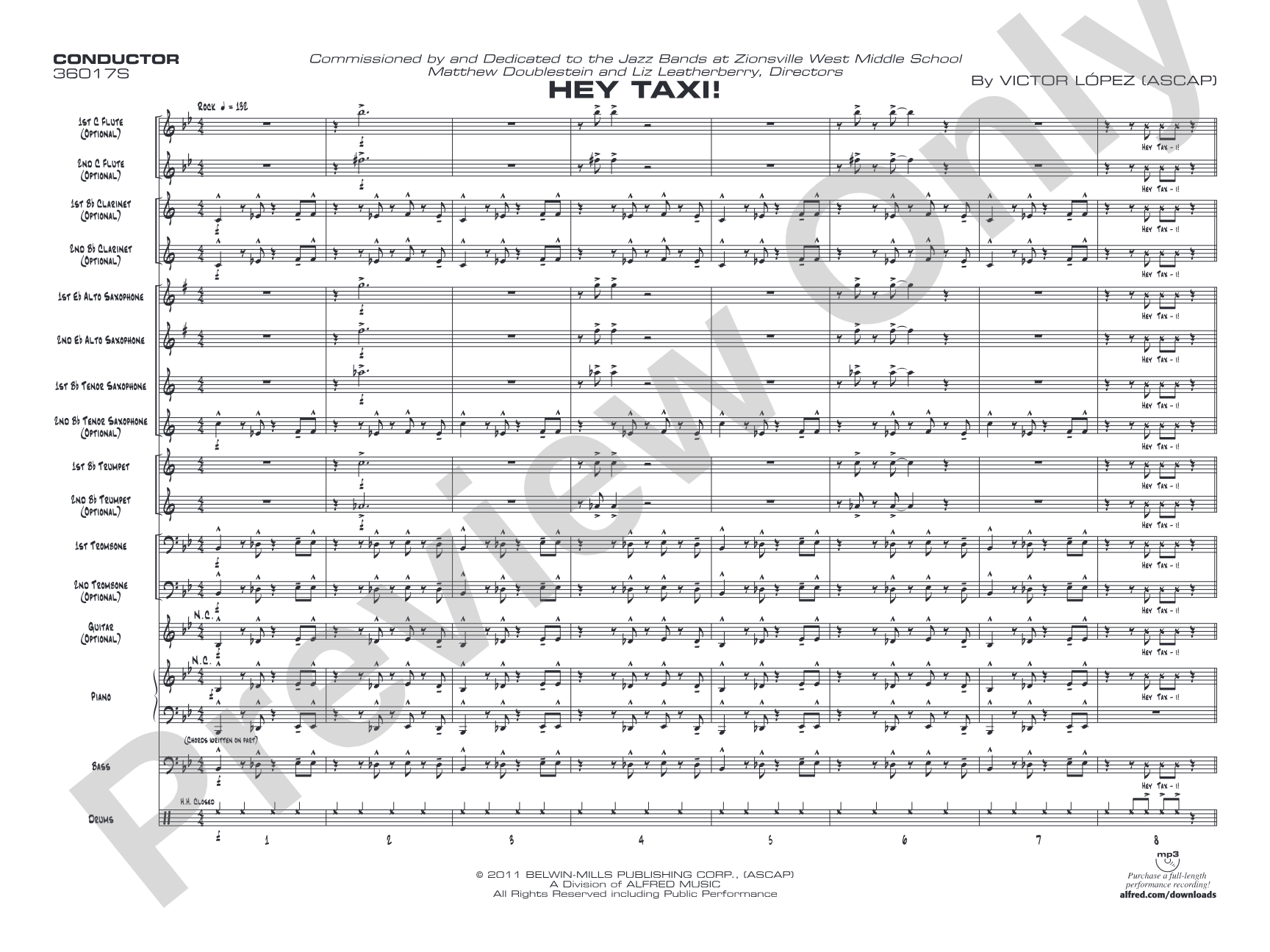
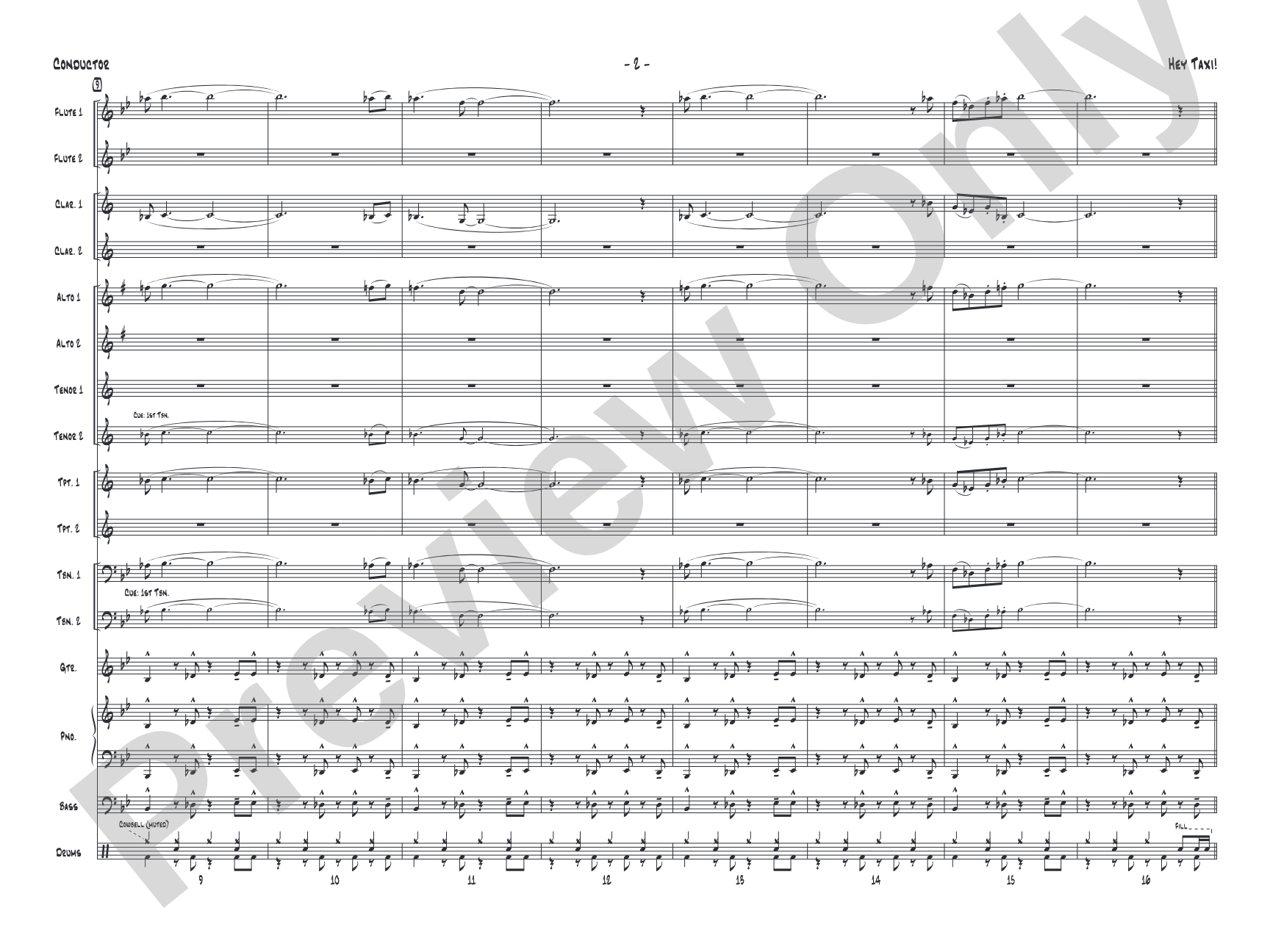

Hey Taxi!: Jazz Ensemble Conductor Score & Parts
By Victor López
Grade: 1 (Easy)
Item: 00-PK-0006437

$40.00
Pickup currently not available
Buy Extra Parts (Digital PDF Download)
| Product | Price | Quantity |
|---|---|---|
| Hey Taxi!: Score | $8.00 | |
| Hey Taxi!: E-flat Alto Saxophone | $3.00 | |
| Hey Taxi!: 2nd E-flat Alto Saxophone | $3.00 | |
| Hey Taxi!: B-flat Tenor Saxophone | $3.00 | |
| Hey Taxi!: 2nd B-flat Tenor Saxophone | $3.00 | |
| Hey Taxi!: 1st B-flat Trumpet | $3.00 | |
| Hey Taxi!: 2nd B-flat Trumpet | $3.00 | |
| Hey Taxi!: 1st Trombone | $3.00 | |
| Hey Taxi!: 2nd Trombone | $3.00 | |
| Hey Taxi!: Guitar Chords | $3.00 | |
| Hey Taxi!: Guitar | $3.00 | |
| Hey Taxi!: Piano Accompaniment | $3.00 | |
| Hey Taxi!: String Bass | $3.00 | |
| Hey Taxi!: Drums | $3.00 | |
| Hey Taxi!: Flute | $3.00 | |
| Hey Taxi!: 2nd Flute | $3.00 | |
| Hey Taxi!: 1st B-flat Clarinet | $3.00 | |
| Hey Taxi!: 2nd B-flat Clarinet | $3.00 | |
| Hey Taxi!: E-flat Baritone Saxophone | $3.00 | |
| Hey Taxi!: Tuba | $3.00 | |
| Hey Taxi!: 1st F Horn | $3.00 | |
| Hey Taxi!: Baritone T.C. | $3.00 |
Parts Added to Cart!
Description
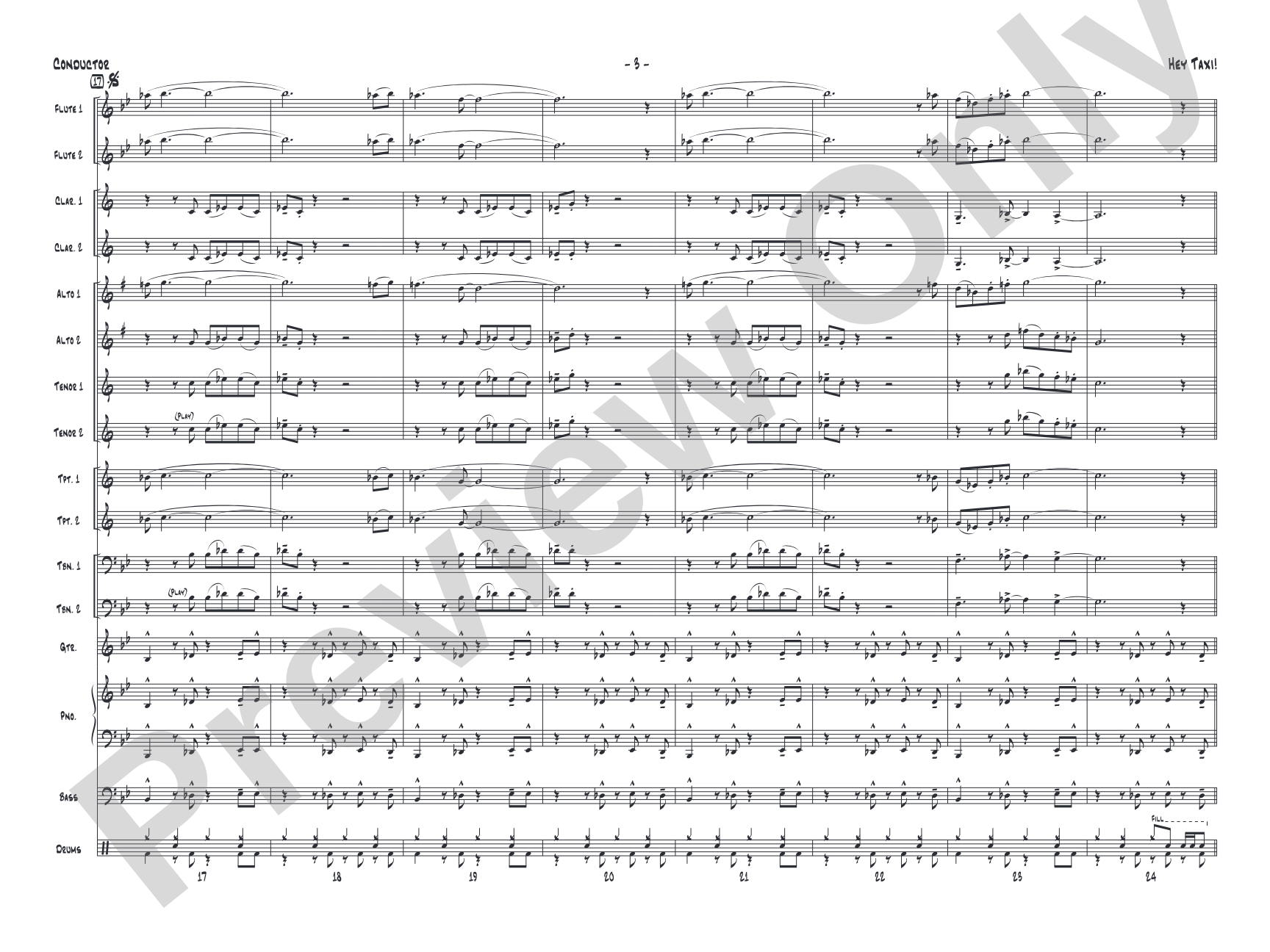
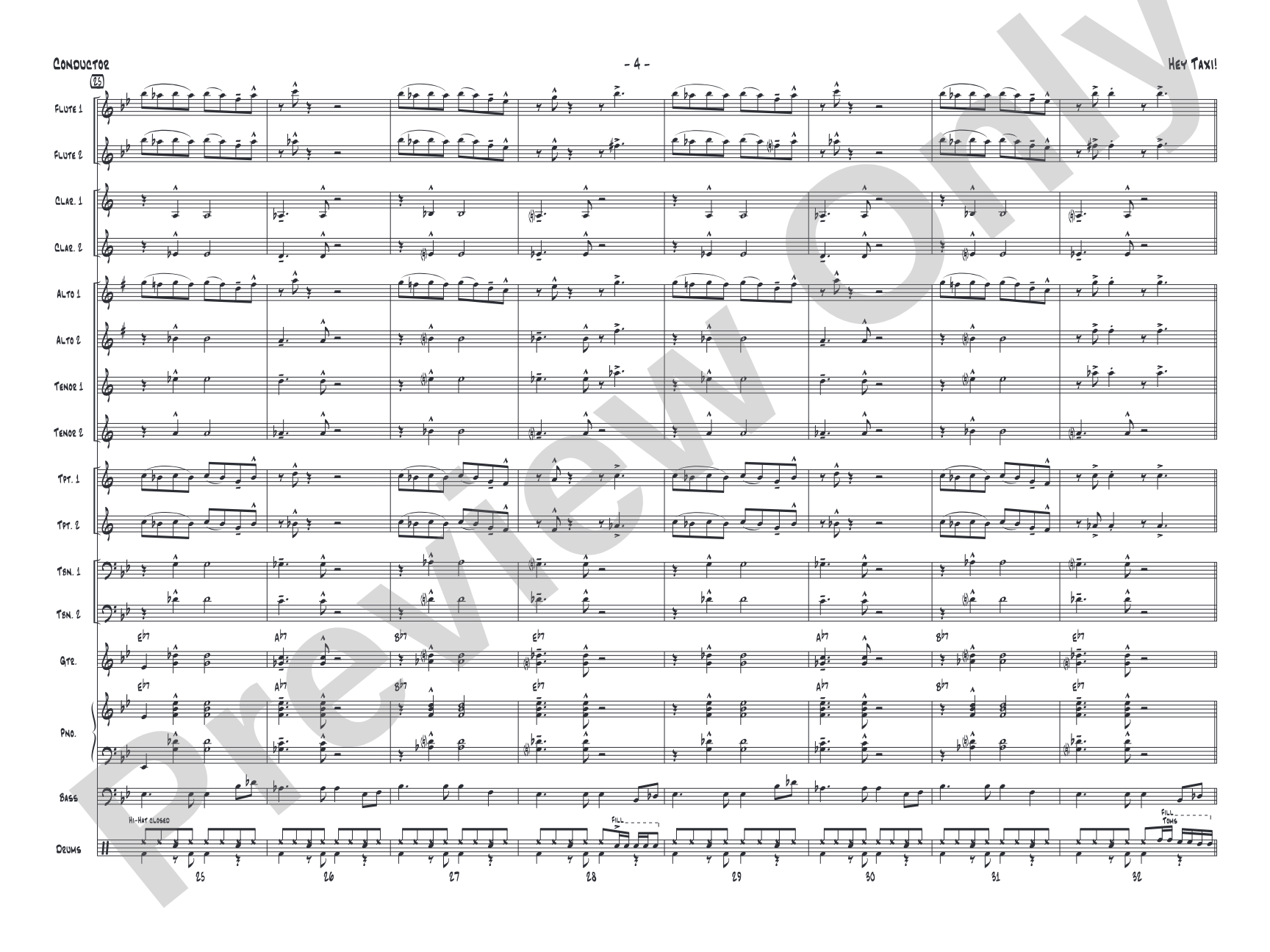
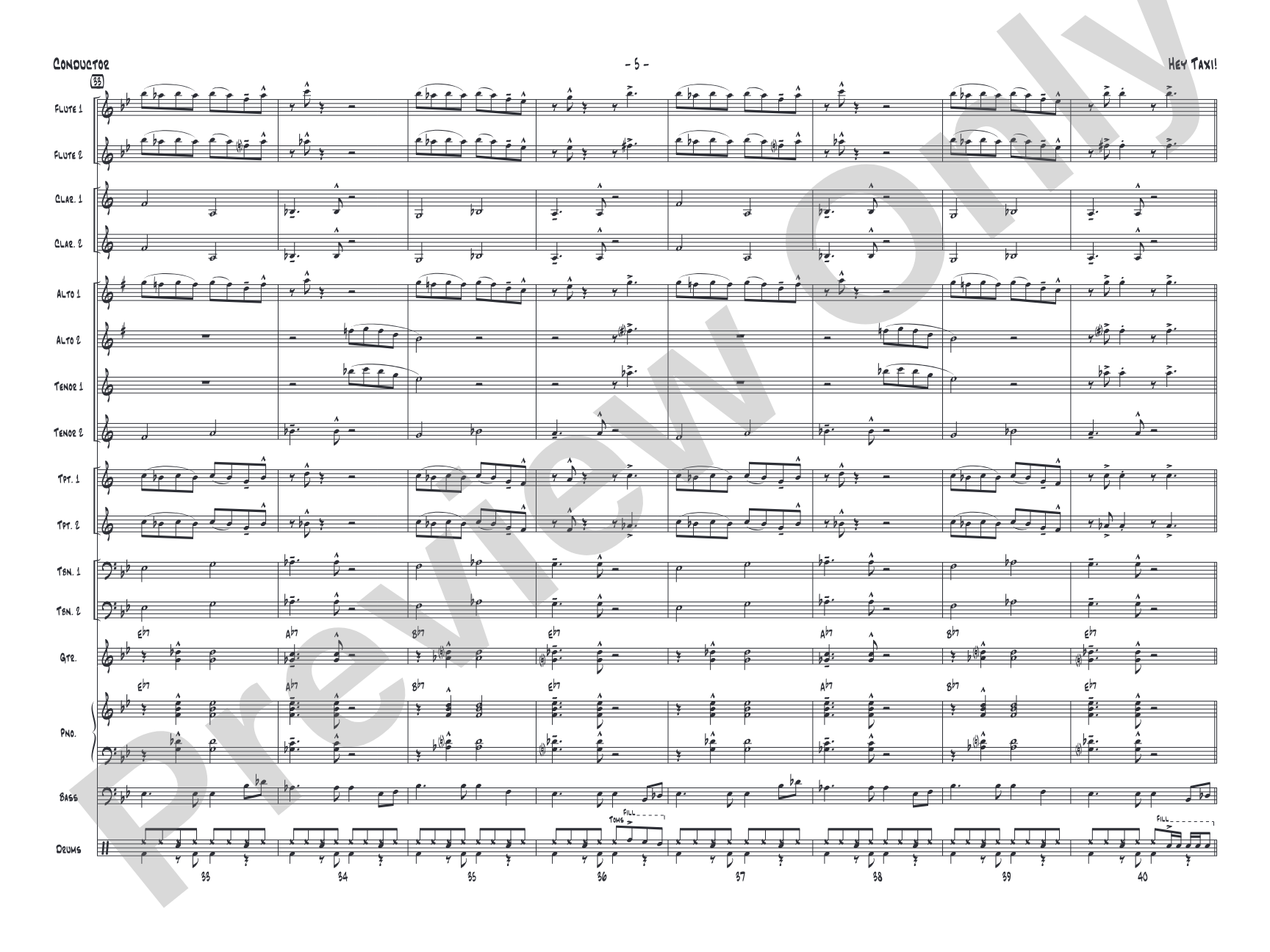
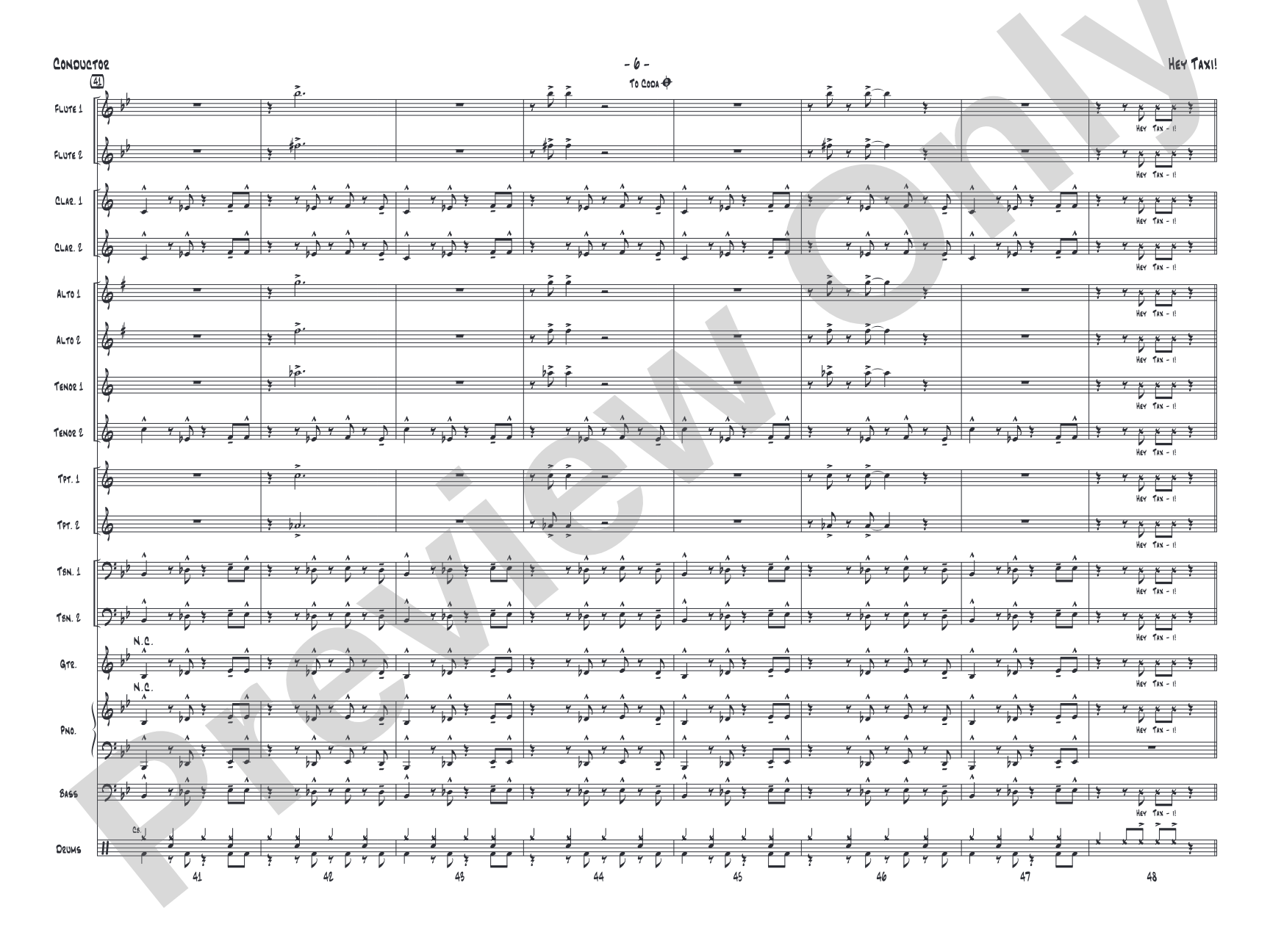
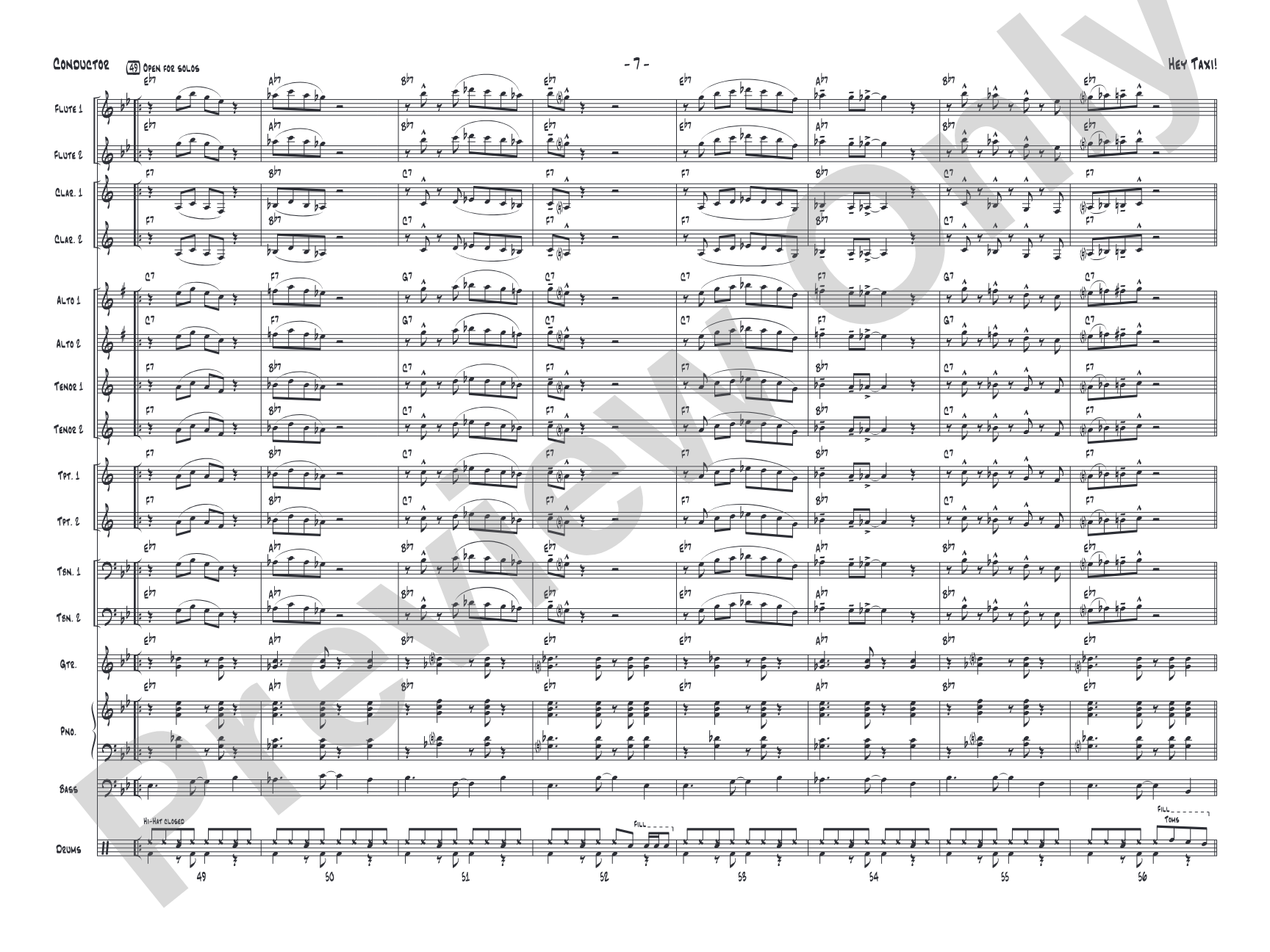
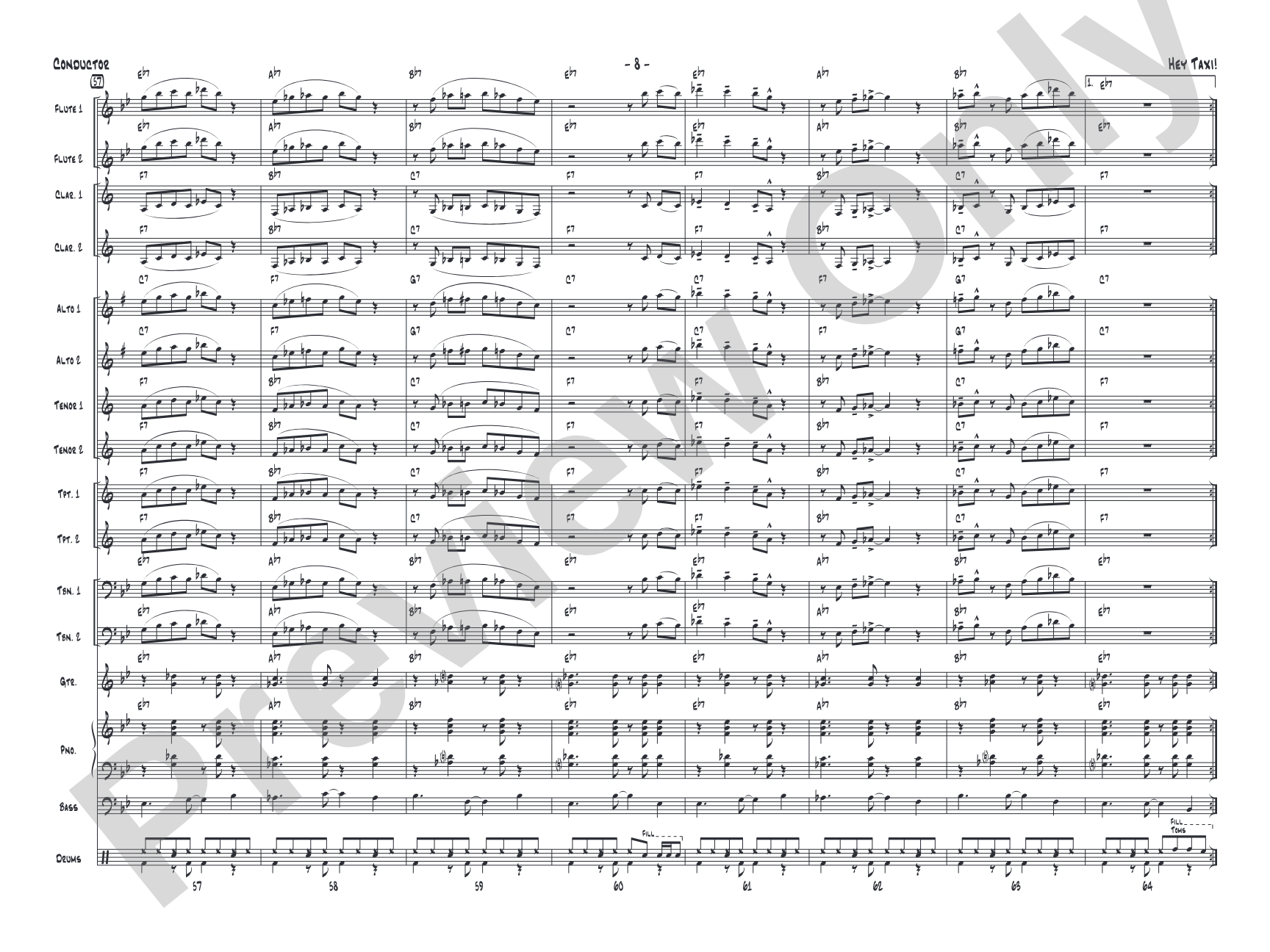
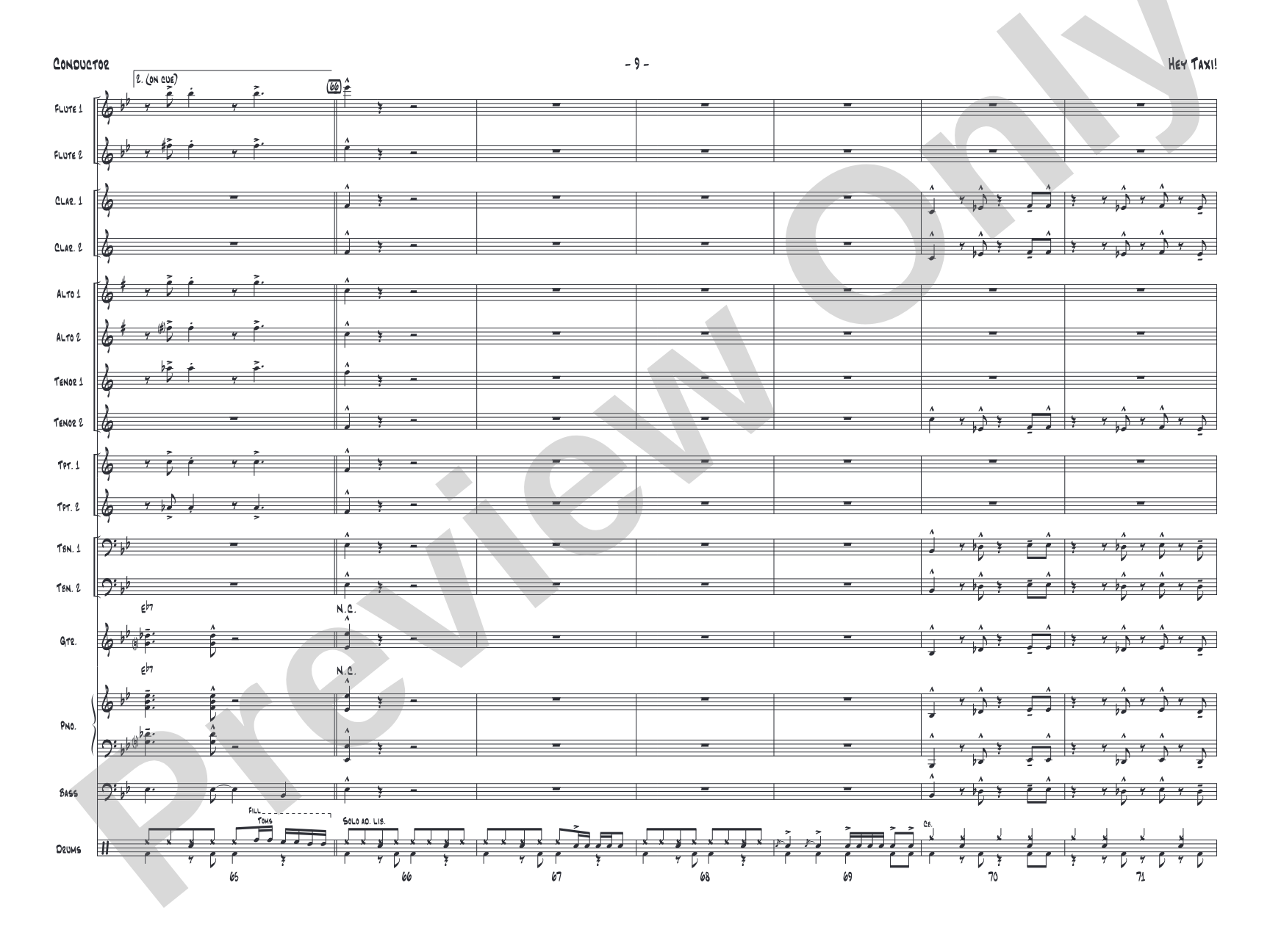
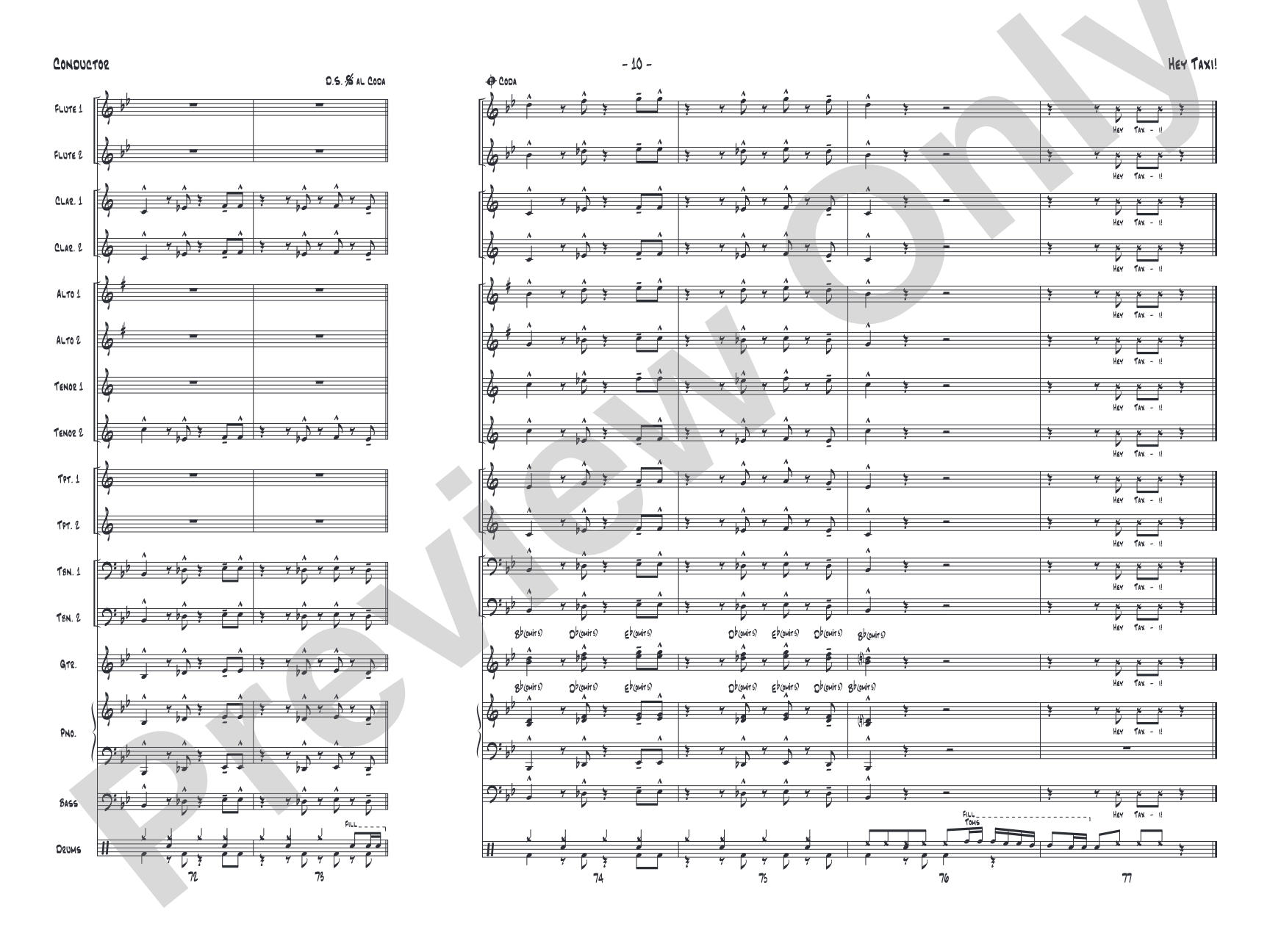
The straight-eighth rock groove is easy for the rhythm section and incorporates the sound of honking taxi horns! A solo section that is written-out for winds with flexibility for one, some, or all wind players. It even has lyrics: "Hey Tax-i!" A clever chart that is fun to play and accessible to all young players.


Don't just read it, hear it, play along with it, and watch your students grow with it. In MakeMusic Cloud, Hey Taxi!: Jazz Ensemble Conductor Score & Parts comes alive with professional accompaniment, adjustable tempo, and built-in practice tools that turn solo practice into real progress.
Open in the Player
Jump straight in and assign it today.
Start Your Free Trial
Open this title and explore the full library in minutes.
Sample Audio
1
Audio File
--:--
0:00
0:00
Sample Video
No sample videos found.
Additional Details
Series:
Jazz Beginnings Series
Publisher:
Alfred Music
Page Count:
82
SKU:
00-PK-0006437
More about this title
About the Composer: Victor López
Victor López is a composer and arranger whose work spans concert band, wind ensemble, and jazz ensemble literature. His writing for young ensembles balances accessibility with musical substance, creating pieces that engage students while building foundational skills. López has become known in music education circles for his ability to craft arrangements and original works that make learning feel effortless.
Why we love this
This chart proves that Grade 1 doesn't mean simplistic. The straight-eighth rock groove sits perfectly under young players' fingers, but the added layer of honking taxi horns and singable lyrics transforms a basic rhythm section pattern into something with personality and fun. It's the kind of piece that keeps ensemble members engaged while building confidence.
What to expect
Bright, urban energy. The straight-eighth rock groove generates immediate forward momentum while the taxi horn punctuation adds playful New York street jazz flair. It's the sound of music that doesn't take itself too seriously but takes its groove completely seriously.
Who it's for
Beginning jazz ensemble students ready to move beyond purely technical exercises and into material with groove and character. This works for middle school or young high school ensembles establishing their first jazz program, as well as for experienced younger players building their jazz vocabulary.
How to get the most out of it
- Keep the rhythm section locked and steady on the groove. The entire chart depends on a solid, unrushed eighth-note feel from drums, bass, and piano.
- Balance the taxi horn sound carefully during those interjections. Young players often overplay effects like these; remind them the texture supports rather than dominates.
- Assign the wind solo section strategically based on your section's strengths. Writing it out for all parts lets you pull individual or paired soloists forward as needed.
- Have the ensemble speak or sing the "Hey Taxi!" lyric section together before adding instruments. It clarifies the rhythmic placement and creates ensemble ownership of the melody.
How to use it
Use this early in the year as a morale builder when your jazz ensemble is forming. It establishes that jazz ensemble is fun and accessible without sacrificing musicality. It also pairs well on a concert with other early-grade jazz standards that showcase rhythm section work and call-and-response textures.
Skills your students will build
- Straight-eighth rock groove and swing feel differentiation
- Ensemble cohesion in rhythm section and wind blend
- Written-out solo interpretation and flexibility
- Listening and responding to ensemble cues while playing a line