Hemispheres Cover Image

Hemispheres: String Orchestra Conductor Score

$10.00 USD
Sale price  $10.00 USD Regular price 
Skip to product information
Hemispheres Cover Image

Hemispheres: String Orchestra Conductor Score

By Richard Meyer

Grade: 4

Item: 00-45871S

$10.00
Shipped

One moment…

Description
This multi-cultural piece explores world music using a unique and exciting format. Two side-by-side orchestras share one conductor, with one group performing traditional American songs and the other playing folk songs from the Middle East. A total of eight songs are presented as each section from the two orchestras is featured. As the piece unfolds, what emerges is not only a tapestry of beautiful music, but an intense commentary on the power of music to unite diverse cultures. Whether you split your orchestra in two or combine with another orchestra, "Hemispheres" by Richard Meyer is sure to educate your students and your audience.

A suggested seating chart is included. Also playable by one orchestra in a traditional set-up.

Hemispheres: String Orchestra Conductor Score isn't in MakeMusic Cloud just yet...but it could be. Let us know you'd like to see it, and you'll help shape what comes next. In the meantime, start a free trial and dive into thousands of interactive titles your students can play along with today.

Sample Pages

Sample Audio
0:00
0:00
Sample Video
Additional Details
Series: Highland/Etling String Orchestra
Publisher: Alfred Music
Page Count: 40
UPC: 038081529608
SKU: 00-45871S

More about this title

About the Composer: Richard Meyer
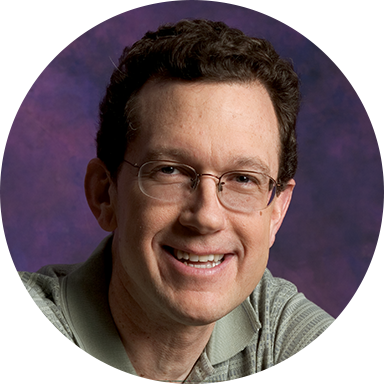
Richard Meyer

Richard Meyer spent 35 years teaching strings across elementary, middle, and high school levels in public schools. He directed orchestras at Oak Avenue Intermediate School in Temple City, California for 22 years, expanding the program from 29 students to 200, while simultaneously overseeing the district's elementary string curriculum. His "Giving Bach" initiative, launched in 2009, earned national recognition for its interactive concert model serving special needs and underserved students throughout Southern California.

Beyond the classroom, Meyer has conducted the Pasadena Youth Symphony Orchestra for 16 years and guest-conducted All-State and Honor ensembles across multiple states. He is a prolific composer and arranger with over 190 published works, served as string editor for Alfred Publishing Company for 16 years, and co-authored several string method series including String Explorer and Sight-read It for Strings. He has been a featured clinician at the A.S.T.A. National Conference, Texas Orchestra Directors' Association Conference, and universities including Ohio State.

Why we love this

Meyer's dual-orchestra setup is theatrically bold and pedagogically smart. It gives every student a clear role within a meaningful framework, and the juxtaposition of American and Middle Eastern folk traditions creates genuine musical conversations rather than superficial cultural sampling. The piece teaches listening, collaboration across sections, and the visceral power of live performance to build empathy.

What to expect

Hemispheres unfolds like a respectful conversation between two musical worlds. American melodies sit alongside Middle Eastern folk songs in moments of solo beauty, then gradually converge into passages where both orchestras sound together, creating harmonic layers that feel neither blended nor competing but genuinely dialogic. The effect is meditative at times and luminous when the groups unite.

Who it's for

String orchestra directors at the Grade 4 level who want to program something that engages both students and audiences intellectually and emotionally. This work suits ensembles ready to handle slightly expanded technical demands and the logistical challenge of managing two distinct musical groups within a single piece.

How to get the most out of it

  • Invest time in blocking the two orchestras separately before rehearsing them together. Each group needs confidence in their own material first; unified sound emerges naturally once both sides are secure.
  • Use the provided seating chart as a starting point, but adjust based on your space and conductor sightlines. Clear visual contact with both groups matters more than any standard arrangement.
  • Work on conductor independence between the two orchestras during early rehearsals. Assign a principal player in each section to lead their group through transitions, reducing dependence on the baton.
  • Rehearse the combined passages with attention to balance and blend rather than volume. The piece's power comes from hearing both musical traditions simultaneously, not from one overpowering the other.

How to use it

This piece works best as a centerpiece concert work that signals your orchestra's maturity and cultural awareness to an audience. It pairs naturally with other world music selections or as the capstone to a unit exploring music's role in social understanding. The dual-orchestra format also makes it ideal for collaborating with another school's orchestra if you want to stay as a single ensemble.

Skills your students will build

  • Reading and performing American folk melodies in string voicings
  • Reading and performing Middle Eastern folk melodies and modal harmonies
  • Ensemble balance and blend across two independent orchestral groups
  • Responding to unified conducting while maintaining sectional independence
  • Awareness of cultural context and musical storytelling in concert performance

You May Also Like